Chronic fatigue syndrome



Do you feel exhausted every day, even after 8-9 hours of sleep? Have you given up sports, struggle to concentrate at work and feel that any effort is disproportionately difficult? If fatigue has persisted for months and is clearly reducing your level of functioning, you may be dealing with chronic fatigue syndrome (CFS), also known as myalgic encephalomyelitis.
This is not just simple burnout. The World Health Organization (WHO) recognizes CFS as a distinct medical condition, with documented neuro-immune and metabolic mechanisms.
What is chronic fatigue syndrome?
CFS is a chronic condition characterized by severe fatigue lasting longer than 6 months, which does not improve with rest and worsens after physical or mental effort. Patients describe a clear decline in their previous activity level.
For example, an active person who used to run three times a week may become exhausted after a 10-minute walk. A professional with an intense schedule may notice they can no longer sustain a one-hour meeting without taking a break.
There is no single confirmatory test. The physician establishes the diagnosis based on clinical criteria and after excluding other conditions.
Causes and underlying mechanisms
Medical research indicates several possible mechanisms. There is no single cause, but rather a combination of factors.
Immune imbalances
Many patients show signs of persistent immune activation associated with low-grade inflammation. The condition frequently begins after a viral infection, such as Epstein-Barr virus or severe respiratory infections. The immune system remains in a state of alert, and this ongoing energy consumption contributes to exhaustion.
The phenomenon observed in patients with long COVID supports this hypothesis. Clear similarities have been reported between post-COVID symptoms and CFS.
Neuroendocrine dysfunction
The hypothalamic-pituitary-adrenal axis regulates the body’s stress response. In patients with CFS, cortisol levels may be lower than average for the general population. This imbalance affects adaptation to physical effort and psychological stress.
Mitochondrial dysfunction
Mitochondria produce ATP, the body’s primary source of cellular energy. Studies show that some patients with CFS have reduced energy production. The result is decreased exercise tolerance and slow recovery after routine activities.
Autonomic nervous system dysfunction
The autonomic nervous system controls blood pressure, heart rate and digestion. Many patients develop orthostatic intolerance: dizziness, palpitations or fainting sensations when standing up. This association is present in numerous clinical cases.
Common symptoms

The clinical picture varies, but there are recurring manifestations.
Persistent severe fatigue
This is not ordinary tiredness. Patients describe it as profound exhaustion that does not disappear after sleep or vacation.
Worsening after exertion
A practical example: you go grocery shopping for 30 minutes and the next day you remain in bed with muscle pain and reduced concentration. This delayed reaction is characteristic of CFS.
Cognitive disturbances
Difficulties with concentration, impaired short-term memory and slowed information processing may occur. Many patients use the term “brain fog.”
Non-restorative sleep
You wake up tired even after sleeping enough. Insomnia or fragmented sleep may also occur.
Pain and other symptoms
- diffuse muscle pain;
- joint pain without obvious inflammatory signs;
- headaches or migraine episodes;
- digestive discomfort;
- increased sensitivity to light and noise.
Complications and functional impact
Without intervention, CFS may lead to:
- reduced work capacity;
- social isolation;
- physical deconditioning;
- secondary anxiety or depressive symptoms.
Studies show that secondary depression rates are higher in patients with disabling chronic conditions. Therefore, early intervention and a personalized approach reduce the risk of complications.
Accurate diagnosis: why is it important?
The diagnosis is one of exclusion. The physician investigates conditions such as:
- hypothyroidism;
- anemia;
- autoimmune diseases;
- diabetes;
- sleep disorders;
- major depression.
To differentiate these conditions, blood tests, a detailed clinical evaluation and sometimes an interdisciplinary consultation are necessary. An assessment within a specialized neurological rehabilitation service allows analysis of your functional capacity and the development of a plan adapted to your current energy level.
The benefits of a correct evaluation include:
- excluding treatable diseases;
- establishing functional severity;
- preventing overexertion;
- guidance toward appropriate therapies.
Do not self-diagnose. Schedule a consultation if symptoms persist for more than 3-6 months.
Treatment: a personalized approach
There is no single curative treatment, but combining interventions increases the chances of improvement.
Medication
Your physician may recommend:
- low-dose antidepressants for sleep support;
- pain relievers for musculoskeletal pain;
- supplementation for deficiencies such as vitamin D, B12 or iron.
Treatment is adjusted individually depending on symptoms and tolerance.
Adapted physical therapy and pacing
Intense exercise may worsen symptoms. Instead, personalized physical therapy programs introduced gradually help maintain mobility and prevent deconditioning.
The core principle is pacing:
- alternate activity with rest periods;
- avoid exceeding the threshold that triggers symptom flare-ups;
- gradually increase exercise duration.
A coordinated neurological rehabilitation program for chronic fatigue takes your limits into account and reduces the risk of setbacks.
Cognitive behavioral therapy
Cognitive behavioral therapy helps you manage stress, frustration and the functional impact of the condition. It does not treat the biological cause, but it improves adaptation and quality of life.
Supplements
Some studies mention potential benefits of coenzyme Q10, magnesium or omega-3. Evidence is moderate and results vary. Speak with your physician before starting any supplement.
Lifestyle and nutrition
Adopt practical measures:
- maintain a regular sleep schedule;
- limit caffeine and alcohol;
- stay hydrated;
- follow a balanced diet close to the Mediterranean model.
A diet rich in vegetables, fruits, fish and healthy fats supports control of chronic inflammation. If you have associated conditions such as diabetes, manage them properly. Metabolic imbalances may worsen fatigue.
When should you seek medical help?
Consult a specialist if:
- fatigue lasts longer than 6 months;
- daily activity is clearly affected;
- symptoms worsen after minimal effort;
- persistent cognitive disturbances appear.
Early evaluation prevents complications and allows an adapted intervention. A team experienced in neurological rehabilitation collaborates interdisciplinarily to build a personalized plan. Schedule a specialist consultation at Centrokinetic today.
Frequently asked questions
Can chronic fatigue syndrome be cured?
Currently, there is no standardized curative treatment. Many patients achieve improvement through a combination of medication, adapted physical therapy and energy management. The evolution varies from case to case.
Can I exercise if I have CFS?
You can perform light, adapted and progressive exercise under supervision. Avoid intense workouts. Follow the pacing principle and work together with a physical therapist.
Is CFS the same as depression?
No. CFS is a distinct medical condition recognized by WHO. Depression may occur secondarily, but the biological mechanisms and diagnostic criteria are different. Medical evaluation correctly differentiates the two situations.
Sources
- “Myalgic Encephalomyelitis/Chronic Fatigue Syndrome (ME/CFS) - Symptoms and Causes.” Mayo Clinic, 2025.
- Graves, B. Sue, et al. “Chronic Fatigue Syndrome: Diagnosis, Treatment, and Future Direction.” Cureus, October 1, 2024, pmc.ncbi.nlm.nih.gov/articles/PMC11526618/.

MAKE AN APPOINTMENT
CONTACT US
MAKE AN APPOINTMENT
FOR AN EXAMINATION
See here how you can make an appointment and the location of our clinics.
MAKE AN APPOINTMENT
BUCHAREST TEAM
































































CLUJ NAPOCA TEAM


































BRASOV TEAM



















Asiguratori privati





Parteneriate



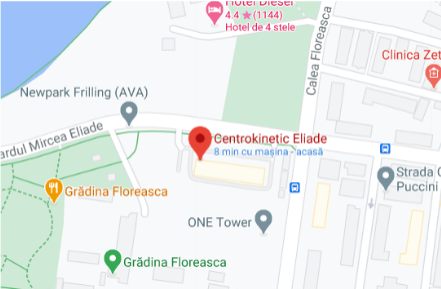
CENTROKINETIC FLOREASCA
Bucharest, 1st District,
Mircea Eliade Street, no. 18,
Eliade Tower, Entrance A, Floor 3
| Navigation | Explore 3D |
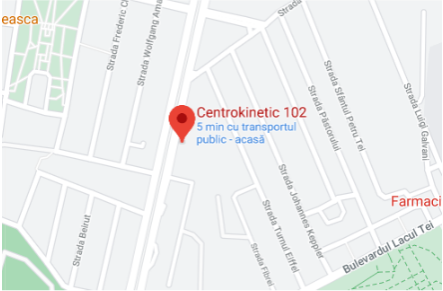
CENTROKINETIC Barbu Vacarescu
Bucharest, 2nd District,
Barbu Vacarescu Street, no. 102,
102 The Address, ground floor.
| Navigation | Explore 3D |
CENTROKINETIC MILITARI
Bucuresti, Sector 6,
Bld. Iuliu Maniu, nr. 15G,
Cladirea PBT, etaj 3.
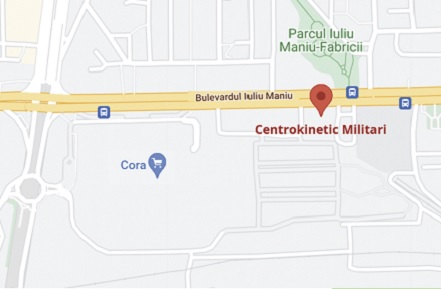
| Navigation |
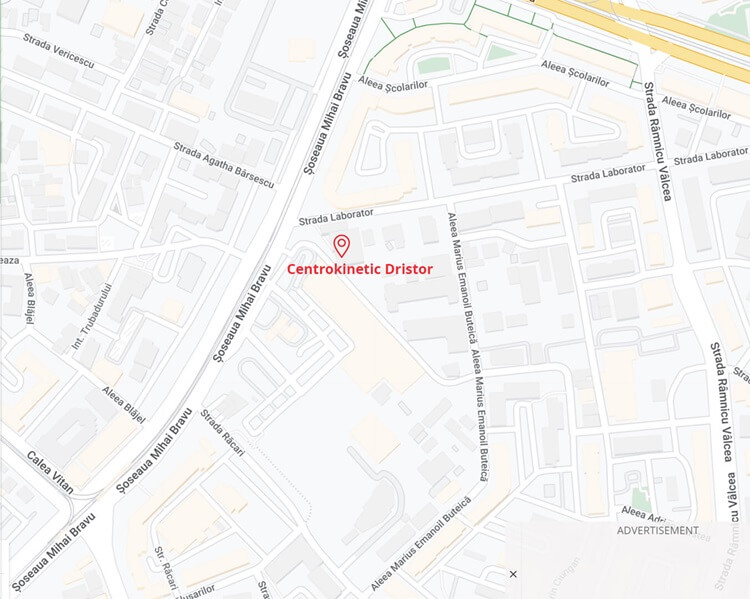
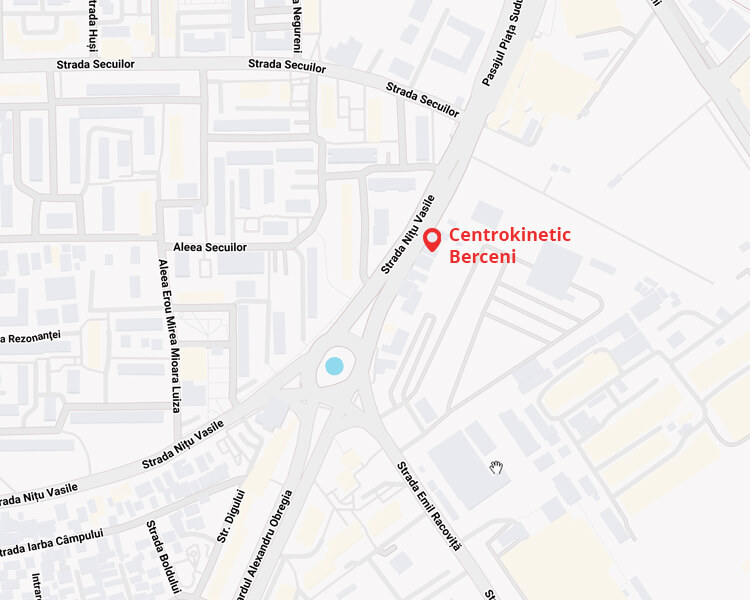
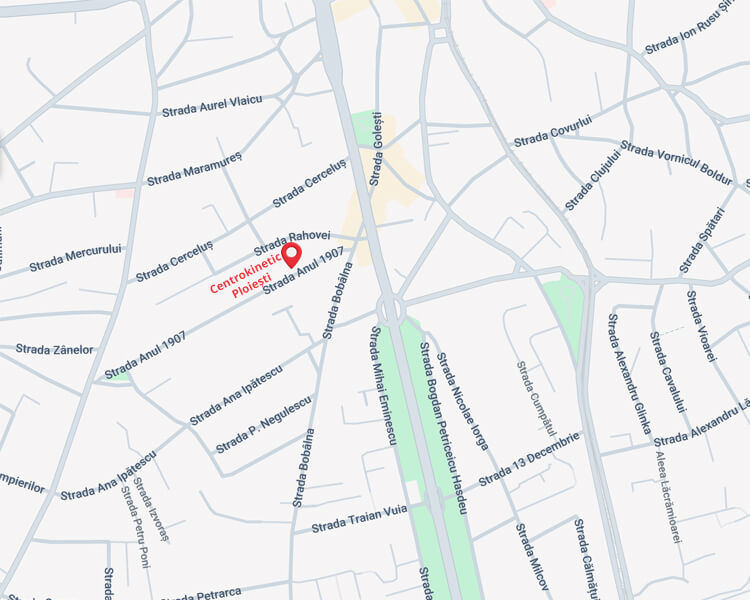
CENTROKINETIC CLUJ-NAPOCA
Cluj-Napoca,
Str. Intre Lacuri, nr.1
Intrarea este in spatele cladirii.
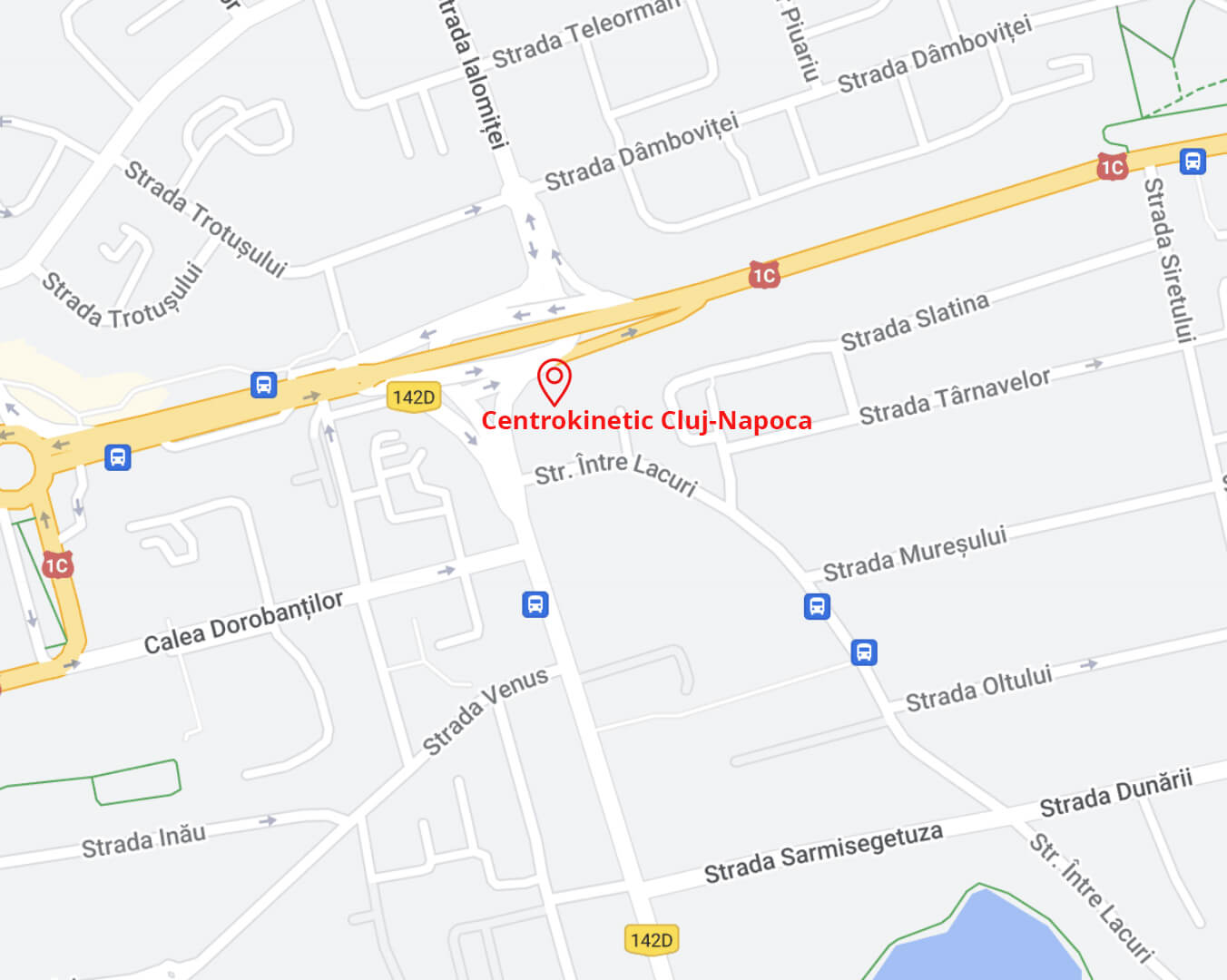
| Navigation |
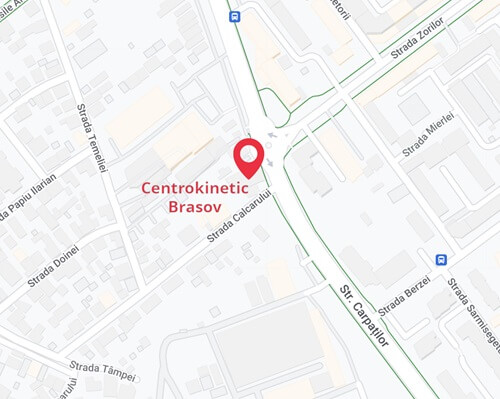
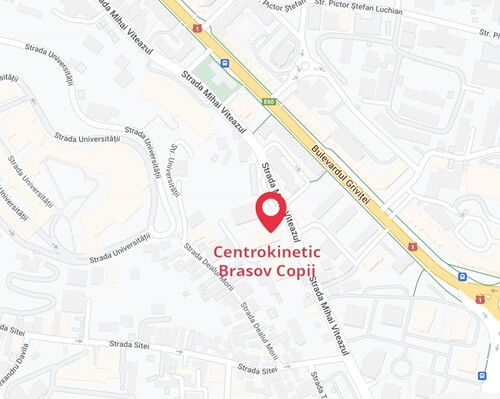
SOCRATES CLINIC TIMISOARA
Timisoara, Calea Martirilor 1989,
nr. 1.
Telefon: 0371 785 374.
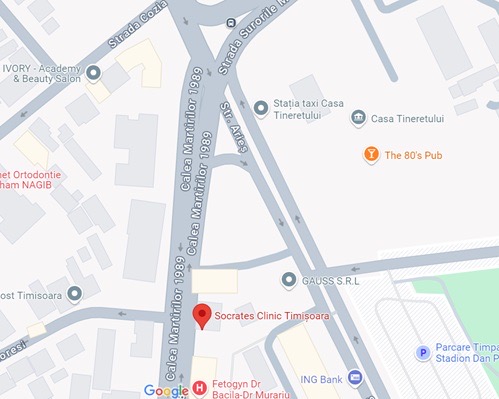
| Navigation |
CONTACT
Phone: 0319693
E-mail: programari@centrokinetic.ro
Operating hours:
Monday – Friday: 07:00 – 21:00
Saturday: 09:00 – 14:00
Sunday: closed.
MAKE AN APPOINTMENT