15 Frequently Asked Questions About Physical Therapy Sessions at a Private Clinic


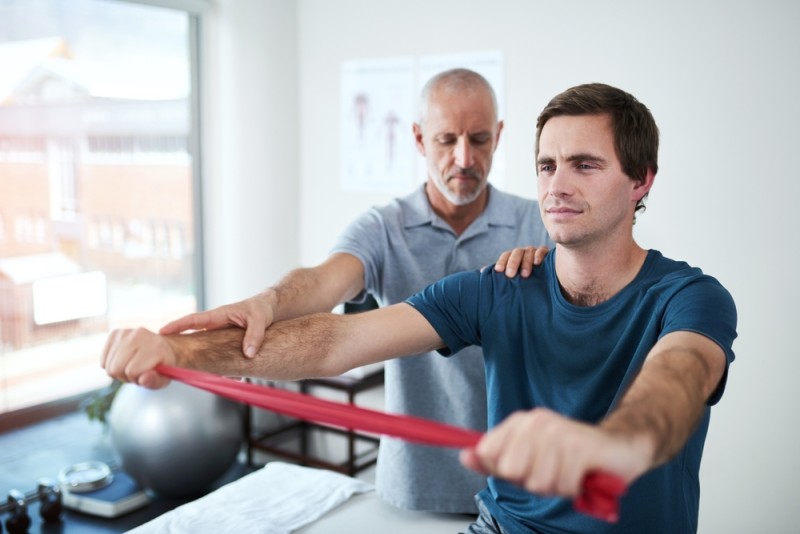
Did you get a referral for physical therapy and want to know exactly what to expect? Are you wondering how long a session lasts, how many sessions you'll need, or what results to expect? Whether you're an active adult with back pain, an athlete returning to activity after an injury, or a parent looking for solutions for your child, accurate information helps you make the right decisions.
In this guide you'll find detailed answers to the 15 most frequent questions about physical therapy sessions at a private clinic, so you know how to prepare and what the recovery process involves.
15 frequently asked questions about physical therapy sessions at a private clinic
1. What is physical therapy and what do sessions at a private clinic involve?
Physical therapy is a form of medical recovery based on controlled movement and therapeutic exercises. The specialist uses medically validated techniques to restore mobility, strength, and stability to affected joints.
Unlike exercises done at the gym, physical therapy follows a plan established after a functional assessment. The physical therapist analyzes posture, range of motion, balance, and muscle strength, then builds a personalized program.
At a private clinic, sessions include:
- active and passive exercises tailored to the diagnosis;
- joint mobilizations;
- manual therapy techniques;
- postural correction;
- gait or sports-movement re-education.
Many patients ask what the difference is between physical therapy and physiotherapy. Physiotherapy procedures use physical agents such as laser, ultrasound, or electrotherapy to reduce pain and inflammation. Physical therapy works directly through movement to restore function.
2. When do you need physical therapy sessions?
Your doctor may recommend physical therapy in numerous situations:
- lower back or neck pain;
- herniated disc;
- sprains, muscle tears, tendinitis;
- recovery after orthopedic surgery;
- arthritis or other rheumatic conditions;
- posture problems in children and teenagers;
- recovery after a stroke.
Early intervention shortens treatment duration. If you ignore knee pain and keep training, you risk worsening the injury and needing a longer recovery.
Active adults and athletes benefit from programs adapted to their activity level. Parents can opt for assessment and recovery programs for children when posture problems or gait disturbances appear.
3. How does the first physical therapy session go?
The first session starts with a detailed discussion. The specialist reviews your medical history and current symptoms, then tests:
- joint mobility;
- muscle strength;
- stability;
- balance;
- how you perform specific movements.
This stage brings clear benefits. It identifies imbalances, prevents overload, and allows realistic goals to be set. Most of the time, the first session also includes light exercises to start the recovery process.
4. How many physical therapy sessions are needed?
The number of sessions varies depending on the diagnosis and how soon therapy begins.
In most cases, acute conditions respond faster to treatment. Chronic problems need more time for stable results.
| Condition | Approximate number of sessions |
|---|---|
| Mild sprain | 5–8 sessions |
| Acute lower back pain | 8–15 sessions |
| Herniated disc | 15–30 sessions |
| ACL recovery | 20–40 sessions |
5. How long does a session last?
An individual session lasts between 40 and 45 minutes. The usual structure includes:
- warm-up;
- main exercises;
- stretching or relaxation;
- feedback and recommendations for home.
Individual sessions allow close control of execution. In post-surgical recovery or complex cases, constant supervision reduces the risk of overload.
6. What types of exercises are done?
The program includes exercises that are:
- passive;
- active-assisted;
- active free;
- resistance-based (elastic bands, small weights);
- balance and coordination.
For example, for lower back pain, the deep abdominal muscles and pelvic stability are worked on. After ACL surgery, the program progressively targets knee mobility, thigh strength, and control of pivoting movements. Equipment used includes stability balls, balance platforms, and guided machines.
7. Is physical therapy combined with physiotherapy?
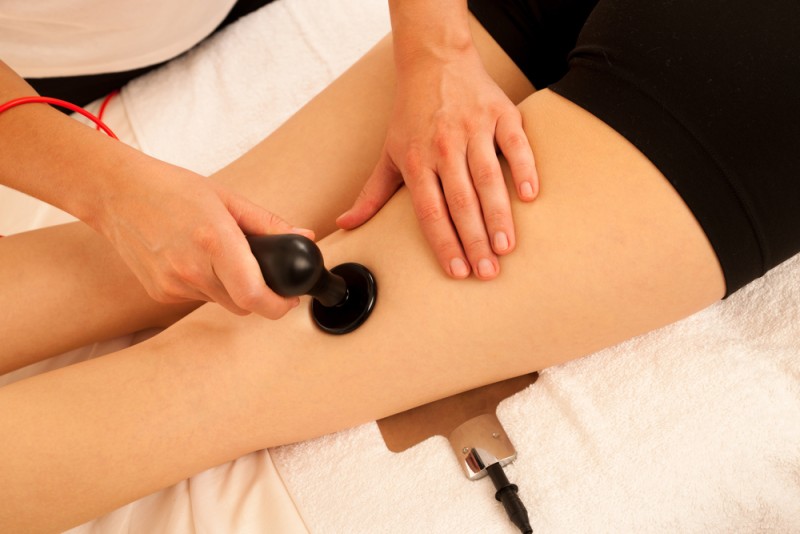
Yes. In many situations, the doctor recommends combining procedures. In the acute phase, physiotherapy reduces inflammation and pain. Later, physical therapy consolidates results through active exercises.
A patient with shoulder tendinitis may start with laser or shockwave therapy, then continue with exercises to stabilize the scapula and strengthen the rotator cuff.
8. How do you prepare for a session?
Wear loose clothing and sports shoes. Avoid heavy meals within an hour beforehand. Stay properly hydrated.
Tell your therapist if you have increased pain that day or any recent medical changes. After the session, avoid intense effort and follow the recommendations you receive.
9. Is it normal to feel pain after a session?
Mild muscle soreness is common, especially at the start. It goes away within 24–48 hours.
Intense, persistent pain, or pain accompanied by swelling, is not normal. Tell your specialist right away. Open communication allows the plan to be adjusted and prevents complications.
10. Are there any contraindications?
Physical therapy is postponed in case of:
- fever or active infections;
- unhealed fractures;
- unstable heart conditions;
- severe acute inflammation.
During pregnancy or in oncological conditions, the doctor adapts the program.
11. Can you also do exercises at home?
Yes. A home program maintains progress between sessions.
Your physical therapist explains and checks that you're performing exercises correctly. Avoid exercises found online without medical approval. An improper movement can worsen the condition. For the best results, stick to the recommended frequency.
12. What are the differences between the public system and a private clinic?
In the public system, access depends on quotas and waiting lists. At a private clinic you benefit from:
- fast scheduling;
- a consistently adapted plan;
- access to modern equipment.
Learn more about the difference between medical recovery and physical therapy in our dedicated article. At Centrokinetic, the multidisciplinary team of orthopedic doctors, recovery physicians, and physical therapists collaborates on a coherent plan.
13. How much do sessions cost?
The cost varies depending on the duration and complexity of the procedures. Individual sessions have a different rate than group sessions. Packages can reduce the cost per session. Check the updated Centrokinetic service prices for more details. The right initial investment reduces the risk of complications and more costly treatment later on.
14. When do results appear?
In acute conditions, improvements often appear after 3–5 sessions, though each person responds differently.
Recovery after surgery can take months. For example, returning to sport after ACL reconstruction takes an average of 6 months. Your consistency and involvement influence the outcome. Follow the established plan and attend your follow-up evaluations.
15. How do you choose the right clinic?
Check the team's experience and available specializations. Ask about the protocols used and about collaboration between doctors and physical therapists.
Choose a clinic where the initial assessment is thorough and the plan is personalized. Centrokinetic gives you access to a team with expertise in orthopedics, medical recovery, and other specialties, able to handle varied cases, from performance athletes to children with postural issues.
Why does a correct assessment and early intervention matter?
A thorough assessment identifies imbalances before they cause more serious injuries. For example, a strength difference between the lower limbs can lead to knee overload while running. Early intervention reduces downtime and prevents symptoms from recurring. Don't delay a consultation if pain persists for more than a few days or limits your usual movements.
Medical recovery is an active process. Your involvement, together with the team's expertise, makes the difference. Whether you want to return to sport, get rid of back pain, or help your child correct their posture, choose the right assessment and start on time. Schedule a specialist consultation now!
Frequently asked questions about physical therapy sessions at Centrokinetic
Can I keep training during recovery?
It depends on the condition and the stage of treatment. Talk to your physical therapist. Sometimes a temporary reduction in intensity is recommended.
How long should I keep doing the exercises after the sessions end?
To maintain results, it's recommended to keep doing the basic exercises for a few weeks or months, as advised.
Is physical therapy suitable for prevention too?
Yes. Many active adults and athletes turn to functional assessments to prevent injuries and correct muscle imbalances.
Disclaimer: This information is for general guidance only and does not replace a medical consultation with a specialist.
Sources:
- "Physiotherapy." Nhs.Uk, Oct. 2017. Accessed July 2, 2026.
- "What Is Kinesiotherapy?" Universidad Europea, 12 Apr. 2023. Accessed July 2, 2026.
MAKE AN APPOINTMENT
FOR AN EXAMINATION
See here how you can make an appointment and the location of our clinics.
MAKE AN APPOINTMENT
BUCHAREST TEAM

















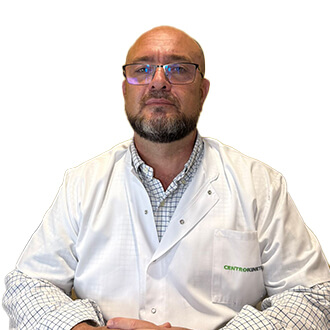






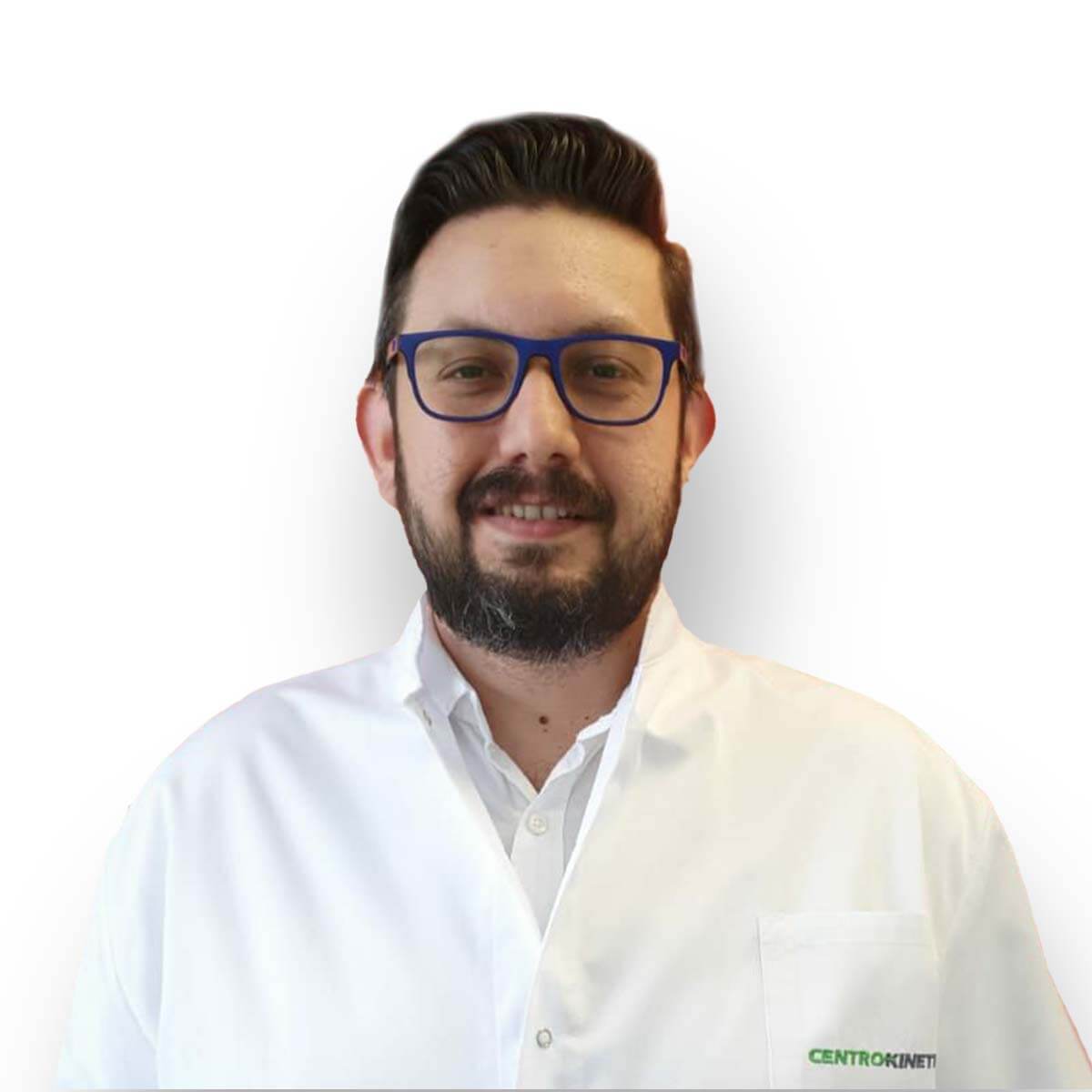





CLUJ NAPOCA TEAM












BRASOV TEAM








Asiguratori privati




Parteneriate


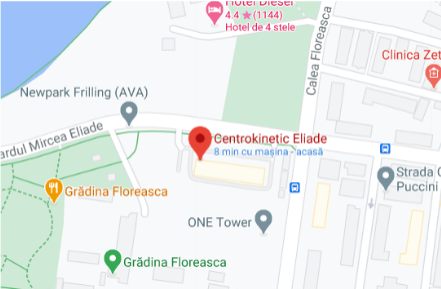
CENTROKINETIC FLOREASCA
Bucharest, 1st District,
Mircea Eliade Street, no. 18,
Eliade Tower, Entrance A, Floor 3
| Navigation | Explore 3D |
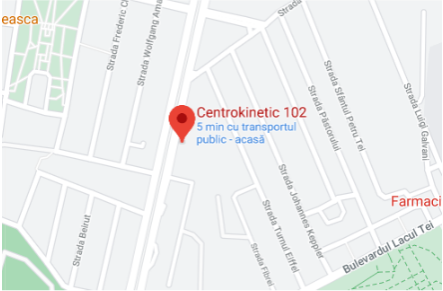
CENTROKINETIC Barbu Vacarescu
Bucharest, 2nd District,
Barbu Vacarescu Street, no. 102,
102 The Address, ground floor.
| Navigation | Explore 3D |
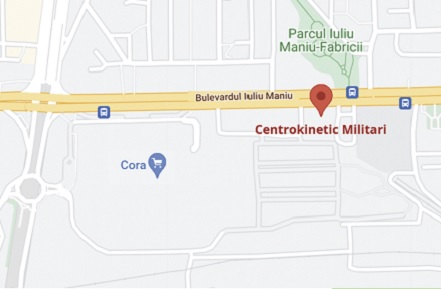
CENTROKINETIC MILITARI
Bucuresti, Sector 6,
Bld. Iuliu Maniu, nr. 15G,
Cladirea PBT, etaj 3.
| Navigation |
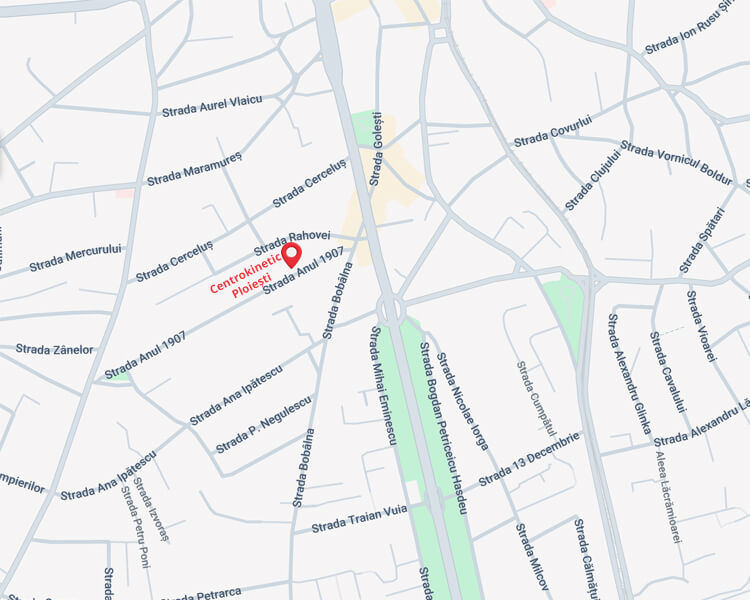
CENTROKINETIC CLUJ-NAPOCA
Cluj-Napoca,
Str. Intre Lacuri, nr.1
Intrarea este in spatele cladirii.
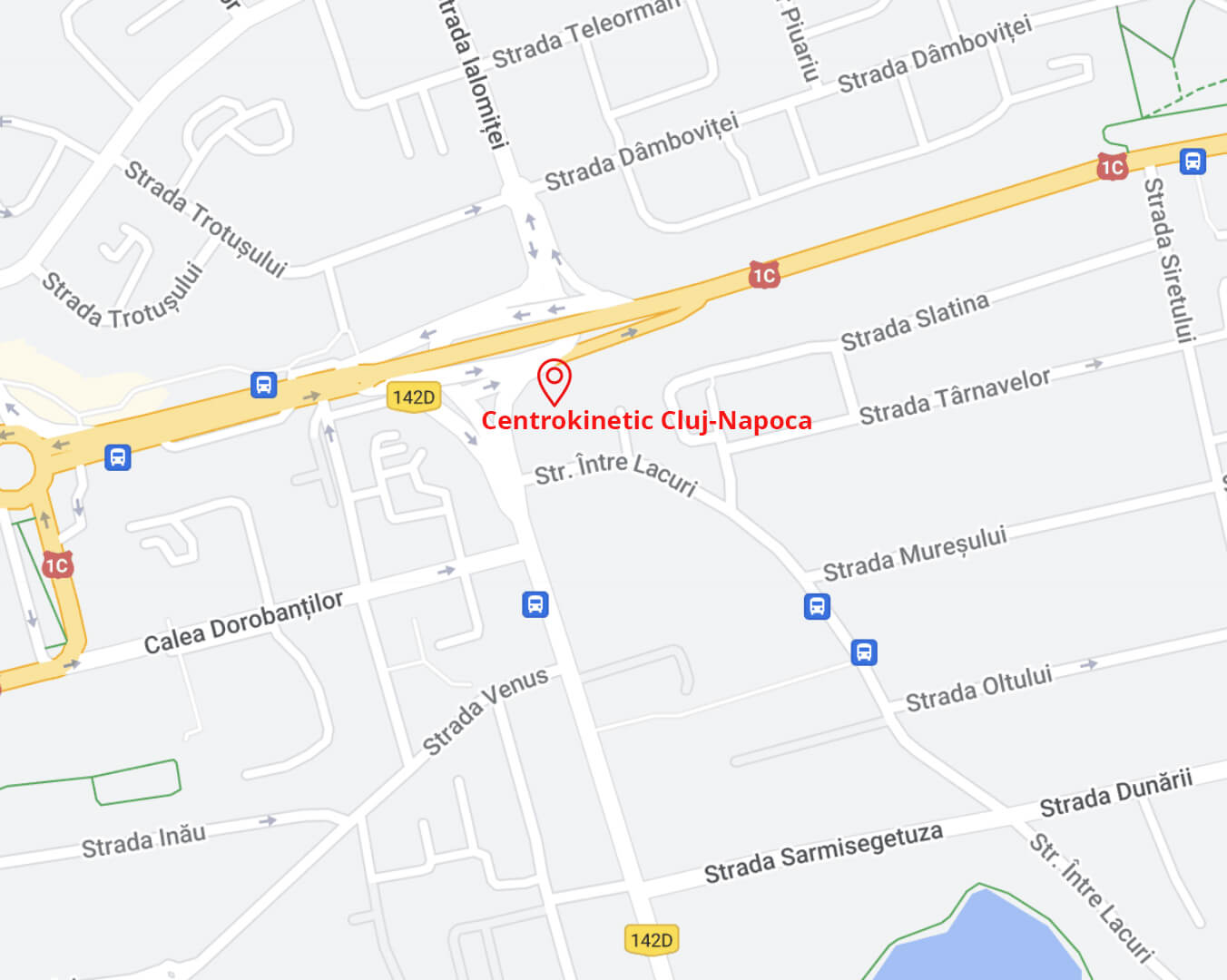
| Navigation |
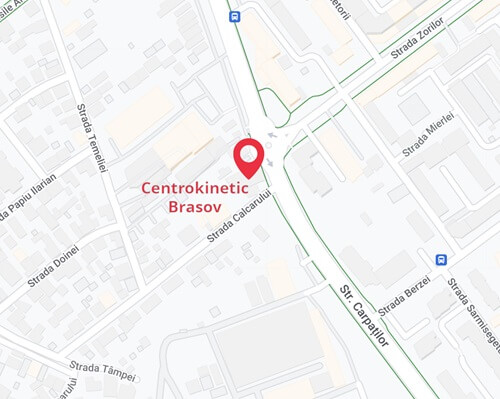
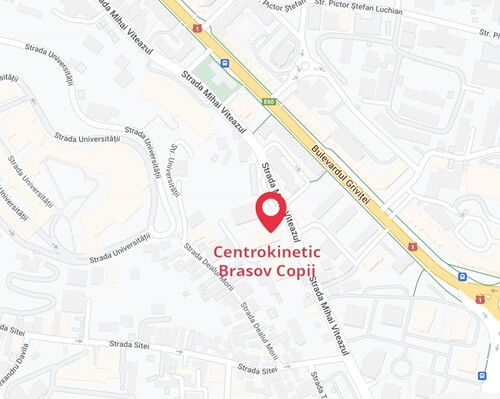
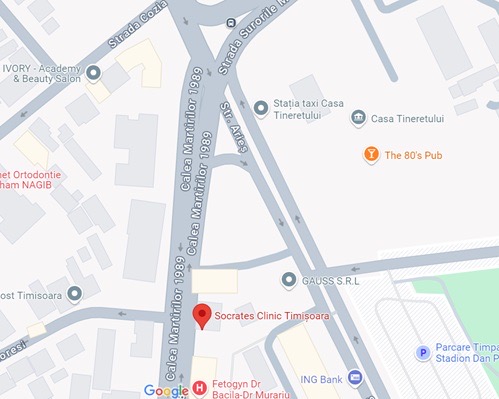
SOCRATES CLINIC TIMISOARA
Timisoara, Calea Martirilor 1989,
nr. 1.
Telefon: 0371 785 374.
| Navigation |
CONTACT
Phone: 0319693
E-mail: programari@centrokinetic.ro
Operating hours:
Monday – Friday: 07:00 – 21:00
Saturday: 09:00 – 14:00
Sunday: closed.
MAKE AN APPOINTMENT