ALZHEIMER'S DISEASE



Alzheimer's disease is a progressive neurological disorder that causes brain cell death. This disease is a frequent cause of dementia, which causes a decline in thinking, behavior, and social abilities, affecting the independence of diagnosed individuals. Alzheimer's disease worsens over time, with proper treatment serving to alleviate symptoms, while the progression of the disease cannot be stopped.
Table of contents:
- Alzheimer's disease: causes, symptoms, treatment
- What is Alzheimer's disease?
- Causes and risk factors
- Advanced age
- Genetic inheritance
- Down syndrome
- Head trauma
- Heart conditions
- Diabetes
- Hypertension
- Elevated cholesterol level
- Smoking
- Obesity
- Symptoms
- Memory loss
- Behavioral changes
- Difficulties with communication and understanding
- Orientation problems
- States of confusion and fear
- Depressive states
- Repetitions
- Eating habit disorders
- Sexual disinhibition
- Lack of hygiene
- Stages of Alzheimer's disease
- Early stage
- Intermediate stage
- Late stage
- Diagnosis
- Medical history
- Physical and neurological exam
- Blood tests
- Imaging tests
- Magnetic resonance imaging
- Computed tomography (CT)
- Positron emission tomography (PET)
- Cerebrospinal fluid
- Neuropsychological tests
- Treatment
- Medications
- Alternative remedies
- Caring for Alzheimer's patients
- Permanent supervision
- Diet
- Physical activities
- Repetitive actions
- Decent behavior
- Psychological support
- Preventing Alzheimer's disease
- Healthy lifestyle
- Balanced diet
- Proper rest
- Quitting smoking
- Regular physical exercise
- Intellectual activities

Alzheimer's disease - general information
Alzheimer's disease is the most common form of dementia, affecting up to 70% of all people with dementia. In this disease, brain cells degenerate and die, causing a steady decline in memory and mental function.The biggest risk factor for Alzheimer's disease is advanced age, with three out of ten people over the age of 85 having dementia.
At Centrokinetic, Alzheimer's patients are treated within the Neurological Recovery Department. It spans an area of 120 square meters and is equipped with state-of-the-art equipment, which meets the needs of our patients and is necessary for providing optimal treatment.
What is Alzheimer's disease
The disease was first recorded in 1907 by Dr. Alois Alzheimer. Dr. Alzheimer reported the case of Auguste Deter, a middle-aged woman with dementia and specific changes in her brain. For the next 60 years, Alzheimer's disease was considered a rare condition affecting people under the age of 65. In 1970, Dr. Robert Katzman stated that "senile dementia" and Alzheimer's disease are identical conditions and that neither is a normal part of aging.Alzheimer's disease can be sporadic or familial.
Sporadic Alzheimer's disease can affect adults at any age, but usually occurs after age 65 and is the most common form of Alzheimer's disease.
Familial Alzheimer's disease is a very rare genetic condition, caused by a mutation in one of the genes. The presence of the mutant genes means the person will eventually develop Alzheimer's disease, usually around the age of 40 or 50.
Causes and risk factors for Alzheimer's disease
Scientists have identified the causes of Alzheimer's and the factors that increase the risk of the disease. The most important risk factors - age, family history, and heredity - cannot be changed, but emerging evidence suggests there may be other factors we can influence.The biggest known risk factor for Alzheimer's is advanced age. Most people with Alzheimer's disease are age 65 or older. After age 65, the risk of Alzheimer's doubles every five years. After age 85, the risk reaches nearly one third.
Another strong risk factor is family history. Those who have a parent, brother, or sister with Alzheimer's are more likely to develop the disease. The risk increases if more than one family member has the disease. When diseases tend to run in families, either heredity (genetics), environmental factors, or both may play an important role.
Advanced age
Most cases of Alzheimer's have a late onset (usually after 65); the disease is rare among young individuals. The incidence of Alzheimer's increases with advanced age, and age is the most important risk factor for developing the disease. The ability to delay the age of onset of this disease through preventive or therapeutic approaches would have significant benefits, but there have been no successful therapies in achieving this important goal.
Genetic inheritance
No one knows the exact cause of Alzheimer's disease, but scientists know that genes are involved. For many years, researchers have searched for specific genes that affect the body, increasing individuals' risk of developing Alzheimer's disease. There have been some interesting clues, but more research will help doctors fully understand the genetic links of the disease. Genes are the main building blocks that direct almost every aspect of how we are built.
Down syndrome
Many, but not all, people with Down syndrome develop Alzheimer's disease as they age.Scientists are working hard to understand why some people with Down syndrome develop dementia while others do not. They want to know how Alzheimer's disease begins and how it progresses, so that they can develop drugs or other treatments that can stop, delay, or even prevent the disease process.
Head trauma
The immediate effects of a head trauma can include symptoms that are also seen in dementia, such as confusion and memory loss, as well as changes in speech, vision, and personality. Depending on the severity of the injury, these symptoms may disappear quickly, last a long time, or not disappear completely.Multiple head injuries can increase the risk of developing Alzheimer's disease. Having a head trauma later in life, around the age of 55, can increase the risk of developing the disease. Repeated mild injuries can also increase the risk of future problems in thinking and reasoning.
It is important to remember that many people who suffer a serious head injury never develop Alzheimer's disease or subsequent dementia. More research is needed to understand the connection.
Heart conditions
Although the brain is the area where the symptoms of the disease are first observed, Alzheimer's disease does not only affect the brain, but also the heart. Researchers have found that patients with Alzheimer's disease showed additional stiffness in the left ventricle, the thickest chamber of the heart, responsible for pumping blood to the rest of the body. They observed that this stiffness is caused by beta-amyloid deposits in the heart muscle. This is important because, when the left ventricle becomes too thick, it becomes unable to pump enough blood throughout the body, leading to heart failure.The brain - an extraordinary consumer of energy and one of the most metabolically active organs in the body - can be particularly vulnerable to the effects of a depletion of oxygen and nutrients, together with the degradation of the waste elimination system. Hypoxia occurs when tissues do not receive adequate oxygen. Scientists have shown that factors that reduce blood flow contribute to hypoxia, with potentially devastating consequences for the brain.
Diabetes
The link between Alzheimer's disease and diabetes mellitus continues to grow. People who suffer from type 2 diabetes produce additional insulin. This insulin can enter the brain, disrupting its chemistry and forming toxic proteins that poison brain cells. The protein that forms in both Alzheimer's patients and type 2 diabetes patients is identical. Diabetes can cause several complications, such as damage to blood vessels. Diabetes is considered a risk factor for vascular dementia. This type of dementia occurs due to brain damage that is often caused by reduced or blocked blood flow in the brain.
Many people with diabetes have brain changes that are hallmarks of both Alzheimer's disease and vascular dementia. Some researchers believe that each condition fuels the damage caused by the other.
Diabetes can also increase the risk of developing mild cognitive impairment, a condition in which people experience thinking (cognitive) and memory problems beyond what is usually present in normal aging. Mild cognitive impairment can precede or accompany Alzheimer's disease and other types of dementia.
Hypertension
Risk factors for Alzheimer's are varied and complex. Along with a poor diet, being overweight, and smoking, high blood pressure is a risk factor for vascular dementia and Alzheimer's. However, researchers are still trying to fully understand how hypertension contributes to the biological chain of events that leads to Alzheimer's.
High blood pressure can damage small blood vessels in the brain, affecting parts of the brain responsible for thinking and memory.
Elevated cholesterol level
Cholesterol is a waxy substance that can form on the walls of arteries, causing various health problems. It is more often involved as a factor contributing to cardiovascular conditions, such as heart disease and stroke, but cholesterol is also one of the main constituents of the cell wall. This cholesterol could also act as a catalyst for the groups of proteins called amyloid-beta that form in the brain.Amyloid-beta is well known as a key factor contributing to Alzheimer's disease. When clusters of amyloid-beta occur, plaques form that are toxic to brain function and that kill brain cells.
Smoking
Observational studies have shown that people who smoke have a high risk of developing all types of dementia and a much higher risk (up to 79%) for Alzheimer's disease in particular. Cigarettes and cigarette smoke contain more than 4,700 chemical compounds, some of which are highly toxic, such as vinyl chloride, hydrogen cyanide, arsenic, carbon monoxide, formaldehyde, and heavy metals.Some researchers have suggested that smoking increases the risk of Alzheimer's disease by increasing oxidative stress. Smoking can also cause cerebrovascular disease and thus increase the risk of dementia and cognitive disorders caused by strokes, and hardening of the arteries (i.e., arteriosclerosis). Smokers also have greater exposure in terms of insomnia and sleep apnea, both of which can increase the risk of dementia.
Obesity
Rising rates of the disease highlight the urgent need for biomarkers that can identify patients at high risk of developing Alzheimer's, and prevention strategies and treatment approaches that can slow its progression.Alzheimer's disease has been called "type 3 diabetes" by some specialists, because of its strong link to obesity, which raises levels of brain proteins linked to the development of the disease.
Brain imaging has shown that people with obesity have smaller brain volumes, which increases the risk for Alzheimer's.
Research places more emphasis on obesity and its associated comorbidities as possible contributors to the pathophysiology of Alzheimer's disease, suggesting that certain conditions such as prediabetes and diabetes mellitus, poor-quality diet, and a sedentary lifestyle may be modifiable risk factors. A recent study published in the journal Obesity Review looked at possible mechanisms in the Alzheimer's-obesity connection, as well as relevant treatment strategies that may influence the development and progression of the disease, but things are much more complex and require further investigation.
Symptoms of Alzheimer's disease
Like the rest of the body, our brain changes as we age. Most of us eventually notice some slowed thinking and occasional trouble remembering certain things. However, severe memory loss, confusion, and other major changes in how our mind works can be a sign that brain cells are failing.The most common early symptom of Alzheimer's disease is a person's difficulty remembering recently learned information, because Alzheimer's changes usually begin in the part of the brain that affects learning. As Alzheimer's progresses, increasingly severe symptoms appear, including disorientation, mood and behavior changes; deepening confusion about events, time, and place; unfounded suspicions about family, friends, and professional caregivers; more serious memory loss; difficulties with speech, swallowing, and walking.
People who suffer from memory loss or other possible signs of Alzheimer's disease barely recognize, or do not recognize at all, that they have a problem. Signs of dementia may be clearer to family members or friends.
In the early stages, the symptoms of Alzheimer's disease can be very subtle. However, the disease often begins with memory loss and difficulty finding the right words for everyday objects.
Other symptoms may include:
- Persistent and frequent memory problems, especially of recent events
- Deterioration of everyday conversation
- Apparent decrease in enthusiasm for activities previously enjoyed
- Extended time needed to complete routine tasks
- Forgetting familiar people or places
- Inability to process questions and instructions
- Deterioration of social skills
- Emotional unpredictability
However, the disease ultimately leads to complete dependence and, eventually, death, usually from another disease, such as pneumonia. A person can live from three to twenty years with Alzheimer's disease, with an average of seven to ten years.
Memory loss
Memory loss that disrupts daily life can be a symptom of Alzheimer's disease or another form of dementia. Alzheimer's is a brain disease that causes a slow decline in memory, thinking, and reasoning capacity.One of the most common signs of Alzheimer's disease, especially in the early stage, is forgetting recently learned information.
This memory loss is often caused by damage to a part of the brain called the hippocampus, which plays a very important role in daily memory. Damage to different parts of the brain will affect different types of memory.
While memory loss affects people differently, many people with dementia encounter problems with the following:
- Forgetting recent conversations or events
- Struggling to identify the right word in a conversation or forgetting the names of people and objects
- Losing or misplacing objects (such as keys or glasses) around the house
- Struggling with familiar tasks, such as preparing a cup of tea
- Forgetting appointments or anniversaries
- Not remembering to take medication (for example, not remembering whether a usual dose was administered)
- Getting lost in familiar places (such as the neighborhood they live in or shops)
- Having difficulty recognizing faces (even of those close to them)
Behavioral changes
Alzheimer's disease causes brain cell death, so the brain functions less over time. This changes the way a person acts.The most common personality and behavior changes you may see in a person with Alzheimer's include:
- Being upset, worried, and easily angered
- Being depressed or not interested in things
- Hiding things or believing other people are hiding things
- Imagining things that do not exist
- Leaving home
- Displaying unusual sexual behavior
- Hitting people close to them and others as well
- Misunderstanding what they see or hear
- No longer worrying about their physical appearance, no longer bathing, and wanting to wear the same clothes every day.
Other factors that can affect behavior
Other problems in the surroundings can affect the behavior of a person with Alzheimer's disease. Too much noise, from the television, radio, or many people talking at once, can cause frustration and confusion. Mirrors can make Alzheimer's patients believe there is another person in the room.Difficulties with thinking, speaking, and understanding
Word-finding difficulties are a common symptom of the early stage of Alzheimer's disease. Problems can range from simply forgetting a word to having difficulty following a conversation.
A person with dementia may have difficulty explaining something or finding the right words to express themselves. A conversation with a person who has dementia can be difficult and may take longer than usual.
As finding and using the right words becomes difficult, people with dementia sometimes forget the meaning of the words they hear or struggle to understand conversations or TV programs.
The sense of direction and spatial orientation usually begins to deteriorate with the onset of dementia. This can mean that the person does not recognize familiar landmarks and forgets directions used regularly. It also becomes harder for them to follow a series of directions and instructions.
Someone in the early stages of dementia can often become confused. When memory, thinking, or judgment are compromised, confusion can occur, because Alzheimer's patients can no longer remember faces, identify the right words, or interact with people normally.
Confusion can arise for several reasons and applies to different situations. For example, they may lose their car keys, forget what is coming up that day, or have difficulty remembering someone they knew before.
People with dementia are sometimes afraid or worried. There are many possible reasons for this. Some people with dementia become worried as a result of mixing up things from the past with things from the present (for example, they worry about their children getting home safely).
Others may become afraid as a result of hallucinations or delusions. It could simply be the result of living in what seems like a constantly changing world. There are also the worries and fears that many of us have, such as those about the future.
Depression is very common among people with Alzheimer's, especially in the early and middle stages.
As the damaging effects of Alzheimer's intensify, depression can take on a different quality. Apathy is often encountered when depression occurs during the middle phase of Alzheimer's, although classic depressive symptoms can also occur, such as agitation, crying, inability to experience pleasure (anhedonia), loss of appetite, and psychotic delirium.
Depression can also lead to memory loss and other cognitive disorders in older people, complicating the diagnosis of both disorders. Major depression can directly affect the part of the brain associated with learning and memory through inflammation or the release of stress hormones.
Identifying depression in a patient with Alzheimer's can be difficult, because dementia can cause similar symptoms. Examples of symptoms common to both depression and dementia include:
- Apathy
- Loss of interest in activities and hobbies
- Social withdrawal
- Isolation
- Concentration problems
- Impaired thinking
Repetition is common in Alzheimer's disease due to memory loss and general behavioral changes. The person may repeat daily tasks, such as shaving, or may obsessively fold clothes.
The person may also repeat the same questions in a conversation after receiving an answer.
Some Alzheimer's patients simply forget to eat during the day, especially if they are not closely monitored by someone to ensure they have an adequate diet. Some medications make patients unable to taste food, which leads to a lack of interest in food and possible malnutrition. Depression or lack of exercise can have a similar effect.
As it progresses, the disease can cause more nutrition-related problems. Patients may forget how to feed themselves or swallow. They may not recognize food when they see it or may not be able to remember how to eat that food. On top of that, a patient who cannot feed themselves but still wants to be independent may refuse to be fed by someone else.
Malnutrition is often a problem, but patients with dementia can also have the opposite problem. Forgetting whether they have already eaten or not, they end up eating several times a day, more than is necessary or reasonable. Many older people will find that their taste has changed and that they crave sweets more than usual. Some patients confuse non-food products with food, which can cause choking, poisoning, or other serious problems.
Although inappropriate sexual behavior in older adults with dementia is not widespread, it can be problematic for healthcare providers, patients, and caregivers. Treating these behaviors is a challenge, especially in long-term care.
There is no special definition for when behavior becomes abnormal; it is usually based on an assessment of the particular behavior in relation to the situation. Disinhibited behavior varies in severity and frequency, but typically persists. It can begin either suddenly or insidiously.
As Alzheimer's disease progresses, poor hygiene can often become more than an unpleasant problem: it can have medical consequences, such as bacterial infections. Gastroenteritis and other health problems can occur, some quite serious in an already weakened immune system.
Because Alzheimer's is a constant deterioration of cognitive functions, a person with dementia will become confused by seemingly simple things, such as how to wash their hair. Perceptions will begin to be affected; a tub full of water can become a frightening thing because the ability to perceive depth is lost. Mirrors can create a feeling that there are strangers in the room. A dirty shirt may be more comforting than something freshly washed but unfamiliar. A person with dementia may be overwhelmed by everyday products on the bathroom shelf, and may use a hair product as toothpaste.
Understanding that the perceptions of people with Alzheimer's are increasingly distorted by the progression of the disease, and focusing on creating positive routines, can help caregivers get through these difficult behaviors more easily.
Stages of Alzheimer's disease
Alzheimer's disease usually progresses slowly through three general stages - mild (early stage), moderate (middle stage), and severe (late stage). Because Alzheimer's affects people in different ways, each person will experience symptoms - or progress through the stages of Alzheimer's - differently. Symptoms of Alzheimer's disease worsen over time, although the rate at which the disease progresses varies. On average, a person with Alzheimer's lives four to eight years after diagnosis, but can live up to 20 years, depending on other factors.Changes in the brain related to Alzheimer's disease begin years before any signs of the disease. This period of time, which can last many years, is referred to as preclinical Alzheimer's disease.
The stages below provide a general idea of how abilities change once symptoms appear, and should be used only as a general guide. These are separated into three different categories: early-stage Alzheimer's disease, intermediate-stage Alzheimer's disease, and late-stage Alzheimer's disease. Keep in mind that it may be difficult to place a person with Alzheimer's in a particular stage, since the stages can overlap.
Early stage of Alzheimer's disease
In the early stage of Alzheimer's disease, a person can function independently. He or she may drive, work, and take part in social activities. Despite this, the person may feel as though they are experiencing memory loss, such as forgetting familiar words or the location of everyday objects.Friends, family, or others close to the individual begin to notice difficulties. During a detailed medical interview, doctors may detect memory or concentration problems. Frequent difficulties include:
- Trouble finding the right words
- Trouble remembering names when meeting new people
- Challenges in performing tasks at home or at work.
- Forgetting material they have just read
- Losing or misplacing a valuable object
- Trouble with planning or organizing
Intermediate stage of Alzheimer's disease
The intermediate stage of Alzheimer's disease is usually the longest stage and can last several years. As the disease progresses, the person with Alzheimer's will require a higher level of care.You may notice confusing words, frustration or upset, acting in unexpected ways, such as refusing to wash. Damage to nerve cells in the brain can make it difficult to express thoughts and carry out routine tasks. At this point, symptoms will be visible to other people and may include:
- Forgetting events or personal history
- Moodiness or withdrawal, especially in socially or mentally challenging situations
- Failing to remember their own address or phone number, the high school or college they graduated from
- Confusion about where they are or what day it is
- Needing help choosing clothing appropriate for the season or occasion
- Bladder and bowel control problems in some people
- Changes in sleep patterns, such as sleeping during the day and being restless at night
- An increased risk of wandering and getting lost
- Personality and behavioral changes, including suspicion and delusions or compulsive, repetitive behavior, such as hand-wringing or tissue shredding.
Late stage of Alzheimer's disease
In the final stage of this disease, individuals lose the ability to carry on a conversation and, eventually, to control movement. They may still be able to say words or phrases, but communication becomes difficult. As memory and cognitive abilities continue to worsen, significant personality changes can occur, and people need extensive help with daily activities.In this final stage of Alzheimer's disease, patients:
- Do not recognize family members and caregivers;
- Live in a world of their own, disconnected from reality;
- Need sustained care and assistance with everything;
- Lose the ability to speak, swallow, eat, or breathe.
Diagnostic methods for Alzheimer's disease
There is no specific Alzheimer's test today that can confirm the disease. The doctor will make an assessment of whether Alzheimer's disease is the probable cause of the symptoms, based on the information you provide and the results of various tests that can help clarify the diagnosis.Doctors can almost always determine whether you have dementia, and most of the time they can identify whether your dementia is part of Alzheimer's disease. Alzheimer's disease can be diagnosed with complete accuracy only after death, when microscopic examination of the brain reveals the characteristic plaques and tangles.
To help distinguish Alzheimer's disease from other causes of memory loss, doctors usually rely on the following types of tests:
- A full battery of memory and mental tests
- A neurological exam
- Blood tests
- Brain imaging tests
Patient history
Doctors often begin examining a patient suspected of dementia by asking questions about the patient's history. For example, they may ask how and when symptoms appeared and about the patient's general condition. They may also try to assess the patient's emotional state, although patients with dementia can often be unaware of or oblivious to how the disease affects them. At the same time, family members may deny the existence of the disease, because they do not want to accept the diagnosis, and, at least at first, Alzheimer's disease and other forms of dementia resemble normal aging. Therefore, additional measures are needed to confirm or rule out a diagnosis of dementia.Physical and neurological exam
To check general neurological health, the doctor performs a physical exam in which they check:- Reflexes
- Muscle tone and strength
- Ability to get up from a chair and walk around the room
- Sense of sight and hearing
- Coordination
- Balance
At Centrokinetic, neurological conditions have a dedicated department, medically coordinated by Dr. Georgiana Tache, senior physician with over 30 years of experience in medical recovery, and led by Alina Iatan, a kinesiotherapist with over 17 years of experience in this field, with a degree in physical education and sport, specializing in kinesiotherapy and special motor skills.
>Blood tests
Blood tests can help the doctor rule out other potential causes of memory loss and confusion, such as thyroid disorders or vitamin deficiencies.Blood and urine samples will be collected and other laboratory tests may also be ordered.
Information from these tests can help identify disorders such as anemia, diabetes, kidney or liver disease, certain vitamin deficiencies, thyroid abnormalities, and heart or blood vessel problems. All of these conditions can cause confused thinking, memory problems, or other symptoms similar to dementia.
Imaging tests
Brain images are now used mainly to identify visible abnormalities related to conditions other than Alzheimer's disease - such as strokes, trauma, or tumors - which can cause cognitive changes. New imaging applications - currently used mainly in major medical centers or clinical trials - may allow doctors to detect specific brain changes caused by Alzheimer's.Brain imaging technologies include:
Magnetic resonance imaging. An MRI uses radio waves and a strong magnetic field to produce detailed images of the brain. MRIs are used to rule out other conditions that may consist of or be added to cognitive symptoms. In addition, they can be used to assess whether shrinkage has occurred in the brain regions involved in Alzheimer's disease.
Computed tomography (CT). A CT scan produces cross-sectional images (slices) of the brain. It is currently used mainly to rule out tumors, strokes, and head injuries.
Positron emission tomography (PET). During a PET scan, you will be injected into a vein with a low-level radioactive tracer. The tracer can be a special form of glucose (sugar) that shows overall activity in different regions of the brain. This can show which parts of the brain are not functioning well. New PET techniques are able to detect the level of brain plaques (amyloid) and tangles (tau), the two hallmark abnormalities related to Alzheimer's. However, these new PET techniques are generally found in research settings or clinical trials.
Cerebrospinal fluid. In special circumstances, such as rapidly progressive dementia or dementia with onset at a young age, an examination of the cerebrospinal fluid may be performed. Spinal fluid can be tested for biomarkers that indicate the likelihood of Alzheimer's disease.
Neuropsychological tests
These tests study the relationship between the brain and behavior. They help diagnose and treat conditions that affect thinking, emotion, and behavior, including Alzheimer's.Doctors give these tests together with a detailed interview. They may also offer other tests to check memory, language, the ability to plan and reason, and the ability to change behavior.
Neuropsychological tests can also help the doctor and family better understand the effect of a disorder on your daily life.
In addition, the doctor may suggest a more extensive assessment of thinking and memory. Longer forms of neuropsychological testing can provide additional details about your mental function compared to other people of similar age and educational level.

How Alzheimer's disease can be treated
There is no known cure for Alzheimer's disease. The death of brain cells cannot be reversed. Although there is no single best treatment for Alzheimer's, there are therapeutic interventions that can simplify the life of people with Alzheimer's.According to the Alzheimer's Association, the important elements of caring for people with dementia focus on:
- Effectively managing any situation that arises alongside Alzheimer's disease
- Daily care activities and programs
- Involvement in support groups and services
Medication treatment for Alzheimer's disease
No medications are available that alter Alzheimer's disease, but some options can reduce symptoms and help improve quality of life.Cholinesterase inhibitors that are approved to relieve symptoms include:
- Donepezil (Aricept)
- Rivastigmine (Exelon)
- Tacrine (Cognex)
Anti-anxiety medications - clonazepam (Klonopin) and lorazepam (Ativan) - increase the risk of falls, confusion, and dizziness. Take medications only with a prescription or on the recommendation of the doctor, and remember to always consult the doctor before taking any new medication.
Experimental alternative treatments for Alzheimer's disease
A growing number of herbal remedies, dietary supplements, and "medical foods" are promoted as memory boosters or treatments for delaying or preventing Alzheimer's disease and associated dementias. However, claims about the safety and effectiveness of these products are largely based on testimonials and tradition and do not present scientific evidence to support the claims.Caring for Alzheimer's patients
In the early stage of Alzheimer's disease, most people function independently. He or she can continue to drive, take part in social activities, volunteer, and even work. The role of the caregiver is important: to provide support and companionship, and to help the patient plan for the future."Early stage" refers to people, regardless of age, who are diagnosed with Alzheimer's disease or a related condition, and are in the beginning stage of the disease. The early stage of Alzheimer's disease can last for many years. A diagnosis of early-stage Alzheimer's disease affects not only those with the disease but also the people close to them.
As a care partner (a term many choose to use rather than "caregiver," since a person in the early stage of dementia may not need much assistance), you may find yourself in a new and unfamiliar role. You may not be sure where to go for information, worried about what awaits you as the disease progresses, and concerned about your ability to support the person living with dementia.
As the disease progresses you may notice that the patient has trouble finding words, trouble dressing, frustration or anger, and acts in unexpected ways.
While these changes are difficult for everyone involved, there are resources available to help both you and the person with dementia.
A person with Alzheimer's disease may become agitated when tasks become difficult. To limit challenges and ease frustration:
- Schedule wisely. Establish a routine to make each day less hectic and confusing. People with Alzheimer's disease can still learn and follow a routine. It is often best to schedule tasks, such as bathing or medical appointments, when the person is more alert. Allow some flexibility in the routine for spontaneous activities.
- Don't rush. Expect things to take longer than usual. Allow the person with Alzheimer's disease to have frequent breaks. Schedule more time for tasks, so you don't need to rush him or her.
- Involve the person. Let them do more with as little help as possible. For example, people who suffer from Alzheimer's disease might be able to set the table with the help of visual cues, or dress independently if you place their clothes in the order they are put on the body.
- Offer choices. For example, you can offer a choice of two types of clothing, ask whether they prefer a hot or cold drink, or ask whether they would prefer to go for a walk or watch a movie.
- Provide simple instructions. People who suffer from Alzheimer's disease best understand clear, step-by-step communication.
- Reduce distractions. Turn off the television and minimize distractions at mealtime and during conversations, to help the person with Alzheimer's disease concentrate.
Permanent supervision of Alzheimer's patients
In the advanced stage, the person with Alzheimer's needs permanent supervision. You must make sure they eat enough nutritious food, and drink enough fluids. You must also make sure they wash, wear clean clothes, do not fall, take their pills, etc.Many caregivers must deal with problems that arise at night, such as wandering, incontinence, or severe insomnia, in addition to constant care and supervision throughout the day. The physical and psychological health of caregivers can be negatively affected by such an experience; for example, they may suffer back injuries from lifting the patient out of the tub, severe insomnia, or gastric disorders, and depressive symptoms may appear.
Caregivers must make many psychological adjustments over the years of providing care. They must constantly adapt to the problems and situations that arise, and must largely give up their personal life.
Diet for Alzheimer's patients
There is no special diet for people with Alzheimer's disease, but good nutrition can ease some symptoms, and can help patients feel well. When caring for someone with this condition, there are simple ways to make food healthier, easier, and more enjoyable.
The basic rules of a healthy diet apply to everyone, whether or not they have Alzheimer's. Build a meal plan that helps the sick person:
- Eat a variety of foods, especially fruits and vegetables, whole grains, lean protein, and low-fat dairy.
- Maintain a healthy weight. Portion sizes and physical exercise are also an important part of these rules.
- Limit foods high in saturated fat and cholesterol, such as fatty meat and fried food.
- Eliminate sugar.
- Avoid consuming too much salt.
- Drink plenty of water.
Physical activities for Alzheimer's patients
A physically active lifestyle can have a significant impact on the well-being of people with dementia. Exercise is beneficial for physical and mental health and can improve the quality of life of people at all stages of the disease. Physical activities are sometimes defined as those activities that raise the heart rate and cause you to breathe more deeply. These include everyday activities, such as walking, gardening, or dancing, as well as sports and exercises with the specific purpose of improving fitness.Regular exercise is an important part of a healthy lifestyle and can help maintain well-being. Physical activity creates valuable opportunities to socialize with others and can help improve and maintain a person's independence. This is beneficial both for people with dementia and for their caregivers. Engaging in physical activities can also improve self-esteem and mood, which in turn encourages social engagement, which can also contribute to well-being.
Kinesiotherapy helps improve the life of a patient suffering from Alzheimer's through exercises that act on both cognitive and motor function. For such a condition, the program must be diverse, including passive and active exercises, walking exercises, and, most importantly, coordination exercises. By diversifying kinesiotherapy programs, the patient will be more active, more present, with better attention and coordination.
At Centrokinetic, Alzheimer's patients benefit from the experience offered by Dr. Georgiana Tache, senior physician with over 30 years of experience in medical recovery, and Kt. Alina Iatan, with over 17 years of experience in this type of kinesiotherapy, with a degree in physical education and sport, specializing in kinesiotherapy and special motor skills.
Repetitive actions for caring for Alzheimer's patients
Providing a sense of structure and daily repetitive consistency can help people with Alzheimer's and dementia, which also contributes to making the care process more efficient. A consistent schedule for waking up, bathing, dressing, eating, socializing, exercising, and sleeping can help manage the more challenging part of Alzheimer's disease. Many Alzheimer's patients suffer from a period of increased activity or show behavioral problems at sundown. Keeping a schedule, getting good sleep, and adequate exercise during the day can help stop this problematic behavior at sundown. Engaging the person with Alzheimer's in safe daily activities can help them maintain a sense of purpose and can also promote physical activity.Repetitive actions are very useful for Alzheimer's patients. They quickly forget things, so repeating things in several ways, often, is important. Alzheimer's patients do everything they can, but sometimes their brain does not retain what it should, and repetition usually gets the message across to the patient eventually. Whether it is family, loved ones, or home care staff, it is important to be patient with people who suffer from Alzheimer's disease.
Treating Alzheimer's patients with decency
Communicating with someone who suffers from Alzheimer's disease, although challenging, is possible. But, because the disease affects the brain in ways that make communication difficult, we must keep in mind a few steps to facilitate communication.When visiting a person with Alzheimer's:
- Approach the person from the front - don't surprise them.
- Make eye contact - this shows interest in them.
- Call the person by name - again, showing your interest in them.
- Sit at eye level if necessary - this puts you on the same level as them.
- Let the person initiate touch - they will come to you when they feel ready.
- Give step-by-step instructions - this helps keep everything simple, especially for those who have difficulty processing.
- Avoid criticizing or correcting, and repeat what they said if something needs to be clarified.
- Do not interrupt the person speaking.
- Do not talk about the patient as if they were not in the room. Always assume they can understand what you are saying.
- Focus on feelings rather than facts, and be aware of body language and tone of voice.
- Let them know it's okay if they have difficulty finding their words.
- Show respect in your speech, avoiding baby talk.
- Stay calm, even if the conversation becomes frustrating.
Psychological support for families of Alzheimer's patients
People who care for loved ones suffering from Alzheimer's frequently feel isolated and have feelings of grief toward the person who is changing before their eyes. Getting emotional support from professionals, family, friends, and/or a support group, as well as periodically taking a break from caregiving responsibilities, is crucial for the mental and physical health of caregivers.Families of Alzheimer's patients take on enormous responsibilities that can easily overwhelm them. Ongoing strain, anxiety, and lack of sleep can lead to physical health problems. Eventually, family members will withdraw from social activities and will soon feel lonely, exhausted, and depressed.
Finding a support group to share stories, seek advice, and simply to listen to you regularly, can help reduce stress and mitigate the health risks faced by caregivers. In addition, support groups have information about community resources for Alzheimer's education, adult care services, and other programs that can ease some of the workload.
How Alzheimer's disease can be prevented
The thought of developing Alzheimer's disease as you age can be a frightening prospect, especially if you have witnessed a loved one affected by the disease. Researchers around the world are working toward a treatment, but as prevalence rates rise, their focus has expanded from treatment to prevention strategies. What they have discovered is that it is possible to prevent or delay the symptoms of Alzheimer's disease and other dementias, through a combination of healthy habits.The positive influence of a healthy lifestyle
When you adopt a healthy lifestyle, not only do you feel and look better, but you also enjoy other health benefits. Living in a healthy way, however, requires you to make some good choices and stick with them. Walking exercise, although not strenuous, is good for the brain. It increases blood circulation and the amount of oxygen and glucose reaching the brain, helping you think more clearly. Exercise also stimulates endorphins, which can reduce feelings of stress.
Breathe! Relax with deep abdominal breathing. Breathing is powerful, simple, and free!
Schedule daily relaxation activities. Keeping stress under control requires regular effort. Make relaxation a priority, whether it's a walk in the park, playing with the dog, yoga, or a soothing bath.
Make fun a priority. Non-stop work and lack of fun are not good for brain health. Make time for activities that bring you joy.
A diet rich in vitamins, minerals, unsaturated fatty acids
In Alzheimer's disease, inflammation and insulin resistance affect neurons and inhibit communication between brain cells. Alzheimer's is sometimes described as "brain diabetes," and a growing body of research suggests a strong link between metabolic disorders and signal-processing systems. By adjusting your eating habits, however, you can reduce inflammation and protect your brain.- Eliminate sugar. Sugary foods and refined carbohydrates, such as white flour, white rice, and pasta, can lead to dramatic spikes in blood sugar, which can inflame your brain.
- Consume essential omega-3 fatty acids. Food sources include cold-water fish, such as salmon, tuna, trout, mackerel, seaweed, and sardines. You can also supplement with fish oil.
- Eat fruits and vegetables. Eat according to colors to maximize protective antioxidants and vitamins, including leafy green vegetables, berries, and cruciferous vegetables such as broccoli.
- Enjoy cups of tea daily. Drinking 2-4 cups of tea daily has proven benefits. Although not as strong as tea, coffee also has brain benefits.
- Cook at home often. By cooking at home, you can ensure fresh, healthy meals, which are rich in brain-healthy nutrients and low in sugar, salt, unhealthy fats, and additives.
Proper rest
It is common for people with Alzheimer's disease to suffer from insomnia and other sleep problems. But new research suggests that disrupted sleep is not just a symptom of Alzheimer's disease, but a possible risk factor. A growing number of studies have linked poor sleep with higher levels of beta-amyloid, a sticky protein that clogs the brain, which in turn interferes with sleep - especially with the deep sleep needed for memory formation. Other studies emphasize the importance of uninterrupted sleep for eliminating brain toxins.If nighttime sleep deprivation slows down thinking and affects mood, you may be at greater risk of developing symptoms of Alzheimer's disease. The vast majority of adults need at least 8 hours of sleep per night.
Get tested for sleep apnea. If you have received complaints about snoring, we recommend trying the sleep apnea test, a potentially dangerous condition in which breathing is interrupted during sleep.
Establish a regular sleep schedule. Going to bed and waking up at the same time daily strengthens your natural circadian rhythm. Your brain's clock responds to regularity.
Be careful with daytime sleep. If insomnia is a problem for you, consider eliminating naps during the day. If you need to sleep, do it in the early afternoon, and set a thirty-minute limit.
Create a relaxing bedtime ritual. Take a hot bath, do some gentle stretching, write in a journal, or dim the lights.
Quitting smoking
Smoking is one of the risk factors for Alzheimer's disease and dementia, which helps prevent the disease if removed. A study found that smokers over the age of 65 have an almost 80% higher risk of Alzheimer's than those who never smoked. When you quit smoking, the brain benefits from improved circulation almost immediately.Regular physical exercise
According to the Alzheimer's Research and Prevention Foundation, regular exercise can reduce the risk of developing Alzheimer's disease by up to 50%. Furthermore, exercise can also slow further deterioration in people who have already begun to develop cognitive problems. Exercise protects against Alzheimer's and other types of dementia, by stimulating the brain's ability to maintain old connections, as well as make new ones.The goal is to do at least 150 minutes of moderate-intensity exercise every week. The ideal plan involves a combination of cardio and strength exercises. Good activities for beginners include walking and swimming.
Build muscle to pump up your brain. Moderate levels of weight and resistance training not only increase muscle mass, but help you maintain your brain health. For those over 65, adding 2-3 resistance sessions to your weekly routine can cut the risk of Alzheimer's in half.
Include balance and coordination exercises. Head injuries from falls are an increasing risk as you age, which in turn increase the risk for Alzheimer's disease and dementia. Balance and coordination exercises can help you stay agile. Try yoga, Tai Chi, or exercises using balance balls.
Centrokinetic clinic has one of the most high-performing recovery systems in Bucharest, with a highly experienced team of kinesiotherapists, led by Kt. Alin Voica, super-specialized in sports traumatology, with over 15 years of experience.
Keeping blood pressure within normal limits
Both high blood pressure and high total cholesterol are associated with an increased risk of Alzheimer's disease and vascular dementia. Improving these numbers is good for both the brain and the heart.If you have high blood pressure, exercise can help you avoid developing hypertension. If you already have hypertension, regular physical activity can lead to lower blood pressure to safer levels.
Ongoing intellectual activities
Those who continue to learn new things and challenge their brain throughout life are less likely to develop Alzheimer's disease and dementia. In the groundbreaking NIH ACTIVE study, older adults who received just 10 sessions of mental training not only improved their cognitive functioning in daily activities in the months after training, but continued to show long-term improvements after 10 years.Activities that involve multiple tasks or require communication, interaction, and organization offer the greatest protection. Set aside time every day to stimulate your brain:
- Learn something new. Study a foreign language or a musical instrument, learn to paint or sew, read the newspaper or a good book. One of the best ways to take up a new hobby is to enroll in a course and then schedule regular hours to practice. The greater the novelty, complexity, and challenge, the greater the benefit.
- Improve an existing activity. If you are not eager to learn something new, you can still challenge your brain by increasing your skills and knowledge in what you already do. For example, if you can play the piano and don't want to learn a new instrument, learn a new piece of music or improve how well you already play pieces you know.
- Practice memorization. Start with something short, moving on to something more complicated, such as the 50 capitals of the United States of America. Create rhymes and patterns to strengthen your memory connections.
- Enjoy strategy games, puzzles, and riddles. Strategy games provide wonderful training, and improve the ability to form and retain cognitive associations. Do a crossword puzzle, play cards or word and number games, such as Scrabble or Sudoku.
- Take the road less traveled. Take a new route, eat with your non-dominant hand, rearrange your computer's filing system. Vary your habits regularly to create new brain pathways.
Find out the latest about us by following Centrokinetic clinic's Facebook and YouTube accounts.
Centrokinetic is the most high-performing medical clinic dedicated to osteoarticular conditions, organized into several dedicated departments:
Magnetic resonance imaging. An MRI uses radio waves and a strong magnetic field to produce detailed images of the brain. MRIs are used to rule out other conditions that may consist of or be added to cognitive symptoms. In addition, they can be used to assess whether shrinkage has occurred in the brain regions involved in Alzheimer's disease.
Orthopedics: made up of a highly experienced team of orthopedic doctors, led by Dr. Andrei Ioan Bogdan, senior physician in orthopedics-traumatology with surgical activity at Floreasca Emergency Clinical Hospital and at Medlife Orthopedic Hospital, specialized in sports traumatology and in ankle and foot surgery.
Pediatric orthopedics, where we treat children's sports conditions (ligament and meniscus injuries), spinal deformities (scoliosis, kyphosis, hyperlordosis), and foot deformities (hallux valgus, hallux rigidus, clubfoot, flat valgus foot, cavus foot).
Neurology, performing consultations and EMG within the department. The medical team is completed with dr. Mardare, super-specialized at Oxford University in spinal surgery.
Medical recovery, for children and adults, the department being led by one of the most experienced doctors in the field, senior lecturer dr. Tache Georgiana. The department specializes in the recovery of performance athletes, in spinal conditions, in the recovery of children with neurological and traumatic conditions.
Medical imaging, the clinic is equipped with ultrasound and MRI, dedicated to musculoskeletal conditions. We are proud of our medical team of radiologists, made up of dr. Ghiea Sorin, dr. Pantu Cosmin, dr. Florescu Nicoleta, specialized in musculoskeletal imaging.
Centrokinetic is the place where you will find clear answers and effective solutions for musculoskeletal conditions. Our clinic, dedicated to musculoskeletal disorders, is organized into the following specialized departments:
- Orthopedics, a department composed of a highly experienced team of orthopedic surgeons specializing in sports traumatology.
- Pediatric Orthopedics, where sports injuries in children (ligament and meniscus injuries), spinal deformities (scoliosis, kyphosis, hyperlordosis), and foot deformities (hallux valgus, hallux rigidus, equinovarus foot, flatfoot, cavus foot) are treated.
- Neurology, featuring a state-of-the-art department where consultations, electroencephalograms (EEG), and electromyography (EMG) examinations are performed.
- Medical Rehabilitation for adults and children, a department specialized in the rehabilitation of professional athletes, spinal disorders, and children with neurological and traumatic conditions. Our extensive experience includes treating more than 5,000 professional athletes.
- Medical Imaging, with the clinic equipped with ultrasound and MRI systems dedicated to musculoskeletal conditions, complemented by an experienced radiologist, Dr. Cosmin Pantu, specialized in musculoskeletal imaging.
- Rheumatology, a comprehensive department dedicated to the diagnosis, treatment, and rehabilitation of patients with non-surgical musculoskeletal disorders.
- Vascular Surgery, a highly specialized department focused on the diagnosis and treatment of vascular diseases affecting arteries, veins, and lymphatic vessels.
- Psychology and Speech Therapy. Neurological and musculoskeletal conditions can have a psychological impact on patients, which is why we believe complete recovery requires addressing both the physical condition and its psychological consequences.
- Neurofeedback. This innovative method helps improve concentration, reduce anxiety, and achieve emotional balance through a simple and interactive process.
Stay up to date by following Centrokinetic on Facebook, Instagram, and YouTube.
Alzheimer's disease is a degenerative condition of the nervous system, whose progression cannot be stopped. The disease causes memory problems, problems in thinking and behavior, and worsens with advancing age. The earlier the disease is diagnosed, the more the treatment given can help alleviate the unpleasant symptoms. In severe stages, patients need permanent assistance because they no longer know how, and can no longer perform, the simplest tasks and physiological processes.
Alzheimer's disease - find out here what the causes, symptoms, and treatment options are, given that the progression of the disease cannot be stopped.

MAKE AN APPOINTMENT
CONTACT US
MAKE AN APPOINTMENT
FOR AN EXAMINATION
See here how you can make an appointment and the location of our clinics.
MAKE AN APPOINTMENT


BUCHAREST TEAM


































































CLUJ NAPOCA TEAM


































BRASOV TEAM



























Asiguratori privati





Parteneriate



CENTROKINETIC FLOREASCA
Bucharest, 1st District,
Mircea Eliade Street, no. 18,
Eliade Tower, Entrance A, Floor 3

| Navigation | Explore 3D |
CENTROKINETIC Barbu Vacarescu
Bucharest, 2nd District,
Barbu Vacarescu Street, no. 102,
102 The Address, ground floor.

| Navigation | Explore 3D |
CENTROKINETIC MILITARI
Bucuresti, Sector 6,
Bld. Iuliu Maniu, nr. 15G,
Cladirea PBT, etaj 3.

| Navigation |
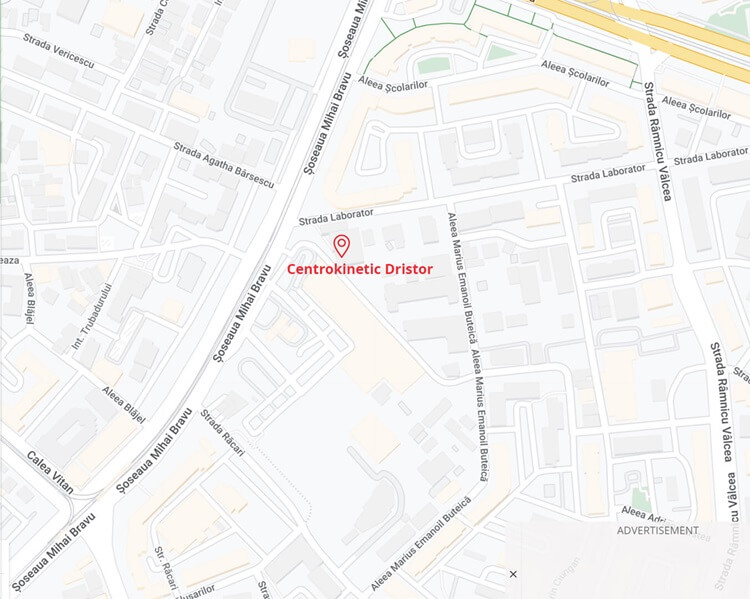
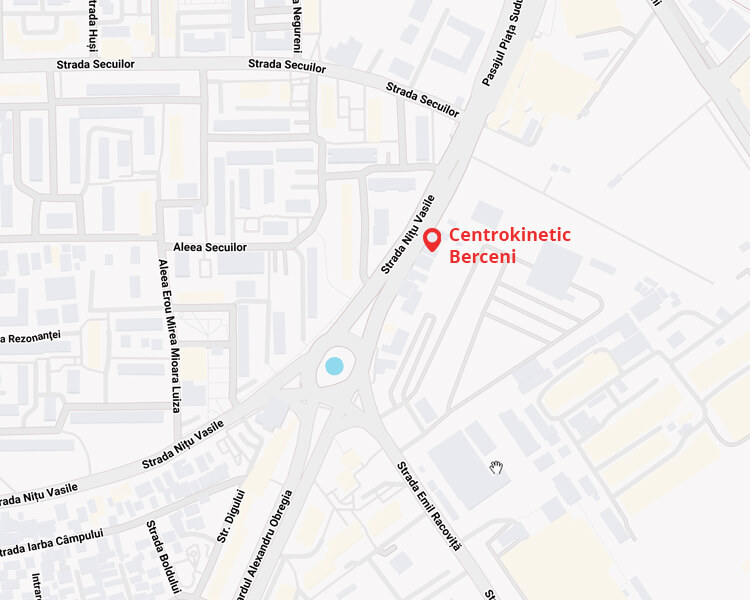

CENTROKINETIC CLUJ-NAPOCA
Cluj-Napoca,
Str. Intre Lacuri, nr.1
Intrarea este in spatele cladirii.

| Navigation |


SOCRATES CLINIC TIMISOARA
Timisoara, Calea Martirilor 1989,
nr. 1.
Telefon: 0371 785 374.

| Navigation |
CONTACT
Phone: 0319693
E-mail: programari@centrokinetic.ro
Operating hours:
Monday – Friday: 07:00 – 21:00
Saturday: 09:00 – 14:00
Sunday: closed.
MAKE AN APPOINTMENT