Hemiparesis


.jpg "Hemiparesis")
Hemiparesis is weakness affecting one side of the body. It may involve the arms, hands, legs, face, or multiple parts of the body. The patient is still able to move the affected side, but with reduced muscle strength.
Hemiparesis is a condition that is usually caused by either a stroke or cerebral palsy, although it may also result from multiple sclerosis, brain tumors, and other disorders affecting the brain or nervous system.
Approximately 80% of people who experience a stroke also develop some degree of difficulty moving one side of the body or experience weakness on one side. Hemiparesis is closely related to a condition known as hemiplegia, which involves paralysis of one side of the body rather than weakness. There are several reasons why people develop hemiparesis, although it most commonly occurs as a secondary complication of another medical condition. Hemiparesis treatment depends on the underlying cause.
Causes of Hemiparesis
Brain injuries caused by head trauma, brain tumors, or other neurological conditions may also lead to muscle weakness. Muscle weakness occurs on the side of the body that corresponds to the area of the brain that has been injured. Certain conditions, including multiple sclerosis and some forms of cancer, may also damage the spinal cord, interfering with normal nerve function.
Stroke, however, remains the most common cause of hemiparesis. In some cases, muscle weakness is one of the first and most important symptoms of a stroke. In addition to stroke, hemiparesis may also be caused by several other medical conditions:
- Multiple sclerosis, an autoimmune disease in which the immune system mistakenly attacks the protective covering of the nerves.
- Congenital conditions such as cerebral palsy, which can affect the ability to walk and move.
- Infections affecting the brain, spinal cord, or meninges (the protective membranes surrounding the brain and spinal cord).
- Postictal paralysis (Todd's paralysis), which is temporary weakness following a seizure.
- Psychological and psychiatric disorders that may cause temporary weakness.

Symptoms of Hemiparesis
The most obvious symptom of hemiparesis is weakness affecting one side of the body, corresponding to the area of the brain or spinal cord that has been damaged. Each hemisphere of the brain controls movement on the opposite side of the body. As a result, hemiparesis usually affects the side of the body opposite to the location of the stroke.
For example, a stroke affecting the left hemisphere may cause right-sided hemiparesis, while a stroke affecting the right hemisphere may cause left-sided hemiparesis. However, certain strokes or brain injuries may cause muscle weakness on the same side as the injury, a condition known as ipsilateral hemiparesis. Symptoms of hemiparesis may include:
- Difficulty maintaining balance.
- Difficulty grasping objects.
- Difficulty walking.
- Muscle fatigue.
- Lack of coordination.
- Loss of bladder control.
Types of Hemiparesis
People with hemiparesis may have difficulty moving their arms and legs and may also experience impaired balance. As a result, performing everyday activities such as dressing, eating, grasping objects, or using the bathroom can become more challenging. The specific abilities affected after a stroke or brain injury depend on the area of the brain that has been damaged.
Right-sided hemiparesis: This results from damage to the left side of the brain. The left hemisphere controls speech and language. Individuals with this type of hemiparesis may also have difficulty speaking, understanding what others are saying, and distinguishing left from right.
Left-sided hemiparesis: This results from damage to the right side of the brain. The right hemisphere controls learning processes, certain types of behavior, and non-verbal communication. Damage to this area may also cause excessive talking, a short attention span, and memory problems.
Ataxia: Damage to the lower part of the brain may impair the body's ability to coordinate movement. This condition is known as ataxia and may lead to difficulties with walking, balance, and posture.
Pure motor hemiparesis: Pure motor hemiparesis is the most common type of hemiparesis. Individuals with this condition experience weakness affecting the leg, arm, and face. Pure motor hemiparesis may affect all of these body parts equally or may affect one area more than the others.
Ataxic hemiparesis syndrome: Ataxic hemiparesis syndrome involves weakness or clumsiness on one side of the body. The leg is often more affected than the arm. Symptoms may last from several hours to several days.
Diagnosis
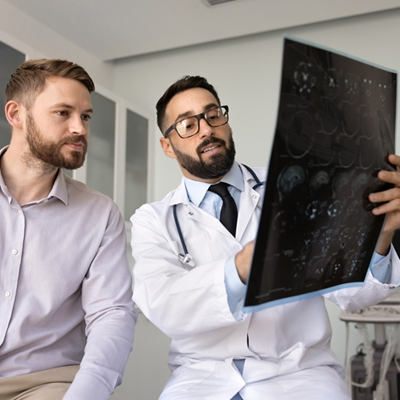
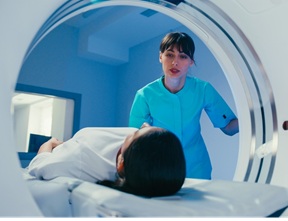
When a patient presents with hemiparesis, the first step is to determine the underlying cause of the muscle weakness. Medical imaging studies can be used to identify the location of the injury, and the patient will usually undergo a thorough medical history assessment to identify any obvious risk factors. For example, if a patient reports having multiple sclerosis, the physician will likely attribute the hemiparesis to this condition and may perform additional tests to confirm the diagnosis.
Treatment for Hemiparesis
Hemiparesis occurs as a secondary effect of damage to the brain or central nervous system. Fortunately, the central nervous system has the ability to repair itself through a process known as neuroplasticity. This is the mechanism through which new neural pathways are created, reorganized, and strengthened.
Neuroplasticity develops according to demand: the activities that are practiced most frequently are the ones that strengthen the corresponding neural pathways. This is why everyday tasks, such as tying shoelaces, eventually become automatic. Because they have been repeated thousands of times, the neural pathways responsible for those skills become highly efficient.
In patients with hemiparesis, neuroplasticity enables the brain to create and strengthen new pathways responsible for movement. As these pathways become stronger, the individual gradually regains strength and coordination in the affected side of the body.
Rehabilitation therapies, such as physical therapy, are centered around stimulating neuroplasticity and are essential in helping patients regain movement. This is crucial for restoring independence and the ability to perform everyday activities.
Rehabilitation can help people with hemiparesis learn new ways of moving and using their arms and legs. With early intervention and consistent therapy, many patients are able to regain significant movement over time. Several healthcare professionals play an important role in hemiparesis rehabilitation.
Physiatrist
Physiatrists are physicians specialized in Physical Medicine and Rehabilitation. As with any neurological diagnosis, individuals who have suffered a stroke require care from specialists who are familiar not only with established rehabilitation techniques but also with the latest treatment approaches. A physiatrist coordinates and supervises the patient's rehabilitation process.
Physical Therapist
Physical therapists specialize in treating movement-related impairments and can help improve endurance, strength, and range of motion. They assist stroke survivors in regaining the use of their arms and legs through balance training and coordination exercises.
Physical therapy exercises help retrain the affected limbs through repetitive practice. The more the patient practices using the affected side of the body, the greater the neuroplastic changes that occur in response.
Physical therapy is an essential part of hemiparesis treatment. It helps patients regain muscle control while improving muscle strength. Assistive devices such as walkers and wheelchairs may also be beneficial for individuals who experience difficulty walking as a result of hemiparesis.
Occupational Therapist
Occupational therapists help stroke survivors perform everyday activities more independently. They also teach patients how to adapt their home and work environments to make daily tasks easier and safer.
In addition to rehabilitation provided by healthcare professionals, several hemiparesis treatments may further improve recovery:
Electrical Stimulation
Electrical stimulation is used in the treatment of hemiparesis to strengthen the affected arm while improving range of motion. The procedure involves placing small electrical pads over weakened muscles and delivering gentle electrical impulses that stimulate muscle contractions while the patient performs simple movements.
Home Exercise Programs
Depending on the frequency of rehabilitation sessions, many therapists recommend that patients follow a structured home exercise program. Continuing to practice outside formal therapy sessions is essential for maximizing neuroplasticity and functional recovery.
Constraint-Induced Movement Therapy (CIMT)
Constraint-Induced Movement Therapy (CIMT) encourages patients to use the affected side of the body more frequently. This is achieved by temporarily restricting the unaffected limb, forcing the patient—and, through neuroplasticity, the brain—to rely more on the weakened or paralyzed limb. This approach can significantly improve motor function and nerve recovery.
Botox / Baclofen
Several studies have shown that certain treatments can help relax muscles in patients experiencing spasticity. Botox injections and Baclofen therapy may reduce muscle stiffness, improve mobility, and enhance overall function.
How Long Does Recovery from Hemiparesis Take?
Complete recovery from hemiparesis may take weeks, months, or even years. However, regular rehabilitation exercises and occupational therapy can help accelerate recovery. To maximize the chances of regaining function, it is important to begin rehabilitation as early as possible.
Centrokinetic is the place where you will find clear answers and effective solutions for musculoskeletal conditions. Our clinic, dedicated to musculoskeletal disorders, is organized into the following specialized departments:
- Orthopedics, a department composed of a highly experienced team of orthopedic surgeons specializing in sports traumatology.
- Pediatric Orthopedics, where sports injuries in children (ligament and meniscus injuries), spinal deformities (scoliosis, kyphosis, hyperlordosis), and foot deformities (hallux valgus, hallux rigidus, equinovarus foot, flatfoot, cavus foot) are treated.
- Neurology, featuring a state-of-the-art department where consultations, electroencephalograms (EEG), and electromyography (EMG) examinations are performed.
- Medical Rehabilitation for adults and children, a department specialized in the rehabilitation of professional athletes, spinal disorders, and children with neurological and traumatic conditions. Our extensive experience includes treating more than 5,000 professional athletes.
- Medical Imaging, with the clinic equipped with ultrasound and MRI systems dedicated to musculoskeletal conditions, complemented by an experienced radiologist, Dr. Cosmin Pantu, specialized in musculoskeletal imaging.
- Rheumatology, a comprehensive department dedicated to the diagnosis, treatment, and rehabilitation of patients with non-surgical musculoskeletal disorders.
- Vascular Surgery, a highly specialized department focused on the diagnosis and treatment of vascular diseases affecting arteries, veins, and lymphatic vessels.
- Psychology and Speech Therapy. Neurological and musculoskeletal conditions can have a psychological impact on patients, which is why we believe complete recovery requires addressing both the physical condition and its psychological consequences.
- Neurofeedback. This innovative method helps improve concentration, reduce anxiety, and achieve emotional balance through a simple and interactive process.
Stay up to date by following Centrokinetic on Facebook, Instagram, and YouTube.
MAKE AN APPOINTMENT
FOR AN EXAMINATION
See here how you can make an appointment and the location of our clinics.
MAKE AN APPOINTMENT
BUCHAREST TEAM









































CLUJ NAPOCA TEAM























BRASOV TEAM















Asiguratori privati





Parteneriate

CENTROKINETIC FLOREASCA
Bucharest, 1st District,
Mircea Eliade Street, no. 18,
Eliade Tower, Entrance A, Floor 3
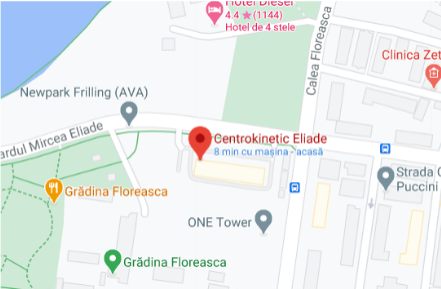
| Navigation | Explore 3D |
CENTROKINETIC Barbu Vacarescu
Bucharest, 2nd District,
Barbu Vacarescu Street, no. 102,
102 The Address, ground floor.
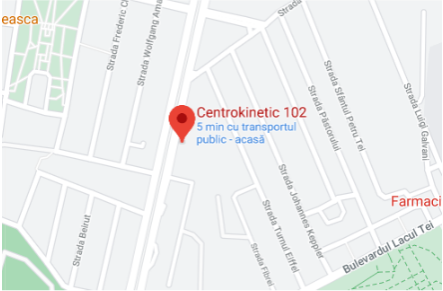
| Navigation | Explore 3D |
CENTROKINETIC MILITARI
Bucuresti, Sector 6,
Bld. Iuliu Maniu, nr. 15G,
Cladirea PBT, etaj 3.
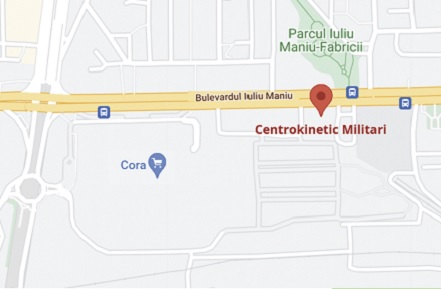
| Navigation |
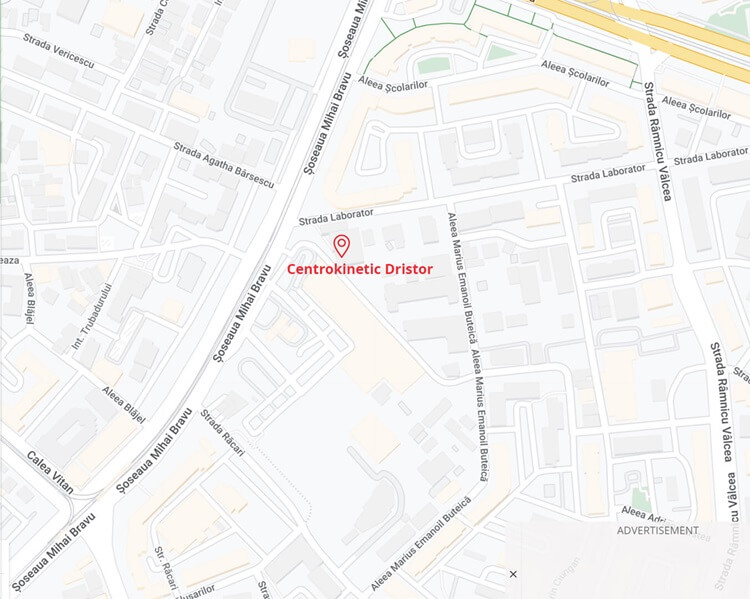
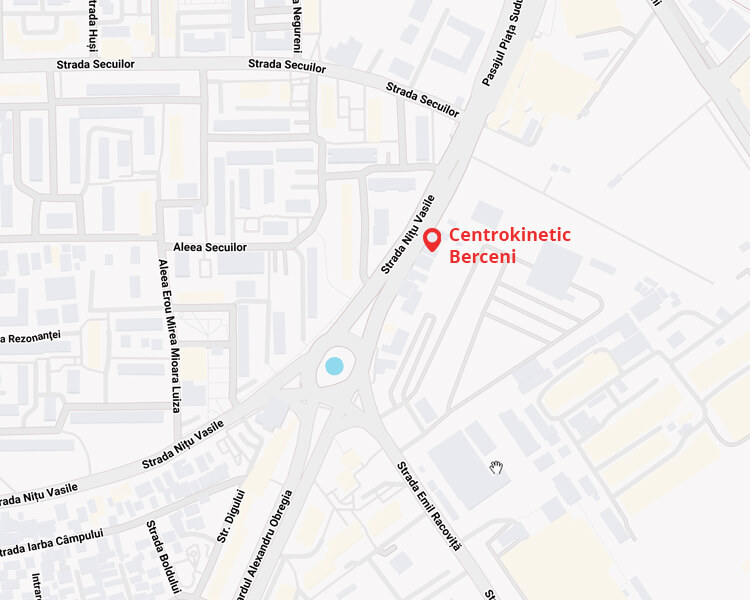
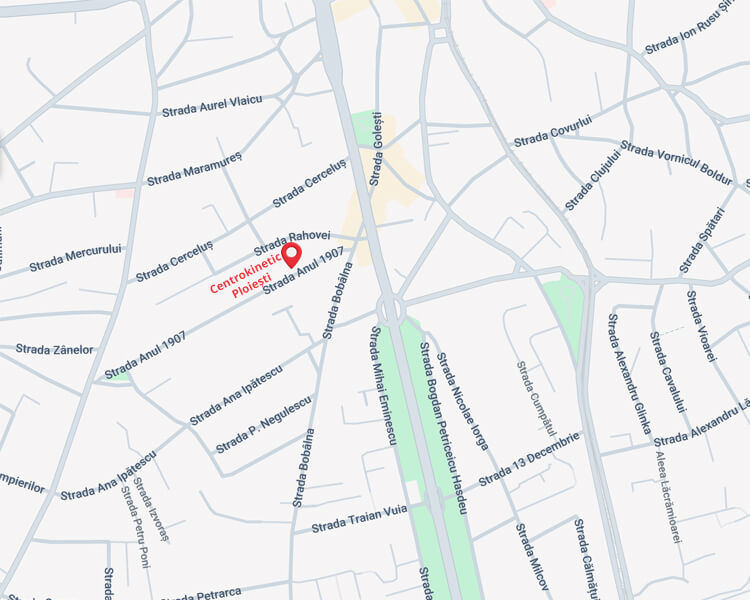
CENTROKINETIC CLUJ-NAPOCA
Cluj-Napoca,
Str. Intre Lacuri, nr.1
Intrarea este in spatele cladirii.
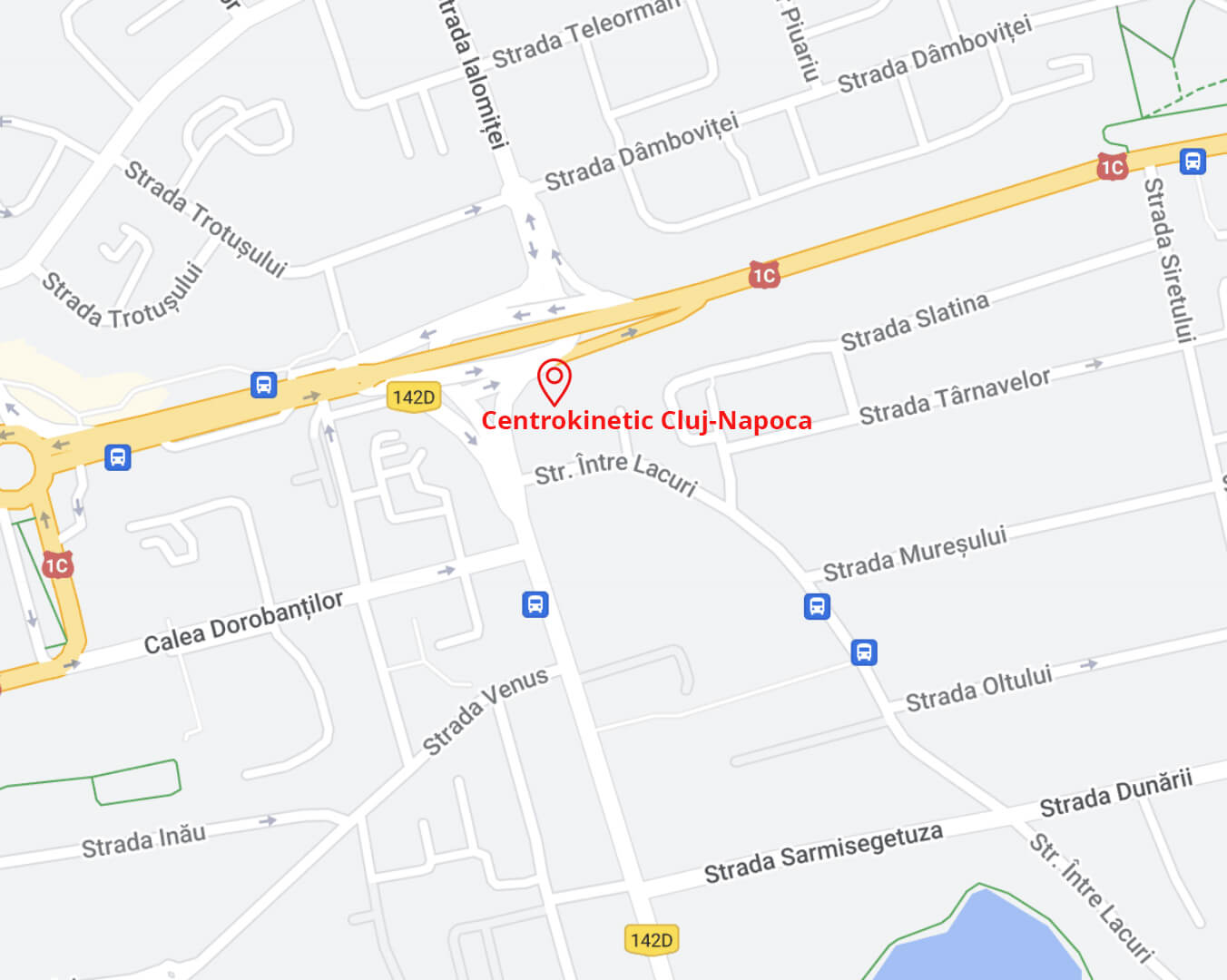
| Navigation |
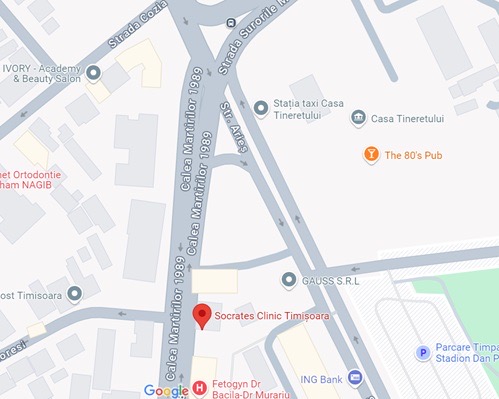
SOCRATES CLINIC TIMISOARA
Timisoara, Calea Martirilor 1989,
nr. 1.
Telefon: 0371 785 374.
| Navigation |
CONTACT
Phone: 0319693
E-mail: programari@centrokinetic.ro
Operating hours:
Monday – Friday: 07:00 – 21:00
Saturday: 09:00 – 14:00
Sunday: closed.
MAKE AN APPOINTMENT