PARKINSON'S DISEASE


- Parkinson's disease – general information
- How Parkinson's disease can be treated
- How the effects of Parkinson's disease can be delayed
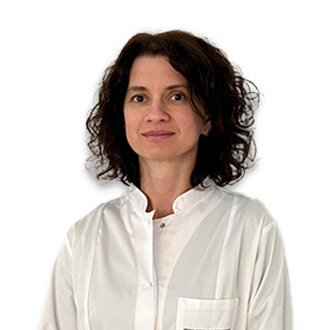
This article was written by dr. Georgiana Tache, senior recovery physician with over 30 years of experience, vice president of the Romanian Society of Medical Rehabilitation.
Parkinson's disease – general information
Parkinson's disease is one of the most common neurological disorders, affecting approximately 1% of people over 60 years of age and causing progressive disability that can be slowed, but not stopped, by treatment. It affects the nerve cells in the brain that produce dopamine. Symptoms include muscle stiffness, tremor, and changes in speech and gait. Parkinson's disease affects people in different ways. Not everyone will experience all the symptoms of Parkinson's, and if they do, they will not necessarily experience them in the same order or with the same intensity. There are typical patterns of progression in Parkinson's disease that are defined in stages.Although Parkinson's disease cannot be cured, medications can significantly improve symptoms. Occasionally, the doctor may suggest surgery to regulate certain regions of the brain and to improve symptoms.
At Centrokinetic, the recovery of Parkinson's patients takes place within the Department dedicated to neurological recovery, coordinated by Dr. Georgiana Tache, senior physician with over 30 years of experience in medical recovery. The department spans an area of 120m2 and is equipped with state-of-the-art equipment, which meets the needs of our patients and is necessary for providing optimal treatment.
Causes of Parkinson's disease
In Parkinson's disease, certain nerve cells (neurons) in the brain gradually break down or die. Many of the symptoms are due to a loss of neurons that produce a brain chemical messenger called dopamine. When dopamine levels drop, this causes abnormal brain activity, which leads to the symptoms of Parkinson's disease.Low dopamine levels in the brain
As the disease progresses and the brain has a lower level of dopamine, the symptoms of the disease become more evident and the patient develops tremor, difficulty walking, and other movement problems. Researchers are working on ways to stop or slow the loss of these dopamine-producing cells, so that Parkinson's disease can be treated and eventually cured.Genetic factors
Researchers have identified specific genetic mutations that can cause Parkinson's disease. But these are less common, except in rare cases where many family members are affected by Parkinson's disease.However, certain gene variations appear to increase the risk of Parkinson's disease, but with a relatively small disease risk for each of these genetic markers.
About 15% of people with Parkinson's have a relative who has this disease. While some cases of Parkinson's run in families, 85% of cases are sporadic, meaning they occur without an identified, inherited genetic predisposition. A number of genetic mutations have been identified that are associated with Parkinson's. Some of these appear to be more causal, while others increase a person's risk for the disease.
Risk factors for Parkinson's disease
Although the exact causes are not fully understood, researchers have identified characteristics that increase a person's risk of developing Parkinson's, including sex, age, race, and genetic factors. However, it is worth noting that the vast majority of Parkinson's cases are considered idiopathic Parkinson's disease. "Idiopathic" means a condition that occurs spontaneously or for which the cause is currently unknown. Major advances in research and science continue to reveal more significant causes.Sex
Many studies have identified that the incidence of Parkinson's is more common in men than in women. The reasons for the differences between men and women with Parkinson's are unclear, although one suggested explanation is the protective effect of estrogen in women. Other theories explaining the difference between Parkinson's in men and women include a higher rate of minor head trauma, and exposure to occupational toxins in men.Age
Advanced age is a risk factor for Parkinson's, since incidence increases with age. Parkinson's affects 1% of the population over 60 years of age, and this increases to up to 5% of the population over 85 years of age. Only about 5% of people with Parkinson's are diagnosed before the age of 60.Head trauma
Trauma to the head, neck, or upper spine appears to increase a person's risk of developing Parkinson's. While the research is not conclusive, several studies have shown a link between head trauma and an increase in a person's risk of developing the disease.Manganese or carbon monoxide poisoning
Carbon monoxide is a colorless, odorless, and tasteless gas that is slightly denser than air. Carbon monoxide is produced from the partial oxidation of carbon-containing compounds when there is not enough oxygen to produce carbon dioxide. Common sources are vehicle exhaust fumes and cigarette smoke. It is also formed when fuels, such as coal, paraffin, oil, or wood, especially natural gases, do not burn completely in appliances such as heaters, ovens, stoves, etc. However, carbon monoxide rarely causes Parkinson's disease. Typically, a person needs to fall into a coma as a result of carbon monoxide poisoning before symptoms of Parkinson's disease develop.Manganese is a chemical element that is needed as a nutrient, but can be toxic in large quantities. Occupational exposures occur in welding, in miners who are surrounded by manganese dust and airborne manganese particles, in alloy production, processing, ferromanganese operations, especially where manganese ores or manganese compounds are converted into steel, and in working with agrochemicals. Areas around heavy manganese industry could be affected by manganese exposure. Manganese can cause Manganism, a medical disorder that is practically indistinguishable from Parkinson's disease in symptoms.
Exposure to toxic substances
A small proportion of Parkinson's cases have a toxic or partially toxic cause, which contributed to the development of the disease. The toxic exposure must be acute or chronic. Symptoms normally develop when a toxic exposure occurs, or shortly thereafter, or increase gradually over time if the exposure persists. Symptoms do not develop years later, as is sometimes stated. Avoiding the source of toxicity can, in most cases, lead to a reduction in symptoms, but with some toxins this can take years.The prevalence of Parkinson's disease due to toxicity is not known. However, reports suggest that the number of people whose Parkinson's disease is due to toxicity is very low, being more of an exception than a norm.
Taking certain medications
Some medications - such as antipsychotics used to treat severe paranoia and schizophrenia, can cause Parkinsonism (symptoms similar to Parkinson's disease).These are some frequently prescribed medications that have been reported to cause Parkinson's-like symptoms.
Medications related to mood or behavior
- First-generation antipsychotics, such as haloperidol (Haldol).
- Second-generation antipsychotics, such as risperidone (Risperdal), especially at higher doses.
- Lithium and antidepressants such as sertraline (Zoloft) or fluoxetine (Prozac or Sarafem).
- Tricyclic antidepressants such as imipramine (Tofranil).
- Monoamine oxidase inhibitors (MAOIs) such as phenelzine (Nardil, Nardelzine).
- Prochlorperazine (Compazine, Stemzine, Buccastem, Stemetil, Phenotil)
- Metoclopramide (Reglan).
- Valproate (Depacon) or other medications used for seizures, migraines, and behavioral problems caused by dementia.
- Anticonvulsants such as tiagabine (Gabitril), gabapentin (Neurontin), oxcarbazepine (Trileptal), and lamotrigine (Lamictal).
Brain conditions
A recent study published in the journal Neurology found that traumatic brain injury is associated with an increased risk of Parkinson's disease. Although this link was already known, these results add further supporting evidence.Symptoms of Parkinson's disease
Parkinson's disease causes problems with movement, cognitive problems, neuro-behavioral problems, as well as sensory and sleep difficulties. Signs and symptoms usually start gradually, slowly, and often randomly (with no set order).Each patient will be affected differently, with a unique set of symptoms. Patients tend to respond differently to treatment. Also, the severity of symptoms varies enormously. Some patients may present with tremor (shaking) as the main symptom, while others may have no tremor, but have balance problems. While the disease may develop slowly for some individuals, for others it progresses rapidly.
The four main signs and symptoms include slow physical movements (bradykinesia), shaking (tremor), muscle rigidity, and postural instability (balance and coordination).
Tremor of the hand, arm, or leg
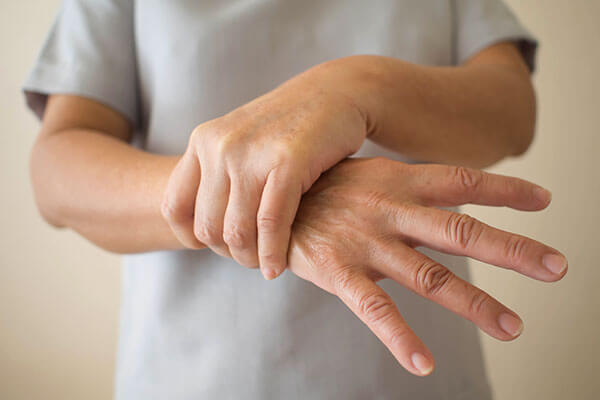
The characteristic tremor frequently begins in one hand, such as a rubbing of the thumb or index finger. The tremor may start in a leg or on one side of the body, and is less common in the jaw or face. The tremor usually appears when that part of the body is at rest - stress and/or anxiety can make the tremor more noticeable. However, substantial tremor is not always present in many patients.Other conditions may include tremor as one of their symptoms, such as multiple sclerosis, encephalitis (inflammation of the brain), or alcoholism. The presence of tremor does not necessarily mean the individual has Parkinson's disease.
According to the Parkinson's Disease Foundation, USA, approximately 70% of people with Parkinson's have a mild tremor in early stages.
Muscle rigidity
Rigidity, although rarely the main symptom of Parkinson's disease, is experienced as stiffness of the arms or legs, beyond what would result from normal aging or arthritis. Rigidity may occur on one or both sides of the body and contribute to a reduced range of motion. This can lead to pain in the affected muscles or joints.Many people with Parkinson's will have reduced arm swing when walking, more on the more affected side. Trunk rigidity is also possible, as is rigidity of the facial muscles.
Rigidity can also have a negative impact on sleep quality. Late evening stiffness and poor mobility in bed can affect sleep.
Rigidity is one of the three symptoms that help doctors make the diagnosis of Parkinson's. The other two are slowing of movement (bradykinesia) and tremor.
Bradykinesia and akinesia
Bradykinesia means slowing of movement and is one of the symptoms of Parkinson's. You must have bradykinesia plus tremor or rigidity for a diagnosis of Parkinson's to be considered.In Parkinson's, this slowing happens in different ways:
- Reduction of automatic movements (such as arm swing while walking)
- Difficulty initiating movements (such as getting up from a chair)
- General slowing of physical actions
- Abnormal stillness or a decrease in facial expression
Bradykinesia can be particularly frustrating, as it is often unpredictable. In one moment you can move easily, while in the next moment you need help.
Shrinking of handwriting
Many people with Parkinson's disease notice changes in their handwriting. This change in handwriting is called micrographia.A sudden change in the size of handwriting can be an early indicator of Parkinson's disease. People with Parkinson's have a problem controlling movement due to changes in the brain. This can make fine motor skills such as writing more difficult.
Micrographia is the medical term for "small handwriting". Parkinson's patients often have handwriting that looks cramped. Individual letters tend to be smaller than normal, and words are close together. A person with Parkinson's may start writing a letter with normal handwriting, but gradually start writing with smaller letters.
Coordination and balance disorders
People with Parkinson's disease have a higher risk of falls and hip fractures.Balance and coordination problems are additional symptoms of advanced disease. Patients commonly develop a forward or backward lean, which leads to fall risks when they stumble. In addition, a posture in which the head is tilted and the shoulders are drooped often develops.
Postural instability
Parkinson's patients experience symptoms at different degrees of severity, and as the disease progresses, the severity of symptoms changes. Postural instability can occur during a variety of activities, including:- When getting up from a chair
- When getting up from bed
- While turning or pivoting, especially during quick movements
- While standing upright
Speech difficulties
People with Parkinson's may speak slowly, quickly, or may hesitate before speaking. Speech may be rather monotone rather than with the usual inflections.Parkinson's disease affects movement in different ways, including the way affected people speak. Less dramatic voice changes can occur in the early stages of the disease.
Affected people may unintentionally speak more quietly. People in the early stages of Parkinson's often speak in low tones, with a hoarse voice or with little inflection.
Sleep disorders
The brain changes that are part of Parkinson's can also cause sleep difficulties, and some people have sleep problems even before symptoms develop and the disease is diagnosed.Some Parkinson's medications can disrupt sleep. Others make people feel drowsy during the day. Unsurprisingly, sleep-related symptoms are reported by more than 75% of people with Parkinson's.
The most common problems:
- Difficulty falling asleep and staying asleep
- Excessive daytime sleepiness
- Talking or shouting while sleeping
- Leg movements, cramps (restless legs syndrome)
- Difficulty turning over in bed
- Waking up to go to the bathroom
Depression
Mental health is extremely important in Parkinson's. Although common in other chronic diseases, research suggests that depression and anxiety are even more common in Parkinson's. It is estimated that at least 50% of those diagnosed with Parkinson's will have some form of depression during the disease, and up to 40% will have an anxiety disorder.Depression is a part of Parkinson's disease itself, resulting from changes in brain chemistry. Specifically, Parkinson's causes changes in the areas of the brain that produce dopamine, norepinephrine, and serotonin - chemicals involved in regulating mood, energy, motivation, appetite, and sleep.
A person can suffer from depression at any point during the course of Parkinson's, even before diagnosis. In addition, symptoms of depression can come and go. It is important to know that depression can intensify both the motor and cognitive symptoms of the disease. Researchers have found that people with Parkinson's who suffer from depression start taking medications for motor symptoms earlier. Treating depression can improve quality of life and movement.
Swallowing difficulties
Many people with Parkinson's disease have difficulty swallowing because they lose control over their mouth and throat. As a result, chewing and managing solid foods can be difficult. If you have Parkinson's disease and have difficulty swallowing, you are at greater risk of aspiration (inhaling liquid or stomach contents into the lungs) and pneumonia. For some, special swallowing techniques are enough to ease these problems. Others need to change their diet.The medical term for problems related to eating and swallowing is dysphagia.
There are 4 main problems that can be related to dysphagia:
- a chest infection caused by food or liquid from the mouth entering the lungs rather than the stomach (known as aspiration pneumonia)
- not eating enough to maintain good general health (known as malnutrition)
- not drinking enough fluids, which can lead to other medical complications, such as constipation or dehydration.
- food that blocks the airway and stops breathing (known as choking)
Reduced facial expression mobility
Some people with Parkinson's disease experience a mask-like expression, as one of the motor symptoms of the disease. Not all Parkinson's patients present the same symptoms or the same severity. When people with Parkinson's have a mask-like expression, their face has fewer facial movements and appears less animated. The scientific term for this is hypomimia, which means a reduction in facial expressiveness that is marked by diminished movement of the facial muscles.When Parkinson's affects the facial muscles, causing a mask-like expression, many of the nonverbal cues are not present, which can lead to challenges in communicating with others, and can have a negative impact on relationships. The relationships most often affected are those with family and friends, as well as relationships with healthcare providers. The emotion behind the words can be further compromised by a monotone voice, another symptom that makes it difficult for a person with Parkinson's to change the tone of their voice.
Excessive salivation and sweating
People with Parkinson's may have problems with the part of the nervous system that controls sweating. This can lead to excessive sweating (known as hyperhidrosis), and happens most often when medications wear off. Sometimes, people with Parkinson's may experience night sweats.Excessive sweating can also happen when Parkinson's medications are working best, especially if you have dyskinesia (uncontrollable muscle movements or spasms).
Many people with Parkinson's experience poor saliva control, which can lead to excessive drooling or, alternatively, to a dry mouth and other eating problems.
We all produce about a liter of saliva every day, which we swallow automatically, but in Parkinson's, this mechanism can be disrupted. Saliva can accumulate in the mouth and, as the muscles that seal the lips become even weaker, it can escape, causing saliva to leak from the mouth.
The stooped posture of many people with Parkinson's, with the head forward and the chin pointed down, can add to poor saliva control, as it causes saliva to pool at the front of the mouth.
Stooped posture
Parkinson's affects control over automatic activities, so postural changes can occur if the brain is not reminded to maintain an upright position. These changes can include tilted or rounded shoulders, a reduced curve of the lower back, or forward tilting of the head or entire body, making you look hunched.It is important to try to maintain an upright position because a stooped posture can also have other negative effects:
- Neck or back pain can occur when the natural curves of the spine are out of alignment.
- A stooped position will reduce your ability to breathe deeply, which affects your ability to speak clearly and loudly. Also, the stooped position reduces eye contact. In combination with other Parkinson's symptoms, such as reduced voice volume and facial masking, this can have a big impact on your ability to communicate.
- Loss of flexibility from the changed posture can make it difficult to perform small movements during the day, such as raising your arms above your head while getting dressed or getting up from a chair.
- Poor posture can throw you off balance and can lead to falls.
Digestive and urinary system problems
Besides motor symptoms, Parkinson's disease can also cause symptoms in the gastrointestinal and urinary systems. The gastrointestinal tract is responsible for digesting food. Parkinson's can cause multiple problems throughout the gastrointestinal system. In the urinary system, it can cause bladder problems.The most common urinary difficulty encountered by people with Parkinson's is the need to urinate frequently and urgently. Urinary incontinence, the involuntary loss of urine, is also a symptom of Parkinson's. This can occur even when the bladder is not full.
Stages of Parkinson's disease
Not all people who have Parkinson's will have all the symptoms, and symptoms can vary in severity. People also experience progression at different speeds. However, doctors have established stages that describe how the disease progresses. These five stages are known as the Hoehn and Yahr Scale used by doctors around the world to classify patients in research studies.Stage 1 – unilateral symptoms
In stage one, the earliest stage, the symptoms of Parkinson's disease are mild and are seen on only one side of the body (unilateral involvement). Parkinson's symptoms in stage 1 may be so mild that the person does not seek medical attention, and the doctor is not able to make a diagnosis. Symptoms in stage 1 may include tremor, such as intermittent shaking of one hand, rigidity, or one hand or foot may feel clumsier than the other, or one side of the face may be affected, affecting expression. This stage is very difficult to diagnose and a doctor may wait to see if symptoms worsen over time before making a final diagnosis.Stage 2 – bilateral symptoms
Stage two is still considered early disease in Parkinson's and is characterized by symptoms on both sides of the body (bilateral involvement), or at the midline without impairment of balance. Stage two can develop months or years after the first stage. Parkinson's symptoms in stage two can include loss of facial expression on both sides of the face, decreased blink rate, speech abnormalities, soft voice, monotone voice, volume that gradually decreases after starting to speak loudly, rigidity of the trunk muscles that can lead to neck or back pain, stooped posture, and general slowing in all activities of daily living. However, at this stage the individual is still able to perform daily tasks. Diagnosis may be easy at this stage if the patient has a tremor; however, if the first stage was missed and the only symptoms of the second stage are slowness or lack of spontaneous movement, Parkinson's could be misinterpreted as simply advanced age.Stage 3 – worsened bilateral symptoms
Stage three is considered the middle stage, and is characterized by loss of balance and slowing of movement. Balance is compromised by the inability to make quick, automatic, and involuntary adjustments needed to prevent falling, and falls are common at this stage. All other Parkinson's symptoms are also present at this stage and, in general, the diagnosis is not in doubt at stage three. Often, a doctor will diagnose reflex deficiencies at this stage by standing behind the patient and gently pulling the shoulders to determine whether the patient has trouble maintaining balance and falls (the doctor, of course, will not let the patient fall). An important clarifying factor for stage three is that the patient is still fully independent in daily living activities, such as dressing, hygiene, and eating.Stage 4 – limited autonomy in activities
In stage four, Parkinson's has progressed to a severe disease with disability. Patients with stage four may be able to walk and stand without assistance, but clearly have disabilities. Many use a walker to help them walk. At this stage, the patient cannot live an independent life and needs assistance for certain activities of daily living. The need for help in daily life defines this stage. If the patient is still able to live alone, they are still defined as stage three.Stage 5 – complete disability
Stage 5 is the most advanced and is characterized by an inability to get up from a chair or get out of bed without help, may tend to fall when standing or turning, and may freeze or stumble when walking. At this stage, permanent assistance is needed to reduce the risk of falling, and to help the patient with all daily activities. In stage five, the patient may also experience hallucinations or delusions.While symptoms worsen, it is worth mentioning that some Parkinson's patients never reach stage five. Also, the length of time to progress through the different stages varies from individual to individual. Not all symptoms may occur in a single individual. For example, a person may have a tremor, but balance remains intact. In addition, there are treatments available that can help at every stage of the disease. However, the earlier the disease is diagnosed, and depending on the stage it is at, the more effective the treatment is.
Diagnostic methods for Parkinson's disease
There is no specific test to diagnose Parkinson's disease. Your neurologist will diagnose Parkinson's disease based on your medical history, an analysis of your signs and symptoms, and a neurological and physical exam. Your doctor may suggest a SPECT scan, called a dopamine transporter (DAT) scan. Although this can help support the suspicion that you have Parkinson's disease, symptoms and the neurological exam ultimately determine the correct diagnosis. Most people do not need a DAT scan.Patient history
To make a correct final diagnosis, the doctor will perform a thorough examination, and will want to know about:- Occupation: People who are healthcare workers, lawyers, accountants, teachers, or agricultural workers are more likely to develop Parkinson's.
- Environment: Exposure to herbicides/pesticides has been linked to Parkinson's.
- Other neurological conditions diagnosed in the past: Alzheimer's or other dementias, essential tremor, progressive supranuclear palsy, hydrocephalus, psychosis, or bipolar disorder can help the doctor arrive at the diagnosis.
- Other general conditions: Information regarding arthritis, depression, sleep disorders, orthostatic hypotension, and constipation, among others, can help in establishing your diagnosis.
- Taking medications: Medications that block dopamine receptors (such as antipsychotic medications) and medications used for nausea, vomiting, and GERD (such as prochlorperazine, promethazine, and metoclopramide) can cause parkinsonism.
- Family history - Having a first-degree relative with Parkinson's increases your chances of having this disease, probably by 2 or 3 times.
Clinical examination
Your neurologist will want to see how well you move your arms and legs, and will check muscle tone and balance. The doctor may ask you to get up from a chair without using your arms for support. They may also ask a few questions:- What other conditions do you have now or have had in the past?
- What medications do you take?
- Has your handwriting become smaller?
- Do you have trouble buttoning or difficulty getting dressed?
- Do your feet feel "stuck" to the floor when you try to walk or turn?
- Do people around you tell you that your voice is softer or that your speech is unclear?
Parkinson's disease can look different from person to person. Many of the signs of Parkinson's are easily visible to the examiner in most patients. The 4 cardinal symptoms, including tremor, rigidity, bradykinesia/akinesia, and postural instability must be assessed. However, it is important to also ask about and assess non-motor symptoms, which are harder to identify and may not be specific.
Imaging tests
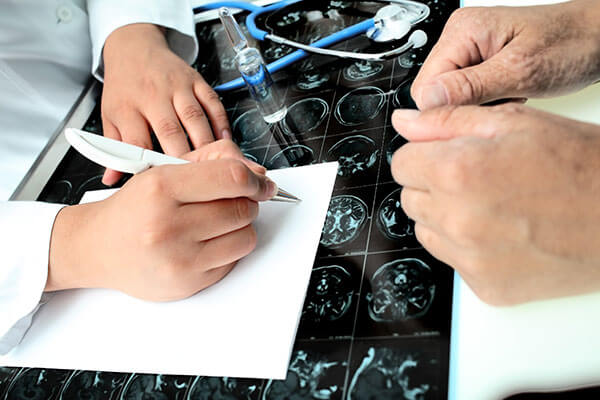
Sophisticated blood or laboratory tests are not currently available to diagnose the disease. Some imaging tests, such as CT (computed tomography) or MRI (magnetic resonance imaging) scans, can be used to rule out other disorders that cause similar symptoms.An MRI or CT scan is recommended to check for signs of a stroke or a brain tumor. If there is not or has not been a stroke or a brain tumor, most MRI or CT scans of people with Parkinson's disease will appear normal.
PET (positron emission tomography) is a specialized imaging technique, which uses radioactive substances to create three-dimensional colored images of those substances that function in the body. Information about the body's chemistry can be obtained through a PET scan, which does not happen with other imaging techniques.
How Parkinson's disease can be treated
Currently, there is no cure for Parkinson's disease. Therapy focuses on treating the symptoms that undermine the patient's quality of life. Since people have very different symptoms and severity levels, there is no standard treatment, or best treatment, that applies to everyone.Treatment approaches include medication, surgery, general lifestyle changes (rest and exercise), physical therapy (physiotherapy), support groups, occupational therapy, and speech therapy.
Medication treatment for Parkinson's disease
Medications can help you manage problems with walking, movement, and tremor. These medications increase or replace dopamine. People with Parkinson's disease have low concentrations of dopamine in the brain. However, dopamine cannot be given directly, because it cannot enter the brain.Dopaminergic medications
Because most Parkinson's symptoms are caused by low dopamine levels in the brain, most medications aim to either replenish dopamine levels or mimic its action - dopaminergic medications do this. Dopaminergic medications reduce rigidity (muscle stiffness), improve speed, help with coordination, and reduce tremor (shaking).Non-dopaminergic medications
Non-dopaminergic treatments are increasingly recognized as part of the therapeutic arsenal for Parkinson's disease. Clinical and pathological studies have shown that the disease extends beyond the substantia nigra pars compacta, and involves different non-dopaminergic neurotransmitter systems that mediate both motor and non-motor symptoms that characterize Parkinson's. To date, several therapeutic strategies have been proposed to treat these symptoms. However, despite the significant morbidity associated with these symptoms, especially non-motor symptoms, research and drug development for problems such as mood and autonomic dysfunction remain rare.Complementary treatments for Parkinson's disease
Some patients with Parkinson's disease may benefit from a type of alternative therapy, such as massage, acupuncture, or herbal remedies. Patients using herbal remedies and/or supplements should tell their doctor - some may interact with Parkinson's medications.Evidence suggests that acupuncture may improve some symptoms of Parkinson's, including tremor, difficulty walking, rigidity, and pain. However, there is currently insufficient scientific research to confirm whether or not it is effective in Parkinson's.
To date there is limited research regarding the benefits of Tai Chi for Parkinson's, but because it improves balance and body awareness, it is believed to reduce the risk of falls, improve balance and confidence in walking, and also improve gait and posture. Some people with Parkinson's have also reported improvements in sleep.
Unlike most sports or exercises, Tai Chi does not rely on strength or speed, which makes a range of abilities and strengths possible. Even a small amount of practice can bring health and fitness benefits, allowing the mind and body to relax. This, in turn, can improve emotional state and overall quality of life.
Hydrotherapy is particularly useful for treating Parkinson's symptoms for the following reasons:
- The buoyancy of water can support weak muscles and allow limbs to be moved in a less painful manner.
- The resistance of water helps strengthen muscles and limbs.
- Simply being in water can be relaxing and provide pain relief.
- Being in water reduces the fear of falling, so you can feel safer and more comfortable during exercises.
- Exercises release endorphins (anti-stress hormones) that naturally relieve pain.
- help with relaxation and reduce stress
- improve breathing
- improve balance and coordination
- improve flexibility and strengthen the body.
Alexander Technique - When it is trained to work properly, the body can move in a freer, easier, and healthier way, which brings obvious benefits if your movement is affected by Parkinson's. However, there is very little scientific evidence confirming whether the Alexander Technique is effective in Parkinson's.
Practicing the technique can help with Parkinson's symptoms such as tremor, balance, pain, speech, fatigue, and depression, but each person will react differently to this treatment.
Kinesiotherapy and physiotherapy
Exercise is crucial for maintaining function. Physical therapy can help the patient improve mobility, range of motion, as well as muscle tone. Physical therapy cannot stop the progression of Parkinson's disease, but can help the patient cope with the disease and feel better. The physical therapist can help relieve muscle rigidity and joint pain through movement and exercise. A qualified physical therapist (physiotherapist) can help the patient improve balance and gait.Using the treadmill, resistance training, and stretching can offer patients with Parkinson's significant benefits. A study published in Archives of Neurology (November 2012) showed that exercise improves walking speed, overall physical condition, and muscle strength.
Kinesiotherapy helps maintain muscle tone and joint mobility, retrain breathing, correct posture and gait, correct facial expression, and educate and retrain coordination and balance. The program is based on fine motor skill exercises and the use of assistive mobility devices.
At Centrokinetic, all the physio-kinesiotherapy procedures needed by Parkinson's patients are carried out within the Department of Neurological Recovery, coordinated by Dr. Georgiana Tache, senior physician with over 30 years of experience in medical recovery.
Speech therapy exercises
About half of Parkinson's patients have communication problems, such as unclear speech and problems with body language. A speech therapist can help with the use of language and speech. Patients with swallowing difficulties can also be helped by a therapist.Lee Silverman Voice Treatment (LSVT) is a voice and speech therapy that was developed specifically for people with Parkinson's disease. The LSVT LOUD program can make a difference in the quality of life of people with Parkinson's. It is an intensive program, one that involves 16 sessions over a period of one month.
Psychological support for the patient and their family
Parkinson's disease is not a condition that is easy to live with, and for this reason, emotions can manifest aggressively - some patients may have difficulty keeping these feelings under control.That is why counseling is often an important part of a treatment program for Parkinson's disease. A therapist or counselor can help people with Parkinson's control their emotions, before they become obstacles to treating the disease, or even start to contribute to its symptoms.
Psychotherapy, "talk treatment," can help a patient with Parkinson's disease get rid of depression or anxiety. It is believed that some of the best types of psychotherapy for Parkinson's patients are:
Cognitive behavioral therapy. This type of therapy helps patients learn about their thought and behavior patterns, and teaches them how to change or adapt the internal processes that contribute to feelings of depression or anxiety.
Interpersonal therapy. Working with a therapist, the patient examines their personal relationships, and works to eliminate the negative feelings that can cause or exacerbate depression.
Behavioral therapy. The person is taught to cope with the feeling of anxiety by learning relaxation techniques, as well as through repeated and controlled exposure to the sources of anxiety.
Group therapy. People with Parkinson's may feel better if they are in the same room with people who suffer from the same disease. In such a group, you can learn acceptance skills and share feelings in a supportive atmosphere. You can also learn about how you are perceived by others, compared to how you perceive yourself.
When a family member has Parkinson's disease, it can create stress for everyone else. Family therapy can help everyone better understand this disease, and learn how to work together as a team to better cope with the situation.
Diet for Parkinson's patients
Although there is no specific diet, in order to maintain good general health, most people living with Parkinson's disease should eat a variety of whole grains, vegetables, fruits, milk and dairy products, and protein-rich foods, such as meat and beans. Also consider including nuts, olive oil, fish, and eggs in your diet, for their beneficial fats.Occupational therapy
An occupational therapist can identify everyday problems and help find practical solutions. Examples include getting dressed or shopping.Occupational therapists are similar to physical therapists, but focus on more specific goals related to function. In other words, the occupational therapist helps us "function" (that is, perform the tasks of daily life) as well as possible. For people with early-onset Parkinson's disease, routine tasks, such as walking, running, getting up from a chair, or getting out of bed can become difficult; occupational therapists are trained to assess these types of difficulties and help the person adapt to their environment and to change.
Surgical treatment for Parkinson's disease
There are now a number of safe and effective surgical options available for treating Parkinson's disease. In general, surgery is considered only when medication cannot provide adequate control. There are several surgical options, but the most common surgical intervention for Parkinson's disease is deep brain stimulation.Deep brain stimulation
Deep brain stimulation is a surgical procedure used to treat several neurological symptoms, such as tremor, rigidity, slowing of movement, and difficulty walking.
An electrode is implanted deep inside the brain, where movement is controlled. A stimulator device (neurostimulator), which controls the amount of stimulation released by the electrode, is placed under the skin in the upper chest. A wire runs under the skin and connects the neurostimulator to the electrode.
Electrical impulses are sent from the neurostimulator, along the wire, and into the brain via the electrode. These interfere with the electrical signals that cause symptoms, effectively blocking them.
Deep brain stimulation is generally used when the patient is in the advanced stages of Parkinson's disease, and has unstable responses to medication.
The procedure carries certain risks, including brain hemorrhage and infection. Patients who do not respond to carbidopa-levodopa treatment do not benefit from deep brain stimulation.
Thalamotomy and pallidotomy
Research says that tremor is due to problems with the thalamus, a part of the brain that, among other things, is responsible for our balance and ensures that we feel our arms and legs. Through thalamotomy, the thalamus is destroyed (damaged) or removed by cutting (ablated).
The process can help reduce tremor. Thalamotomy is rarely performed these days. It can be used for patients with tremor who have not responded to medication. The procedure does not improve slow movement, walking difficulties, or speech problems.
Pallidotomy - Doctors believe Parkinson's occurs when a part of the brain called the globus pallidus works too hard. It acts like a brake and makes body movement harsher. This treatment can make you less rigid and can ease tremor, to improve balance and make movement easier for you.
Since the introduction of deep brain stimulation, this procedure is rarely done. The surgeon destroys a small part of the globus pallidus by creating a scar, resulting in less activity in that area of the brain, which in turn can help relieve movement symptoms, such as rigidity and tremor.
Nerve cell transplant
The treatment involves transplanting healthy brain cells, to replace cells killed by the disease. It is an approach that was tried decades ago and then abandoned after disappointing results.In the 1980s and 1990s, researchers used cells taken directly from the brain of aborted fetuses, to treat hundreds of Parkinson's patients. The goal was to stop the disease.
For some patients, the transplanted fetal cells produced dramatic improvements. But rigorous studies eventually showed that many other patients were not helped. And some developed an unwanted side effect: uncontrolled movements.
Now, groups in Europe, the USA, and Asia are preparing to try again, using cells they consider safer and more effective. These cells represent an exact replacement of the neurons that produce dopamine in an adult brain.

How the effects of Parkinson's disease can be delayed
Although there is still no cure for Parkinson's, there are medications that can help. And you can take additional measures to slow oxidation. Regardless of the stage of Parkinson's you are in, there are ways to delay the effects of the disease.Start taking coenzyme Q10 regularly - start taking 100 milligrams of coenzyme Q10 three times a day, gradually increasing to 1,200 milligrams per day.
Take a daily dose of vitamin E and vitamin C - Also take 400 IU of vitamin E and 1 to 2 grams of vitamin C daily (in two to four divided doses of 500 milligrams).
Ensure a proper and healthy diet - Follow a low-fat, low-calorie diet, rich in fruits, vegetables, and beans.
Drink green tea - several cups of green tea a day.
Exercise - do at least 20 minutes a day of physical activity, three days a week. If you notice you cannot exercise on your own, ask your doctor to write you a referral for physical therapy. Add one tai chi session per week.
Healthy lifestyle
There are several things you can do to improve your quality of life.
Exercise can reduce the risk of Parkinson's disease and may slow the progression of the disease. A balanced diet also helps you have a healthy lifestyle. People with Parkinson's disease do not need a specific diet, but getting enough calories and nutrients will help maintain bone, muscle, and strength.
Certain dietary changes can also help some people. For example, protein in a meal can reduce the effect of levodopa-carbidopa in some patients. Drinking enough water and eating a diet rich in fiber - including whole grains, fruits, and vegetables - can help reduce constipation.
A healthy lifestyle also means staying active in other areas of life that are important to you. If you enjoyed activities such as arts, got involved in community events, or volunteering before your diagnosis, talk to your doctor about how you can continue these interests. Massage, meditation, and other techniques designed to relieve tension and stress can be helpful for some people. Acupressure, acupuncture, and vitamin supplements are other complementary approaches you may consider. Talk to your doctor to see if any of these regimens might be suitable for you.
A diet rich in vitamins, minerals, unsaturated fatty acids
Omega 3s are anti-inflammatory, which can be beneficial, since neuro-inflammation is a feature of Parkinson's disease. Mood problems are also a common feature, and a lot of research has been done on the mood-boosting properties of essential omega-3 fats. A placebo-controlled pilot study reported a significantly greater improvement in depression in Parkinson's patients treated with omega-3 fatty acid supplement, compared to placebo. The richest source is in fish.Vitamin D is a hot research topic, since it has been discovered that we have receptors for this vitamin in the brain, that it improves brain-derived neurotrophic factor, and is anti-inflammatory. This nutrient is mainly provided through the action of sunlight on the skin.
Magnesium is a mineral that acts as a natural relaxant. Some signs of deficiency are: muscle tremors or spasm, muscle weakness, insomnia or nervousness, increased blood pressure, irregular heartbeat, constipation, hyperactivity, depression. Magnesium's role in supporting good sleep may also be quite important here, since many people with Parkinson's have poor sleep.
Proper rest
The physical symptoms of Parkinson's disease can often prevent those living with this condition from getting good sleep, and adequate rest. The restorative effects of sleep can improve health, and can help people with Parkinson's disease manage the disease better on a daily basis.Establishing a sleep routine is key to successful rest. Try to have relaxation methods every evening before going to bed, whether it's taking a warm bath, reading a book, or watching a TV show. Try to go to bed and wake up at the same time every day, to establish a regular sleep schedule.
Avoid things that can disturb sleep. Stimulants such as caffeine, alcohol, and nicotine should be avoided for an hour before bedtime. Also limit the amount of fluids you drink, so you don't wake up in the middle of the night to go to the bathroom.
Create a comfortable sleeping environment. A comfortable mattress and pillow are essential. Keep the bedroom at a pleasant temperature. Ideally, your bedroom should be used only for sleep. Remove all electronic devices and other items unrelated to sleep, and create a quiet refuge where you can relax.
Limit daytime sleep. A nap can be very refreshing, but can also interfere with nighttime sleep. Try to limit daytime sleep to less than 40 minutes a day.
Quitting smoking
There is a lot of evidence indicating that smoking decreases the risk of Parkinson's. But this does not outweigh the fact that smoking increases the risk of other conditions, such as lung and mouth cancer, to a much greater extent. The mortality and morbidity associated with smoking far exceed any benefit of a possible decrease in the risk of Parkinson's disease.
Quitting smoking will help you rest better, be more active, and have better overall health.
Regular physical exercise
Physical activity is often a part of the recommended treatment for Parkinson's, especially early in the disease. Patients with early-stage Parkinson's need to work to build their strength, balance, and endurance, since these will be needed later. People with Parkinson's often receive specific physical therapy, but can also benefit from many other types of physical exercise. Exercise - especially if it is aerobic or cardio - appears to have a protective effect on brain tissue.If you have Parkinson's disease and want to delay the progression of symptoms, you need to exercise three times a week, with a heart rate between 80 and 85% of maximum. The earlier you start exercising, the more likely you are to be able to prevent the progression of the disease.
Properly arranging the living space for Parkinson's patients
The effects due to Parkinson's disease, such as fatigue and movement difficulties, can make daily life, including fun things, harder.Here are some basic considerations that will greatly help someone with Parkinson's move around and live better in their own home:
• Make sure it's easy to access a phone. You can also keep several phones around the house, to make sure you always have a phone within reach in case of an emergency. Save all important numbers in the phone. Include family members, close neighbors, doctors, and other numbers you consider relevant.
• Don't forget to install a smoke and carbon monoxide detector. Always check the batteries and the alarm at regular intervals.
• Always make sure furniture is well spaced out.
• Look for lamps you can turn on with a touch or with a sound.
• Keep rooms in soothing colors to help you relax.
• Use scented pots that make you feel good.
• Make sure the temperature in the house makes you feel good.
• The more comfortable the environment, the more positive your attitude will be.
Repositioning furniture
Place furniture so that you have wide passageways. This will leave you plenty of room to move around.If you can, install outlets that are easy to reach. If you need extension cords, make sure they are taped down and hidden, so you don't trip.
Use chairs with a straight back, armrests, and firm support. This will help you sit down and get up more easily. Firm cushions can add height and make movement easier.
Remove small bath mats, which can trip you up. A large rug that covers most of the floor is an excellent alternative. Installing wall-to-wall carpeting would work best.
Equipping with supportive devices or equipment
An occupational or rehabilitation therapy specialist can recommend certain equipment to make home care and daily activities more comfortable for you.Examples of things they may suggest include:
• Utensils that are weighted, larger, more flexible, or have special handles
• Grab bars
• Devices that help you reach hard-to-access places
• Electric beds or mattresses
• Sliding boards
• Wheelchairs
Install handrails along walls, hallways, and stairs, in case there is nothing to hold onto.
Adapting recreational activities for Parkinson's patients
Parkinson's disease can affect many aspects of a person's daily life. However, through careful planning and moderating activity, the effects of Parkinson's can become much less stressful.Enjoyable activity is essential for the health of the mind and body. Consider new activities you have never tried.
• Make sure you have the right clothing, footwear, and safety equipment for certain activities.
• Stretch before engaging in any physical activity to prevent muscle strain.
• Join a group or explore new hobbies to connect with other people with similar interests.
• Balance activity and rest to reduce fatigue. A variety of interests can offer opportunities for both active recreational activities and more sedentary ones.
• Be aware that Parkinson's can slow movements, and can affect balance. Try any new activity carefully.
• Invite loved ones to join in your recreational activities to maintain a close connection with those you love.
• Explore options such as writing, painting, photography, or anything else that appeals to you from the dozens of creative activities.
IF YOU DON'T ALREADY KNOW ABOUT US
Centrokinetic is the most high-performing medical clinic dedicated to osteoarticular conditions, organized into several dedicated departments:
- Orthopedics: made up of a highly experienced team of orthopedic doctors, led by Dr. Andrei Ioan Bogdan, senior physician in orthopedics-traumatology with surgical activity at Floreasca Emergency Clinical Hospital and at Medlife Orthopedic Hospital, specialized in sports traumatology and in ankle and foot surgery.
- Pediatric orthopedics, where we treat children's sports conditions (ligament and meniscus injuries), spinal deformities (scoliosis, kyphosis, hyperlordosis), and foot deformities (hallux valgus, hallux rigidus, clubfoot, flat valgus foot, cavus foot).
- Neurology, performing consultations and EMG within the department. The medical team is completed with dr. Mardare, super-specialized at Oxford University in spinal surgery.
- Medical recovery, for children and adults, the department being led by one of the most experienced doctors in the field, senior lecturer dr. Tache Georgiana. The department specializes in the recovery of performance athletes, in spinal conditions, in the recovery of children with neurological and traumatic conditions.
- Medical imaging, the clinic being equipped with ultrasound and MRI, dedicated to musculoskeletal conditions. We are proud of our medical team of radiologists, made up of dr. Ghiea Sorin, dr. Pantu Cosmin, dr. Florescu Nicoleta, specialized in musculoskeletal imaging.
Find out the latest about us by following Centrokinetic clinic's Facebook and YouTube accounts.

MAKE AN APPOINTMENT
CONTACT US
MAKE AN APPOINTMENT
FOR AN EXAMINATION
See here how you can make an appointment and the location of our clinics.
MAKE AN APPOINTMENT

BUCHAREST TEAM















































CLUJ NAPOCA TEAM
































BRASOV TEAM













Asiguratori privati





Parteneriate



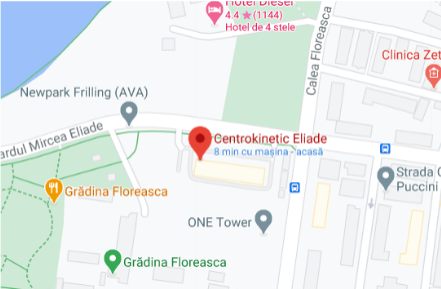
CENTROKINETIC FLOREASCA
Bucharest, 1st District,
Mircea Eliade Street, no. 18,
Eliade Tower, Entrance A, Floor 3
| Navigation | Explore 3D |
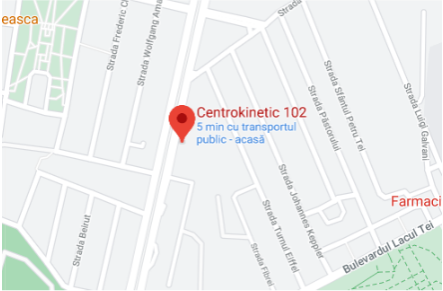
CENTROKINETIC Barbu Vacarescu
Bucharest, 2nd District,
Barbu Vacarescu Street, no. 102,
102 The Address, ground floor.
| Navigation | Explore 3D |
CENTROKINETIC MILITARI
Bucuresti, Sector 6,
Bld. Iuliu Maniu, nr. 15G,
Cladirea PBT, etaj 3.

| Navigation |
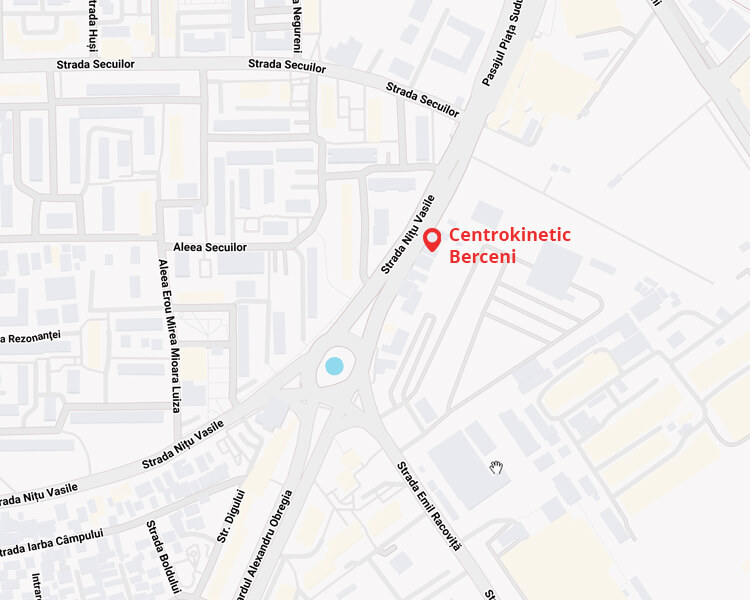
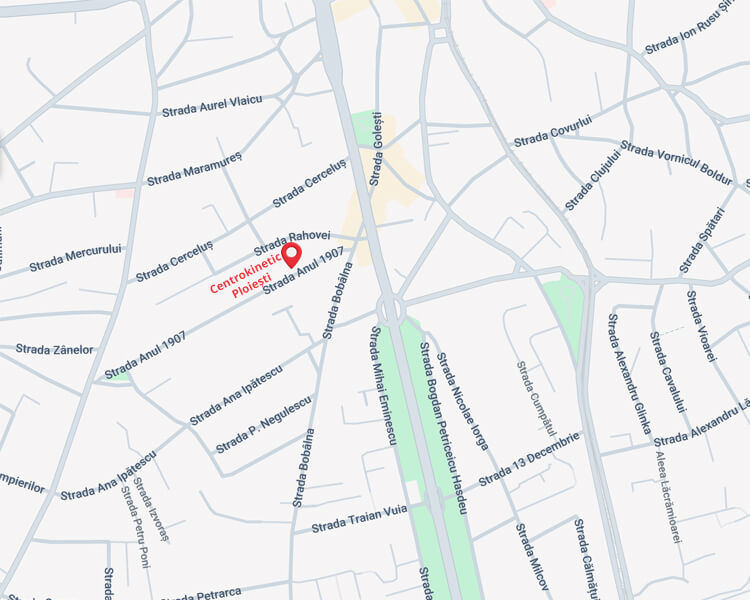
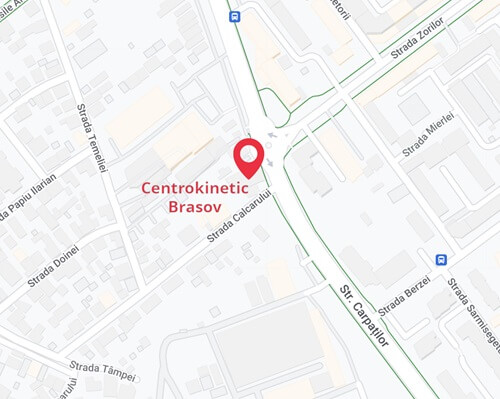
CENTROKINETIC CLUJ-NAPOCA
Cluj-Napoca,
Str. Intre Lacuri, nr.1
Intrarea este in spatele cladirii.

| Navigation |

SOCRATES CLINIC TIMISOARA
Timisoara, Calea Martirilor 1989,
nr. 1.
Telefon: 0371 785 374.
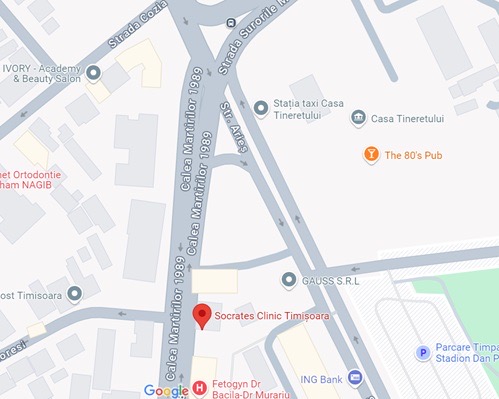
| Navigation |
CONTACT
Phone: 0319693
E-mail: programari@centrokinetic.ro
Operating hours:
Monday – Friday: 07:00 – 21:00
Saturday: 09:00 – 14:00
Sunday: closed.
MAKE AN APPOINTMENT