SCAPULOHUMERAL PERIARTHRITIS


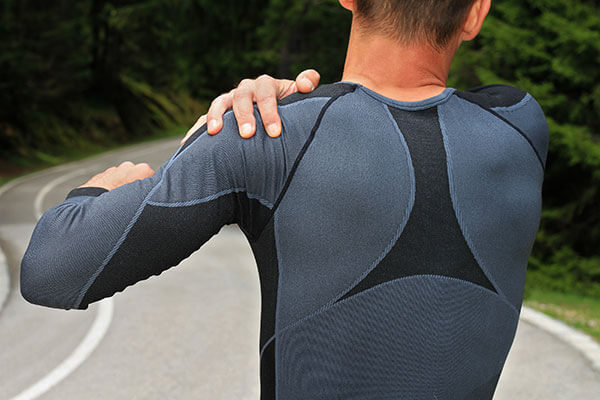
- Scapulohumeral periarthritis or SHP
- Treating scapulohumeral periarthritis
- How scapulohumeral periarthritis can be prevented
This article was written by Dr. Catalin Vlad Gican, orthopedic specialist, with over 10 years of experience, highly specialized in sports traumatology.
Scapulohumeral periarthritis or SHP
Scapulohumeral periarthritis is a generic term for several shoulder disorders. These disorders affect different structures, causing pain and inability to move the shoulder. Periarthritis is not encountered before middle age, but after that period it is distributed more or less evenly across all age groups up to age 70. It affects both men and women with an almost equal frequency, although there may be a slight predominance in women. The condition usually develops spontaneously, as a painful shoulder, with no connection to an injury, but in 20-30% of cases it can be associated with a very clear injury, such as a fall onto the shoulder or after a wrist fracture.Periarthritis of the shoulder joint is the most common cause of shoulder pain. The term "scapulohumeral periarthritis" encompasses injuries to both the muscles and the joint capsule.
At Centrokinetic, recovery from scapulohumeral periarthritis is carried out within the Physiotherapy and Kinetotherapy departments. We have an experienced physiotherapy team, led by Oana Antonic, and an experienced kinetotherapy team, led by kinetotherapist Alin Voica.
What is scapulohumeral periarthritis
Scapulohumeral periarthritis is a term that covers a wide range of degenerative shoulder conditions. Periarthritis is a painful inflammation of the soft tissues, tendons and ligaments, located around the shoulder.Inflammation of the shoulder joint is a common disease found in most people from middle age to old age. The typical sign is a sudden, painful reduction in the shoulder's range of motion. This decrease in mobility is due to stiffening of the shoulder, often referred to as "frozen shoulder."
There are many causes that are not always clearly visible. Any change in the tendons, ligaments, muscles or bones of the shoulder joint can lead to painful stiffening of the latter. The main causes of pain are falls or wear (osteoarthritis).
Clinical-anatomical-functional forms
The clinical forms of scapulohumeral periarthritis, according to the English school, are as follows:• Impingement syndrome
• Degenerative tendinitis
• Calcifying tendinitis and bursitis
• Bicipital tendinitis
• Adhesive capsulitis
• Rotator cuff tear
But we also often encounter these clinical forms in the version of the French school, namely:
• Simple painful shoulder - various degenerative processes of the tendons accompanied by pain during joint movements.
• Acute hyperalgic shoulder - inflammation at the level of the tendons and subacromial and deltoid bursae. Severe pain and difficulty moving occur.
• Mixed shoulder
• Blocked shoulder - inflammatory lesions on the glenohumeral capsule worsen and fibrosis occurs.
• Pseudoparalytic shoulder - rupture of the rotator cuff tendons, pain is very pronounced, and movements in the shoulder joint become impossible.
Impingement syndrome
Shoulder impingement syndrome is a condition in which the tendons of the shoulder's rotator cuff become caught and intermittently compressed during shoulder movements. This causes injury to the shoulder tendons and bursa (a small fluid-filled sac that functions as a sliding surface between different tissues) resulting in painful shoulder movements.While a traumatic injury such as a fall can occur, repeating arm movement in the upper area of the impingement zone most often causes the rotator cuff to touch the outer end of the shoulder blade (acromion). When this occurs repeatedly, the swollen rotator cuff becomes caught under the acromion.
Injuries range from mild tendon inflammation (tendinitis), bursitis (inflamed bursa), calcifying tendinitis (bone forming in the tendon), to partial or total tears of the rotator cuff tendon, which may require surgery.
Typical symptoms of impingement syndrome include difficulty reaching behind the back, pain when using the arm overhead, and weakness of the shoulder muscles. If the tendons are injured for a long period of time, the tendon may actually tear in two, leading to a rotator cuff tear. This causes significant weakness and can make it difficult to raise the arm. Some people may experience a tear of the biceps muscle as part of this ongoing impingement process.
Supraspinatus syndrome or degenerative tendinitis
Supraspinatus tendinitis or painful arc syndrome occurs in the shoulder. The shoulder joint owes its stability to the "rotator cuff" muscles - four small muscles located around the shoulder joint that help with movement, but, importantly, their tendons stabilize the head of the humerus inside the joint capsule.The tendon of one of these muscles - the supraspinatus - usually affects the acromion (the bone that forms the tip of the shoulder) as it passes between the acromion and the humeral head. The supraspinatus muscle helps with lateral raising of the arm. Any friction between the tendon and the acromion is normally reduced by the subacromial bursa - a fluid-filled sac between the supraspinatus tendon and the acromion.
Tendinitis and partial tears of the supraspinatus tendon cause a "painful arc" because, when the person raises their arm laterally, the tendon begins to push under the acromion through the central part of the arc, and this is usually released as the arm reaches 180 degrees (vertical).
There may be other causes of a painful arc. Arthritis of the acromioclavicular joint (at the tip of the shoulder) can cause pain, but this is usually at the end of the arc - when the arm is nearly vertical.
Bursitis in the shoulder means an inflamed bursa. The bursa is a fluid-filled sac, which helps reduce friction in the spaces of the shoulder. You have several bursae in the shoulder. The subacromial bursa is the most commonly inflamed.
Subacromial bursitis is a common cause of shoulder pain, which is usually related to impingement syndrome of the bursae between the rotator cuff tendons and the bone (acromion).
Shoulder bursitis usually presents the following symptoms:
• Gradual onset of shoulder symptoms over weeks or months.
• Pain on the outside of the shoulder.
• The pain may extend down the arm toward the elbow or wrist.
• The pain worsens when lying on the affected shoulder.
• The pain worsens when using the arm overhead.
• Pain with movement - shoulder pain felt between 60-90 degrees, as the arm moves up and out.
• Shoulder pain during activities such as washing your hair, or reaching up to a high shelf in a cupboard.
Bicipital tendinitis
Bicipital tendinitis is an inflammation or irritation of the upper biceps tendon. Also called the long head tendon, this strong, cord-like structure connects the biceps muscle to the bones of the shoulder.Pain at the front of the shoulder and weakness are common symptoms of bicipital tendinitis. The pain can be relieved with rest and medication. In severe cases, surgery may be necessary to repair the tendon.
At first, the tendon becomes red and swollen. As the tendinitis develops, the tendon sheath (covering) may thicken. The tendon itself often thickens or grows.
The tendon in these late stages is often dark red in color, due to inflammation. Occasionally, damage to the tendon can lead to the tendon tearing and then to deformation of the arm.
Bicipital tendinitis usually occurs along with other shoulder problems. In most cases, there is also damage to the rotator cuff tendon. Other problems that often accompany biceps tendinitis include:
• Arthritis of the shoulder joint
• Tears in the glenoid labrum
• Chronic shoulder instability (dislocation)
• Shoulder swelling
• Other conditions that cause inflammation of the shoulder joint lining
Calcifying tendinitis and bursitis
Calcifying tendinitis (or tendinosis) occurs when calcium deposits accumulate in the muscle or in the tendons. Although this can happen anywhere in the body, it usually occurs in the rotator cuff.The rotator cuff is made up of a group of muscles and tendons that connect the upper arm to the shoulder. Calcium buildup in this area can restrict the arm's range of motion, and can cause pain and discomfort. Calcifying tendinitis is one of the most common causes of shoulder pain.
Although it can usually be treated with medication or physical therapy, you must consult a doctor for diagnosis. In some cases, surgery may be necessary.
Adhesive capsulitis
Adhesive capsulitis is usually called frozen shoulder. This condition occurs when the joints in the shoulder become inflamed. Inflammation leads to scar tissue. This will prevent you from moving your shoulder in all directions. The shoulder can become rigid.The main symptom is difficulty moving the shoulder, along with pain and stiffness. You may feel this when:
• Raising both arms up.
• Bringing your hands directly in front of you.
• Raising your arms to the sides of your body.
• Trying to take something out of the back pocket of your pants.
At first, the shoulder may be painful and stiff. Then it may become very painful. This is called the painful stage. It can last about 3-8 months. The second stage is called the adhesive stage. You might not experience as much pain. However, the shoulder becomes increasingly rigid. This stage usually lasts between 4 and 12 months. By the time you reach the final stage, it becomes very hard to move your shoulders, even a little. This stage usually lasts about 1 to 3 months. However, it is not very painful. Eventually, the stiffness slowly goes away. You can move your shoulder again. You may not regain full movement in the shoulder. As shoulder movement increases, you may sometimes experience pain. However, you should be able to do more activities.
This condition develops when the tissue in the shoulder joint tightens and limits movement. This happens when you are not active due to another injury, such as a rotator cuff injury, a broken arm or recovery from surgery. It also happens when you use the shoulder incorrectly. Certain risk factors can increase the chances of developing a frozen shoulder. The risks are higher for:
• people aged 40 and over
• women
• people with diabetes
• people with thyroid problems
• people undergoing hormonal changes (more likely during menopause)
• people who have had open-heart surgery
• people with cervical disc disease in the neck
Adhesive capsulitis cannot be prevented or avoided. However, you can reduce your risks. A person with diabetes can reduce the risk of diabetes-related diseases by following a healthy lifestyle and the doctor's advice. If you have surgery, consult a physical therapist and follow postoperative shoulder exercises. If you have any shoulder discomfort, consult a doctor as soon as possible. This can prevent pain and serious damage.
Pseudoparalytic shoulder
Pseudoparalytic shoulder is a condition frequently seen in athletes, and is due to a tendon tear. Rotator cuff tears usually occur due to degeneration, but can also be present in young patients, especially athletes, after trauma has occurred.
Causes of scapulohumeral periarthritis
Periarthritis can be disruptive, especially if you are an active person. Pain and limited mobility in the shoulder make it difficult to carry out physical tasks.There are several potential causes of scapulohumeral periarthritis, including a sedentary lifestyle, post-operative scarring, or the presence of conditions that require certain medications.
Experts suspect that the causes of periarthritis are related to the development of joint inflammation and the formation of scar tissue. The theory is that as this happens, the tissues inside the joint contract and stiffen, which makes it difficult to move the shoulder. What we do not know for certain is why scar tissue forms.
Some potential causes of periarthritis include: immobilization for long periods of time, shoulder surgery and taking certain medications, such as antiretroviral drugs.
Specific risk factors include:
• Parkinson's disease
• Heart disease
• Thyroid conditions
• Diabetes
• Stroke
• Tuberculosis
• Rotator cuff problems
• Broken arm
Inflammation of the shoulder joint tissues
Inflammation of the tendon sheath is usually the result of injury to the tendon or the surrounding muscle or bone. It is not limited to athletes and also occurs in people who perform a variety of repetitive movement activities, such as assembly work, typing, etc. People who work in certain jobs seem to have a higher risk than others, including:• carpenters
• dentists
• musicians
• office workers
Most tendinitis is the result of tendon inflammation. In general, tendinitis is one of two types:
- Acute. Excessive throwing of a ball or other activities requiring raising the arm overhead, during work or sports, can lead to acute tendinitis.
- Chronic. Degenerative diseases, such as arthritis, or repetitive wear due to age, can lead to chronic tendinitis.
Injuries caused by physical overuse of the shoulder joints
Rotator cuff tendinitis and tears are common disorders of the muscles that control arm and shoulder movement. Rotator cuff tendinitis and tears are collectively known as impingement syndrome.When a rotator cuff tear occurs following trauma, it simply means that the tear occurred following an event or physical activity. This normally happens when a person falls or when a person has a very strong collision with a hard object.
Injuries to the edge of the tissue surrounding the shoulder socket can occur from acute trauma or repeated shoulder movement. Examples of traumatic injuries include:
• Falling on an outstretched arm
• A direct blow to the shoulder
• A sudden pull, such as trying to lift a heavy object
• Violent raising of the arm overhead, such as when trying to stop a fall or a slip
Anyone who uses their shoulder to make repeated movements can tear their labrum. Repeated movement of the shoulder overhead, during work or physical activity, can lead to a labral tear.
Asymptomatic degenerative lesions
Scapulohumeral periarthritis is generated by injuries to the periarticular structures, especially injuries to the tendons. Tendons undergo certain degenerative lesions over time, which favor the tearing of some fibers and the appearance of calcifications.These degenerative lesions remain asymptomatic for a long time, and inflammatory episodes appear, favored by certain traumas, joint overuse or exposure to cold.
Prolonged exposure to cold
During winter, the number of people suffering from shoulder pain increases dramatically. Cold weather worsens pre-existing shoulder pain, which means it is not a quick fix. Many people believe that shoulder pain is caused only by overuse or injury. In fact, many cases of shoulder pain are caused by your circulatory system and a dramatic change in blood supply. This tends to be the cause of more chronic pain. Poor circulation causes stiffening of muscles and tendons, which can lead to severe pain and even degenerative shoulder problems in the elderly.Scapulohumeral periarthritis can occur following prolonged exposure to cold. When temperatures start to drop, it is typical for people to raise their shoulders in an attempt to warm up. When atmospheric weight no longer pushes against us, the body's tissue expands. This puts additional pressure on the joints.
Symptoms of scapulohumeral periarthritis
The primary symptoms of periarthritis are pain and stiffness that make it difficult to move the shoulder. Some people say they feel pain in the shoulder that radiates around the arm. Often, this pain worsens at night, making it difficult to get a good night's sleep.Most people go through phases with frozen shoulder symptoms.
Stage 1 - Freezing phase:
• Pain (sometimes severe) in the shoulder when moving
• Pain that worsens over time and hurts more at night
• Pain that lasts six to nine months
• Limitation in the shoulder's range of motion
Stage 2 Frozen phase:
• The pain may improve, but stiffness worsens
• Shoulder movement becomes harder, therefore activity becomes difficult
• Muscles around the shoulder may decrease in size because they are not used
• Stiffness lasting between 4 and 12 months
Stage 3 Thawing phase:
• Pain and stiffness gradually diminish
• Range of motion begins to improve
• This lasts about 6 months to 2 years
Pain in the shoulder joint
Pain in the shoulder joint may include:• Pain during movement
• Inability to raise the arm overhead
• Pain at night, especially if you try to lie on the affected shoulder
• Weakness of the shoulder muscles
Limitation of arm movements
If you have scapulohumeral periarthritis, pain and stiffness can seriously affect your ability to perform everyday tasks, such as dressing, washing, etc. Even once shoulder pain begins to improve, shoulder stiffness can still be quite limiting. For example, this condition can prevent you from raising your arm overhead, to the side, across your chest, or fully rotating your arm from front to back.Functional impairment of the shoulder
Functional impairment of the shoulder can be associated with mechanical-type pain leading to a significant loss of independence. Pain can also occur at night, but without an inflammatory character. Functional impairment can occur due to pain, but rather rarely.
Diagnostic methods for scapulohumeral periarthritis
The diagnosis of periarthritis can usually be made through a simple clinical exam. Periarthritis can be easily differentiated from tuberculosis of the shoulder, by the absence of destructive changes on an X-ray.Your doctor will ask you about the symptoms you have and will examine your shoulder. A diagnosis is often made when you cannot rotate your shoulder.
You may have X-rays taken of the shoulder. X-rays are necessary so the doctor can make sure there is no other problem, such as arthritis. Sometimes, an MRI exam shows inflammation. But imaging tests do not show specific signs for diagnosing frozen shoulder.
Clinical exam
During the clinical exam, the doctor may test your ability to move the shoulder, asking you to move your arm and shoulder as much as you can, in every direction.The doctor may help you move your arm or shoulder. This may hurt, but it will help them determine how severe your condition is. Some doctors will administer an anesthetic into the shoulder to ease the pain while trying to get a better indication of the range of motion.
The doctor may apply pressure to different parts of the shoulder to determine where the pain is more severe and what exactly is causing it. They will examine you for:
• swelling
• bruising
• weak musculature
Patient history
The doctor will ask you questions related to your occupation and sports activity. They will also want to know when the pain started and how severe it is. It is important to tell the doctor if your job involves repeated arm movements, or if you have suffered any trauma following a sport, training or accident.Don't forget to tell the doctor if you are following any medication treatment.
Imaging tests
Scapulohumeral periarthritis can usually be diagnosed only based on signs and symptoms. But your doctor may suggest imaging tests - such as X-rays or MRI - to rule out other problems.If an imaging test is necessary, you may have:
- Shoulder X-ray: shows the presence of: cysts, necrosis of the greater tuberosity of the humeral head, osteophytes on the anterior edge and lower surface of the acromion (secondary osteoarthritis). A normal radiological image of the shoulder does not rule out a diagnosis of scapulohumeral periarthritis.
- The MRI test detects a wide spectrum of conditions, from degeneration to partial or total tears. It can also reveal soft tissue injuries and is especially useful in monitoring postoperative progress. Remember that at our clinic you also benefit from this type of diagnosis, without needing to travel to other clinics.
- Musculo-entheso-osteo-articular ultrasound can also be useful, showing medium-sized tears at the level of the rotator cuff.
- Electromyography and nerve conduction velocity studies are mandatory when a neurological impairment is suspected.
Treating scapulohumeral periarthritis
Treatment for scapulohumeral periarthritis requires extraordinary patience from both the patient and the treating physician, which you will find in all the doctors at our clinic. Scapulohumeral periarthritis often takes a long time to improve. Treatment during the painful stage involves medication, including cortisone injections. These injections can shorten the painful stage. The cortisone injection is placed inside the shoulder joint where the inflammation is located and where the pain is generated. Patients with scapulohumeral periarthritis must do physical therapy and/or a home stretching program to help limit the loss of shoulder movement that occurs in the early stages. Surgical treatment is aimed at young patients who develop this syndrome. In the elderly, treatment is conservative.Medication treatment
Over-the-counter pain medications, such as aspirin and ibuprofen (Advil, Motrin IB, others), can help reduce the pain and inflammation associated with scapulohumeral periarthritis. In some cases, your doctor may prescribe more effective medications for pain relief, and anti-inflammatories.Nonsteroidal anti-inflammatory drugs
This group of medications includes diclofenac, ibuprofen and naproxen. Nonsteroidal anti-inflammatory drugs ease pain and reduce inflammation. They can be taken in tablet form or applied to the shoulder as a gel or cream.Corticosteroid therapy
Cortisone is a type of steroid, a medication that reduces inflammation, which can lead to less pain. Cortisone injections can be used to treat inflammation in small areas of the body, such as inflammation of the shoulder joints or tendons. However, repeated corticosteroid injections are not recommended because they can have adverse effects, including further damage to the shoulder.The cortisone injection is not just a painkiller. It works by reducing inflammation and, consequently, the secondary pain. As such, it treats the pathology, not just the pain. It is important that the injection be followed by proper rehabilitation.
Local anesthetics
If the patient's symptoms persist, subacromial injections with a local anesthetic, such as lidocaine, may be recommended as a treatment option. These local anesthetics help remove the pain.Kinetotherapy and physiotherapy exercises
Although results differ regarding the effectiveness of physical therapy, many experts suggest that it can be helpful at certain stages of scapulohumeral periarthritis.Physiotherapy can help improve shoulder strength and flexibility, as well as ease pain. Physiotherapists use a variety of different therapies, including massage, ultrasound therapy, laser therapy and transcutaneous electrical nerve stimulation (TENS) - a therapy that uses mild electrical currents to treat pain.
Physiotherapists can also teach special rehabilitation exercises for stretching and strengthening the rotator cuff muscles. Exercises that improve the shoulder's range of motion help reduce the stiffness that occurs after a period of immobility. The range of motion exercises can be followed by resistance exercises and weight training to strengthen the muscles. In physiotherapy, heat therapy, ultrasonophoresis, laser, cryotherapy, and analgesic and decontracting electrotherapy (diadynamic currents, interferential currents, galvanic current, etc.) can be used.
Kinetotherapy exercises aim at learning compensatory movements and recovering the best possible muscle strength. Kinetotherapy is a very important part of the treatment because it helps restore shoulder function as well as avoid recurrence.
The role of kinetotherapy in treating scapulohumeral periarthritis
The role of kinetotherapy is to help in the recovery of mobility. This recovery is done by addressing the non-contractile structures of the shoulder (capsule, ligaments, bursa, tendons) and separately by addressing the contractile structures (muscles).Kinetotherapy has particularities depending on the clinical-anatomical-functional form of scapulohumeral periarthritis.
Dosing kinetotherapy exercises in treating scapulohumeral periarthritis
Exercises should be done regularly, 1-2 times a day at home, and at the clinic according to the kinetotherapist's recommendation. Each exercise is repeated 5-10 times. In the case of a blocked shoulder, the intensity of the exercises, the duration and frequency of the kinetotherapy sessions are higher than in other clinical forms.Dosing of the exercises can be done in stages. In the first stage, which lasts 10-15 days, mirror exercises for mobilization, dynamic exercises, relaxation exercises and passive exercises will be performed.
The second stage lasts about 2 weeks, and contains exercises that increase in difficulty, such as: sliding exercises, pendulum exercises, assisted active movements, pendulum exercises, etc.
In the third stage, which lasts 1 month, hydrokinetotherapy is also recommended, which helps facilitate movements. This stage is a recovery stage and contains assisted active exercises.
The fourth stage is for functional recovery, and all movements are passive. This stage aims at muscle toning.
Surgical treatment
Since most patients see improvements with the help of the treatments above, only about 10% of people with shoulder problems will need to be treated surgically. Surgery is recommended if non-operative treatment is not effective.Sometimes the shoulder is treated with what is called manipulation under anesthesia. In this therapy, the shoulder is gently moved while you are under general anesthesia, to help improve your range of motion. Arthroscopic surgery (surgery performed using a special tubular instrument inserted through an incision in the shoulder joint) is another treatment that can be used for scapulohumeral periarthritis. This procedure (shoulder arthroscopy) is done under anesthesia. During the surgery, scar tissue is released by bringing the shoulder through a full range of motion. Arthroscopic surgery can also be used to cut tight ligaments, and to remove scar tissue from the shoulder. After surgery, you may receive pain medication, so you can participate in physical therapy.
How scapulohumeral periarthritis can be prevented
Scapulohumeral periarthritis can be prevented by:• avoiding trauma to the shoulder joints
• avoiding sports that stress the shoulder joints, or practicing them only after warming up the joints
• avoiding repetitive shoulder movements
• avoiding exposure to cold
• avoiding carrying heavy weights on a constant basis
• gradually resuming movements when resuming activity
Healthy and orderly lifestyle
To help fight inflammation long-term and to prevent injuries, focus on a healthy lifestyle. Adopt a healthy diet and take anti-inflammatory supplements that help improve recovery. Anti-inflammatory supplements and herbs include: turmeric, omega-3 fatty acids, magnesium and CoQ10.Consumption of oil, fatty and spicy foods should be avoided. In general, you should consume more cheese, vegetable juices and unrefined sea salt, which eliminate joint dryness and heal pain. The diet should include glucosamine and chondroitin, which help heal shoulder pain.
Warming up the joints before practicing demanding sports
Warming up the shoulder joints is done with active stretches that increase blood circulation, and also warm up the muscles and improve range of motion. Doing dynamic activities before practicing demanding sports, such as swimming laps or playing basketball or any other activity that will challenge the shoulder, can help you prevent injuries and prepare your muscles for physical exercise. Doing arm circles warms up the deltoid muscles and the rotator muscles.Avoiding repeated lifting of weights in the hands
Excessive use of the shoulder tendons can create friction in the cuff, leading to irritation. Excessive strain or repeated weight lifting can eventually lead to inflammation, altered tissue alignment and irregular movement. These problems will not allow the tendon to move easily and will cause pain in the shoulder area. When lifting weights, the tissues in the muscles, tendons and joints sustain small damage. Between workouts, the body repairs as much wear as it can, and provided it has enough time to recover, these tissues become stronger and more durable over time. So, try to take frequent breaks when you must necessarily make repeated movements.Reducing exposure to cold
You can avoid shoulder pain by reducing exposure to cold. Here's what you can do:• Wear appropriate equipment when doing sports, even recreational ones
• Use heat in the car and try to avoid going out in extreme conditions
• If you start noticing shoulder pain, put on a heating pad or take hot showers to relax your muscles
• Stay in a warm environment as much as possible
• Wear thick clothes
Diet low in sugar and rich in fruits and vegetables
It is recommended to avoid sugar because it prevents the absorption of vitamins and minerals. Try to consume raw vegetables and fruits, from which the body can get the nutrients it needs to function properly.Increase your intake of anti-inflammatory foods, such as fruits and vegetables, fatty fish (which contains high levels of omega-3 fatty acids), nuts, seeds and certain spices, such as ginger, garlic, turmeric.
Vegetables such as cauliflower, broccoli, cabbage, cucumber, sweet potatoes, are all loaded with antioxidants that can help eliminate harmful compounds from the body.
Fruits such as pineapple and red grapes are highly recommended because they have anti-inflammatory properties.
Speeding up recovery from scapulohumeral periarthritis
With the help of physiotherapy, recovery time from scapulohumeral periarthritis can be reduced from 2 years to 6 months. A physiotherapist will evaluate you to establish the best treatment plan. This may include applying heat, gentle stretching and using ultrasound. You may also be recommended exercises to do at home to help improve mobility and reduce pain.Rest and immobilization of the shoulder joint during the manifestation of scapulohumeral periarthritis
In recovery, rest is very important. If the pain is quite severe, rest and immobilization of the shoulder joint with the help of a sling is recommended. Rest of the affected arm and modification of daily activity are recommended, including avoiding raising the hand overhead. Try to avoid sleeping on the affected arm.Gradual resumption of physical movements
You will do physical therapy exercises and stretches designed to help increase the shoulder's range of motion. You can benefit from an exercise program to do at home, or you can attend prescribed therapy sessions. Progress can be slow and it is recommended that physical movement be resumed gradually. It can take from a few weeks to a few months to see improvements.IF YOU DON'T ALREADY KNOW US
Centrokinetic is the leading medical clinic dedicated to bone and joint conditions, organized into several dedicated departments:
- Orthopedics: made up of a highly experienced team of orthopedic surgeons, led by Dr. Andrei Ioan Bogdan, senior orthopedics-traumatology physician with surgical activity at the Floreasca Clinical Emergency Hospital and at the Medlife Orthopedic Hospital, specialized in sports traumatology and in ankle and foot surgery.
- Pediatric orthopedics, where we treat children's sports injuries (ligament and meniscus injuries), spinal deformities (scoliosis, kyphosis, hyperlordosis), and foot conditions (hallux valgus, hallux rigidus, clubfoot, flat valgus foot, cavus foot).
- Neurology, providing consultations and EMG within the department. The medical team is completed by Dr. Mardare, highly specialized at the University of Oxford in spinal surgery.
- Medical rehabilitation, for children and adults, the department being led by one of the most experienced physicians in the field, senior lecturer Dr. Tache Georgiana. The department specializes in the recovery of performance athletes, in spinal conditions, and in the recovery of children with neurological and traumatic conditions.
- Medical imaging, the clinic being equipped with ultrasound and MRI, dedicated to musculoskeletal conditions. We are proud of our medical team of radiologists, made up of Dr. Ghiea Sorin, Dr. Pantu Cosmin, Dr. Florescu Nicoleta, specialized in musculoskeletal imaging.
Find out the latest news about us by following the Facebook and YouTube accounts of the Centrokinetic clinic.

MAKE AN APPOINTMENT
CONTACT US
MAKE AN APPOINTMENT
FOR AN EXAMINATION
See here how you can make an appointment and the location of our clinics.
MAKE AN APPOINTMENT
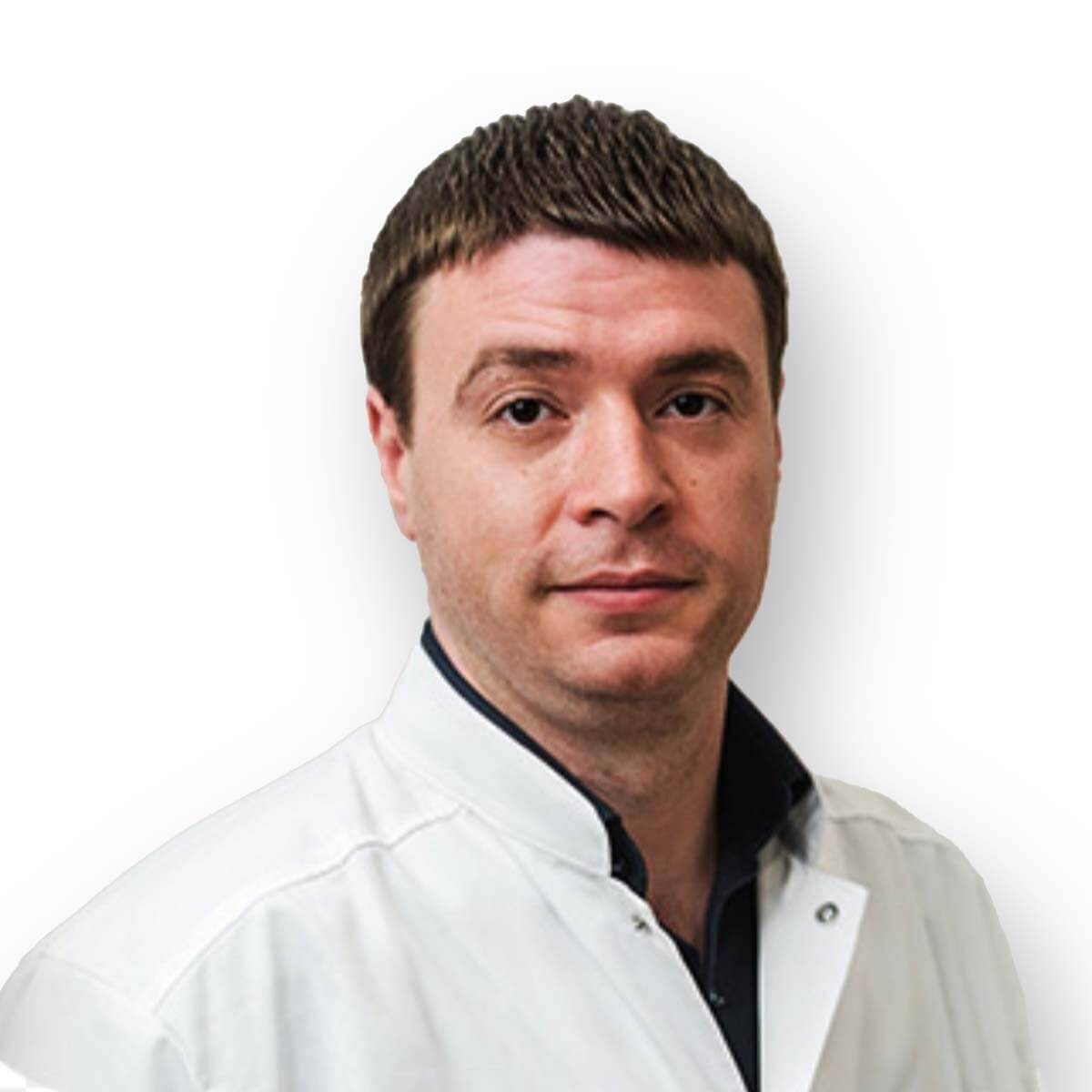
BUCHAREST TEAM




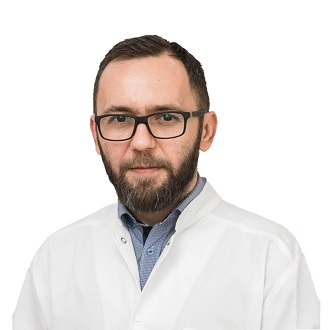





















































CLUJ NAPOCA TEAM



























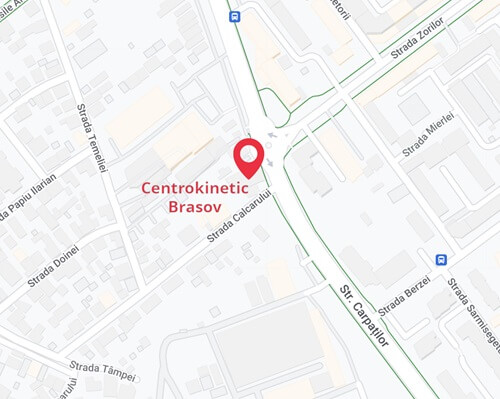
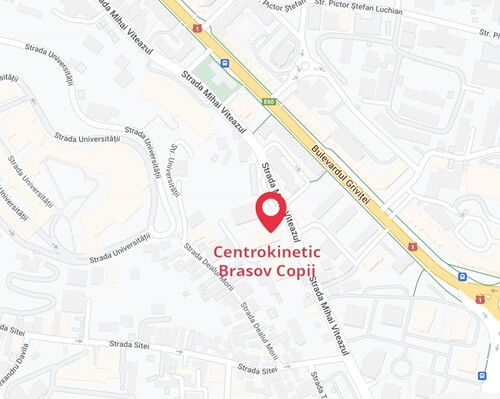
BRASOV TEAM

















Asiguratori privati





Parteneriate


CENTROKINETIC FLOREASCA
Bucharest, 1st District,
Mircea Eliade Street, no. 18,
Eliade Tower, Entrance A, Floor 3
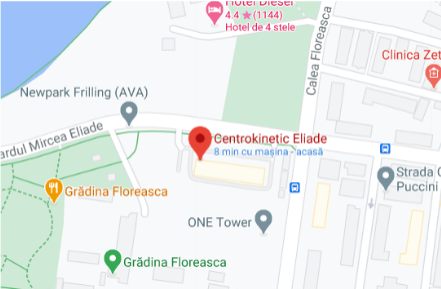
| Navigation | Explore 3D |
CENTROKINETIC Barbu Vacarescu
Bucharest, 2nd District,
Barbu Vacarescu Street, no. 102,
102 The Address, ground floor.
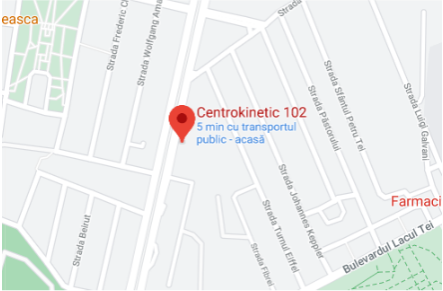
| Navigation | Explore 3D |
CENTROKINETIC MILITARI
Bucuresti, Sector 6,
Bld. Iuliu Maniu, nr. 15G,
Cladirea PBT, etaj 3.
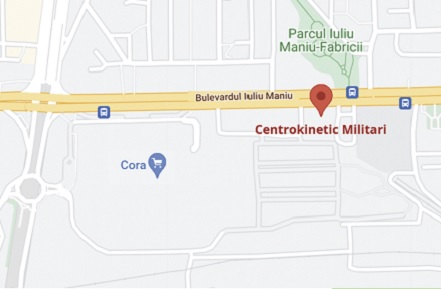
| Navigation |
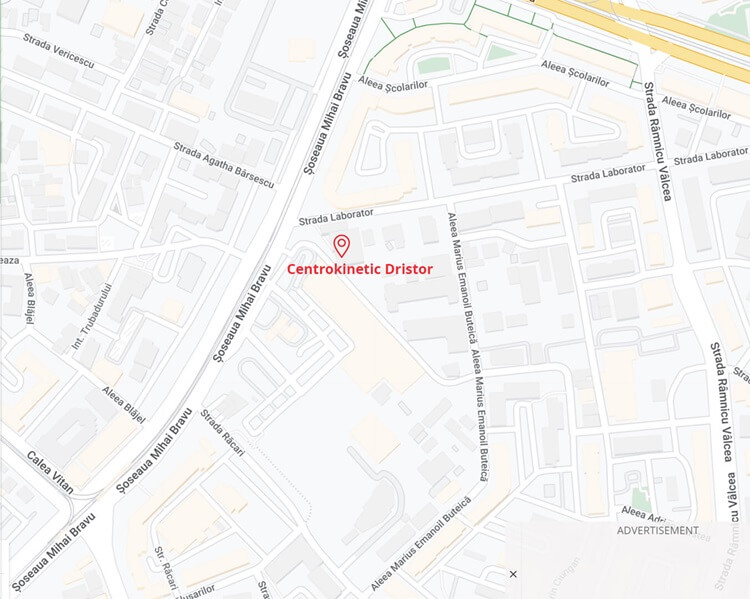
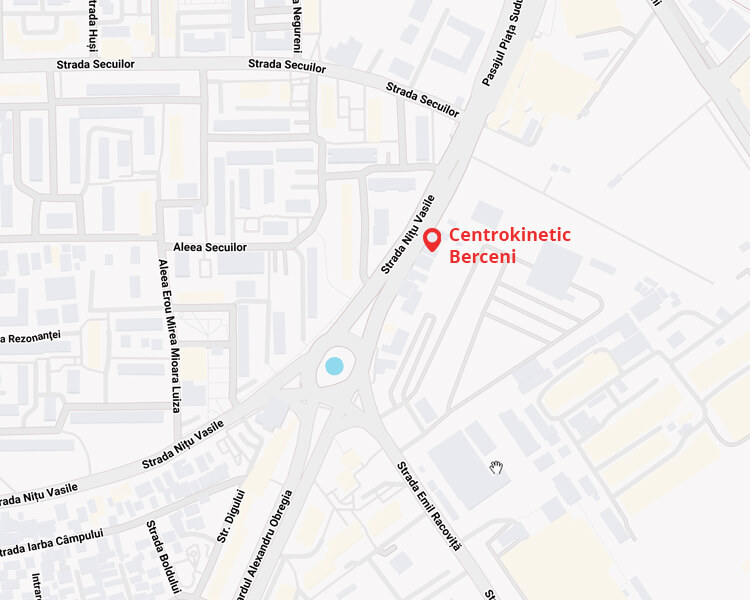
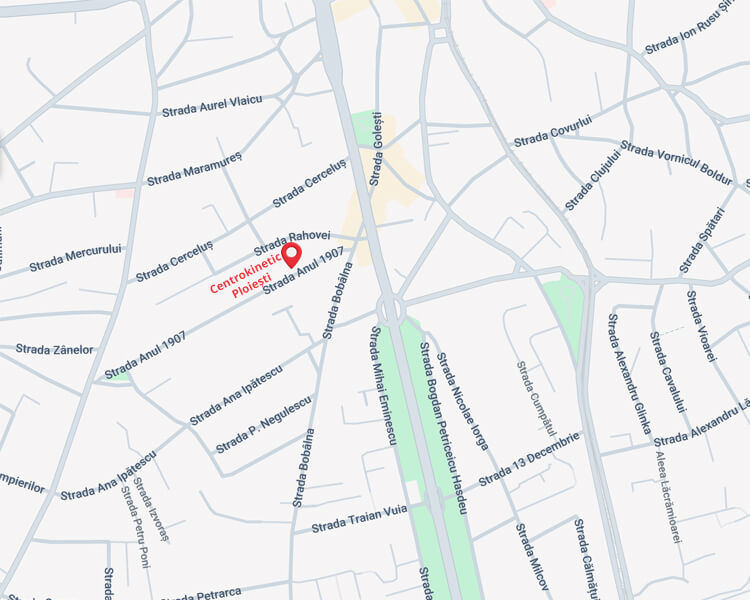
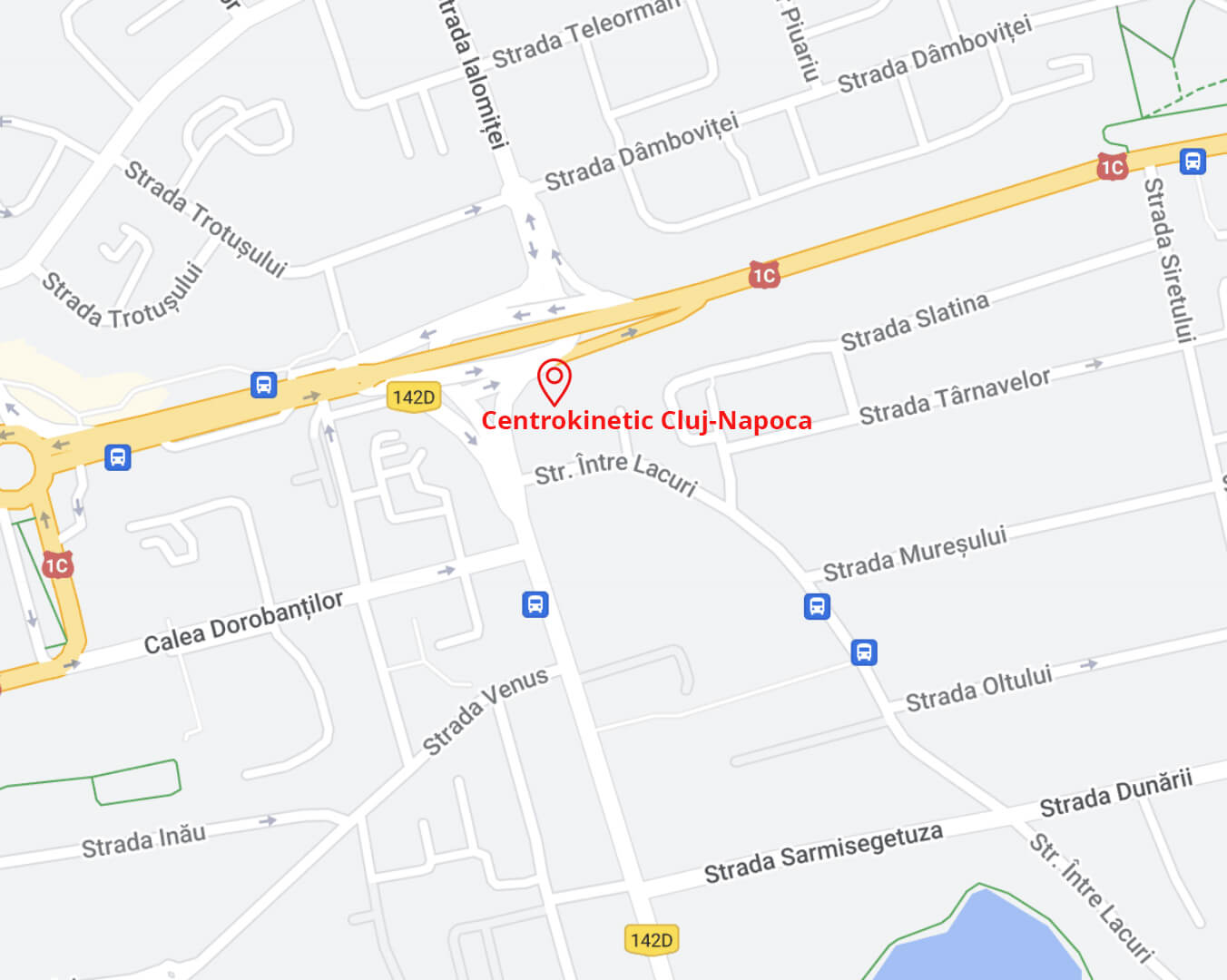
CENTROKINETIC CLUJ-NAPOCA
Cluj-Napoca,
Str. Intre Lacuri, nr.1
Intrarea este in spatele cladirii.
| Navigation |
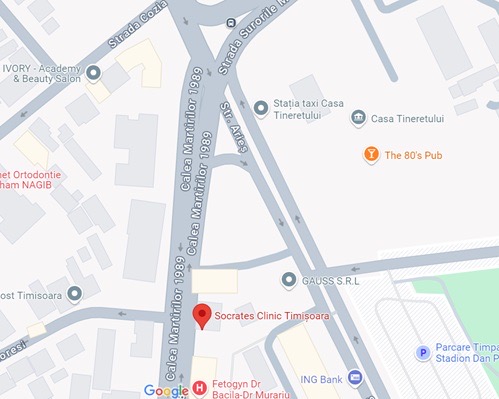
SOCRATES CLINIC TIMISOARA
Timisoara, Calea Martirilor 1989,
nr. 1.
Telefon: 0371 785 374.
| Navigation |
CONTACT
Phone: 0319693
E-mail: programari@centrokinetic.ro
Operating hours:
Monday – Friday: 07:00 – 21:00
Saturday: 09:00 – 14:00
Sunday: closed.
MAKE AN APPOINTMENT