Acupressure: How this therapy contributes to the recovery of the body


Acupressure: How This Therapy Contributes to the Body's Recovery
.jpg "Presopunctura:Cum contribuie aceasta terapie la refacerea organismului")
Acupressure is a form of alternative therapy closely related to acupuncture and reflexology. Since ancient times, it has been used to relieve the symptoms of various conditions and, in general, to improve quality of life.[4] Keep reading to learn more about this technique and its benefits.
Table of contents:
- What is acupressure?
- How does acupressure work?
- Types of acupressure
- What are the benefits of acupressure
- What conditions can be treated with the help of acupressure?
- Contraindications for acupressure
What is acupressure?
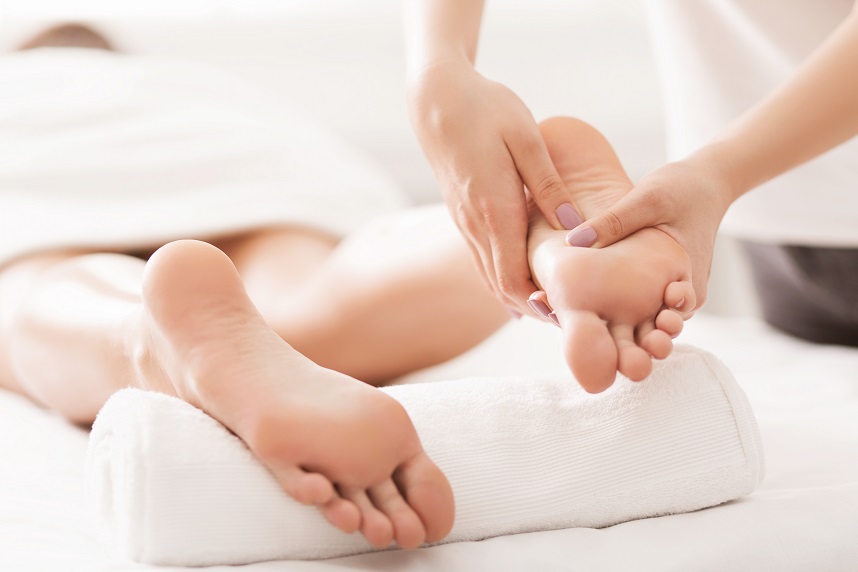
Acupressure originates in Ancient China and is sometimes described as a kind of acupuncture without needles, or painless acupuncture. Both forms of therapy are based on the same principle: balancing the flow of physiological energy by stimulating points that correspond to certain areas of the body. In acupressure, however, instead of the fine needles that tend to scare some patients at first, fingertips are usually used to stimulate the energy points. Elbows, palms, or specific instruments and devices can also be used. Sometimes, stretching and massage are also combined with acupressure.[4][5]
Acupressure is also similar to reflexology; the difference between the two is that the latter is based on applying pressure to certain reflex zones rather than to a single point.[4]
How does acupressure work?
According to traditional Chinese medicine, our body is crossed by meridians through which Qi, or chi, circulates - the vital energy of the human body, on whose balance our health depends. These channels begin at the fingertips, connect to the brain, and then to an organ associated with a certain meridian. Along the body's main meridians, hundreds of acupressure points are spread, that is, points which, when stimulated, can correct the imbalance of Qi energy. This leads to an improvement in the physiological functions of the body's systems. Depending on the point on which pressure is applied, different effects are obtained.
Selecting the correct points and the intensity of the pressure are very important. If it is too low, acupressure will prove ineffective; no excessive pressure should be applied either.[4][5] It should be gentle, but firm, and is maintained for an interval of between 30 seconds and 2 minutes, after which it is gradually reduced. The duration and number of sessions will be established according to the condition the patient suffers from and the symptoms affecting their quality of life.[2]
The number of acupressure points is too large to list here, but among the most frequently used are:
- LI4 - located in the area between the thumb and index finger;
- LR-3 - is located between the big toe and the adjacent toe;
- SP-6 - is located above the inner ankle bone, at about 3 centimeters from it;
- PC 6 - is located in the groove between the two large tendons on the inside of the wrist.[5]
Types of acupressure
Depending on the origin, method, and techniques used, we can speak of several types of acupressure. Here are a few of them:
- Shiatsu - is a manual therapy originating in Japan, but now practiced on all continents; stimulation of the energy points, by pressing with the thumb, elbow, or knee, is combined with passive stretching and rotation of the joints;
- Jin Shin Do - is a combination of Western psychology with Japanese acupressure, Chinese acupuncture theory, and Taoist philosophy technique;
- Auricular acupressure - is based on the theory that certain points located on the ear correspond to the major organs of the body, and stimulating them will have therapeutic effects on those organs.[4]
What are the benefits of acupressure
- Acupressure can have numerous benefits for our health. Here are a few of them:
- helps treat a wide range of conditions;
- helps ease back and knee pain;
- eases headaches;
- relieves menstrual cramps;
- improves sex life;
- reduces stress and anxiety;
- helps maintain a healthy body weight;
- improves memory;
- helps with recovery after surgery;
- prevents nausea and vomiting;
- improves sleep quality;
- regulates bowel transit;
- improves eye health;
- can be used by both adults and children.[4]
What conditions can be treated with the help of acupressure?
There are several conditions whose healing can be sped up by acupressure, or whose symptoms can be relieved:
- dysmenorrhea - acupressure can reduce the severity of menstrual pain for up to two hours after stimulating specific points (SP6, SP8, LI4, LV3);[6]
- depression - several studies have shown that acupressure can reduce the symptoms of mild or moderate depression;[3]
- migraine - this form of therapy is a solution that people who suffer from migraines can also turn to; the acupressure points for severe headache and other migraine symptoms are located on the ears, hands, feet, face, neck, but also in other areas of the body;[1]
- cancer - acupressure can also be used to manage the side effects of chemotherapy; besides relieving the nausea that appears right after chemotherapy, it can help, for example, reduce stress and pain, improve energy levels, and diminish persistent fatigue;[5]
- diabetes - helps control blood sugar;
- obesity - alone or combined with other therapies, acupressure can be used both to get rid of excess kilograms and to maintain your body weight after losing those kilograms;
- insomnia - some studies have also shown that acupressure can lead to a significant improvement in the quality and quantity of sleep.[4]
With the help of acupressure, the symptoms of respiratory or digestive conditions, as well as joint, neurological, dermatological, and circulatory conditions, can also be treated or relieved.[4]
Contraindications for acupressure
In general, acupressure is considered safe. However, seek the advice of a specialist before trying this form of therapy:
- in the area of a malignant tumor;
- when the cancer has spread to the bones (bone metastasis);
- if you suffer from rheumatoid arthritis, a spinal injury, or any other condition that could be worsened by physical manipulation;
- if you are pregnant - certain energy points can trigger contractions; usually, during pregnancy, areas such as the abdomen and lower back are avoided, as well as certain points on the feet;
- if you have varicose veins. [5]
It is recommended to avoid acupressure after a meal, after consuming alcohol, or after taking narcotics. Also, applying pressure to energy points in areas with inflamed skin, open wounds, bruises, or skin rashes is not advisable.
People who suffer from serious heart problems should avoid using acupressure; a slight drop in blood pressure can result in unwanted reactions.[4]
You should not feel any pain when the acupressure points are stimulated; if this happens, tell your therapist immediately. You may notice bruising, feel slight pain, and be dizzy after an acupressure session.[2]
Acupressure is a form of alternative therapy based on the premise that by stimulating the energy points on the body's meridians, various conditions can be prevented and treated, from those of the immune system to emotional disorders. It is also used to manage unpleasant symptoms, including various types of pain. Although you can apply pressure to the energy points yourself, it is better to turn to a specialist. After a careful examination and depending on your diagnosis, they will know which points need to be worked on and how many acupressure sessions are needed. They will also be able to tell you what results you can expect. If needed, they can recommend a special full recovery program.
Centrokinetic is the place where you will find clear answers and effective solutions for musculoskeletal conditions. Our clinic, dedicated to musculoskeletal disorders, is organized into the following specialized departments:
- Orthopedics, a department composed of a highly experienced team of orthopedic surgeons specializing in sports traumatology.
- Pediatric Orthopedics, where sports injuries in children (ligament and meniscus injuries), spinal deformities (scoliosis, kyphosis, hyperlordosis), and foot deformities (hallux valgus, hallux rigidus, equinovarus foot, flatfoot, cavus foot) are treated.
- Neurology, featuring a state-of-the-art department where consultations, electroencephalograms (EEG), and electromyography (EMG) examinations are performed.
- Medical Rehabilitation for adults and children, a department specialized in the rehabilitation of professional athletes, spinal disorders, and children with neurological and traumatic conditions. Our extensive experience includes treating more than 5,000 professional athletes.
- Medical Imaging, with the clinic equipped with ultrasound and MRI systems dedicated to musculoskeletal conditions, complemented by an experienced radiologist, Dr. Cosmin Pantu, specialized in musculoskeletal imaging.
- Rheumatology, a comprehensive department dedicated to the diagnosis, treatment, and rehabilitation of patients with non-surgical musculoskeletal disorders.
- Vascular Surgery, a highly specialized department focused on the diagnosis and treatment of vascular diseases affecting arteries, veins, and lymphatic vessels.
- Psychology and Speech Therapy. Neurological and musculoskeletal conditions can have a psychological impact on patients, which is why we believe complete recovery requires addressing both the physical condition and its psychological consequences.
- Neurofeedback. This innovative method helps improve concentration, reduce anxiety, and achieve emotional balance through a simple and interactive process.
Stay up to date by following Centrokinetic on Facebook, Instagram, and YouTube.
MAKE AN APPOINTMENT
FOR AN EXAMINATION
See here how you can make an appointment and the location of our clinics.
MAKE AN APPOINTMENT
BUCHAREST TEAM



















CLUJ NAPOCA TEAM








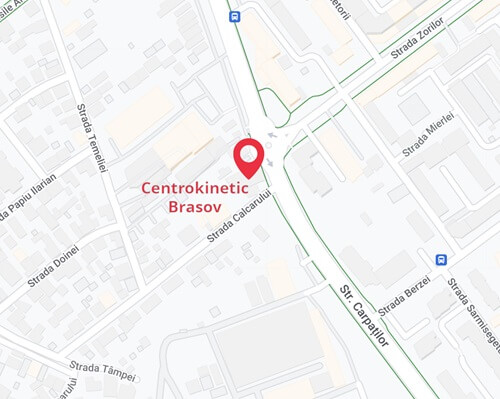
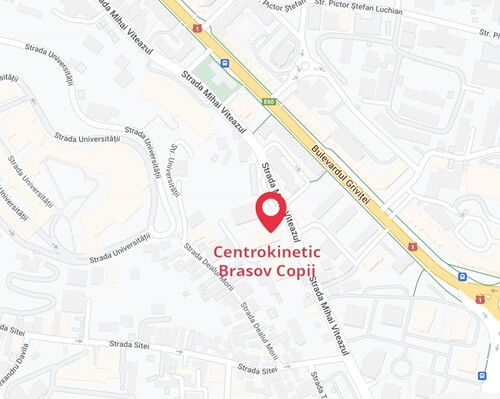
BRASOV TEAM







Asiguratori privati





Parteneriate


CENTROKINETIC FLOREASCA
Bucharest, 1st District,
Mircea Eliade Street, no. 18,
Eliade Tower, Entrance A, Floor 3
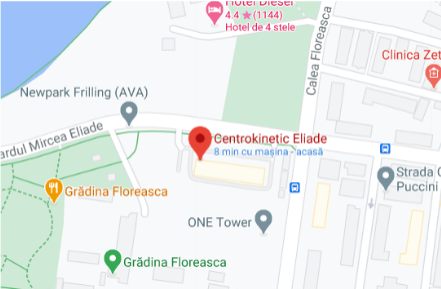
| Navigation | Explore 3D |
CENTROKINETIC Barbu Vacarescu
Bucharest, 2nd District,
Barbu Vacarescu Street, no. 102,
102 The Address, ground floor.
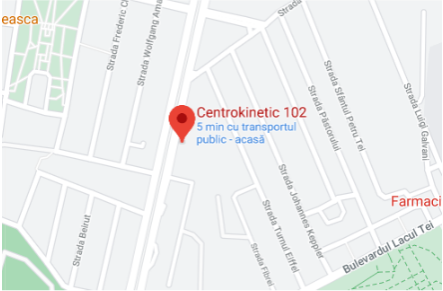
| Navigation | Explore 3D |
CENTROKINETIC MILITARI
Bucuresti, Sector 6,
Bld. Iuliu Maniu, nr. 15G,
Cladirea PBT, etaj 3.
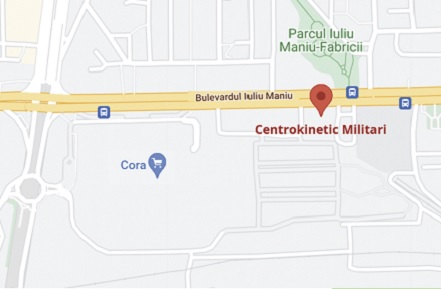
| Navigation |
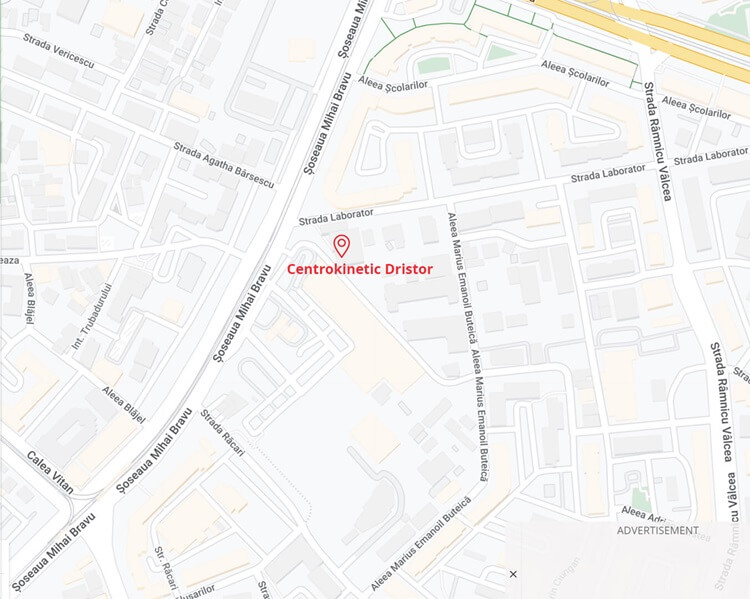
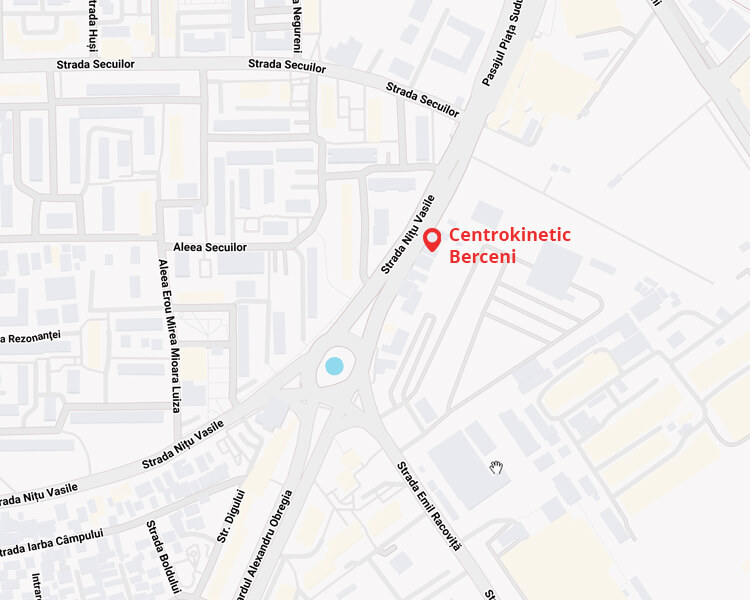
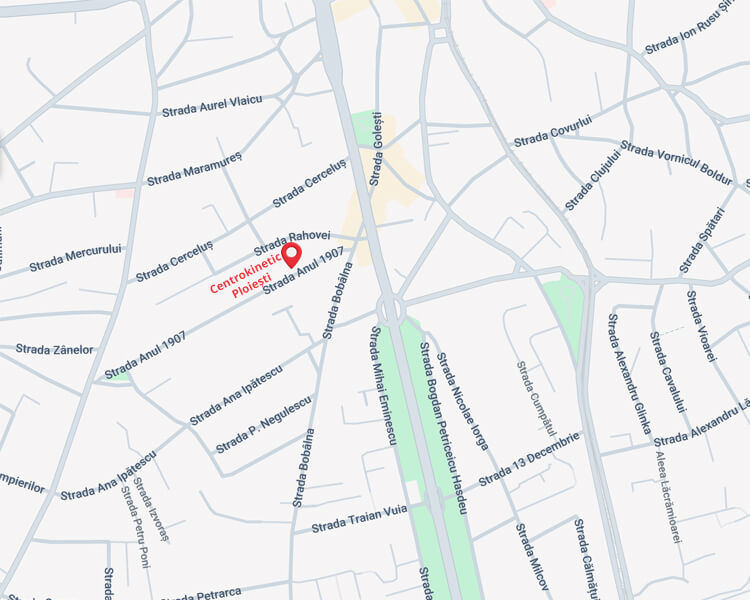
CENTROKINETIC CLUJ-NAPOCA
Cluj-Napoca,
Str. Intre Lacuri, nr.1
Intrarea este in spatele cladirii.
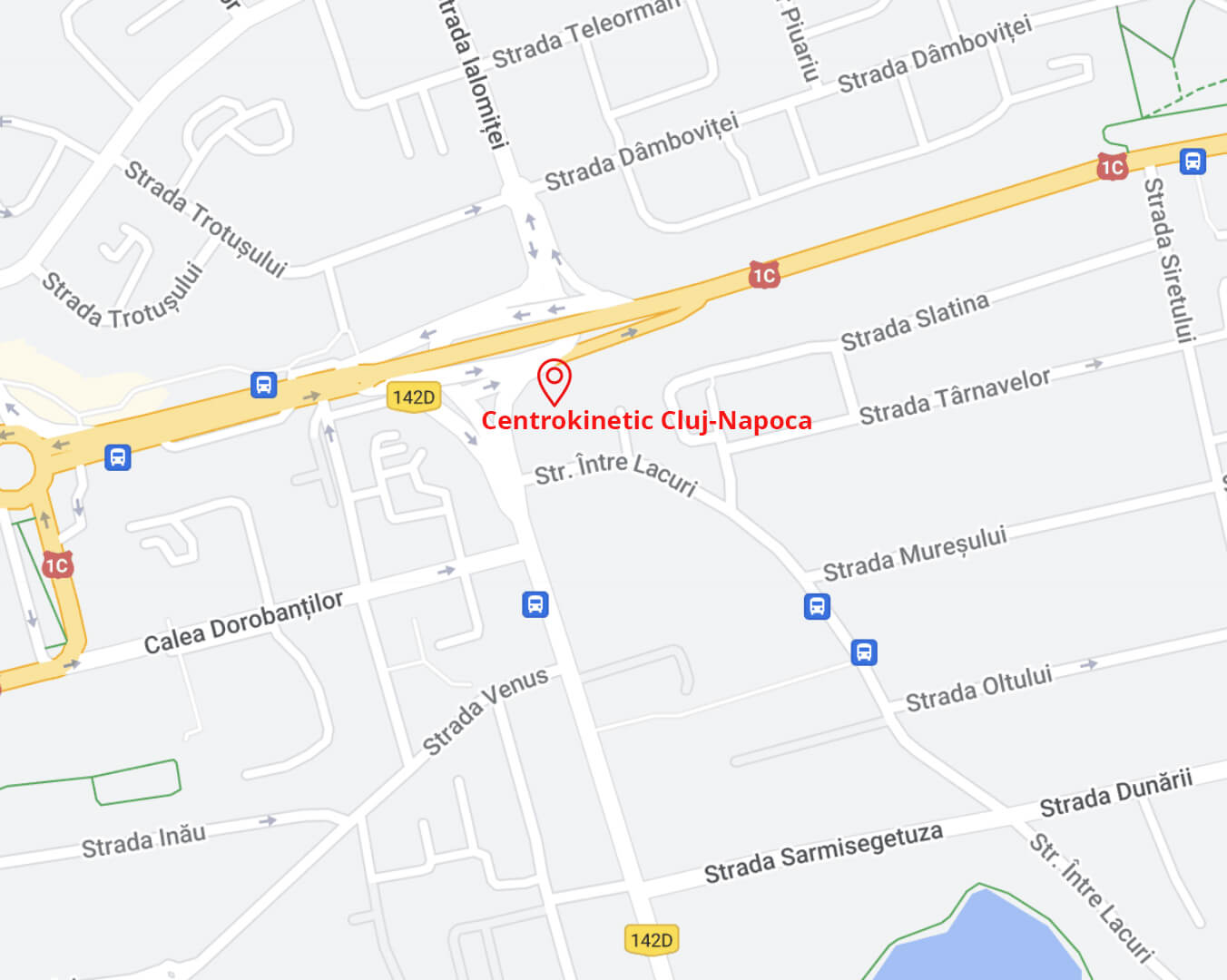
| Navigation |
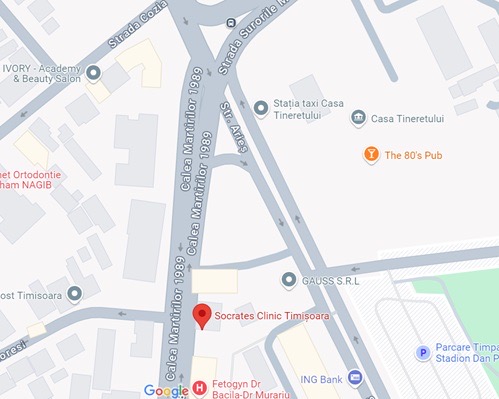
SOCRATES CLINIC TIMISOARA
Timisoara, Calea Martirilor 1989,
nr. 1.
Telefon: 0371 785 374.
| Navigation |
CONTACT
Phone: 0319693
E-mail: programari@centrokinetic.ro
Operating hours:
Monday – Friday: 07:00 – 21:00
Saturday: 09:00 – 14:00
Sunday: closed.
MAKE AN APPOINTMENT