
See details
READ MORE

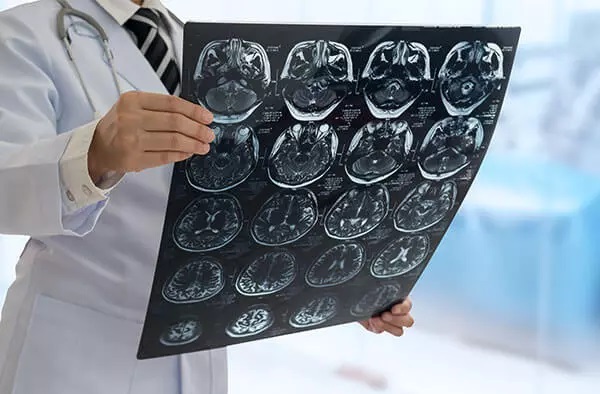
Meningitis is a disease that can have both relatively mild forms and severe forms, which, if not treated quickly, can cause permanent damage to the brain and nerves and can even lead to death. It can affect anyone, but babies, young children, teenagers, and young adults are most at risk.[3] Knowing the causes and symptoms of this condition can help you identify the warning signs and know when it's time to see a doctor so a diagnosis can be made and the specific treatment can begin.
Meningitis (or "brain fever," as it is popularly known) is an infection that can cause inflammation of the protective membranes surrounding the brain and spinal cord (the meninges). The disorder can occur in three different forms - adult, infantile, and neonatal - and can have various causes, from different types of bacteria and viruses to malignant tumors or even certain medications. The adult forms of meningitis are characterized by fever, headache, and neck stiffness, sometimes with muscle pain. Vomiting, nausea, and other symptoms may occur. Antibiotic treatment is usually effective against the infection.
There are several types of meningitis. Depending on duration, we can speak of:
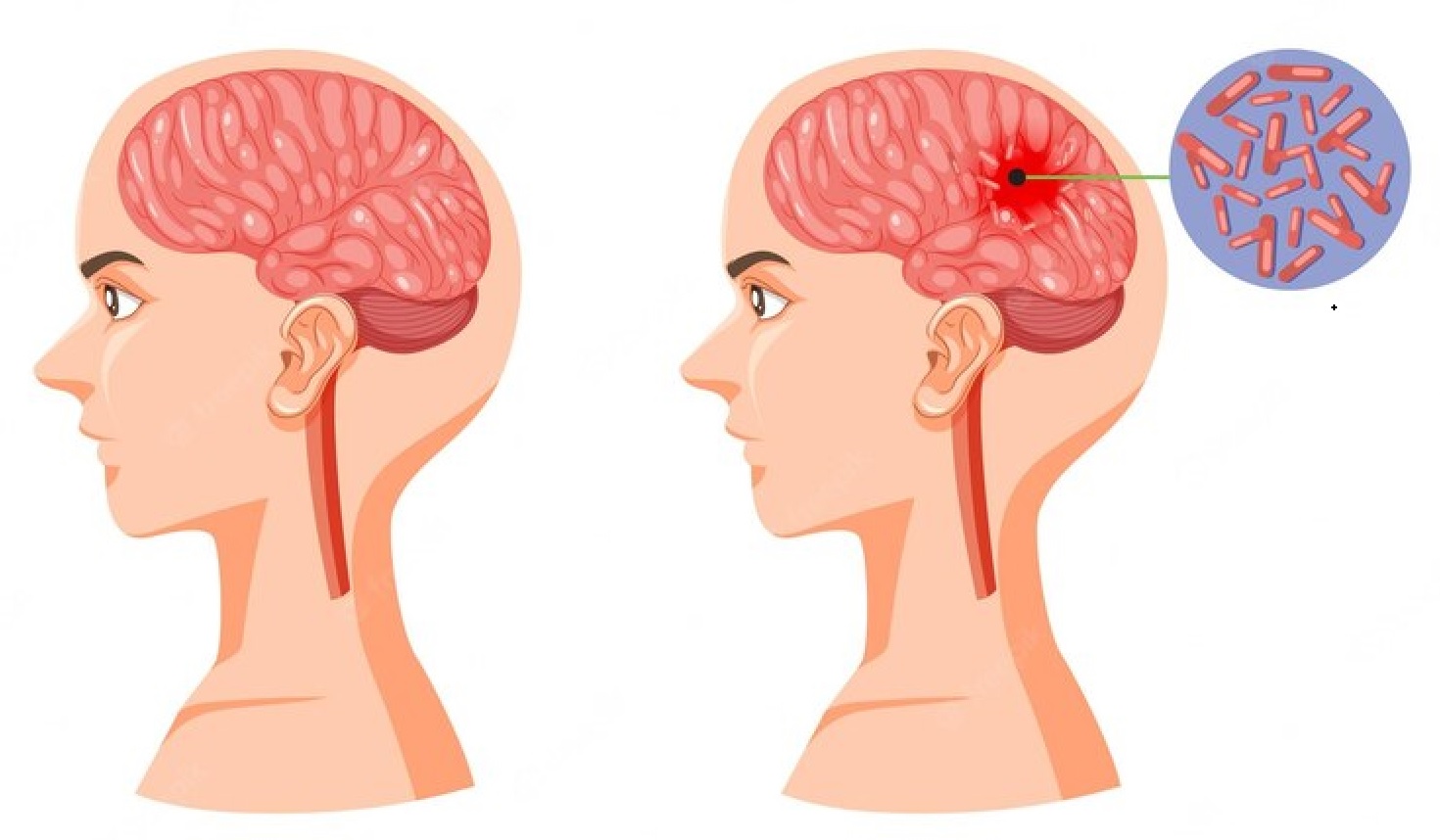
Depending on the triggering cause, meningitis can be bacterial, viral, or sometimes fungal, although bacterial meningitis (caused by the meningococcal bacterium) is more serious than viral or fungal meningitis and requires prompt treatment. The infection can pass through the brain's natural barrier and infect the meninges, causing them to swell as they try to stop the infection from spreading.
Meningitis can also infect the cerebrospinal fluid (CSF), leading to an increase in intracranial pressure. Inflammation and increased pressure around the brain can cause serious harm if not treated.

Viral meningitis, also known as viral meningoencephalitis, is the most common form of aseptic meningitis. Cases of viral meningitis are usually less severe and symptoms can be so mild that they are mistaken for the flu, which makes the number of cases hard to estimate. This form of meningitis is most common in children, although it can develop at any age, and is more common during the summer and fall.
Bacterial meningitis is less common than viral meningitis, but is more serious and is treated as a medical emergency. Without treatment, bacterial meningitis can cause serious brain damage and can be life-threatening. The bacteria that cause meningitis can enter the bloodstream and can also cause sepsis (blood poisoning).
Fungal meningitis is rare and usually only affects people with a weakened immune system, such as those who have diabetes, HIV infection, or cancer, or who are very elderly.[2]
Chemical meningitis is another rare form of meningitis. It is not caused by bacteria, viruses, or fungi, but by certain chemical substances.
Causes of viral meningitis
The main viruses that can cause meningitis are:
Causes of bacterial meningitis
The main bacteria that can cause meningitis are:
Causes of fungal meningitis
Among the fungi that can cause meningitis are:
In this form of meningitis, inflammation of the meninges results from irritation caused by chemical substances and usually occurs:
Meningitis in adults and children is often preceded by respiratory illness or a sore throat. In its acute form, the disorder is characterized by fever, headache, neck stiffness, and vomiting. Adults can become seriously ill within 24 hours. In children, the course of the infection can be even shorter. Symptoms in older children and adults can progress from irritability to confusion, drowsiness, and stupor, which can lead to coma. Dehydration often occurs, and the collapse of blood vessels can lead to shock (Waterhouse-Friderichsen syndrome), especially when meningitis is caused by meningococcal bacteria spreading in the blood (sepsis).
Paralysis of one part of the body (hemiparesis) is unusual at the beginning of the course of meningitis, but can occur later as a result of tissue death in the brain (cerebral infarction). Meningitis can recur even after antibiotic treatment.
Infantile meningitis: The course of the disorder is less predictable in infants aged between 3 months and 2 years. Vomiting, fever, irritability, and seizures usually occur. Because the incidence of meningitis is highest in this age group, any unexplained fever must be carefully monitored. Cerebral fluid can accumulate right inside the tough outer membrane covering the brain (subdural effusions) within a few days. Typical signs of meningitis include seizures, persistent fever, and an enlarged head. A brain abscess or a subdural accumulation of pus may also occur. Fluid buildup in the brain (hydrocephalus), deafness, and slowed mental and physical development are possible effects of meningitis on the central nervous system.
Neonatal meningitis: Meningitis in newborns can begin in the first 4 weeks of life. It can be caused by infections in parts of the body other than the brain or spinal cord. Some cases can occur due to complications that arise at birth. The disorder is characterized by subtle and nonspecific signs, such as irritability, interrupted breathing (apnea), vomiting, diarrhea, and a yellowish color of the skin (jaundice). Signs of infection elsewhere in the body (for example, a middle ear infection) are usually present. Cerebrospinal fluid can be tested for a definite diagnosis.
Meningitis caused by group B pneumococcal bacteria can be present in the first 10 days of life, when it frequently accompanies a lung disease. Usually, however, this form of meningitis occurs after the age of 10 days as an isolated illness. Neonatal meningitis is also characterized by symptoms such as fever, drowsiness, and seizures.
Enteroviral meningitis occurs more often than bacterial meningitis and is milder. It usually occurs in late summer and early fall. It most often affects children and adults under 30. Symptoms may include:
Bacterial meningitis is an emergency. You will need immediate treatment in a hospital. Symptoms usually appear quickly and may include:
Other symptoms that can occur with this disease:
Most people with meningitis will make a full recovery, but in some cases, meningitis can cause long-term effects, such as hearing loss, vision loss, seizures, memory problems, and balance and coordination problems. And in some rare cases, loss of a limb/amputation of the affected limb.
Without prompt treatment, meningitis can lead to the following:
Anyone can get meningitis, but various factors can increase the risk:
Teenagers and young adults are at increased risk of meningitis and sepsis caused by meningococcal bacteria. Meningococcal bacteria can live harmlessly at the back of the nose and throat in people of all ages, but teenagers and young adults are much more likely to carry these bacteria than other age groups, which increases their risk of getting sick.
Meningitis can be recognized by a rapid onset of flu-like symptoms and a characteristic purple rash, although the rash does not always appear. Tests to diagnose meningitis can take a few hours to complete, so treatment will usually be given immediately if meningitis is suspected. A diagnosis can also be made using a blood test, a lumbar puncture, a CT scan, or a chest X-ray.
Treatment for meningitis can vary depending on the causative agent. It is usually treated with different types of antibiotics used against the specific bacteria causing the infection. These may include ampicillin, chloramphenicol, gentamicin, penicillin, moxalactam, nafcillin, or, in cases of tuberculosis, isoniazid.
Children over the age of two can be immunized against meningitis with the Haemophilus influenzae type B polysaccharide vaccine. A vaccine made of attenuated bacteria with added proteins has been approved for use in children under two to protect them against Haemophilus influenzae type B meningitis.
Depending on the severity of the meningitis, patients may need to remain in the hospital, so that fluids can be given to prevent dehydration. Oxygen may also be given for breathing problems.
Hyperbaric therapy can be an excellent treatment for people with breathing problems. This medical treatment involves exposing the body to inhaling 100% pure oxygen, in a chamber with a pressure of 2.5 atmospheres. The combined action of hyperoxygenation and extra pressure in this innovative treatment induces the regenerative process that speeds up the body's natural healing. Here you can find out more details about hyperbaric therapy and the benefits of this type of treatment.
Sometimes, steroid medications may help reduce swelling around the brain and prevent further brain damage. Mild viral meningitis can usually be treated at home, with plenty of rest.
If there is a buildup of fluid around the brain and hydrocephalus develops, then surgical treatment may be needed to implant a small tube that will drain the excess CSF from the brain, called a shunt.
If seizures occur, antiepileptic drugs (AEDs) may be needed to help control them.
Depending on the patient's situation, they may benefit from physiotherapy to help with mobility and physical problems, or speech and language therapy to help with speech problems. A neuropsychologist can help with memory problems and personality changes. Many people consider these services to be an important part of long-term recovery and rehabilitation.
The viruses that can cause meningitis can spread in different ways, from direct contact with an infected person to drinking contaminated water. However, it should be noted that only a small number of people who contract such viruses will develop viral meningitis.[2]
Some types of meningitis are contagious, others are not. Bacterial meningitis, for example, can be transmitted from one person to another. The bacteria that cause meningitis often live in certain parts of the body without causing symptoms, so we don't know who is a carrier of the infection and who is not. The bacteria responsible for most bacterial meningitis (meningococcal, pneumococcal, and Hib) often live in the nose and throat. Research tells us that one of the most common causes of bacterial meningitis, meningococcal bacteria, is carried harmlessly at the back of the nose and throat in about 1 in 10 people.
The bacteria can spread from one person to another through droplets from the nose and mouth, for example, through coughing, sneezing, or kissing. They do not spread as easily as infections like the flu, but close family members and close friends of a person with meningitis caused by meningococcal bacteria are at increased risk of contracting the infection.
The risk of outbreaks of bacterial meningitis is higher in places where large groups of people gather (e.g., schools, universities, etc.).
The viruses that can cause meningitis can spread in different ways, from direct contact with an infected person to drinking contaminated water. However, it should be noted that only a small number of people who contract such viruses will develop viral meningitis.[2]
It is hard to prevent the spread of infection between people without living in total isolation. Antibiotics are recommended for close contacts of people with meningococcal meningitis to stop the bacteria from spreading. This is a short-term solution. Vaccination can offer long-term protection.
Some vaccines that protect against diseases also prevent the spread of bacteria from one person to another. Vaccines that protect against Hib meningitis and many that protect against pneumococcal and meningococcal meningitis prevent the bacteria from living in the nose and throat and thus stop them from spreading to other people. Some bacteria that cause meningitis can also be found in saliva.
Smokers are more likely to carry meningococcal bacteria in the throat, so quitting smoking can be another way to reduce the spread of this infection.
Certain vaccines can help prevent some types of bacterial meningitis:
People in close contact with a case of meningococcal meningitis should receive antibiotics to prevent infection.
To prevent the spread of the bacteria and viruses that can cause meningitis:
Most cases of meningitis are caused by a viral infection and in some cases no medical treatment is necessary.[2] However, if you or someone close to you has symptoms of meningitis, see a doctor as soon as possible so it can be determined whether it really is this disease, what is causing it, and what kind of treatment is needed.
Bibliography:
See details
READ MORESee details
READ MORESee details
READ MORESee here how you can make an appointment and the location of our clinics.








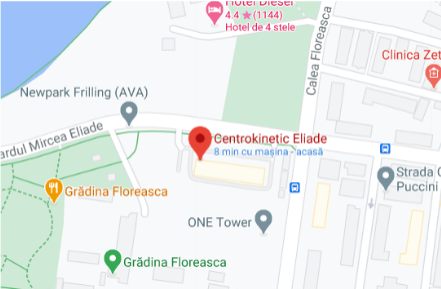
CENTROKINETIC FLOREASCA
Bucharest, 1st District,
Mircea Eliade Street, no. 18,
Eliade Tower, Entrance A, Floor 3
| Navigation | Explore 3D |
CENTROKINETIC Barbu Vacarescu
Bucharest, 2nd District,
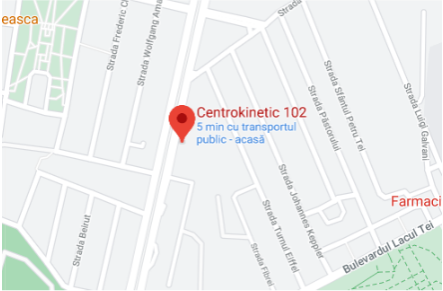
Barbu Vacarescu Street, no. 102,
102 The Address, ground floor.
| Navigation | Explore 3D |
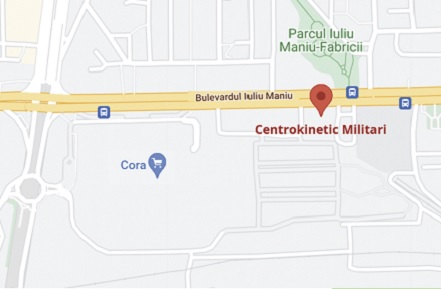
CENTROKINETIC MILITARI
Bucuresti, Sector 6,
Bld. Iuliu Maniu, nr. 15G,
Cladirea PBT, etaj 3.
| Navigation |
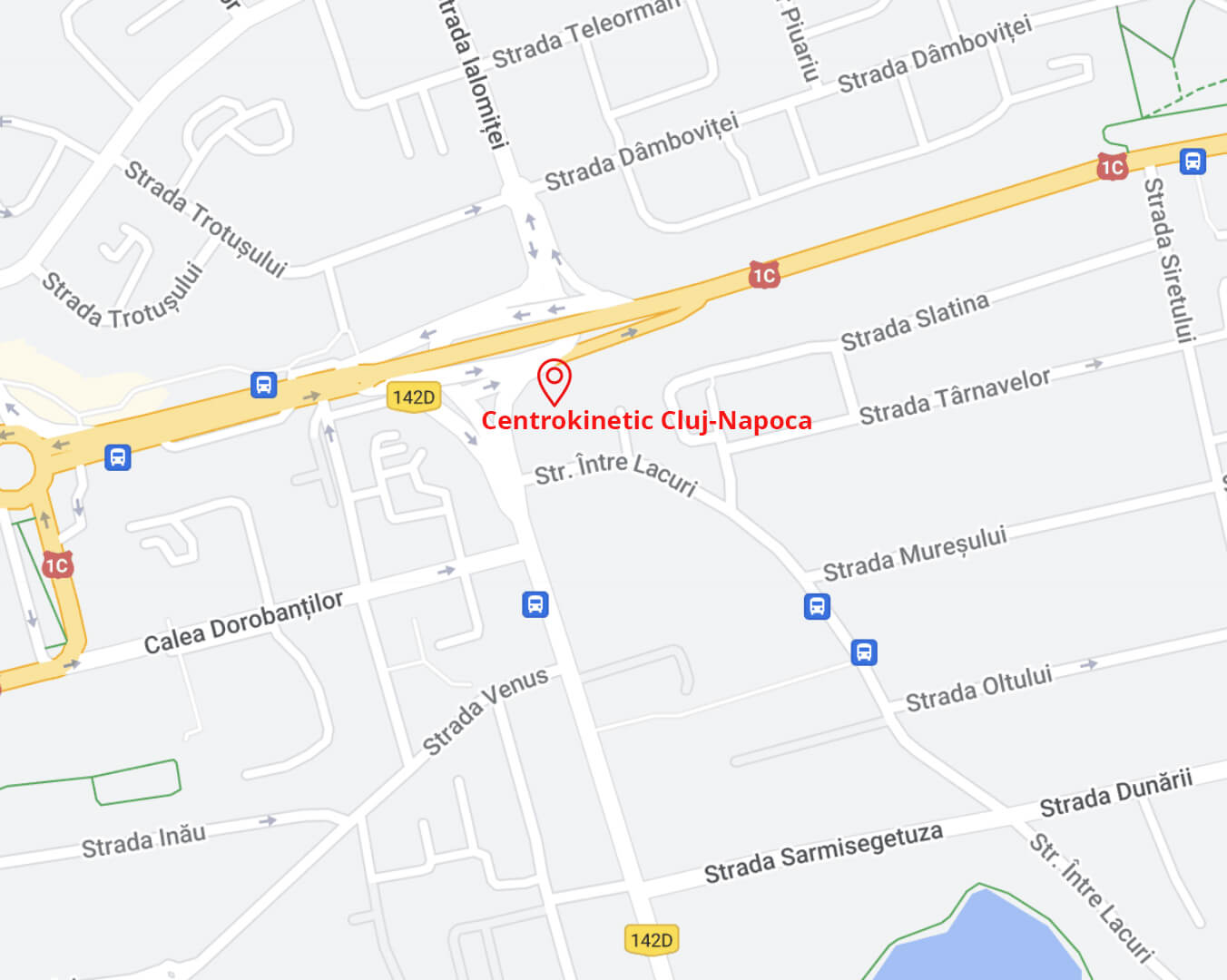
CENTROKINETIC CLUJ-NAPOCA
Cluj-Napoca,
Str. Intre Lacuri, nr.1
Intrarea este in spatele cladirii.
| Navigation |
SOCRATES CLINIC TIMISOARA
Timisoara, Calea Martirilor 1989,
nr. 1.
Telefon: 0371 785 374.
| Navigation |
Phone: 0319693
E-mail: programari@centrokinetic.ro
Operating hours:
Monday – Friday: 07:00 – 21:00
Saturday: 09:00 – 14:00
Sunday: closed.
MAKE AN APPOINTMENT