
See details
READ MORE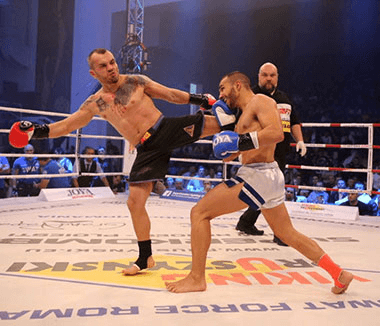

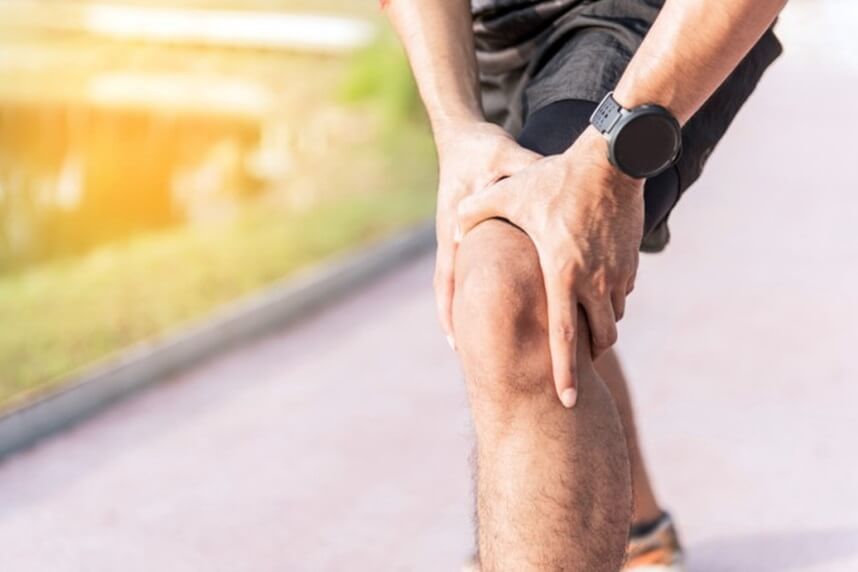
An anterior cruciate ligament (ACL) injury affects both athletes and active or sedentary individuals, often occurring after accidents or various physical activities. A painful, swollen, or unstable knee immediately raises many questions: "What problem do I have?", "What treatment is right for me?" or "How long does recovery take?". In this article, you will find clear answers to all these questions, practical information, and easy-to-understand medical explanations supported by examples and useful advice.
You will learn how to identify such an injury, what treatment options are available, what proper recovery involves, and how you can prevent similar problems in the future. Read the article to understand each stage and prepare yourself to make informed decisions, whether you need an orthopedic consultation, physiotherapy, or additional investigations.
The anterior cruciate ligament is located in the center of the knee joint and stabilizes the connection between the femur and the tibia. It limits the forward movement of the tibia and ensures rotational control. An ACL injury occurs when the knee undergoes an uncontrolled movement, usually a sudden twist or unexpected stop. Such situations frequently occur in sports such as football, handball, basketball, or skiing, but can also happen due to slipping, incorrect jumping, or household accidents.
Active athletes often experience knee pain and swelling during a match or training session after a quick movement involving twisting or a sudden change in direction.
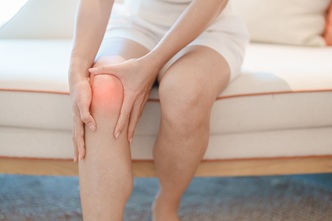
After the injury, many patients describe a popping sound in the knee and notice swelling that appears very quickly, sometimes in less than an hour. Knee instability, loss of support, and limited movement appear shortly afterward.
It is recommended to see a doctor as soon as possible if you notice these symptoms. Ignoring the signs may worsen the condition and lead to additional complications.
Diagnosis begins with a detailed discussion about how the injury occurred, followed by a clinical examination by the orthopedic doctor. To accurately determine the severity of the injury, the doctor recommends imaging investigations, each with a clear purpose:
At Centrokinetic, the diagnostic process is carried out quickly using state-of-the-art equipment. Patients can upload their medical investigation results online through the dedicated platform, facilitating rapid access to orthopedic specialists’ opinions (quick access via the “upload investigations” section).
Anterior cruciate ligament injuries vary in severity. Any decision regarding the treatment plan takes into account the type of injury and each patient’s activity level.
Part of the ligament remains intact, but the knee may become unstable or painful during intense activity. Amateur athletes or sedentary individuals can sometimes manage the condition through physiotherapy and periodic monitoring.
The ligament is completely torn. The knee loses stability even during normal movements. Doctors often recommend surgical reconstruction followed by a well-structured medical recovery program.
An ACL injury is frequently associated with other problems such as meniscus tears, damaged cartilage, or bone bruises.
The chosen treatment depends on age, severity of the injury, activity level, and the patient’s preferences and characteristics. Therapy is divided into two major categories: non-surgical and surgical treatment.
This option is suitable for patients with partial tears who are not involved in contact sports and do not heavily stress the knee.
Physiotherapists adapt exercises for each patient, using techniques such as laser therapy, ultrasound therapy, or resistance band exercises to accelerate recovery.
Full details about the services available at Centrokinetic can be found on our dedicated page.
A complete tear in patients practicing dynamic activities or sports usually requires ligament reconstruction surgery. The orthopedic surgeon performs this procedure using arthroscopic techniques in a modern medical setting. The reconstruction graft most often comes from a tendon, ensuring joint stabilization.
Learn more about Centrokinetic orthopedic services!
Any therapeutic method involves certain risks or limitations. A non-surgical approach may increase the chances of chronic knee instability, affecting mobility and walking safety in the long term. Surgical intervention may lead to complications such as infections, bleeding, stiffness, or blood clot formation.
It is recommended to discuss all options with a specialist doctor. Every case requires a thorough evaluation, and treatment decisions depend on each patient’s expectations and needs.
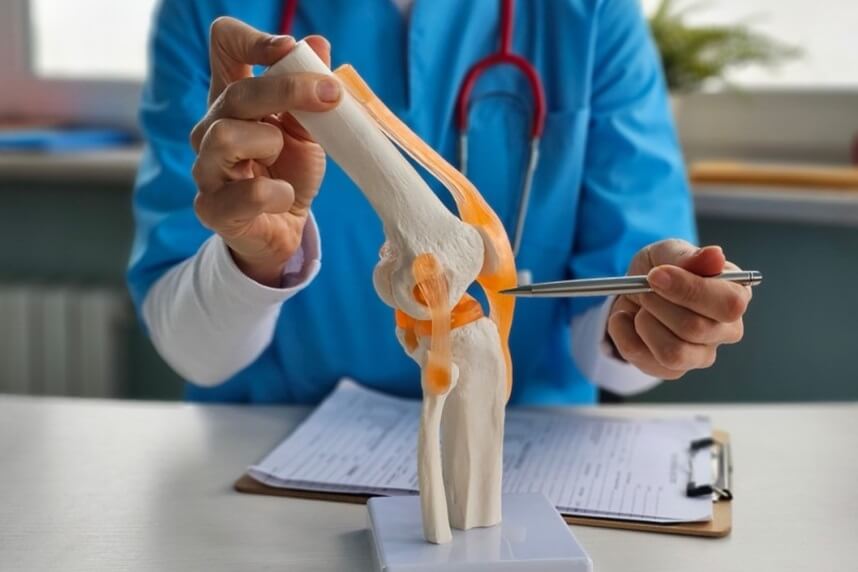
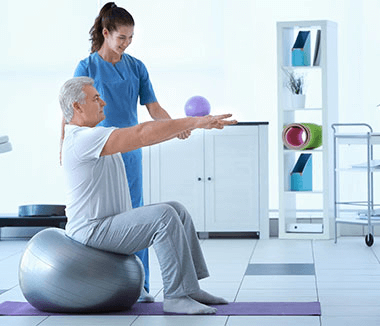
Proper and consistent recovery allows a return to physical activity without complications. Physiotherapy plays a major role, complemented by modern techniques and specialized equipment.
At each session, physiotherapists monitor progress and adapt the plan according to recovery, ensuring a safe and effective process.
Centrokinetic uses modern technologies designed to improve healing and prevent complications.
A complementary treatment option is hyperbaric therapy, which accelerates recovery and reduces inflammation. Learn useful details about the anti-inflammatory effect of hyperbaric therapy.
The therapist’s kindness and involvement make a difference – sessions take place in a friendly environment, always focusing on patient safety and confidence.
Your involvement makes recovery faster and more sustainable. Consistent participation in physiotherapy programs, communication with the medical team, and lifestyle adjustments are necessary steps.
An athlete who recovers correctly with a personalized program has a high chance of returning to their previous level of performance without recurrence risk.
The recovery duration depends on the severity of the injury and the chosen treatment option. Generally, for competitive sports activities, the average return-to-play period varies between 6 and 9 months. Rushing may cause new injuries.
After returning, it is useful to continue a minimum maintenance and monitoring program for long-term joint safety.
Although not all risks can be eliminated, preventive measures significantly reduce the chances of injury.
The severity depends on the degree of rupture and your activity level. Total ruptures, especially in athletes, usually require surgery and intensive rehabilitation.
Sometimes, a well-structured recovery program is sufficient if instability does not persist. Only the orthopedic doctor can recommend the optimal option.
The interval is usually between 6 and 12 months, depending on the type of treatment followed and adherence to recovery recommendations.
Attend scheduled check-ups, evaluate mobility and strength progress, and maintain constant communication with your recovery team.
The knee may remain unstable, increasing the risk of meniscus problems, cartilage degeneration, and early osteoarthritis.
Yes, modern therapies such as hyperbaric chambers, advanced equipment, and adapted exercises support faster healing.
You can upload your medical documents directly on the dedicated platform so specialists can evaluate you quickly.
Choose a clinic with a diversified medical team, modern equipment, and experience in rehabilitation, as well as services dedicated to orthopedics and physiotherapy.
Any persistent or painful symptom that limits knee movement requires prompt medical evaluation. Self-diagnosis is not recommended. The doctor establishes not only the diagnosis but also the correct therapy and recovery sequence. It is advisable to return periodically for follow-up after an ACL injury, even if the pain has disappeared, in order to detect any recurrence risk in time.
This article provides general information and guidance. It does not represent a diagnosis or personalized treatment recommendation. For evaluation and treatment, always consult specialist doctors. We invite you to contact us for appointments, evaluations, or guidance. Our team is ready to answer all your questions and support you with professionalism and care.
See details
READ MORESee details
READ MORESee details
READ MORESee here how you can make an appointment and the location of our clinics.






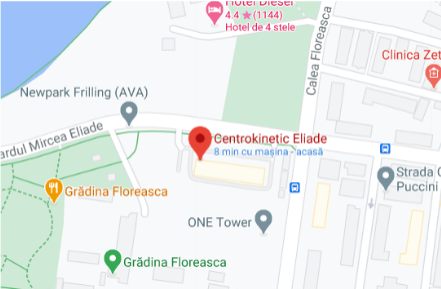
CENTROKINETIC FLOREASCA
Bucharest, 1st District,
Mircea Eliade Street, no. 18,
Eliade Tower, Entrance A, Floor 3
| Navigation | Explore 3D |
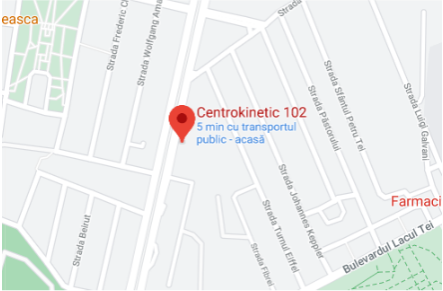
CENTROKINETIC Barbu Vacarescu
Bucharest, 2nd District,
Barbu Vacarescu Street, no. 102,
102 The Address, ground floor.
| Navigation | Explore 3D |
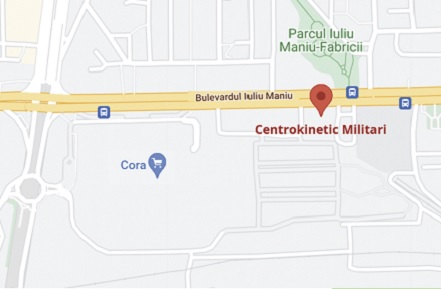
CENTROKINETIC MILITARI
Bucuresti, Sector 6,
Bld. Iuliu Maniu, nr. 15G,
Cladirea PBT, etaj 3.
| Navigation |
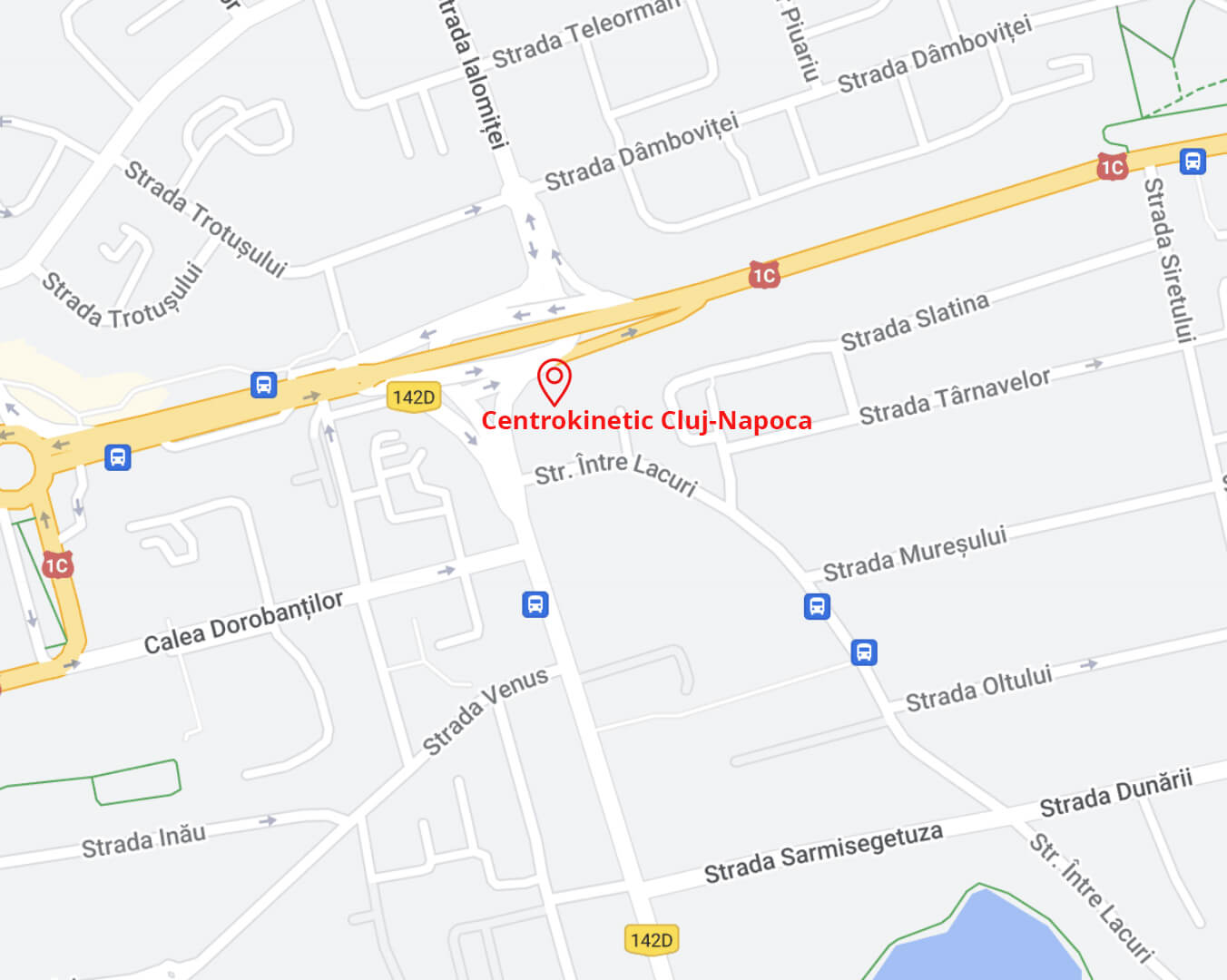
CENTROKINETIC CLUJ-NAPOCA
Cluj-Napoca,
Str. Intre Lacuri, nr.1
Intrarea este in spatele cladirii.
| Navigation |
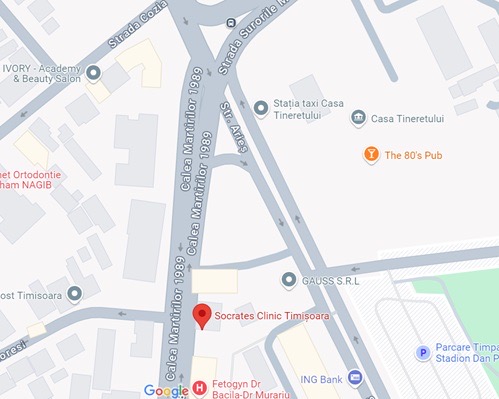
SOCRATES CLINIC TIMISOARA
Timisoara, Calea Martirilor 1989,
nr. 1.
Telefon: 0371 785 374.
| Navigation |
Phone: 0319693
E-mail: programari@centrokinetic.ro
Operating hours:
Monday – Friday: 07:00 – 21:00
Saturday: 09:00 – 14:00
Sunday: closed.
MAKE AN APPOINTMENT