Arthrogryposis: What It Is, Symptoms, Causes, and Treatment


.jpg)
Arthrogryposis is the persistent stiffness of one or more joints caused by severe muscle contractures affecting the limbs. This condition may occur in both flexion and extension. When diagnosed and treated early, it is possible to significantly improve mobility. Early detection increases the chances that a baby will receive prompt specialist treatment.
Contents:
- Arthrogryposis: What It Is, How It Presents, and How It Can Be Treated
- What Is Arthrogryposis Multiplex Congenita (AMC)?
- What Causes Arthrogryposis?
- How Does Arthrogryposis Present?
- How Is Arthrogryposis Diagnosed?
- What Is the Treatment for Arthrogryposis?
- Physical Therapy
- Occupational Therapy
- Orthopedic Devices
- Surgical Treatment
- Alternative Therapies
Arthrogryposis: What It Is, How It Presents, and How It Can Be Treated
Arthrogryposis is a condition that may be detected during pregnancy or at birth. It affects newborns and, if left untreated, can lead to visible muscle abnormalities. The goal of treatment is to help children develop as normally as possible and achieve the greatest degree of independence. In some cases, therapy is combined with surgical procedures designed to restore joint mobility. Regular physical activity is beneficial, while a healthy lifestyle and balanced diet also play an important role.
Living with arthrogryposis is possible, and modern medicine offers effective support for people diagnosed with this condition throughout every stage of the disease.
What Is Arthrogryposis Multiplex Congenita (AMC)?
Arthrogryposis is a rare condition that causes joint stiffness and abnormal development of certain muscles. It is also known as Arthrogryposis Multiplex Congenita (AMC) or amyoplasia. Although its exact cause remains unknown, this disorder is characterized by joint contractures affecting both flexion and extension, which can eventually result in joint ankylosis.
Joint contractures reduce the range of motion, preventing joints from fully bending or straightening.
Arthrogryposis Multiplex Congenita involves the development of joint contractures affecting two or more areas of the body before birth. A contracture develops when a joint becomes permanently fixed in a bent or straightened position. This limits normal joint movement and may lead to muscle atrophy.
For this reason, arthrogryposis does not have a single specific diagnosis but is better regarded as a physical manifestation associated with numerous different medical conditions.
What Causes Arthrogryposis?
- Reduced fetal movement
Several studies suggest that arthrogryposis is associated with decreased fetal movement during pregnancy. Limited fetal movement may be caused by restricted space within the uterus or by a reduced amount of amniotic fluid.
- Viral infections during pregnancy
Some specialists believe that viral infections occurring during fetal development may contribute to the development of arthrogryposis.
- Abnormal development of the central nervous system and muscles
Other theories suggest that the condition develops because the fetus is unable to properly develop the musculoskeletal system. Abnormal development of the central nervous system or muscular system may lead to arthrogryposis.
- Genetic causes
Although several genetic causes have been identified, genetically caused arthrogryposis is relatively uncommon, and the likelihood of recurrence varies depending on the specific genetic disorder.
Recent studies have identified more than 300 different conditions that may lead to arthrogryposis. These include disorders affecting the limbs alone, disorders involving both the limbs and other parts of the body, and conditions affecting the limbs together with abnormalities of the central nervous system.
Arthrogryposis is not generally considered a hereditary disease. Instead, it is regarded as a feature that may occur in association with multiple genetic disorders, including certain congenital malformations. Conditions associated with AMC may include muscle disorders, connective tissue disorders, congenital muscular dystrophies, congenital myopathies, and mitochondrial disorders. For this reason, arthrogryposis is often considered to have a multifactorial origin involving both genetic and environmental factors.
.jpg)
How Does Arthrogryposis Present?
The effects of arthrogryposis can range from mild to severe, and symptoms vary considerably from one person to another. However, the condition is not progressive. The most common manifestations of arthrogryposis include:
- Difficulty moving the upper limbs, lower limbs, or both.
- Very weak or underdeveloped muscles.
- Curvature of the spine.
- Joints that remain fixed in a single position.
- Abnormal movement or positioning of the elbow joint.
- Changes in the color and texture of the skin surrounding the joints.
- Congenital hip dislocation in newborns.
- Shoulders rotated inward at birth.
- Visible abnormalities of the upper or lower limbs present at birth.
How Is Arthrogryposis Diagnosed?
Signs of arthrogryposis may be detected during pregnancy through prenatal ultrasound. If the obstetrician notices any abnormalities, additional investigations may be recommended to establish the diagnosis and determine the severity of the condition.
If arthrogryposis is not diagnosed before birth but is identified after delivery, specialists from several medical disciplines work together to develop an individualized treatment plan based on the child's specific needs and the results of further examinations.
Diagnostic investigations may include X-rays, advanced medical imaging, CT scans, MRI examinations, ultrasound, neurological evaluations, electromyography (EMG), and, in some cases, muscle biopsy.
The specialist may also recommend genetic testing in order to obtain all the necessary information before choosing the most appropriate treatment approach.
Your doctor will ask about your personal and family medical history to identify possible genetic factors, as well as details regarding fetal development throughout pregnancy.
It is important to attend all prenatal check-ups during pregnancy and keep the results of all medical tests available after delivery.
Several other musculoskeletal disorders share symptoms similar to arthrogryposis. Therefore, a comprehensive medical evaluation is essential to establish the correct diagnosis and exclude other conditions.
Various musculoskeletal disorders require thorough investigation to identify their underlying causes and improve both mobility and quality of life.
Centrokinetic provides expert answers and effective solutions for movement disorders. Our clinic is dedicated to musculoskeletal conditions and includes multiple specialized departments offering comprehensive diagnosis and treatment for a wide range of orthopedic and neurological disorders.
What Is the Treatment for Arthrogryposis?
The earlier arthrogryposis is diagnosed, the sooner treatment can begin. In some cases, newborns require specialized medical care immediately after birth.
Studies have shown that early treatment is associated with a significantly higher success rate. However, every child is different, and the course of the condition varies from patient to patient. For this reason, treatment plans are individualized, and no single therapeutic approach is suitable for every child diagnosed with arthrogryposis.
Physical Therapy
Physical therapy plays a key role in restoring movement and strengthening muscles through targeted exercises performed under the supervision of rehabilitation specialists.
Mobility is essential for healthy development. Beginning rehabilitation early helps children gain better control of the muscles and joints affected by the condition while reducing pain and improving functional independence.
Properly performed medical rehabilitation is essential in the treatment of neuromusculoskeletal disorders, both after surgery and in chronic or traumatic conditions. Physical therapy helps both children and adults regain movement, mobility, strength, and independence.
Occupational Therapy
Depending on how severely the condition affects each child, occupational therapy helps develop the skills needed for everyday activities while teaching children to better understand and adapt to the limitations imposed by the condition.
Occupational therapy also helps improve fine motor skills, making it easier for children to become independent and participate more fully in everyday life.
.jpg)
Orthopedic Devices
Orthopedic specialists also play an important role in the treatment of arthrogryposis. Various orthopedic devices are available to help support weakened bones and muscles, improve joint alignment, and correct deformities. Depending on the diagnosis and the severity of the condition, an orthopedic specialist may recommend braces, splints, or other assistive devices. When worn as prescribed, these devices can improve posture, support proper joint positioning, and enhance the effectiveness of other rehabilitation therapies.
Surgical Treatment
In certain situations, the treating physician may recommend surgery to correct specific deformities or improve joint mobility. Surgical intervention is usually considered when conservative treatment alone cannot achieve satisfactory functional results.
To establish a complete and accurate diagnosis, patients with arthrogryposis may also require evaluation by a rheumatology specialist. This multidisciplinary approach helps create a personalized treatment plan tailored to each patient's individual needs.
Alternative Therapies
Some individuals also choose complementary therapies in the hope of improving mobility and gaining greater independence. These may include therapeutic massage, aquatic therapy, therapeutic horseback riding (hippotherapy) to improve balance and coordination, as well as other therapies designed to stimulate muscle activity.
As mentioned previously, treatment outcomes vary considerably because arthrogryposis presents differently from one patient to another. Each treatment plan must therefore be individualized according to the patient's symptoms and functional limitations.
Arthrogryposis is a condition with multiple possible causes that may be diagnosed either during fetal development or shortly after birth. Numerous therapeutic approaches are available to improve mobility and quality of life. After conducting comprehensive evaluations across several medical specialties, the treating physician will determine the most appropriate treatment strategy for each patient.
Arthrogryposis affects both the muscles and the joints, but it is not a progressive disease. With early diagnosis and appropriate treatment, the condition can often be successfully managed, allowing patients to achieve the highest possible level of independence and function.
Centrokinetic is the place where you will find clear answers and effective solutions for musculoskeletal conditions. Our clinic, dedicated to musculoskeletal disorders, is organized into the following specialized departments:
- Orthopedics, a department composed of a highly experienced team of orthopedic surgeons specializing in sports traumatology.
- Pediatric Orthopedics, where sports injuries in children (ligament and meniscus injuries), spinal deformities (scoliosis, kyphosis, hyperlordosis), and foot deformities (hallux valgus, hallux rigidus, equinovarus foot, flatfoot, cavus foot) are treated.
- Neurology, featuring a state-of-the-art department where consultations, electroencephalograms (EEG), and electromyography (EMG) examinations are performed.
- Medical Rehabilitation for adults and children, a department specialized in the rehabilitation of professional athletes, spinal disorders, and children with neurological and traumatic conditions. Our extensive experience includes treating more than 5,000 professional athletes.
- Medical Imaging, with the clinic equipped with ultrasound and MRI systems dedicated to musculoskeletal conditions, complemented by an experienced radiologist, Dr. Cosmin Pantu, specialized in musculoskeletal imaging.
- Rheumatology, a comprehensive department dedicated to the diagnosis, treatment, and rehabilitation of patients with non-surgical musculoskeletal disorders.
- Vascular Surgery, a highly specialized department focused on the diagnosis and treatment of vascular diseases affecting arteries, veins, and lymphatic vessels.
- Psychology and Speech Therapy. Neurological and musculoskeletal conditions can have a psychological impact on patients, which is why we believe complete recovery requires addressing both the physical condition and its psychological consequences.
- Neurofeedback. This innovative method helps improve concentration, reduce anxiety, and achieve emotional balance through a simple and interactive process.
Stay up to date by following Centrokinetic on Facebook, Instagram, and YouTube.
MAKE AN APPOINTMENT
FOR AN EXAMINATION
See here how you can make an appointment and the location of our clinics.
MAKE AN APPOINTMENT
BUCHAREST TEAM



































CLUJ NAPOCA TEAM















BRASOV TEAM









Asiguratori privati





Parteneriate


CENTROKINETIC FLOREASCA
Bucharest, 1st District,
Mircea Eliade Street, no. 18,
Eliade Tower, Entrance A, Floor 3
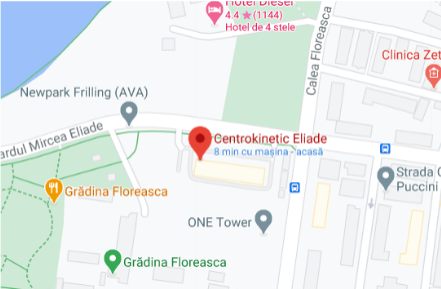
| Navigation | Explore 3D |
CENTROKINETIC Barbu Vacarescu
Bucharest, 2nd District,
Barbu Vacarescu Street, no. 102,
102 The Address, ground floor.
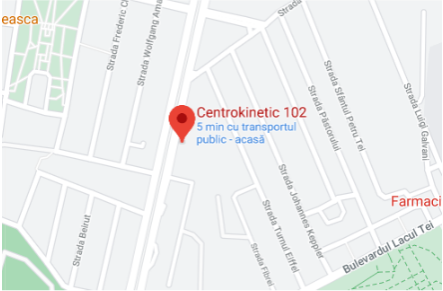
| Navigation | Explore 3D |
CENTROKINETIC MILITARI
Bucuresti, Sector 6,
Bld. Iuliu Maniu, nr. 15G,
Cladirea PBT, etaj 3.
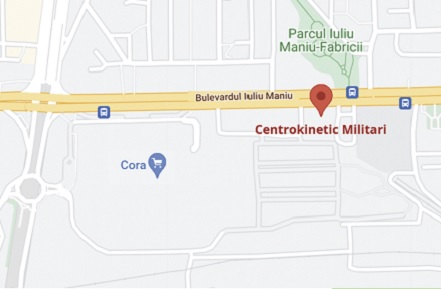
| Navigation |
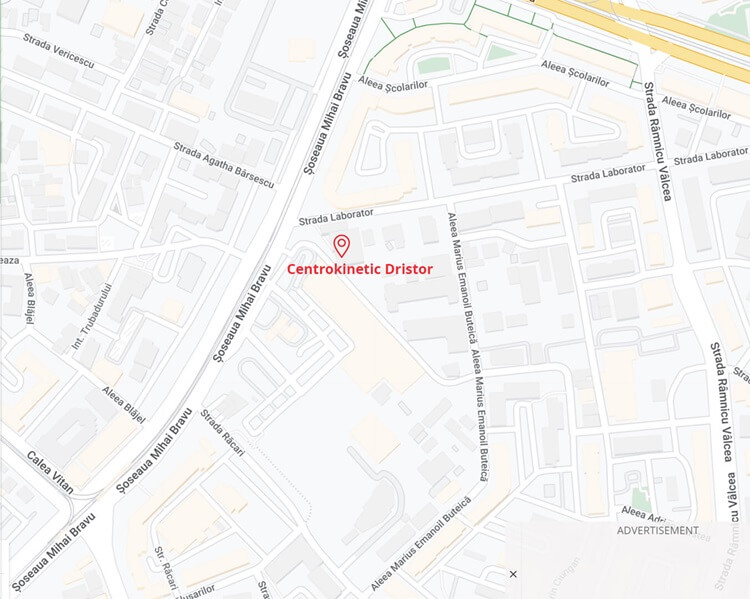
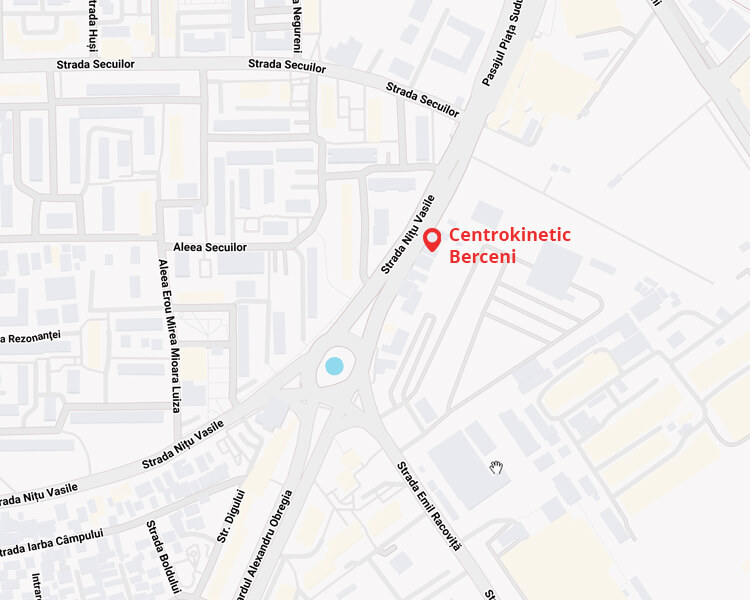
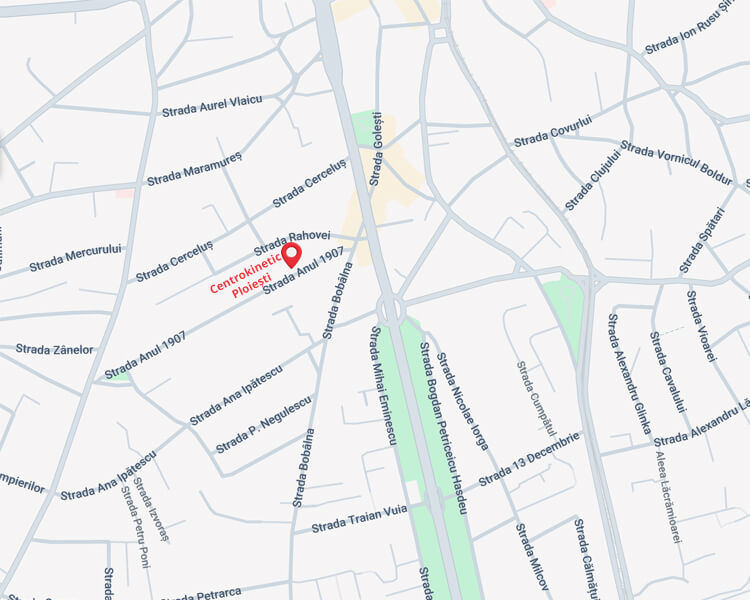
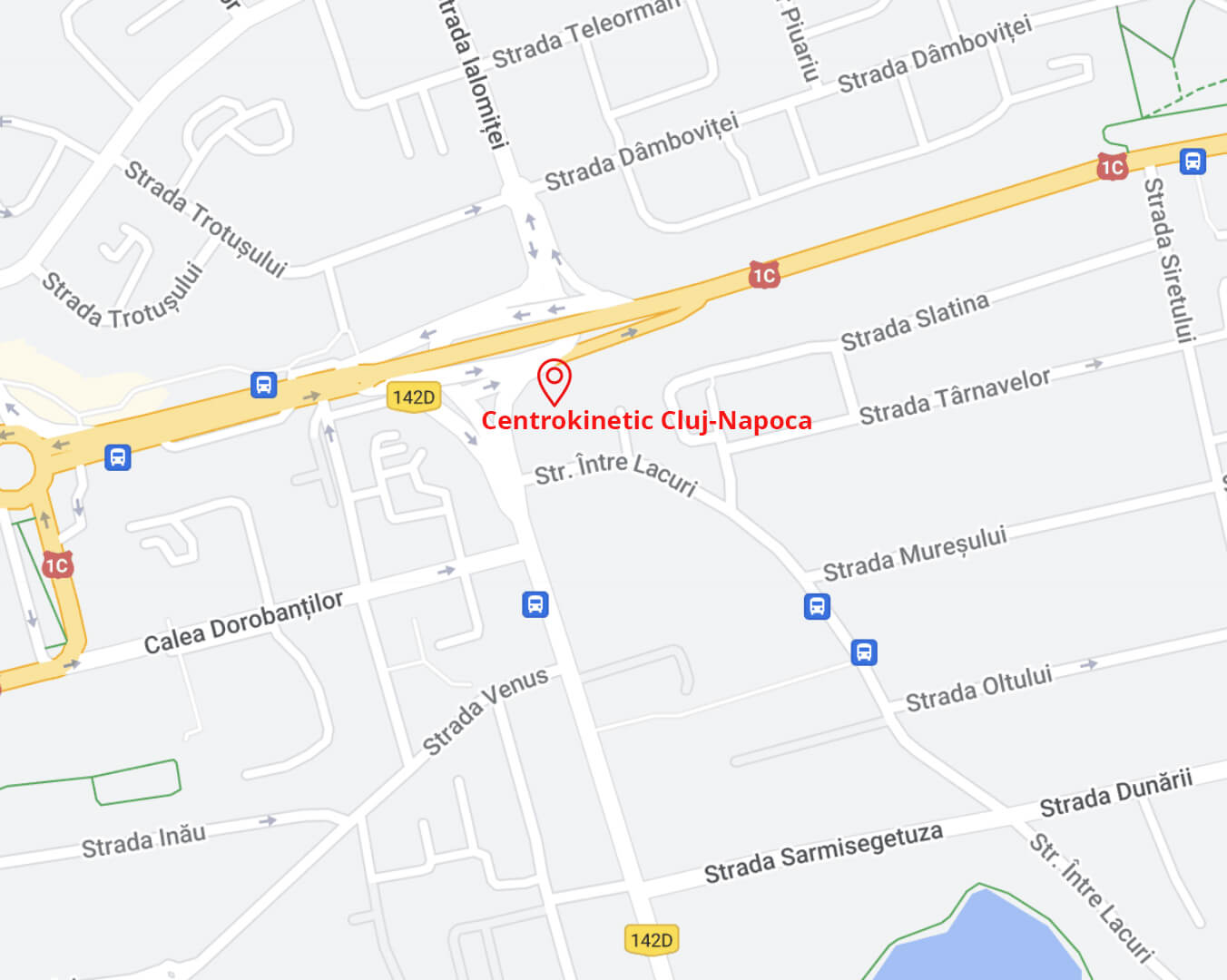
CENTROKINETIC CLUJ-NAPOCA
Cluj-Napoca,
Str. Intre Lacuri, nr.1
Intrarea este in spatele cladirii.
| Navigation |
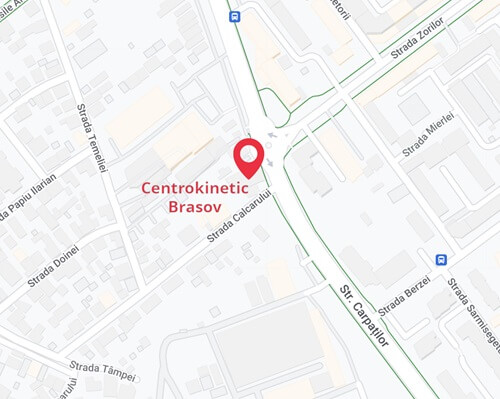
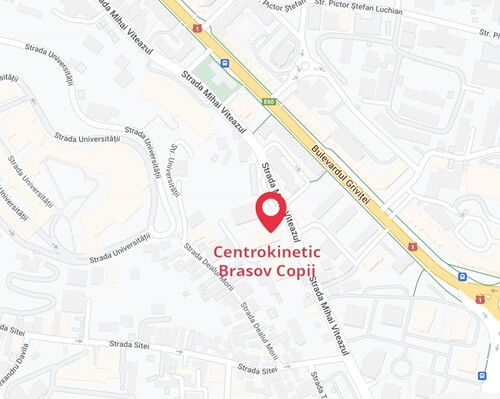
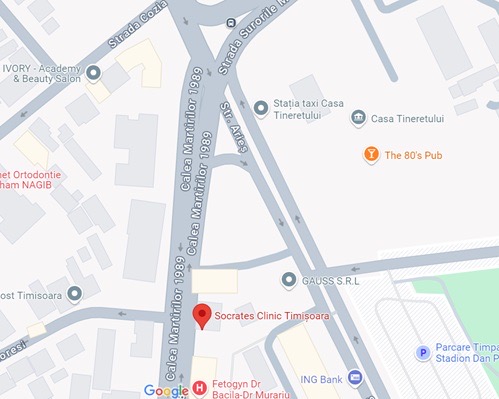
SOCRATES CLINIC TIMISOARA
Timisoara, Calea Martirilor 1989,
nr. 1.
Telefon: 0371 785 374.
| Navigation |
CONTACT
Phone: 0319693
E-mail: programari@centrokinetic.ro
Operating hours:
Monday – Friday: 07:00 – 21:00
Saturday: 09:00 – 14:00
Sunday: closed.
MAKE AN APPOINTMENT