Benefits of massage: How does it contribute to medical rehabilitation?


.jpg "Beneficiile masajului")
Recovery through massage involves reducing the barriers that slow down healing. Massage recovery can help treat acute pain and the effects of injuries and surgical interventions.
Table of contents:
- Types of massage that contribute to medical recovery
- Deep tissue massage
- Relaxation therapeutic massage
- Rehabilitation massage
- What are the benefits of massage for medical recovery
- Eliminating toxins from the body
- High level of oxygenation
- Breaking down/realigning collagen fibers
- Therapeutic massage in medical recovery
- The effects of therapeutic massage
- Contraindications
Types of massage that contribute to medical recovery
Therapeutic massage can help improve the dynamics of medical recovery in many situations such as:
- Acute pain. Pain can be the result of muscle stiffness or tension caused by an injury or a surgical intervention. Massage aims to stimulate recovery, helping to reduce the intensity of pain through an increase in tissue elasticity. The increase in tissue elasticity occurs as muscle temperature rises due to increased blood flow.
- Post-trauma. A person can face various traumatic situations due to muscle strains, fractures, or accidents. When a muscle is affected, inflammation can occur, as well as an increase in pain intensity. Collagen fibers form to help repair damaged muscle fibers, but they restrict movement and prolong the medical recovery period. Massage can help improve lymphatic flow, increase mobility, and decrease pain intensity.
- Post-surgical. A common effect of surgical intervention is the buildup of scar tissue. Scar tissue can be fibrous and can restrict movement, causing an increase in pain intensity. Massage contributes to medical recovery after surgery by breaking down scar tissue to stimulate mobility.
The most suitable types of massage that contribute to medical recovery include:
- deep tissue massage;
- relaxation therapeutic massage;
- rehabilitation massage.
Deep tissue massage
Deep tissue massage can help in the dynamics of recovery. Adhesions restrict movement, causing muscle contractions and stiffness, as well as an increase in stress levels. A deep tissue massage involves applying firm pressure to the affected area and is used to break down adhesions and collagen fibers that delay the recovery process and cause a high intensity of pain.
Relaxation therapeutic massage
Relaxation therapeutic massage is often used to stimulate the recovery process by increasing well-being and reducing the buildup of tension. Therapeutic massage can benefit a person both physically and mentally. A therapeutic massage stimulates the release of positive hormones – endorphins, serotonin, and dopamine – which cause the body to relax, reduce pain, and establish an overall sense of well-being.
Rehabilitation massage
Rehabilitation massage is performed to relieve pain and return the body to optimal physical condition as quickly as possible, whether it is a muscle strain, joint pain, or recovery after a surgical intervention. The massage is performed on both the superficial and the deeper layers of the tissues, improving muscle condition and stimulating relaxation.
Among the most used massage techniques in a person's medical recovery are:
- effleurage/stroking;
- kneading/petrissage;
- trigger points
Effleurage or stroking
Tension can cause muscle knots that restrict movement and intensify pain. Reducing tension prevents the formation of muscle knots and relieves pain. The technique has a smoothing effect on the skin. Stroking has a calming effect on the person, easing episodes of pain and muscle contractions, being a physical and mental relaxant.
Kneading or petrissage
Kneading is often used to improve circulation and to relax the muscles. An increase in blood flow can improve recovery, since the nutrients and oxygen in the blood, essential for repairing and regenerating damaged muscle fibers and tissues, are delivered to the site of the injury. This technique maintains muscle elasticity, helping to avoid further muscle injuries, and is also used in sports massage due to its advantages.
Trigger points
Trigger points are located in the center of a muscle fiber. At the site of a trigger point, there is a high level of muscle stiffness, tension, and, sometimes, fatigue, which together contribute to an increase in pain intensity and a slower rate of recovery. The technique is part of the special procedures that help relax muscle tissues, relieve pain, and improve joint mobility and muscle elasticity.
What are the benefits of massage for medical recovery
.jpg "Care sunt beneficiile masajului pentru recuperarea medicala")
The most common physiological effects that occur during a massage include:
- eliminating toxins from the body;
- a high level of oxygenation;
- breaking down/realigning collagen fibers.
Eliminating toxins from the body
A buildup of toxins causes inflammation in the affected area. Toxins contribute to muscle fatigue and increase recovery time. Increasing lymphatic flow through massage removes toxins from the body more efficiently and speeds up recovery.
High level of oxygenation
Oxygen is transported in the blood and is used as a catalyst for the healing process and cellular exchange. Increasing the oxygen level helps stimulate recovery as energy for the healing process increases, helps maintain the health and strength of a muscle, while reducing muscle fatigue.
Breaking down/realigning collagen fibers
Breaking down/realigning collagen fibers can be achieved during a medical recovery massage. Collagen fibers form cross-links, and as the temperature of the muscle fibers and tissues increases, so does the temperature of the collagen fibers. Breaking down the cross-links allows the therapist to realign the collagen fibers in the same direction as the body's natural muscle fibers. Breaking down and realigning collagen fibers improves medical recovery as it increases the body's mobility and relieves pain.
Thus, among the benefits of massage therapy in the recovery process are:
- decreasing the intensity of postoperative pain;
- reducing the stress and anxiety of postoperative pain;
- attenuating sympathetic responses to post-intervention pain;
- decreasing analgesic doses;
- increasing the body's sense of well-being through tension relief;
- reducing inflammation and scar tissue;
- support in regaining mobility without discomfort;
- support in realigning muscles and joints.
Therapeutic massage in medical recovery
.jpg "Masajul terapeutic in recuperarea medicala")
Here are some of the most common types of surgical interventions after which medical massage is recommended:
Abdominal surgery
More than 9 out of 10 people who undergo abdominal surgery develop some type of scarring or adhesions that can contract the muscles and cause chronic pain. Massage therapy can act similarly to anti-inflammatory pain medications and can help align the muscles and joints. In addition, massage can soften scars in people who have had abdominal surgery by smoothing the tissue.
Hip replacement surgery
Misalignment of muscles and joints can produce acute pain. Accumulated scar tissue can obstruct a person's mobility. Massage therapy can help relax the muscles to protect the area that underwent surgery and to smooth out troublesome scar tissue.
Cardiac or cardiothoracic surgery
People may feel discomfort due to reduced mobility in the shoulders, back, and neck, or may be afraid to breathe. Many people experience shoulder pain after surgery due to compression of the pectoral muscles and a decrease in overall shoulder strength. Massage therapy can help relieve pain and manage stress. A high level of stress can impair immune function and recovery time.
The effects of therapeutic massage
Among the effects of therapeutic massage are:
- Healthier muscles and improved blood circulation. Massage can help reduce back pain, maximizing nutrients and oxygen through increased blood flow. Together, they can help the body recover.
- Improved muscle flexibility. It helps restore mobility and tone muscle mass.
- Reduced recovery time. When blood circulation is increased in the muscles, toxins can be eliminated faster, and recovery time can be reduced.
- Muscle relaxation. Massage can act like a sedative on the human nervous system.
- Preventing future injuries. Massage helps improve circulation and can help prevent the occurrence of other injuries. It can also influence the supply of chemical substances in the body, including phosphorus, sulfur, and nitrogen. These chemical substances are necessary for the effective recovery process of the tissues.
Contraindications
Recovery massage may be locally contraindicated in certain cases.
This means that the therapist can perform a massage, but must avoid those problem areas such as:
- cuts or open wounds;
- bruises;
- varicose veins;
- fractures;
- burns;
- certain skin conditions.
Attention! If you are facing one of the situations above, tell your therapist about it. It is possible that, in your case, massage cannot be recommended, or can only be performed under certain conditions established by the therapist.
Massage is completely contraindicated in certain health conditions such as:
- Pregnancy. Massage is particularly risky in the first 3 months of pregnancy.
- Fever. If you have a fever, from a cold, flu, or another infection, you should not get a massage. Massage increases blood circulation, which, in turn, can lead to a rise in body temperature and escalation of the infection.
- Inflammation. If you suffer from inflammation of any kind, massaging the area will further aggravate the situation.
- Contagious diseases. If you suffer from a contagious disease, you should not get any massage. Cancel any massage session, as you could endanger the health of those around you and of the therapist.
- Blood clots. Massage can put blood clots into circulation. This could be dangerous, since a clot could reach the brain, lungs, or heart.
- Uncontrolled high blood pressure. Massage increases blood flow and can cause health problems.
- Kidney conditions or liver conditions. Massage can put increased pressure on both the liver and the kidneys, if these organs are not functioning normally.
- Oncological conditions. Although massage is good for relieving some of the problems caused by cancer, it should only be performed by people trained to work with people suffering from oncological conditions. The patient must obtain a release form from the treating physician in order to undergo such treatment.
Attention! This presentation is strictly for informational purposes and does not replace a specialist medical consultation.
Our team at Centrokinetic can offer you the medical recovery advice and services you need. Before using massage as a medical recovery method, consult your specialist doctor.
Centrokinetic is the place where you will find clear answers and effective solutions for musculoskeletal conditions. Our clinic, dedicated to musculoskeletal disorders, is organized into the following specialized departments:
- Orthopedics, a department composed of a highly experienced team of orthopedic surgeons specializing in sports traumatology.
- Pediatric Orthopedics, where sports injuries in children (ligament and meniscus injuries), spinal deformities (scoliosis, kyphosis, hyperlordosis), and foot deformities (hallux valgus, hallux rigidus, equinovarus foot, flatfoot, cavus foot) are treated.
- Neurology, featuring a state-of-the-art department where consultations, electroencephalograms (EEG), and electromyography (EMG) examinations are performed.
- Medical Rehabilitation for adults and children, a department specialized in the rehabilitation of professional athletes, spinal disorders, and children with neurological and traumatic conditions. Our extensive experience includes treating more than 5,000 professional athletes.
- Medical Imaging, with the clinic equipped with ultrasound and MRI systems dedicated to musculoskeletal conditions, complemented by an experienced radiologist, Dr. Cosmin Pantu, specialized in musculoskeletal imaging.
- Rheumatology, a comprehensive department dedicated to the diagnosis, treatment, and rehabilitation of patients with non-surgical musculoskeletal disorders.
- Vascular Surgery, a highly specialized department focused on the diagnosis and treatment of vascular diseases affecting arteries, veins, and lymphatic vessels.
- Psychology and Speech Therapy. Neurological and musculoskeletal conditions can have a psychological impact on patients, which is why we believe complete recovery requires addressing both the physical condition and its psychological consequences.
- Neurofeedback. This innovative method helps improve concentration, reduce anxiety, and achieve emotional balance through a simple and interactive process.
Stay up to date by following Centrokinetic on Facebook, Instagram, and YouTube.
MAKE AN APPOINTMENT
FOR AN EXAMINATION
See here how you can make an appointment and the location of our clinics.
MAKE AN APPOINTMENT
BUCHAREST TEAM
















CLUJ NAPOCA TEAM









BRASOV TEAM






Asiguratori privati



Parteneriate

CENTROKINETIC FLOREASCA
Bucharest, 1st District,
Mircea Eliade Street, no. 18,
Eliade Tower, Entrance A, Floor 3
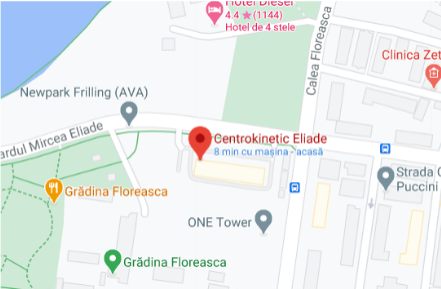
| Navigation | Explore 3D |
CENTROKINETIC Barbu Vacarescu
Bucharest, 2nd District,
Barbu Vacarescu Street, no. 102,
102 The Address, ground floor.
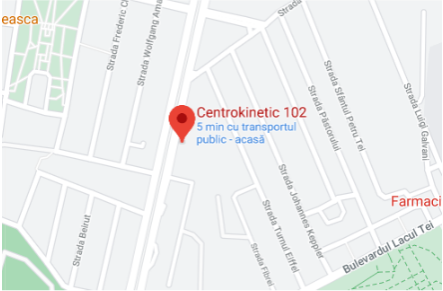
| Navigation | Explore 3D |
CENTROKINETIC MILITARI
Bucuresti, Sector 6,
Bld. Iuliu Maniu, nr. 15G,
Cladirea PBT, etaj 3.
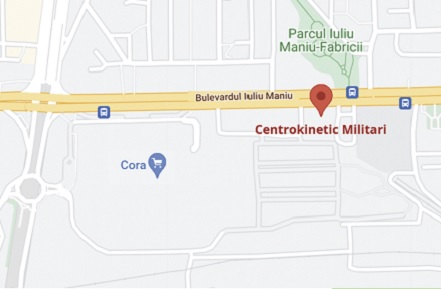
| Navigation |
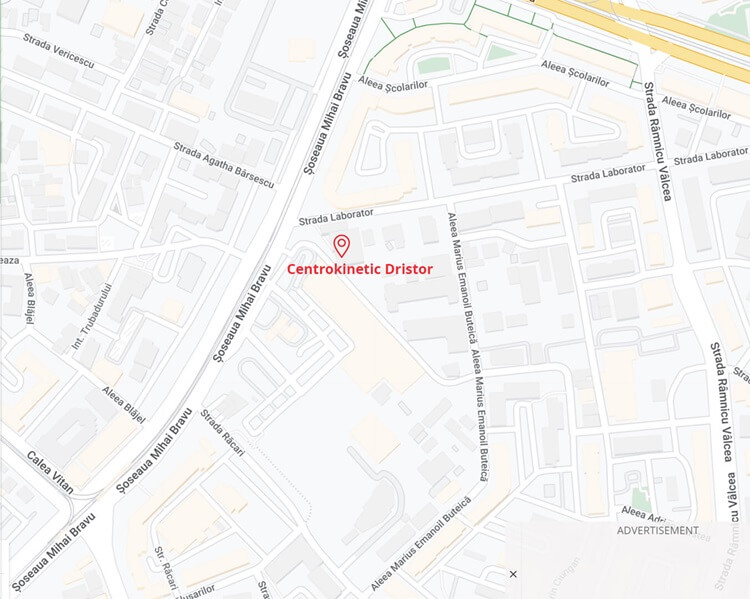
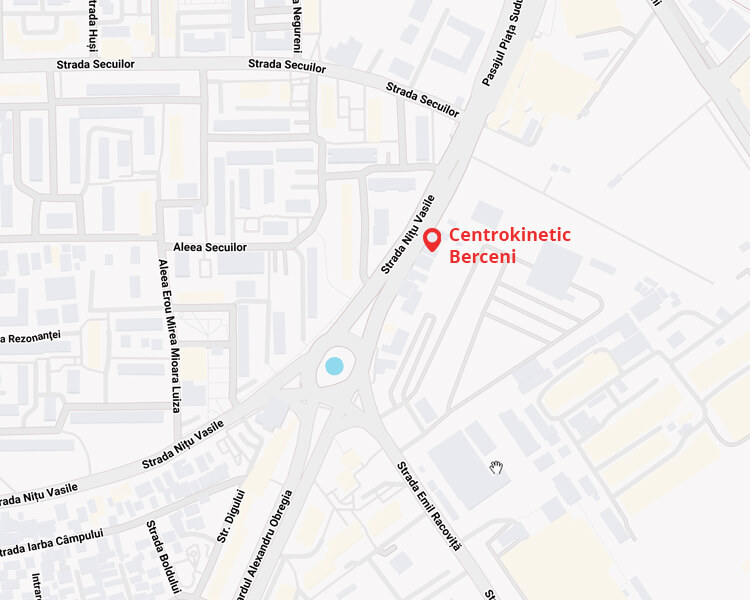
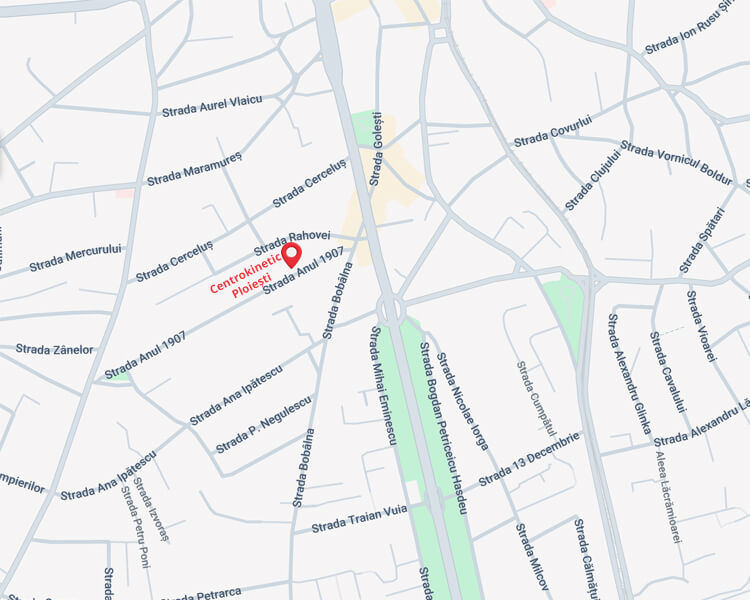
CENTROKINETIC CLUJ-NAPOCA
Cluj-Napoca,
Str. Intre Lacuri, nr.1
Intrarea este in spatele cladirii.
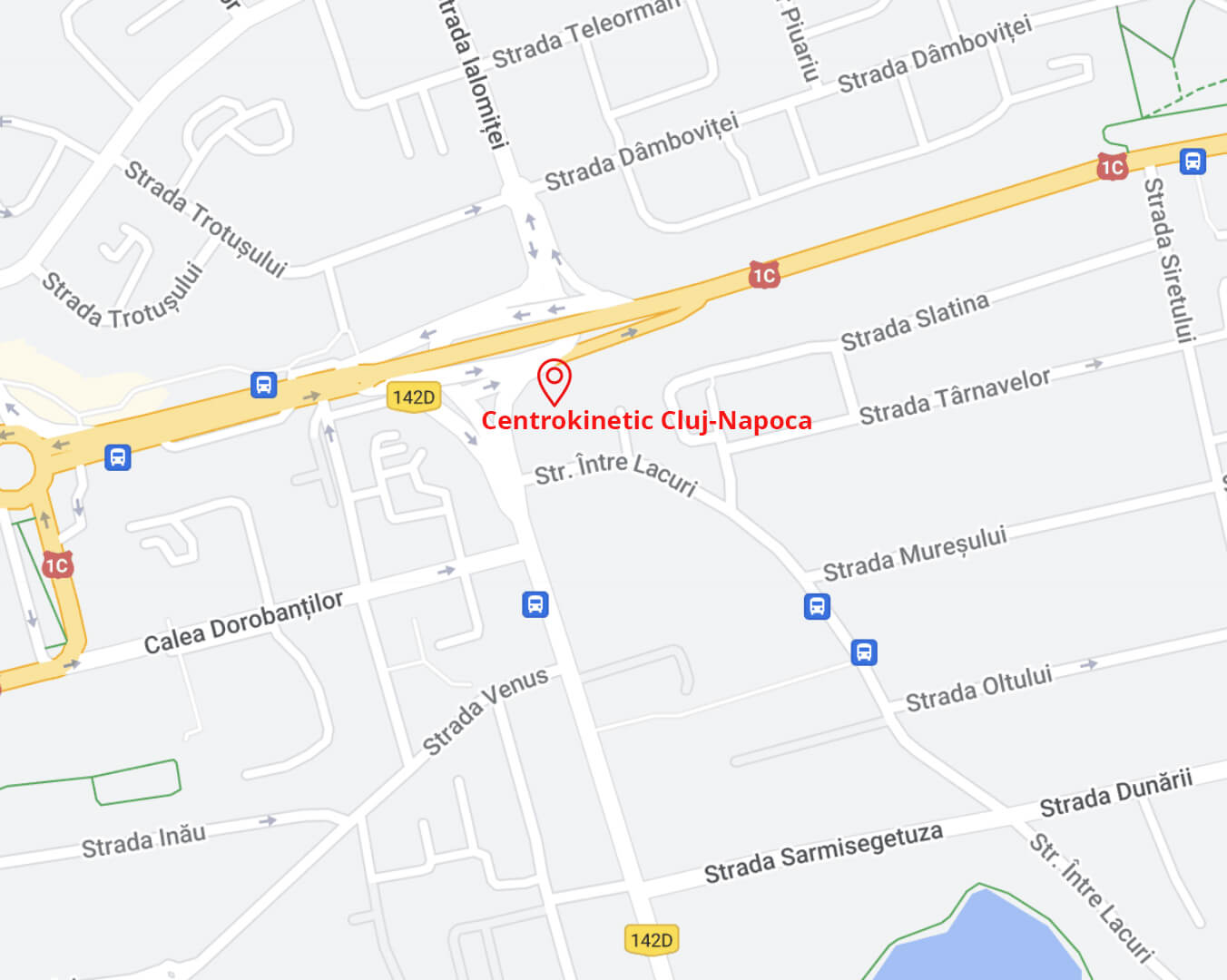
| Navigation |
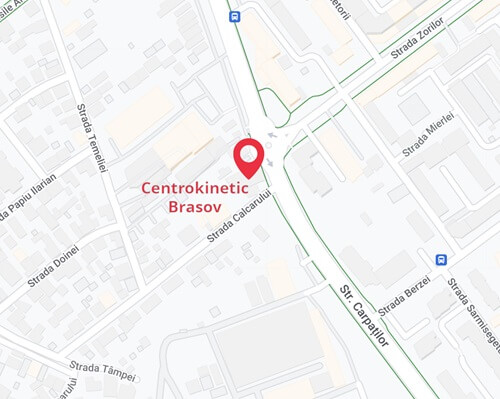
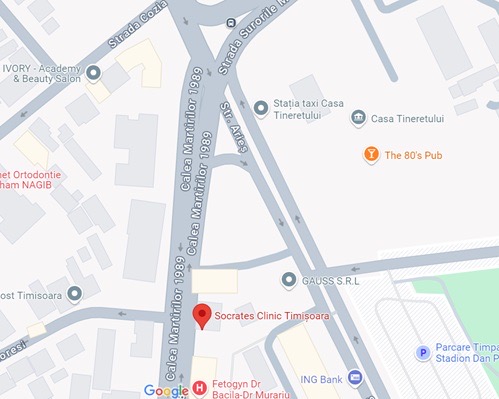
SOCRATES CLINIC TIMISOARA
Timisoara, Calea Martirilor 1989,
nr. 1.
Telefon: 0371 785 374.
| Navigation |
CONTACT
Phone: 0319693
E-mail: programari@centrokinetic.ro
Operating hours:
Monday – Friday: 07:00 – 21:00
Saturday: 09:00 – 14:00
Sunday: closed.
MAKE AN APPOINTMENT