Botulinum toxin injection


.jpg)
- Introduction
- What is botulinum toxin?
- What is its role in neurological conditions?
- In which neurological conditions is botulinum toxin helpful
- How does botulinum toxin work?
- Contraindications for the use of botulinum toxin
- Risks and adverse reactions associated with botulinum toxin
Introduction
Spasticity is an abnormal increase in muscle contraction, often caused by damage to the central motor pathways that control voluntary movement. There are many causes of spasticity, including demyelination in multiple sclerosis, congenital lesions from diseases such as cerebral palsy, brain or spinal cord trauma, hemorrhage or infarction, and other pathological conditions that disrupt neuronal pathways. The effects of spasticity range from mild muscle stiffness to severe and painful muscle contractures. Repetitive spasms can also occur, which reduce mobility and substantially impede normal activities of daily living.
Botulinum toxin therapy reduces muscle spasticity and pain associated with several disorders. Local treatment through botulinum toxin injection can be used as adjuvant therapy, together with oral antispastic medications. Treatment with botulinum toxin injections without other adjuvants provides a localized decrease in symptoms of spasticity and pain.
Botulinum toxin therapy can be particularly useful for patients with spasticity due to stroke, whose treatment can be adapted according to recovery progress. In addition, botulinum toxin therapy is safe for pediatric patients, including children with cerebral palsy, who might not be able to tolerate the cognitive side effects of oral medications.
What is botulinum toxin?
Botulinum toxin is an injectable muscle relaxant, commonly known under the brand name BOTOX®. Botulinum toxin is responsible for causing botulism, the paralyzing and potentially fatal foodborne illness. The name botulinum is derived from the Latin word botulus (sausage), since it was once believed that the disease originated from sausages. We now know that botulinum toxin is produced by the bacteria Clostridium botulinum.
Clostridium botulinum produces eight types of toxins, labeled A through G. Since the 1950s, research has focused on developing the muscle-relaxing properties of botulinum-A and, more recently, botulinum-B, for therapeutic use. Type A and type B botulinum toxins can be used as effective therapeutic agents for the treatment of numerous conditions in patients who require neuro-rehabilitative intervention.
What is its role in neurological conditions
In a neurorehabilitation setting, botulinum toxin is mainly used for treating spasticity and preventing muscle contractures. Treatment with oral antispastic medications is frequently associated with systemic side effects that limit their clinical use. Botulinum toxin A (BtxA) injected into spastic muscles has proven effective in reducing muscle tone.
Spasticity, if left untreated, can hinder the functional outcome by promoting a persistent abnormal posture, which in turn produces contractures of the muscles and tendons, as well as bone deformities. Botulinum toxin injection is indicated when spasticity is focal or segmental and if it interferes with active or passive functioning.
In general, treatment with botulinum toxin is performed as an adjuvant to other rehabilitation strategies that are based on individualized, multidisciplinary programs aimed at achieving the patient's goals. Treatment plans must take into account a compromise between reducing spastic hypertonia and preserving residual motor function.
In which neurological conditions is botulinum toxin helpful
Botulinum toxin therapy has been used to treat many neurological disorders, including:
- Facial muscle spasms
- Dystonia
- Spasticity from strokes, multiple sclerosis, brain injuries, cerebral palsy
- Pathologically abnormal sweating and hypersalivation
- Headaches and other painful conditions
Botulinum-A is also approved for the following uses:
- Overactive bladder
- Migraine prevention
- Blepharospasm (abnormal contraction of the eyelid muscles)
- Cervical dystonia (painful spasms of the neck muscles)
- Focal spasticity (localized groups of overactive muscles)
- Gastrointestinal diseases
Spasticity is a common motor disorder in adult stroke patients. Several studies have demonstrated the effectiveness of botulinum toxin in reducing post-stroke spasticity. Treatment with botulinum toxin has led to improvement of hypertonic muscles both in the upper limbs and in the lower limbs.
Cerebral palsy is the most common movement disorder in children and is the leading cause of spasticity. The successful use of botulinum toxin in children with cerebral palsy was first reported in 1993 by Koman and his collaborators. As in post-stroke spasticity, botulinum toxin was effective in reducing spasticity of both the upper extremities and the lower limbs.
Intramuscular injections of BTX-A are used for focal spasticity and dystonia, but also, for example, for overactive bladder, hyperhidrosis, and cosmetic procedures. Intradermal or subcutaneous injections are used to treat neuropathic pain. The mechanisms by which BTX-A exerts analgesic effects are not known in detail. The effect on pain may be related to inhibition of the release of neurotransmitters and neuropeptides from primary afferent terminals, or a decrease in local inflammation.
Botulinum toxin injections are a useful adjuvant in the treatment of facial paralysis. Treatment with botulinum toxin reduces the hyperactivity of the muscles on the ipsilateral, affected side, while reducing unnecessary force on the contralateral side.
Type A botulinum neurotoxin has been increasingly used to treat migraines, tension-type headaches, and other primary headache disorders. Botulinum toxin has been used clinically for the treatment of neuromuscular disorders, including focal dystonias, and for relieving pain associated with cervical dystonia and oromandibular dystonias. The therapeutic benefit of botulinum toxin involves inhibiting peripheral sensitization, which results in a reduction of central sensitization and blocking of pain transmission.
Local injection of botulinum toxin has proven extremely effective in the treatment of hypertonia of skeletal and smooth muscle. It has also had satisfactory results in the treatment of conditions manifested by increased secretion of certain glands, such as the lacrimal, salivary, and sweat glands.
How does botulinum toxin work?
Botulinum toxin type A and B block nerve signals in muscles. In order to contract, a muscle must receive a signal from the peripheral nerve endings. This signal is the neurotransmitter, acetylcholine, which binds receptors on the muscle, initiating muscle contraction. Botulinum toxin inhibits the release of acetylcholine and therefore also inhibits muscle contraction.
Muscle weakness is usually observed in two to four days, and maximum weakness or paralysis is observed in about ten days. The effects of botulinum toxins are not permanent, since the affected nerves create new endings. After about three months, a connection between the nerve and the muscle is reestablished. However, an element of atrophy (muscle loss) occurs with each injection. This progressive atrophy explains why the interval needed for a second treatment may gradually lengthen following repeated injections.
Because botulinum toxin does not travel far from the injection site, several injections can be given during one visit. To ensure that the toxin is injected in the right spot, the doctor may use electrical signals that are sent through the needle used for the injection, to make the muscle contract.
Contraindications for the use of botulinum toxin
Despite the fact that botulinum toxin is a powerful neurotoxin, the safety profile of its purified form is impressive. Treatment is usually safe and well tolerated, but must be repeated every few months to maintain the therapeutic effect. However, there are some side effects and a few contraindications. The latter include myasthenia gravis, Lambert-Eaton syndrome and other neuromuscular disorders, pregnancy, and the use of aminoglycoside antibiotics.
There are limits to the amount of neurotoxin that can be injected during one session and to the frequency of injection, largely because the body can create antibodies against the drug. These antibodies are not dangerous, but they can neutralize the effects of botulinum toxin.
Risks and adverse reactions associated with botulinum toxin
Adverse reactions can be either local or systemic. The most common side effects are pain, swelling, or bruising at the injection site. Weakness that may be present is usually minimal and transient and occurs due to local diffusion of the toxin. Dysphagia, for example, can occur after injections for the treatment of cervical dystonia. Ptosis is the most common problem after injections for blepharospasm and hemifacial spasm.
Systemic adverse effects, although rare, include transient flu-like symptoms, anaphylaxis, and excessive fatigue. Another adverse reaction may involve generalized muscle weakness. When botulinum toxin is used for a long period of time, it can cause atrophy (thinning) of the injected muscles. This atrophy is reversible if treatment is discontinued.
Centrokinetic is the place where you will find clear answers and effective solutions for musculoskeletal conditions. Our clinic, dedicated to musculoskeletal disorders, is organized into the following specialized departments:
- Orthopedics, a department composed of a highly experienced team of orthopedic surgeons specializing in sports traumatology.
- Pediatric Orthopedics, where sports injuries in children (ligament and meniscus injuries), spinal deformities (scoliosis, kyphosis, hyperlordosis), and foot deformities (hallux valgus, hallux rigidus, equinovarus foot, flatfoot, cavus foot) are treated.
- Neurology, featuring a state-of-the-art department where consultations, electroencephalograms (EEG), and electromyography (EMG) examinations are performed.
- Medical Rehabilitation for adults and children, a department specialized in the rehabilitation of professional athletes, spinal disorders, and children with neurological and traumatic conditions. Our extensive experience includes treating more than 5,000 professional athletes.
- Medical Imaging, with the clinic equipped with ultrasound and MRI systems dedicated to musculoskeletal conditions, complemented by an experienced radiologist, Dr. Cosmin Pantu, specialized in musculoskeletal imaging.
- Rheumatology, a comprehensive department dedicated to the diagnosis, treatment, and rehabilitation of patients with non-surgical musculoskeletal disorders.
- Vascular Surgery, a highly specialized department focused on the diagnosis and treatment of vascular diseases affecting arteries, veins, and lymphatic vessels.
- Psychology and Speech Therapy. Neurological and musculoskeletal conditions can have a psychological impact on patients, which is why we believe complete recovery requires addressing both the physical condition and its psychological consequences.
- Neurofeedback. This innovative method helps improve concentration, reduce anxiety, and achieve emotional balance through a simple and interactive process.
Stay up to date by following Centrokinetic on Facebook, Instagram, and YouTube.
MAKE AN APPOINTMENT
FOR AN EXAMINATION
See here how you can make an appointment and the location of our clinics.
MAKE AN APPOINTMENT
BUCHAREST TEAM























































CLUJ NAPOCA TEAM
































BRASOV TEAM














Asiguratori privati





Parteneriate

CENTROKINETIC FLOREASCA
Bucharest, 1st District,
Mircea Eliade Street, no. 18,
Eliade Tower, Entrance A, Floor 3
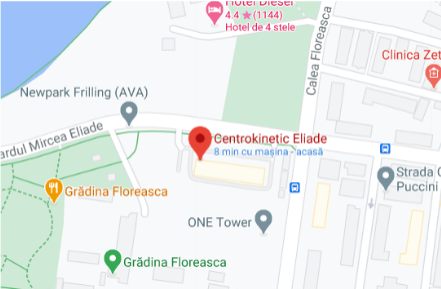
| Navigation | Explore 3D |
CENTROKINETIC Barbu Vacarescu
Bucharest, 2nd District,
Barbu Vacarescu Street, no. 102,
102 The Address, ground floor.
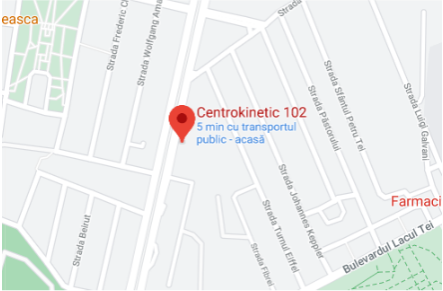
| Navigation | Explore 3D |
CENTROKINETIC MILITARI
Bucuresti, Sector 6,
Bld. Iuliu Maniu, nr. 15G,
Cladirea PBT, etaj 3.
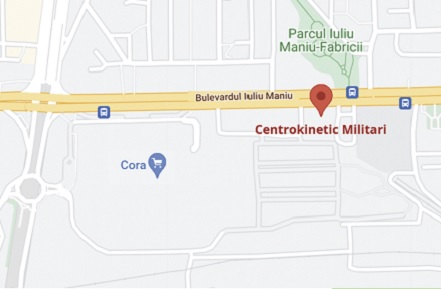
| Navigation |
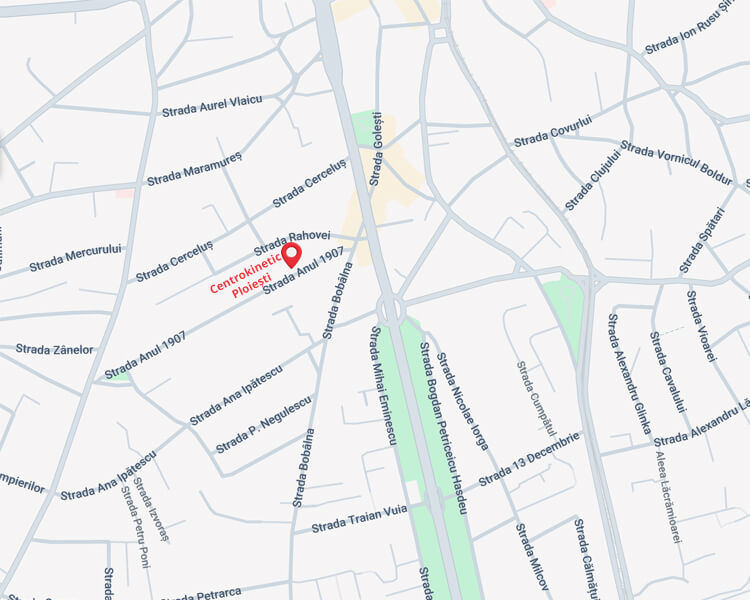
CENTROKINETIC CLUJ-NAPOCA
Cluj-Napoca,
Str. Intre Lacuri, nr.1
Intrarea este in spatele cladirii.
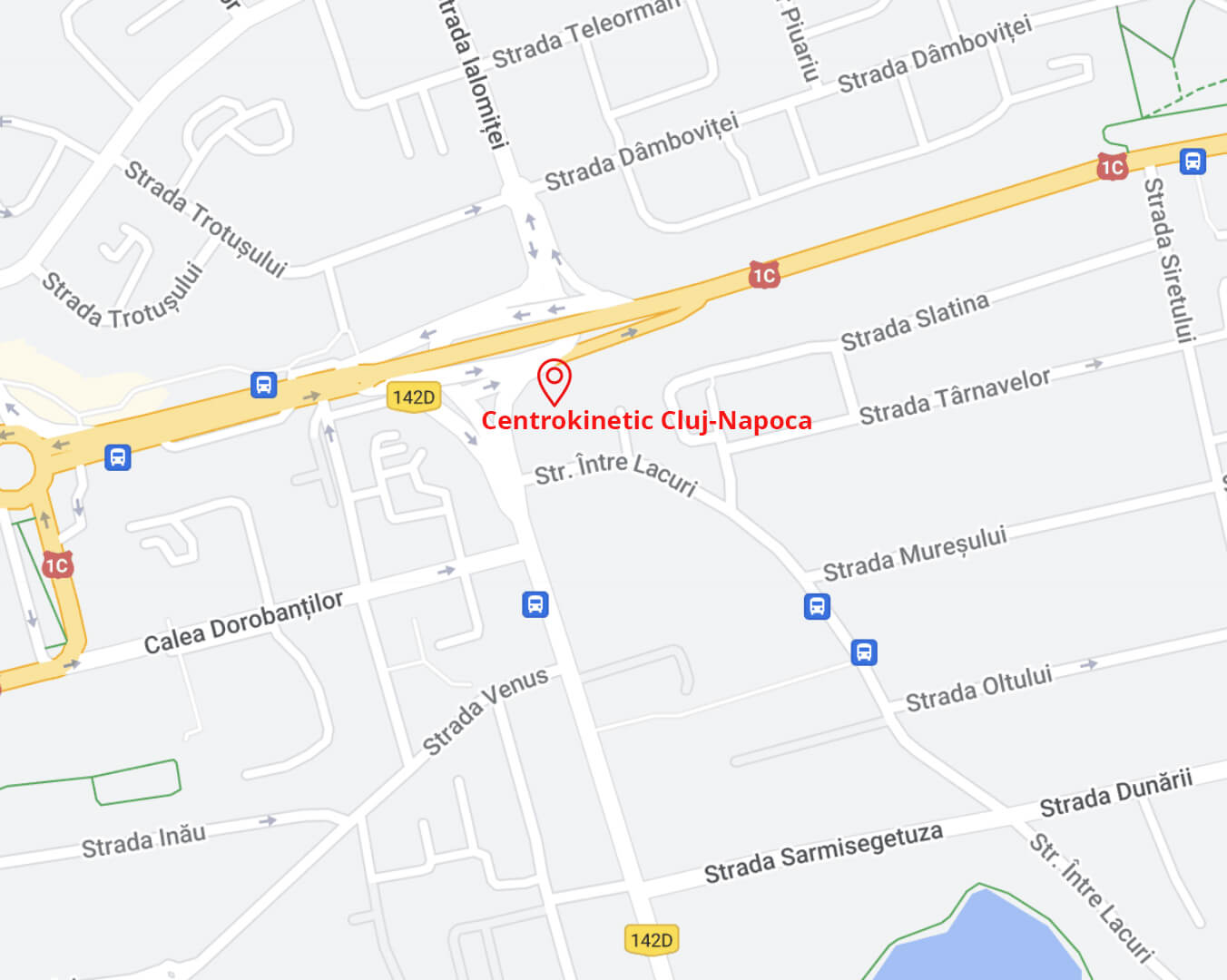
| Navigation |
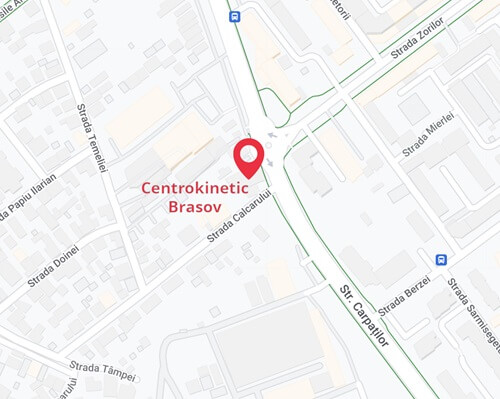
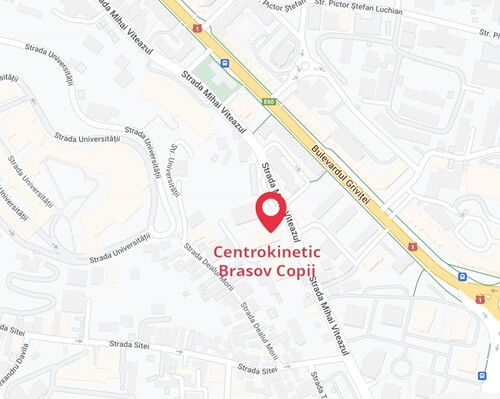
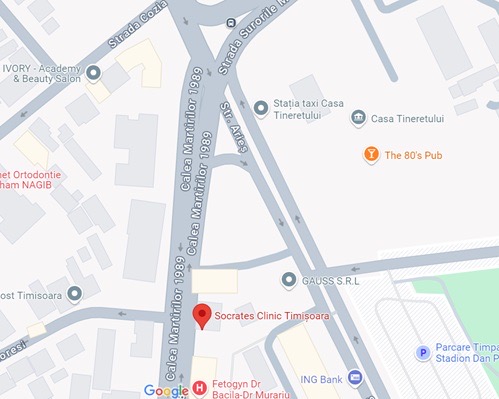
SOCRATES CLINIC TIMISOARA
Timisoara, Calea Martirilor 1989,
nr. 1.
Telefon: 0371 785 374.
| Navigation |
CONTACT
Phone: 0319693
E-mail: programari@centrokinetic.ro
Operating hours:
Monday – Friday: 07:00 – 21:00
Saturday: 09:00 – 14:00
Sunday: closed.
MAKE AN APPOINTMENT