Genu varum (bow legs) in children: causes, symptoms and treatment


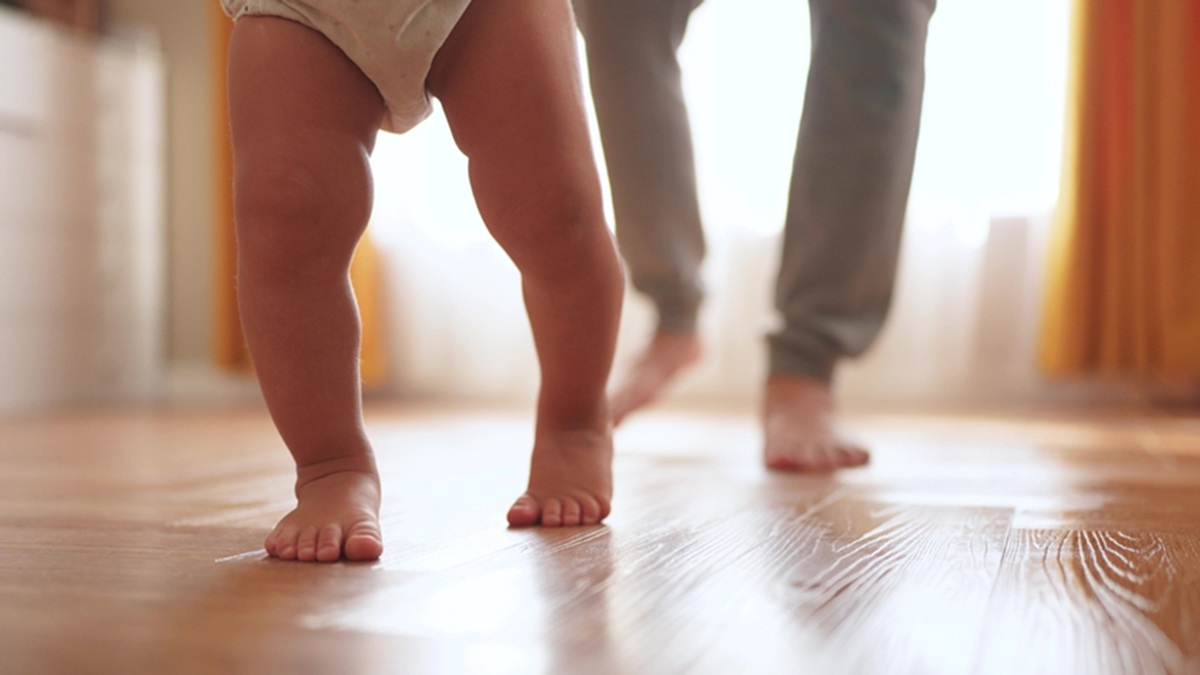
Genu varum, commonly known as "bow legs", means that a child's knees stay apart when the ankles are together. In babies and toddlers, this is usually a normal stage of development that corrects itself by around the age of 2. A curve that persists, asymmetry or pain requires a pediatric orthopedic assessment.
What you need to know now about genu varum in children:
- The physiological form is symmetrical, painless and does not affect walking.
- The curve usually decreases between 18 and 24 months, and the alignment of the legs stabilizes by school age.
- Pathological causes include Blount's disease, rickets, bone dysplasias and injuries.
- Rigid boots, massage or exercises do not speed up the straightening of the bones in the physiological form.
- A curve that gets worse after age 2, asymmetry or limping requires a specialist consultation.
What is genu varum and how do you recognize it?
Genu varum is an outward curve of the lower limbs, so that when the child stands straight with the ankles together, a visible gap remains between the knees. The curve may be located in the tibia, the femur or both bones.
It may be:
- bilateral and symmetrical, the most common form;
- present in only one leg;
- more pronounced in one of the legs.
Genu varum differs from genu valgum, commonly known as "knock knees", in which the knees come together while the ankles stay apart.
| Feature | Genu varum | Genu valgum |
| Appearance | The knees stay apart | The knees come together |
| Common name | Bow legs | Knock knees |
| Common physiological age range | 0-2 years | 3-5 years |
| Usual course | The curve decreases toward age 2 | The alignment corrects gradually by school age |
Is it normal for babies to have bow legs?
Yes, in most cases. The position in the womb explains the slightly curved shape of the legs at birth, and the curve usually decreases between 18 and 24 months, once the child starts walking.
Physiological genu valgum may follow, and the alignment of the lower limbs gradually stabilizes by school age.
A child with physiological genu varum walks normally, does not limp and does not complain of pain. Massage, rigid boots or corrective exercises do not speed up the straightening of the bones.
What causes genu varum in children?
The most common cause is the physiological form, linked to normal development. Pathological causes, which are rarer, include Blount's disease, rickets, bone dysplasias, injuries, infections and damage to the growth plate.
Physiological genu varum
This form is common under the age of 2. The curve is symmetrical and decreases naturally as the child grows.
Blount's disease
Blount's disease affects the growth of the inner part of the tibia, just below the knee. The doctor may suspect the condition if the deformity gets worse after age 2, asymmetry appears or the knee seems unstable during walking. Excess weight and early walking are associated factors.
Rickets
A deficiency of vitamin D, calcium or phosphorus can affect bone mineralization. Besides bowing of the legs, the child may have muscle weakness, slow growth, bone pain or delayed motor milestones.
Internal tibial torsion can make the curve look more pronounced. Genu varum should also not be confused with clubfoot (talipes equinovarus), a condition that concerns the position of the foot and ankle, not the alignment of the knee.
When should you take your child to the doctor?
Book an appointment for your child if you notice:
- the curve persisting or getting worse after age 2;
- clear differences between the two legs;
- limping, frequent falls or avoiding walking;
- pain in the knee, hip, calf or ankle;
- disproportionately short stature or other bone deformities.
Persistent or night-time pain is not typical of the physiological form. Seek advice from a pediatric orthopedic specialist and do not try to correct the position of the legs yourself.
How does the doctor make the diagnosis?
In most cases, the diagnosis is made through a clinical examination. The doctor considers the child's age, when the curve appeared, how walking has developed, diet and family history, then observes the child standing and walking and measures the distance between the knees.
In typical physiological forms, an X-ray is not necessary. The doctor may recommend one if the deformity progresses, persists after the age of 2-3 or is asymmetrical. If rickets is suspected, they may request blood tests for vitamin D, calcium, phosphorus and alkaline phosphatase.
Benefits of a proper assessment: it distinguishes normal development from a medical condition, limits unnecessary tests and allows early intervention when needed.
How are bow legs treated in children?
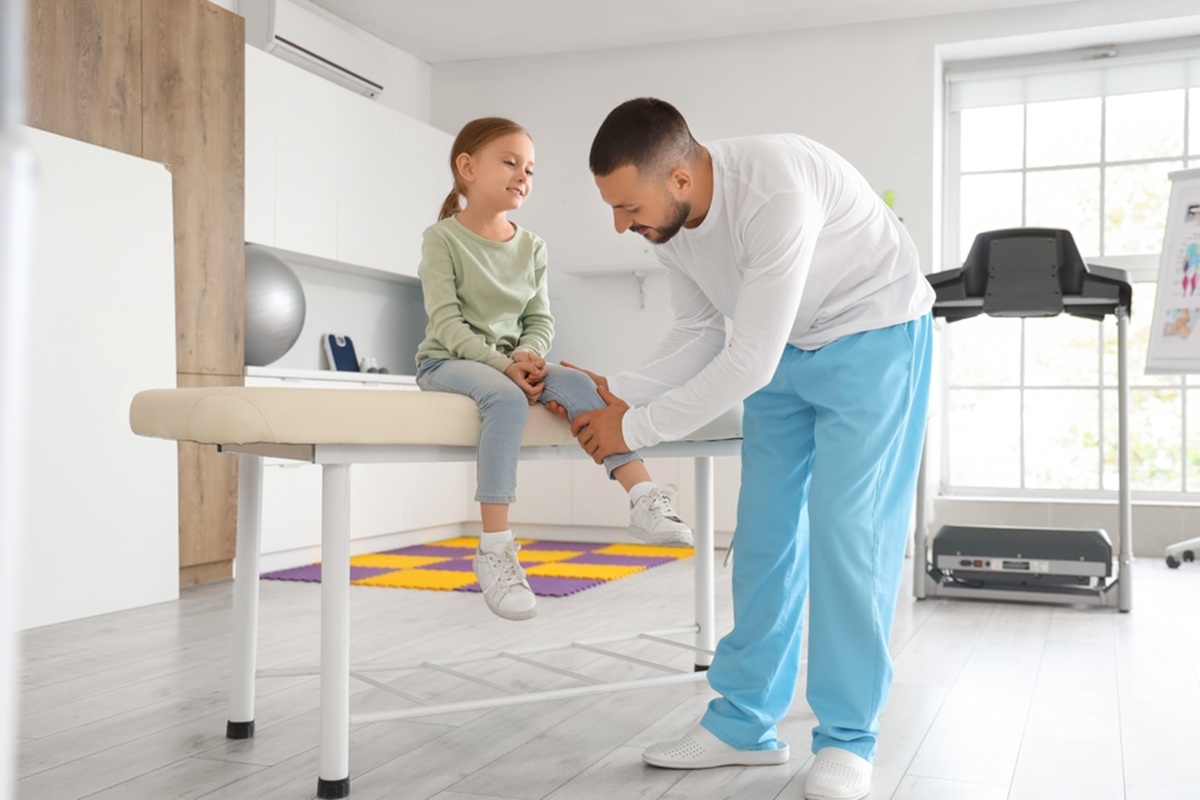
Treatment depends on the cause: physiological genu varum usually requires only monitoring, while pathological forms may require treating the underlying cause, braces or, in selected cases, surgery. The doctor sets out a personalized approach, adapted to the child's age and the course of the curve, which may also include medical rehabilitation for children.
Monitoring
In the physiological form, the doctor recommends regular check-ups and monitors how the alignment changes. Parents can support the child's development by encouraging age-appropriate movement and maintaining a healthy weight.
Treating the cause
Vitamin D helps only if the doctor confirms a deficiency or rickets. Do not give supplements or change doses without the pediatrician's recommendation, as too much can cause side effects.
Braces have limited indications, including certain early forms of Blount's disease. Surgery remains an option for progressive deformities and may include guided growth or bone realignment. Any procedure carries risks, which the orthopedic surgeon discusses individually with the family.
What role does physiotherapy play?
Physiotherapy does not directly change the shape of the bone, but it can improve postural control, strength, mobility and walking pattern when there are muscle imbalances. Through pediatric physiotherapy, the exercises are adapted to the child's diagnosis and level of development.
After orthopedic surgery, physiotherapy supports a gradual return to walking and usual activities. The specialist adjusts the exercises according to healing and the child's tolerance.
What can you do at home and what should you avoid?
Keep up with medical check-ups and watch whether the walking or the curve changes over time. Encourage active play, give your child a balanced diet and ask for medical advice on vitamin D.
Avoid:
- rigid boots and heel inserts bought without a diagnosis;
- exercises that have not been recommended by a specialist;
- supplements given without a doctor's recommendation.
What are the next steps if you notice genu varum in your child?
Asymmetry, pain, limping or a worsening curve require a specialist consultation. If you notice other changes in the foot, also read about flat feet in children.
Early intervention makes it possible to identify the cause and choose a personalized plan, without unnecessary treatment. At Centrokinetic, pediatric orthopedic surgeons, rehabilitation doctors and physiotherapists work together to assess and monitor your child. Book now for a specialist consultation!
Frequently asked questions about genu varum in children
Do bow legs straighten on their own?
In most physiological cases, yes. The curve gradually decreases by around the age of 2, and the doctor confirms the progress through regular check-ups.
Does early walking cause genu varum?
Early walking does not cause the deformity on its own. It may be an associated factor in Blount's disease, alongside other individual factors.
Does vitamin D straighten the legs?
Vitamin D helps only if there is a deficiency confirmed by blood tests. It does not correct physiological genu varum and should not be given in extra doses without a medical recommendation.
Can genu varum affect adults?
A physiological form that has resolved does not usually cause problems. A persistent pathological deformity can change the distribution of pressure in the knee and may lead to pain or joint wear.
Disclaimer: The information presented is for informational purposes only and does not replace a specialist medical consultation.
Sources:
- "Bowlegs." MedlinePlus Medical Encyclopedia, U.S. National Library of Medicine, 20 Oct. 2024, medlineplus.gov/ency/article/001585.htm. Accessed 16 Oct. 2026.
- "Rickets." MedlinePlus Medical Encyclopedia, U.S. National Library of Medicine, 16 July 2024, medlineplus.gov/ency/article/000344.htm. Accessed 16 Oct. 2026.
BUCHAREST TEAM



























CLUJ NAPOCA TEAM











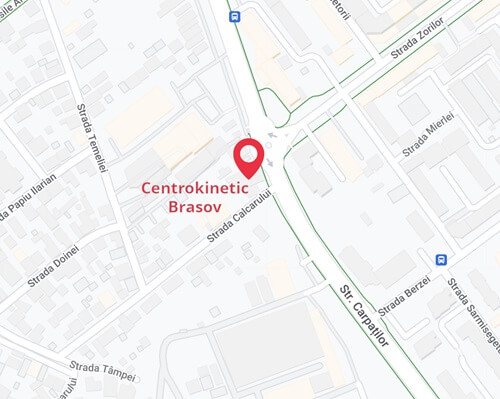
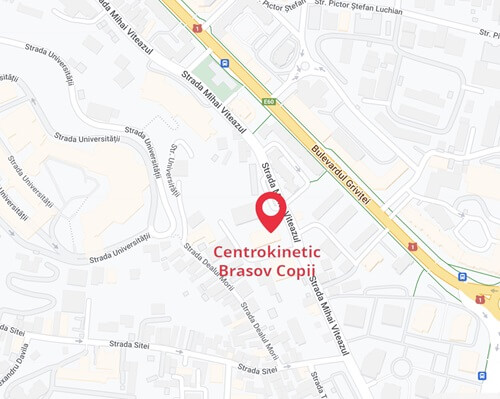
BRASOV TEAM








MAKE AN APPOINTMENT
FOR AN EXAMINATION
See here how you can make an appointment and the location of our clinics.
MAKE AN APPOINTMENT
Asiguratori privati





Parteneriate


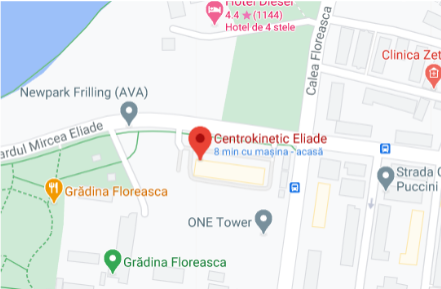
CENTROKINETIC FLOREASCA
Bucharest, 1st District,
Mircea Eliade Street, no. 18,
Eliade Tower, Entrance A, Floor 3
| Navigation | Explore 3D |
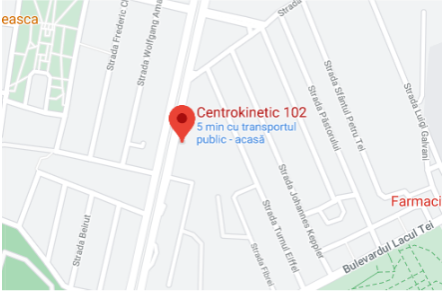
CENTROKINETIC Barbu Vacarescu
Bucharest, 2nd District,
Barbu Vacarescu Street, no. 102,
102 The Address, ground floor.
| Navigation | Explore 3D |
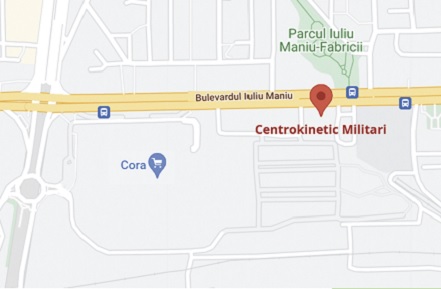
CENTROKINETIC MILITARI
Bucuresti, Sector 6,
Bld. Iuliu Maniu, nr. 15G,
Cladirea PBT, etaj 3.
| Navigation |
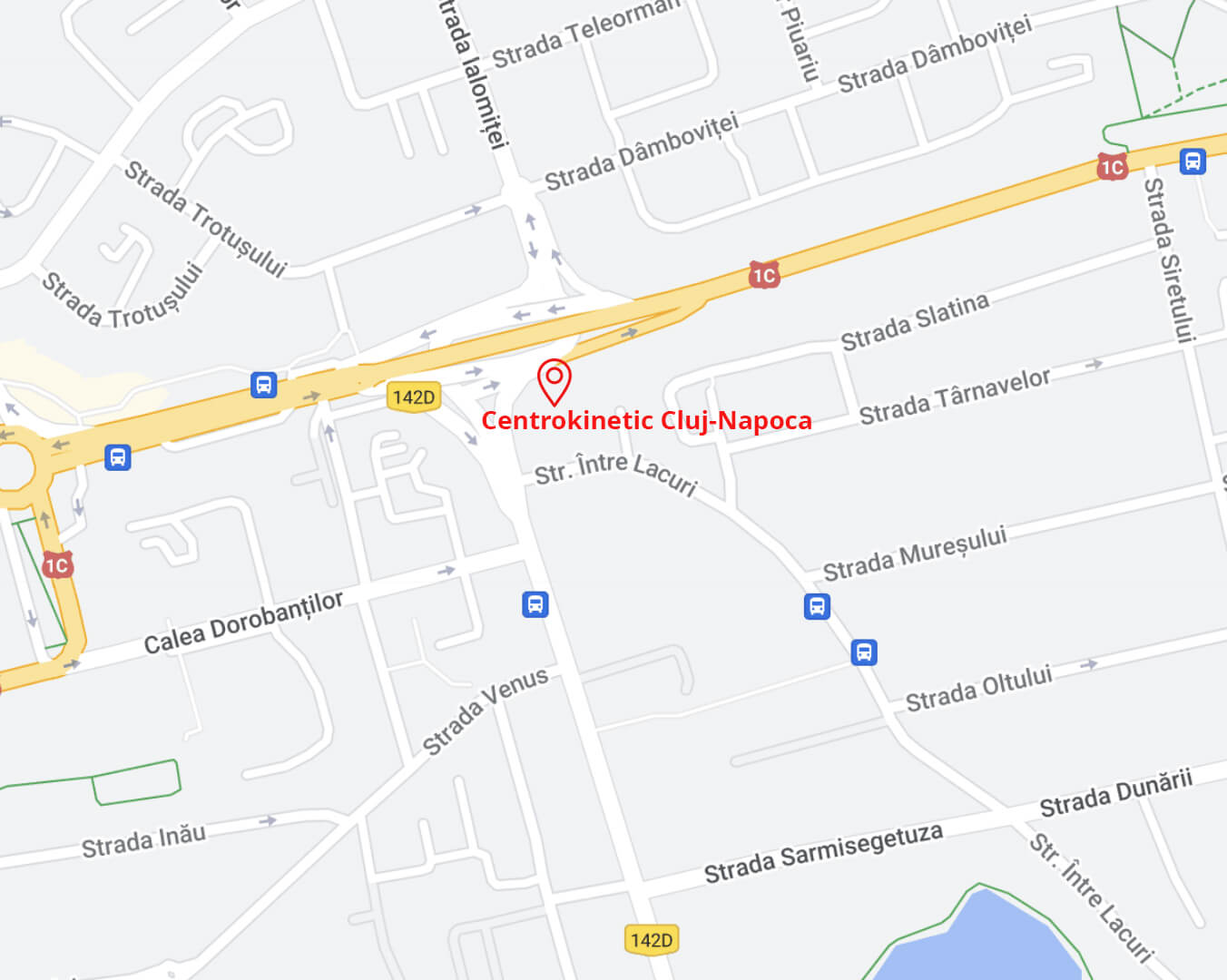
CENTROKINETIC CLUJ-NAPOCA
Cluj-Napoca,
Str. Intre Lacuri, nr.1
Intrarea este in spatele cladirii.
| Navigation |
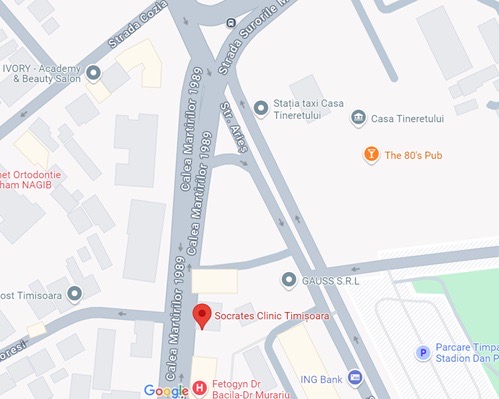
SOCRATES CLINIC TIMISOARA
Timisoara, Calea Martirilor 1989,
nr. 1.
Telefon: 0371 785 374.
| Navigation |
CONTACT
Phone: 0319693
E-mail: programari@centrokinetic.ro
Operating hours:
Monday – Friday: 07:00 – 21:00
Saturday: 09:00 – 14:00
Sunday: closed.
MAKE AN APPOINTMENT