Actualizat: 18-03-2025 / Publicat: 30-01-2019

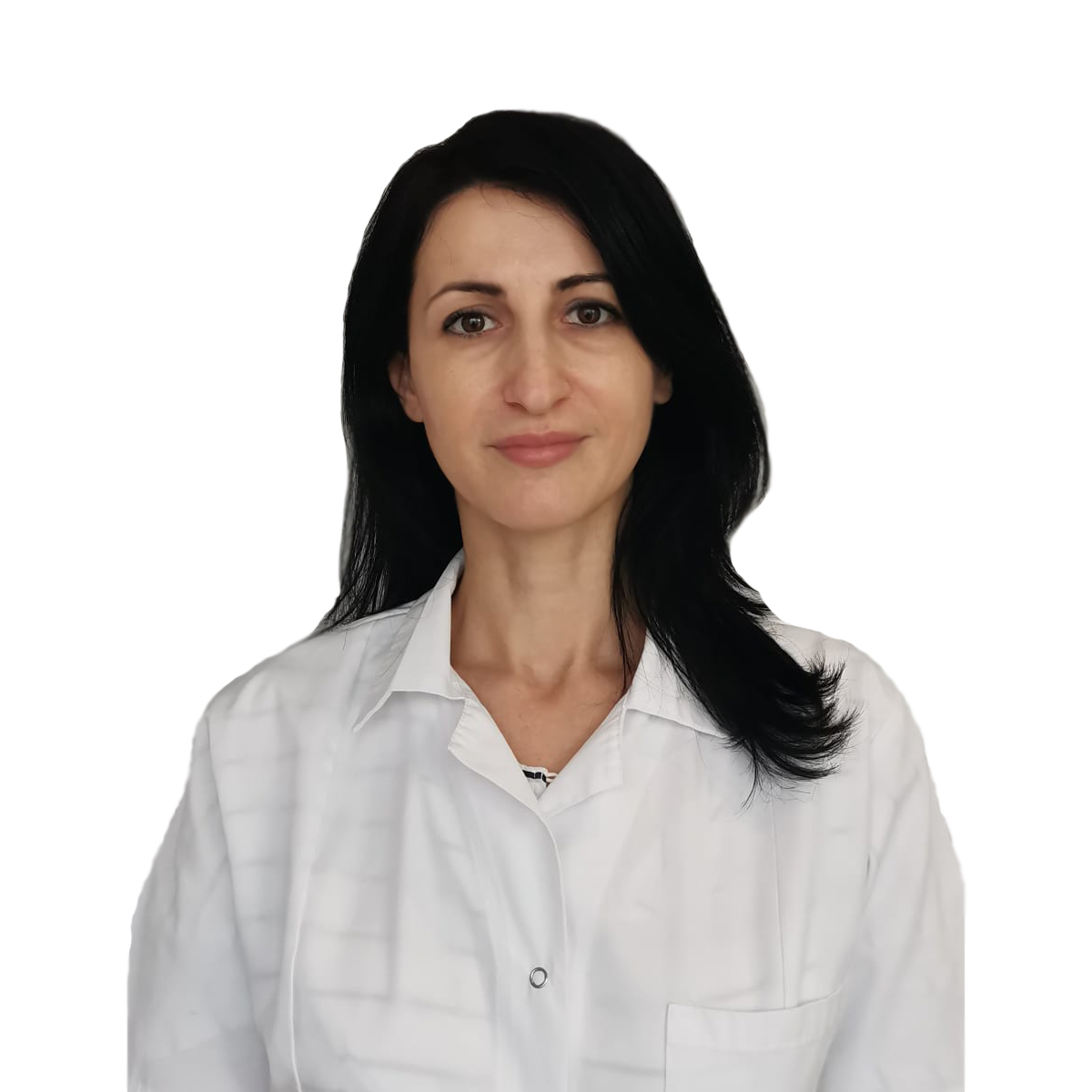
This article was written by Dr. Georgiana Tache, senior physician in medical recovery with over 30 years of experience, vice-president of the Romanian Society of Medical Rehabilitation.
Brachial cervical neuralgia is a syndrome associated with inflammation of the brachial plexus. The term "cervicobrachial" refers to the neck and arm, while the term "brachial neuralgia" generally refers to the pain associated with injury to the brachial plexus.
The brachial plexus is an arrangement of nerve fibers (a plexus) that runs from the spine, through the neck, the armpit, and into the arm. All the nerves of the arm originate from the brachial plexus. Therefore, injuries to the plexus can lead to severe functional impairment.
The term "neuralgia" describes a variety of painful conditions in which pulling, stabbing, intense pain, electric-shock-like pain, tingling, and pins-and-needles sensations coexist. The pain is normally caused by irritation or damage to a nerve. Such pain is normally brief, but can be quite severe.
In simple words, brachial cervical neuralgia is neck pain that extends into the arm, due to compression of the nerve roots of the cervical spinal cord. It affects approximately 15% of the population.
The most common causes of neuralgia are cervical osteoarthritis and herniated discs at the level of the cervical spine. Both require long-term monitoring and intervention when necessary, to avoid injury to the spine.
Research indicates that people with existing signs of depression and anxiety have a higher risk of developing brachial cervical neuralgia. In addition, a large number of studies also indicate an association between brachial cervical neuralgia and tendinitis of the upper limbs. Shoulder algodystrophy is also frequently observed.
Furthermore, brachial cervical neuralgia is often considered to be associated with compression of a nerve root. Another series of studies has shown that the formation of a loop in the vertebral artery is a rare cause of brachial cervical neuralgia. An accurate CT scan normally confirms such a diagnosis.
After the age of 40, osteoarthritis is more common. The canal through which the nerves of the spinal cord pass is altered by osteoarthritis, and its size decreases. The pain is then due to mechanical and inflammatory phenomena.
The condition can be congenital or acquired. If left untreated, the syndrome usually lasts a few months and sometimes even a year. Recurrences have been observed in very few cases.
Some of the typical symptoms and features of brachial cervical neuralgia include:
• Severe pain in the shoulder region
• Muscle weakness
• Loss of sensation in the upper extremity
• Severe nighttime pain
Some of the associated conditions include viral illnesses, immunization, surgery, and heroin use. However, the most common sequela is a painful neck.
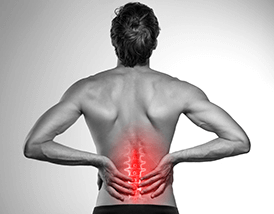
Pain can be felt from the collarbone to the upper chest and back, in the arm, and in the hand. In addition to pain, tingling, numbness, or swelling may also be felt.
In some cases, the hernia can also affect the vagus nerve, causing symptoms that innervate the organs: the respiratory system, the heart, the lungs, the stomach, and the intestine, which is why sensations of nausea, difficulty swallowing, gastritis, etc. may occur.
The onset of neuralgia can be acute or slow. In the acute case, the disc has migrated into the spinal canal. In the case of a slow onset, in which the disc has not migrated, neuralgia can occur after exposure to cold or when the spine is kept in fixed positions for a long period of time. It can also occur after a microtrauma.
Brachial cervical neuralgia progresses through three stages:
• the irritative stage, which is characterized by neck pain.
• the compressive stage, in which pain accompanied by paresthesia occurs. The affected cervical intervertebral disc can most often be identified through computed tomography.
• the paretic stage, in which all of the symptoms above are present. A motor deficit, a feeling of fatigue, and muscle weakness also appear. This motor deficit can occur in the hand and forearm, but very rarely in the upper arm.
The doctor will be able to reach a diagnosis based on the medical history, a description of the symptoms, and a physical exam. The doctor may also recommend an MRI or CT scan, to confirm compression of the nerve roots at the level of the spinal cord.
To confirm this diagnosis with the help of an MRI scan, make an appointment at our clinic!
Treatment for brachial cervical neuralgia will depend on the severity of the problem. For less severe cases, it may be a matter of managing pain with anti-inflammatory or pain medications, until the pain starts to subside.
During the visit, the doctor must monitor the strength, reflexes, and range of motion of the arm.
If pain along the arm is caused by a herniated disc or a bulge, compressing the neck, and traction (stretching the nerve) worsens the pain, this allows the doctor to discover the origin of the symptoms. There is a fundamental examination that must be done with compression and the neck tilted to the side, called the Jackson test.
Depending on the location of the symptoms, it is possible to understand which nerve is causing the symptoms:
• C5 brachial cervical neuralgia is the nerve that originates between the C4 and C5 vertebrae: the pain is at the level of the biceps.
• C6 brachial cervical neuralgia, the pain is in the lateral area of the arm and forearm down to the thumb.
• C7 brachial cervical neuralgia, symptoms can be found on the back of the arm and forearm down to the middle finger.
X-ray images should be taken to rule out other causes for the symptoms.
The neck, shoulders, and arms usually look normal, but are, in fact, painful to the touch. The neck may be stiff, with a limited range of motion, especially on neck extension. Some patients may have poor posture, with drooping shoulders and a tilted head and neck. Raising the arm can increase symptoms. It is necessary to observe possible asymmetries of the upper chest, including the collarbone.
Physical tests can be used to reproduce the symptoms:
- Adson's maneuver: the head is tilted to the side while the patient holds their breath and the doctor observes the symptoms.
- the raised arm stress test: raising the arm can produce symptoms.
The imaging exams that can reveal this compression are computed tomography and magnetic resonance imaging, since they also analyze soft tissue, while an X-ray only shows the bones, so the only thing the doctor can observe is a narrowing of the space between the vertebrae.
X-rays of the cervical spine can show osteoarthritis, pinched discs, or osteophytes. If muscle weakness is present, an MRI is essential to establish the correct treatment.
An X-ray examination of the neck will be done in different directions. The patient will then consult a neurologist for a possible EMG, MRI, or CT scan of the neck. An angiography or venography may be recommended for possible vascular lesions.
X-ray images are taken to rule out other causes for the symptoms. These X-rays can identify rib abnormalities. Spinal injuries or pathology (current or previous) can be evaluated through MRI or CT imaging. Nerve damage can be identified through EMG. Any vascular lesion or thrombosis can be evaluated through conventional angiography, magnetic resonance angiography, or venography.
Find out about the imaging investigations available at our clinic!
Neck pain can occur for different reasons. Neck pain can occur due to pain caused by the shoulders and arms (painful shoulder), cervical radiculopathy, levator scapulae syndrome, polymyalgia rheumatica (painful shoulder), the early stage of rheumatic diseases (rheumatoid arthritis (any age) or ankylosing spondylitis (30 years)), infections, or bone lesions of the cervical spine (for example, spondylodiscitis, metastases).
Sudden movements or repeated muscle stress can cause neck pain. Very often, such pain is caused by irritation of the joints and ligaments. The fact that the vertebral artery and the nerve fibers are very close to the joints adds a neurovascular component. Other possible diagnoses are: a pinched nerve, an injured shoulder muscle, supraspinatus tendinitis, carpal tunnel syndrome only if stabbing pain is present in the hand, epicondylitis if the pain occurs in the forearm.
Leakage of the intervertebral disc is not temporary, and the injured part does not return to normal naturally. Often, the symptoms of acute brachial cervical neuralgia disappear within 8 months, since the released nucleus pulposus is absorbed by the body, but in some cases the disease becomes chronic.
Besides medication, surgical decompression is also one of the preferred treatment methods in most cases.
In addition, chiropractic care has been found to be extremely useful in patients diagnosed with brachial cervical neuralgia. Well-planned physiotherapy sessions are also recommended in some cases.
Pain and sleep disturbances can be eased with the help of medication. These medications include analgesics, anti-inflammatory drugs, and muscle relaxants, in case of chronic pain. If vascular compression is present, doctors may prescribe vasodilators or calcium channel blockers.
The doctor may prescribe cortisone-based medications in the acute phase, but when the pain is reduced, nonsteroidal anti-inflammatory drugs and possibly muscle relaxants that do not have the side effects of cortisone may be given.
A cervical epidural corticosteroid injection may also be considered to reduce inflammation. This injection is an effective method of achieving immediate and long-lasting pain relief, and of improving movement and performance.
Physical therapy, massage, electrotherapy, general hydrothermotherapy, acupuncture, and kinesiotherapy have proven to be complementary treatments that help relieve the symptoms of brachial cervical neuralgia. Of all the complementary treatments, acupuncture, manual therapy, spinal manipulation, mobilization, and soft tissue massage are the most common therapies used in treating neck pain.
Kinesiotherapeutic, orthopedic, and physiotherapeutic treatments must necessarily complement the medical treatment for brachial cervical neuralgia. The patient must rest in a position that suppresses or reduces the disc-nerve root conflict. The use of physical agents (ultrasound, short waves), rehabilitation, local injections, traction, and spinal manipulation depend on the results of the clinical examination. Each detected anatomical-clinical lesion has indications to guide the therapeutic approach. Careful monitoring of these treatments is essential in order to adjust their pace and intensity, or to stop them.
Kinesiotherapy aims to correct disorders of the cervical spine and restore its mobility. Passive movements of the cervical spine are performed slowly, with lateral tilting and rotation. Cervical traction will be performed manually by the kinesiotherapist, or mechanically, with the patient lying flat, using special traction devices.
It is essential to perform muscle-strengthening exercises for the spine in order to treat brachial cervical neuralgia, since ligament laxity and muscle weakness cause spinal instability. If a hernia is present, the pain may be caused by brachialgia that can be healed even with heat-based treatments: laser, therapeutic massage, and TECAR therapy.
There are numerous types of massage, with variations in techniques, strokes, and pressure applied by the hands and other methods. Even in cases where only the neck is symptomatic, massage is usually applied to the neck, shoulders, and back, since all these regions are connected.
Deep tissue massage usually uses strokes and friction, to work on deeper layers of the muscles and connective tissues. Also known as connective tissue massage, there is a wide variety of definitions for deep tissue massage, depending on therapeutic techniques and philosophies. Deep tissue massage focuses more on an area of chronic pain.
Electrotherapy covers a range of therapies that use electric current, aiming to reduce pain and improve muscle tone and function. Transcutaneous electrical nerve stimulation, or TENS, is a type of electrical stimulation used to relieve symptoms. The medical device consists of a microcomputer, control settings, a battery, cables, and adhesive electrodes that attach to and surround the painful area. The settings allow the usage time, the intensity of stimulation, and the type of stimulation delivered, which can be continuous or programmed, to vary while the device is on. The TENS unit offers a reduction in symptoms, but does not heal injuries. The TENS unit works by sending a mild electrical stimulus to the skin in the affected area.
Diadynamic therapy is another form of electrical stimulation. Diadynamic treatment is a type of electrotherapy that uses certain parameters of electric current: sinusoidal current at a frequency of 50-100 Hz. Diadynamic treatment reduces swelling, relaxes the muscles, improves blood circulation, and eases pain.
Ultrasound is a form of mechanical (not electrical) energy and, therefore, is not electrotherapy. Mechanical vibrations at increasing frequencies are known as sound energy. The normal range of human hearing is from 16 Hz up to nearly 15-20,000 Hz (in children and young adults). Beyond this upper limit, mechanical vibration is known as ultrasound. The frequencies used in therapy are usually between 1.0 and 3.0 MHz (1 MHz = 1 million cycles per second). Ultrasound is a deep-heating modality, which is most effective at heating joint tissues, facilitating stretching.
Hydrotherapy involves therapeutic treatment using water in different forms and varying temperatures. General hydrothermotherapy consists of taking warm baths for 20 minutes, at a temperature of about 37 degrees Celsius. This type of therapy helps with general relaxation and fights local muscle contractions. Warm water calms and relaxes the body, due to the dilation of the blood vessels, allowing blood and oxygen to circulate better.
More severe cases may require surgical decompression to relieve pressure and begin healing. Neurosurgical treatment is recommended for people who have not seen improvement following non-surgical treatments, and for people who have persistent symptoms, paresthesia, and a motor deficit.
Surgical decompression of the nerve root is rarely necessary in treating brachial cervical neuralgia. In patients with prolonged and resistant pain or neurological deficits, or when signs of distress associated with the spinal cord have been found, various surgical procedures may be used, but in most cases the disco-articular conflict can be resolved through an anterior approach with or without a bone graft.
There are three different surgical treatment techniques, the most recent being placing an artificial disc (the Bryan cervical disc prosthesis), which has the advantage of not reducing neck mobility.
Another option is microdiscectomy, in which the hard disc is removed, but this is only possible if the disc is degenerated.
It is also possible to fuse the vertebrae, but this type of surgery has significant consequences, since the cervical spine loses part of its mobility.
If left untreated, the pain caused by brachial cervical neuralgia can last several months, and in more severe cases, the patient needs surgery. In the case of a small bulge, the patient may resolve the problem with a few sessions of McKenzie therapy. If the disorder is muscular or comes from connective tissue, within a few weeks with appropriate therapies, the patient can fully recover.
Younger patients have a better prognosis than elderly patients, with only about 15-20% of them having a surgical indication. Elderly patients who do not respond to conservative treatment after a month are treated neurosurgically in a proportion of 30-35%.
To prevent brachial cervical neuralgia, sudden twisting of the head should be avoided. The sport that should be avoided is swimming, since it requires turning the neck in order to swim. In addition, arm movements while swimming can cause symptoms in the neck. It is also recommended to avoid using unsuitable pillows during sleep. Orthopedic pillows can be used. Lifting heavy weights and prolonged exposure to cold should be avoided.
Maintaining correct posture and avoiding monotonous postures for long periods of time, such as sitting at a desk, helps prevent symptoms associated with brachial cervical neuralgia.
IF YOU DON'T ALREADY KNOW US
Centrokinetic is the most high-performing medical clinic dedicated to musculoskeletal conditions, organized into several dedicated departments:
- Orthopedics: made up of a highly experienced team of orthopedic doctors, led by Dr. Andrei Ioan Bogdan, senior physician in orthopedics-traumatology with surgical activity at Floreasca Clinical Emergency Hospital and at Medlife Orthopedic Hospital, specialized in sports traumatology and in foot and ankle surgery.
- Pediatric orthopedics, where we treat children's sports conditions (ligament and meniscus injuries), spinal deformities (scoliosis, kyphosis, hyperlordosis), and foot conditions (hallux valgus, hallux rigidus, clubfoot, flat valgus foot, cavus foot).
- Neurology, performing consultations and EMG within the department. The medical team is completed by Dr. Mardare, who specialized further at the University of Oxford in spinal surgery.
- Medical recovery, for children and adults, the department being led by one of the most experienced doctors in the field, senior lecturer Dr. Tache Georgiana. The department specializes in the recovery of performance athletes, in spinal conditions, and in the recovery of children with neurological and traumatic conditions.
- Medical imaging, the clinic being equipped with ultrasound and MRI, dedicated to musculoskeletal conditions. We are proud of our medical team of radiologists, made up of Dr. Ghiea Sorin, Dr. Pantu Cosmin, Dr. Florescu Nicoleta, specialized in musculoskeletal imaging.
Find out the latest news about us by following the Centrokinetic clinic's Facebook and YouTube accounts.