Brachycephaly


Brachycephaly: definition, causes, symptoms, and treatment
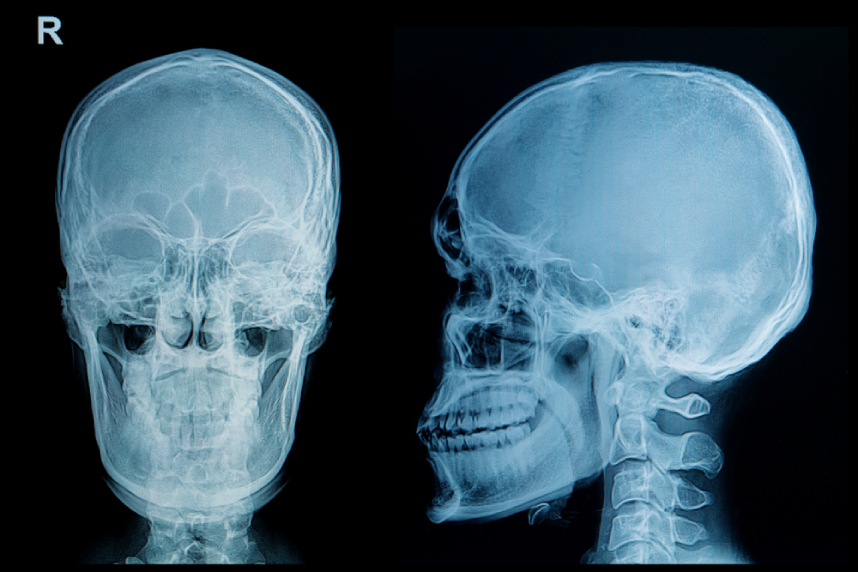
Brachycephaly is a condition characterized by flattening of the posterior area of the skull, caused by the position in which a baby spends most of their time: on their back. A slight bulging of the forehead and a certain degree of facial asymmetry may also be observed.
A baby's skull is made up of bone plates with a texture that is still soft after birth, which is why it can change shape under this type of pressure. Brachycephaly is a common condition in infants and can be diagnosed either in isolation or in combination with plagiocephaly.
Treatment solutions for a diagnosis of brachycephaly in babies are recommended only following a consultation with a specialist doctor, depending on the severity of the condition. Find out more about the causes, types, and treatment of brachycephaly below.
TABLE OF CONTENTS:
1. Brachycephaly: the main causes
2. How does brachycephaly manifest?
4. Brachycephaly in babies: treatment
5. How can brachycephaly be prevented?
Brachycephaly: the main causes
Brachycephaly can occur when the shape of the skull is subjected to a certain level of pressure that inhibits the normal development of that area. As mentioned in the introduction, most cases of brachycephaly are caused by the baby's back-lying position, however there are also other factors (occurring during pregnancy or after birth) that can cause this deformity.
1.1. Causes of positional brachycephaly
Flattening of the posterior area of a baby's skull can occur when the baby is kept on their back for a long time, whether awake or during sleep. Maintaining the same position for a significant period of time causes a certain level of pressure on the same area.
Moreover, as that area becomes much flatter than it should normally be, the baby may be much calmer in that position, due to a certain level of comfort they feel. Moving them onto one side or the other might bother them, which is why parents may tend to leave them in the position in which the little one is much calmer.
Also, keeping the baby in a back-lying position is preferred as a result of recommendations from neonatologists, against Sudden Infant Death Syndrome (SIDS). There are numerous studies supporting the idea that sleeping on the back is one of the safest measures for reducing the risk of SIDS in babies under 1 year of age (including babies born prematurely).
1.2. Causes of congenital brachycephaly
Lack of head control. A baby's not-yet-formed muscles cannot support a change in head position away from the one in which there is pressure on the posterior area.
Compression of the skull during birth. In order to pass through the birth canal, the fetal skull can be compressed upon contact with the walls of this area, resulting in a reduced diameter. Also, positioning in the womb can cause the development of brachycephaly.
Low level of amniotic fluid. When there is not an optimal amount of fluid in the amniotic sac, the level of cushioning against impact with the uterine walls is lower. For this reason, there may be increased pressure on a fetus's skull.
Occasionally, brachycephaly can be caused by premature fusion of the cranial sutures - craniosynostosis. However, this is a rare abnormality, present in approximately 3-5 cases per 10,000 newborns. It is corrected through open skull surgery or through minimally invasive endoscopy.
Brachycephaly can also be associated with an extensive list of syndromes:
- Apert syndrome;
- Carpenter syndrome;
- Cornelia de Lange syndrome;
- Larsen syndrome;
- Down syndrome;
- Roberts syndrome.
2. How does brachycephaly manifest?
It is normal for a baby's head shape to differ from the normal one due to the still-developing structure of its component elements. In most cases, however, the skull should take on a normal shape within approximately six weeks after birth.
However, there are also cases in which the posterior area retains the same flat appearance, without progressively taking on a slightly curved shape. The head may also be abnormally wide, while the forehead may be asymmetric.
Brachycephaly can also manifest through facial asymmetry - compared to the size of the head, the face is much smaller, which can result in a pointed head appearance. There may also be a unilateral flattening of the parieto-occipital area, a condition known as plagiocephaly.
3. Diagnosing brachycephaly
This common condition in babies can be diagnosed following a thorough physical evaluation, within our pediatric orthopedics department. In rare cases, a CT scan of the baby's skull may also be performed to confirm the diagnosis of brachycephaly, since its manifestations are similar to those of craniosynostosis.
The specialist can determine the severity level of a case of brachycephaly based on the value of the cephalic index. Its value is given by the ratio between the width (biparietal diameter - BPD) and the length (occipitofrontal diameter - OFD) of the skull, multiplied by 100.
CALCULATION FORMULA Cephalic Index % = BPD / OFD * 100
Based on the result, the condition can be classified into one of three severity levels:
3.1. Mild brachycephaly - under 90%
- head dimensions are within normal asymmetry limits.
3.2. Moderate brachycephaly - 90-93%
- minimal posterior flattening;
- no other observable changes;
3.3. Severe brachycephaly - over 93%
- significant posterior flattening;
- abnormally wide-looking head;
- face dimensions much smaller compared to those of the head.

4. Brachycephaly in babies: treatment
The specialist doctor is the one who will determine the appropriate actions to correct the manifestations of brachycephaly, depending on the severity of the case and your baby's age.
4.1. Baby positioning techniques
The specialist doctor may recommend a series of essential tips aimed at changing the baby's position at different key moments during the day:
- while sleeping;
- while feeding;
- while changing their diapers;
- while going outside.
You have at your disposal a series of strategic positions developed specifically to effectively address the specific manifestations of brachycephaly and plagiocephaly, especially in the case of mild forms of these head conditions.
4.2. Cranial remodeling orthosis
The cranial remodeling orthosis is a device that can ensure a symmetrical and proportionate head shape, for babies diagnosed with brachycephaly and/or plagiocephaly. The cranial remodeling orthosis can also be recommended during the postoperative recovery period in the case of a craniosynostosis diagnosis.
This solution has a personalized shape, obtained by making a mold of the head shape. Thanks to the lightweight and comfortable materials, as well as the reduced weight provided by this cranial remodeling helmet, the level of discomfort is minimal.
A quality product allows an optimal fit, through a velcro fastening system. It also has several ventilation holes, thus avoiding overheating of the head. The specialist doctor is the one who will determine the wearing duration of a cranial remodeling orthosis, based on observations made during periodic check-ups.
5. How can brachycephaly be prevented?
Here are a number of recommendations that can help prevent the development of brachycephaly:
- make sure the baby also spends time on their tummy while awake; this position is not only recommended to avoid flattening of the head, but it also allows the little one to develop their strength and motor skills from an early age;
- keep the little one in an upright position, in your arms or in a carrier;
- hang colorful toys or suitable sound and light sources for the little one from the crib walls so that the baby is distracted by them, thus changing the position of their head on the mattress surface.
You can find here a detailed list of individual service prices. However, any correct recovery process is based on a mixed plan of therapies and procedures, personalized according to the condition, stage, patient profile, and other objective medical factors.
Therefore, in order to set up a treatment plan, with the therapies involved, the periods, and the associated cost of the plan, please make an appointment for an initial consultation. Find out the latest news by following the Facebook, Instagram, and YouTube accounts of Centrokinetic clinic.
REFERENCES:
1. Waddell, Sandie. "What Is Brachycephaly and What Causes It?" Technology in Motion, [www.technologyinmotion.com/what-is-brachycephaly/](https://www.technologyinmotion.com/what-is-brachycephaly/). Published December 15, 2020. Accessed October 6, 2022
2. Health Jade Team. "Brachycephaly Definition, Causes, Symptoms, Diagnosis & Treatment". healthjade.net/brachycephaly/. Accessed October 6, 2022
3. Eunice Kennedy Shriver National Institute of Child Health and Human Development. "How Can I Reduce the Risk of SIDS?", U.S. Department of Health and Human Services, [www.nichd.nih.gov/health/topics/sids/conditioninfo/reduce](https://www.nichd.nih.gov/health/topics/sids/conditioninfo/reduce). Last Reviewed September 9, 2019. Accessed October 6, 2022
4. TM;, Iversen JK;Kahrs BH;Torkildsen EA;Eggebø. "Fetal Molding Examined with Transperineal Ultrasound and Associations with Position and Delivery Mode." American Journal of Obstetrics and Gynecology, U.S. National Library of Medicine, pubmed.ncbi.nlm.nih.gov/32585224/. Published December, 2020. Accessed October 6, 2022
5. Technology In Motion Team. "Brachycephaly." Technology in Motion. [www.technologyinmotion.com/flat-head-syndrome/brachycephaly/](https://www.technologyinmotion.com/flat-head-syndrome/brachycephaly/). Published May 5, 2020. Accessed October 6, 2022
MAKE AN APPOINTMENT
FOR AN EXAMINATION
See here how you can make an appointment and the location of our clinics.
MAKE AN APPOINTMENT
BUCHAREST TEAM


























































CLUJ NAPOCA TEAM
































BRASOV TEAM


















Asiguratori privati





Parteneriate



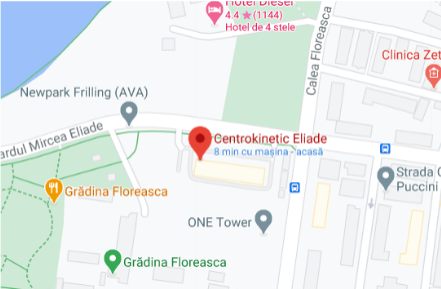
CENTROKINETIC FLOREASCA
Bucharest, 1st District,
Mircea Eliade Street, no. 18,
Eliade Tower, Entrance A, Floor 3
| Navigation | Explore 3D |
CENTROKINETIC Barbu Vacarescu
Bucharest, 2nd District,
Barbu Vacarescu Street, no. 102,
102 The Address, ground floor.
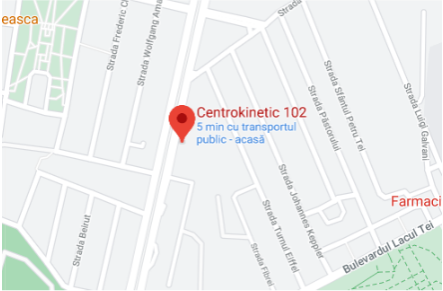
| Navigation | Explore 3D |
CENTROKINETIC MILITARI
Bucuresti, Sector 6,
Bld. Iuliu Maniu, nr. 15G,
Cladirea PBT, etaj 3.
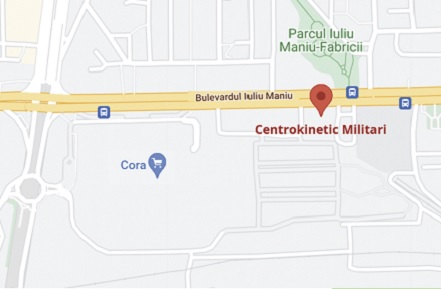
| Navigation |
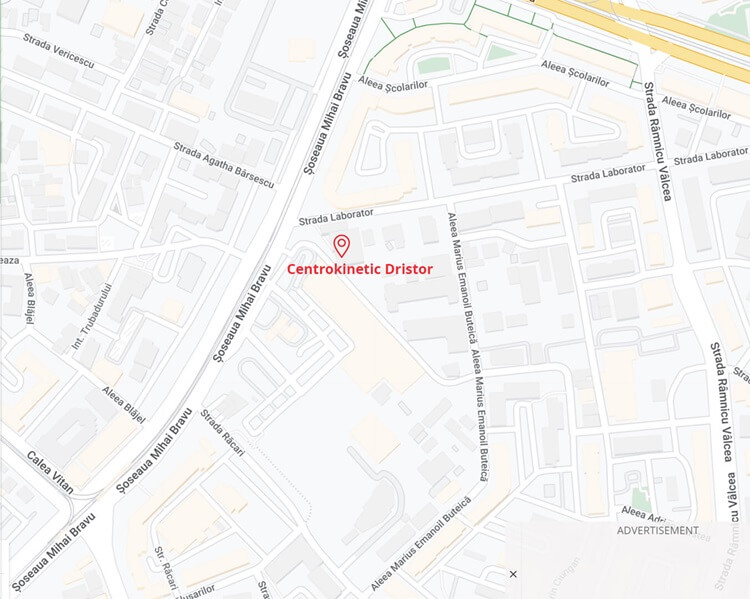
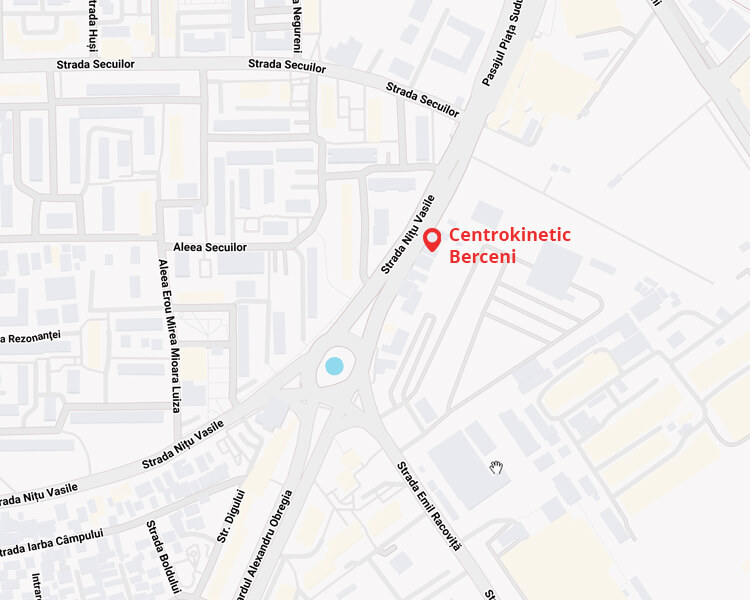
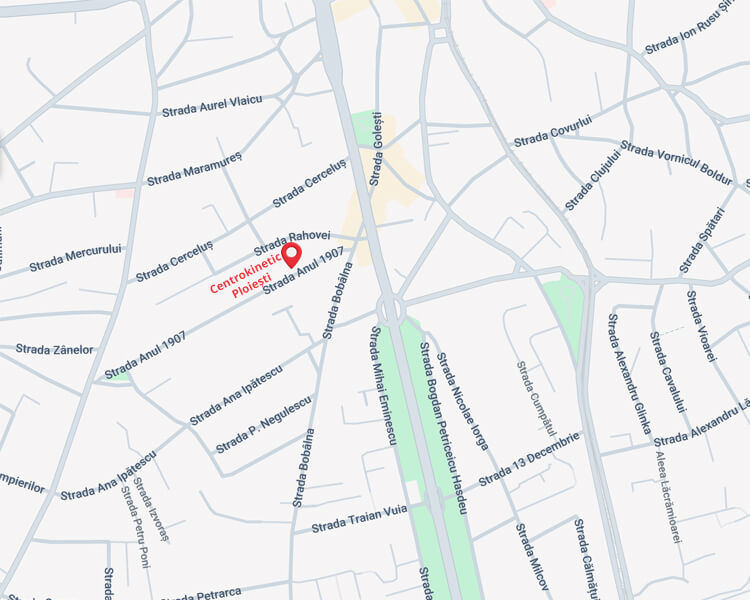
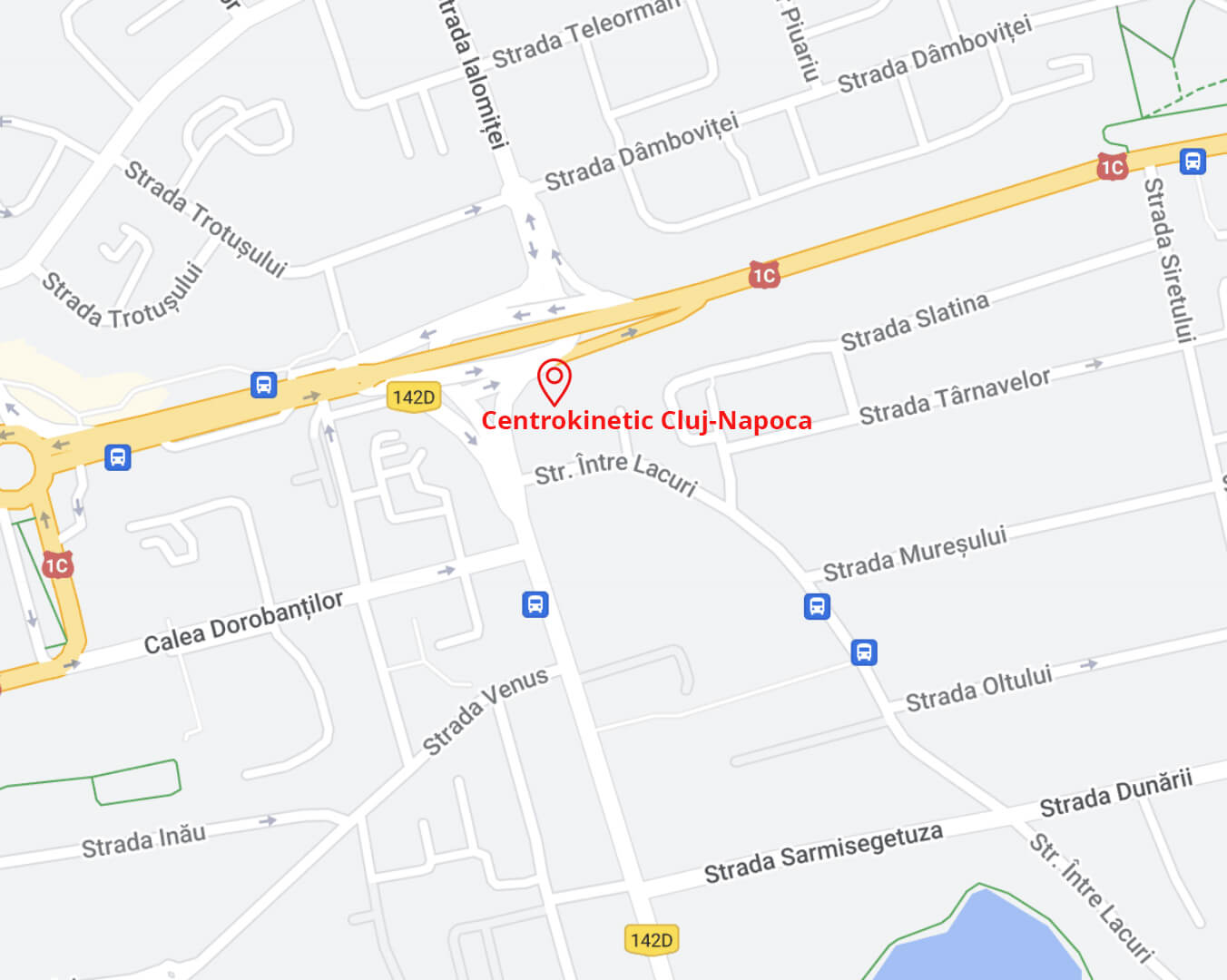
CENTROKINETIC CLUJ-NAPOCA
Cluj-Napoca,
Str. Intre Lacuri, nr.1
Intrarea este in spatele cladirii.
| Navigation |
SOCRATES CLINIC TIMISOARA
Timisoara, Calea Martirilor 1989,
nr. 1.
Telefon: 0371 785 374.
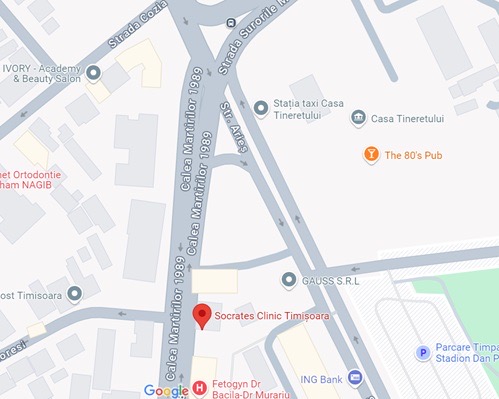
| Navigation |
CONTACT
Phone: 0319693
E-mail: programari@centrokinetic.ro
Operating hours:
Monday – Friday: 07:00 – 21:00
Saturday: 09:00 – 14:00
Sunday: closed.
MAKE AN APPOINTMENT