
See details
READ MORE


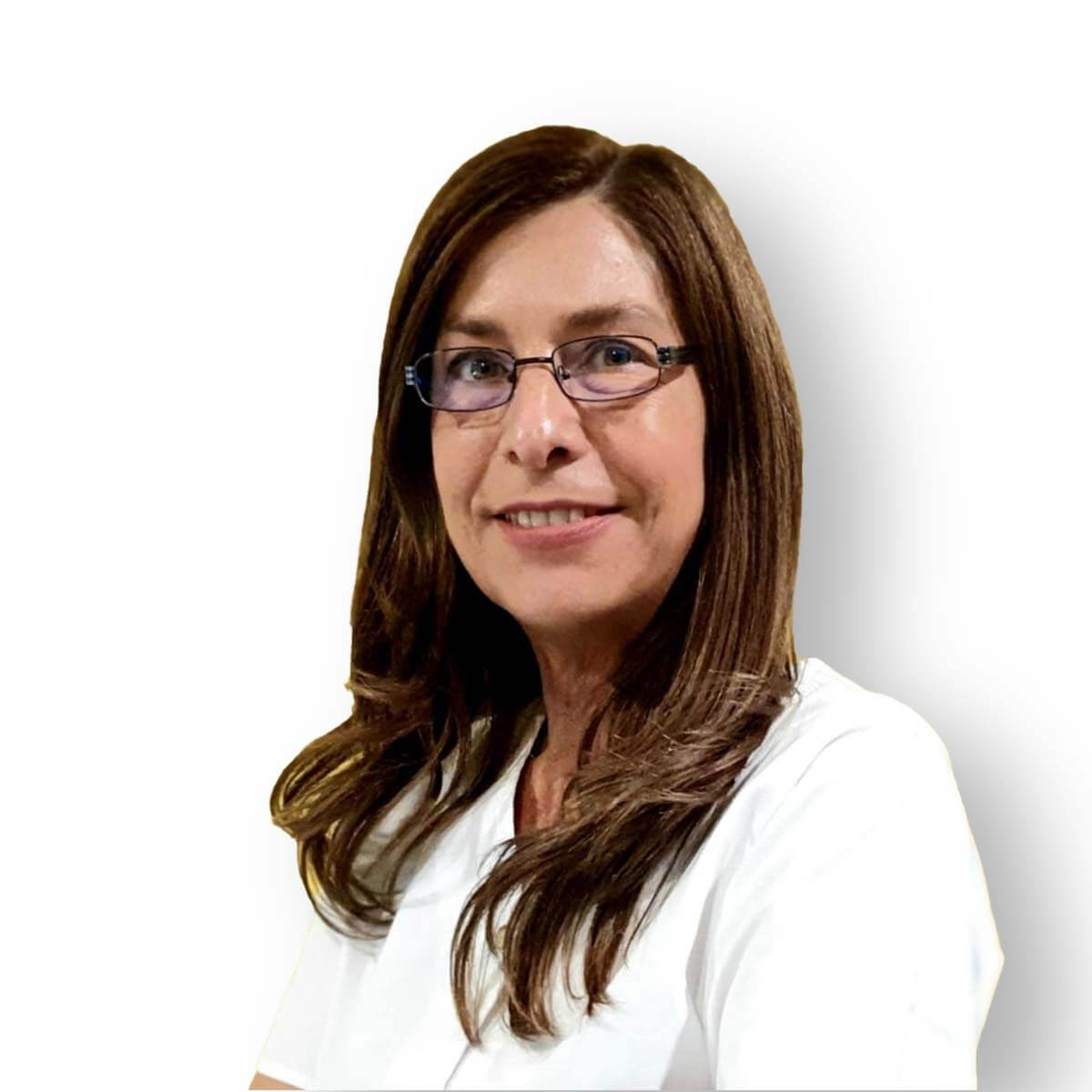
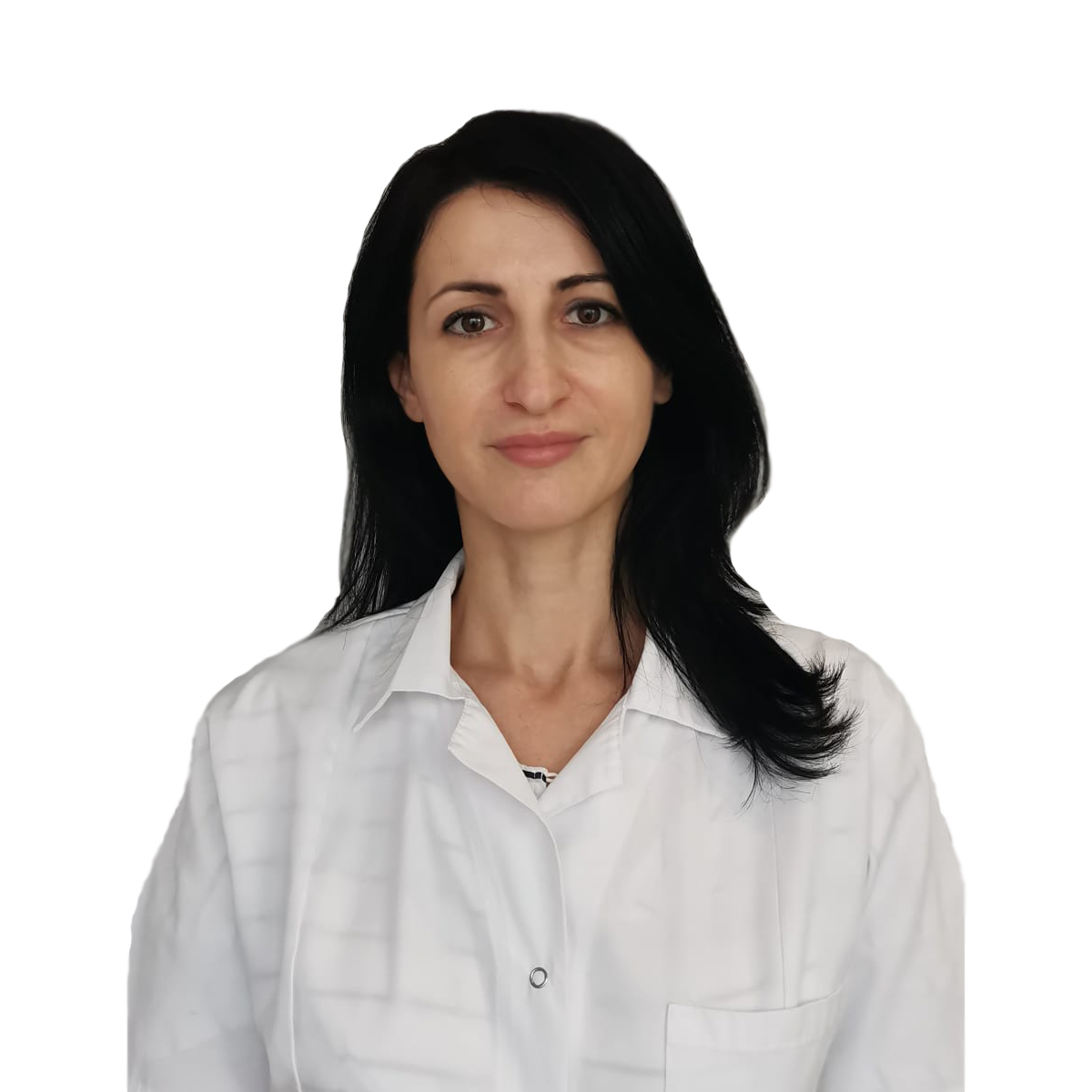
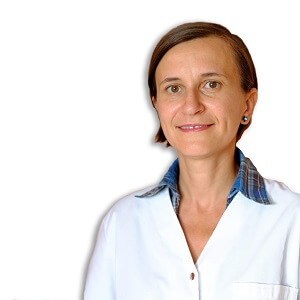
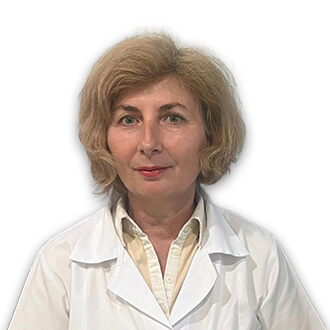
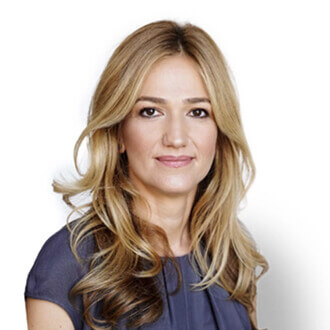
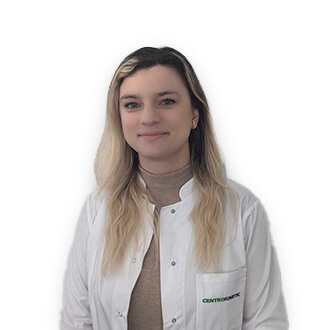
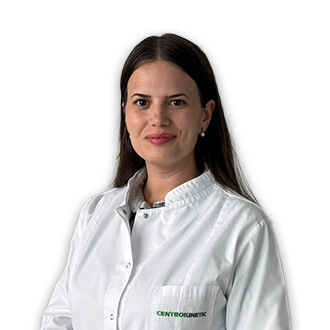
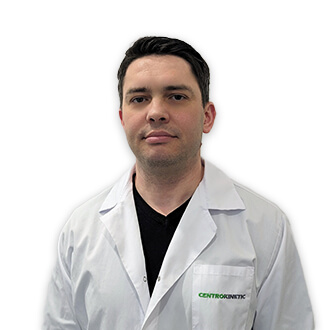
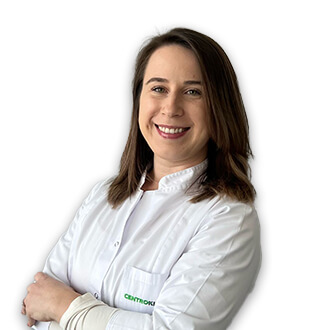
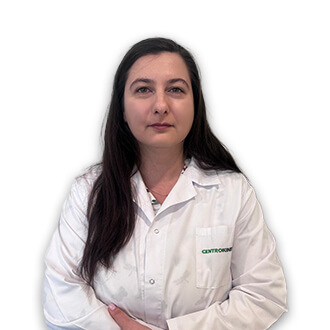
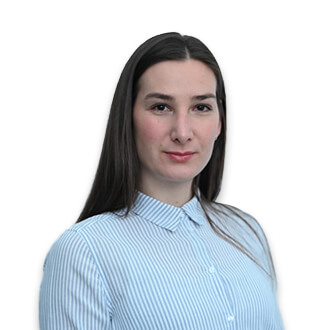
This article was written by dr. Aursulesei Ruxandra, pediatric neurologist with extensive experience in diagnosing and treating neurological conditions. Pediatric neurology plays an important role in the periodic neurological evaluation of children born prematurely, as well as of all newborns at risk of developing neurological sequelae, with the goal of early detection and treatment of any impairment of the nervous system.
In short, BHS is an event in which the child cries/starts to cry, then holds their breath for a few seconds.
A BHS episode lasts anywhere from a few seconds to a maximum of one minute.
BHS can occur from the first weeks of life and stops around the age of 8. Some authors also describe cases at the age of 14.
They can occur anywhere from several episodes a day to a few episodes a year.
No. There are 2 types of BHS:
Yes. In children with BHS, there is a positive family history of similar episodes in 23-38% of cases.
No, a BHS episode does not cause brain damage.
No, BHS does not mean epilepsy.
The risk of developing epilepsy is the same as in the general population.
Yes. In adolescence, there is a risk of the occurrence of syncope, behavioral disorders, anger episodes, and conversion disorders.
Centrokinetic is well prepared for this specialty, with a team of experienced doctors and the necessary equipment for diagnosis, monitoring, and treatment. Find out more about pediatric neurology and book an appointment at Centrokinetic here.
See details
READ MORESee details
READ MORESee details
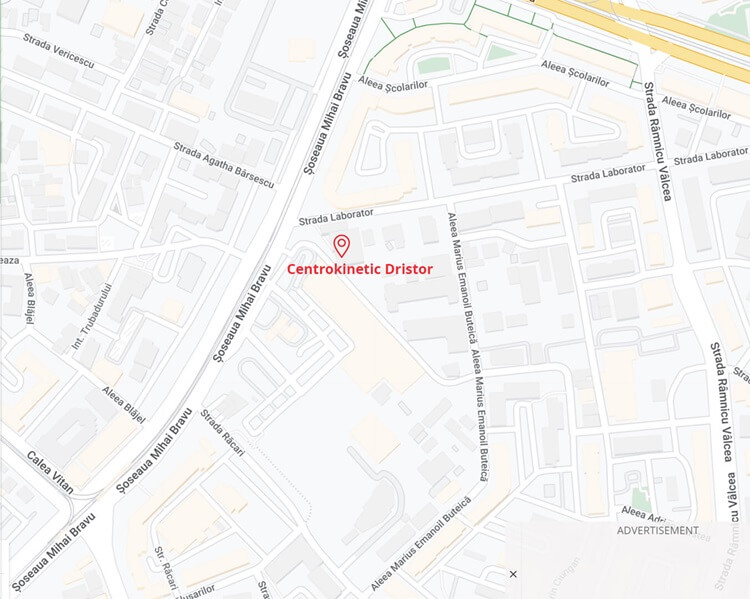
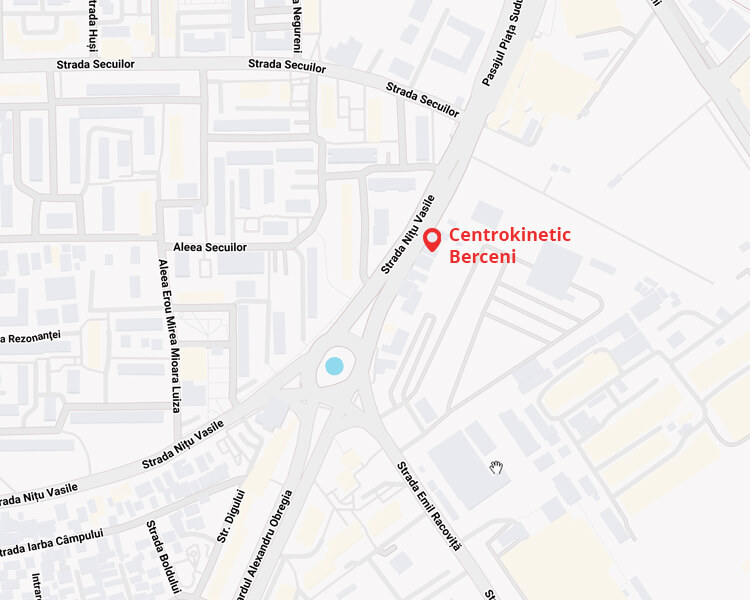
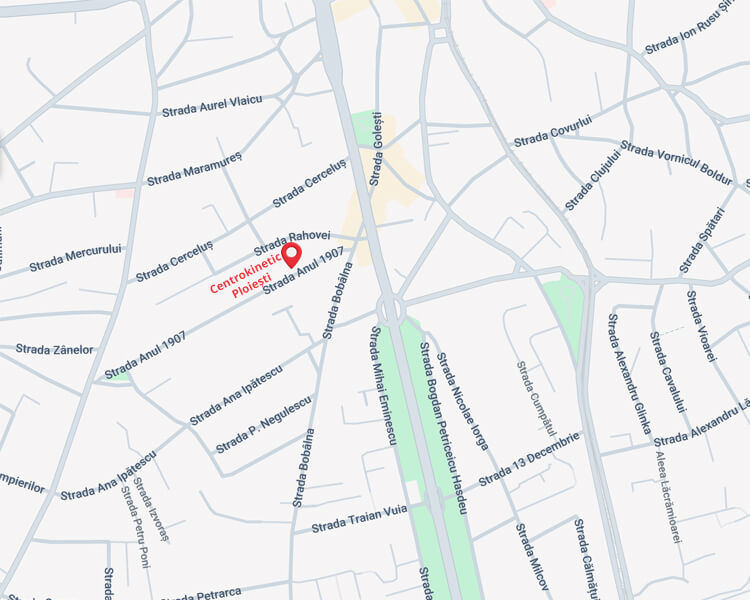
READ MORESee here how you can make an appointment and the location of our clinics.







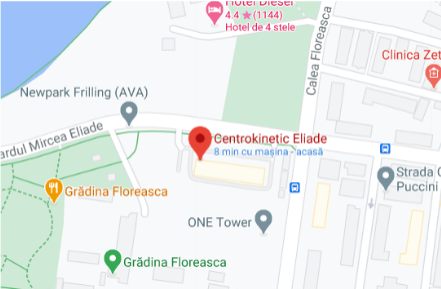
CENTROKINETIC FLOREASCA
Bucharest, 1st District,
Mircea Eliade Street, no. 18,
Eliade Tower, Entrance A, Floor 3
| Navigation | Explore 3D |
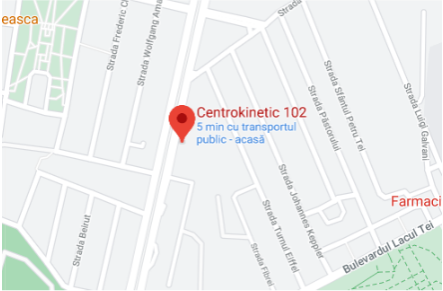
CENTROKINETIC Barbu Vacarescu
Bucharest, 2nd District,
Barbu Vacarescu Street, no. 102,
102 The Address, ground floor.
| Navigation | Explore 3D |
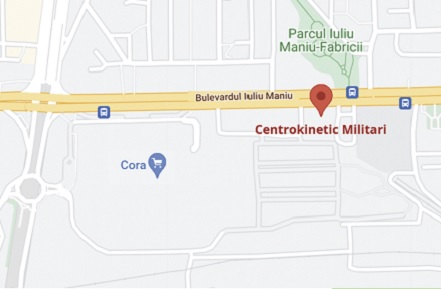
CENTROKINETIC MILITARI
Bucuresti, Sector 6,
Bld. Iuliu Maniu, nr. 15G,
Cladirea PBT, etaj 3.
| Navigation |
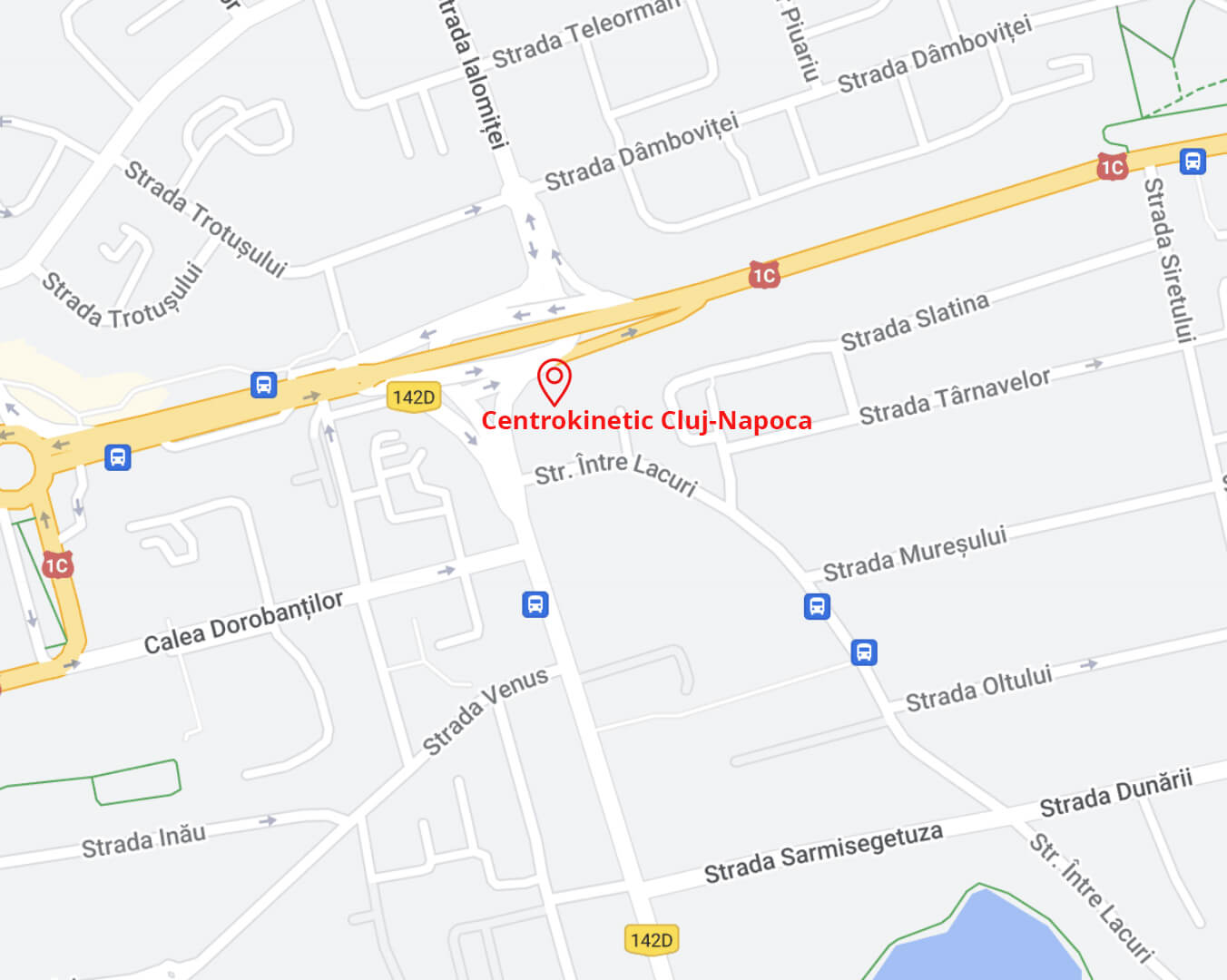
CENTROKINETIC CLUJ-NAPOCA
Cluj-Napoca,
Str. Intre Lacuri, nr.1
Intrarea este in spatele cladirii.
| Navigation |
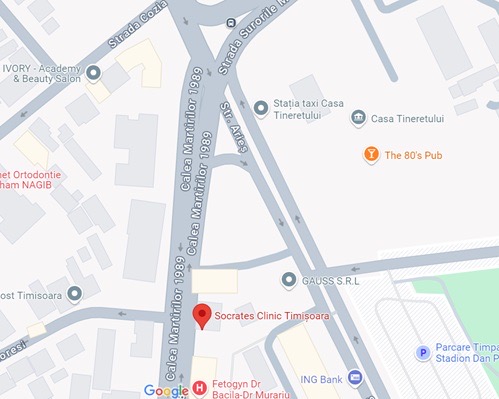
SOCRATES CLINIC TIMISOARA
Timisoara, Calea Martirilor 1989,
nr. 1.
Telefon: 0371 785 374.
| Navigation |
Phone: 0319693
E-mail: programari@centrokinetic.ro
Operating hours:
Monday – Friday: 07:00 – 21:00
Saturday: 09:00 – 14:00
Sunday: closed.
MAKE AN APPOINTMENT