Calcific tendinitis: Causes, symptoms, recommended treatments


Calcific tendinitis: Causes, symptoms, recommended treatments
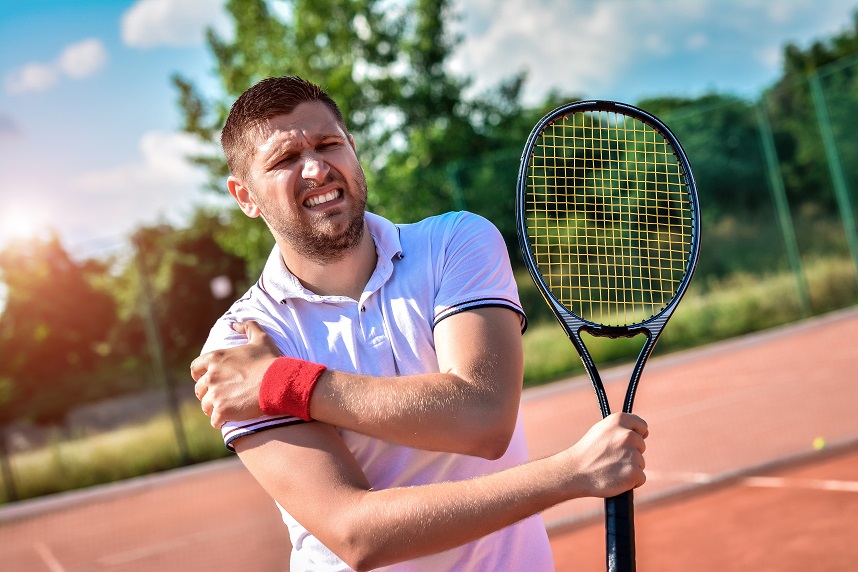
Tendons are bands of connective tissue that attach muscles to bones and play an important role in movement. Sometimes, calcium deposits build up in them, leading to a condition called calcific tendinitis.
Table of contents:
- What is calcific tendinitis?
- Causes and risk factors for calcific tendinitis
- Signs and symptoms of calcific tendinitis
- Diagnosis of calcific tendinitis
- Recommended treatments for calcific tendinitis
- Non-surgical treatment
- Surgical treatment
- Other recommendations
What is calcific tendinitis?
Calcific tendinitis is a painful condition caused by the presence of hydroxyapatite crystal deposits (a crystalline calcium phosphate) in the tendons. Although they can form in any tendon in the body, they usually appear in the shoulder, in the rotator cuff–a group of muscles and tendons that connect the arm to the shoulder. The presence of these calcium deposits in that area limits arm movement and can cause pain and discomfort, especially in the front and back of the shoulder and along the arm. In fact, this condition is also one of the most common causes of shoulder pain.
There are four stages that can be described in the calcification of this muscle group:
- the precalcification stage - cellular changes occur in the areas where calcium will later accumulate;
- the calcification stage - calcium deposits begin to build up on/in the tendons;
- the resorption stage - the process of resorbing the calcium deposits begins, this being the most painful part of the process;
- the postcalcification stage - the calcium deposits disappear, leaving a healthy tendon in their place.
Calcific tendinitis can also affect the Achilles tendon, which connects the calf muscle to the heel bone, as well as the wrist, the hip, the thigh, the knee, the ankle, and the foot. It can take months or even years for the calcium deposits to form. Calcific tendinitis most often affects people between the ages of 40 and 60, especially women.
Causes and risk factors for calcific tendinitis
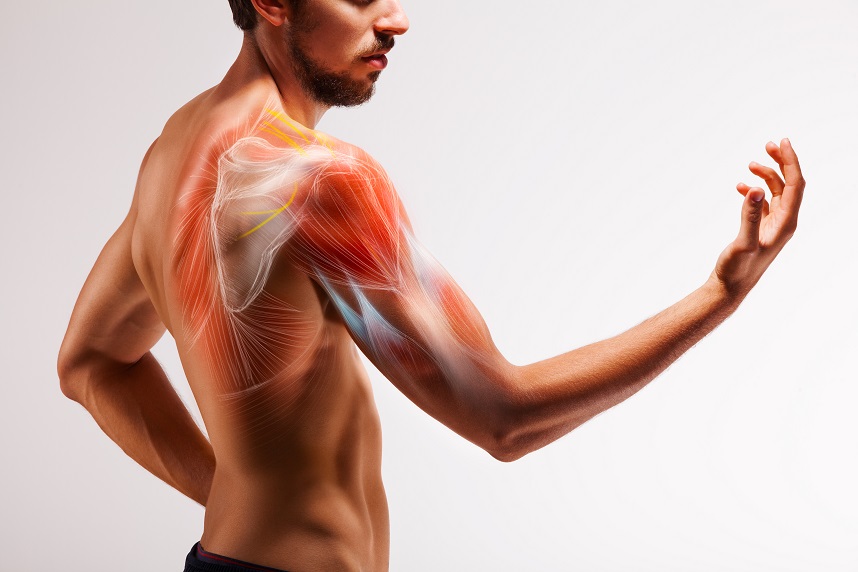
The causes of this calcification of the tendons that connect muscles to bones are not fully known. However, it is believed that calcium deposits may occur due to:
- genetic predisposition;
- abnormal cell growth;
- metabolic diseases, including diabetes;
- advancing age;
- tendon injuries;
- abnormal thyroid gland activity;
- anti-inflammatory agents produced by the body.
It has also been observed that it occurs more often in people who play sports or who spend a lot of time performing repetitive arm movements, up and down (e.g., painters, carpenters, tennis players).

Signs and symptoms of calcific tendinitis
Pain and discomfort in the affected area are the most common symptoms associated with calcific tendinitis. It should, however, be noted that a third of those affected notice no symptoms at all.
In other cases, symptoms are severe; those who suffer from this condition cannot move their arm, and the pain can prevent them from sleeping. Symptoms can appear suddenly or gradually.
Diagnosis of calcific tendinitis
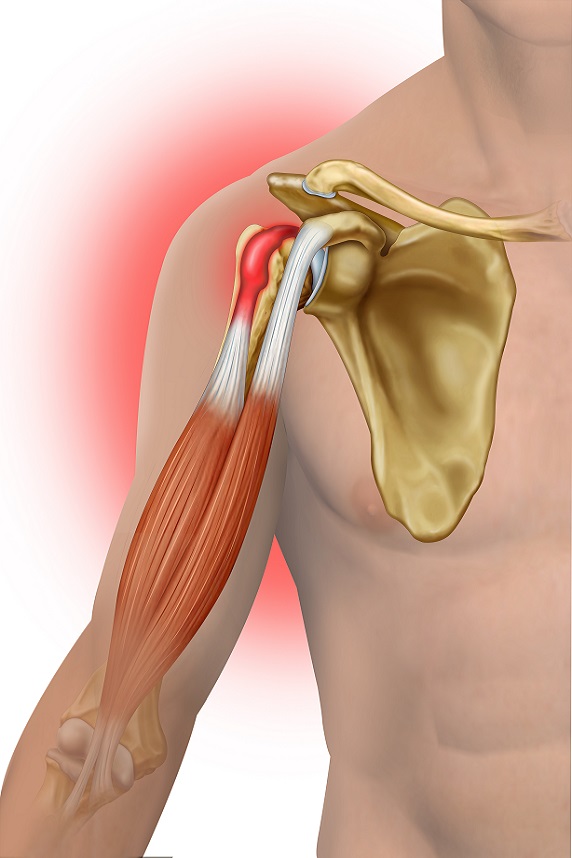
If the pain and discomfort do not go away, see a specialist. First, they will ask you questions about the signs and symptoms that are bothering you and your medical history. They will then perform a physical exam. You will also be asked to raise or rotate your arm to check whether your range of motion is affected. Usually, when your doctor has reason to believe you are suffering from calcific tendinitis, the physical exam is followed by imaging tests meant to reveal calcium deposits on the tendons or other abnormalities. An X-ray will show larger calcium deposits, while an ultrasound will help locate small deposits.
After the size of the deposits has been determined, a treatment plan for calcific tendinitis of the shoulder can also be developed.
Recommended treatments for calcific tendinitis
There are several types of treatment for this condition:
Non-surgical treatment
In most cases, certain medications and various physiotherapy procedures are used to treat calcific tendinitis. As for medication treatment, nonsteroidal anti-inflammatory drugs are usually prescribed to relieve symptoms. The doctor may also prescribe corticosteroid-based injections; these help relieve pain and reduce swelling.
Physiotherapy is often part of the recovery treatment for calcific tendinitis. Among the procedures that can be used in this case are:
- Extracorporeal shock wave therapy - this involves transmitting shock waves toward the area where the calcium deposits have accumulated in order to dissolve them; the higher the frequency of transmitting these shock waves, the more effective they will be; usually, this treatment is done once a week, for 3 weeks. At Centrokinetic, to generate and transmit the shock waves we use the most advanced device: the Storz Duolith.
- Ultrasound therapy - a usually painless procedure that involves directing high-frequency sound waves toward the calcium deposits on the tendons that connect the arm bone (humerus) to the shoulder muscles, in order to break them down.
Surgical treatment
In most cases, calcific tendinitis will be successfully treated without any surgery. However, approximately 10% of those who suffer from this condition will also need surgical treatment. Two types of procedures can be used to remove the calcium deposits:
- open surgery - an incision is made in the skin, muscle, tissue, and tendons, and the deposit is removed manually;
- arthroscopy - this involves making small incisions around the shoulder, through which an arthroscope and other medical instruments are inserted, used to locate and remove the calcium deposits from the rotator cuff.
Other recommendations
If you are looking for a natural treatment for calcific tendinitis of the shoulder, remember the acronym RICE. It is a treatment method that involves:
- Rest - avoid activities that worsen your symptoms; this does not mean complete bed rest, however, as you can do other exercises or activities that do not put pressure on the affected tendon;
- Ice - apply ice to the affected area to help relieve pain and inflammation;
- Compression - you can use elastic bandages to compress the area;
- Elevation - keep your shoulder raised with the help of a pillow while you rest.
All of the above can help speed up recovery and prevent other problems. [5]
Whether or not surgery is needed, physical therapy is recommended in most cases. Before surgery, treatment starts with gentle exercises, to restore movement in the affected shoulder, after which other types of exercises are gradually introduced. Your doctor, kinesiotherapist, or physiotherapist will recommend the ones suitable for you. If surgery is necessary, recovery time varies from person to person, depending on the number, size, and location of the calcium deposits. In general, recovery after arthroscopy is faster than after open surgery. Physical therapy sessions are recommended for 6 to 8 weeks.
Calcific tendinitis can be quite a painful condition that limits a person's ability to move. Some people, however, show no symptoms at all. Most cases can be treated with quick and simple medications and physiotherapy procedures. In more severe cases, surgery, open or arthroscopic, may be necessary, followed by physical therapy.
It is important not to ignore the symptoms, if they exist, since, in the absence of treatment, complications such as a rotator cuff tear and frozen shoulder can occur. When the tendons are irritated, other problems can also occur, such as, for example, a synovial cyst.
Centrokinetic is the place where you will find clear answers and effective solutions for musculoskeletal conditions. Our clinic, dedicated to musculoskeletal disorders, is organized into the following specialized departments:
- Orthopedics, a department composed of a highly experienced team of orthopedic surgeons specializing in sports traumatology.
- Pediatric Orthopedics, where sports injuries in children (ligament and meniscus injuries), spinal deformities (scoliosis, kyphosis, hyperlordosis), and foot deformities (hallux valgus, hallux rigidus, equinovarus foot, flatfoot, cavus foot) are treated.
- Neurology, featuring a state-of-the-art department where consultations, electroencephalograms (EEG), and electromyography (EMG) examinations are performed.
- Medical Rehabilitation for adults and children, a department specialized in the rehabilitation of professional athletes, spinal disorders, and children with neurological and traumatic conditions. Our extensive experience includes treating more than 5,000 professional athletes.
- Medical Imaging, with the clinic equipped with ultrasound and MRI systems dedicated to musculoskeletal conditions, complemented by an experienced radiologist, Dr. Cosmin Pantu, specialized in musculoskeletal imaging.
- Rheumatology, a comprehensive department dedicated to the diagnosis, treatment, and rehabilitation of patients with non-surgical musculoskeletal disorders.
- Vascular Surgery, a highly specialized department focused on the diagnosis and treatment of vascular diseases affecting arteries, veins, and lymphatic vessels.
- Psychology and Speech Therapy. Neurological and musculoskeletal conditions can have a psychological impact on patients, which is why we believe complete recovery requires addressing both the physical condition and its psychological consequences.
- Neurofeedback. This innovative method helps improve concentration, reduce anxiety, and achieve emotional balance through a simple and interactive process.
Stay up to date by following Centrokinetic on Facebook, Instagram, and YouTube.
MAKE AN APPOINTMENT
FOR AN EXAMINATION
See here how you can make an appointment and the location of our clinics.
MAKE AN APPOINTMENT
BUCHAREST TEAM
















CLUJ NAPOCA TEAM








BRASOV TEAM






Asiguratori privati




Parteneriate


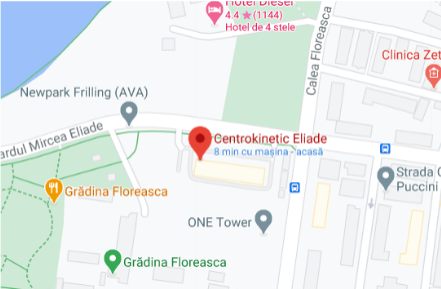
CENTROKINETIC FLOREASCA
Bucharest, 1st District,
Mircea Eliade Street, no. 18,
Eliade Tower, Entrance A, Floor 3
| Navigation | Explore 3D |
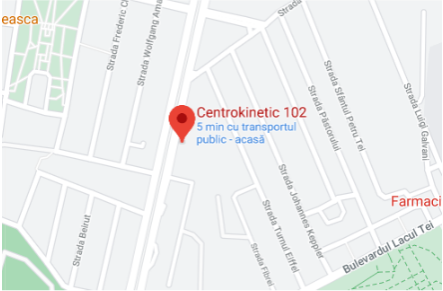
CENTROKINETIC Barbu Vacarescu
Bucharest, 2nd District,
Barbu Vacarescu Street, no. 102,
102 The Address, ground floor.
| Navigation | Explore 3D |
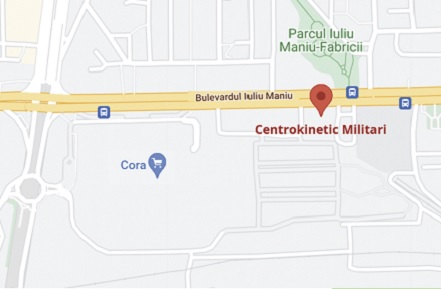
CENTROKINETIC MILITARI
Bucuresti, Sector 6,
Bld. Iuliu Maniu, nr. 15G,
Cladirea PBT, etaj 3.
| Navigation |
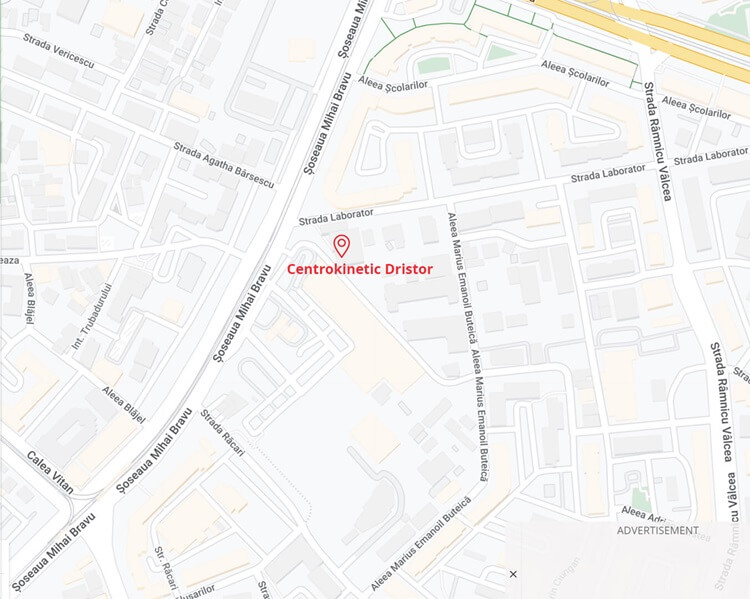
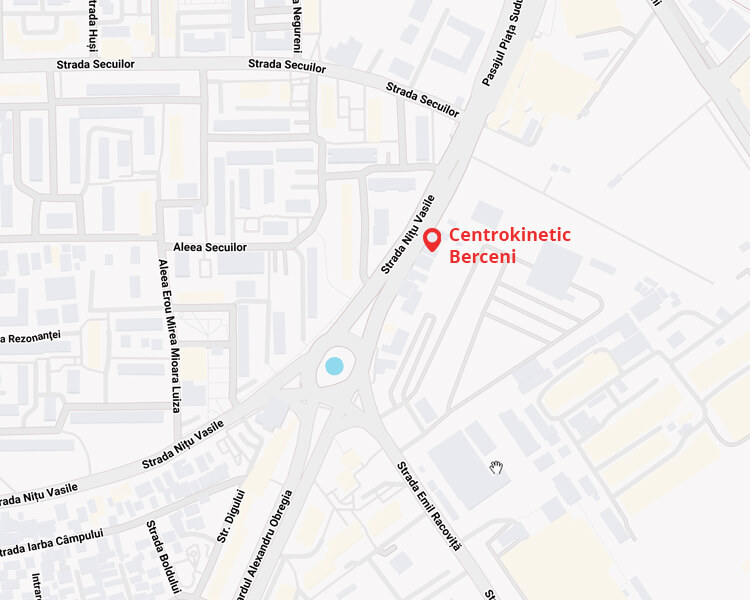
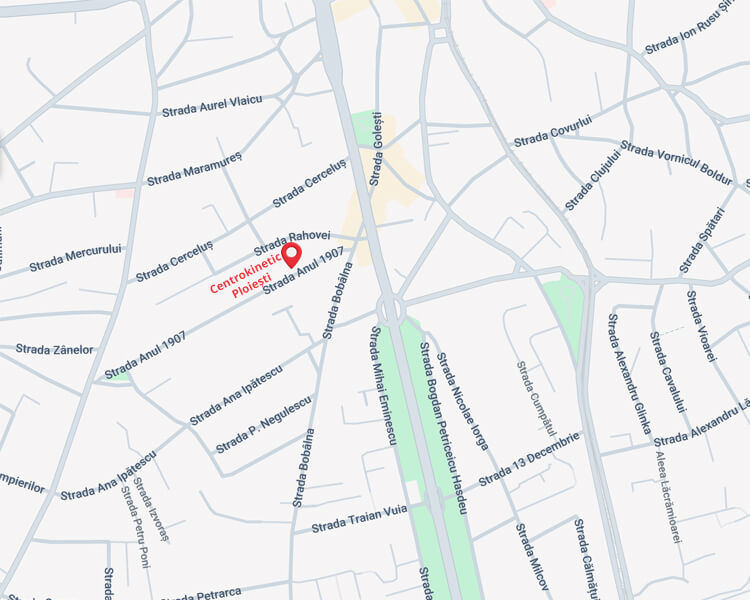
CENTROKINETIC CLUJ-NAPOCA
Cluj-Napoca,
Str. Intre Lacuri, nr.1
Intrarea este in spatele cladirii.
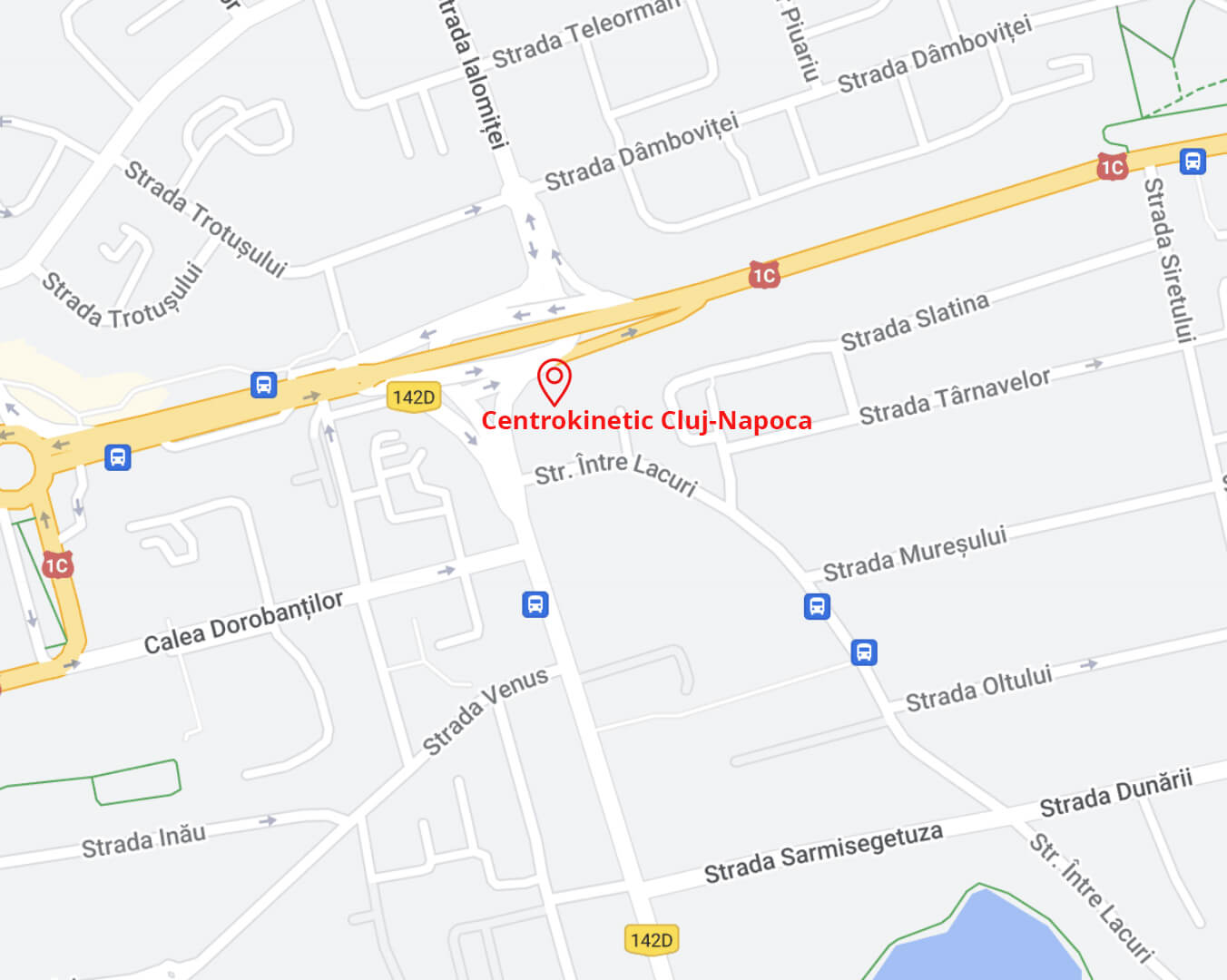
| Navigation |
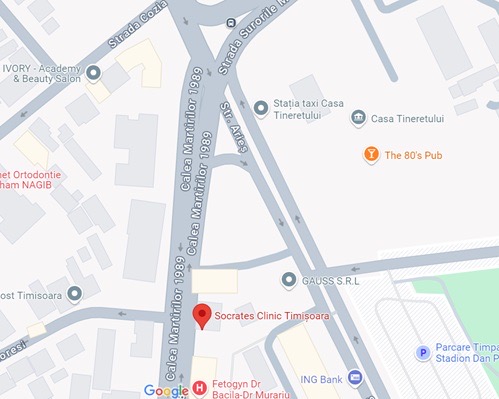
SOCRATES CLINIC TIMISOARA
Timisoara, Calea Martirilor 1989,
nr. 1.
Telefon: 0371 785 374.
| Navigation |
CONTACT
Phone: 0319693
E-mail: programari@centrokinetic.ro
Operating hours:
Monday – Friday: 07:00 – 21:00
Saturday: 09:00 – 14:00
Sunday: closed.
MAKE AN APPOINTMENT