What Does an Orthopedic Doctor Do and When Should You See One



Knee pain that appears when climbing stairs, a shoulder that limits your movements, or persistent back discomfort should not be ignored, especially if it affects your daily activities. Often, these symptoms indicate a problem that requires specialist evaluation.
The orthopedic doctor is the specialist who determines the cause of the pain and recommends the right treatment, whether it involves medical rehabilitation, conservative treatment, or, in certain cases, surgery.
The Orthopedic Doctor Diagnoses and Treats Conditions of the Musculoskeletal System
Orthopedics is the specialty that deals with conditions of the bones, joints, ligaments, tendons, and muscles. Traumatology, dedicated to injuries resulting from accidents or trauma, is also part of this specialty.
If you book an appointment at a clinic that offers orthopedics and traumatology services, the doctor can evaluate both conditions that developed gradually and problems caused by an injury.
The consultation begins with a discussion about symptoms and medical history, followed by a clinical examination. If necessary, the doctor may recommend investigations such as:
- an X-ray;
- a musculoskeletal ultrasound;
- an MRI;
- a CT scan, in specific situations.
The goal is to establish as accurate a diagnosis as possible and choose an appropriate treatment.
What Conditions Does an Orthopedic Doctor Most Often Treat?
The range of conditions is very varied, from degenerative problems to sports injuries or accidents.
The most common include:
- osteoarthritis of the knee or hip;
- meniscus injuries;
- ligament tears;
- tendinitis;
- bursitis;
- dislocations and sprains;
- fractures;
- herniated discs and other spinal conditions;
- rotator cuff tears.
For example, an active patient may notice knee instability after an injury, while a sedentary person may have persistent pain when walking or getting up from a seated position. Although the symptoms differ, both situations require evaluation to determine the cause.
Treatment Is Chosen Based on Diagnosis and the Severity of the Problem
Not all orthopedic conditions require surgery. In many cases, symptoms can be managed through conservative treatment and medical rehabilitation. The treatment plan may include:
- anti-inflammatory or analgesic medication;
- injections, when indicated;
- wearing a brace;
- physiotherapy;
- kinesiotherapy;
- temporarily adjusting the level of activity.
If the injury is severe or conservative treatment does not provide the desired results, the doctor may recommend surgery.
The most common procedures include:
- arthroscopy;
- ligament reconstruction;
- hip or knee replacement;
- procedures for certain spinal conditions.
After surgery, medical rehabilitation is part of the treatment process and helps restore joint mobility and function.
When Is an Orthopedic Consultation Recommended?
Scheduling an appointment with an orthopedic doctor is not only necessary in the case of fractures or accidents. It is recommended to seek a consultation if you notice:
- pain that persists for more than 1-2 weeks;
- limited movement of a joint;
- persistent swelling or redness in an area;
- a feeling that the joint is unstable;
- a joint locking during movement;
- pain that appeared after a fall or after playing a sport;
- symptoms that recur frequently and affect your activity.
Early evaluation can help identify the problem before it worsens and can reduce the recovery time needed.
How Do You Prepare for the Consultation?
A consultation is more effective when the doctor receives complete information about how the symptoms have evolved.
Before seeing the doctor, it is useful to prepare:
- previous investigations;
- a list of treatments followed;
- information about when the pain first appeared;
- activities that worsen or relieve the symptoms;
- any injuries you have suffered.
This information allows for a faster evaluation and helps establish an appropriate treatment plan.
Why Is It Important Not to Delay the Evaluation?
Many orthopedic conditions progress slowly. An untreated tendinitis can lead to a tear, while joint instability can accelerate cartilage wear. The earlier the diagnosis is made, the greater the chances that treatment will be less invasive and recovery faster.
If the pain persists, mobility is limited, or symptoms recur frequently, schedule a specialist evaluation. An accurate diagnosis and a tailored treatment plan can help reduce pain and safely resume daily activities.
Disclaimer: This article is for informational purposes only and does not replace a specialist medical consultation.
Sources
- Altomara, Deanna. "Orthopedic Doctor: What They Do and When to See One." WebMD, 18 Dec. 2020.
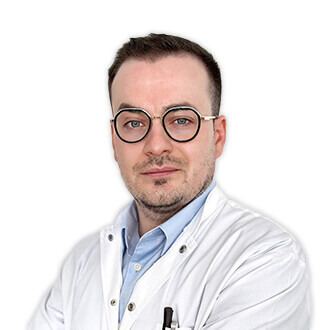
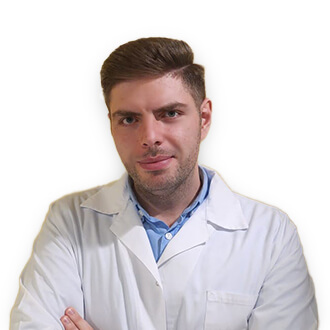
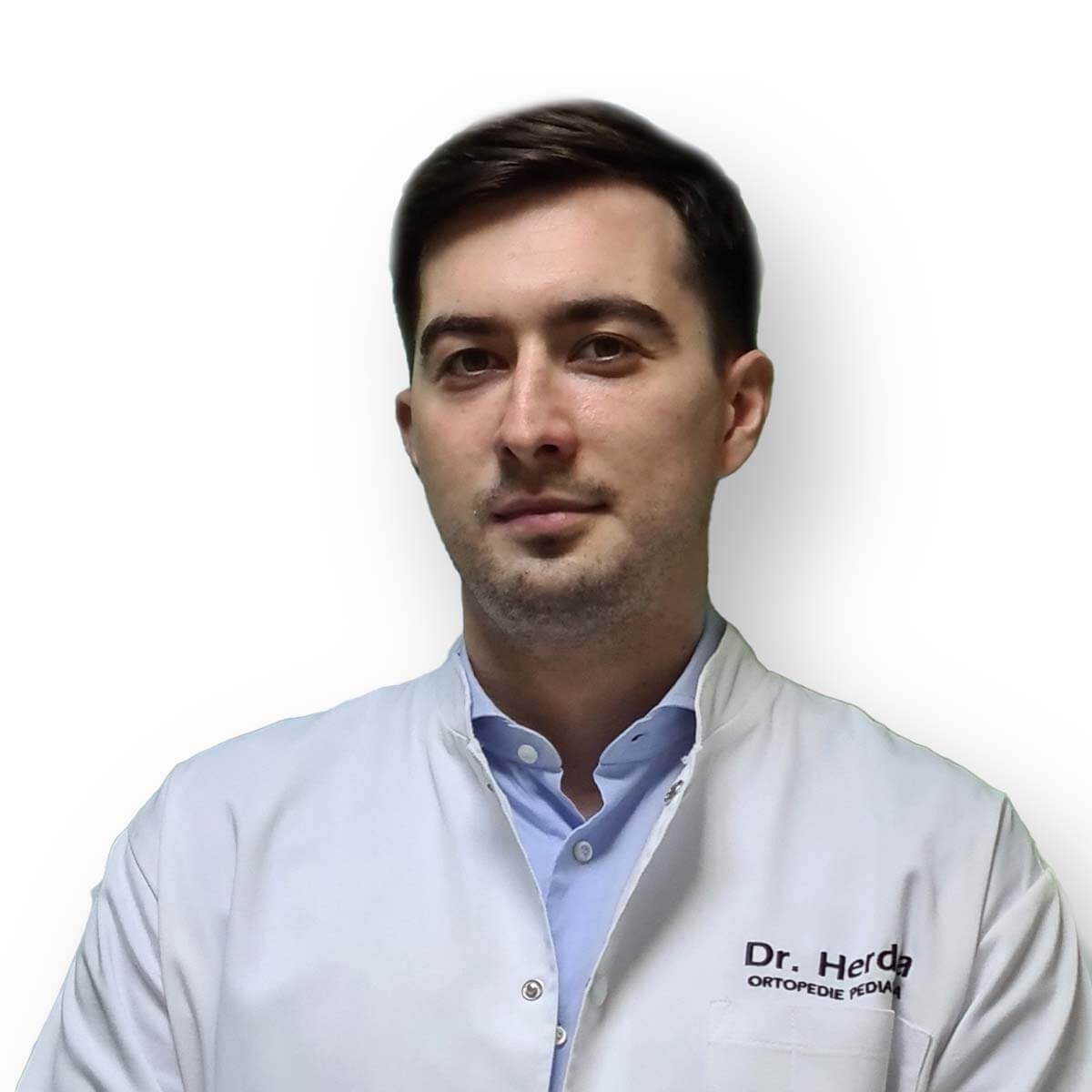
BUCHAREST TEAM


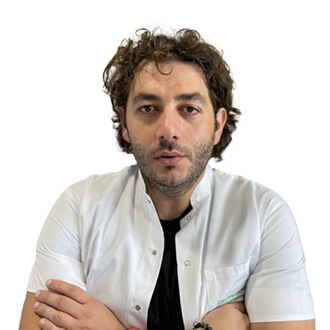

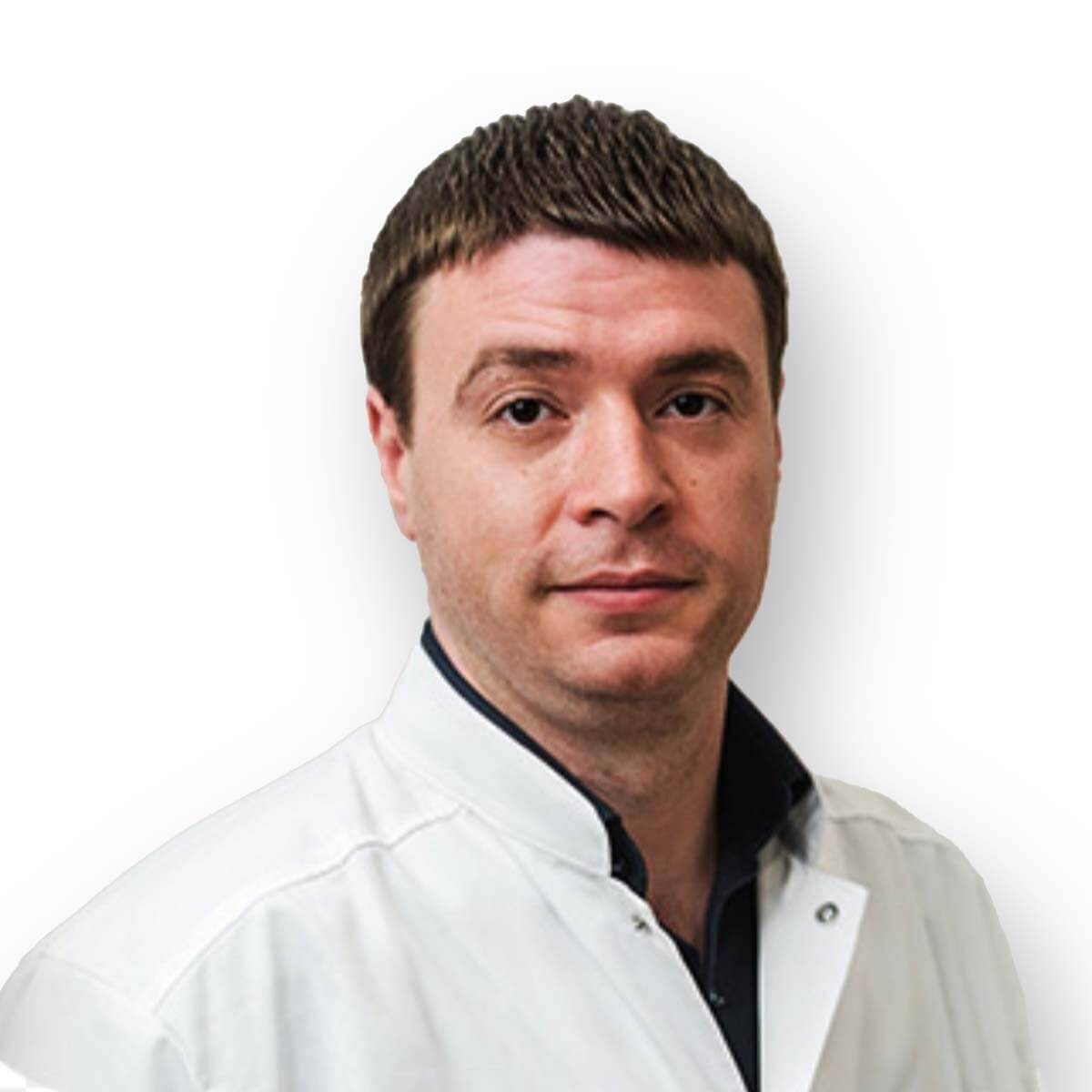
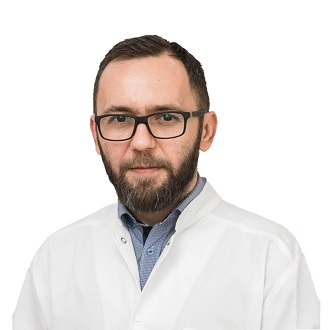





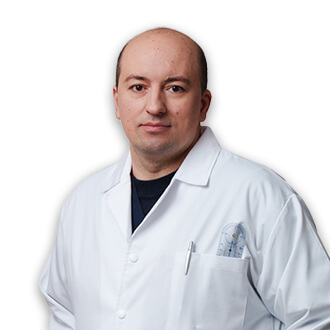



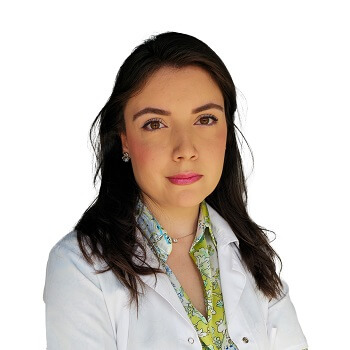


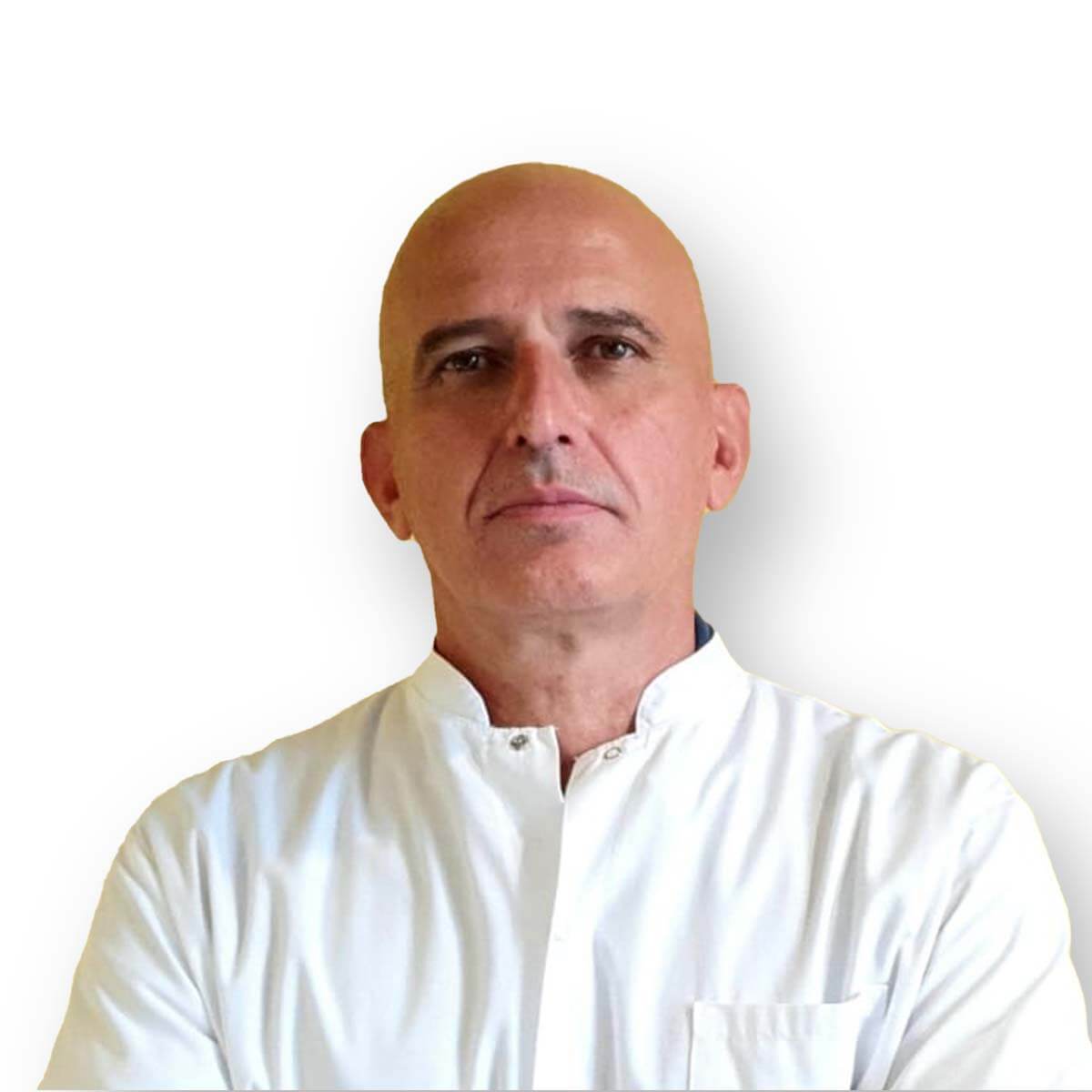





































CLUJ NAPOCA TEAM


























BRASOV TEAM












MAKE AN APPOINTMENT
FOR AN EXAMINATION
See here how you can make an appointment and the location of our clinics.
MAKE AN APPOINTMENT
Asiguratori privati





Parteneriate



CENTROKINETIC FLOREASCA
Bucharest, 1st District,
Mircea Eliade Street, no. 18,
Eliade Tower, Entrance A, Floor 3
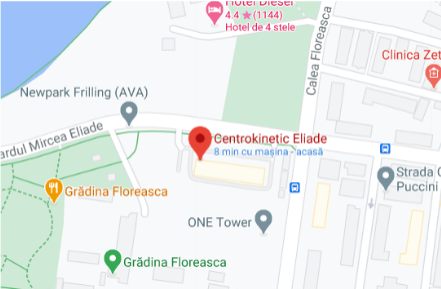
| Navigation | Explore 3D |
CENTROKINETIC Barbu Vacarescu
Bucharest, 2nd District,
Barbu Vacarescu Street, no. 102,
102 The Address, ground floor.
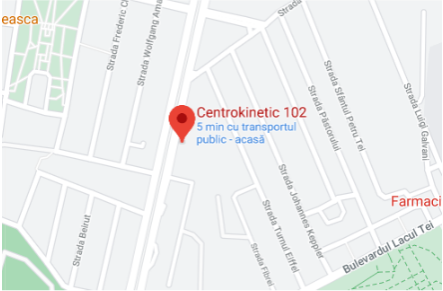
| Navigation | Explore 3D |
CENTROKINETIC MILITARI
Bucuresti, Sector 6,
Bld. Iuliu Maniu, nr. 15G,
Cladirea PBT, etaj 3.
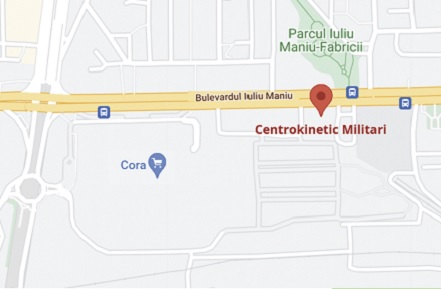
| Navigation |
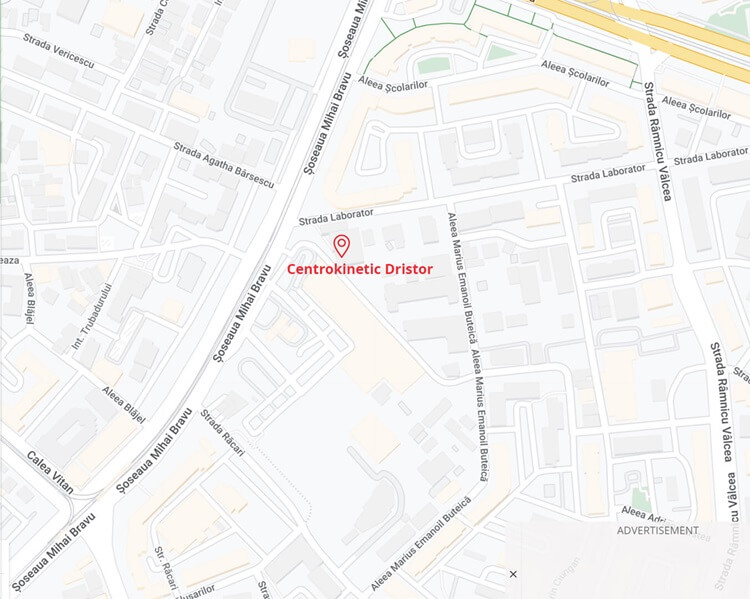
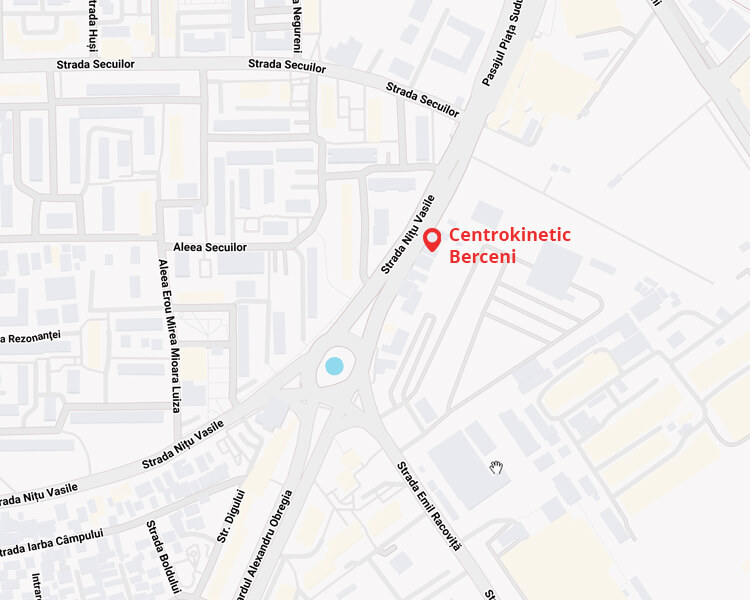
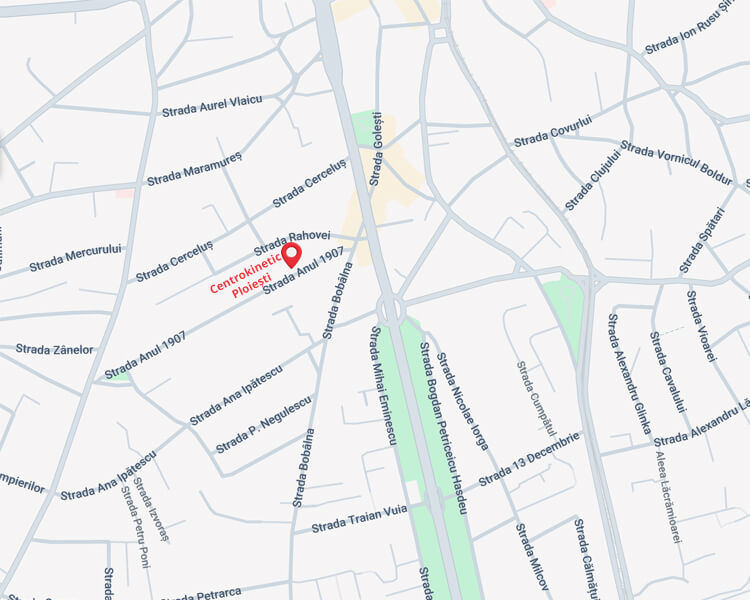
CENTROKINETIC CLUJ-NAPOCA
Cluj-Napoca,
Str. Intre Lacuri, nr.1
Intrarea este in spatele cladirii.
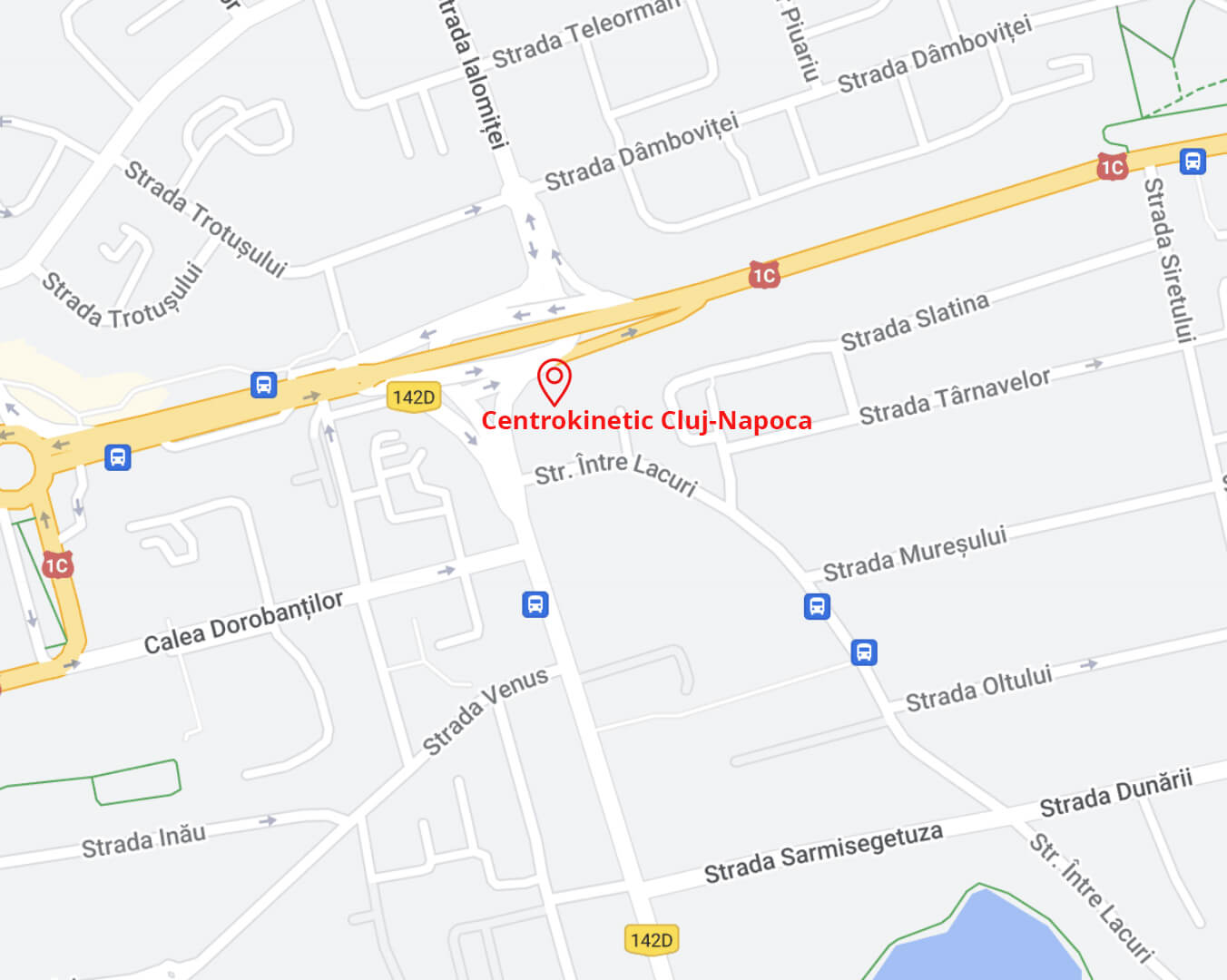
| Navigation |
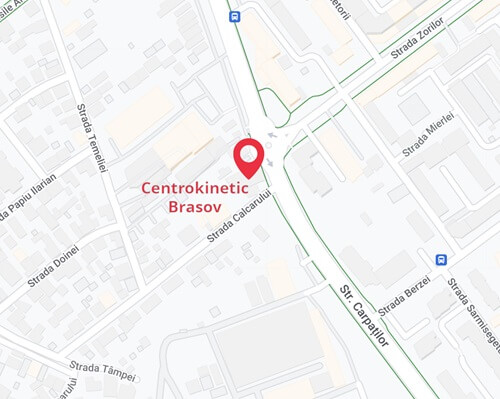
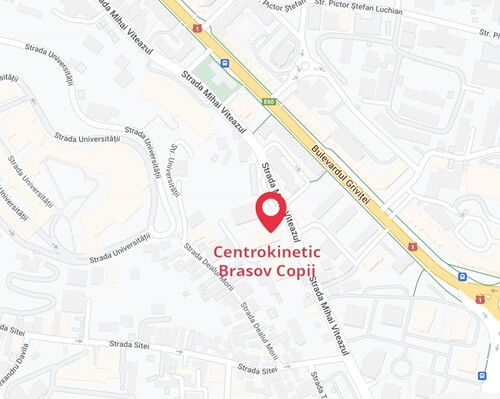
SOCRATES CLINIC TIMISOARA
Timisoara, Calea Martirilor 1989,
nr. 1.
Telefon: 0371 785 374.
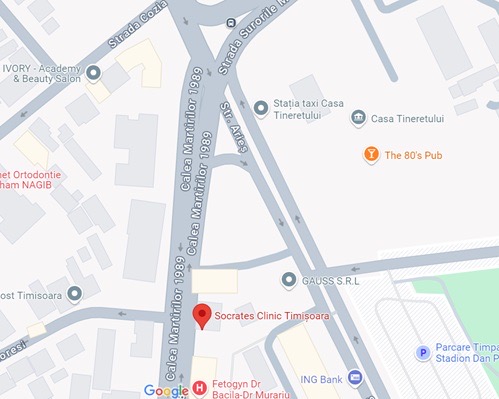
| Navigation |
CONTACT
Phone: 0319693
E-mail: programari@centrokinetic.ro
Operating hours:
Monday – Friday: 07:00 – 21:00
Saturday: 09:00 – 14:00
Sunday: closed.
MAKE AN APPOINTMENT