Which doctor treats the spine?


Which doctor at Centrokinetic treats the spine and when should you see them?
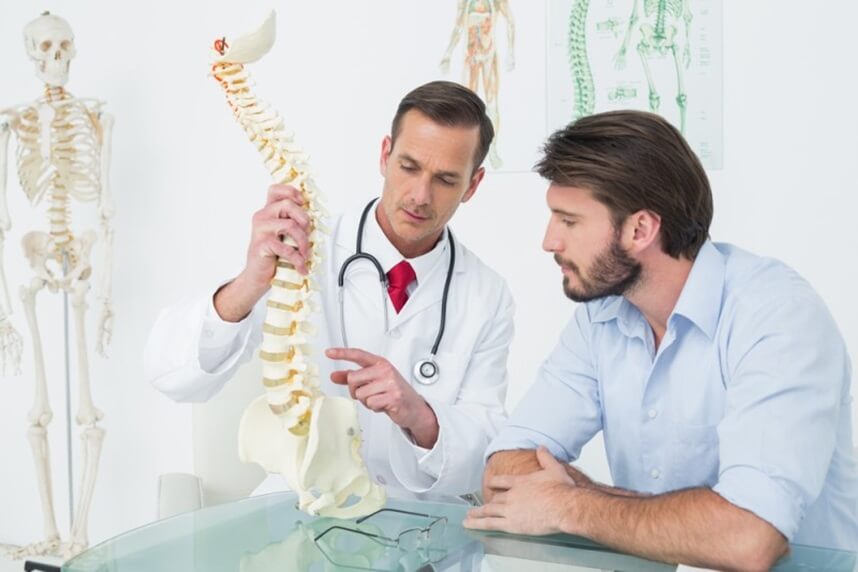
The spine supports walking, posture, and daily activities, but pain at this level can limit movement and affect overall well-being. Most often, back pain occurs in active individuals, in those who spend long hours at a desk, or in adolescents who adopt incorrect posture at school or in front of a computer. People who have suffered trauma or lead a sedentary lifestyle may also experience back discomfort. Medical evaluation is essential to maintain spinal health and prevent complications [1][2].
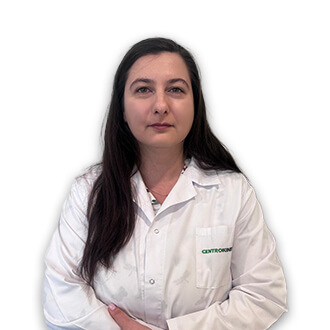
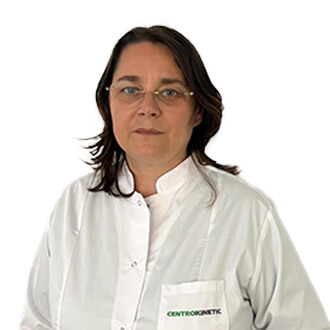
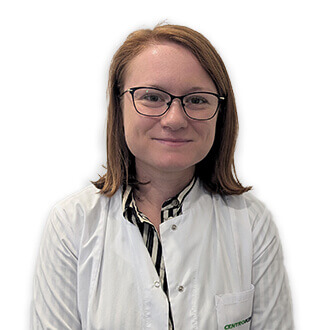
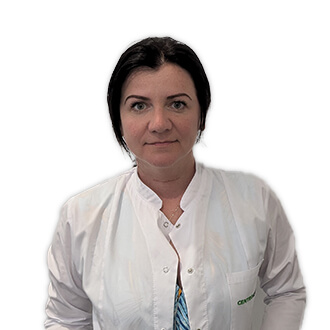
At Centrokinetic, you benefit from a multidisciplinary team prepared to identify the cause of pain and recommend the most effective treatment methods. Specialists combine detailed clinical evaluation with modern investigations to provide you with a personalized recovery plan.
Which doctor treats the spine at Centrokinetic?
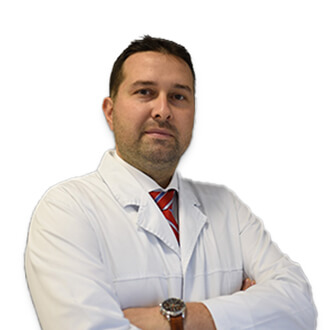
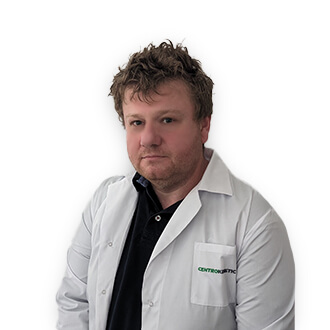
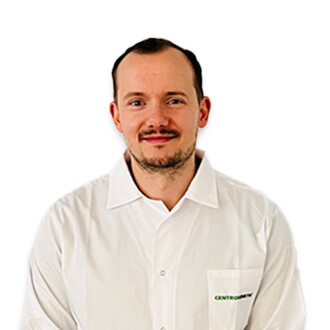
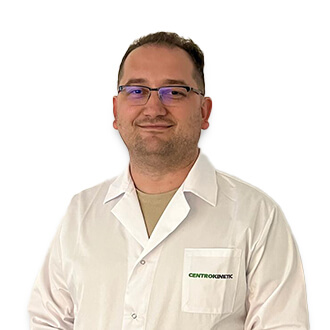
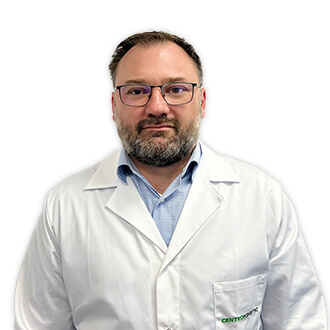
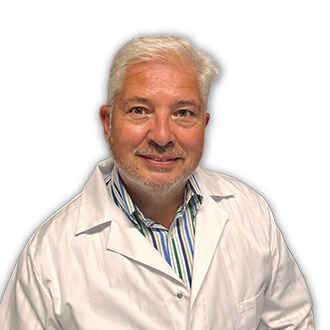
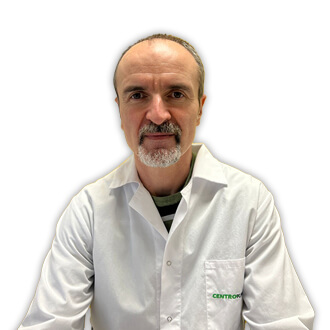
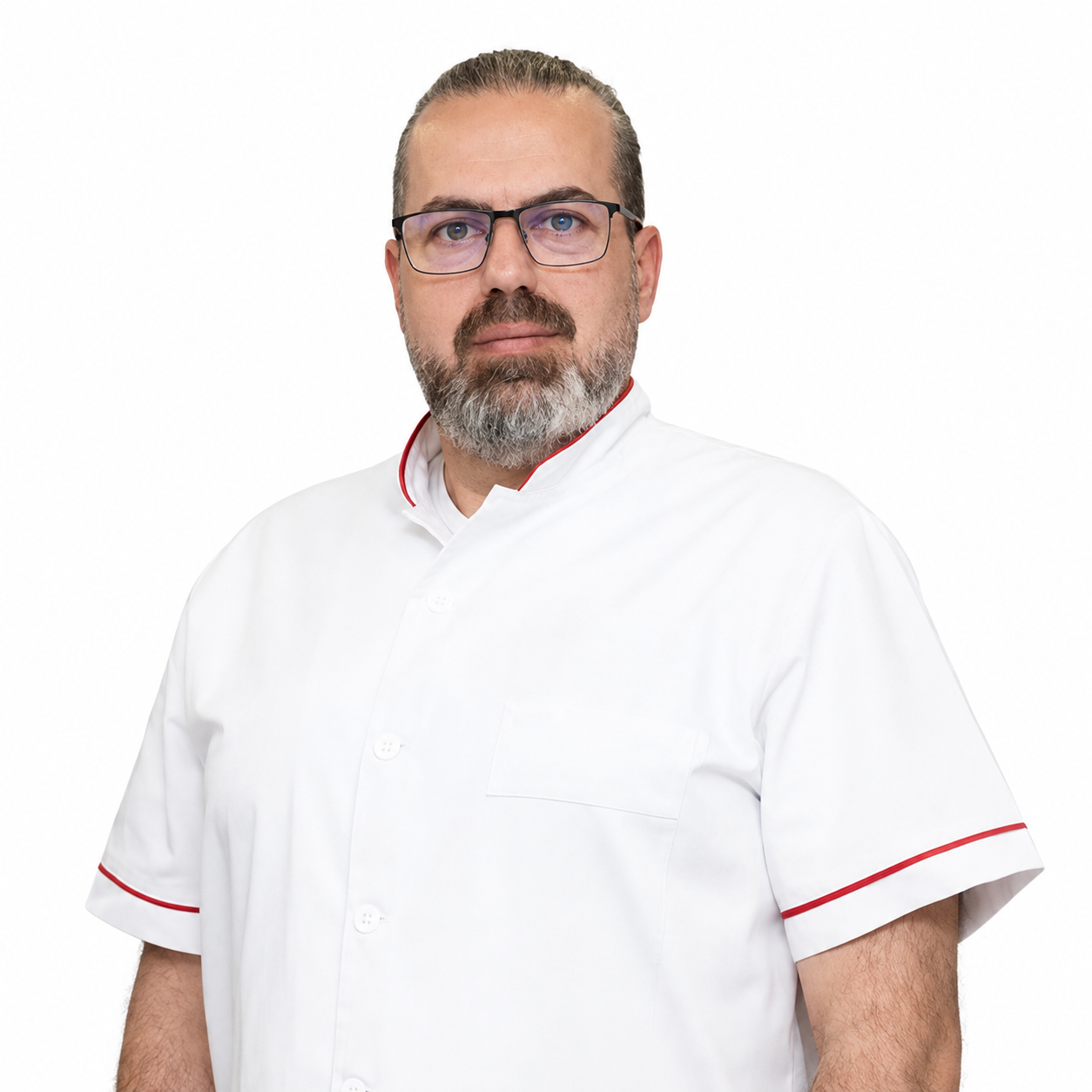
The orthopedic doctor is the specialist who deals with the entire musculoskeletal system, including spinal conditions. They intervene when back pain, numbness, or movement limitations occur. During the initial orthopedic consultation, the specialist evaluates symptoms, analyzes mobility, and may recommend investigations such as X-ray, MRI (magnetic resonance imaging), or CT scan, depending on the situation.
If there are signs indicating nerve involvement – decreased strength, persistent tingling, or loss of balance – the orthopedist collaborates with a neurologist. Depending on the stage and nature of the condition, the orthopedist may also collaborate with a rehabilitation medicine specialist and with the team of physiotherapists and physical therapists to achieve the best results in the shortest possible time [3]. Centrokinetic provides you with a complete medical team in Bucharest, Cluj, Brasov, and Timisoara.
What spinal conditions do Centrokinetic specialists treat?
Centrokinetic specialists offer orthopedic services to treat a wide range of spinal conditions, including:
- cervical or lumbar disc herniations, frequently encountered in people who lift weights or lead a sedentary lifestyle;
- spinal stenosis, which reduces the space available for the spinal cord or nerves;
- scoliosis and other spinal deformities, commonly found in children and adolescents;
- acute or chronic back pain;
- degenerative changes, such as osteoarthritis;
- injuries caused by accidents or sports trauma.
Signs indicating the need for medical consultation include persistent back pain, tingling or numbness, muscle fatigue without a clear cause, loss of stability, or limited movement. It is recommended to consult a specialist from the onset of the first symptoms, as early intervention significantly improves recovery chances [4].
When is it recommended to see an orthopedist?

You should see a doctor in the following situations:
- back pain does not improve after two weeks or becomes more intense;
- sleep disturbances occur due to discomfort;
- pain appears suddenly after an accident;
- you notice decreased strength in a limb or loss of bladder or bowel control;
- neurological symptoms appear, such as persistent numbness or tingling.
When usual treatments – rest or light exercises – do not bring improvement, a medical consultation is essential to determine the cause of the problem. The orthopedic doctor may recommend additional investigations, such as MRI or X-rays, when a serious condition is suspected, or other Centrokinetic services depending on the patient’s needs. Cases requiring surgical intervention are rare; most patients benefit from individualized, non-invasive treatments [1]-[4].
How does diagnosis and treatment take place at Centrokinetic?
The orthopedic doctor performs a detailed consultation and, if necessary, recommends and analyzes the results of specific investigations. The stages of the medical process include:
| Stage | Description |
|---|---|
| 1. initial consultation | evaluation of symptoms and discussion of medical history |
| 2. recommended investigations | X-ray, MRI, or other investigations necessary for diagnosis |
| 3. establishing the complete diagnosis | correlating symptoms with investigation results |
| 4. personalized treatment plan | choosing the most appropriate therapies – medication, physiotherapy, physical therapy, or modern treatments |
Treatment options may include pain-control medication, physiotherapy programs, or physical therapy sessions. In certain cases, surgical intervention may be necessary, followed by a rehabilitation program guided by a physiotherapist to allow rapid reintegration into daily activities [1][2].
Preventive measures recommended by Centrokinetic specialists
To reduce the risk of worsening problems or to maintain spinal health after a condition, it is recommended to adopt a few simple measures:
- maintain correct posture both at the desk and while walking;
- regularly perform exercises that strengthen back muscles;
- avoid sudden exertion and prolonged static positions;
- schedule periodic medical check-ups, even in the absence of persistent symptoms.
After an episode of pain, specialists recommend periodic consultations to adjust the recovery plan and prevent recurrence [1][2].
Frequently Asked Questions (FAQ)
How often should you see an orthopedist if you have recurrent back pain?
A specialist evaluation is recommended every 6–12 months or sooner if pain intensifies or new symptoms appear.
Can a disc herniation be treated without surgery?
In many cases, conservative treatment (physiotherapy, physical therapy, TECAR therapy) can reduce inflammation and improve mobility.
Can back pain be caused by stress?
Yes, muscle tension associated with stress can worsen discomfort, especially in the lumbar and cervical areas.
Can you exercise if you have spinal problems?
Yes, but only after medical evaluation. The specialist will recommend adapted exercises that support recovery without overloading the spine.
This article is for informational purposes only and does not replace consultation with a specialist doctor. If back pain or new symptoms occur, it is important to seek evaluation from a specialist for an accurate diagnosis and a personalized treatment plan tailored to your needs.
Sources:
[1] “Back Pain - Diagnosis and Treatment - Mayo Clinic.” Mayoclinic.org, 2025, www.mayoclinic.org/diseases-conditions/back-pain/diagnosis-treatment/drc-20369911. Accessed Nov. 6, 2025.
[2] “Back Pain Causes, Treatment & Pain Relief.” Cleveland Clinic, Feb. 3, 2022, my.clevelandclinic.org/health/symptoms/back-pain. Accessed Nov. 6, 2025.
[3] “Which Type of Doctor Should I Visit for Lower Back Pain? – Weiss Memorial Hospital.” Weisshospital.com, 2025, www.weisshospital.com/news/which-type-of-doctor-should-i-visit-for-lower-back-pain/. Accessed Nov. 6, 2025.
[4] “Spinal Disorders – Back Problems, Back Pain.” Healthdirect.gov.au, Healthdirect Australia, Aug. 21, 2024, www.healthdirect.gov.au/spinal-disorders. Accessed Nov. 6, 2025.
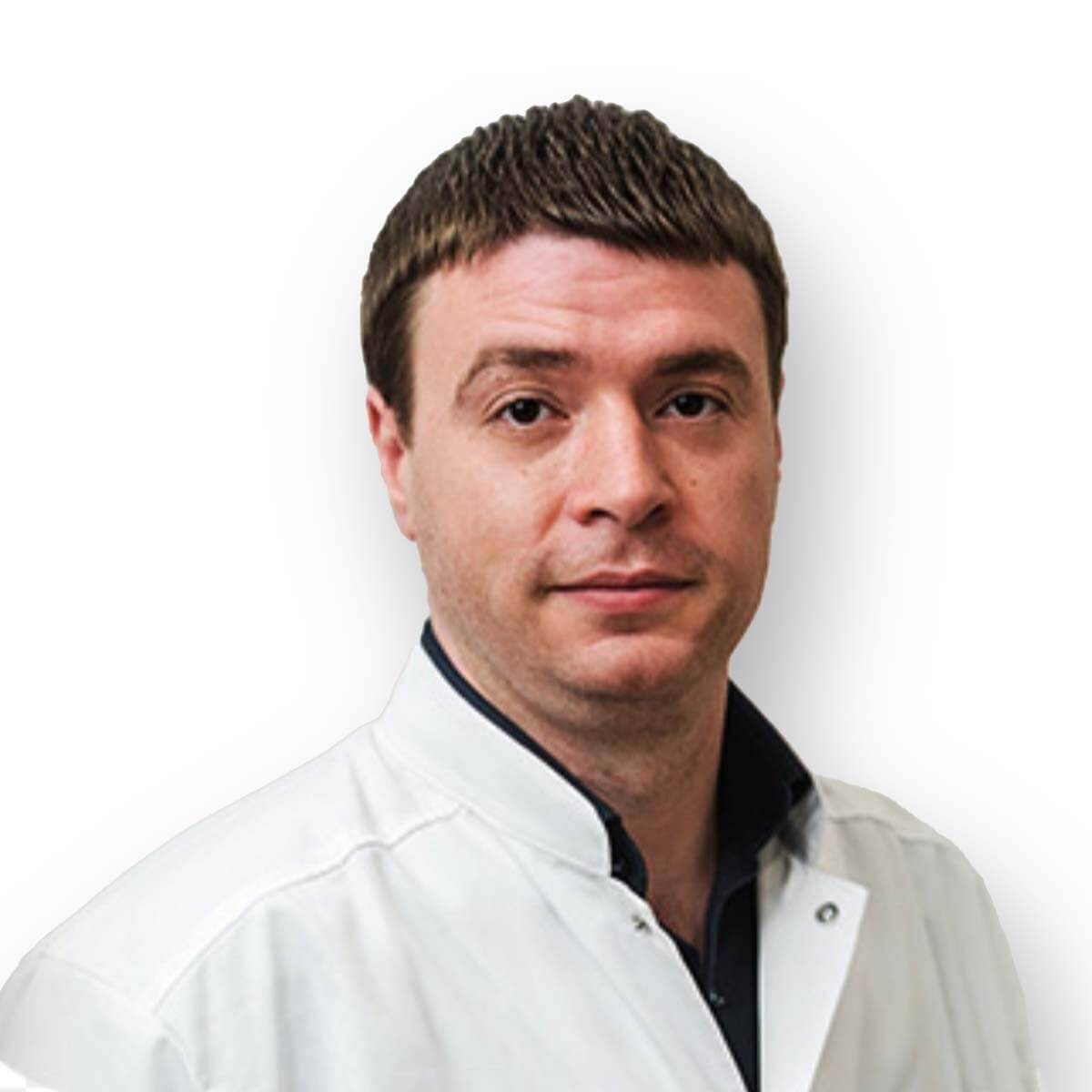
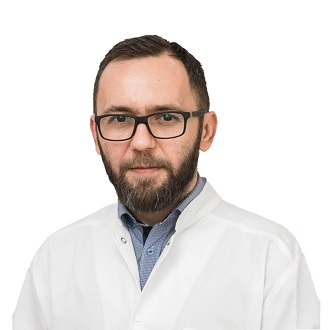
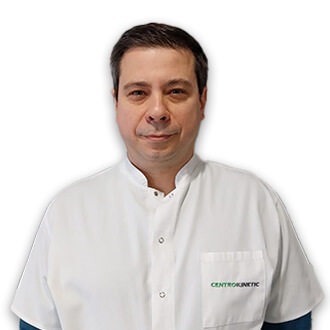
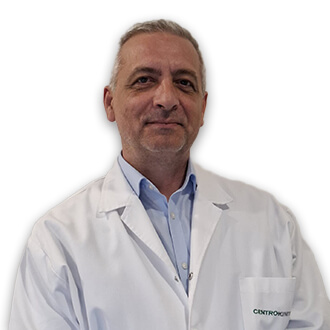
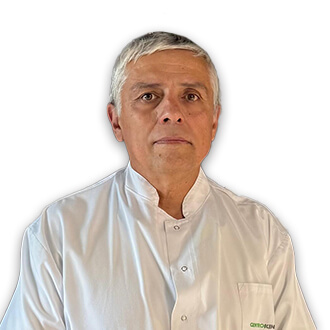
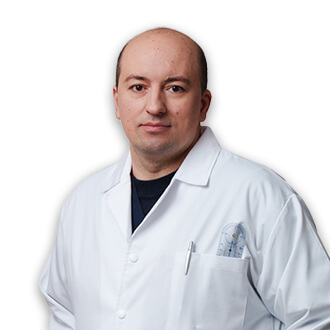
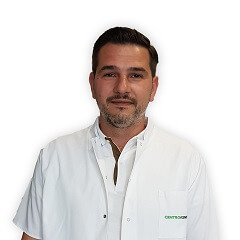
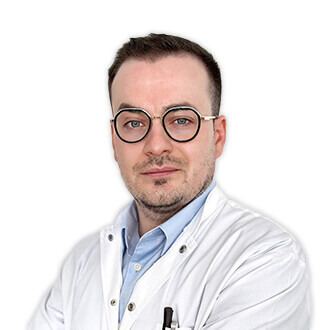
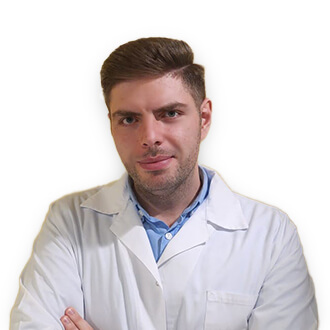
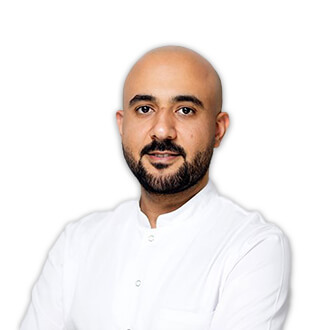
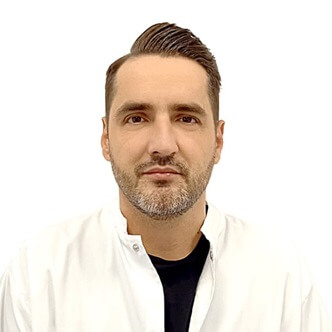
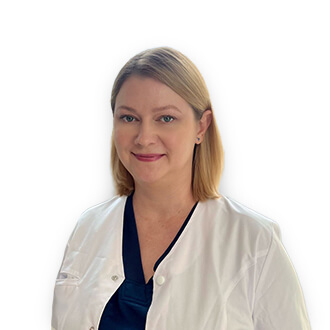
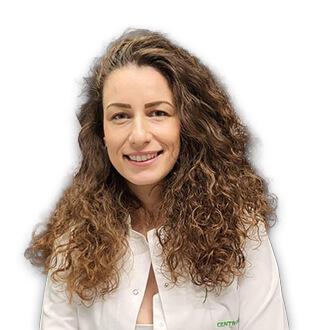
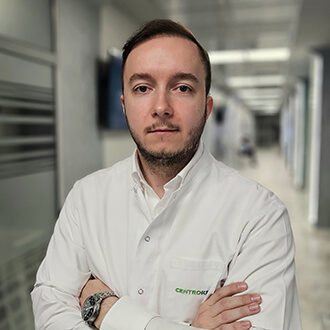
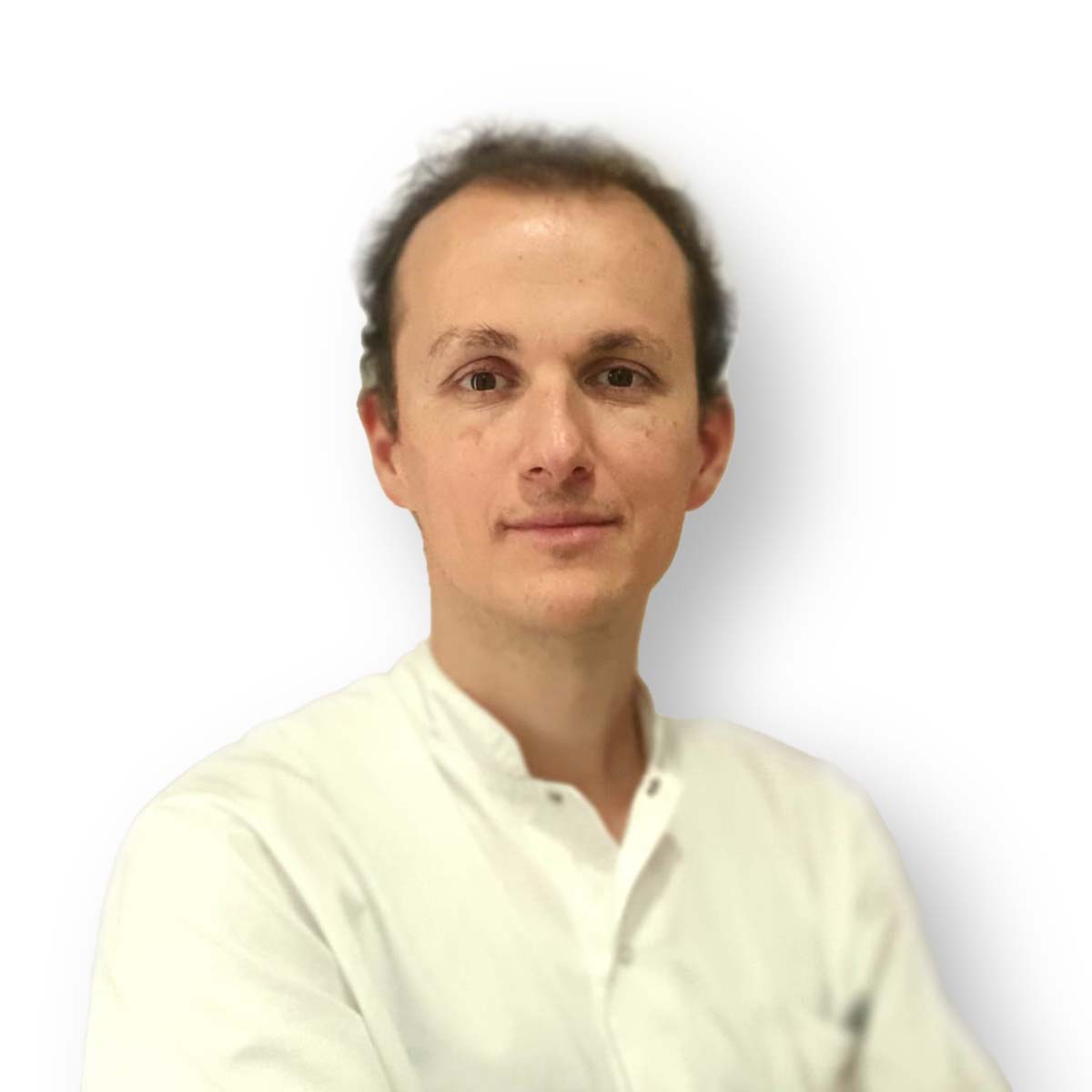
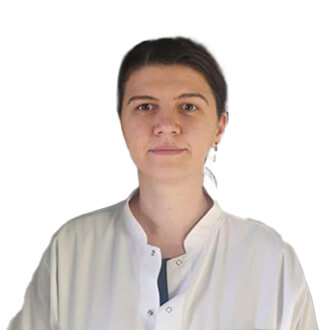
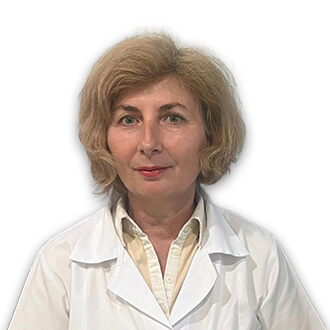
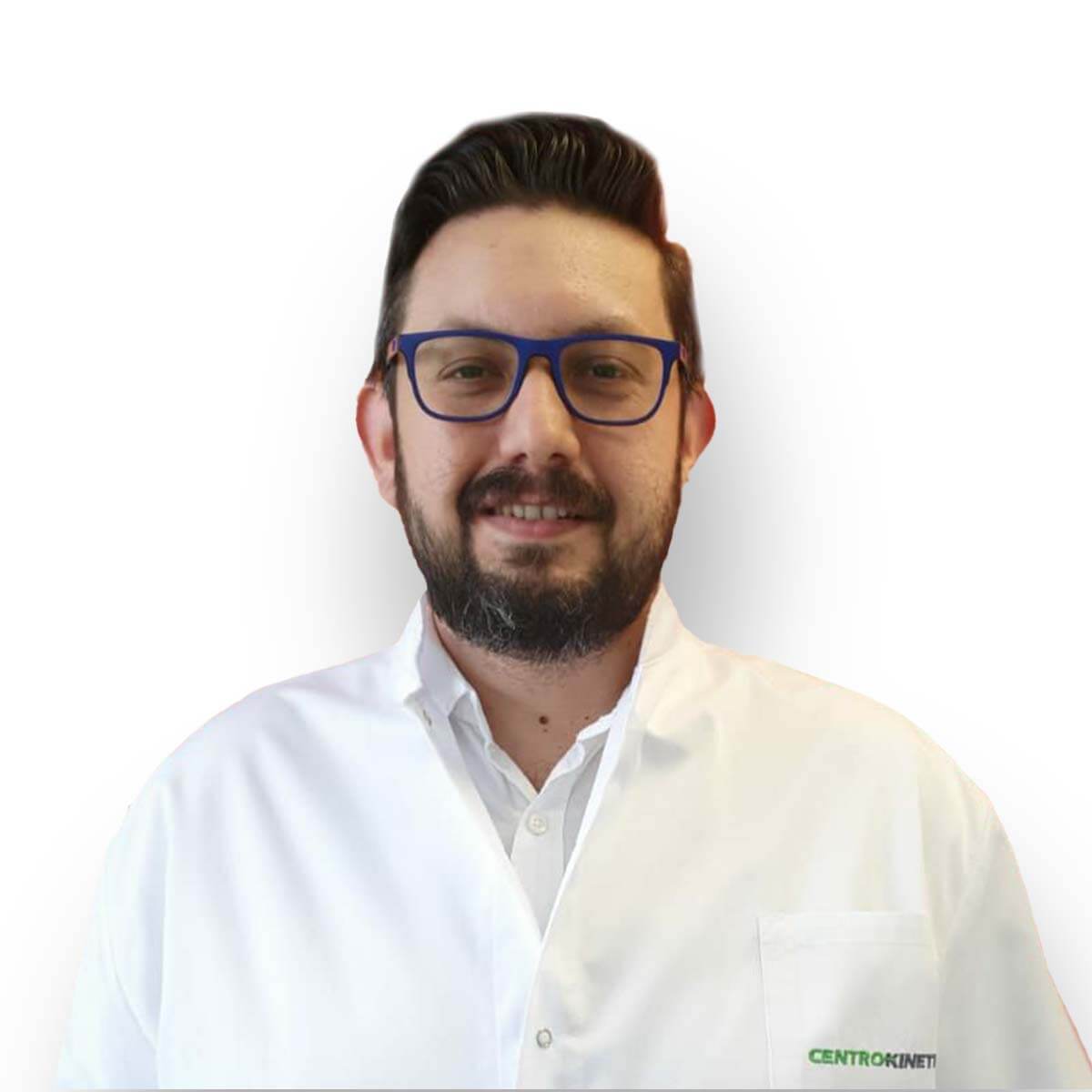
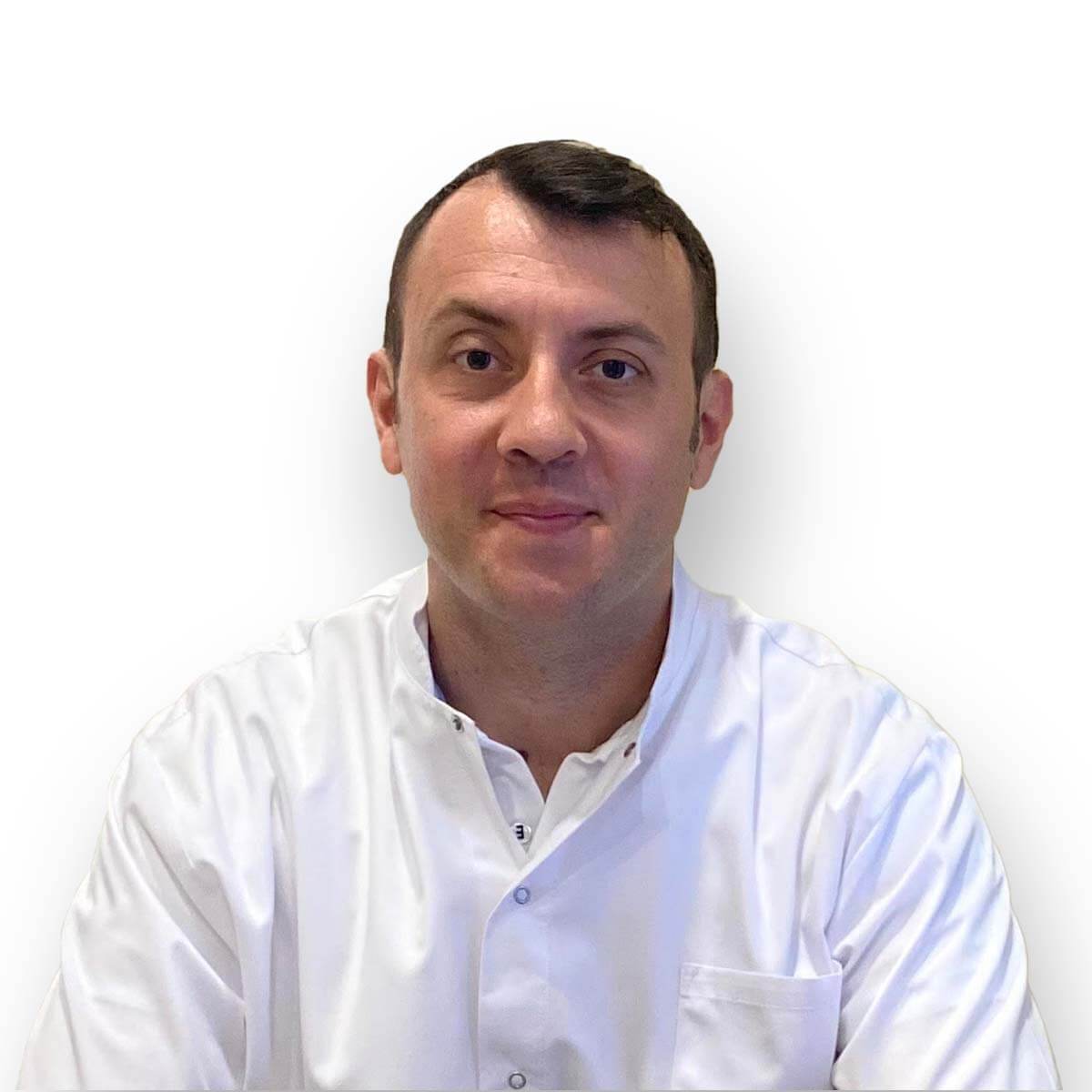
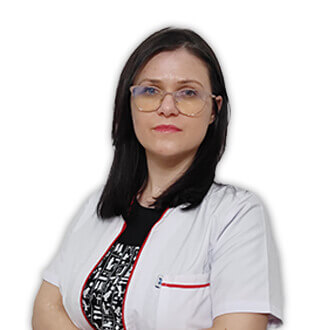
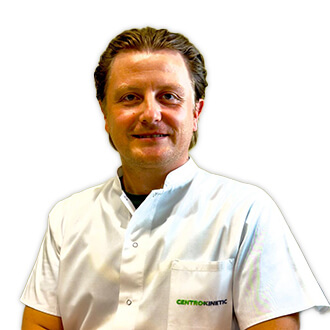
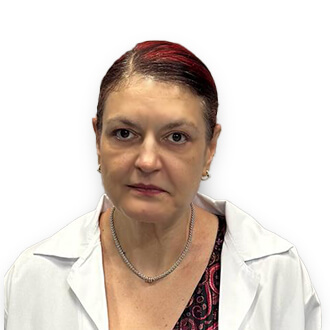
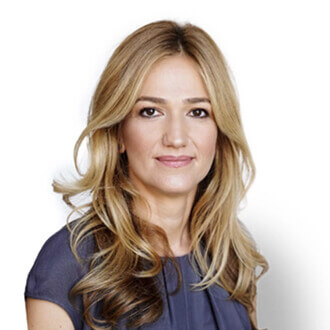
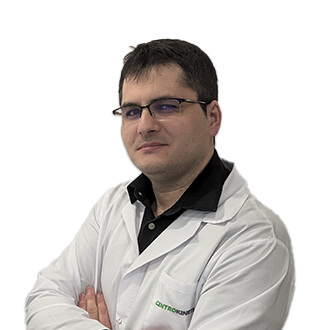
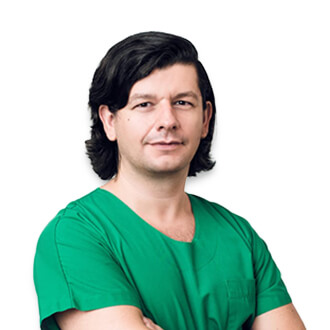
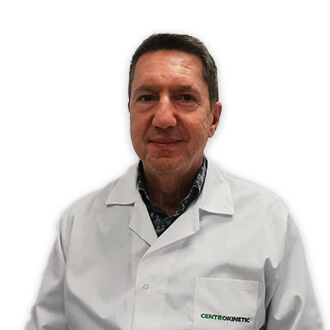
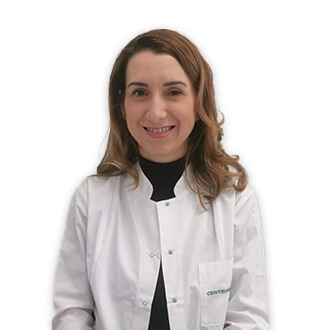
BUCHAREST TEAM























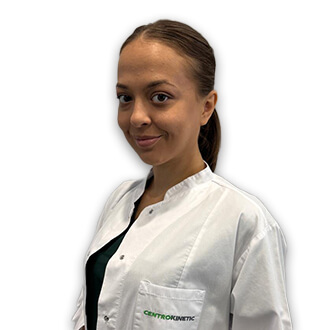
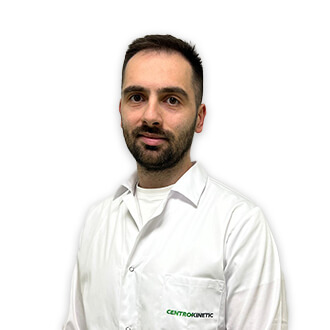
CLUJ NAPOCA TEAM











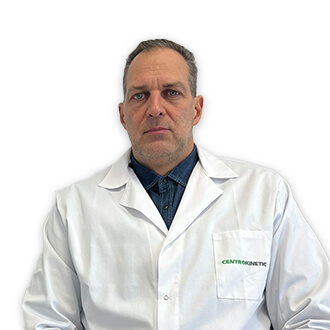
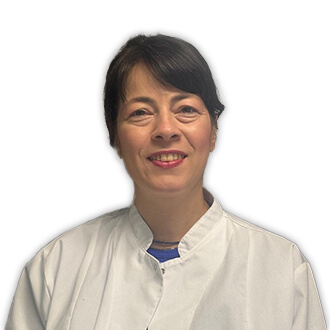
BRASOV TEAM







MAKE AN APPOINTMENT
FOR AN EXAMINATION
See here how you can make an appointment and the location of our clinics.
MAKE AN APPOINTMENT
Asiguratori privati





Parteneriate


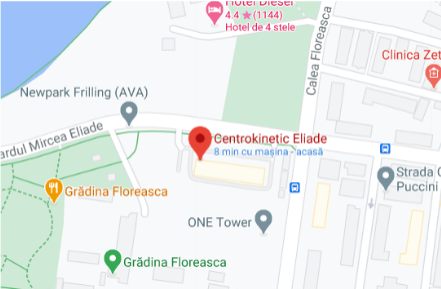
CENTROKINETIC FLOREASCA
Bucharest, 1st District,
Mircea Eliade Street, no. 18,
Eliade Tower, Entrance A, Floor 3
| Navigation | Explore 3D |
CENTROKINETIC Barbu Vacarescu
Bucharest, 2nd District,
Barbu Vacarescu Street, no. 102,
102 The Address, ground floor.
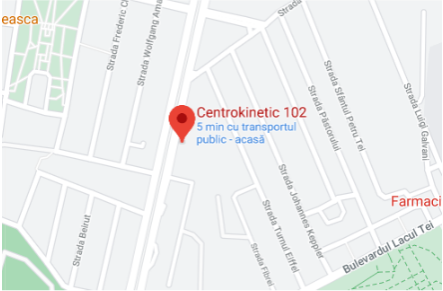
| Navigation | Explore 3D |
CENTROKINETIC MILITARI
Bucuresti, Sector 6,
Bld. Iuliu Maniu, nr. 15G,
Cladirea PBT, etaj 3.
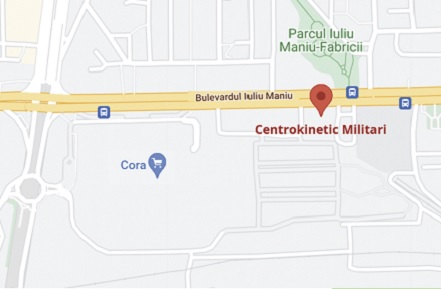
| Navigation |
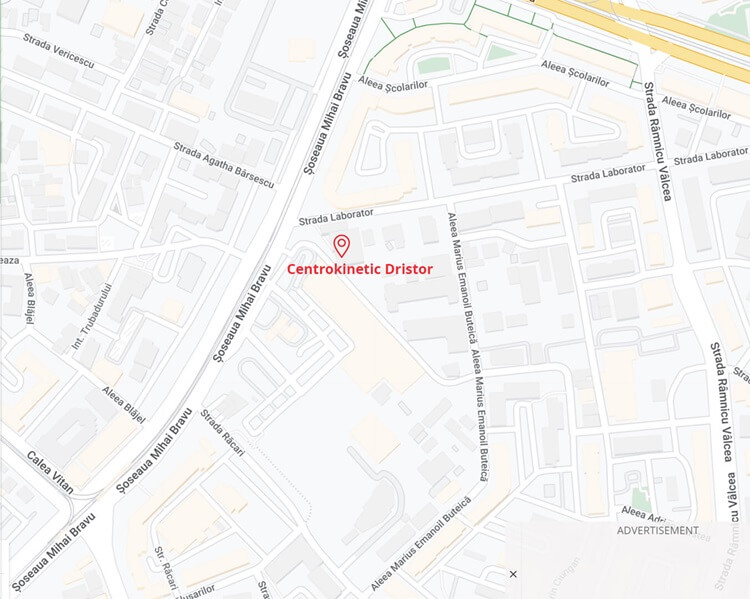
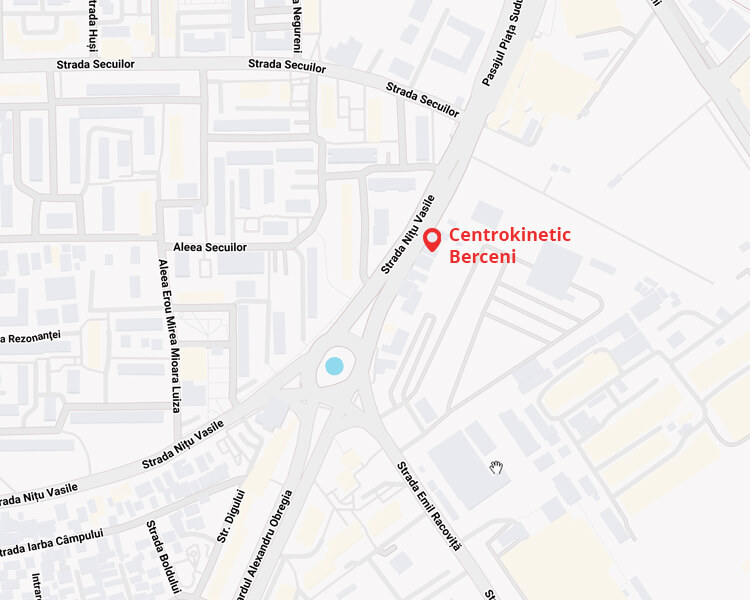
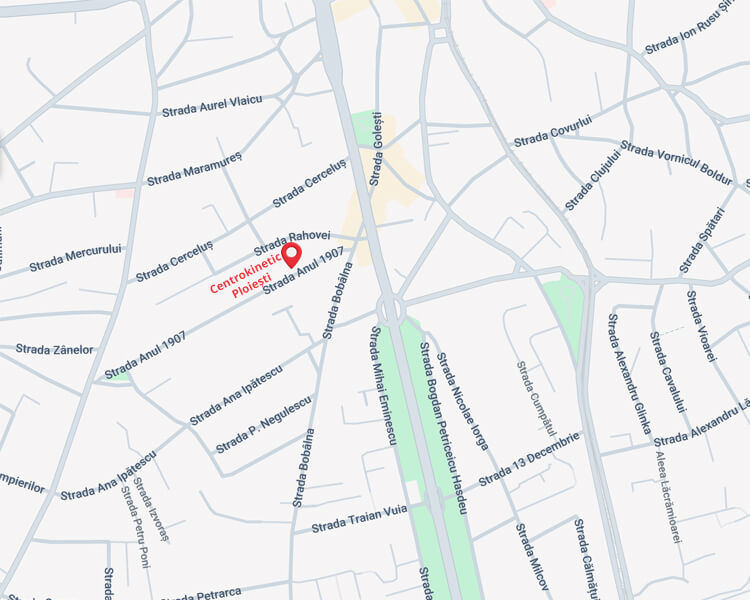
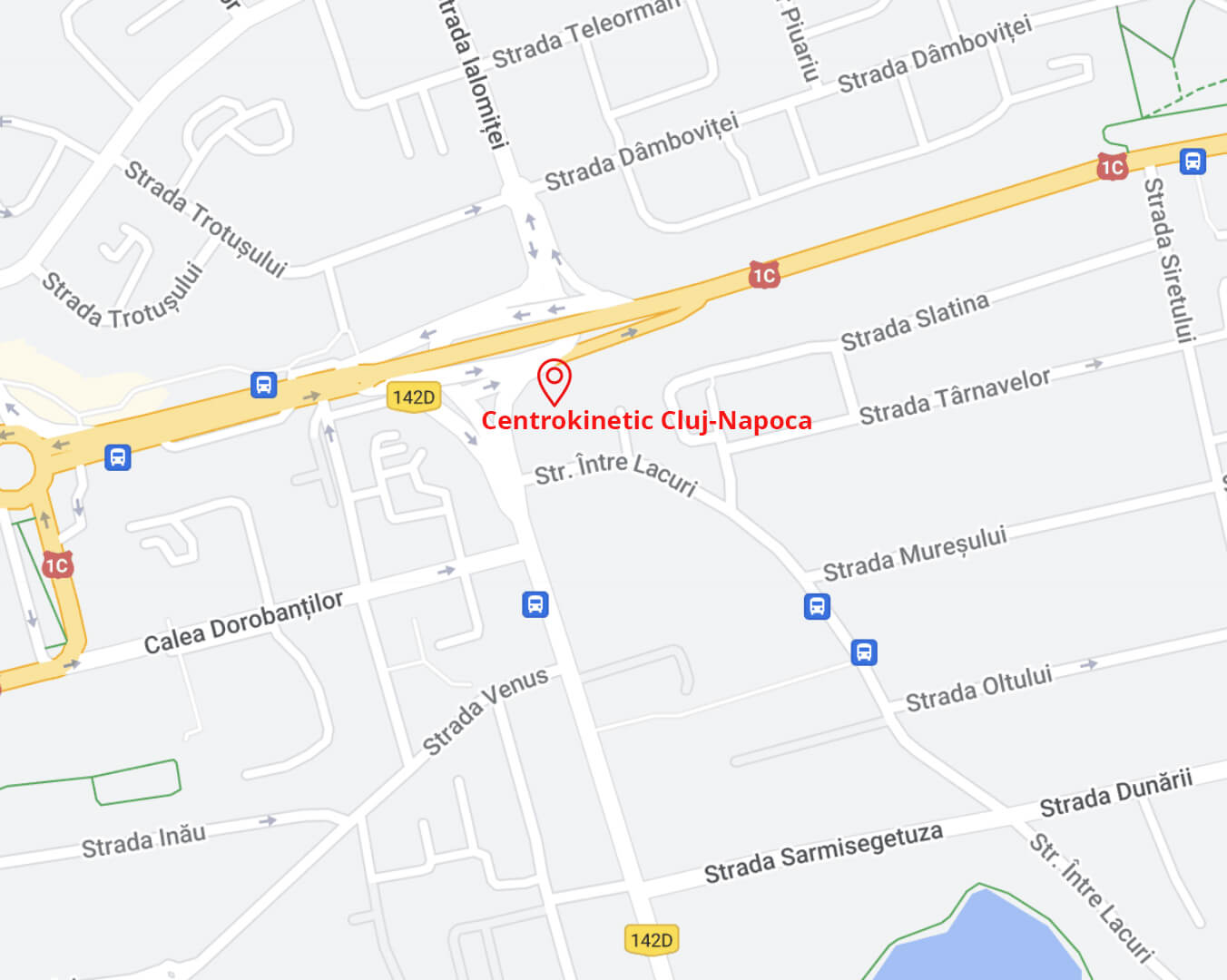
CENTROKINETIC CLUJ-NAPOCA
Cluj-Napoca,
Str. Intre Lacuri, nr.1
Intrarea este in spatele cladirii.
| Navigation |
SOCRATES CLINIC TIMISOARA
Timisoara, Calea Martirilor 1989,
nr. 1.
Telefon: 0371 785 374.
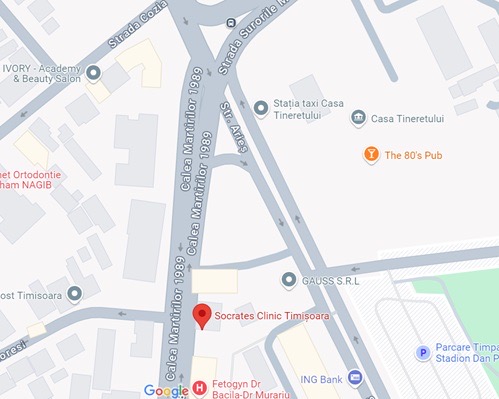
| Navigation |
CONTACT
Phone: 0319693
E-mail: programari@centrokinetic.ro
Operating hours:
Monday – Friday: 07:00 – 21:00
Saturday: 09:00 – 14:00
Sunday: closed.
MAKE AN APPOINTMENT