Cervical massage


Cervical massage: indications, benefits, procedures
.jpg "Masajul cervical: indicatii, beneficii, proceduri")
How often do you find yourself driving, sitting at your desk, or looking at your phone? If you answered yes, don't worry! You're not alone! Many people hold their head in an incorrect position for hours on end, every day, and this means keeping the cervical spine in an immobile position. As a result of this incorrect position, they feel heaviness, tension, cramps, discomfort especially in the cervical area. As a consequence, headaches and a feeling of numbness in the arms and shoulders appear. In the most severe cases, it can lead to an ischemic stroke due to blood vessel thrombosis, which prevents the brain from receiving the nutrients it needs. To avoid these consequences, doctors recommend regular massage of the neck area.
Massage of the cervical spine and shoulder area helps with:
- relaxing the neck muscles and relieving tension;
- significantly improving the activity of the nervous and circulatory systems;
- accelerating lymph flow, which reduces the risk of disease;
- removing fat accumulated in the spine area and salt deposits;
- relieving headaches, if they are caused by cervical osteochondrosis.
- Cervical massage: indications, benefits, procedures
Causes of cervical discomfort
.jpg "Cauzele disconfortului cervical")
Cervical pain is most often located at the base of the neck, at the level of the spine, and can be the cause of several conditions. It can be caused either by activities that involve an uncomfortable or incorrect position (which leads to a buildup of tension), or by muscular overload in the cervical area. It can be about:
- sitting at a desk for too long;
- activities carried out while standing;
- physical exercises performed incorrectly;
- sleeping on a pillow that is too high (the head is not properly supported).
Cervical pain
- There are several manifestations of cervical discomfort, but we present the most important ones:
- pain that manifests between the base of the skull and the top of the shoulders;
- pain that occurs when the arms or neck are moved;
- persistent headache;
- numbness that appears either in the arms or in the hands;
- hearing disturbances;
- decreased ability to concentrate;
- severe dizziness;
- insomnia.
When a medical consultation is recommended
In general, if the pain is of low intensity, it is not a cause for concern (it should pass on its own after 1-2 days). However, a medical consultation is recommended in the following cases:
- if the mobility of the neck or shoulders is affected (especially in the cervical area);
- if numbness sets in or muscle weakness is observed in the arms;
- if the cervical pain intensifies or other worrying symptoms appear (dizziness, headaches, nausea, vomiting).
If the discomfort in the cervical or shoulder area intensifies, you should see a doctor (family doctor, internist, neurologist, rheumatologist).
Cervical massage
.jpg "Masajul cervical")
When cervical massage should be done
Cervical massage involves massaging the neck, shoulder area, trapezius muscles, arms, and possibly the head.
A cervical massage session lasts approximately 20-30 minutes. In some cases, the doctor may also recommend massaging the head and arms, in which case the massage session can last up to 60 minutes. Another important aspect to keep in mind is the number of massage sessions the patient needs to have. The procedure consists of 10-12 cervical massage sessions, with 2-3 sessions needed each week. There are also situations in which five sessions per week are done.
Indications for cervical massage
There are numerous conditions that can trigger cervical discomfort manifested through cervical pain of moderate or severe intensity. It can be about:
- Cervical spondylosis: this condition is also called cervical spinal stenosis or osteoarthritis (at the cervical level); it involves a narrowing of the spinal canal and manifests as a result of aging or as a result of incorrect back positions.
- Degenerative rheumatic diseases: rheumatism manifests through pain in the cervical area that appears either as a result of prolonged physical exertion or as a result of lifting weights.
- Torticollis: involves a sudden movement of the head, which leads to damage to the sternocleidomastoid muscle (in the neck). A patient with torticollis feels pain in the neck and shoulder area, as well as an inability to move the neck normally.
- Neck (cervical) trauma: the pain manifests immediately after the trauma occurs.
- Herniated disc: a herniated disc means that an intervertebral disc is affected as a result of an incorrect position of the head or spine, or due to a position maintained for too long.
Benefits of cervical massage
Therapeutic massage is recommended especially because it helps release positive hormones such as serotonin, dopamine, and endorphins. These hormones help reduce stress and bring about a feeling of well-being. Massage also helps increase blood flow and, therefore, better muscle function (because the muscles receive more oxygen and nutrients). Here are the known benefits of cervical massage:
- supports the immune system: if massage is done regularly, not only is the lymphatic system supported, but the number of white blood cells and lymphocytes increases; under these conditions, the body is better prepared to defend itself against infections or various conditions.
- helps relieve existing pain: however, it must be said that after the first massage sessions, the patient may feel additional discomfort in the cervical area, but this will diminish on its own.
- helps prevent pain: massage helps strengthen the muscles, so it can prevent any future form of pain.
- helps with relaxation: in general, massage relieves tension and helps the patient relax by reducing anxiety; it is good to know that stress is a factor that increases discomfort in the neck.
- supports flexibility: as we age, the muscles and joints become stiffer, a deficiency that can affect our daily activity. Maintaining flexibility even at an advanced age is necessary for health.
- supports circulation: this refers, on the one hand, to blood circulation, and on the other hand, to lymphatic circulation.
Contraindications for cervical massage
The contraindications for cervical massage are not numerous, but they are important:
- the patient has suffered a stroke;
- has high blood pressure;
- has been diagnosed with infectious diseases;
- has skin conditions that could be worsened by massage;
- has been diagnosed with oncological diseases;
Cervical massage procedures
.jpg "Procedurile masajului cervical")
The therapist has several massage techniques available, depending on the patient's symptoms or health condition. However, there are numerous types of massage, and the patient should be informed that if the discomfort is felt only in the cervical area, the massage is usually applied to the neck, shoulders, and back, because these areas are interconnected. Here are a few types of massage that are preferred:
Swedish massage
Swedish massage is a commonly used type. It is generally done with the purpose of energizing the body and improving the patient's health. Swedish massage involves kneading, vibration, rolling, light tapping, or percussion. It can be done with or without massage lotion, its role being to protect the skin.
Deep tissue massage
Deep tissue massage helps keep the neck muscles in good shape, thus preventing neck strain and the onset of tension in the cervical and shoulder area. This type of massage involves deeper strokes that focus on an area of chronic pain.
Acupressure
Acupressure is sometimes used during cervical massage sessions. Acupressure involves applying pressure to certain parts of the neck with the fingers. Acupressure helps break down muscle knots and increase blood flow. In practice, the pressure from the fingers helps relax the muscle fibers, which leads to relief of cervical discomfort. As the pressure is released, blood flow increases in the area and helps relieve pain.
Mobilizations
Mobilizations are an effective technique used in cervical massage. This technique involves applying pressure to the vertebrae. Thus, the massage helps reduce joint stiffness, which in turn contributes to reducing the tension that builds up due to lack of movement around the spine.
Skin kneading/rolling
This is a massage technique that refers to several movements that help stimulate the deep tissues (musculature). The purpose of this technique is to improve muscle elasticity and help heal muscle injuries.
Cervical massage. Conclusions
- Cervical massage is considered a therapeutic method.
- It is recommended especially for treating spondylosis and cervical neuralgia.
- The cervical area is very important because it is responsible for transmitting and carrying out a wide range of movements.
- Cervical massage involves well-known techniques: pressing, kneading. Through massage, tension points are pressed, the spine warms up, and thus the discomfort is relieved, giving the patient a feeling of well-being.
Centrokinetic is the place where you will find clear answers and effective solutions for musculoskeletal conditions. Our clinic, dedicated to musculoskeletal disorders, is organized into the following specialized departments:
- Orthopedics, a department composed of a highly experienced team of orthopedic surgeons specializing in sports traumatology.
- Pediatric Orthopedics, where sports injuries in children (ligament and meniscus injuries), spinal deformities (scoliosis, kyphosis, hyperlordosis), and foot deformities (hallux valgus, hallux rigidus, equinovarus foot, flatfoot, cavus foot) are treated.
- Neurology, featuring a state-of-the-art department where consultations, electroencephalograms (EEG), and electromyography (EMG) examinations are performed.
- Medical Rehabilitation for adults and children, a department specialized in the rehabilitation of professional athletes, spinal disorders, and children with neurological and traumatic conditions. Our extensive experience includes treating more than 5,000 professional athletes.
- Medical Imaging, with the clinic equipped with ultrasound and MRI systems dedicated to musculoskeletal conditions, complemented by an experienced radiologist, Dr. Cosmin Pantu, specialized in musculoskeletal imaging.
- Rheumatology, a comprehensive department dedicated to the diagnosis, treatment, and rehabilitation of patients with non-surgical musculoskeletal disorders.
- Vascular Surgery, a highly specialized department focused on the diagnosis and treatment of vascular diseases affecting arteries, veins, and lymphatic vessels.
- Psychology and Speech Therapy. Neurological and musculoskeletal conditions can have a psychological impact on patients, which is why we believe complete recovery requires addressing both the physical condition and its psychological consequences.
- Neurofeedback. This innovative method helps improve concentration, reduce anxiety, and achieve emotional balance through a simple and interactive process.
Stay up to date by following Centrokinetic on Facebook, Instagram, and YouTube.
MAKE AN APPOINTMENT
FOR AN EXAMINATION
See here how you can make an appointment and the location of our clinics.
MAKE AN APPOINTMENT
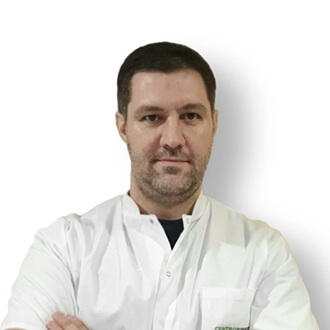
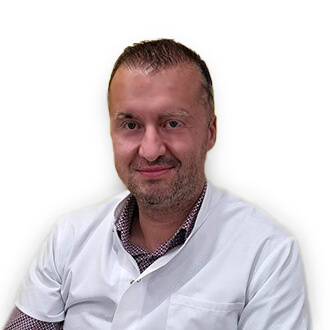
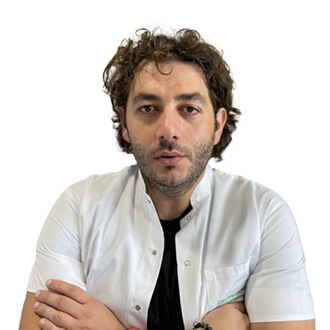
BUCHAREST TEAM

















CLUJ NAPOCA TEAM
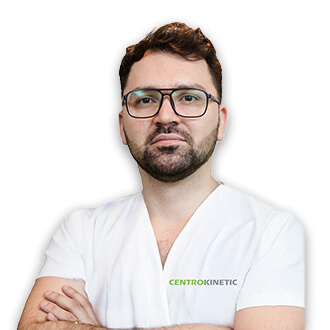
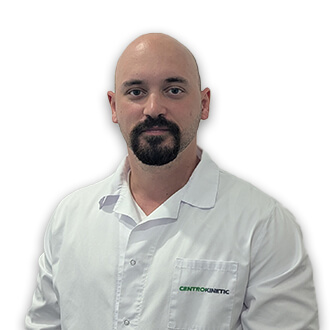


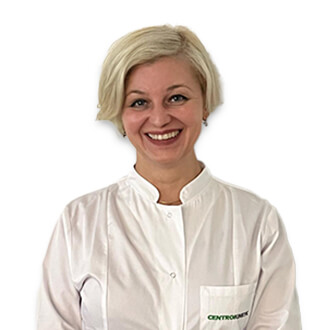
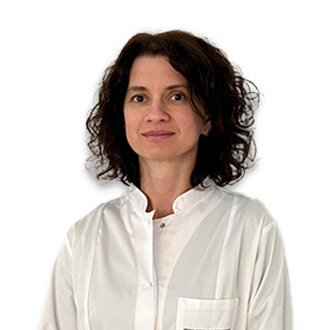





BRASOV TEAM






Asiguratori privati





Parteneriate


CENTROKINETIC FLOREASCA
Bucharest, 1st District,
Mircea Eliade Street, no. 18,
Eliade Tower, Entrance A, Floor 3
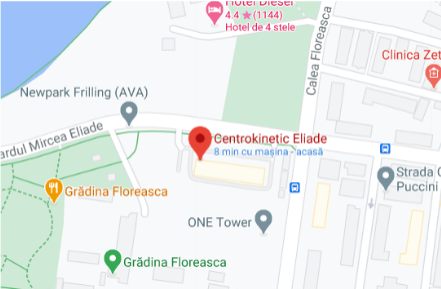
| Navigation | Explore 3D |
CENTROKINETIC Barbu Vacarescu
Bucharest, 2nd District,
Barbu Vacarescu Street, no. 102,
102 The Address, ground floor.
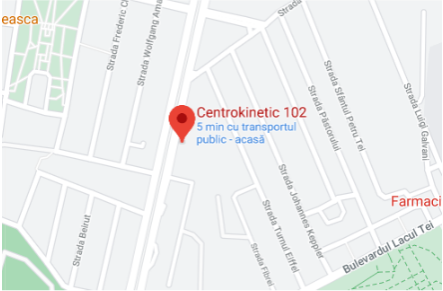
| Navigation | Explore 3D |
CENTROKINETIC MILITARI
Bucuresti, Sector 6,
Bld. Iuliu Maniu, nr. 15G,
Cladirea PBT, etaj 3.
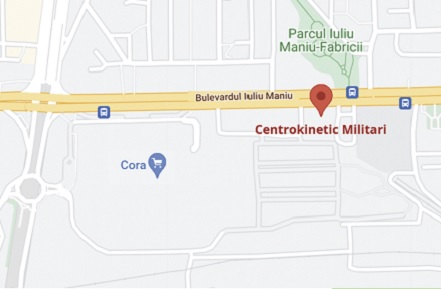
| Navigation |
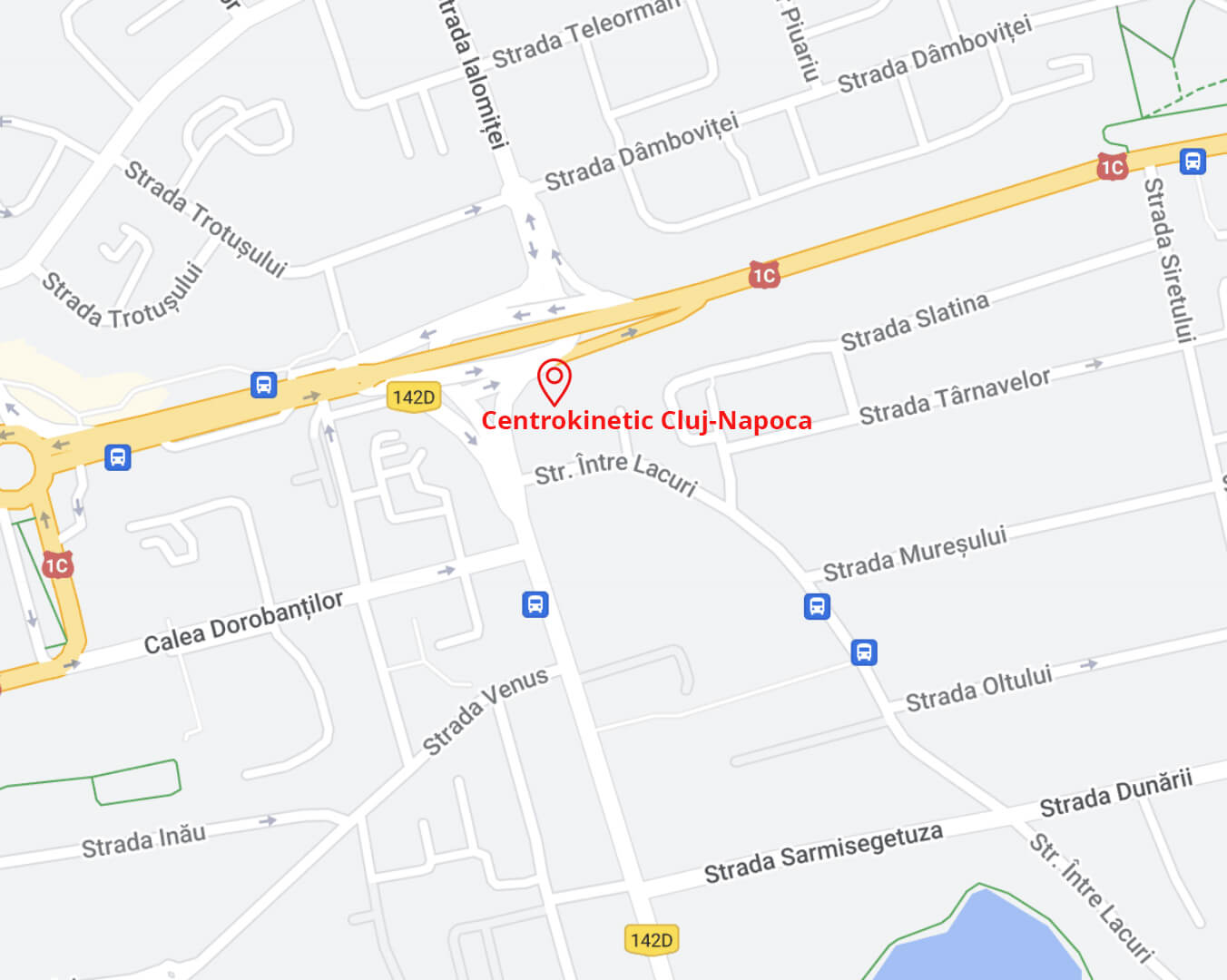
CENTROKINETIC CLUJ-NAPOCA
Cluj-Napoca,
Str. Intre Lacuri, nr.1
Intrarea este in spatele cladirii.
| Navigation |
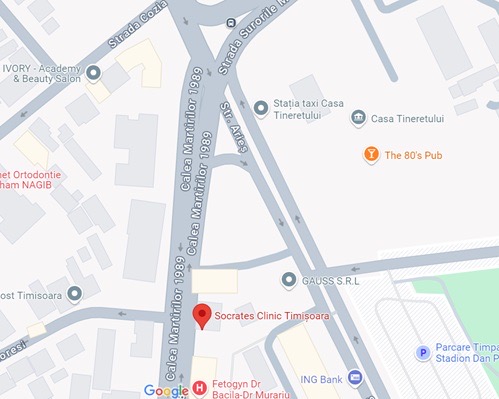
SOCRATES CLINIC TIMISOARA
Timisoara, Calea Martirilor 1989,
nr. 1.
Telefon: 0371 785 374.
| Navigation |
CONTACT
Phone: 0319693
E-mail: programari@centrokinetic.ro
Operating hours:
Monday – Friday: 07:00 – 21:00
Saturday: 09:00 – 14:00
Sunday: closed.
MAKE AN APPOINTMENT