The most common orthopedic conditions



An active lifestyle offers numerous benefits, but it may also be associated with an increased risk of joint and bone conditions. Many adults experience pain or reduced mobility, either after a demanding day or following a seemingly minor incident. Active children, athletes, or individuals with an intense physical routine may develop various orthopedic problems that affect their daily routine and performance.
A proper approach and timely evaluation allow for early diagnosis and ensure efficient recovery [1]. Here are the most common orthopedic conditions and how Centrokinetic specialists can help you get back in shape!
Sprains and dislocations
A sprain represents the stretching or tearing of a ligament and frequently occurs at the ankle or knee, usually after a sudden or incorrect movement. A dislocation, on the other hand, involves the complete or partial displacement of a joint from its normal position and is most commonly seen at the shoulder, elbow, or fingers.
These conditions do not occur only in athletes, but also in active individuals, and may arise during a walk on uneven ground, household activities, or intense physical effort.
Common symptoms
- sudden pain that worsens with movement;
- local swelling or joint stiffness;
- inability to normally use the affected segment.
Recommended treatments
Treatment varies depending on severity and location. In the acute phase, the doctor may recommend:
- rest and avoiding use of the affected area;
- applying ice in the first 48 hours to reduce inflammation;
- temporary immobilization with an elastic bandage, brace, or splint;
- medication to control pain and inflammation;
- imaging evaluation (ultrasound or MRI), especially in cases of dislocation or suspected ligament rupture.
In cases of dislocation, reduction (correct repositioning of the joint) must be performed exclusively by a physician and is followed by monitoring and, if necessary, a medical rehabilitation program [1][2][3].
Bone fractures
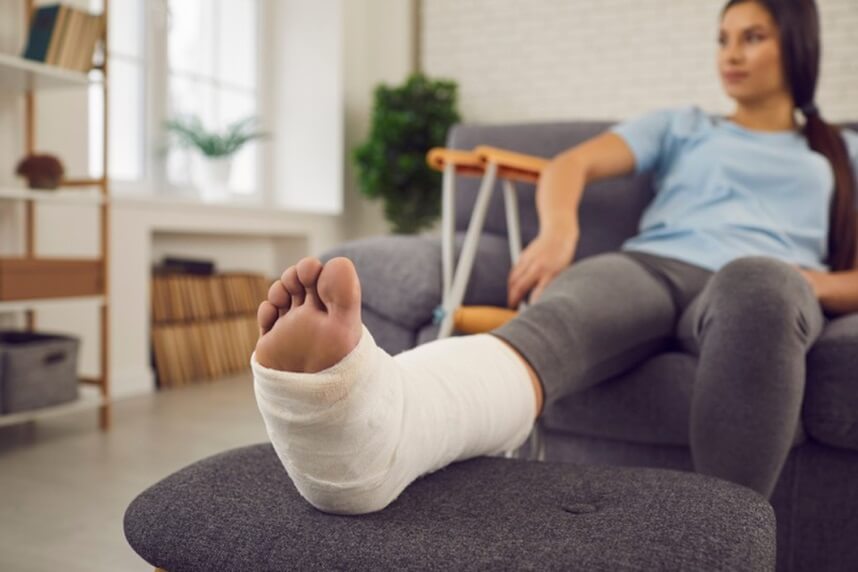
A fracture represents a break in the bone and usually occurs after a strong impact, a fall, or direct trauma. It can occur at any age—whether it is a child falling off a bicycle or an elderly person with osteoporosis, who may be prone to fractures even after minor movements.
Typical signs include:
- intense pain that appears immediately after the accident;
- swelling of the affected area;
- difficulty moving or inability to use the respective limb;
- visible deformity of the limb, in some cases.
Diagnosis and treatment
Any suspicion of fracture requires urgent medical evaluation. The orthopedic doctor will recommend imaging investigations—X-ray, ultrasound, or MRI—depending on the location and severity of the injury.
Treatment depends on the type of fracture and may include:
- immobilization with a cast, splint, or brace to stabilize the bone and support healing;
- surgical intervention in complex cases to fix bone fragments with plates, screws, or metal rods;
- periodic monitoring to verify the healing process and prevent complications.
Rehabilitation after a fracture at Centrokinetic
The orthopedic rehabilitation phase is essential for regaining mobility, strength, and functionality of the affected area. The program includes kinesiotherapy exercises, therapeutic massage, and sometimes physiotherapy procedures to reduce pain and improve local circulation [1][2][4].
Osteoarthritis
Osteoarthritis frequently affects people over the age of 40 and athletes, but symptoms may also appear in younger individuals if there is a history of trauma or repeated inflammation. This condition involves thinning of the cartilage that protects the ends of the bones, leading to pain, limited movement, and sometimes joint swelling.
Treatment includes:
- symptom control with anti-inflammatory and pain-relief medication recommended by the doctor;
- kinesiotherapy and physiotherapy to restore mobility and reduce pain;
- injections with substances such as hyaluronic acid or PRP (platelet-rich plasma);
- joint replacement surgery, in advanced stages.
It is important to recognize early signs of osteoarthritis so that the orthopedic doctor can recommend an effective plan tailored to the patient’s situation. During a consultation at Centrokinetic, you can benefit from a personalized treatment plan and careful monitoring at every stage of the disease [1][2][5].
How does the Centrokinetic team support you at every stage?
At Centrokinetic, the medical team combines expertise in orthopedics, surgery, and medical rehabilitation to guide you through all stages of the process—from diagnosis to returning to daily activities. Treatment plans are personalized, built according to age, activity level, and each patient’s goals. Consultations take place in a safe, modern environment, with access to advanced diagnostic technologies such as musculoskeletal ultrasound, digital radiography, and high-resolution MRI.
At Centrokinetic, multidisciplinary collaboration includes:
- the orthopedic doctor, who establishes the diagnosis and optimal treatment plan;
- other specialist doctors, when needed;
- the kinesiotherapist, who coordinates the personalized exercise program and monitors progress;
- the physiotherapist, who applies modern procedures to reduce pain and accelerate tissue healing;
- imaging specialists, who periodically assess injury evolution and therapy effectiveness.
Stages of the orthopedic rehabilitation process
| Stage | Main objective | Specialist involved | Average duration |
|---|---|---|---|
| Initial evaluation | Accurate diagnosis and establishment of the therapeutic plan | Orthopedic doctor, imaging specialist | 1 day |
| Medical treatment | Pain reduction and stabilization of the affected area | Orthopedic doctor, physiotherapist | 1–4 weeks |
| Active rehabilitation | Restoration of strength and joint mobility | Kinesiotherapist, physiotherapist | 4–12 weeks |
| Monitoring and prevention | Tracking progress and preventing recurrence | Multidisciplinary team | Long term |
This integrated approach provides stable results and efficient recovery, whether it is a mild sprain, a complex fracture, or a degenerative condition [1][2].
What do Centrokinetic specialists recommend for osteoarticular health?
To maintain your joints and bones in optimal condition, Centrokinetic specialists recommend:
- maintaining an active lifestyle and integrating properly executed exercises adapted to your age;
- avoiding overexertion and sudden movements that may cause injury;
- keeping body weight under control to reduce pressure on the joints;
- scheduling periodic orthopedic consultations, especially if persistent pain or joint stiffness appears [1][2].
Frequently asked questions about orthopedic rehabilitation
How long does recovery take after a fracture or sprain?
Duration varies depending on injury severity, age, and patient involvement. In general, a mild sprain requires 2–4 weeks, while a fracture may require between 6 weeks and 3 months for complete recovery [3][4].
Is it normal to feel pain during rehabilitation exercises?
Mild discomfort is normal at the beginning, but severe pain should not occur. The kinesiotherapist will adjust the exercises to avoid overuse and ensure progressive, safe recovery.
Can you prevent recurrence of orthopedic conditions?
Maintaining correct posture, performing regular strengthening exercises, and periodic orthopedic check-ups significantly reduce the risk of recurrence or new joint conditions.
If you are experiencing joint pain, instability, or a recent injury, do not delay medical evaluation. At Centrokinetic, you benefit from a complete team of orthopedic doctors, physiotherapists, and kinesiotherapists who will help you regain mobility and comfort as quickly as possible. Schedule a consultation now at one of the Centrokinetic clinics in Bucharest, Cluj, Brasov, or Timisoara for a complete evaluation and a personalized treatment plan!
Disclaimer: This article is for informational purposes only and does not replace consultation with a specialist doctor. The diagnosis and treatment of any orthopedic condition must be established exclusively by a professional following a detailed clinical and imaging evaluation.
Sources:
[1] “What is an Orthopedic Injury? A Deep Dive into Your Bones, Joints, and Spine” Mountain Spine & Orthopedics, July 7, 2025, mountainspineorthopedics.com/blogs/orthopedic-injury. Accessed Nov. 10, 2025.
[2] “The Hidden Risks of Indoor Sports: Orthopedic Injuries” Hampton Roads Orthopaedics Spine & Sports Medicine, Jan. 20, 2024, www.hrosm.com/indoor-sports-injuries/. Accessed Nov. 10, 2025.
[3] Holland, Kimberly. “Is It a Sprain or a Strain? Tips for Identification.” Healthline, Healthline Media, Dec. 5, 2016, www.healthline.com/health/sprain-vs-strain. Accessed Nov. 10, 2025.
[4] “Bone Fractures: Types, Symptoms & Treatment.” Cleveland Clinic, Mar. 31, 2017, my.clevelandclinic.org/health/diseases/15241-bone-fractures. Accessed Nov. 10, 2025.
[5] “Osteoarthritis - Symptoms & Causes - Mayo Clinic.” Mayo Clinic, 2025, www.mayoclinic.org/diseases-conditions/osteoarthritis/symptoms-causes/syc-20351925. Accessed Nov. 10, 2025.
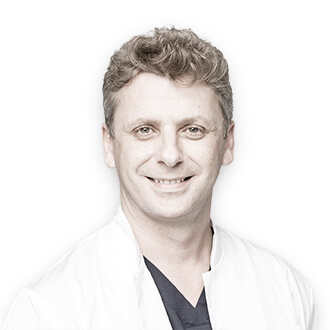
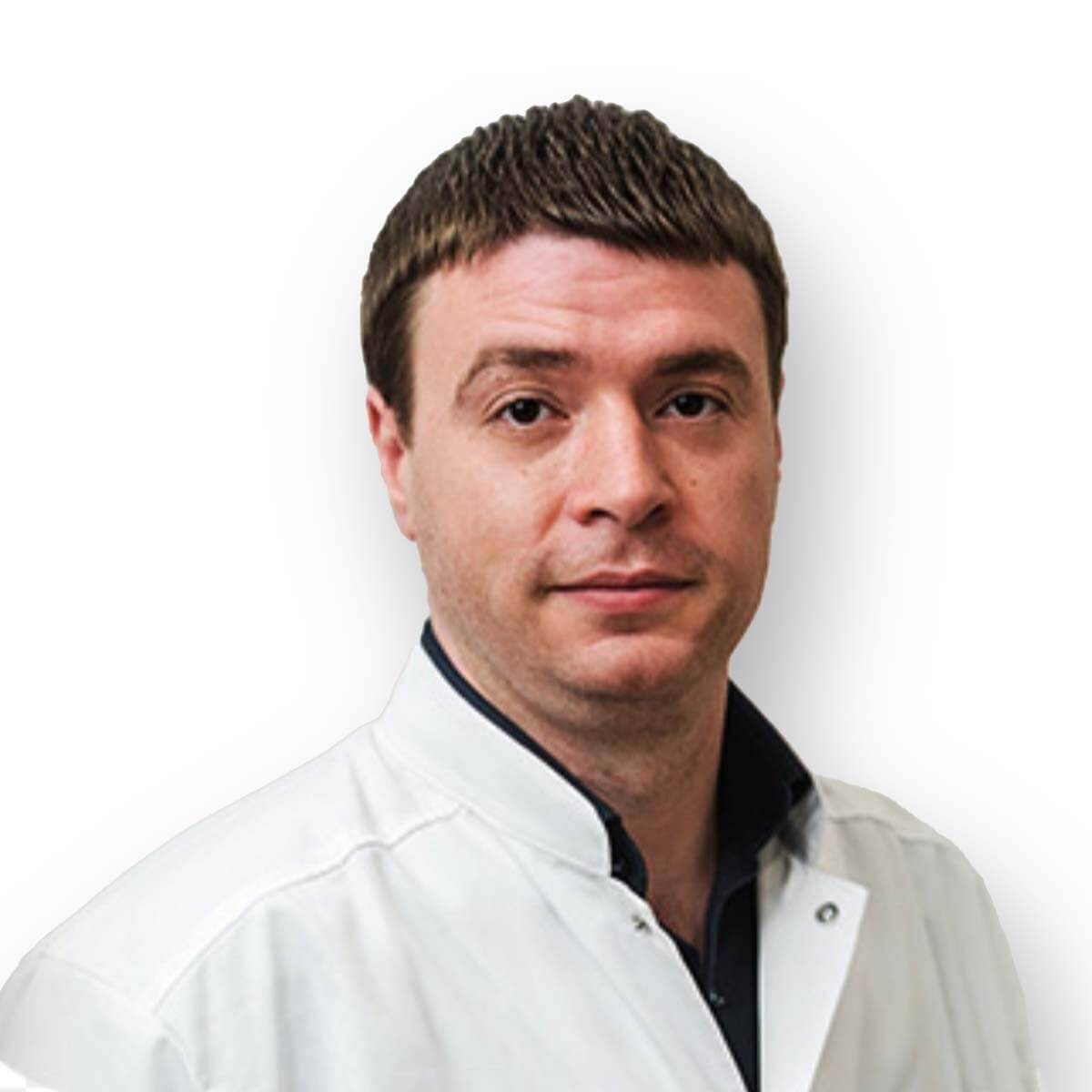
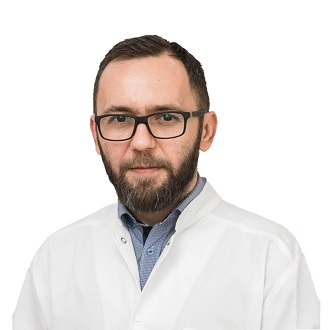
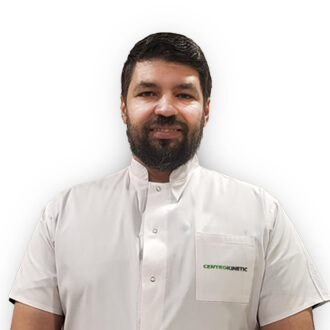
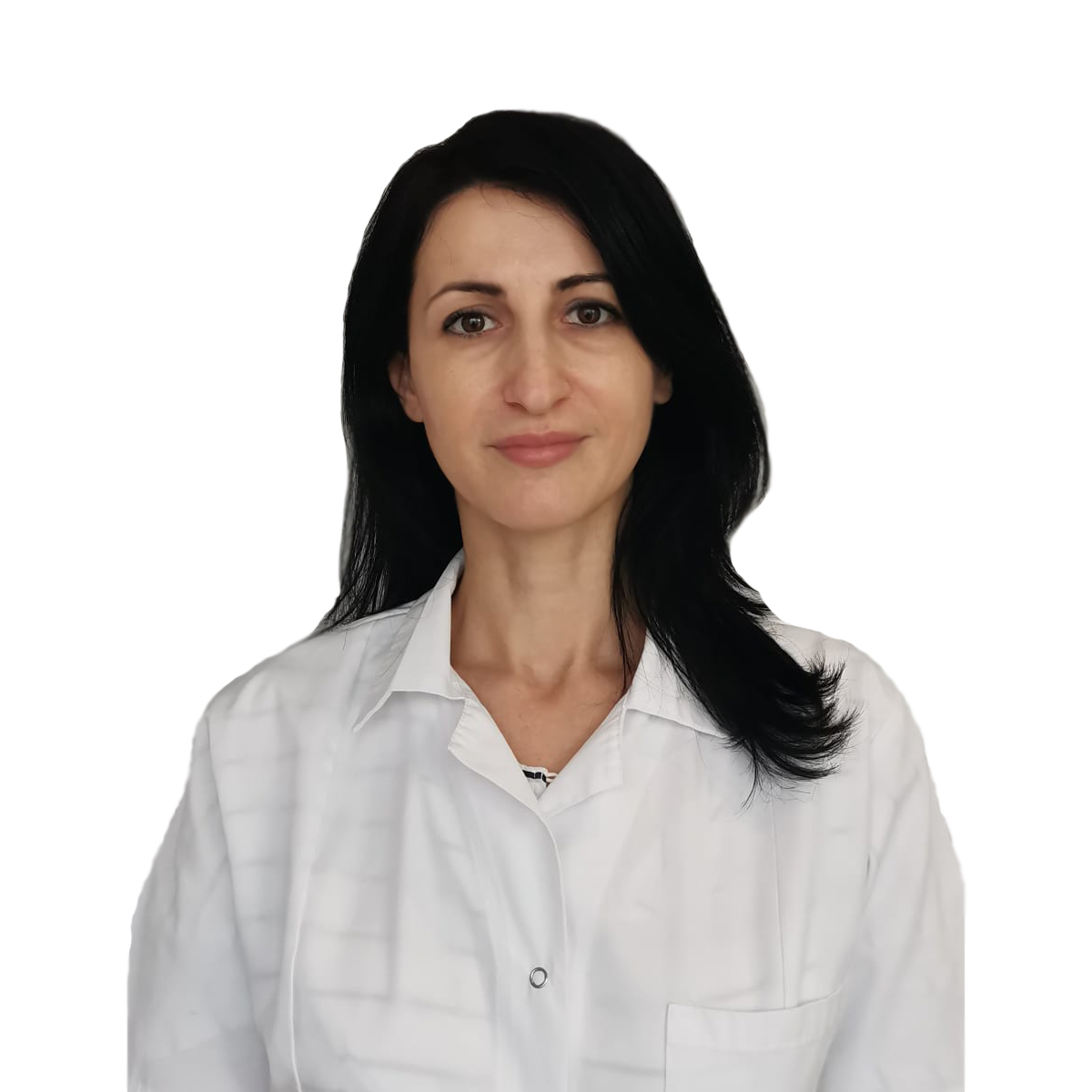
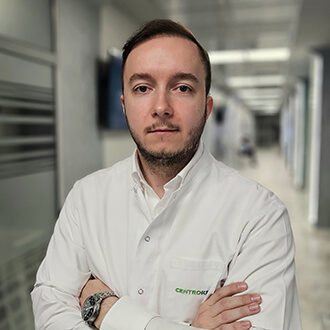
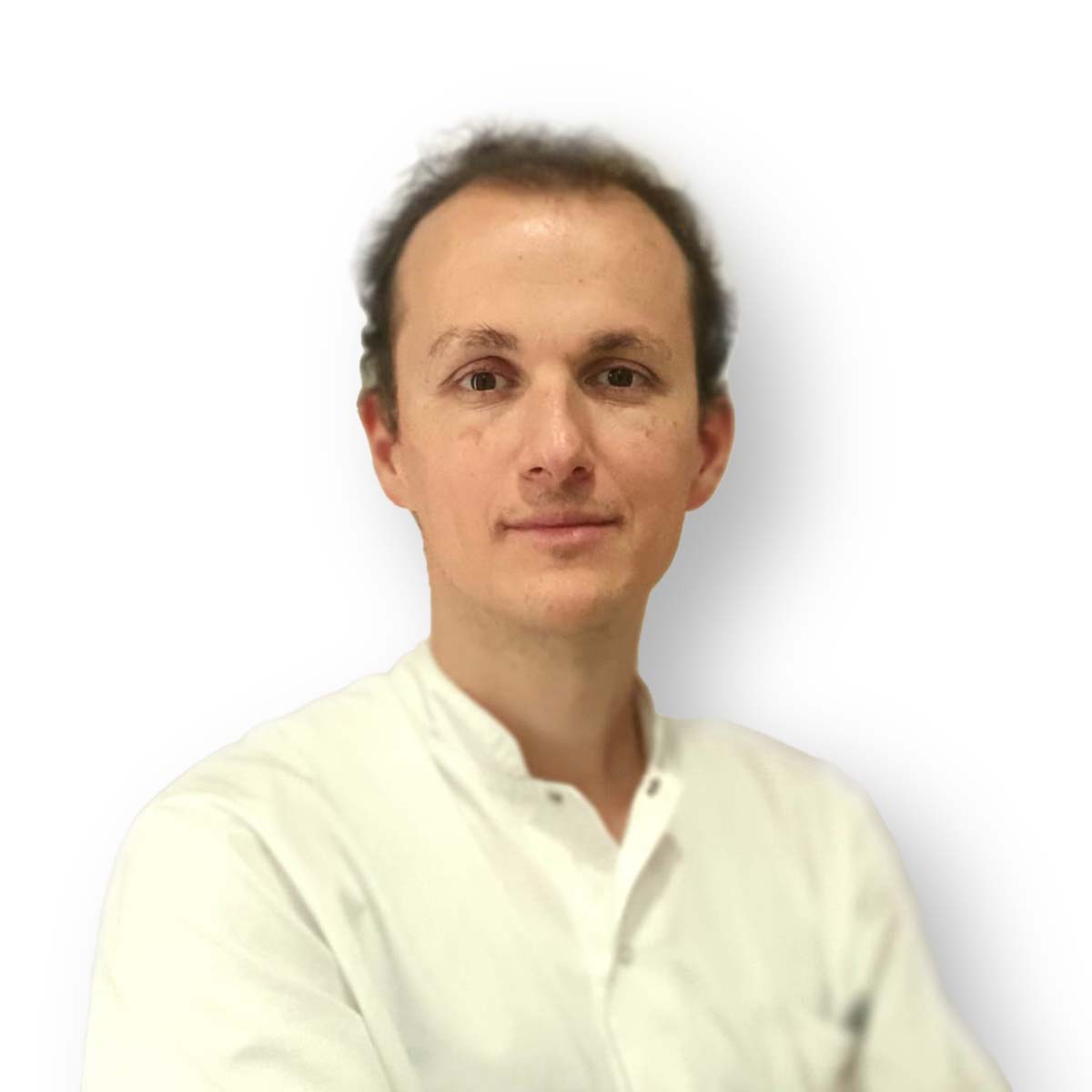
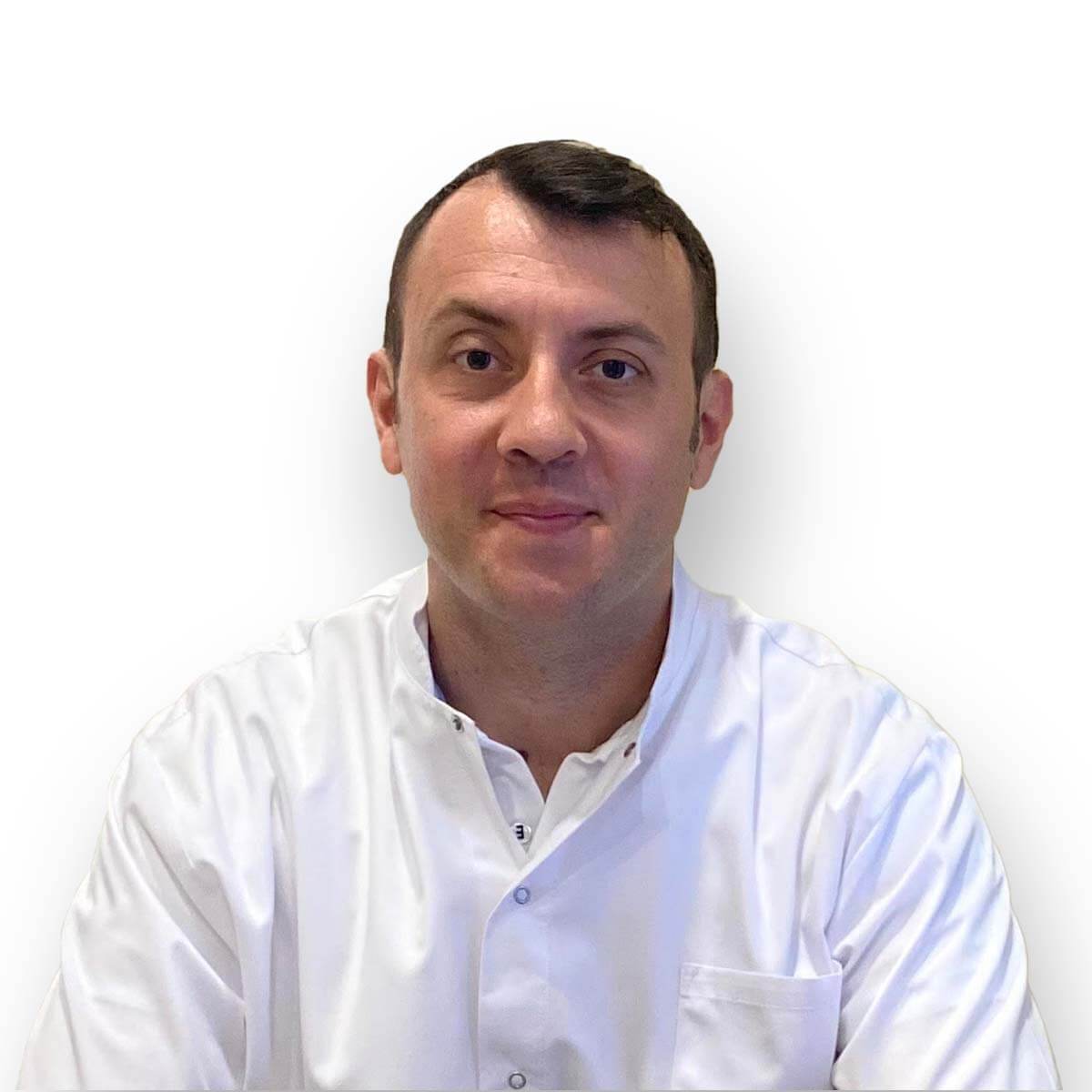
BUCHAREST TEAM






















CLUJ NAPOCA TEAM












BRASOV TEAM






MAKE AN APPOINTMENT
FOR AN EXAMINATION
See here how you can make an appointment and the location of our clinics.
MAKE AN APPOINTMENT
Asiguratori privati





Parteneriate


CENTROKINETIC FLOREASCA
Bucharest, 1st District,
Mircea Eliade Street, no. 18,
Eliade Tower, Entrance A, Floor 3
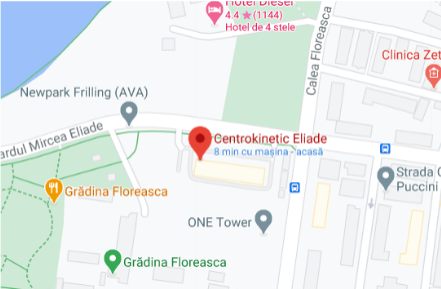
| Navigation | Explore 3D |
CENTROKINETIC Barbu Vacarescu
Bucharest, 2nd District,
Barbu Vacarescu Street, no. 102,
102 The Address, ground floor.
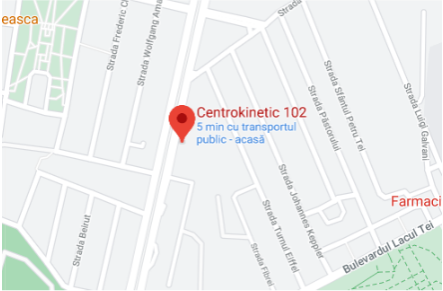
| Navigation | Explore 3D |
CENTROKINETIC MILITARI
Bucuresti, Sector 6,
Bld. Iuliu Maniu, nr. 15G,
Cladirea PBT, etaj 3.
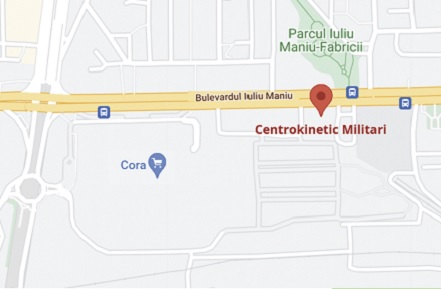
| Navigation |
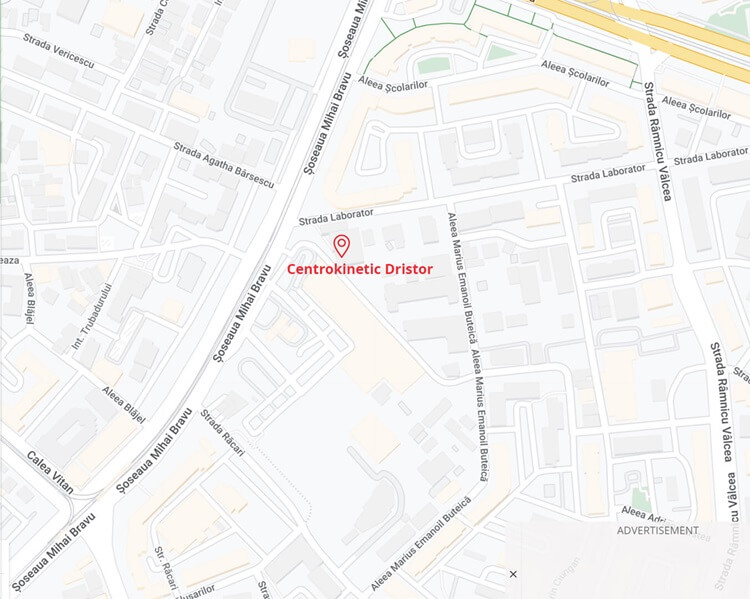
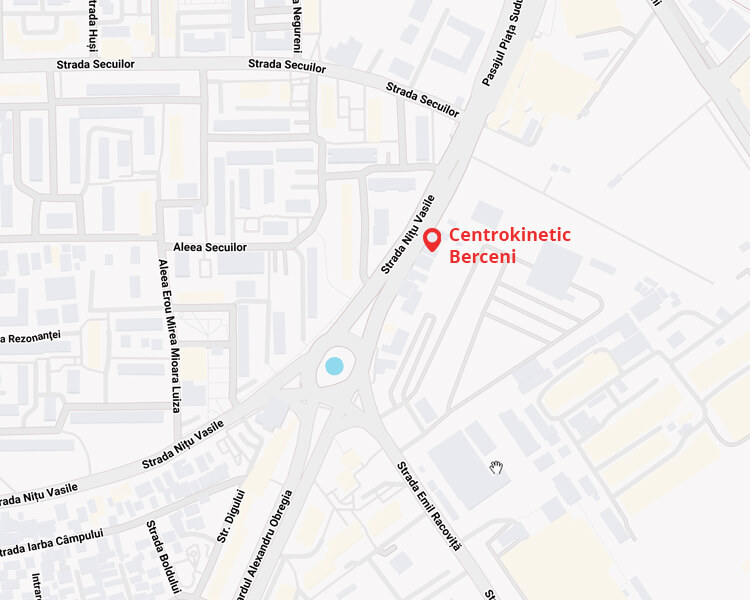
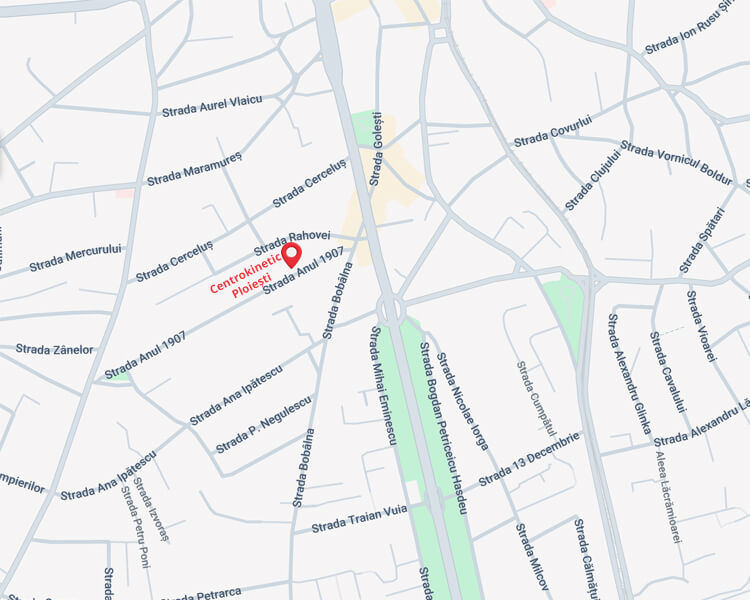
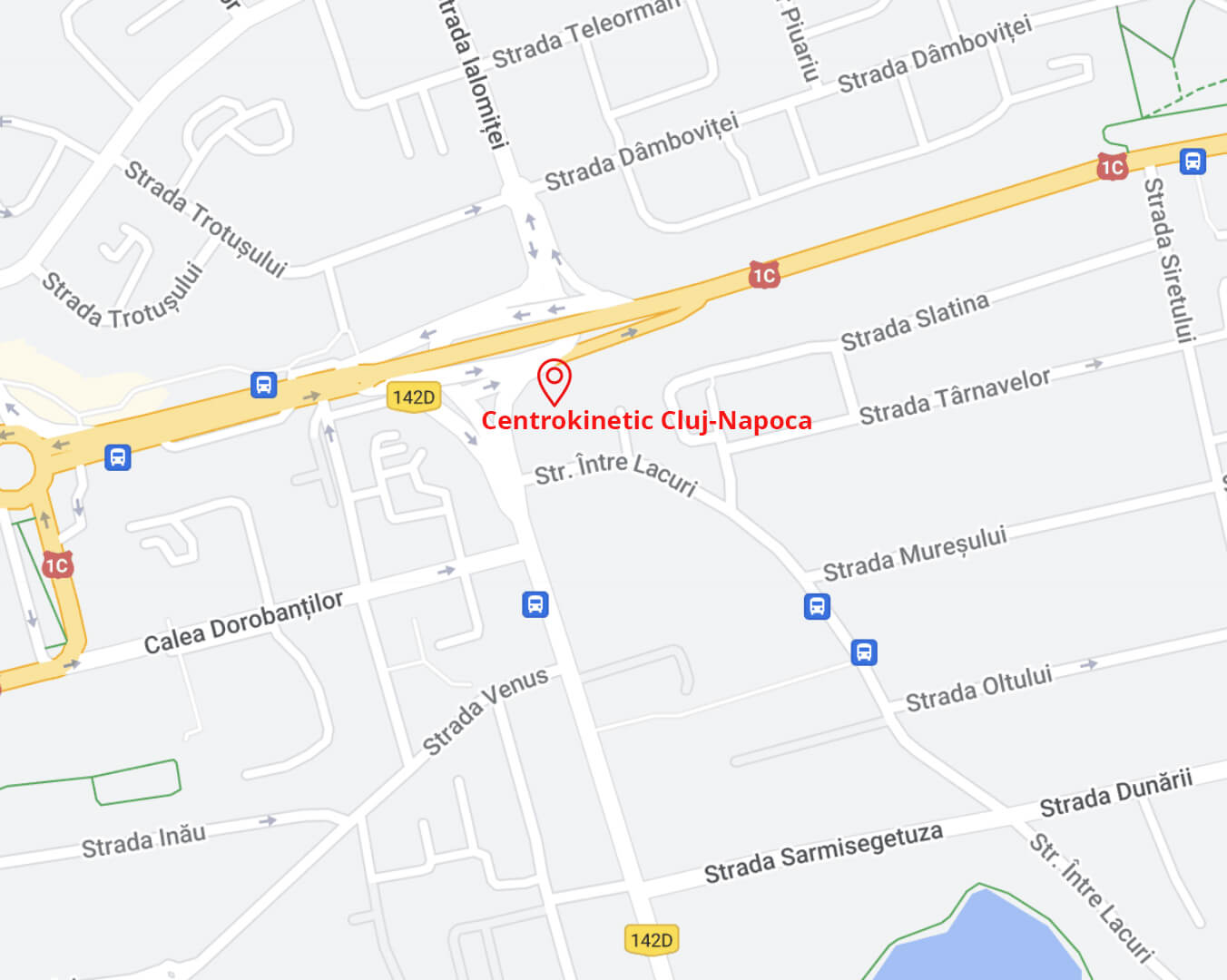
CENTROKINETIC CLUJ-NAPOCA
Cluj-Napoca,
Str. Intre Lacuri, nr.1
Intrarea este in spatele cladirii.
| Navigation |
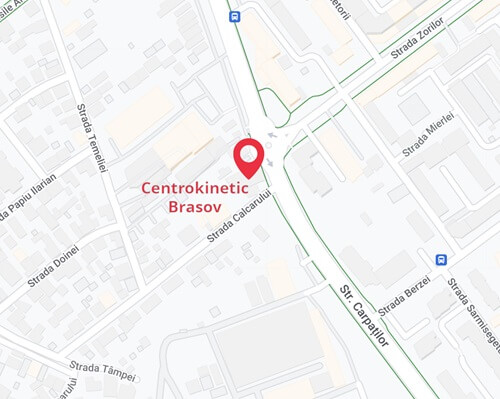
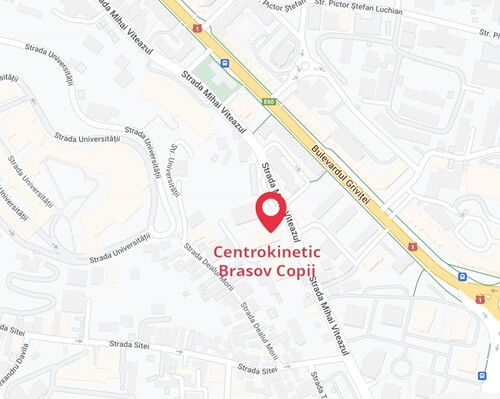
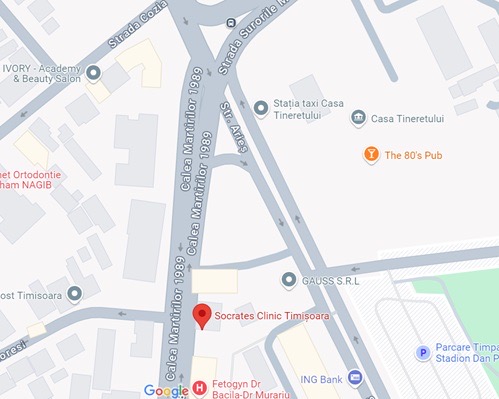
SOCRATES CLINIC TIMISOARA
Timisoara, Calea Martirilor 1989,
nr. 1.
Telefon: 0371 785 374.
| Navigation |
CONTACT
Phone: 0319693
E-mail: programari@centrokinetic.ro
Operating hours:
Monday – Friday: 07:00 – 21:00
Saturday: 09:00 – 14:00
Sunday: closed.
MAKE AN APPOINTMENT