10 Conditions Effectively Treated Through Manual Therapy (From Low Back Pain to Frozen Shoulder)


 10 Conditions Effectively Treated Through Manual Therapy (From Low Back Pain to Frozen Shoulder)
Back pain, neck stiffness, or a blocked shoulder can limit your daily activity, your training, and even your sleep. Whether you have an active lifestyle or work long hours at a desk, you have probably experienced at least one episode of musculoskeletal discomfort.
Manual therapy is a method frequently used in medical rehabilitation to reduce pain and improve mobility. The specialist applies specific techniques directly on the joints, muscles, and soft tissues, with the goal of restoring normal movement and reducing tension.
Studies show that manual techniques, integrated into a complete rehabilitation plan, can reduce pain and improve function in patients with musculoskeletal conditions. The results depend on the diagnosis, the timing of the intervention, and your involvement in the exercise program. Here are the conditions that can be effectively treated this way.
1. Low back pain (lumbago)
Low back pain frequently affects active adults, sedentary people, and athletes. It can appear after lifting a weight, after a long day at the office, or without a clear reason. Do you feel stiff in the morning? Does the pain worsen when bending or after prolonged sitting? In most cases, we are talking about mechanical low back pain, associated with muscle contractures, joint blockages, or overuse.
Manual therapy uses mobilizations of the lumbar spine and the sacroiliac joint, myofascial techniques for the paravertebral muscles, and exercises adapted to your activity level. According to studies, spinal mobilizations and manipulations can reduce pain and improve function in patients with acute and subacute low back pain. However, the doctor must rule out fractures, infections, or inflammatory conditions. Do not start the treatment without a medical evaluation!
2. Lumbar disc herniation and sciatica
Pain that travels down from the lumbar area toward the buttock and leg, accompanied by tingling or numbness, indicates the irritation of a nerve root. Many patients come in for a consultation after weeks of self-medication without results.
In mild and moderate phases, manual therapy can include gentle decompression techniques and controlled mobilizations. The specialist also uses neuromobilization techniques for the sciatic nerve, with the aim of reducing sensitization. These techniques can improve nerve mobility and reduce pain intensity.
Not all herniations are treated conservatively. If symptoms such as progressive weakness, gait disturbances, or bladder control problems appear, see a doctor urgently! Prompt intervention can prevent neurological complications.
3. Thoracic pain and pain between the shoulder blades
Pain between the shoulder blades frequently occurs in people who work long hours at a computer or drive long distances. Sometimes, deep breathing becomes uncomfortable.
Manual therapy focuses on mobilizing the thoracic and costal joints and relaxing the interscapular muscles. The specialist can show you thoracic extension exercises and controlled breathing. Thoracic mobilizations can improve mobility and reduce pain associated with poor posture.
Thoracic pain must be differentiated from cardiac or pulmonary pain. If symptoms such as breathing difficulties, dizziness, or cold sweats appear, seek a medical evaluation immediately!
4. Neck pain and radiating pain from the nape
Neck pain affects more and more people, including active young people and athletes. The prolonged position with the head bent toward the phone or laptop increases the pressure on the cervical spine.
Manual therapy uses cervical and cervico-thoracic mobilizations adapted to the level of irritability. Techniques for the suboccipital muscles and the shoulder area reduce tension and improve mobility. Manual therapy, combined with exercises, can relieve pain and increase the range of motion in neck pain.
Correcting your posture and adapting your desk ergonomics support the results. Early intervention reduces the risk of chronic pain and recurring episodes.
5. Frozen shoulder (adhesive capsulitis) 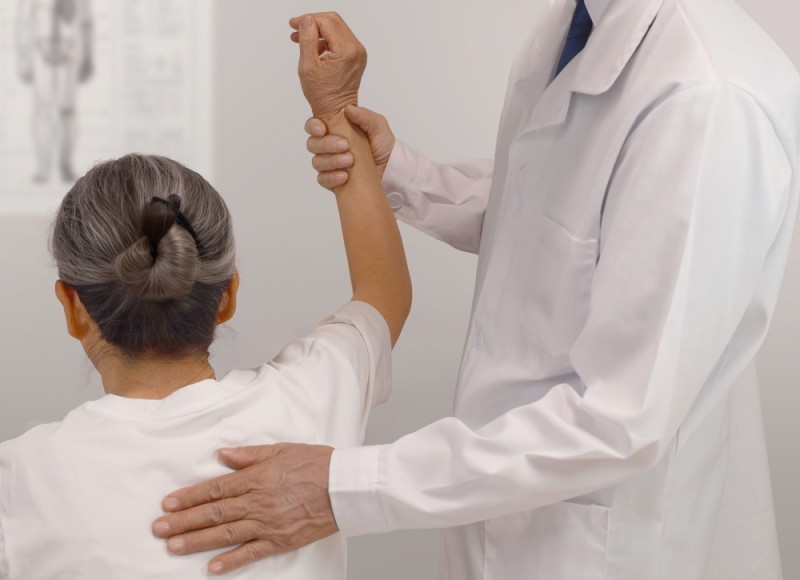
Adhesive capsulitis severely limits shoulder movement. The problem can occur after a period of immobilization, after surgery, or without an obvious cause. Many patients notice that they can no longer lift their arm or reach behind their back.
The condition evolves in stages: the painful phase, the stiffness phase, and the recovery phase. In the first stage, the specialist applies gentle techniques to avoid increasing the inflammation. As the pain decreases, the mobilizations become more targeted toward the joint capsule.
Combining manual therapy with active exercises accelerates the recovery of mobility. In practice, at Centrokinetic we combine manual techniques with physiotherapy procedures, for an optimal response. Recovery can take months. Perseverance and a personalized program make the difference. Do not postpone the evaluation; the earlier you start, the more you limit the loss of mobility.
6. Shoulder tendinitis and tendinopathy (rotator cuff)
Pain when lifting the arm or throwing frequently occurs in athletes and in people who work with their arms above their head. The rotator cuff stabilizes the shoulder and allows fine movements to be performed.
Manual therapy aims to improve joint gliding and relax the peri-scapular muscles. The specialist corrects imbalances and integrates progressive strengthening exercises.
To consolidate the results, at Centrokinetic we offer a personalized physical therapy program. If a tendon rupture is suspected, imaging investigations may be necessary. Do not ignore persistent pain.
7. Shoulder bursitis
Bursitis means the inflammation of a bursa, a small fluid-filled sac that reduces friction between structures. In the shoulder, the inflammation causes pain during movement and tenderness to the touch.
In the acute phase, gentle techniques are used and excessive direct pressure is avoided. The biomechanics of the shoulder are adjusted to reduce the stress on the bursa. Conservative treatment, including manual therapy and exercises, is the first line of intervention in most cases.
If the pain persists, the doctor may recommend medication or injections. A correct evaluation guides the optimal choice.
8. Recovery after a shoulder fracture
After immobilization, the joint becomes stiff, and the muscles lose their strength. Patients avoid movement for fear of pain, which can prolong the recovery.
Manual therapy begins only after the doctor confirms bone consolidation. The specialist uses progressive mobilizations to restore capsular mobility. Later, active exercises are introduced to rebuild strength and coordination.
An aggressive intervention can cause pain or tissue inflammation. That is why the intensity is adapted according to the stage of healing and your tolerance.
9. Sacroiliac joint dysfunction
Low, unilaterally localized pain, which worsens when standing or changing position, can originate from the sacroiliac joint. It connects the spine to the pelvis and contributes to trunk stability.
Manual therapy uses specific mobilization techniques and the release of tense ligaments. Later, stabilization exercises for the abdominal and gluteal muscles are introduced. The differential diagnosis with a herniated disc requires careful clinical examination.
10. Myofascial syndrome and trigger points
Trigger points are tense areas in the muscles that cause local or radiating pain. They frequently occur in the trapezius, the rhomboids, and the lumbar area.
Manual therapy applies controlled pressure and myofascial release techniques. The specialist will teach you stretching and posture correction exercises to prevent reactivation. Manual treatment of trigger points can reduce pain and improve function in the short and medium term. Self-massage can help, but incorrect technique can worsen the discomfort. Seek specialized guidance from the Centrokinetic experts.
Manual therapy: treated conditions by area
| Region | Main conditions | Therapy objectives |
|---|---|---|
| Spine (lumbar/thoracic/cervical) | Low back pain, Disc herniation (mild), Interscapular pain, Neck pain | Joint mobility and nerve decompression |
| Shoulder | Capsulitis (frozen shoulder), Tendinitis, Bursitis, Post-fracture | Reducing stiffness and restoring movement |
| Pelvis / Muscular | Sacroiliac dysfunction, Myofascial syndrome (trigger points) | Muscle relaxation and postural stability |
Why do a correct evaluation and early intervention matter?
Any persistent pain must be investigated. An evaluation performed by an experienced team establishes the exact cause and identifies any contraindications for manual therapy, such as recent fractures, severe instabilities, or certain active inflammatory conditions.
The benefits of a correct evaluation include:
- identifying the affected structure;
- choosing the right technique for the pain phase;
- preventing complications;
- establishing a personalized plan.
The personalized approach increases the chances of recovery and reduces the risk of recurrence. For optimal results, the Centrokinetic specialists combine manual therapy with exercises, postural education and, if needed, physiotherapy. Book an appointment now for a specialist consultation!
Frequently asked questions
Is manual therapy painful?
You may feel moderate discomfort during certain techniques, especially in tense areas. Intense pain is not a goal of the treatment. Communicate constantly with the therapist to adjust the pressure and intensity.
Are there contraindications for manual therapy?
Yes. Recent fractures, severe joint instabilities, local infections, or certain active rheumatological conditions can represent temporary or permanent contraindications. The medical evaluation determines whether manual therapy is suitable for you.
Disclaimer: This material is for informational purposes and does not replace a medical consultation. If you have persistent pain or neurological symptoms, schedule a specialist evaluation!
Sources:
- "Manual Therapy | Treatment/Procedure | UAMS Health." UAMS Health, 2026. Accessed 27 Apr. 2026.
- Bishop, Mark D, et al. "What Effect Can Manual Therapy Have on a Patient's Pain Experience?" Pain Management, vol. 5, no. 6, 24 Sept. 2015, pp. 455–464, 10.2217/pmt.15.39. Accessed 27 Apr. 2026.
- "Manual Therapy." Physiopedia, 2018. Accessed 27 Apr. 2026.
BUCHAREST TEAM

























































CLUJ NAPOCA TEAM





























BRASOV TEAM

















MAKE AN APPOINTMENT
FOR AN EXAMINATION
See here how you can make an appointment and the location of our clinics.
MAKE AN APPOINTMENT
Asiguratori privati




Parteneriate


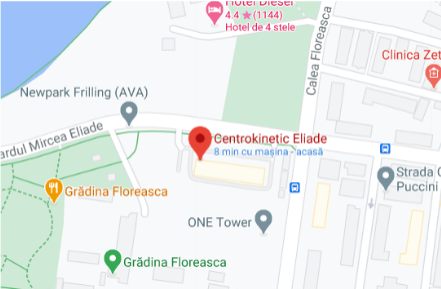
CENTROKINETIC FLOREASCA
Bucharest, 1st District,
Mircea Eliade Street, no. 18,
Eliade Tower, Entrance A, Floor 3
| Navigation | Explore 3D |
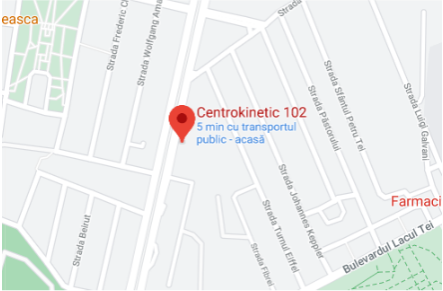
CENTROKINETIC Barbu Vacarescu
Bucharest, 2nd District,
Barbu Vacarescu Street, no. 102,
102 The Address, ground floor.
| Navigation | Explore 3D |
CENTROKINETIC MILITARI
Bucuresti, Sector 6,
Bld. Iuliu Maniu, nr. 15G,
Cladirea PBT, etaj 3.
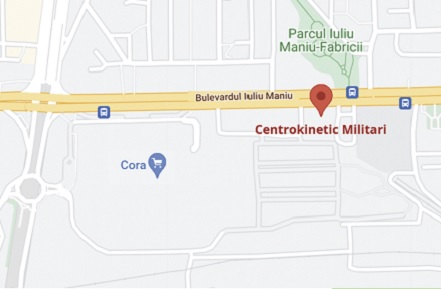
| Navigation |
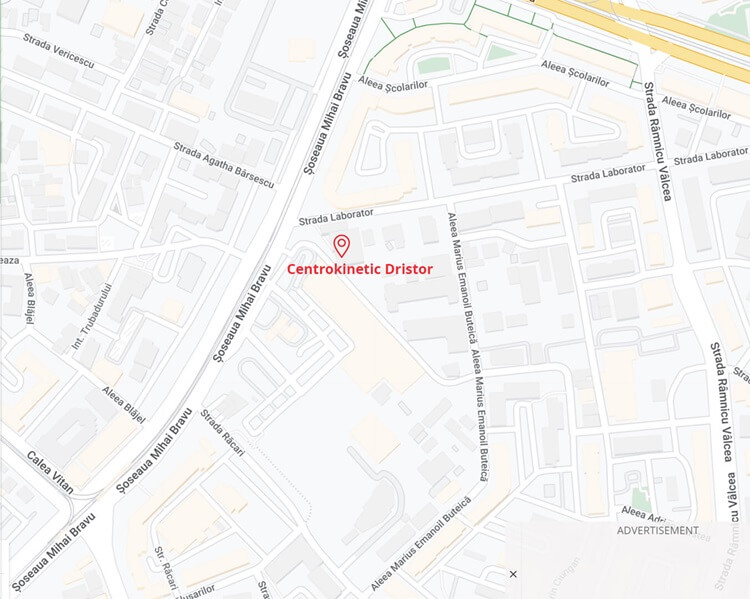
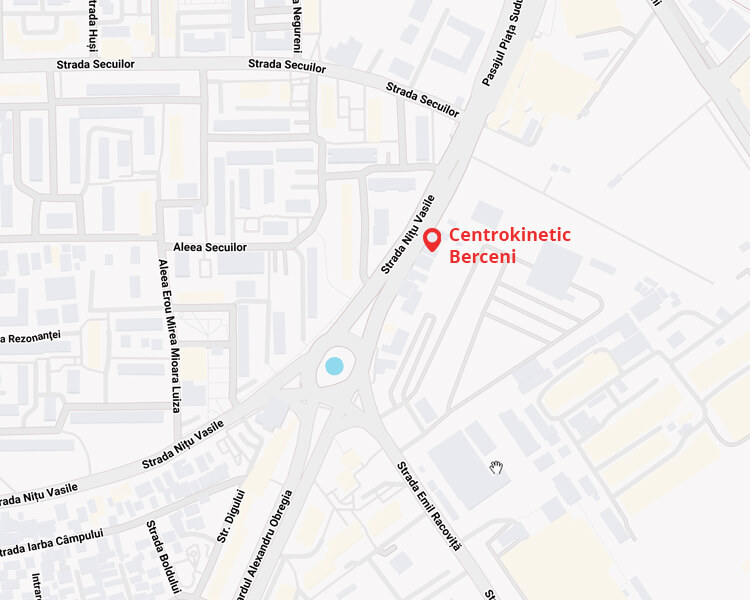
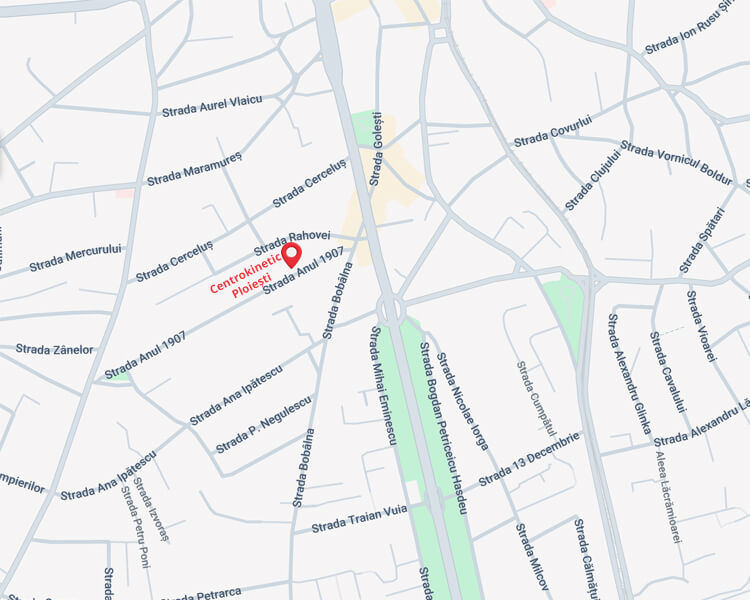
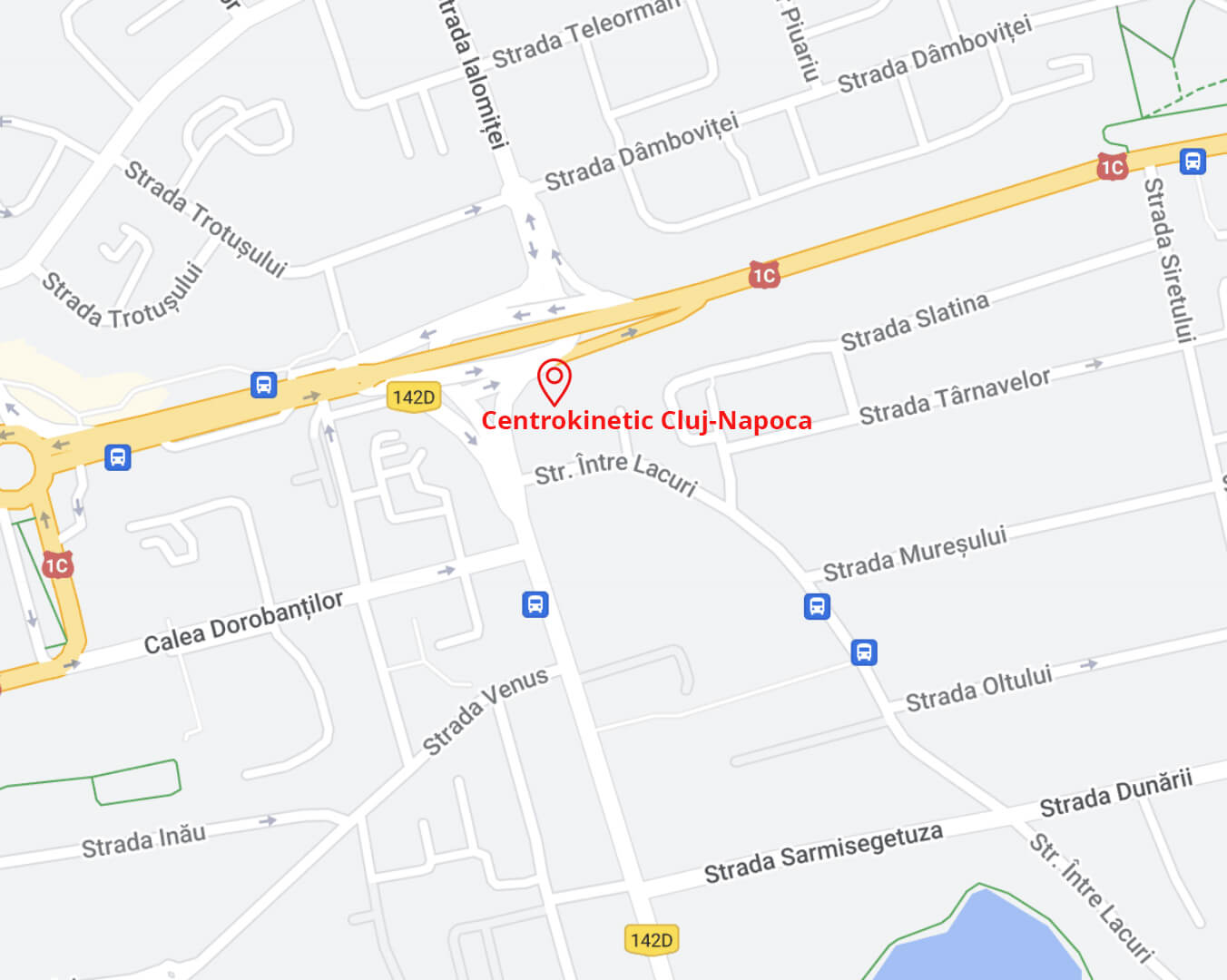
CENTROKINETIC CLUJ-NAPOCA
Cluj-Napoca,
Str. Intre Lacuri, nr.1
Intrarea este in spatele cladirii.
| Navigation |
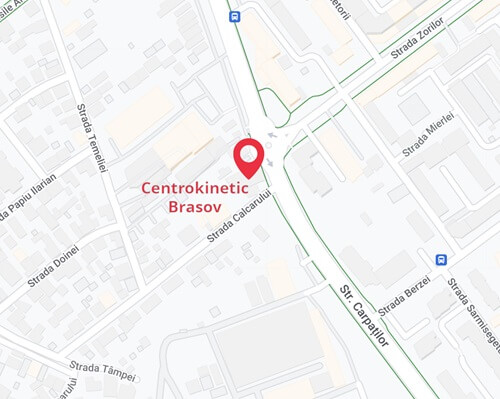
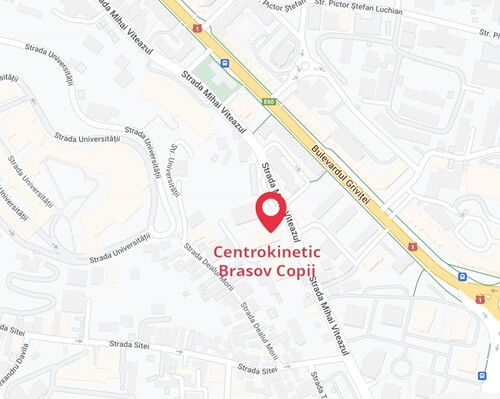
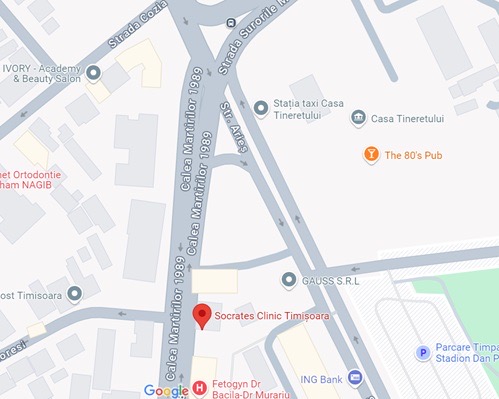
SOCRATES CLINIC TIMISOARA
Timisoara, Calea Martirilor 1989,
nr. 1.
Telefon: 0371 785 374.
| Navigation |
CONTACT
Phone: 0319693
E-mail: programari@centrokinetic.ro
Operating hours:
Monday – Friday: 07:00 – 21:00
Saturday: 09:00 – 14:00
Sunday: closed.
MAKE AN APPOINTMENT