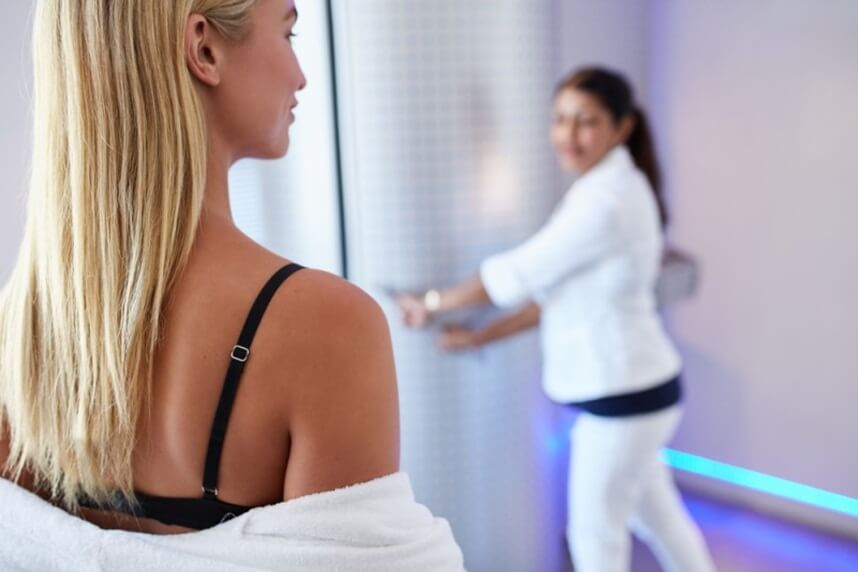
Cryotherapy means the controlled application of cold for therapeutic purposes, in order to reduce pain and inflammation. In postoperative orthopedic recovery, this method is part of the standard protocol in many international medical centers.
After surgery on the knee, shoulder, or spine, your body naturally reacts with inflammation, edema, and discomfort. These reactions support the healing process, but if they are not properly controlled, they can slow the return to movement. For this reason, doctors frequently include cryotherapy in recovery plans starting from the very first hours after the procedure.
At Centrokinetic, we integrate cryotherapy into personalized recovery plans for active adults, athletes, operated patients, and parents looking for safe solutions for children with orthopedic conditions. Our goal is simple: to reduce pain, limit swelling, and help you gradually return to your daily activities.
Any surgical procedure triggers an inflammatory response. The body sends cells and chemical substances to the operated area to repair the affected tissues. This process causes:
Blood vessels dilate and allow fluid to accumulate in the tissues. At the same time, inflammatory mediators stimulate nerve endings and increase sensitivity to pain.
Inflammation is normal during the first 48–72 hours. However, if swelling remains uncontrolled, joint stiffness or delayed return to movement may occur. In the case of knee arthroscopy for a meniscus tear, for example, persistent edema can slow muscle activation and delay the recovery of normal walking.
Early intervention makes a difference. A proper evaluation performed immediately after surgery allows the establishment of a recovery plan adapted to the type of intervention and your activity level.
Cryotherapy applies controlled local cold to influence the inflammatory response. Its physiological effects are well documented in medical literature. According to studies published so far, applying cold after orthopedic procedures reduces pain intensity and lowers the need for analgesics in the first postoperative days.
Cold acts through:
In practice, the operated area becomes less painful and easier to mobilized. For an athlete undergoing anterior cruciate ligament surgery, this means the possibility of starting guided exercises earlier without increasing discomfort.
We apply cryotherapy as part of physiotherapy sessions, closely connected to the initial medical evaluation. Each patient receives clear recommendations regarding session duration and frequency.
In most cases, doctors recommend starting cryotherapy within the first 24 hours after surgery. This period is essential for inflammation control.
The usual protocol includes:
Do not extend application beyond the recommended duration. Excessive exposure may cause skin injury or reactive vasodilation. In the following weeks, cryotherapy is integrated before or after physiotherapy sessions.
For example, after lumbar disc herniation surgery, cold application can reduce muscle discomfort that appears after exercises. We always adapt the protocol to your age, type of surgery, and functional goals.
| Postoperative stage | Main objective | Why cold helps at this stage |
| First 24–48 hours | Rapid inflammation control | Limits excessive fluid accumulation in tissues |
| Days 3–7 | Pain reduction during mobilization | Decreases local sensitivity before light exercises |
| Weeks 2–3 | Supports return to movement | Allows gradual increase in range of motion without increasing swelling |
| After physiotherapy sessions | Post-exercise reaction control | Reduces discomfort after more intense exercises |
| Return to daily activities | Overload prevention | Controls temporary inflammatory reactions |
There are several methods of applying therapeutic cold. The choice depends on the operated area and the severity of swelling.
The most commonly used methods are:
Modern devices maintain a constant temperature and distribute cold evenly. According to currently published data, systems that combine cold with controlled pressure reduce swelling more efficiently compared to simple ice application. At Centrokinetic, we use specialized equipment integrated into cryotherapy protocols.
Cryotherapy is part of standard recovery after numerous orthopedic procedures:
For a patient with a knee prosthesis, reducing swelling in the first weeks facilitates progressive flexion and walking recovery. For an athlete after shoulder surgery, pain control allows early mobility exercises without fear of joint blockage. The approach is personalized. Our team continuously evaluates progress and adjusts the recovery plan.
Cryotherapy is safe when applied correctly by specialists. However, there are situations that require caution.
Possible side effects:
Common contraindications:
Before starting therapy, the doctor evaluates your medical history. Do not apply cryotherapy without medical recommendation, especially if you have vascular conditions or increased sensitivity to cold.

Cryotherapy works best when it is part of a structured rehabilitation program. At Centrokinetic, the plan includes:
Studies highlight the importance of a multimodal approach in orthopedic recovery, combining pain control with progressive exercises for stable long-term results. For you, this means less stiffness, faster return to daily activities, and reduced risk of complications. Early intervention and proper evaluation increase the chances of effective recovery.
The duration varies depending on the procedure and the body’s response. In general, application is more intensive during the first 7–14 days, then frequency gradually decreases. The doctor adjusts the protocol at each follow-up visit.
No. Always protect the skin with a thin towel or use dedicated medical devices. Direct application may cause cold burns.
No. In many cases, cryotherapy complements drug treatment and may reduce the need for analgesics. Do not modify medication doses without your doctor’s recommendation.
If you have undergone surgery or are preparing for one, discuss your recovery plan with your doctor in advance. Schedule an appointment now at Centrokinetic for a specialist consultation!
Disclaimer: This article is for informational purposes only and does not replace specialized medical consultation.
Sources of information:
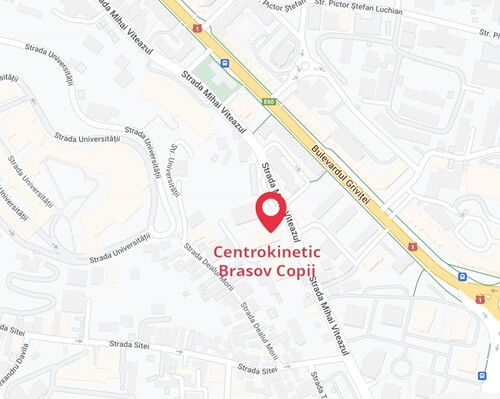
See here how you can make an appointment and the location of our clinics.






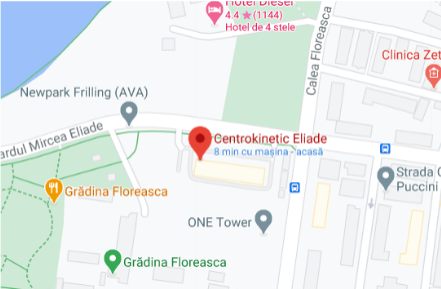
CENTROKINETIC FLOREASCA
Bucharest, 1st District,
Mircea Eliade Street, no. 18,
Eliade Tower, Entrance A, Floor 3
| Navigation | Explore 3D |
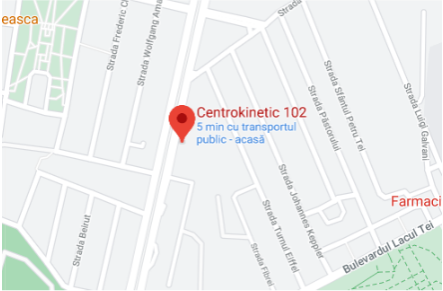
CENTROKINETIC Barbu Vacarescu
Bucharest, 2nd District,
Barbu Vacarescu Street, no. 102,
102 The Address, ground floor.
| Navigation | Explore 3D |
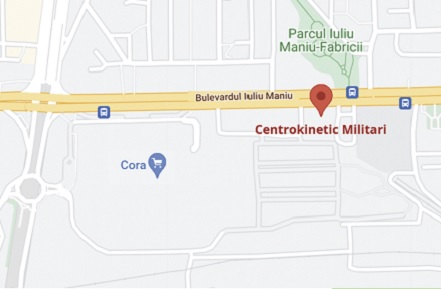
CENTROKINETIC MILITARI
Bucuresti, Sector 6,
Bld. Iuliu Maniu, nr. 15G,
Cladirea PBT, etaj 3.
| Navigation |
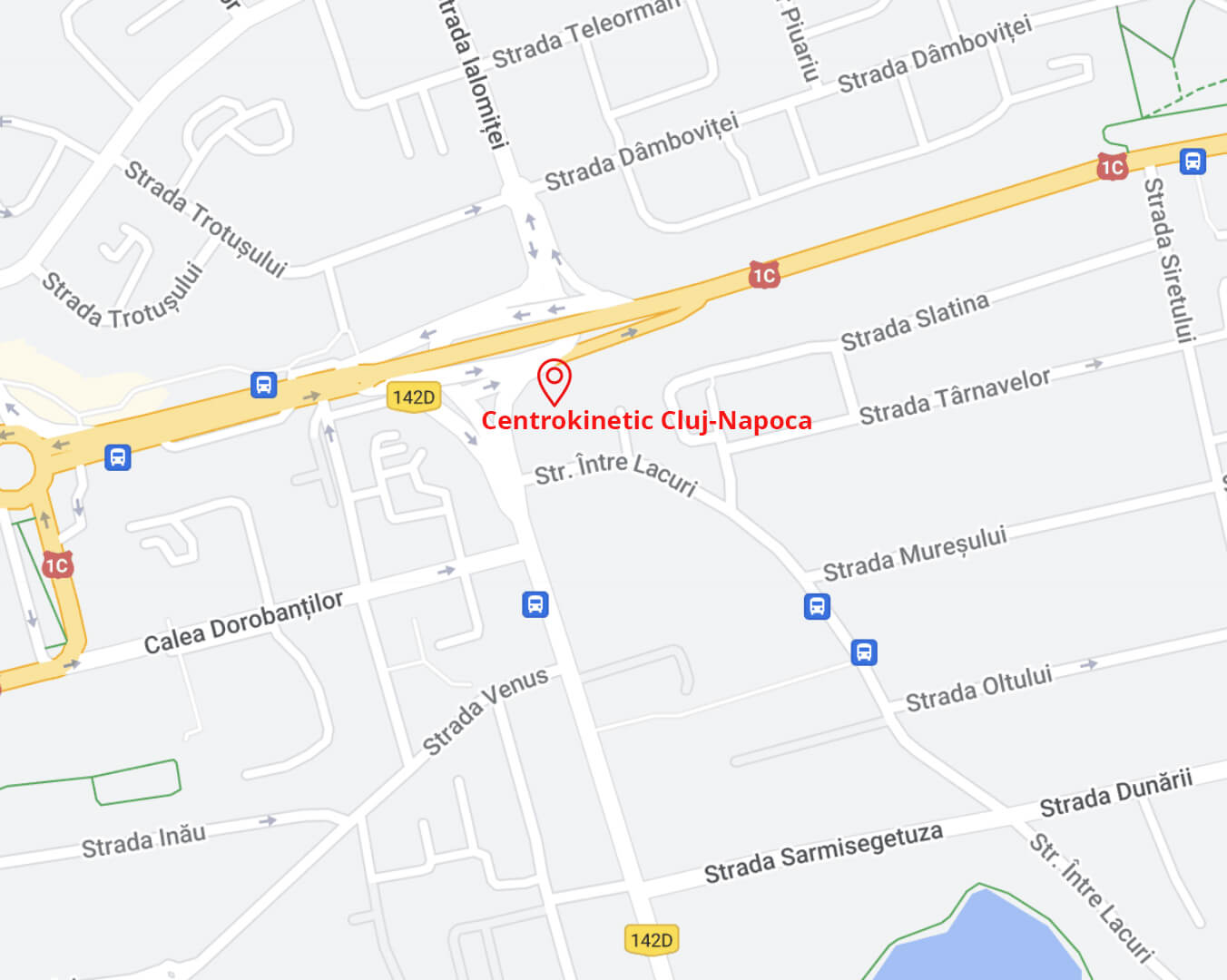
CENTROKINETIC CLUJ-NAPOCA
Cluj-Napoca,
Str. Intre Lacuri, nr.1
Intrarea este in spatele cladirii.
| Navigation |
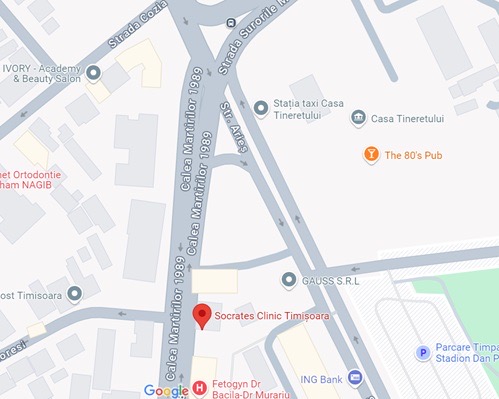
SOCRATES CLINIC TIMISOARA
Timisoara, Calea Martirilor 1989,
nr. 1.
Telefon: 0371 785 374.
| Navigation |
Phone: 0319693
E-mail: programari@centrokinetic.ro
Operating hours:
Monday – Friday: 07:00 – 21:00
Saturday: 09:00 – 14:00
Sunday: closed.
MAKE AN APPOINTMENT