What does CIF mean in physiotherapy?


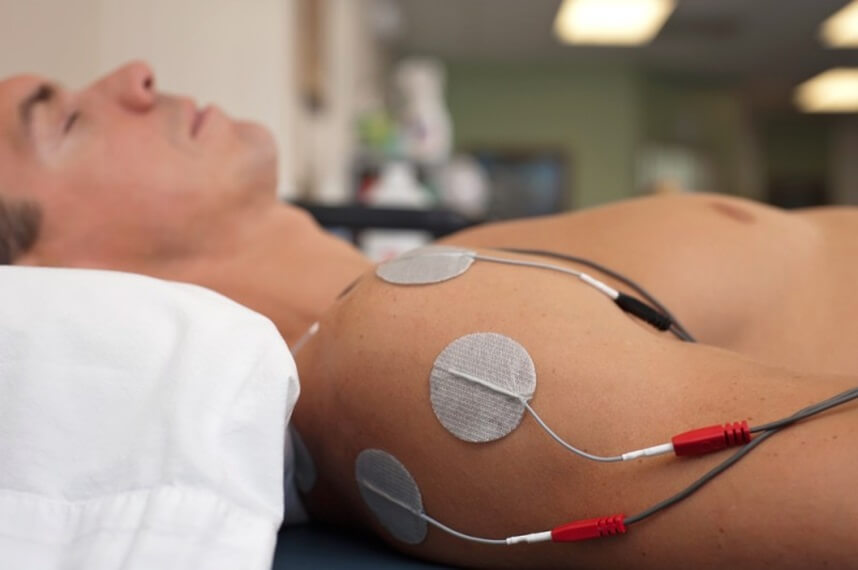
If you have received a recommendation for “CIF” and would like to understand what it involves, you are in the right place. In Centrokinetic clinics, CIF is one of the electrotherapy procedures frequently used to control pain, reduce inflammation, and support functional recovery [1]. Below, you will discover what CIF is, when it is recommended, how it is applied, and what benefits it may offer.
What is CIF and when is it used?
CIF refers to interferential current used in electrotherapy. This procedure utilizes two medium-frequency currents that penetrate deep into the tissues. The interference between them generates a targeted therapeutic effect, perceived as a mild and pleasant vibration. The main objectives of therapy are pain control, edema reduction, relaxation of tense muscles, and support for recovery after trauma or surgery.
Common indications:
- lower back, cervical, or thoracic pain;
- sprains, contusions, dislocations, post-traumatic injuries;
- muscle contractures and spasms;
- edema and peripheral circulation disorders;
- postoperative orthopedic recovery (for example, after arthroscopy or osteosynthesis) [1][2].
Important: this procedure is usually not used alone but is integrated into a recovery plan that may include kinesiotherapy, manual therapy, therapeutic massage, and education for correct daily movement.
How does CIF work?
The device applies, through surface electrodes, two currents of approximately 2,000–4,000 Hz. In the depth of the treated area, these currents combine and create an interferential field that:
- modulates pain signals at the nerve level (analgesic effect);
- stimulates blood and lymphatic microcirculation (anti-inflammatory/anti-exudative effect);
- reduces muscle hyperactivity and spasm (muscle-relaxing effect).
Parameters such as intensity, carrier frequency, modulation type, and duration are adjusted by the physiotherapist depending on the therapeutic goal and the patient’s clinical response [1].
How does a CIF electrotherapy session take place?
Before starting, the team performs a clinical evaluation: medical history is reviewed, mobility and strength are tested, and tolerance to touch/compression is assessed. If there are no contraindications, therapy begins.
What happens in practice:
- the skin is cleaned and electrodes are positioned on the target area, either in a crossed or parallel configuration, depending on the objective;
- initial parameters are set, then intensity is gradually increased until you feel a comfortable sensation without pain or sharp discomfort;
- the session generally lasts 10–25 minutes;
- at the end, the therapist briefly reassesses the area (pain, mobility) and records the response to adjust the next session.
During the session, you will feel a mild vibration or gentle tingling. If any discomfort appears, inform the therapist immediately so the settings can be adjusted.
Benefits of interferential current therapy
- pain reduction: modulation of pain signals decreases discomfort both superficially and in depth;
- reduction of inflammation and edema: improved local circulation supports elimination of inflammatory by-products;
- muscle relaxation: contractures and spasms decrease, allowing easier and broader movement;
- good tolerance: the sensation is generally pleasant, without the discomfort sometimes caused by low-frequency currents;
- easy integration: CIF can be combined within the same session with exercises, mobilizations, or therapeutic massage to maximize results [1][2][3].
For example, in an ankle sprain, CIF may be used in the first weeks to control pain and edema. As inflammation subsides, the focus can gradually shift toward stability and neuromuscular control exercises.
When CIF therapy should NOT be applied: contraindications and precautions
CIF must be postponed or avoided in certain situations, for example if you have:
- implanted electronic devices (pacemaker);
- open wounds, active infections, or major skin irritation in the treatment area;
- severe cardiac rhythm disorders, uncontrolled epilepsy;
- pregnancy (especially if treatment is applied to the abdomen or lower back);
- marked sensory disorders that prevent proper perception of the stimulus.
Possible reactions, usually mild and temporary:
- mild local redness;
- slight warmth in the treated area;
- temporary increased sensitivity.
If any unusual symptoms occur (dizziness, increased pain, burning sensation), inform the therapist immediately [2].
How is CIF integrated into your recovery plan?
At Centrokinetic, CIF is a frequently used tool. The decision to include it is based on functional diagnosis and the specific objectives established during the initial evaluation.
Common objectives:
- measurable pain reduction;
- increased joint range of motion;
- edema reduction;
- safe return to daily or sports activities.
The plan is dynamic. After several sessions, results are measured and parameters (or even the indication itself) are adjusted:
- if pain decreases visibly, the proportion of active exercises increases;
- if edema persists, dosage and combination of techniques (e.g., lymphatic drainage, functional taping) are revised;
- if the response is modest, the functional diagnosis is reassessed and the approach adapted [1][2].
Frequently Asked Questions (FAQ)
Are CIF sessions painful?
No. They should be comfortable. You will feel mild vibrations or tingling; if the sensation becomes unpleasant, intensity is reduced [1].
How many sessions are needed?
This depends on diagnosis, stage, and objectives. In practice, short series (for example, 6–12 sessions) are often recommended, with periodic reassessment.
Can you have CIF if you have screws or metal plates?
The presence of osteosynthesis material is not, in itself, an absolute contraindication for medium-frequency currents, but the decision is medical and based on local evaluation and skin sensitivity [2].
Can CIF be combined with exercises on the same day?
Yes, often within the same session. Pain and edema control are addressed first, followed by targeted exercises.
Are the results immediate?
Sometimes pain decreases after the first applications; other times, the effect is gradual. Consistency and correct integration within the overall plan are essential [1].
This information is for educational purposes only. The indication for CIF, parameter settings, and combination with other therapies are determined only after clinical evaluation. If you have an implanted cardiac device, are pregnant, have skin lesions, or any systemic condition, inform the medical team. Open communication and feedback during sessions contribute to optimal results.
Sources:
[1] “Interferential Therapy.” Physiopedia, 2017, www.physio-pedia.com/Interferential_Therapy.
[2] “Interferential Therapy.” CB PhysioTherapy, 2017, https://cbphysiotherapy.in/therapies-offered/interferential-therapy-ift.
[3] Érika Patrícia Rampazo, and Richard Eloin Liebano. “Analgesic Effects of Interferential Current Therapy: A Narrative Review.” Medicina, vol. 58, no. 1, 17 Jan. 2022, pp. 141–141, pmc.ncbi.nlm.nih.gov/articles/PMC8779694/, https://doi.org/10.3390/medicina58010141.
BUCHAREST TEAM
































































CLUJ NAPOCA TEAM


































BRASOV TEAM


















MAKE AN APPOINTMENT
FOR AN EXAMINATION
See here how you can make an appointment and the location of our clinics.
MAKE AN APPOINTMENT
Asiguratori privati





Parteneriate



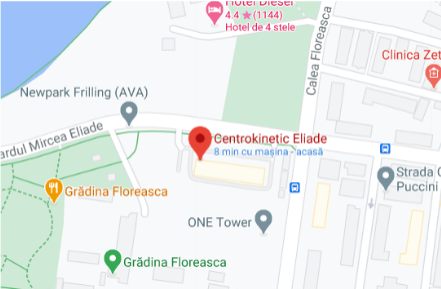
CENTROKINETIC FLOREASCA
Bucharest, 1st District,
Mircea Eliade Street, no. 18,
Eliade Tower, Entrance A, Floor 3
| Navigation | Explore 3D |
CENTROKINETIC Barbu Vacarescu
Bucharest, 2nd District,
Barbu Vacarescu Street, no. 102,
102 The Address, ground floor.
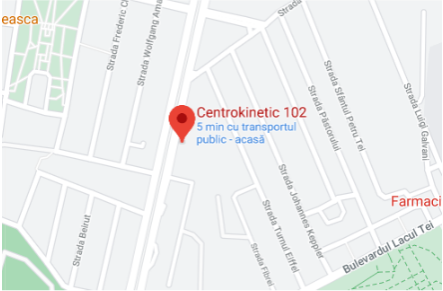
| Navigation | Explore 3D |
CENTROKINETIC MILITARI
Bucuresti, Sector 6,
Bld. Iuliu Maniu, nr. 15G,
Cladirea PBT, etaj 3.
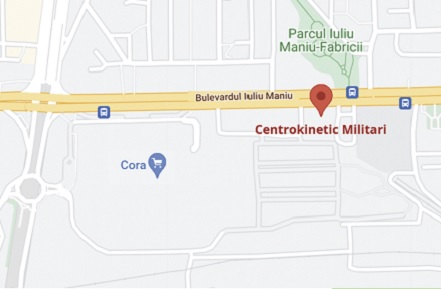
| Navigation |
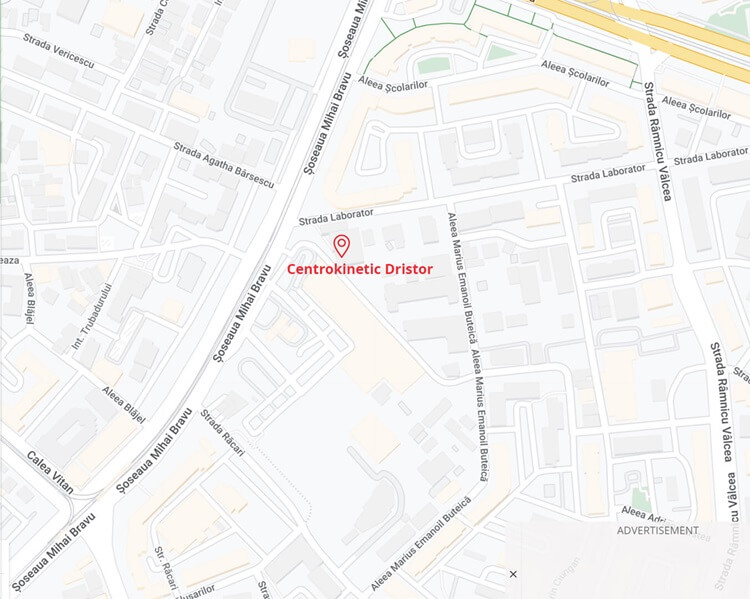
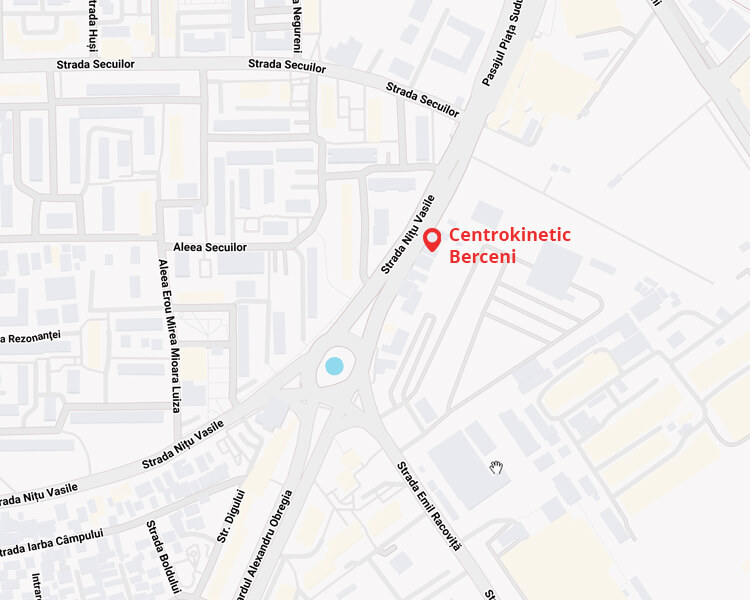
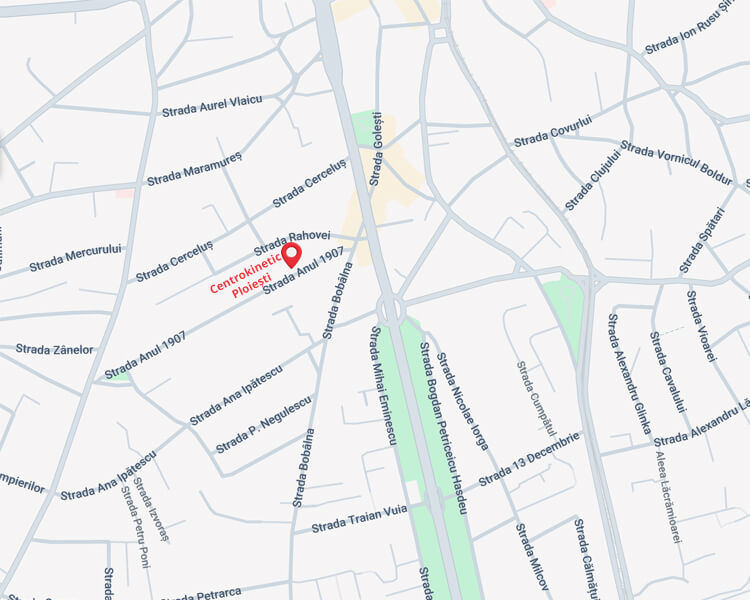
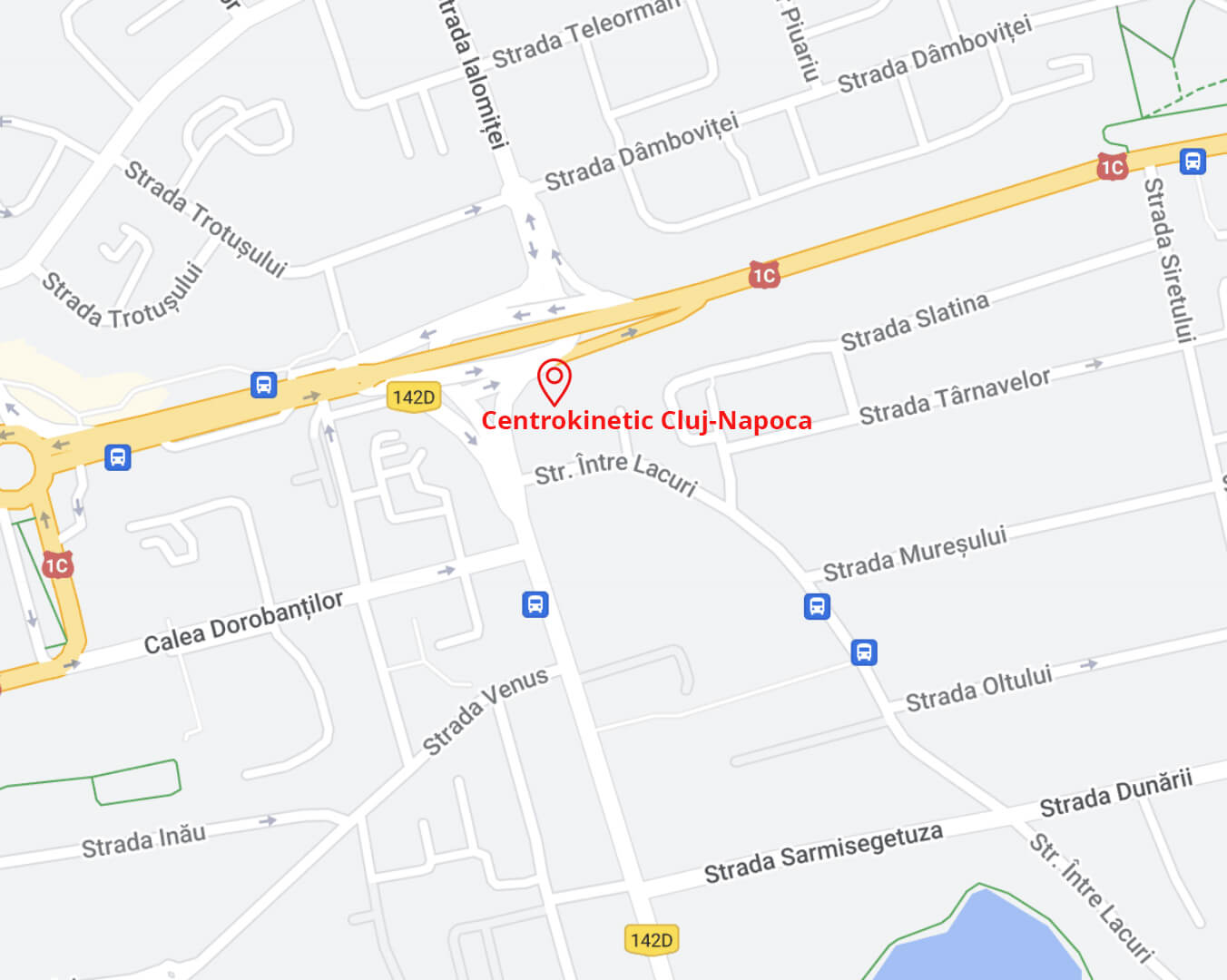
CENTROKINETIC CLUJ-NAPOCA
Cluj-Napoca,
Str. Intre Lacuri, nr.1
Intrarea este in spatele cladirii.
| Navigation |
SOCRATES CLINIC TIMISOARA
Timisoara, Calea Martirilor 1989,
nr. 1.
Telefon: 0371 785 374.
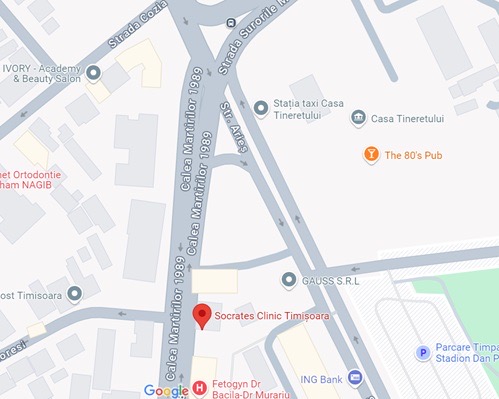
| Navigation |
CONTACT
Phone: 0319693
E-mail: programari@centrokinetic.ro
Operating hours:
Monday – Friday: 07:00 – 21:00
Saturday: 09:00 – 14:00
Sunday: closed.
MAKE AN APPOINTMENT