
See details
READ MORE


This article was written by Dr. Fatulescu Simona, senior physician in medical recovery, with over 15 years of experience in treating musculoskeletal conditions.
Cystitis is inflammation of the bladder, usually caused by a bladder infection. It is a common type of urinary tract infection, occurs especially in women, and is usually a minor problem. Mild cases will often improve within a few days. However, some people frequently experience episodes of cystitis and may need regular or long-term treatment. There is also a chance that cystitis can lead to a more serious kidney infection, which is why it is important to seek medical advice if your symptoms do not improve.
There are many possible causes of cystitis. Most are infectious. Most cases are thought to occur when bacteria that live harmlessly in the bowel or on the skin get into the bladder through the urethra (the tube that carries urine out of the body). It is not always clear how this happens, but cystitis can be caused by:
Some women with diabetes may be more prone to bladder infections, due to poor sugar control, impaired immunity, and incomplete emptying of the bladder.
Bacterial cystitis occurs when bacteria enter the urethra or bladder and cause an infection. This can also occur when the bacteria in your body become unbalanced. The infection leads to cystitis, or inflammation of the bladder. It is important to treat a bladder infection. If the infection spreads to the kidneys, it can become a serious health problem.
About 80% of all urinary tract infections are caused by bacteria from the intestine that reach the urinary tract. Most of these bacteria are part of the healthy intestinal flora, but once they enter the sterile space in the urethra and bladder, they can cause an infection. Usually, bacteria such as E. coli are to blame. They normally live on the skin and in the intestines and are not a problem, but if they reach the bladder, they can cause infections.
This is a common cause in women, since women have a shorter urethra than men. Also in women, the urethra is closer to the anus, which means bacteria can more easily enter the bladder. Hygiene is very important, especially the way you wipe after using the toilet. Avoid wiping from back to front.
Reduced water intake can lead to dehydration, which makes urine more concentrated. This can irritate the urethra and can make passing urine cause pain. You should aim to drink at least eight glasses of water every day and go to the bathroom often, to keep bacteria away from the bladder.
The menopause and perimenopause period
During menopause, women produce less mucus in the vaginal area. This mucus normally acts as a protective layer against bacteria. Also, estrogen levels drop, and the lining of a woman's urethra becomes thinner. The thinner the lining becomes, the greater the chances of infection and damage. After menopause, the risk is higher.
Possible symptoms in children include a high temperature (fever) of 38 C or higher, weakness, irritability, reduced appetite, and vomiting. Elderly people may feel weak and feverish. There is a frequent need to urinate, but each time only small amounts of urine are passed.
Common signs and symptoms of cystitis:
If cystitis is present in children, they may show any of the symptoms listed above, plus vomiting and general weakness.
Some diseases or conditions have symptoms similar to cystitis. These include:
Sometimes, cystitis appears as a symptom of other medical conditions, such as:
There are several different ways to diagnose cystitis. Your doctor may ask for a urine sample to determine the cause of the cystitis and to check for a urinary tract infection. Urine cultures, or sterile urine samples, may be requested to determine the type of bacteria in the urine. Some doctors may perform tests for sexually transmitted infections. These infections often have symptoms similar to cystitis.
The doctor may additionally perform a cystoscopy or an imaging test, to determine the cause of your symptoms. In a cystoscopy exam, the doctor inspects the bladder with a thin tube, which can also be used to collect tissue from the bladder for a biopsy.
Imaging tests are not usually necessary, but can help diagnose cystitis. X-rays or ultrasounds help rule out certain causes of cystitis, such as a tumor.
Your doctor will probably prescribe antibiotics, rest, and plenty of water. Symptoms should go away after a few days, but you need to take all of the antibiotics to make sure the infection has completely cleared. If the antibiotics don't help, see your doctor again. Antibiotics commonly used for bacterial cystitis are nitrofurantoin, trimethoprim-sulfamethoxazole, amoxicillin, cephalosporins, ciprofloxacin, and levofloxacin.
In elderly people and those with a weakened immune system, due to diabetes for example, there is a higher risk that the infection will spread to the kidneys and other complications will occur. Vulnerable people and pregnant women must be treated promptly. In the case of women who have gone through menopause, the doctor may also suggest a vaginal cream containing estrogen. Also, if you have pain, the doctor may recommend aspirin or paracetamol.
In uncomplicated cases, the best remedies are antibiotics, but if symptoms persist, it is advisable to opt for a long-term preventive natural treatment. If you have cystitis, you should drink plenty of water, as this will help you clear the infection through frequent urination.
Baking soda will change the pH of your urine, making it less acidic, thus becoming less hospitable to bacteria. Add a teaspoon of baking soda to a cup of warm water, and drink twice a day.
If you have recurring bouts of cystitis and want to treat it without using antibiotics, sandalwood oil is an excellent alternative. Sandalwood has both antiseptic and anti-inflammatory properties, which can help you treat cystitis safely and effectively. A sandalwood bath has antimicrobial properties. Mix 10 drops of sandalwood essential oil with a liter of water in a basin, and take sitz baths for about 20 minutes.
Treating cystitis with horsetail tea helps increase urine volume. Horsetail tea is a natural diuretic, which has healing properties and helps the affected tissue recover quickly. Drink two cups of horsetail tea every 2 hours.
Bearberry tea is a very good remedy for cystitis. This plant has medicinal properties and is mainly used for urinary tract conditions, including infections of the kidneys, bladder, and urethra; swelling (inflammation) of the urinary tract; increased urination; painful urination; and urine that contains excess uric acid or other acids.
Bearberry tea can reduce bacteria in the urine. It can also reduce swelling (inflammation) and can have an astringent effect on tissues. Bearberry tea is consumed 3-4 times a day.
Commonly used to soothe digestive conditions, to calm tired children, and to relax stressed adults, chamomile is a flowering plant that has a number of medicinal properties. The antimicrobial and anti-inflammatory properties of chamomile can help improve the symptoms of urinary tract infections and cystitis. Chamomile tea is usually added to bath water, to help soothe the vaginal mucosa.
You can book an appointment here for a consultation, an MRI, or medical recovery.
At Centrokinetic, the best doctors and therapists are available to help with any joint or musculoskeletal problem, from the initial consultation and complete investigations within the clinic, to treatment and complete medical recovery for spinal, traumatic, or post-surgical conditions.
See details
READ MORESee details
READ MORESee details
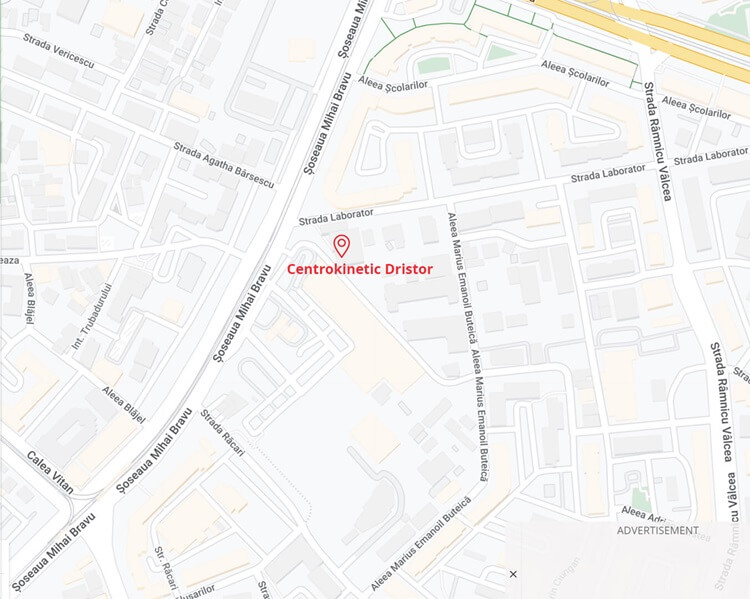
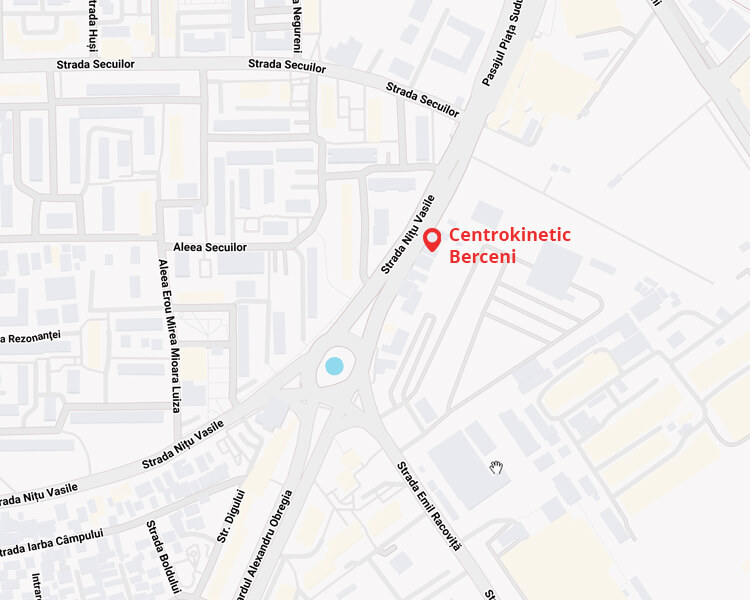
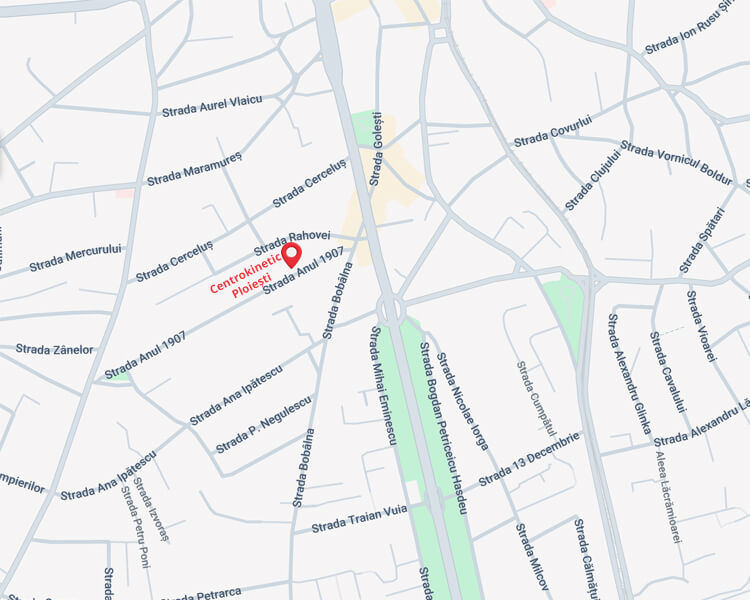
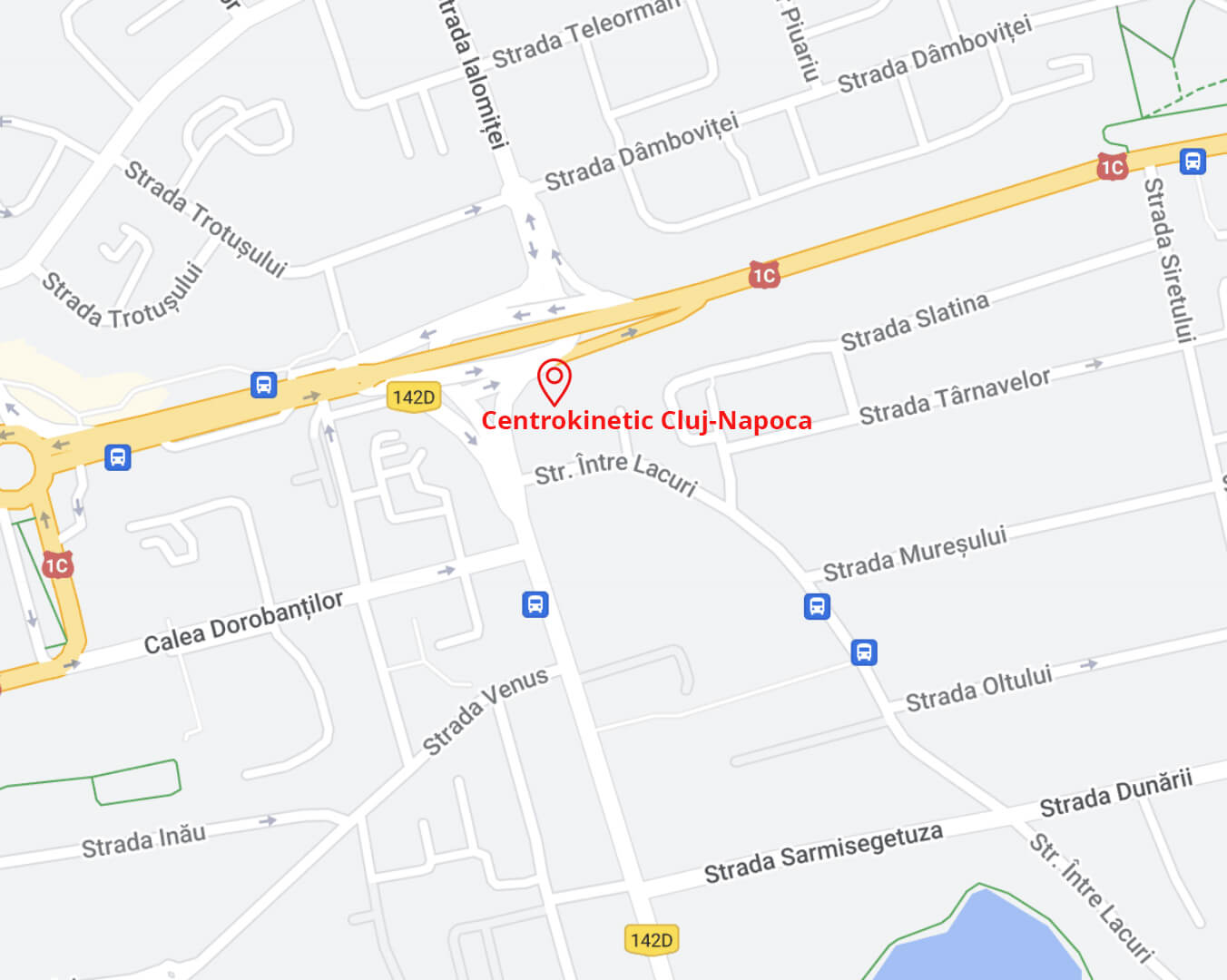
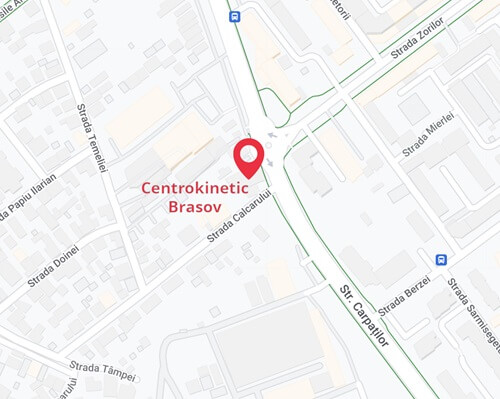
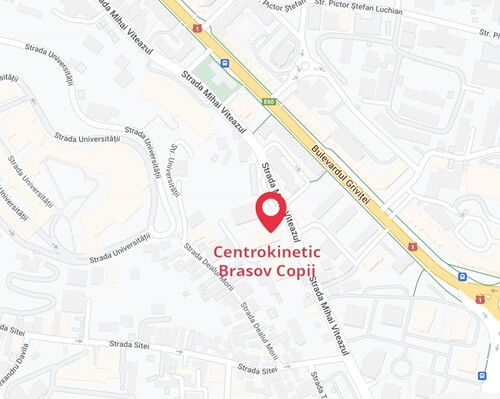
READ MORESee here how you can make an appointment and the location of our clinics.








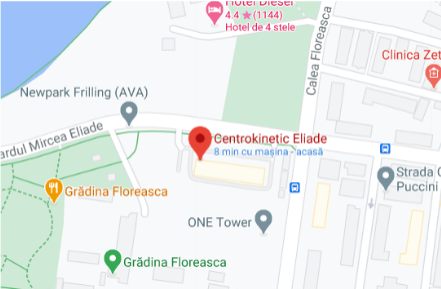
CENTROKINETIC FLOREASCA
Bucharest, 1st District,
Mircea Eliade Street, no. 18,
Eliade Tower, Entrance A, Floor 3
| Navigation | Explore 3D |
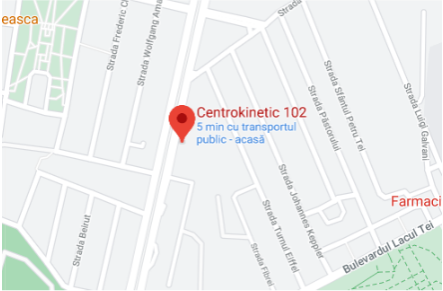
CENTROKINETIC Barbu Vacarescu
Bucharest, 2nd District,
Barbu Vacarescu Street, no. 102,
102 The Address, ground floor.
| Navigation | Explore 3D |
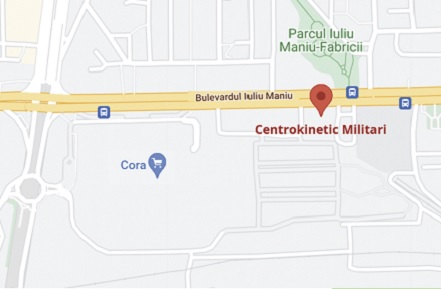
CENTROKINETIC MILITARI
Bucuresti, Sector 6,
Bld. Iuliu Maniu, nr. 15G,
Cladirea PBT, etaj 3.
| Navigation |
CENTROKINETIC CLUJ-NAPOCA
Cluj-Napoca,
Str. Intre Lacuri, nr.1
Intrarea este in spatele cladirii.
| Navigation |
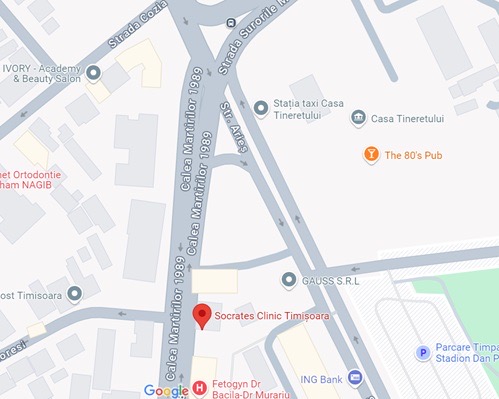
SOCRATES CLINIC TIMISOARA
Timisoara, Calea Martirilor 1989,
nr. 1.
Telefon: 0371 785 374.
| Navigation |
Phone: 0319693
E-mail: programari@centrokinetic.ro
Operating hours:
Monday – Friday: 07:00 – 21:00
Saturday: 09:00 – 14:00
Sunday: closed.
MAKE AN APPOINTMENT