Exercise and diabetes


Physical activity and exercise in the prevention of diabetes mellitus and the reduction of insulin resistance
Contents
- Introduction
- What type of exercise should I choose? Dose and “exercise prescription”: how do I prescribe a training program?
- Integration with nutrition: caloric intake, type of diet and physical effort
- Phenotype-oriented prescription
- Safety, monitoring, implementation
- Why does exercise “work” and when do we see effects?
- Conclusions
- Key messages
Introduction
Insulin resistance (IR) is a key step in the pathogenesis (development or onset) of type 2 diabetes (T2D), being fueled by visceral obesity, physical inactivity, and a high-calorie diet.
a. Physical exercise — both aerobic (brisk walking, cycling, running) and resistance training (exercise with weights), including high-intensity interval training (HIIT), increases glucose uptake in muscles through:
(1) insulin-independent pathways (via activation of the AMPK/TBC1D1/4 pathway, which leads to the translocation/movement of GLUT4, the intracellular glucose transporter protein), and also through
(2) insulin-dependent pathways (post-exercise insulin sensitivity improves for 24–72 hours, and ectopic fat—including visceral fat—decreases, thus improving the cardio-metabolic profile).
In other words, through the insulin-independent pathway, AMPK (AMP-activated protein kinase) and the proteins TBC1D1 and TBC1D4 work together in a complex pathway regulating the translocation of the GLUT4 glucose transporter to the plasma membrane, i.e., to the cell surface to facilitate glucose uptake, especially in response to muscle contraction and insulin signaling. Physical exercise, through muscle contraction, therefore has the capacity to support intracellular glucose uptake even in the absence of insulin.
b. Lifestyle interventions — when physical activity ≥150 min/week is combined with weight loss (7–10%), the incidence of T2D is reduced by 30–60%, as shown in large randomized studies. The effects are significant in older adults and people with metabolic syndrome. WHO/ADA guidelines recommend 150–300 min/week of moderate aerobic activity (or 75–150 min of vigorous activity) plus 2–3 days/week of resistance training, as well as frequent breaks from sedentary behavior.
c. Physical activity combined with a hypocaloric Mediterranean diet — this combination further reduces the risk of T2D (-31% at 6 years, according to the Spanish PREDIMED-Plus study). Integrating nutrition (caloric deficit, adequate protein intake, fiber) with exercise prescription and reducing sedentary behavior provides practical tools for both prevention and partial reversibility of insulin resistance (IR).
The importance of lifestyle and physical exercise in disease prevention
The global rise of T2D has become a public health priority; more than 1 in 9 adults live with diabetes worldwide (IDF 2025 estimate), with projections approaching 1 in 8 by 2050. Inactivity (sedentary behavior) and caloric surplus are major determinants of IR and T2D; in contrast, systematic physical activity is the non-pharmacological intervention with the strongest support for prevention and metabolic control.
a. Current global burden — It is estimated that in 2022, there were 828 million adults with diabetes worldwide (NCD-RisC/Lancet estimate), with rising prevalence across all age groups.
b. Prevention through lifestyle — The Diabetes Prevention Program (DPP), conducted in 3,234 adults with prediabetes, showed that lifestyle intervention (targeting ≥7% weight loss and ≥150 min/week moderate activity) reduced the incidence of T2D by 58%, while metformin reduced risk by only 31%.
c. Confirmation from other studies — The Finnish Diabetes Prevention Study showed a long-term relative risk reduction of 43% in developing T2D, correlated with weight loss, lower saturated fat intake, higher dietary fiber, and increased physical activity.
How insulin resistance develops and how movement (exercise, physical therapy) counteracts it
a. Mechanism of IR development — Skeletal muscle is the main “consumer” of postprandial glucose (after meals). In IR, insulin signaling is impaired. GLUT4 translocation to the membrane decreases, leading to reduced glucose uptake which remains in the bloodstream, increasing blood sugar levels.
In the liver and adipose tissue, increased lipolysis occurs, leading to elevated circulating free fatty acids (FFA). FFA are associated with diabetes, especially type 2 diabetes, because elevated levels contribute to insulin resistance. FFAs can cause fat accumulation in organs such as the liver and muscles, interfere with insulin signaling, and impair pancreatic beta-cell function (insulin-producing cells). High circulating FFAs contribute to hepatic steatosis, increased hepatic gluconeogenesis, chronic low-grade inflammation, and mitochondrial dysfunction. Factors such as obesity, physical activity, and diet influence FFA levels, and managing these factors can help reduce FFAs and lower diabetes risk.
b. Mechanisms through which exercise improves insulin sensitivity.
(1) Insulin-independent pathways (during muscle contraction) involve AMPK and CaMK activation (both mediate contraction-stimulated glucose transport); this leads to phosphorylation of TBC1D1/TBC1D4 (proteins acting in muscle and adipose cells), which play a key role in insulin- and exercise-stimulated GLUT4 translocation to the cell membrane. GLUT4 translocation increases glucose uptake independently of insulin. TBC1D1 and TBC1D4 also regulate the uptake of both glucose and fatty acids in skeletal muscles.
(2) Post-exercise “priming” (24–72 h): even after a single workout, insulin sensitivity increases for 24–48 (up to 72) hours through changes in TBC1D4 (AS160), glycogen repletion, and membrane/vasodilation adaptations. Therefore, consistency and adequate training frequency (ideally every 24–48 hours) are key.
(3) Chronic effects include increased GLUT4 density, mitochondrial biogenesis (PGC-1α), reduced hepatic and visceral fat, and a favorable adipokine/myokine profile (e.g., exercise-induced IL-6).
What type of exercise should I choose? Dose and “exercise prescription”: how do I prescribe a training program?
a. Guideline recommendations (adults)
Aerobic exercise: 150–300 min/week of moderate activity (e.g., brisk walking at 5–6 km/h, light cycling) or 75–150 min/week of vigorous activity (running, intense cycling), or equivalent combinations.
Resistance training (with resistance bands, dumbbells, fitness machines): ≥2 days/week involving major muscle groups. In individuals losing weight, resistance training is explicitly recommended to prevent sarcopenia.
Sedentary behavior: sitting time should be interrupted with 2–5 minutes of walking/movement every 30 minutes. Reducing sedentary time has measurable benefits on postprandial blood glucose.
b. Comparative evidence: aerobic vs strength vs HIIT
Aerobic exercise and diet: as shown in DPP/DPS (Diabetes Prevention Program and Diabetes Prevention Study, reference studies in UK non-medical exercise prescription education), this combination is a pillar of T2D risk reduction (-43% to -58%).
Strength training: resistance training improves insulin sensitivity and glucose tolerance, including in older adults with T2D, through upregulation of insulin receptor/GLUT4 expression.
HIIT: in prediabetes, both HIIT and moderate-intensity continuous training (MICT) improve blood glucose and maximal oxygen uptake* (VO₂max). Some analyses show slight superiority of MICT for average glycemic control, but HIIT offers time efficiency and fast cardiorespiratory gains.
*VO₂ max is the maximum amount of oxygen your body can use per minute during intense exercise and is the best indicator of your cardiovascular fitness and aerobic endurance. It is measured in milliliters of oxygen per kilogram of body weight per minute (mL/kg/min). A higher VO₂ max means your body is more efficient at using oxygen during physical activity, and is associated with better fitness and lower cardiovascular risk.
Active breaks interrupting sedentary behavior (“activity snacks” such as repeated sit-to-stand movements, light walking) reduce postprandial glucose/insulin spikes. A practical message since it is easy to implement at work/home.
c. Clinical prescription (practical, adaptable examples)
For adults with prediabetes/IR, without contraindications:
Aerobic exercise: 5 days/week, 30–45 minutes at a perceived exertion rate (RPE)** of 12–14 (60–75% HRmax***). Examples: brisk uphill walking, stationary cycling, swimming.
**RPE is used to measure how much effort your body exerts during activity. It ranges from 0 to 10, using numbers to evaluate perceived exertion. It helps manage exercise intensity and improve cardio/resistance training. Some healthcare providers also use RPE to assess heart and lung function. The Borg scale (6–20) is also used; ratings between 12 and 14 typically reflect moderate intensity.
***HRmax, or maximum heart rate, is the highest number of beats per minute your heart can achieve during maximal effort. It can be roughly estimated using “220 minus age,” though more accurate formulas exist, such as the NTNU University formula: HRmax = 211 − (0.64 × age). A stress test in a medical setting is the most accurate. HRmax is important for determining training zones and assessing cardiovascular health.
Strength training: 2–3 days/week; 8–12 multi-joint exercises (squats, lunges, cable or dumbbell pushes/pulls, rowing, chest press, hip extensions), performed as 2–3 sets × 8–12 repetitions with 60–90 seconds rest.
HIIT (optional/alternative when safe): 10 min warm-up, then 4 × 4 min intervals at 85–95% HRmax with 3 min active recovery, ending with 5–10 min cooldown; 1–2 times/week for trained individuals.
Active breaks interrupting sedentary behavior: set an alarm every 30 minutes of sitting and perform 3–5 min of light walking / 10–20 supported squats / 30–60″ calf raises and shoulder mobility.
For people with T2D/on hypoglycemic medication: maintain the same targets, but they must be educated on glucose monitoring, meal/insulin timing, and carrying fast-acting carbohydrates; prioritize strength training during weight loss periods to protect lean mass.
Integration with nutrition: caloric intake, type of diet, and physical effort
a. Weight and energy targets — For people with prediabetes/IR, ≥7% weight loss (typical caloric deficit of 500–750 kcal/day) plus ≥150 min/week of moderate activity leads to a 58% reduction in T2D incidence (DPP).
In existing T2D, weight loss of 5–10% significantly improves metabolic control; >10–15% may have a “disease-modifying” effect, sometimes inducing remission.
b. Type of diet (quality-focused, adaptable)
A hypocaloric Mediterranean diet combined with physical activity and behavioral support (PREDIMED-Plus) reduces T2D risk by 31% after 6 years versus control. The Mediterranean diet itself (without caloric restriction) is also beneficial.
ADA 2025 guidelines (positive behaviors): recommend fiber intake ≥14 g/1000 kcal through whole grains (which should account for ≥1/2 of daily fiber), and individualized carbohydrate/caloric intake.
c. Protein and lean mass protection (especially in older adults or during weight loss)
Adults aged >65 years should consume 1.0–1.2 g/kg/day of protein (caution in acute/chronic kidney disease), along with strength training, to maintain muscle mass and function during weight loss. Adjust intake in chronic kidney disease (CKD) <30 ml/min/1.73 m².
d. Synergy of “diet plus exercise”
Exercise increases insulin sensitivity independently of weight loss, while diet helps achieve caloric deficit and reduce ectopic fat. The combination offers the best clinical “return on investment.”
Phenotype-oriented prescription
a. Prediabetes with metabolic syndrome and central (abdominal) obesity
Targets: 7–10% weight loss in 6–12 months; ≥150–300 min/week continuous moderate exercise (MICT), plus 2–3 days of resistance training; and systematic breaks from sedentary behavior every 30 minutes.
Diet: hypocaloric Mediterranean diet (vegetables, legumes, whole grains, fish, olive oil; limited refined sugars/ultra-processed foods); fiber ≥14 g/1000 kcal.
b. Established T2D on oral therapy ± insulin
Targets: same as above; glucose monitoring before/after exercise (especially with insulin/sulfonylureas); gradual progression to HIIT only after establishing an aerobic base and proper cardiometabolic evaluation.
c. Older adults, frail individuals, sarcopenia or during weight loss
Targets: focus on strength and balance: 2–3 times/week, plus daily walking.
Diet: Protein 1.0–1.2 g/kg/day (with renal adjustments); distribution of 25–30 g protein per meal.
d. Occupational sedentary behavior
Minimal effective protocol: 3–5 minutes of walking or 15–20 sit-to-stand repetitions every 30 minutes; or cumulative movement at the end of the day.
Safety, monitoring, implementation
Screening for potential risks: cardiovascular history, suggestive symptoms, complications (neuropathy, proliferative diabetic retinopathy); avoid maneuvers involving abrupt pressure spikes, osteoarthritis, CKD/nephropathy.
Appropriate dosing: the “start low, go slow” rule; weekly increases of 5–10 minutes or adding one additional resistance-training set.
Glucose monitoring: in insulin/sulfonylurea therapy, dose adjustments and presence of fast-acting carbohydrates are recommended; avoid exercise during severe decompensated hyperglycemia or ketonemia. Guidelines provide practical details.
Why does exercise “work” and when do we see effects?
a. Immediate effects (same day–72 h): muscle contraction “bypasses” IR (GLUT4 increases via AMPK), and post-exercise the muscle becomes more insulin-sensitive (TBC1D4). Hence the critical benefit of a 24–48 hour frequency.
b. Effects after 4–12 weeks: VO₂max increases, HbA1c**** modestly decreases, visceral fat and fatty liver decrease, strength increases; combined with diet, effects are even greater.
****Glycated hemoglobin (HbA1c) is a form of hemoglobin in red blood cells bound to glucose. Because red blood cells live ~3 months, this test offers an average of blood glucose levels over 90 days. It is crucial for diagnosing diabetes, identifying prediabetes, and monitoring glycemic control in people with diabetes.
c. Long-term effects: reduced incidence of T2D, fewer cardiometabolic events, better quality of life.
Conclusions
Physical exercise is a “first-line therapy” in IR and T2D prevention, with scientifically proven benefits (GLUT4/AMPK/TBC1D4 mechanisms), clinical evidence (30–60% T2D risk reduction), and practical advantages (accessible, scalable).
The most consistent strategy combines: (1) 150–300 min/week aerobic exercise (or 75–150 min vigorous activity), (2) 2–3 days/week resistance training, (3) sedentary breaks every 30 minutes, (4) hypocaloric Mediterranean diet/adequate fiber, (5) 7–10% weight loss targets and preservation of lean mass.
Key messages
If you have time for only one action today: stand up every 30 minutes — the metabolic impact is measurable.
Effective standard dosage: after 150–300 min/week moderate activity plus 2–3 strength sessions, IR improves even without weight loss.
Exercise frequency matters more than occasional large exercise volumes: insulin sensitivity increases for 24–72 h post-exercise, indicating an ideal exercise frequency of every 1–2 days.
The diet + exercise combination wins long-term; hypocaloric Mediterranean diet plus physical activity reduce T2D by -31% at 6 years.
Protect your muscle mass: during weight loss, prioritize strength training and 1.0–1.2 g/kg/day protein intake (adjusted for kidney function).
Bibliography (selective)
- WHO 2020 – Guidelines on physical activity and sedentary behaviour. PMC
- ADA 2025 – Standards of Care in Diabetes – Section 3: Prevention or Delay of Diabetes. Diabetes Journals +1
- DPP Research Group, NEJM 2002 – Lifestyle vs Metformin in Prevention of T2D (-58% vs -31%). New England Journal of Medicine
- CDC – National DPP overview. CDC
- Finnish DPS, Lancet 2006 – Risk reduction sustained, asociat cu atingerea țintelor de stil de viață. PubMed
- PREDIMED-Plus, Ann Intern Med 2025 – Dieta mediteraneană hipocalorică + efort: -31% DZ2 la 6 ani. PubMed +1
- Exercise mechanisms – GLUT4 & AMPK/TBC1D1/4; sensibilizare post-efort 24–72 h. ScienceDirect +2, PMC +2
- Resistance training & insulin sensitivity – review și studii la vârstnici/DZ2. PMC
- Sedentarism & „activity breaks” – recomandarea ADA (30 min) și studii cu „activity snacks”. American Diabetes Association +1
- ADA/EASD 2022 Consensus – rolul scăderii ponderale 5–10% (≥10–15% efect disease-modifying). PMC
- ADA 2025 – comportamente pozitive – fibre ≥14 g/1000 kcal; focus pe calitatea carbohidraților. Diabetes Journals
- OMS/IDF – magnitudinea problemei – IDF Atlas 2025. International Diabetes Federation
BUCHAREST TEAM


































































CLUJ NAPOCA TEAM


































BRASOV TEAM

















MAKE AN APPOINTMENT
FOR AN EXAMINATION
See here how you can make an appointment and the location of our clinics.
MAKE AN APPOINTMENT
Asiguratori privati





Parteneriate



CENTROKINETIC FLOREASCA
Bucharest, 1st District,
Mircea Eliade Street, no. 18,
Eliade Tower, Entrance A, Floor 3
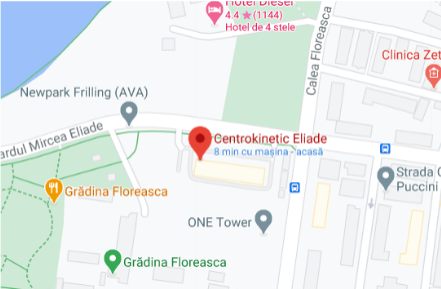
| Navigation | Explore 3D |
CENTROKINETIC Barbu Vacarescu
Bucharest, 2nd District,
Barbu Vacarescu Street, no. 102,
102 The Address, ground floor.
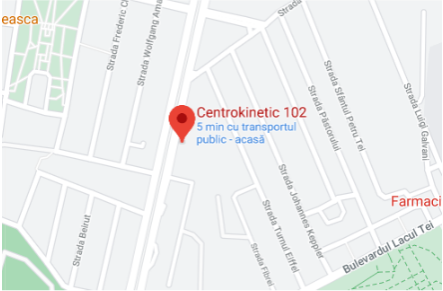
| Navigation | Explore 3D |
CENTROKINETIC MILITARI
Bucuresti, Sector 6,
Bld. Iuliu Maniu, nr. 15G,
Cladirea PBT, etaj 3.
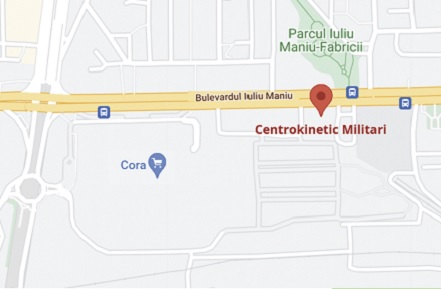
| Navigation |
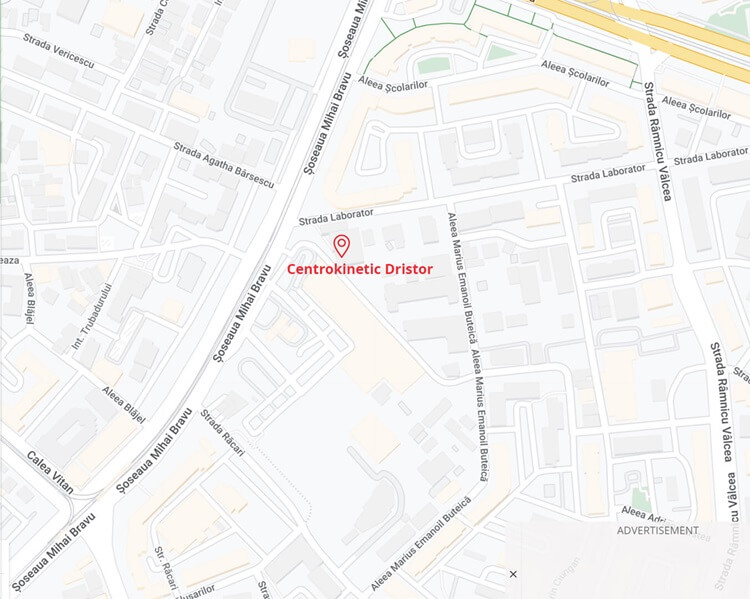
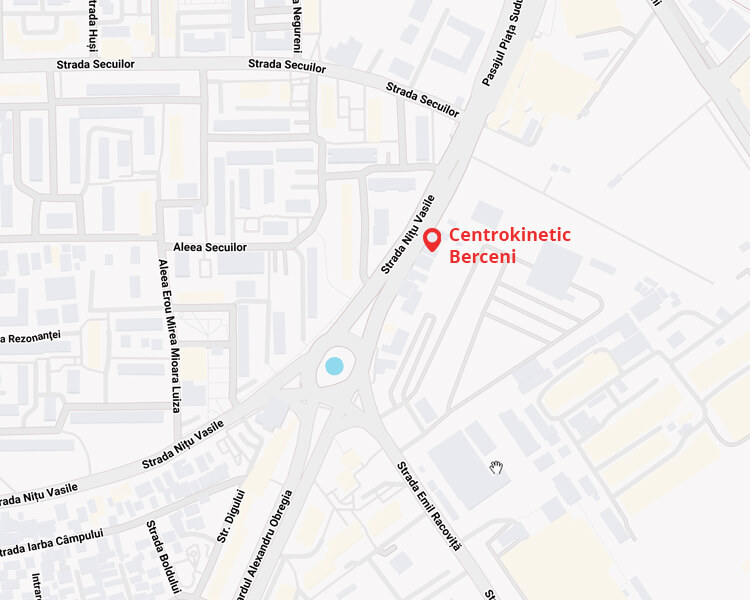
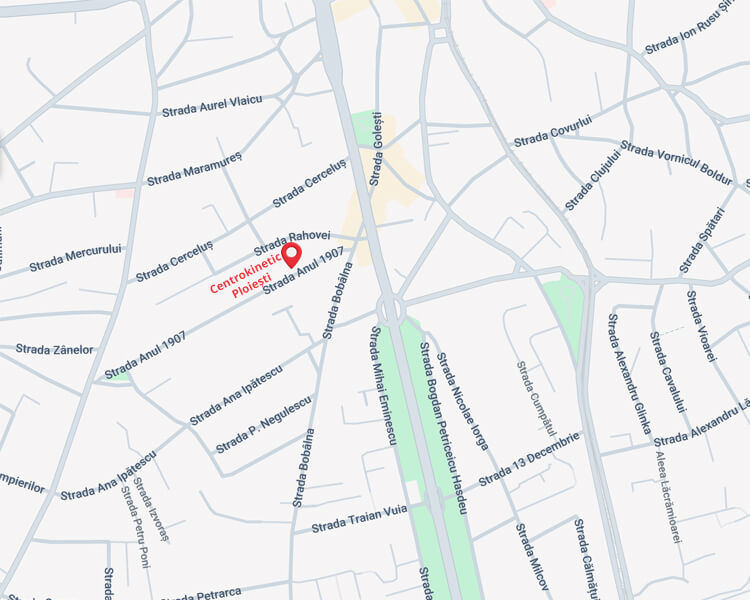
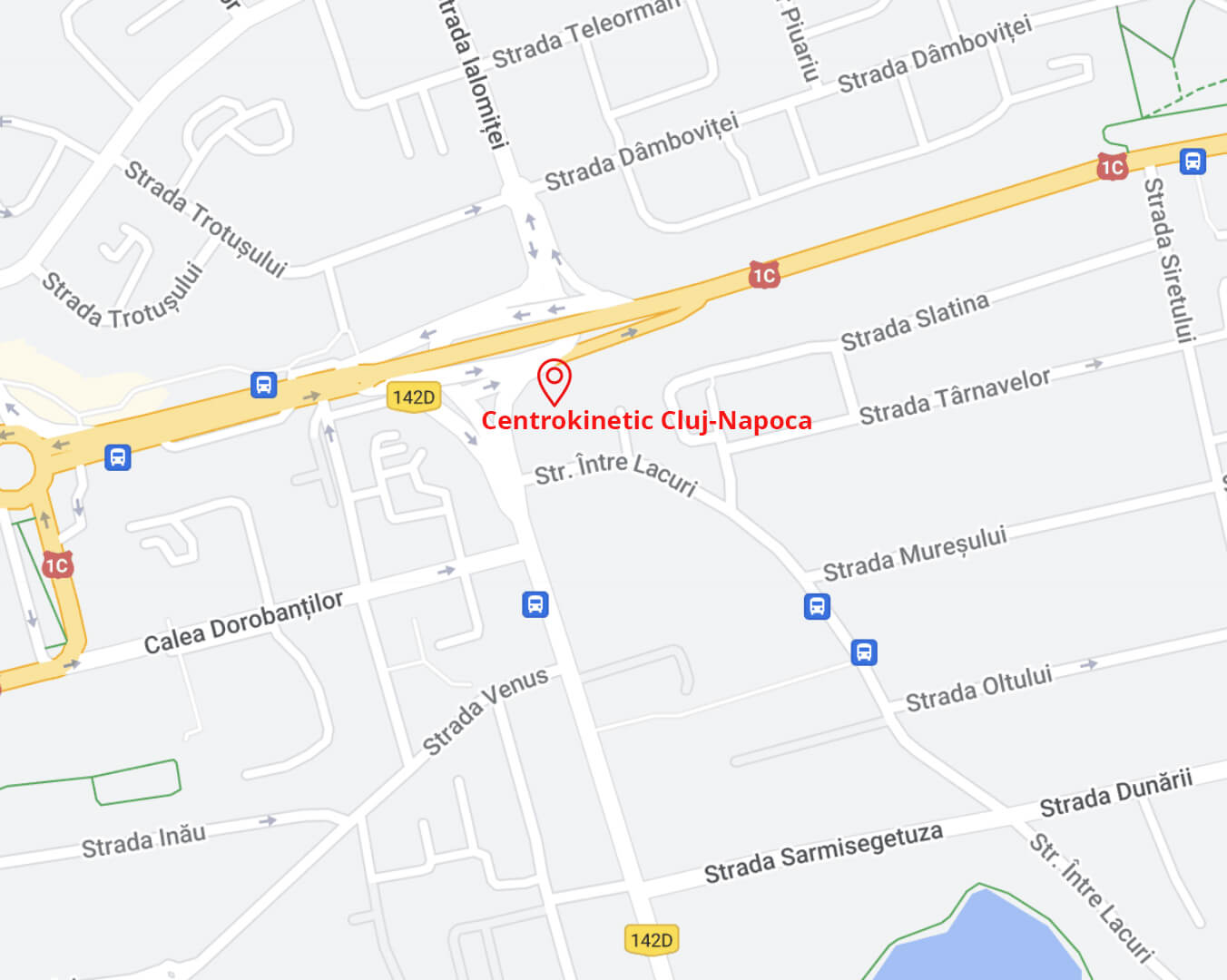
CENTROKINETIC CLUJ-NAPOCA
Cluj-Napoca,
Str. Intre Lacuri, nr.1
Intrarea este in spatele cladirii.
| Navigation |
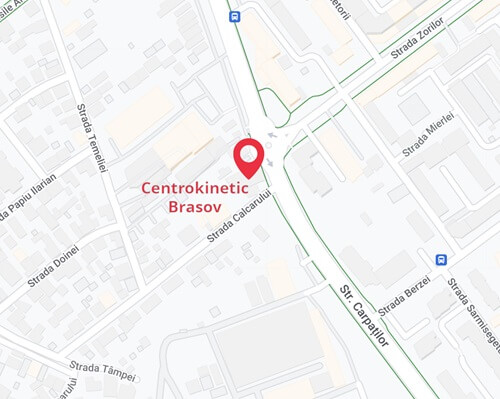

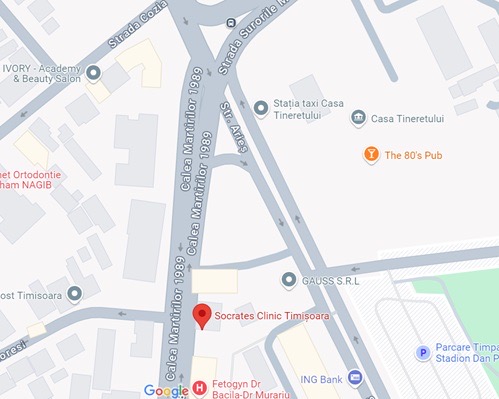
SOCRATES CLINIC TIMISOARA
Timisoara, Calea Martirilor 1989,
nr. 1.
Telefon: 0371 785 374.
| Navigation |
CONTACT
Phone: 0319693
E-mail: programari@centrokinetic.ro
Operating hours:
Monday – Friday: 07:00 – 21:00
Saturday: 09:00 – 14:00
Sunday: closed.
MAKE AN APPOINTMENT