What Is the Difference Between Arthritis and Osteoarthritis?



Joint pain can appear at any age, whether you're active, play sports, or are recovering from a procedure. Many patients use the terms "arthritis" and "osteoarthritis" interchangeably. In reality, these are different conditions, with distinct mechanisms, progression, and treatment. An accurate medical evaluation helps you benefit from a personalized plan and avoid long-term complications.
What is arthritis and what is osteoarthritis?
Arthritis – joint inflammation
Arthritis describes inflammation of one or more joints. There are over 100 forms, and one of the best known is rheumatoid arthritis. In this case, the immune system attacks the body's own tissues.
Arthritis can appear at 30 or 40 years of age, sometimes even earlier. It frequently affects the small joints of the hands and feet, bilaterally. For example, you might notice swelling in both wrists.
Osteoarthritis – progressive cartilage degradation
Osteoarthritis is the wear of the articular cartilage. Cartilage covers the ends of the bones and allows smooth movement. Over time, it thins and loses its properties.
Osteoarthritis frequently appears after age 45–50, but also in younger people who have suffered trauma or repeated overload. Amateur athletes with meniscus or ligament injuries can develop knee osteoarthritis.
Differences between arthritis and osteoarthritis
Here's a quick overview of what's useful to remember.
| Criterion | Arthritis | Osteoarthritis |
| Mechanism | Inflammation (often autoimmune) | Mechanical degradation of cartilage |
| Typical age | Any age | More common after 45–50 years |
| Joints affected | Multiple, often symmetric | Localized, overloaded |
| Morning stiffness | Over 30–60 minutes | Under 30 minutes |
| Progression | Can be rapid without treatment | Slow, progressive |
How do you recognize the symptoms?
Common signs of arthritis
- persistent pain, including at rest;
- swelling and local warmth;
- prolonged morning stiffness;
- limited fine hand movements;
- general fatigue.
For example, if you can't make a fist in the morning and the stiffness lasts more than an hour, a rheumatology consultation is advisable.
Common signs of osteoarthritis
- pain that increases with effort;
- clicking or grinding in the joint;
- progressively reduced mobility;
- discomfort after intense activity.
A patient with knee osteoarthritis often describes pain going down stairs and relief after rest.
How does the doctor establish the diagnosis? 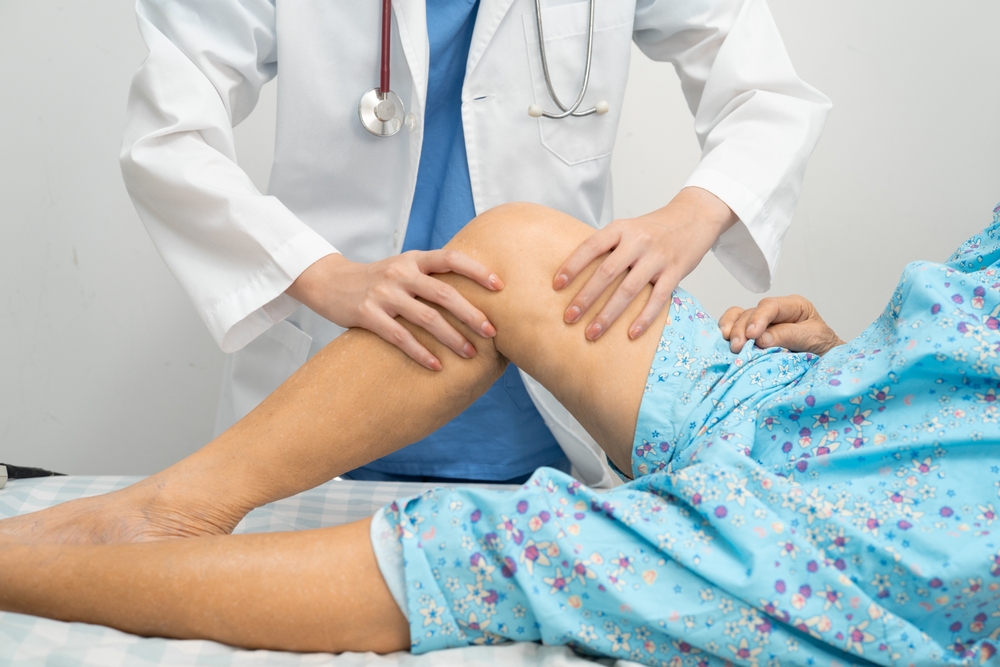
An accurate diagnosis brings clear benefits:
- the real cause of the pain is identified;
- you receive a plan adapted to your lifestyle;
- you reduce the risk of permanent deformities or limitations;
- you avoid unnecessary treatments.
The doctor reviews the history of the symptoms, examines the joints, and recommends investigations:
- blood tests for inflammatory markers;
- X-rays to assess the joint space;
- MRI or musculoskeletal ultrasound for soft tissues.
Early intervention increases the chances of controlling the disease and maintaining mobility.
Treatment options – a personalized approach
Treatment differs depending on the diagnosis, stage, and your goals. The medical team develops an individualized plan, adapted to your age, activity level, and any associated conditions.
For arthritis
Treatment may include:
- anti-inflammatory or immunosuppressive medication;
- periodic rheumatology monitoring;
- personalized kinetotherapy programs;
- physiotherapy sessions for pain control.
Kinetotherapy maintains mobility and muscle strength. Physiotherapy can help reduce pain and inflammation and supports functional recovery. For optimal results, patients follow individually adapted programs.
For osteoarthritis
The treatment plan may include:
- body weight control;
- specific exercises for joint stabilization;
- pain-relieving physiotherapy;
- intra-articular injections.
In certain situations, the doctor recommends hyaluronic acid injections, which improve lubrication and can reduce pain for a limited period. These procedures do not restore the cartilage, but they can ease symptoms.
In advanced stages, surgical treatment is considered, after a complete orthopedic evaluation.
Why does early intervention matter?
The faster you act, the more effectively you can control the progression of the disease. In arthritis, early treatment limits joint destruction. In osteoarthritis, a recovery program started early maintains mobility and reduces pain during effort.
An accurate evaluation gives you:
- clarity about the diagnosis;
- prioritization of the right treatments;
- specialized monitoring;
- a program adapted to your progress.
At Centrokinetic, the medical team works together across disciplines – orthopedist, rheumatologist, recovery physician, kinetotherapist. Each patient receives a personalized strategy. If you're dealing with joint pain, stiffness, or limited movement, don't delay your consultation. Book a specialist consultation now!
Frequently asked questions about the difference between arthritis and osteoarthritis
Can arthritis and osteoarthritis occur at the same time?
Yes. A person can have osteoarthritis in the knee and, separately, a form of inflammatory arthritis. The doctor determines through investigations whether the symptoms have a single cause or involve associated conditions.
Does morning stiffness always indicate arthritis?
Not always. The duration of the stiffness offers a useful indicator. If it lasts more than 30–60 minutes and occurs daily, a consultation is recommended to rule out inflammatory arthritis.
Does exercise worsen osteoarthritis?
Unsuitable exercises can increase pain, but controlled movement helps maintain mobility. Your kinetotherapist can recommend safe exercises for the affected joint.
Can osteoarthritis be cured?
Osteoarthritis cannot be fully cured, because damaged cartilage does not regenerate on its own. Proper treatment slows progression and eases symptoms.
Disclaimer: This article is for informational purposes only and does not replace specialist medical consultation.
Sources:
- Arthritis - Symptoms and Causes. Mayo Clinic, 2026. Accessed July 7, 2026.
- Arthritis: Symptoms, Causes, Types, Treatment & Prevention. Cleveland Clinic, 29 Aug. 2023. Accessed July 7, 2026.
- Osteoarthritis. Arthritis Foundation, 25 June 2026. Accessed July 7, 2026.
BUCHAREST TEAM









































































CLUJ NAPOCA TEAM


































BRASOV TEAM


















MAKE AN APPOINTMENT
FOR AN EXAMINATION
See here how you can make an appointment and the location of our clinics.
MAKE AN APPOINTMENT
Asiguratori privati





Parteneriate



CENTROKINETIC FLOREASCA
Bucharest, 1st District,
Mircea Eliade Street, no. 18,
Eliade Tower, Entrance A, Floor 3

| Navigation | Explore 3D |
CENTROKINETIC Barbu Vacarescu
Bucharest, 2nd District,
Barbu Vacarescu Street, no. 102,
102 The Address, ground floor.
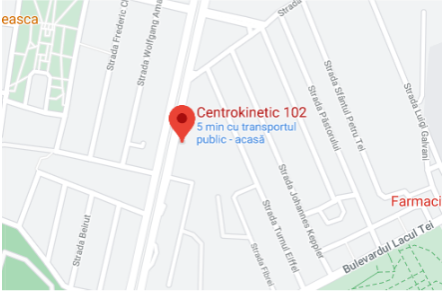
| Navigation | Explore 3D |
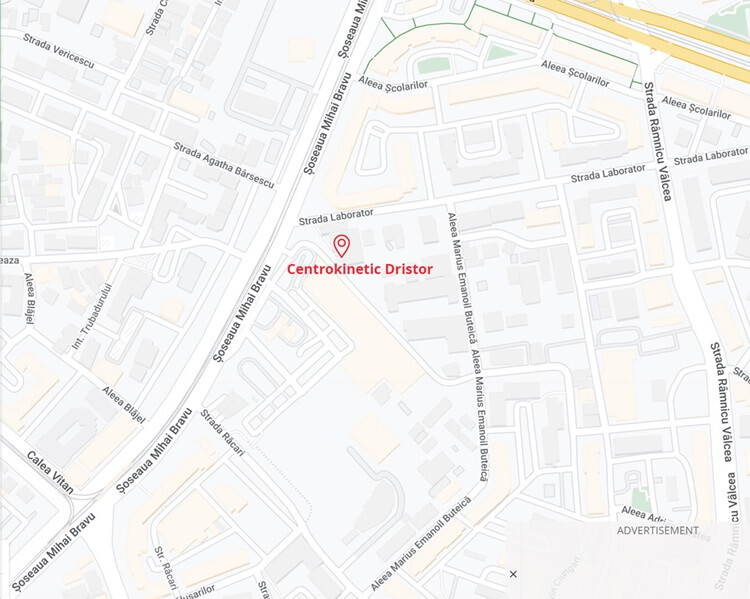
CENTROKINETIC MILITARI
Bucuresti, Sector 6,
Bld. Iuliu Maniu, nr. 15G,
Cladirea PBT, etaj 3.

| Navigation |
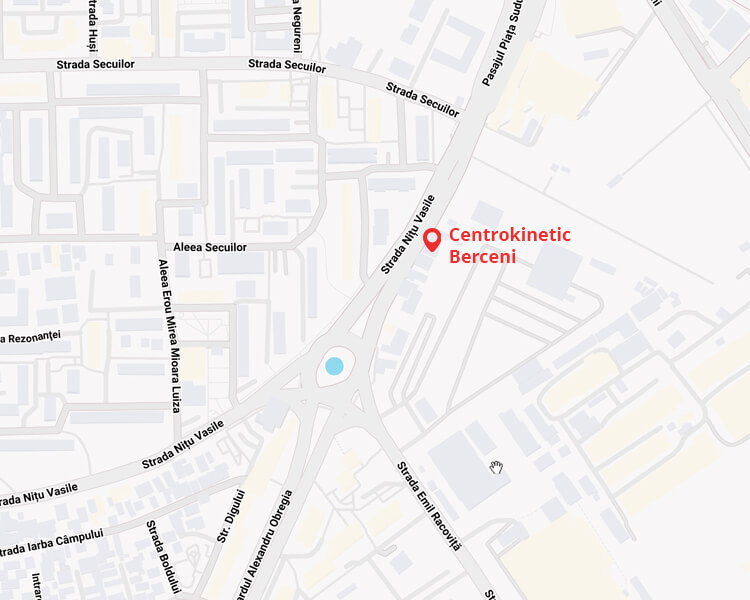
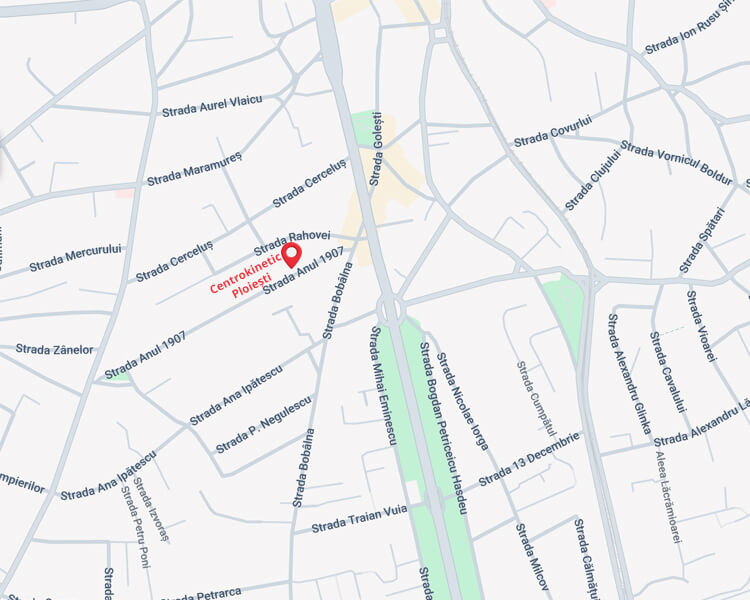
CENTROKINETIC CLUJ-NAPOCA
Cluj-Napoca,
Str. Intre Lacuri, nr.1
Intrarea este in spatele cladirii.

| Navigation |
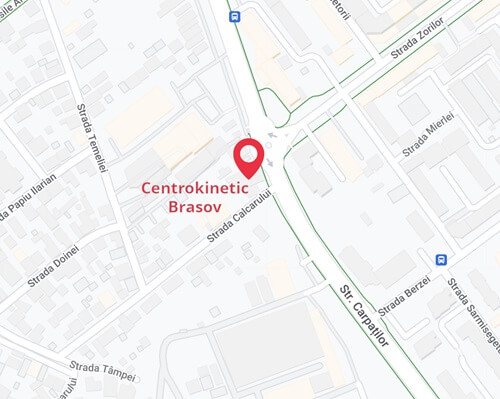

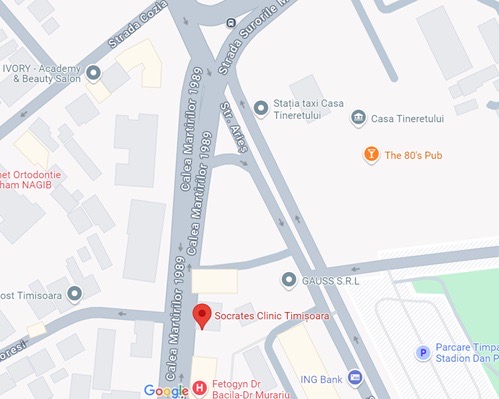
SOCRATES CLINIC TIMISOARA
Timisoara, Calea Martirilor 1989,
nr. 1.
Telefon: 0371 785 374.
| Navigation |
CONTACT
Phone: 0319693
E-mail: programari@centrokinetic.ro
Operating hours:
Monday – Friday: 07:00 – 21:00
Saturday: 09:00 – 14:00
Sunday: closed.
MAKE AN APPOINTMENT