Disc protrusion


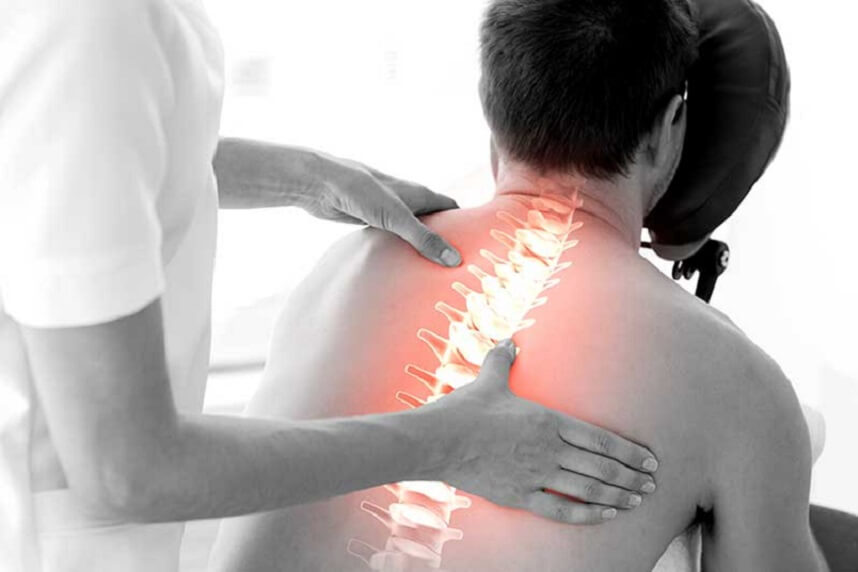
General information about disc protrusion
Disc protrusion is a relatively common form of spinal damage, which causes neck and back pain. The changes that occur with the normal aging process are responsible for the deterioration of the intervertebral discs, although an injury could accelerate the degenerative process. However, a bulging disc can go unnoticed, unless it interferes with a nearby nerve. Advancing age leads to changes in the body, including the components of the spine. The intervertebral discs become dehydrated and lose their elasticity.
- General information about disc protrusion
- Types of disc protrusion
- Stages of intervertebral disc deterioration
- Causes of disc protrusion
- Symptoms of disc protrusion
- Diagnosis of disc protrusion
- Treatment of disc protrusion
Types of disc protrusion
Herniations and bulging discs can occur in the cervical, thoracic, or lumbar regions of the spine.
- Cervical disc protrusion: This is when a disc protrusion occurs in the neck. It is one of the most common causes of neck pain.
- Thoracic disc protrusion: This is when the protrusion occurs at a disc in the upper or middle part of the back.
- Lumbar disc protrusion: This is when the protrusion occurs in the lower back. It is a common cause of back pain.
Stages of intervertebral disc deterioration
Dehydration and loss of elasticity weaken the intervertebral discs. Disc deterioration can occur in several stages:
- The first stage that occurs as a result of natural weakening can be classified as a disc protrusion, when the disc begins to expand and become more fragile. Disc protrusion may involve 180 degrees or less of the disc's circumference.
- The second stage of disc deterioration often consists of a disc bulge, when the inner core of the disc moves further around the circumference of the disc, beyond its normal parameters, as it pushes into the outer layer of the disc, called the annulus fibrosus, creating a bulge. A bulging disc is said to involve more than half (more than 180 degrees) of the disc's circumference.
- The third stage is the final stage, which can be a herniated disc, meaning that the outer wall of the disc eventually ruptures, allowing the gel-like inner material to escape. Note that a disc with a bulge in the outer wall will not always lead to a hernia or a rupture in the disc wall. Disc protrusions and herniations are often not related to each other.

Causes of disc protrusion
Disc protrusion is a common back injury that can occur from several causes. Most disc protrusions come from one or more factors, including:
Wear and tear. The most common cause of disc protrusion is wear over time. As we age, the spinal discs become dehydrated, less flexible, compressed, and more prone to tears and injuries. Once the spinal discs begin to degenerate, even a small movement, such as bending, twisting, sneezing, or lifting an object, can lead to disc protrusion.
Repetitive movements. Performing repetitive lifting, twisting, or bending movements - especially if you have a physically demanding job, such as construction or carpentry - causes the discs to wear down over time. As the outer ring weakens and becomes less able to absorb shocks, the core material puts pressure on the outer ring.
Traumatic injuries. Sometimes, a single injury puts too much stress and pressure on the disc and causes it to weaken and bulge. These types of injuries can include using the back muscles to lift a very heavy object, lifting and twisting at the same time, a serious fall, or a high-impact car accident.
Risk factors for developing disc protrusion include age, obesity, smoking, a physically demanding occupation, a sedentary lifestyle, poor posture, and genetics. The risk of disc protrusion is increased if one or both parents suffer from this condition.
Symptoms of disc protrusion
If a bulging disc has not yet reached the herniation stage, the patient has no symptoms, or they may be quite mild. It is possible for a disc protrusion to cause no pain at all, since it has not reached a certain level of severity. This can make it difficult to identify the symptoms of disc protrusion before the condition becomes more severe. Keep in mind that a disc protrusion can develop into a herniated disc, and it is important to see a doctor from the very first symptoms.
The most common symptoms appear when the bulging discs create pressure points on nearby nerves. Symptoms of disc protrusion can range from mild tingling and numbness to moderate or severe pain, depending on severity. In most cases, once a disc has reached the stage where it causes symptoms, there is a risk of developing a herniated disc.
Diagnosis of disc protrusion
Diagnosing a disc protrusion requires a preliminary examination to discuss the medical history and symptoms that led to the visit, plus the use of imaging tests and, possibly, a detailed evaluation of the patient's movement. Conservative methods of treating disc protrusion are often quite effective and usually include massage, bed rest, kinesiotherapy, and pain medication.
Treatment of disc protrusion
In many cases, non-surgical treatments are successful in managing the pain and symptoms caused by a disc protrusion. A bulging disc may need a few weeks or months to fully heal, but early treatment can prevent the disc from rupturing in the future.
Conservative treatment options include:
Rest. Try to avoid activities that stress the spine or worsen back pain. This does not mean you should stay in bed all the time - complete rest can lead to increased pain, stiffness, and weakness. Stay active while modifying activities that put a lot of pressure on your back.
Anti-inflammatory medications. Anti-inflammatory medications that can be purchased without a prescription can help relieve mild back and leg pain. If over-the-counter medications are not enough, your doctor may prescribe stronger anti-inflammatory drugs or a cortisone injection.
Kinesiotherapy. Kinesiotherapy can help you strengthen the core, back, and leg muscles that support the spine. Improving strength and flexibility will help you prevent future injuries. In cases of debilitating pain, interventional therapies can help relieve symptoms. The therapies allow for an ongoing routine of therapeutic exercises to return to normal spinal function.
Although it is rare for a disc protrusion to require surgery, there are certain cases that can be resolved surgically. If your condition requires spinal surgery, talk to your doctor to see if you qualify for a minimally invasive approach. Spinal surgery is only considered when conservative treatment of the disorder has proven ineffective after several months, or when a patient's symptoms are extreme and debilitating.
You can help prevent injuries to the intervertebral discs by maintaining a healthy weight, exercising regularly, quitting smoking, and practicing good body posture.
Centrokinetic is the place where you will find clear answers and effective solutions for musculoskeletal conditions. Our clinic, dedicated to musculoskeletal disorders, is organized into the following specialized departments:
- Orthopedics, a department composed of a highly experienced team of orthopedic surgeons specializing in sports traumatology.
- Pediatric Orthopedics, where sports injuries in children (ligament and meniscus injuries), spinal deformities (scoliosis, kyphosis, hyperlordosis), and foot deformities (hallux valgus, hallux rigidus, equinovarus foot, flatfoot, cavus foot) are treated.
- Neurology, featuring a state-of-the-art department where consultations, electroencephalograms (EEG), and electromyography (EMG) examinations are performed.
- Medical Rehabilitation for adults and children, a department specialized in the rehabilitation of professional athletes, spinal disorders, and children with neurological and traumatic conditions. Our extensive experience includes treating more than 5,000 professional athletes.
- Medical Imaging, with the clinic equipped with ultrasound and MRI systems dedicated to musculoskeletal conditions, complemented by an experienced radiologist, Dr. Cosmin Pantu, specialized in musculoskeletal imaging.
- Rheumatology, a comprehensive department dedicated to the diagnosis, treatment, and rehabilitation of patients with non-surgical musculoskeletal disorders.
- Vascular Surgery, a highly specialized department focused on the diagnosis and treatment of vascular diseases affecting arteries, veins, and lymphatic vessels.
- Psychology and Speech Therapy. Neurological and musculoskeletal conditions can have a psychological impact on patients, which is why we believe complete recovery requires addressing both the physical condition and its psychological consequences.
- Neurofeedback. This innovative method helps improve concentration, reduce anxiety, and achieve emotional balance through a simple and interactive process.
Stay up to date by following Centrokinetic on Facebook, Instagram, and YouTube.
MAKE AN APPOINTMENT
FOR AN EXAMINATION
See here how you can make an appointment and the location of our clinics.
MAKE AN APPOINTMENT
BUCHAREST TEAM

































CLUJ NAPOCA TEAM
















BRASOV TEAM










Asiguratori privati




Parteneriate


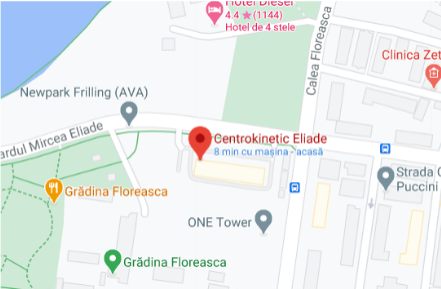
CENTROKINETIC FLOREASCA
Bucharest, 1st District,
Mircea Eliade Street, no. 18,
Eliade Tower, Entrance A, Floor 3
| Navigation | Explore 3D |
CENTROKINETIC Barbu Vacarescu
Bucharest, 2nd District,
Barbu Vacarescu Street, no. 102,
102 The Address, ground floor.
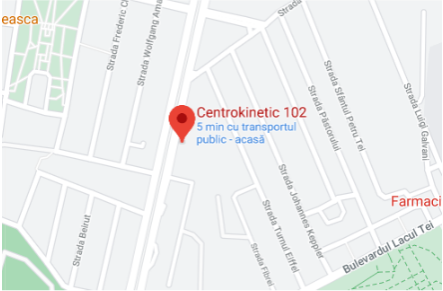
| Navigation | Explore 3D |
CENTROKINETIC MILITARI
Bucuresti, Sector 6,
Bld. Iuliu Maniu, nr. 15G,
Cladirea PBT, etaj 3.
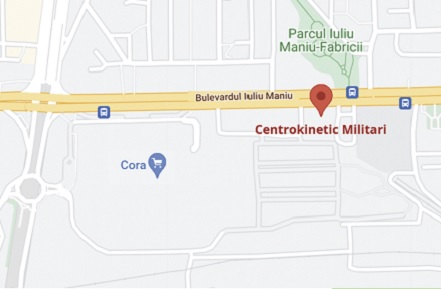
| Navigation |
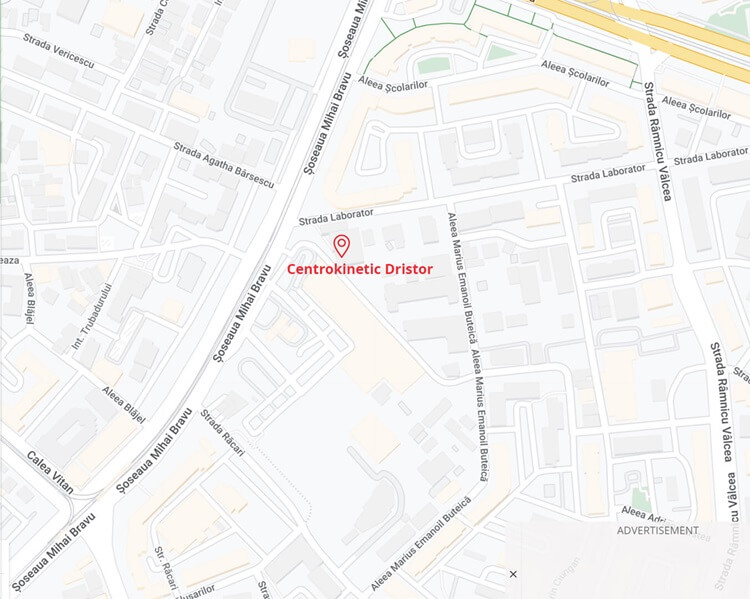
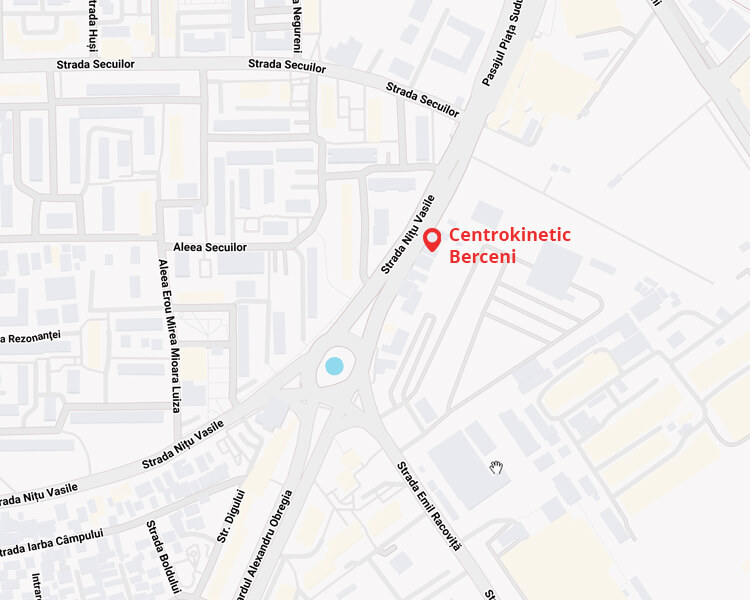
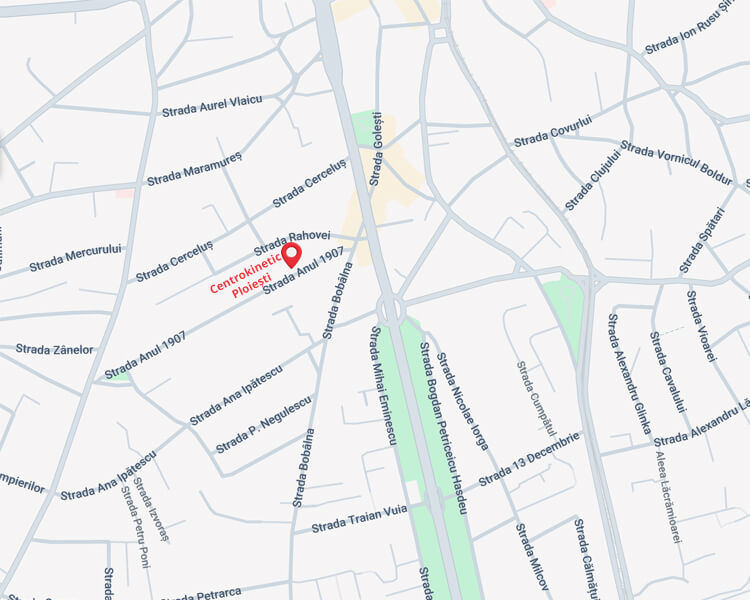
CENTROKINETIC CLUJ-NAPOCA
Cluj-Napoca,
Str. Intre Lacuri, nr.1
Intrarea este in spatele cladirii.
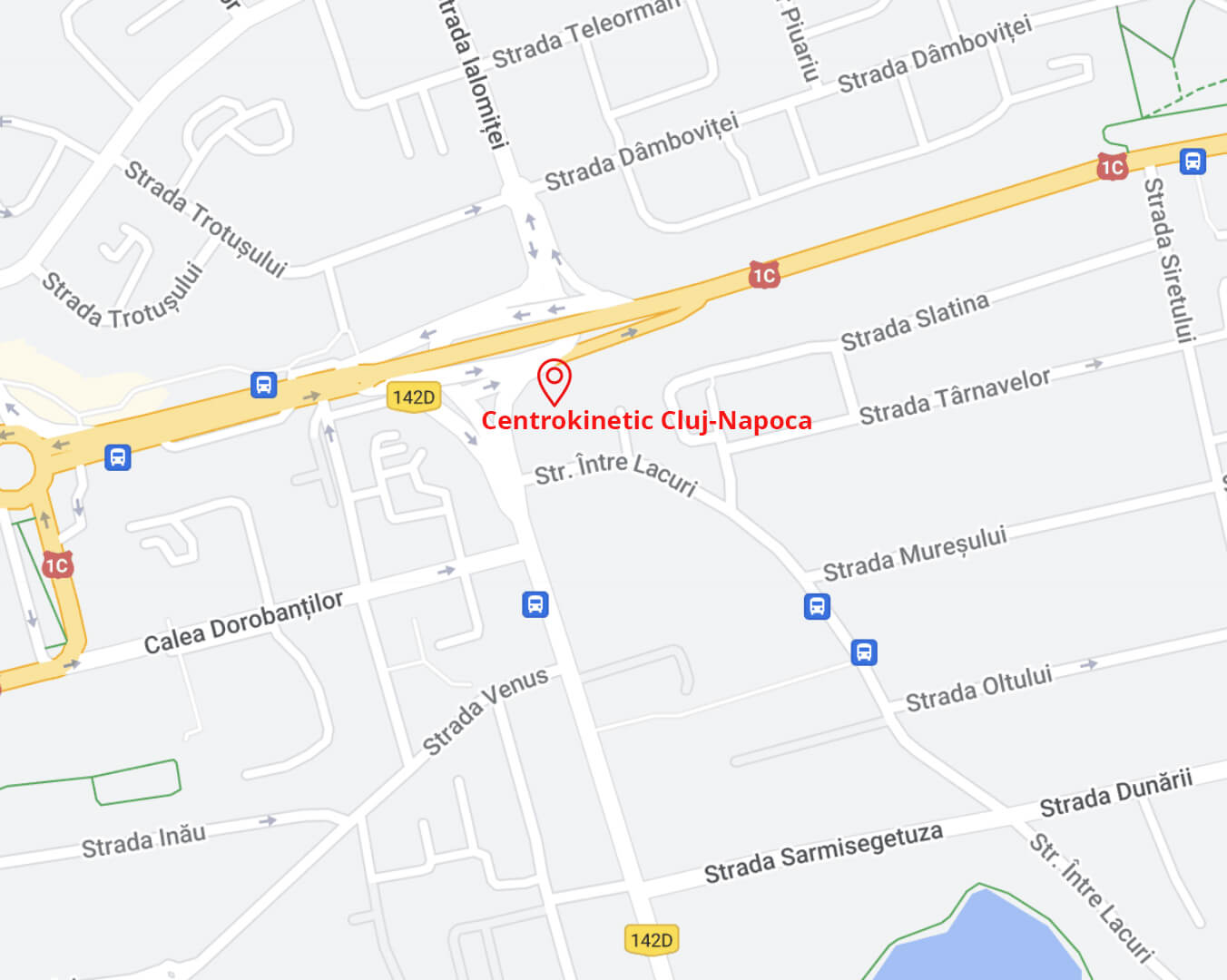
| Navigation |
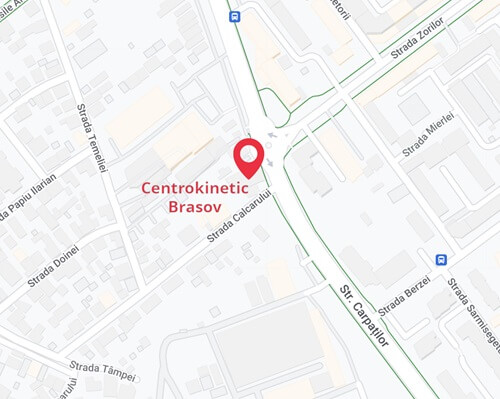
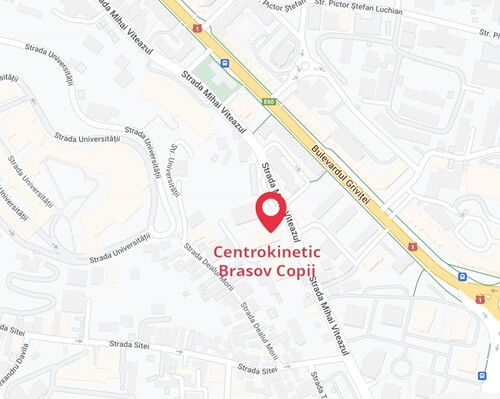
SOCRATES CLINIC TIMISOARA
Timisoara, Calea Martirilor 1989,
nr. 1.
Telefon: 0371 785 374.
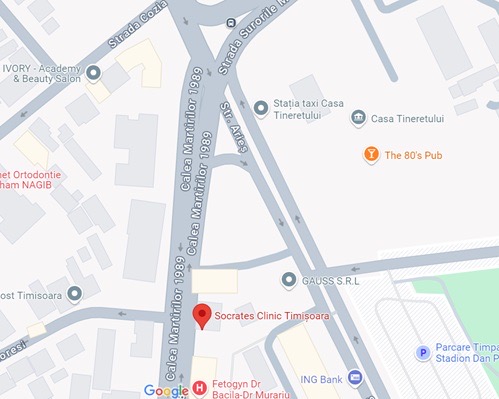
| Navigation |
CONTACT
Phone: 0319693
E-mail: programari@centrokinetic.ro
Operating hours:
Monday – Friday: 07:00 – 21:00
Saturday: 09:00 – 14:00
Sunday: closed.
MAKE AN APPOINTMENT