Hyperbaric therapy in pelvic conditions



Pelvic conditions such as vascular erectile dysfunction, male infertility, or complications following radiotherapy often share a common factor: insufficient tissue oxygenation. Hyperbaric oxygen therapy (HBOT) offers a modern medical approach based on increasing blood oxygen concentration and stimulating vascular regeneration. If you are dealing with persistent symptoms or are recovering from cancer treatment, it is important to understand how this therapy works and whether it is right for you.
What is hyperbaric therapy and how does it work in the body?
Hyperbaric therapy involves administering 100% oxygen inside a special chamber at pressures of 2–3 absolute atmospheres (ATA). Under these conditions, oxygen no longer travels only bound to hemoglobin — it also dissolves directly into the plasma. This allows it to reach poorly vascularized areas or tissues affected by chronic inflammation.
In the pelvic region, many conditions involve poor microcirculation. Tissues receive less oxygen, fibrosis develops, and regenerative capacity decreases. HBOT increases oxygen delivery and supports:
- the formation of new blood vessels (angiogenesis);
- reduction of chronic inflammation;
- improvement of endothelial function;
- stimulation of tissue regeneration;
- support for antibacterial mechanisms.
In most cases, these processes contribute to symptom relief and an improved quality of life.
Which pelvic conditions can benefit from hyperbaric therapy?
Doctors recommend HBOT especially in situations involving tissue hypoxia or vascular damage. Common indications include:
- vascular erectile dysfunction;
- male infertility associated with vascular damage or inflammation;
- chronic cystitis and prostatitis;
- radiation cystitis and radiation proctitis following radiotherapy;
- chronic pelvic pain;
- pelvic osteoradionecrosis.
All of these conditions involve, to varying degrees, impaired local blood flow. Without sufficient oxygen, tissues cannot repair themselves effectively, and symptoms persist.
Why does early intervention matter?
The earlier you intervene, the better tissues respond to increased oxygenation. In early stages, vascularization can be stimulated more easily, and fibrosis is less extensive.
A proper evaluation quickly identifies the cause of your symptoms. This helps you avoid unnecessary treatments and benefit from a strategy tailored to your situation. Early intervention increases the chances of a favorable response and reduces the risk of long-term complications.
Hyperbaric therapy for erectile dysfunction
The link between microcirculation and erection
Erection depends on adequate blood flow to the penis. Conditions such as diabetes, hypertension, or metabolic syndrome damage the vascular endothelium and reduce the elasticity of blood vessels.
Over time, microcirculation deteriorates. Erectile tissue no longer fills efficiently with blood, and erection is impaired.
How does hyperbaric therapy help?
By increasing tissue oxygen concentration, HBOT stimulates angiogenesis and improves endothelial function. New capillary vessels increase blood supply, and tissues receive support for regeneration.
Studies published in specialty journals show improvements in IIEF scores and penile Doppler parameters after approximately 40 sessions, particularly in patients with vascular erectile dysfunction.
HBOT complements pharmacological treatment with PDE5 inhibitors. Many patients notice an improved response to medication or reduce their need for it, under medical supervision.
Hyperbaric therapy for male infertility
The impact of hypoxia on spermatogenesis
The testicles require adequate oxygenation for sperm production. Chronic inflammation, oxidative stress, or vascular damage can reduce sperm count and motility.
What does the clinical data show?
Pilot studies indicate improvements in sperm concentration and motility in selected patients. Results vary, and the physician determines the indication after a complete evaluation, which may include a semen analysis, hormonal profile, and testicular Doppler ultrasound.
For optimal results, hyperbaric therapy is integrated into a personalized plan that may include hormonal treatment or assisted reproduction procedures.
Hyperbaric therapy for post-radiotherapy pelvic injuries
Radiotherapy used to treat pelvic cancers can damage blood vessels and tissue structure. Months or years after treatment, the following can occur:
- persistent hematuria (radiation cystitis);
- rectal bleeding (radiation proctitis);
- chronic pelvic pain;
- areas of bone necrosis.
Irradiated tissues become poorly vascularized and hypoxic. Spontaneous healing is slow.
How does HBOT work in these cases?
Oxygen delivered under increased pressure stimulates the formation of new capillaries in affected areas. In most cases, patients notice reduced bleeding and pain relief after 30–40 sessions.
Starting treatment a few months after completing radiotherapy usually provides a better response compared with situations where intervention begins very late.
What does treatment involve?
Initial evaluation
Before starting therapy, the physician performs a complete evaluation. This may include:
- a urological or andrological consultation;
- pelvic ultrasound or Doppler imaging;
- semen analysis, if fertility is being investigated;
- relevant blood tests.
A thorough evaluation clarifies the indication and identifies any contraindications. This step increases the safety and effectiveness of treatment.
The hyperbaric therapy session
A session lasts between 60 and 90 minutes. You sit inside a pressurized chamber and breathe 100% oxygen. You may feel pressure in your ears, similar to what you feel on an airplane. The medical team will explain simple equalizing maneuvers to you.
The usual protocol involves 20–40 sessions, depending on the condition and individual response.
| Condition | Approximate number of sessions | Notes |
|---|---|---|
| Vascular erectile dysfunction | 30–40 | Combined with pharmacological treatment |
| Male infertility | 20–40 | Integrated into a personalized plan |
| Radiation cystitis/proctitis | 30–40 | Periodic monitoring |
After the session, you can resume your usual activities. Your doctor will give you lifestyle recommendations to support the effects of therapy.
Safety and contraindications
Untreated pneumothorax is an absolute contraindication. There are also situations that require caution:
- severe lung conditions;
- uncontrolled epilepsy;
- severe claustrophobia;
- certain oncological treatments.
The medical team closely monitors every session. Adverse effects are rare and include ear barotrauma or temporary changes in vision.
Integrating hyperbaric therapy into a personalized plan
HBOT delivers the best results when it is part of a comprehensive treatment program. For example:
- in erectile dysfunction, therapy is combined with control of cardiovascular risk factors;
- in infertility, it is associated with hormonal treatments or IVF procedures;
- in post-radiotherapy injuries, oncological monitoring continues.
A personalized approach takes into account your age, associated conditions, activity level, and goals. An experienced team in rehabilitation and modern therapies, such as the one within the medical recovery programs available at Centrokinetic, establishes a tailored protocol and monitors your progress over the medium and long term.
The benefits of a proper evaluation include:
- an accurate diagnosis;
- choosing the right indication;
- reduced risks;
- effective monitoring of progress.
Don't delay seeing a doctor if your symptoms persist. Early intervention and a well-structured plan can change the course of the condition.
Who is hyperbaric therapy suitable for?
Hyperbaric therapy is suitable for active adults, amateur or competitive athletes in recovery, patients with associated orthopedic conditions, or those looking for modern treatment solutions for pelvic complications.
The physician decides on the indication after a complete evaluation. Not all patients are suitable candidates, and proper selection influences the outcome.
If you are dealing with vascular erectile dysfunction, infertility associated with testicular damage, or complications after radiotherapy, seek a specialist consultation. Schedule an appointment now at Centrokinetic for more details.
Frequently asked questions about hyperbaric therapy for pelvic conditions
How many sessions are needed for visible results?
In most cases, patients undergo between 30 and 40 sessions. Some improvements may appear after 15–20 sessions, but the full protocol provides better results.
Can hyperbaric therapy replace medication for erectile dysfunction?
HBOT complements pharmacological treatment rather than replacing it. The physician reassesses the need for medication after completing therapy and adjusts the regimen according to the response.
Is hyperbaric therapy painful?
The session is not painful. You may feel pressure in your ears during pressurization, but this is corrected through simple maneuvers explained by the medical staff.
How long do the effects of therapy last?
The duration of the effects varies depending on the condition and the control of risk factors. Maintaining a healthy lifestyle and regular medical monitoring help sustain the benefits achieved.
Disclaimer: This material is for informational purposes only and does not replace specialist medical consultation. The indication for hyperbaric therapy must be established individually, after evaluating the diagnosis, treatments received, any contraindications, and the evidence available for the specific condition. HBOT is not a standard treatment for all the pelvic conditions mentioned and may only be used in selected cases, on a physician's recommendation.
Sources
- Feldmeier, John J., and Laurie B. Gesell. "Delayed Radiation Injuries (Soft Tissue and Bony Necrosis) and Potential for Future Research." Undersea & Hyperbaric Medicine, vol. 53, no. 1, 2026, pp. 155–198. Undersea & Hyperbaric Medical Society. Accessed Aug. 8, 2026.
- Saffati, Gal, et al. "Hyperbaric Oxygen Therapy as a Treatment for Erectile Dysfunction: A Meta-Analysis." Sexual Medicine Reviews, vol. 12, no. 1, 2024, pp. 94–99. Accessed Aug. 8, 2026.
- "Hyperbaric Oxygen Therapy for Male Infertility: A Systematic Review and Meta-Analysis on Improving Sperm Quality and Fertility Outcomes." PMC, 2025. Accessed Aug. 8, 2026.
MAKE AN APPOINTMENT
FOR AN EXAMINATION
See here how you can make an appointment and the location of our clinics.
MAKE AN APPOINTMENT
BUCHAREST TEAM





























































CLUJ NAPOCA TEAM


































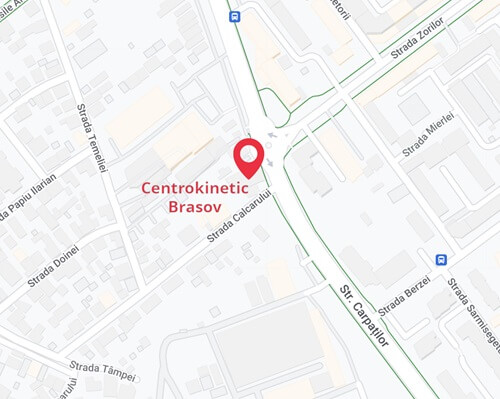
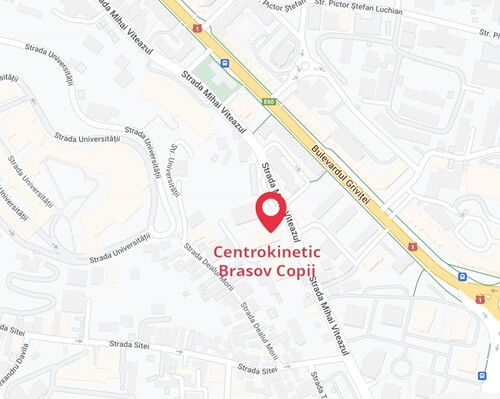
BRASOV TEAM














Asiguratori privati





Parteneriate



CENTROKINETIC FLOREASCA
Bucharest, 1st District,
Mircea Eliade Street, no. 18,
Eliade Tower, Entrance A, Floor 3
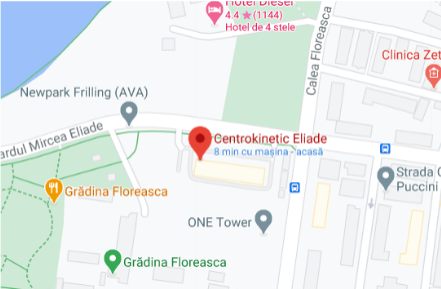
| Navigation | Explore 3D |
CENTROKINETIC Barbu Vacarescu
Bucharest, 2nd District,
Barbu Vacarescu Street, no. 102,
102 The Address, ground floor.
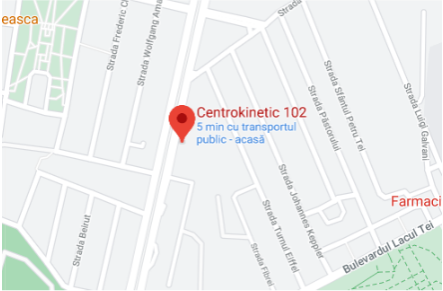
| Navigation | Explore 3D |
CENTROKINETIC MILITARI
Bucuresti, Sector 6,
Bld. Iuliu Maniu, nr. 15G,
Cladirea PBT, etaj 3.
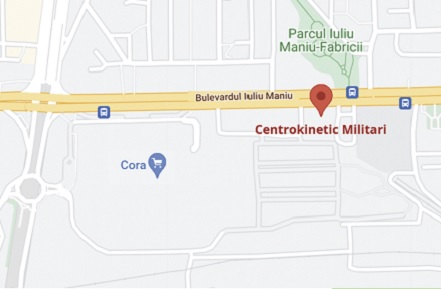
| Navigation |
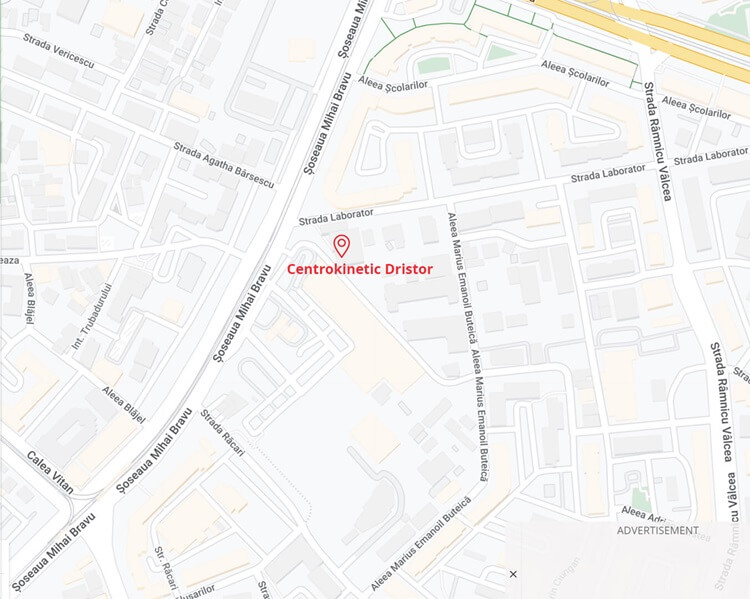
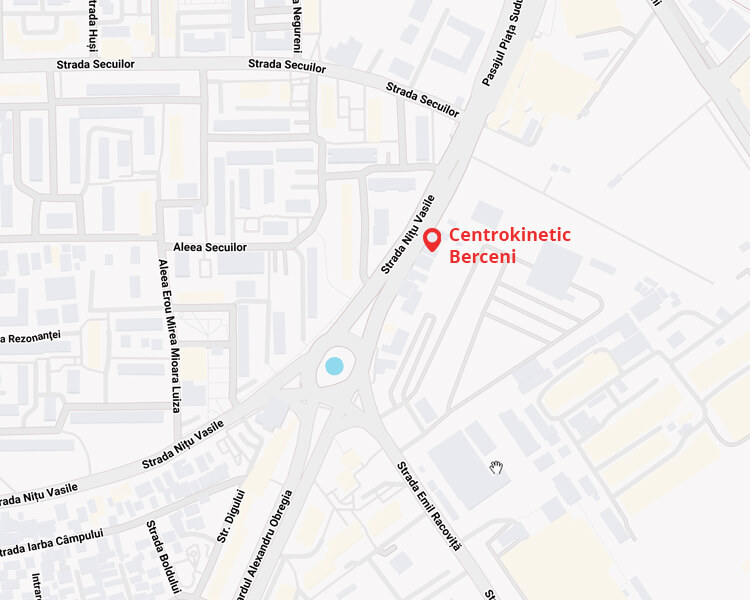
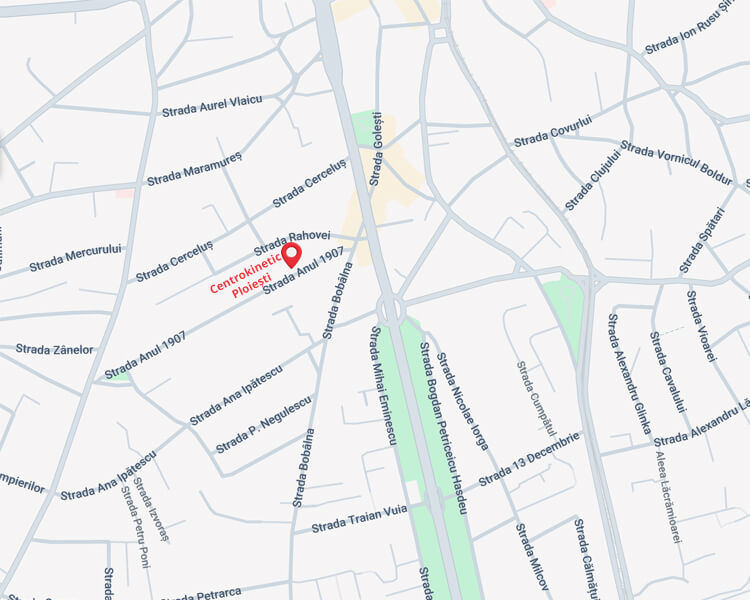
CENTROKINETIC CLUJ-NAPOCA
Cluj-Napoca,
Str. Intre Lacuri, nr.1
Intrarea este in spatele cladirii.
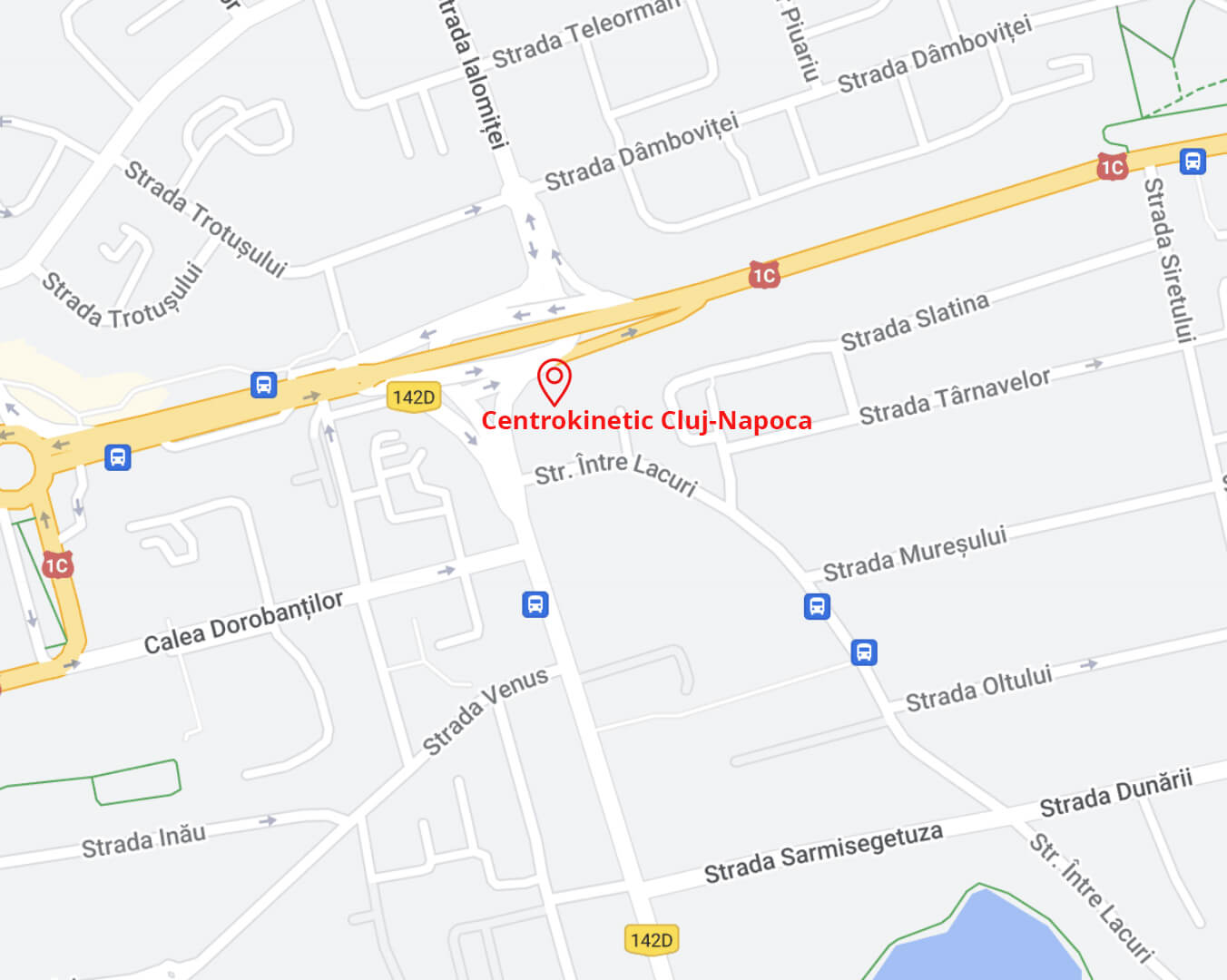
| Navigation |
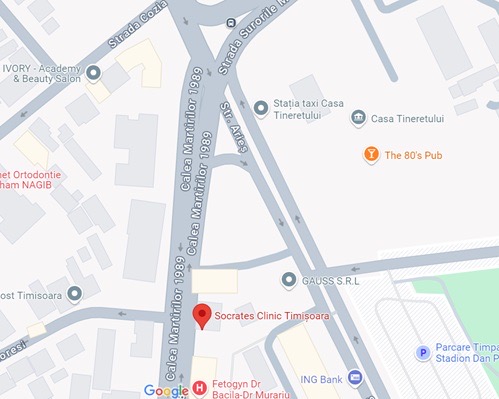
SOCRATES CLINIC TIMISOARA
Timisoara, Calea Martirilor 1989,
nr. 1.
Telefon: 0371 785 374.
| Navigation |
CONTACT
Phone: 0319693
E-mail: programari@centrokinetic.ro
Operating hours:
Monday – Friday: 07:00 – 21:00
Saturday: 09:00 – 14:00
Sunday: closed.
MAKE AN APPOINTMENT