Elbow pain: possible causes, investigations and recommended treatments


Elbow pain: possible causes, investigations, and recommended treatments
.jpg "Dureri de cot: posibile cauze, investigatii si tratamente recomandate")
The elbow is the common name for the joint that connects the upper arm to the forearm. Pain in this joint occurs when the elbow is bent or at rest, or when weights are lifted. Most often, the pain is accompanied by inflammation of the joint or its limited mobility.
Elbow pain also occurs in situations known as "tennis elbow" or "golfer's elbow". These are two separate but similar conditions in which the tendons become painful (tennis elbow affects the tendons on the outside of the elbow, golfer's elbow affects the tendons on the inside of the elbow). Both conditions are caused by activities that involve repetitive wrist movements. People who frequently grip and twist are at higher risk (carpenters, plasterers, those who use a computer keyboard and mouse). "Tennis elbow" is a condition that does not occur only in athletes and manifests as inflammation of the elbow muscle. Anyone can develop these conditions, but they are more common between the ages of 40-50, with "tennis elbow" being more common. In this article, we explain what elbow pain is, what its causes are, how the diagnosis is established, and how the discomfort can be managed.

- Elbow pain: possible causes, investigations, and recommended treatments
Anatomy of the elbow
.jpg "Anatomia cotului")
The elbow is a joint supported by strong ligaments that unite the bones:
- humerus;
- radius;
- ulna.
The joint allows two movements: bending and straightening.
The muscles attached to the outside of the humerus help straighten the wrist and fingers. They are connected to the brain and the nervous system through the radial nerve. The muscles attached to the inside of the humerus help bend the hand and fingers and allow gripping of objects. These muscles are connected to the brain and the nervous system through the median nerve. The ulnar nerve (on the inside of the elbow) is responsible for precise and delicate hand movements.
The elbow is supported on both sides by collateral ligaments: the radial collateral ligament and the ulnar collateral ligament. Each bone has cartilage at its end, which helps absorb shock. The tendons of the elbow are what connect the bones to the muscles, allowing the arm to move in different ways. If something happens to any of these parts, or if the surrounding nerves or blood vessels are damaged, pain can occur in the elbow area.
Causes of elbow pain
If elbow pain is caused by intense physical exercise, the discomfort usually fades on its own. However, a specialist medical consultation is recommended if:
- the pain is intense;
- the pain does not improve, even when the arm is at rest;
- there is difficulty bending the arm;
- there is swelling and bruising around the elbow.
There are at least seven different elbow conditions. Here are their symptoms and causes:
Medial epicondylitis (golfer's elbow)
Medial epicondylitis affects the inner tendons of the elbow and causes pain. The repetitive throwing motion is the cause. This condition improves with rest and anti-inflammatory medication.
Lateral epicondylitis (tennis elbow)
Lateral epicondylitis affects the outer tendons of the elbow. Using the same motion repeatedly can cause this condition. Professionals who frequently deal with epicondylitis are:
- cooks;
- painters;
- carpenters;
- auto mechanics;
- plumbers;
Symptoms include pain, a burning sensation, and the inability to grip something with the hand. These manifestations improve with rest and physiotherapy, but there are cases where exercises may also be necessary, but only after the pain has eased.
Olecranon bursitis (student's elbow, draftsman's elbow)
Bursitis affects the bursa, small fluid-filled sacs that help protect the joints (in this case, it is the bursa that protects the pointed bone of the elbow). Bursitis can be caused by trauma to the elbow, leaning on the elbow for a long time, infection, or medical conditions (arthritis). Symptoms include:
- inflammation;
- pain;
- difficulty moving the elbow;
- redness;
- increased temperature.
Bursitis is treated with medication. In severe or chronic cases, surgery may be recommended.
Elbow fracture/dislocation
Falling on the arm can lead to a fracture or dislocation of the elbow. A dislocation occurs when a bone moves out of its normal position. A fracture occurs when a bone cracks or breaks. Symptoms include:
- visible changes in the elbow;
- inability to move the joint;
- pain.
The orthopedic doctor can place the dislocated or fractured elbow in a splint and may prescribe medication for pain and inflammation. Physical therapy also helps restore movement after the splint is removed.
Sprains
Problems can also occur in the ligaments of the elbow joint. Ligament sprains occur as a result of trauma or repeated stress. They are manifested by:
- pain;
- joint instability;
- inflammation;
- problems with movement.
They are treated with:
- rest;
- pain relief;
- supportive braces;
- physiotherapy.
Panner's disease
This condition occurs when sections of cartilage and bone are dislocated in the elbow joint. It is the result of trauma during a sports activity and most often occurs in young men. It can be treated by immobilizing the elbow and by performing physical therapy treatment.
Osteoarthritis
Osteoarthritis is a condition that affects cartilage (connective tissue found in joints). It is manifested by:
- pain;
- difficulty bending the elbow;
- a sound occurring during movement;
- inflammation.
It is treated with medication. Surgery (joint replacement) is the preferred option in severe cases.
Elbow arthritis
The elbow can be affected by different types of arthritis:
- Osteoarthritis: is the most common form of arthritis. It begins with the loss of cartilage, which is a protective layer covering the bones in a joint. In response, the body may grow bone spurs in the joint. This can happen without any symptoms.
- Rheumatoid arthritis: is an autoimmune condition that causes pain and swelling in the joints (which can be tender to the touch). Autoimmune conditions are caused when the immune system (whose role is to protect against diseases and infections) becomes confused and mistakenly attacks the body's healthy tissue.
- Psoriatic arthritis: is an autoimmune condition that causes pain and swelling around the joints.
- Gout: is a type of arthritis that causes pain and inflammation of the joints. Gout is caused by the accumulation of urea crystals, a waste product, in the joints.
Diagnosing elbow pain
The specialist doctor can diagnose elbow pain through the following investigations:
- Physical examination: the doctor may apply pressure to the affected area or may ask you to move the elbow, wrist, and fingers in different ways.
- Medical history: in many cases, the physical examination and medical history provide enough information for the doctor to make a diagnosis. If the doctor suspects that something else may be the cause of the symptoms, they may suggest X-rays or other imaging tests.
- X-rays;
- Computed tomography (CT);
- Magnetic resonance imaging (MRI);
- Electromyography (EMG);
- Bursa fluid biopsy;
Treatment for elbow pain
.jpg "Tratamentul durerilor de cot")
There are several methods by which elbow pain can be relieved: taking painkillers, applying heat, ice compresses.
- Pain relief medication: painkillers can help relieve pain. They should be used as needed, but it is recommended to use them before the pain becomes very intense.
- Nonsteroidal anti-inflammatory drugs are medications that help relieve pain, inflammation, and stiffness. If stomach pain occurs during treatment, the treatment should be stopped and a doctor consulted. There are anti-inflammatory creams or gels that do not cause stomach pain.
- Cryotherapy is a way to treat elbow pain because it reduces inflammation and relieves pain, decreases stiffness, and improves mobility. Cryotherapy is used when the elbow joint is excessively stressed.
- Elbow injections: treat conditions at the level of this joint. After injections, physiotherapy is necessary to ensure the elbow joint regains its full function.
When it is recommended to see a doctor
Most elbow pain improves on its own or with simple treatments. It is recommended to consult a doctor if:
- the pain does not improve two weeks after taking painkillers and resting the elbow;
- tingling, numbness, or weakness occurs in the arm or hand;
It is also advisable to go to the emergency room if:
- you notice symptoms such as severe pain that prevents you from moving your arm, or if swelling, fever, elevated temperature, and redness occur; these can be signs of an infection.
- you think your elbow is fractured; a fracture will cause pain, bruising, and swelling.
Disclaimer
If you have medical questions or concerns, please talk to your doctor. Our medical articles contain important medical information and research provided by renowned medical entities. However, they are not a substitute for the advice, diagnosis, or treatment recommended by a specialist doctor.
Centrokinetic is the place where you will find clear answers and effective solutions for musculoskeletal conditions. Our clinic, dedicated to musculoskeletal disorders, is organized into the following specialized departments:
- Orthopedics, a department composed of a highly experienced team of orthopedic surgeons specializing in sports traumatology.
- Pediatric Orthopedics, where sports injuries in children (ligament and meniscus injuries), spinal deformities (scoliosis, kyphosis, hyperlordosis), and foot deformities (hallux valgus, hallux rigidus, equinovarus foot, flatfoot, cavus foot) are treated.
- Neurology, featuring a state-of-the-art department where consultations, electroencephalograms (EEG), and electromyography (EMG) examinations are performed.
- Medical Rehabilitation for adults and children, a department specialized in the rehabilitation of professional athletes, spinal disorders, and children with neurological and traumatic conditions. Our extensive experience includes treating more than 5,000 professional athletes.
- Medical Imaging, with the clinic equipped with ultrasound and MRI systems dedicated to musculoskeletal conditions, complemented by an experienced radiologist, Dr. Cosmin Pantu, specialized in musculoskeletal imaging.
- Rheumatology, a comprehensive department dedicated to the diagnosis, treatment, and rehabilitation of patients with non-surgical musculoskeletal disorders.
- Vascular Surgery, a highly specialized department focused on the diagnosis and treatment of vascular diseases affecting arteries, veins, and lymphatic vessels.
- Psychology and Speech Therapy. Neurological and musculoskeletal conditions can have a psychological impact on patients, which is why we believe complete recovery requires addressing both the physical condition and its psychological consequences.
- Neurofeedback. This innovative method helps improve concentration, reduce anxiety, and achieve emotional balance through a simple and interactive process.
Stay up to date by following Centrokinetic on Facebook, Instagram, and YouTube.
Additional sources of information:
Mayo Clinic, "Elbow pain. Causes": https://www.mayoclinic.org/symptoms/elbow-pain/basics/causes/sym-20050874
WebMD, "Why does my elbow hurt?": https://www.webmd.com/pain-management/guide/elbow-pain
Versus Arthritis, "Elbow Pain": https://www.versusarthritis.org/about-arthritis/conditions/elbow-pain/
Healthline, "What to know about elbow pain": https://www.healthline.com/health/elbow-pain
MAKE AN APPOINTMENT
FOR AN EXAMINATION
See here how you can make an appointment and the location of our clinics.
MAKE AN APPOINTMENT
BUCHAREST TEAM

























CLUJ NAPOCA TEAM
















BRASOV TEAM







Asiguratori privati





Parteneriate


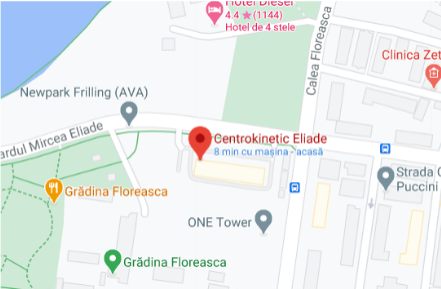
CENTROKINETIC FLOREASCA
Bucharest, 1st District,
Mircea Eliade Street, no. 18,
Eliade Tower, Entrance A, Floor 3
| Navigation | Explore 3D |
CENTROKINETIC Barbu Vacarescu
Bucharest, 2nd District,
Barbu Vacarescu Street, no. 102,
102 The Address, ground floor.
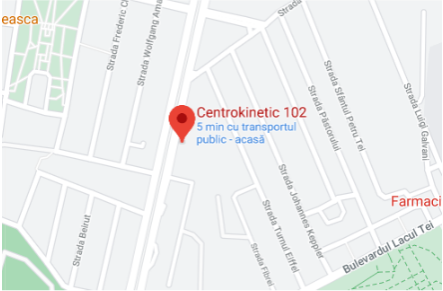
| Navigation | Explore 3D |
CENTROKINETIC MILITARI
Bucuresti, Sector 6,
Bld. Iuliu Maniu, nr. 15G,
Cladirea PBT, etaj 3.
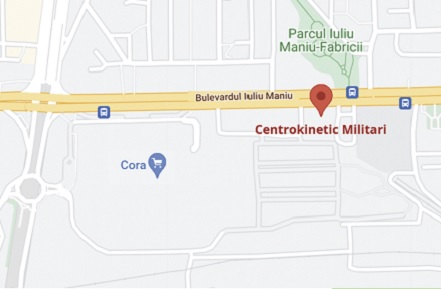
| Navigation |
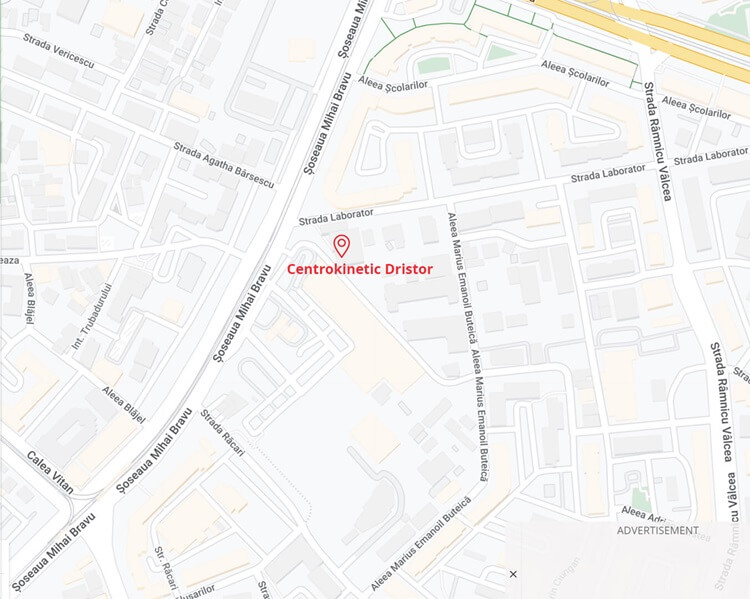
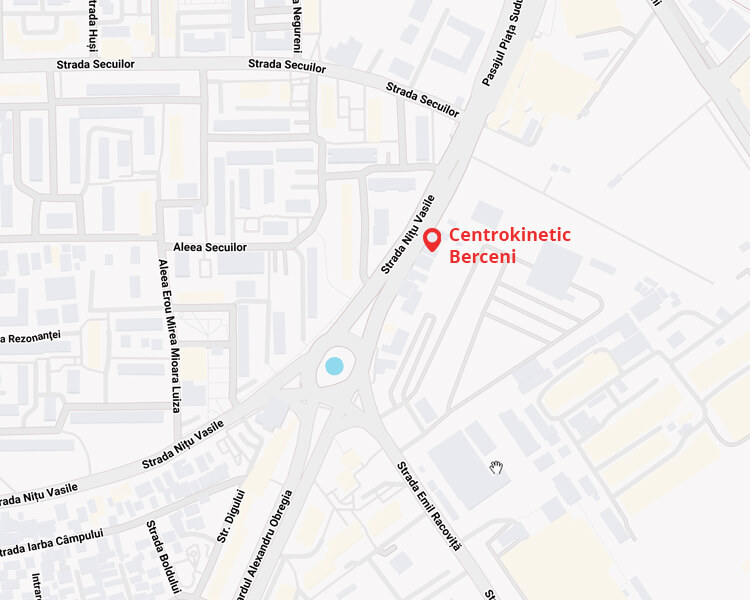
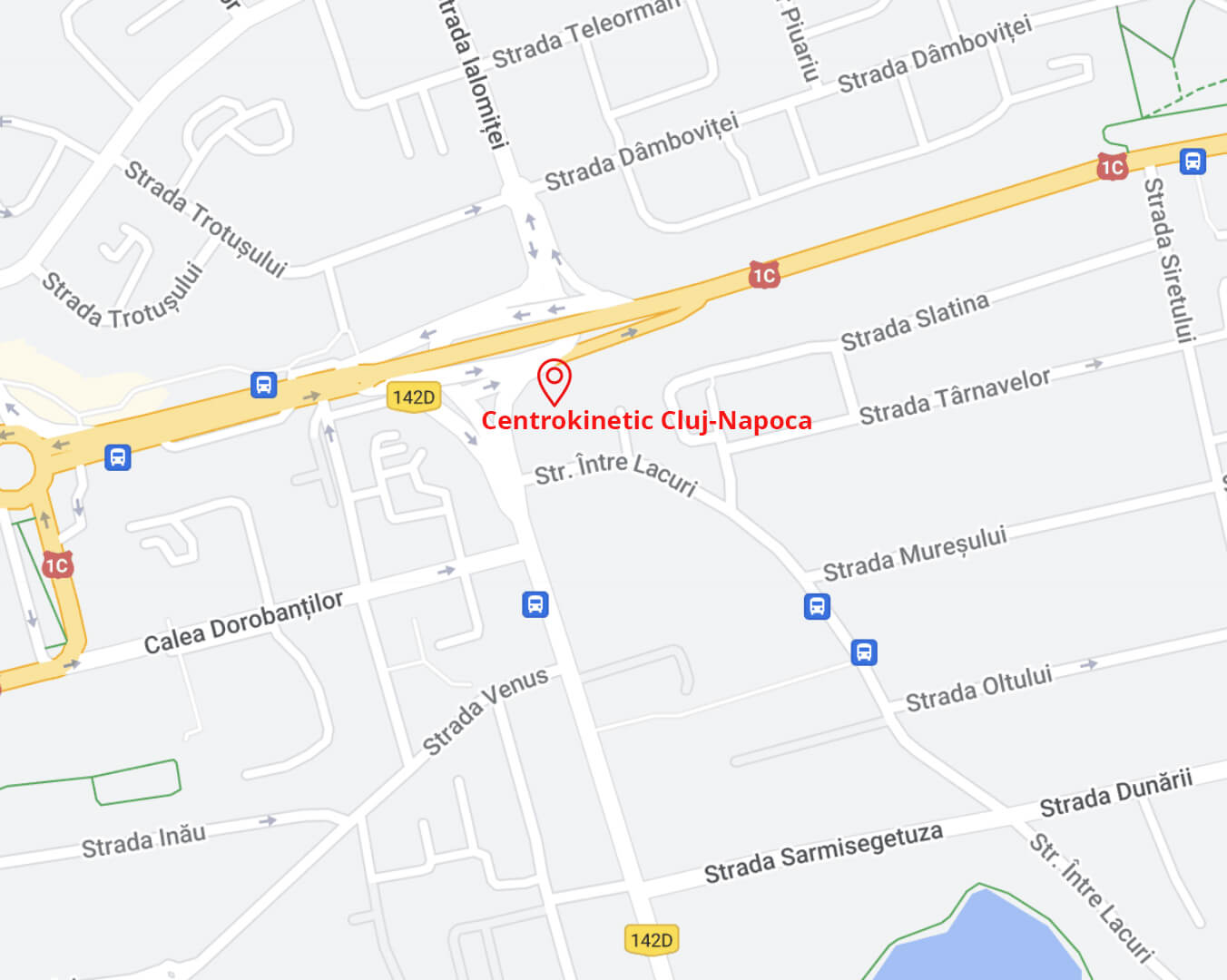
CENTROKINETIC CLUJ-NAPOCA
Cluj-Napoca,
Str. Intre Lacuri, nr.1
Intrarea este in spatele cladirii.
| Navigation |
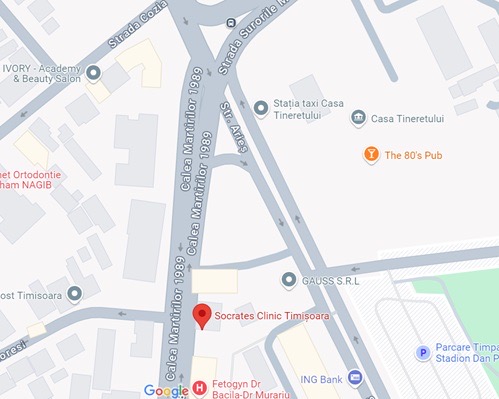
SOCRATES CLINIC TIMISOARA
Timisoara, Calea Martirilor 1989,
nr. 1.
Telefon: 0371 785 374.
| Navigation |
CONTACT
Phone: 0319693
E-mail: programari@centrokinetic.ro
Operating hours:
Monday – Friday: 07:00 – 21:00
Saturday: 09:00 – 14:00
Sunday: closed.
MAKE AN APPOINTMENT