
See details
READ MORE

.jpg)
Knee bursitis is the inflammation of the bursa, near the knee joint. The bursa is a fluid-filled sac that acts as a cushion between a hard tissue (bone/tendon) and a soft tissue (skin). Unfortunately, the bursa can sometimes become inflamed and irritated. Unlike generalized swelling of the knee joint, there is more localized swelling and tenderness. In addition, since there are up to eleven bursae around the knee, depending on which one becomes inflamed, the location and sensations of pain can vary.
Knee bursitis occurs mostly due to overuse injuries, and occurs less frequently due to trauma. The injury mechanism influences which bursa is affected, the most common being: prepatellar, infrapatellar and pes anserinus. Knee bursitis causes pain and can limit mobility.
Knee bursitis can occur when the bursa fills with blood, following trauma, which can happen during an athletic competition. Bursitis can also occur due to rheumatoid arthritis and crystal deposits, as seen in patients with gouty arthritis and pseudogout. The prepatellar bursa can also become infected with bacteria (septic bursitis). When this happens, fever can occur. This type of infection usually occurs due to breaks in the skin or wounds.
Bursitis is often caused by small, frequent trauma, which can cause the same problems that can occur from a single, more severe trauma. People who kneel a lot can develop bursitis in the knee. Also, the prepatellar bursa can become inflamed as a result of another condition, such as knee osteoarthritis. In these cases, treatment for knee bursitis must accompany treatment of the underlying condition.
Approximately 20% of people with knee bursitis have septic bursitis, which means that a prepatellar bursa is infected. Septic bursitis occurs more often in the summer months. The infection can reach the bursa through a cut, puncture, or even an insect bite. You may have septic bursitis even if you don't have an obvious cut; sometimes the main cause of the infection is not known.
Certain conditions and medications suppress people's immune systems and make them more susceptible to septic bursitis. For example, people with cancer, HIV/AIDS, lupus, alcoholism, chronic obstructive pulmonary disease, and diabetes may be more likely to have septic bursitis.
Knee bursitis causes pain on the inside of the knee, just below the joint. You may have pain when bending or straightening your leg. Symptoms of knee bursitis include:
The swelling occurs inside the bursa, not in the knee joint. People often refer to any swelling of the knee joint as "water on the knee," but there is an important difference between fluid buildup inside the bursa and in the knee joint. Symptoms of knee bursitis are usually worsened by kneeling, squatting, or repeated bending. Symptoms may be relieved when the affected person remains still.
Knee bursitis occurs mostly due to overuse injuries and occurs less frequently due to trauma. The injury mechanism influences which bursa is affected, the most common being: prepatellar, infrapatellar and anserine.
Prepatellar bursitis is common in those who kneel a lot and results in superficial swelling on the front part of the knee. A direct fall onto the kneecap, acute trauma, repeated blows, or friction on the knee can cause prepatellar bursitis. Other causes include infections or low-grade inflammatory conditions, such as gout, syphilis, tuberculosis, or rheumatoid arthritis. Prepatellar bursitis often occurs in people with specific jobs that involve a kneeling work position for a long period of time (gardeners, people who lay tile and flooring, mechanics, etc.).
Infrapatellar bursitis occurs when one or both bursae inside the knee become irritated and inflamed, leading to swelling and pain in the knee. There are 2 infrapatellar bursae at each knee, the deep infrapatellar bursa and the superficial infrapatellar bursa. The deep infrapatellar bursa is located below the knee, between the patellar tendon and the upper front surface of the tibia. The superficial infrapatellar bursa acts as a cushion between the patellar tendon and the skin.
If you suffer from infrapatellar bursitis, you may experience swelling and tenderness, pain, a limited range of motion, weakness, and possibly fever if the bursa is infected. Swelling is usually evident in infrapatellar bursitis, and often appears as an abscess above or below the kneecap. This swelling can appear immediately after trauma, within a few hours, or up to 7-10 days after the event that caused the irritation.
The bursa located on the lower inner part of the knee is called the anserine bursa. This bursa becomes inflamed most often in middle-aged women. This condition is known as anserine bursitis. Anserine bursitis is particularly common in people who are obese. These patients may notice pain on the inside of the knee while going up or down stairs.
Bursitis can also be due to trauma, such as a direct blow to the anserine region. A bruise in this area results in increased release of synovial fluid into the lining of the bursa. The bursa then becomes inflamed and tender or painful. Anserine bursitis causes pain on the inside of the knee (especially during running or climbing stairs). The patient may have spontaneous anterior knee pain when going up or down stairs, and tenderness. Also, the region around the bursa will be swollen or tender to the touch.
Risk factors for knee bursitis include:
Knee bursitis is diagnosed through a clinical exam performed by the orthopedic doctor. The doctor may order an X-ray, MRI, or ultrasound to determine whether you have more extensive damage that needs alternative treatments. The doctor will examine the knee joint, swollen spots, tenderness, pain, and range of motion. If the doctor suspects an infection, they may insert a needle into the affected area to drain the fluid or take a sample to test it.
Centrokinetic has a state-of-the-art MRI machine, dedicated to musculoskeletal conditions of the upper and lower limbs. The MRI machine is open, so people who suffer from claustrophobia can also undergo this examination. The examination usually takes about 20 minutes, and the patient receives the results of the investigation the day after the examination.
During your visit to the doctor, you will discuss your medical history and describe the onset of symptoms, the type of knee pain, and how the symptoms affect your lifestyle. The symptoms you report are important for diagnosis and treatment.
Treatments for knee bursitis aim to relieve symptoms, while the condition heals. Depending on the cause of your knee bursitis, your doctor may recommend any of the following non-surgical treatments:
Over-the-counter medications, such as naproxen, aspirin or ibuprofen, can help ease pain and reduce inflammation. Antibiotics are recommended if the inflammation is caused by an infection.
Nonsteroidal anti-inflammatories can cause stomach bleeding or kidney problems in certain people. If you take blood-thinning medications, always ask whether nonsteroidal anti-inflammatory drugs are safe for you.
Many patients with knee bursitis start to feel better within a few weeks of the injury, with the help of physical therapy. Your physical therapy treatment will target:
Other procedures for treating knee bursitis include:
If the bursitis is severe or keeps recurring, the inflamed bursa might need to be surgically drained or even removed (but this is rare).
The doctor may give corticosteroid injections into the swollen knee to relieve the inflammation. Corticosteroid injections are stronger doses of medication, compared to those taken in pill form. They should work quickly, but you may feel pain and swelling for a few days after the injection. Possible side effects include wasting of the surrounding tissue and discoloration of the skin around the injection site.
You will not be able to get a corticosteroid injection if you have septic bursitis, or more than three corticosteroid injections a year in the same area.
If the swelling caused by bursitis is particularly severe, the doctor may consider draining the fluid. This procedure, known as aspiration, can ease the pain and improve the range of motion of the knee joint.
During aspiration, your doctor will use a needle to draw out the fluid. You will need to avoid intense activity for about two days after the aspiration.
Surgery can be used to remove the bursa. The surgical procedure involves either completely removing the bursa, or making an incision in the skin and draining the fluid from the bursa (incision and drainage). Surgery is done only when other treatments don't work. Your doctor may remove the bursa arthroscopically, through small incisions. Arthroscopic surgery for knee bursitis is less invasive, and recovery is faster.
Although some types of bursitis cannot be prevented, there are certain things you can do to reduce the risk of developing bursitis, including:
At Centrokinetic, the best doctors and therapists are available for any joint or musculoskeletal problem, from the initial consultation and complete investigations within the clinic, to treatment and complete medical rehabilitation for spinal, traumatic or post-surgical conditions.
Find out the latest news about us by following the Facebook and YouTube accounts of the Centrokinetic clinic.
See details
READ MORESee details
READ MORESee details
READ MORESee here how you can make an appointment and the location of our clinics.








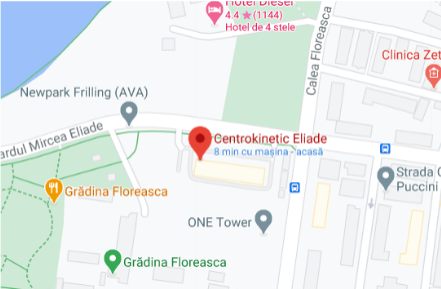
CENTROKINETIC FLOREASCA
Bucharest, 1st District,
Mircea Eliade Street, no. 18,
Eliade Tower, Entrance A, Floor 3
| Navigation | Explore 3D |
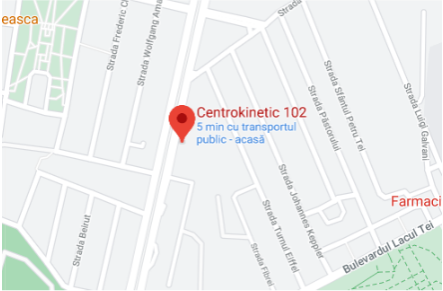
CENTROKINETIC Barbu Vacarescu
Bucharest, 2nd District,
Barbu Vacarescu Street, no. 102,
102 The Address, ground floor.
| Navigation | Explore 3D |
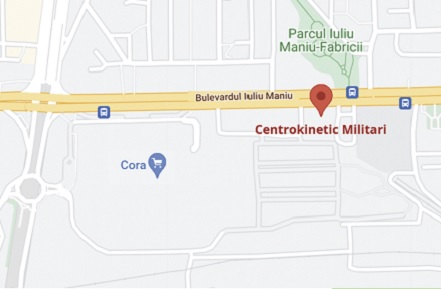
CENTROKINETIC MILITARI
Bucuresti, Sector 6,
Bld. Iuliu Maniu, nr. 15G,
Cladirea PBT, etaj 3.
| Navigation |
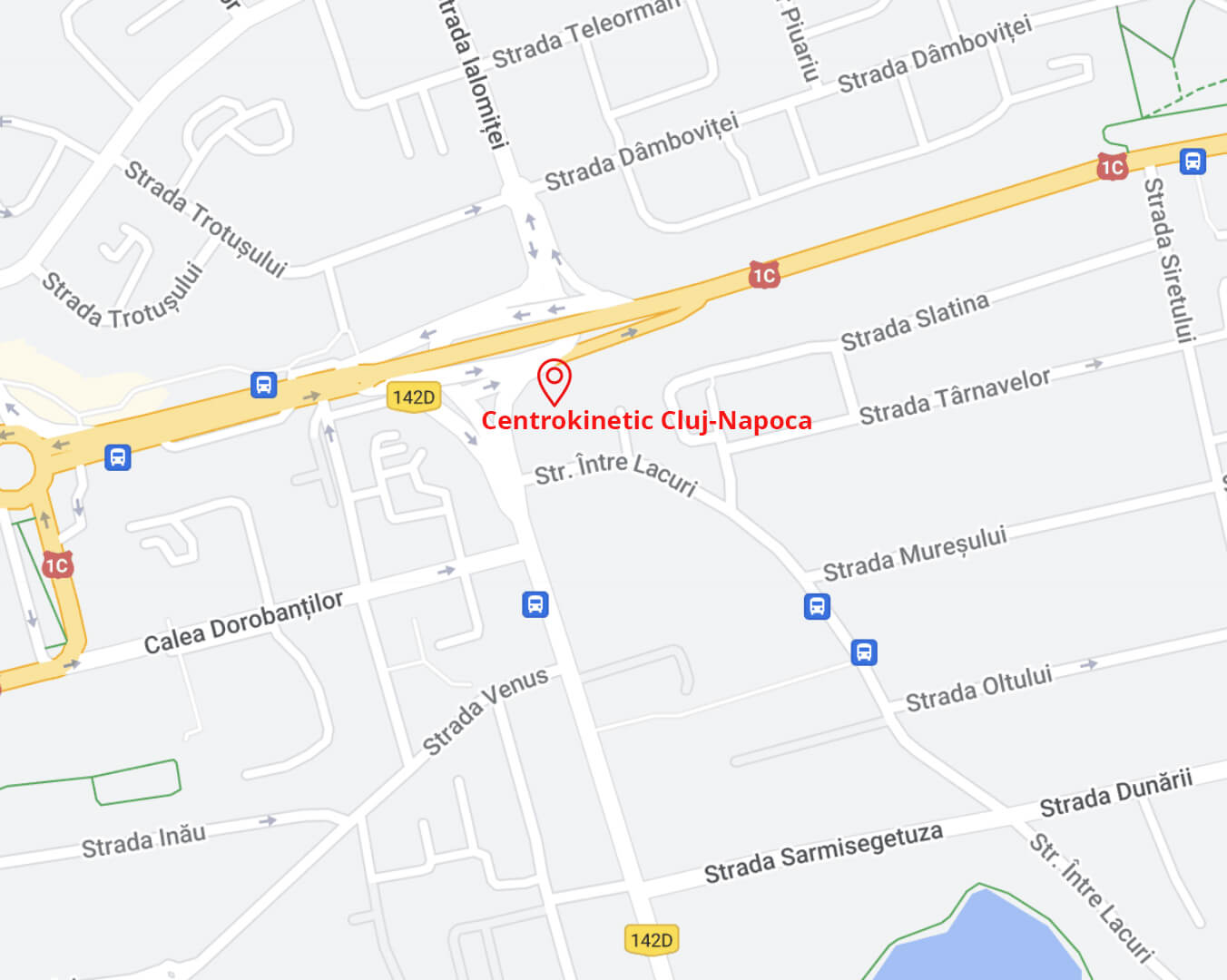
CENTROKINETIC CLUJ-NAPOCA
Cluj-Napoca,
Str. Intre Lacuri, nr.1
Intrarea este in spatele cladirii.
| Navigation |
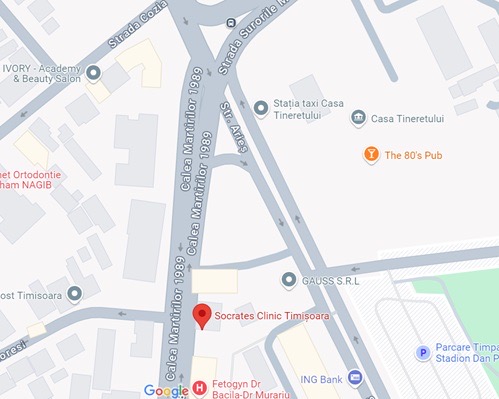
SOCRATES CLINIC TIMISOARA
Timisoara, Calea Martirilor 1989,
nr. 1.
Telefon: 0371 785 374.
| Navigation |
Phone: 0319693
E-mail: programari@centrokinetic.ro
Operating hours:
Monday – Friday: 07:00 – 21:00
Saturday: 09:00 – 14:00
Sunday: closed.
MAKE AN APPOINTMENT