
See details
READ MORE

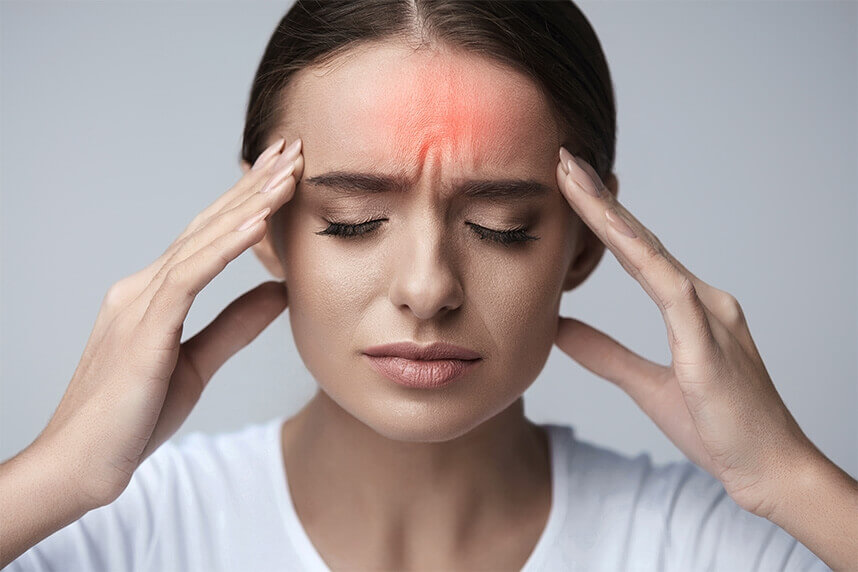
Identifying the area of pain can be key to helping you find out what you are suffering from. This information can help you administer effective treatment or decide whether you need to seek medical assistance.
The most common primary headaches are:
• Migraine
• Migraine with aura
• Tension headache
A few headache patterns are usually considered types of primary headache, but are less common. These headaches have distinct characteristics, such as an unusual duration or pain associated with a specific activity. Although they have generally been considered primary, each could be a symptom of an underlying disease.
These include:
• Chronic daily headaches (for example, chronic migraine, chronic tension headache)
• Headache triggered by coughing
• Headache that occurs following physical exercise
Some primary headaches can be triggered by lifestyle factors, including:
• alcohol, especially red wine
• certain foods, such as processed meat that contains nitrates
• changes in sleep or lack of sleep
• poor posture
• skipped meals
• stress
Migraine is caused by inflammation or irritation of the structures surrounding the brain or affecting its function. While the brain itself has no pain nerves, everything above the shoulders, from the neck, skull and face, can cause headaches. Systemic conditions, including infection or dehydration, can lead to associated headaches. These are known as toxic headaches. Changes in circulation and blood flow, or trauma, can also cause headaches.
Migraine: There is often severe, throbbing pain on one side of the head, often on the face or side. Nausea and vomiting may occur, and the person may feel especially sensitive to light or noise.
Cluster headache: These can cause intense pain, often around one eye. They usually occur around a certain time of year, possibly over a period of 1 to 2 months.
Pain that lasts, or that comes with nausea, changes in vision or other senses, is probably a migraine. Light and noise worsen the pain. A migraine can cause pain on only one side of the head, but this doesn't apply to everyone. Headache is a symptom associated with many diseases. While the head pain itself is the problem in the case of primary headaches, secondary headaches are due to diseases or injuries, which need to be diagnosed and treated. Control of headache symptoms should occur simultaneously with diagnostic tests to identify the underlying disease. Some causes of secondary headache can be potentially dangerous to life, and even fatal. Early diagnosis and treatment are essential for limiting damage.
Head and neck trauma
• Head injuries can cause bleeding in the spaces between the meninges, the layers of tissue surrounding the brain (subdural, epidural and subarachnoid space), or even in the brain tissue itself (intracerebral hemorrhage).
• Edema or swelling in the brain, not associated with bleeding, can cause pain and a change in mental function.
• Seizures, in cases where head injury occurs without bleeding. Headache is one of the distinctive signs of post-concussion syndrome.
• Neck injury also causes headaches.
Vascular problems in the head and neck
• Stroke or transient ischemic attack.
• Arteriovenous malformations (AVM) when leaks occur.
• Cerebral aneurysm and subarachnoid hemorrhage. An aneurysm or a weakened area in the wall of a blood vessel can expand and leak a small amount of blood, causing what is called a sentinel headache. This can be a warning sign of a future catastrophic bleed in the brain.
• Inflammation of the carotid artery
• Temporal arteritis (inflammation of the temporal artery)
Non-vascular brain problems
• Brain tumors, whether primary, originating in the brain, or metastasized from cancer that started in another organ.
• Seizures.
• Idiopathic intracranial hypertension, historically referred to as cerebral pseudotumor, where pressure increases in the spinal canal. The cause is unknown, and while it can happen at any age, it often affects young, obese women. Idiopathic intracranial hypertension can cause significant headaches and, if left untreated, can sometimes lead to blindness.
Medications (headaches can occur including when stopping treatment with these medications). Oral contraceptives, medications used to treat erectile dysfunction, blood pressure, or other cardiac medications can lead to or cause headaches. Headaches that occur when pain medications are taken too frequently can be caused by acetaminophen (Tylenol and others), aspirin, ibuprofen (Advil and others), caffeine-containing analgesics, as well as narcotic analgesics and other prescription pain medications.
Infection
• Meningitis
• Encephalitis
• HIV/AIDS
• Systemic infections (for example, pneumonia or the flu)
Other concurrent conditions:
• High blood pressure (hypertension)
• Dehydration
• Hypothyroidism
• Kidney dialysis
• Problems with the eyes, ears, nose, teeth, sinuses and throat
• Sinus infection
• Dental pain
• Glaucoma
• Iritis
Diagnosis of secondary headache begins with a complete patient history, followed by a physical exam and laboratory and radiology tests, as appropriate.
However, there are patients presenting in a crisis with a reduced level of consciousness or unstable vital signs, due to the main cause of the headache. In these situations, the doctor may decide to treat a specific cause without waiting for tests to confirm the diagnosis.
For example, a patient with headache, fever, stiff neck and confusion may have meningitis. Since meningitis can be rapidly fatal, antibiotic treatment may be started before blood tests and a lumbar puncture are performed to confirm the diagnosis. It is possible that another diagnosis will eventually be found, for example a brain tumor or a subarachnoid hemorrhage, but the benefit of early antibiotics outweighs the risk of not administering them promptly.
Blood tests provide useful information in association with the history and physical exam in pursuit of a diagnosis. For example, an infection or inflammation in the body can cause an increase in white blood cell count, erythrocyte sedimentation rate (ESR) or C-reactive protein (CRP). These two tests are very nonspecific; that is, they can be abnormal with any infection or inflammation, and the abnormalities do not indicate a specific diagnosis of the cause of the infection or inflammation. ESR is often used to make the diagnosis of temporal arteritis, a condition that affects an older patient, usually over 65, who presents with sharp temporal pain, due to inflammation of the arteries on one side of the head. Blood tests can be used to evaluate electrolyte imbalance and a variety of other potential problems involving organs such as the liver, kidneys and thyroid.
Toxicology tests can be useful if the patient is suspected of alcohol or drug abuse.
Computed tomography (CT scan) is able to detect bleeding, swelling and some tumors in the skull and brain. It can also show evidence of a previous stroke. When intravenous contrast is injected (angiogram), it can also be used to check the brain's arteries for aneurysms.
Different types of medications treat different types of headaches.
Tension headache: pain medications such as acetaminophen, aspirin, ibuprofen or naproxen usually help. Administer them carefully. If you take too many pills, you can cause other headaches that are hard to treat. If you need to take these medications multiple times, consult your doctor. Do not give aspirin to anyone under 19 years old - it increases the chance of a serious condition called Reye's syndrome.
Migraines: a class of medications, called triptans, represents the mainstay for migraine treatment. These include eletriptan (Relpax), naratriptan (Amerge), rizatriptan (Maxalt), sumatriptan (Imitrex), zolmitriptan (Zomig) and others. You can take them in pill form, injections or nasal spray. A form of ergotamine, called dihydroergotamine (DHE), also treats migraines. You can get an injection or a nasal spray. Aspirin and other nonsteroidal anti-inflammatory drugs (NSAIDs) can also help if you take them at the first sign of a migraine attack. Anti-inflammatories also include ibuprofen and naproxen.
If you experience several days of severe headaches and migraines, your doctor may suggest trying medications and other treatments to prevent attacks. These could include:
• Blood pressure medications such as propranolol (Inderal), verapamil (Calan SR, Isoptin SR) and others
• Antidepressants
• Anti-seizure medications such as topiramate (Topamax)
• Muscle relaxants
• Relaxation techniques
• Avoiding foods that trigger migraines
Track what you eat and drink. If you have a headache, note the foods and drinks you consumed before the pain appeared. If you see a pattern over time, stay away from that item.
Eat regularly. Don't skip meals.
Moderate your caffeine intake. Too much caffeine, in any food or drink, can cause migraines. But sudden elimination can also cause headaches. Try gradually eliminating caffeine if you see that it is a headache trigger.
Pay attention to physical exercise. Everyone needs regular physical activity. It's an essential part of health. But it can cause headaches for some people.
Get a normal sleep schedule. If you lose your sleep habits or if you are very tired, you can experience migraines.
Reduce stress. There are many ways to do this. You can exercise, meditate, spend time with people close to you, and do activities you enjoy.
Keep up your energy. Eat regularly and stay hydrated.
Prevention strategies vary, depending on the type of headache you have and whether overuse of medication is contributing to your headaches. If you take pain medication more than three days a week, the first step would be to eliminate these medications under your doctor's guidance. When you are ready to start preventive therapy, your doctor may recommend:
Antidepressants. Tricyclic antidepressants - such as nortriptyline - can be used to treat chronic headaches. These medications can also help treat depression, anxiety and sleep disorders that often accompany chronic daily headaches.
Beta-blockers. These medications, commonly used to treat high blood pressure, also represent a foundation for preventing episodic migraine. These include atenolol (Tenormin), metoprolol (Lopressor, Toprol-XL) and propranolol (Inderal, Innopran XL).
Anti-seizure medications. Some anti-seizure medications appear to prevent migraines and could also be used to prevent chronic daily headaches. Options include topiramate (Topamax, Qudexy XR, others), divalproex sodium (Depakote) and gabapentin (Neurontin, Gralise).
Prescription nonsteroidal anti-inflammatory drugs - such as naproxen sodium (Anaprox, Naprelan) - could be helpful, especially if you need to stop other pain medications. These can also be used periodically when the headache is more severe.
Botulinum toxin. Injections with onabotulinumtoxinA (Botox) provide relief for some people, and could be a viable option for people who don't tolerate daily medications well. Botox would most likely be recommended if the headaches have characteristics of chronic migraine.
Don't sleep too much or too little. Both can trigger a headache. It's important to have a regular schedule. If you can't fall asleep, or if after 7-8 hours of sleep a night you still feel tired, talk to your doctor. You could have a sleep disorder such as sleep apnea or insomnia. These can cause headaches, including migraines.
Don't ignore the pain. Trying to ignore a headache, migraine, or a feeling of dizziness and instability, can lead to severe headaches. If you can, lie down in a dark, quiet place until it passes. You can also try putting a cold, damp cloth on your forehead. Some people find that scalp massage also helps relieve headaches.
Vasoconstrictors, such as ergot or triptans, should not be given to patients with known complicated migraine; treat acute attacks with one of the other available agents, such as prescription nonsteroidal anti-inflammatory drugs or prochlorperazine.
Alcohol - Blood flow to the brain increases when you drink alcohol. Some scientists blame the onset of headaches on impurities in alcohol or byproducts, as the body metabolizes the alcohol. Sulfites used as preservatives can cause headaches. The higher the sulfite content, the greater the chance of developing a migraine. Also, alcohol causes dehydration, which can also cause migraines. Red wine, beer, whiskey, scotch and champagne are the most common headache triggers.
Centrokinetic is the leading medical clinic dedicated to bone and joint conditions, organized into several dedicated departments:
Find out the latest news about us by following the Facebook and YouTube accounts of the Centrokinetic clinic.
See details
READ MORESee details
READ MORESee details
READ MORESee here how you can make an appointment and the location of our clinics.








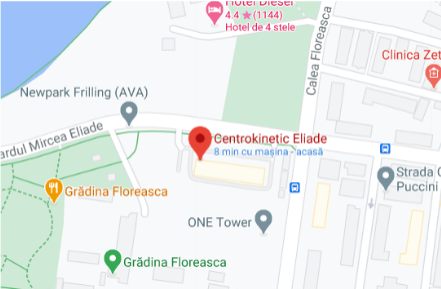
CENTROKINETIC FLOREASCA
Bucharest, 1st District,
Mircea Eliade Street, no. 18,
Eliade Tower, Entrance A, Floor 3
| Navigation | Explore 3D |
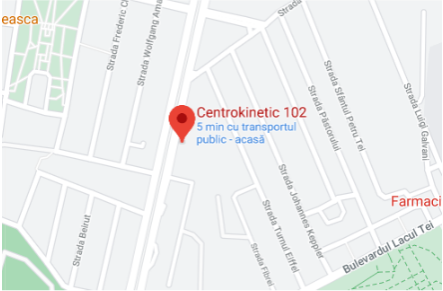
CENTROKINETIC Barbu Vacarescu
Bucharest, 2nd District,
Barbu Vacarescu Street, no. 102,
102 The Address, ground floor.
| Navigation | Explore 3D |
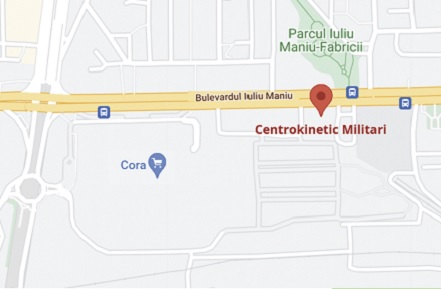
CENTROKINETIC MILITARI
Bucuresti, Sector 6,
Bld. Iuliu Maniu, nr. 15G,
Cladirea PBT, etaj 3.
| Navigation |
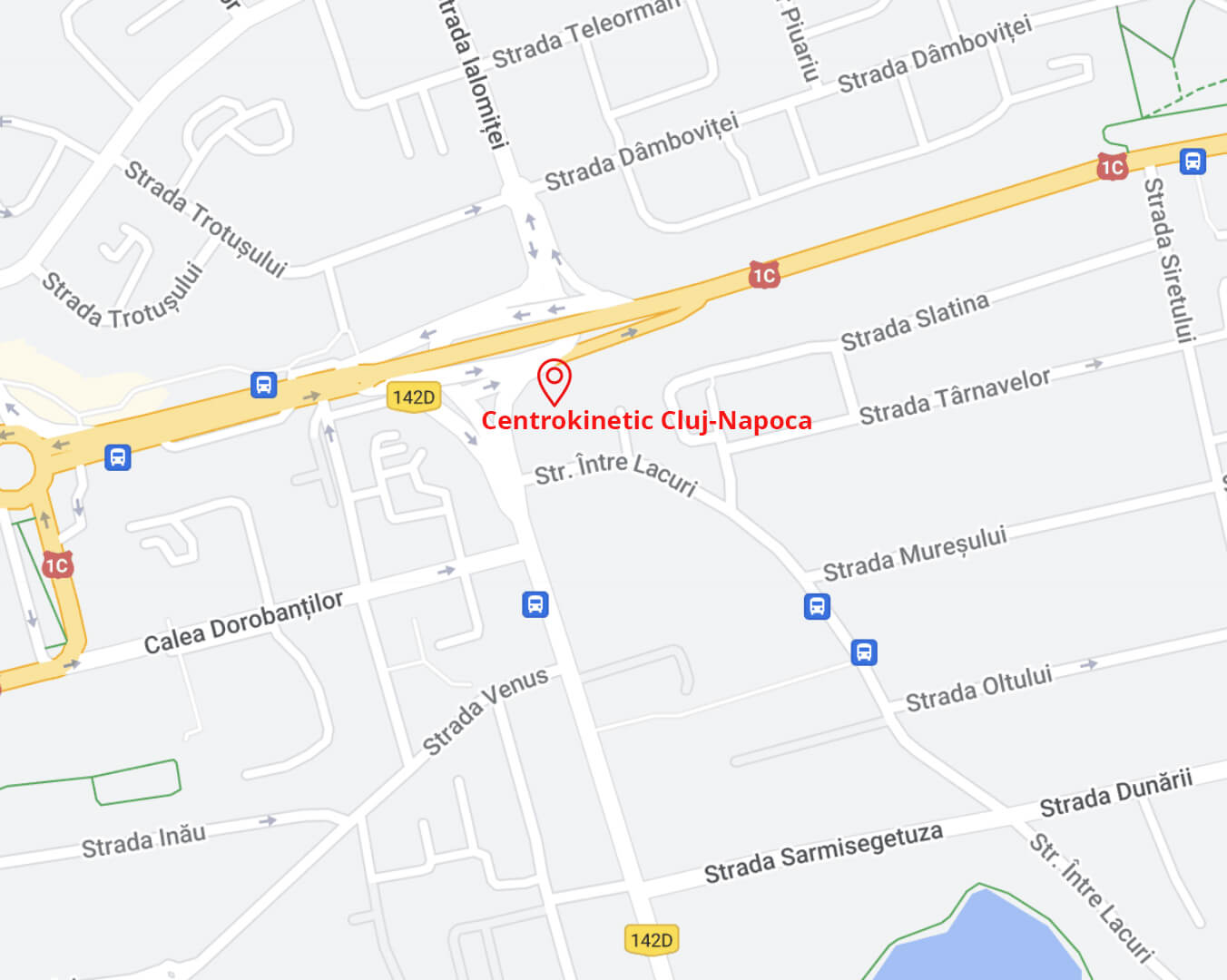
CENTROKINETIC CLUJ-NAPOCA
Cluj-Napoca,
Str. Intre Lacuri, nr.1
Intrarea este in spatele cladirii.
| Navigation |
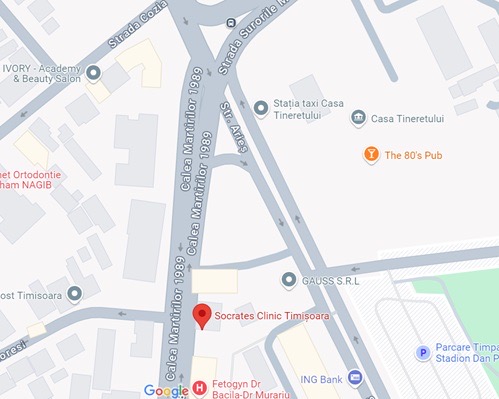
SOCRATES CLINIC TIMISOARA
Timisoara, Calea Martirilor 1989,
nr. 1.
Telefon: 0371 785 374.
| Navigation |
Phone: 0319693
E-mail: programari@centrokinetic.ro
Operating hours:
Monday – Friday: 07:00 – 21:00
Saturday: 09:00 – 14:00
Sunday: closed.
MAKE AN APPOINTMENT