
See details
READ MORE

.jpg)
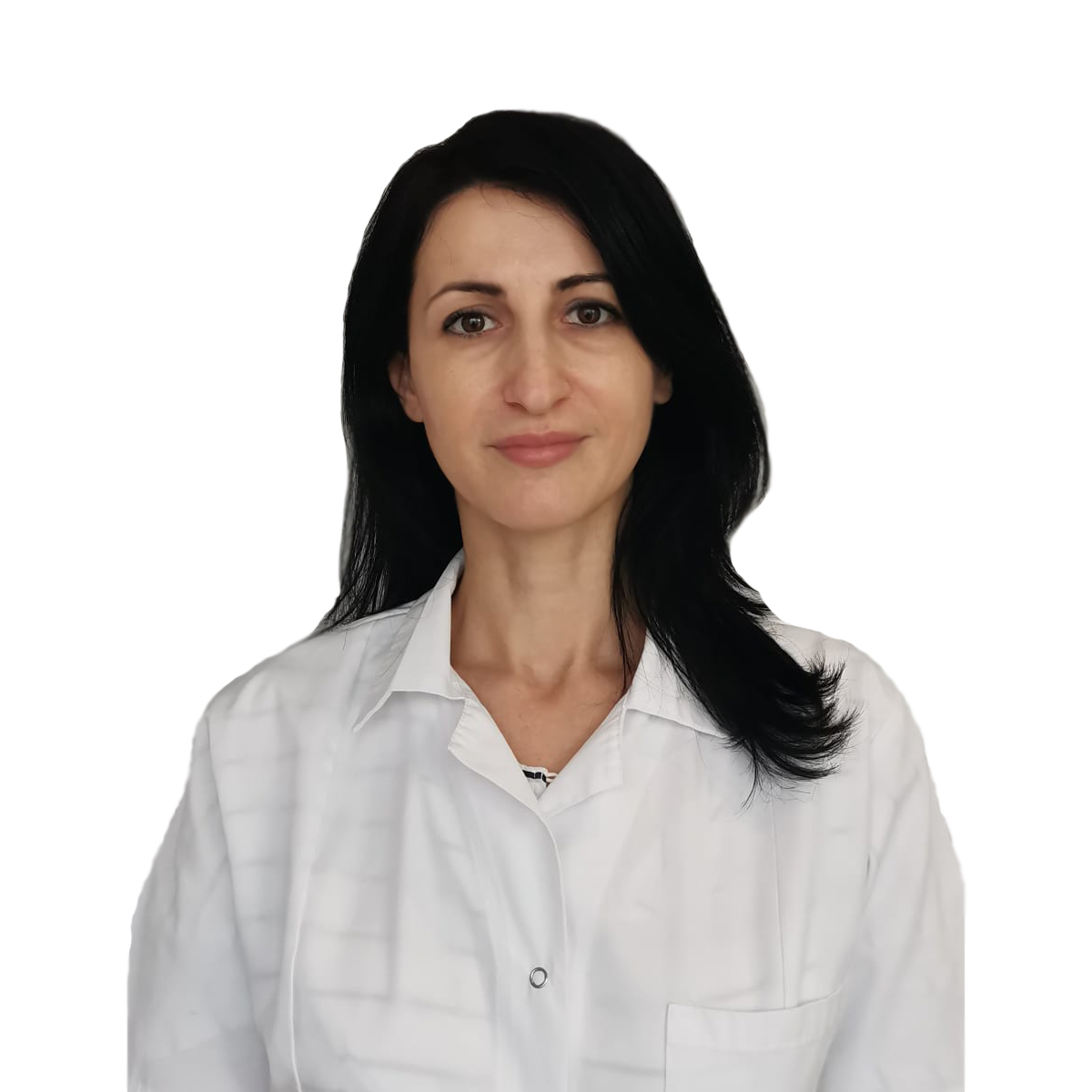
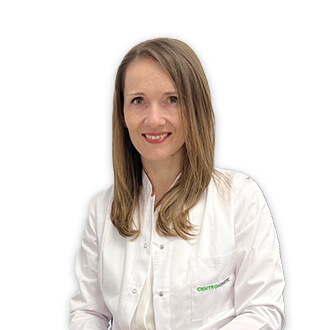
This article was written by Dr. Aursulesei Ruxandra, pediatric neurologist specialist with extensive experience in diagnosing and treating neurological conditions. Pediatric neurology plays an important role in the periodic neurological evaluation of premature infants, as well as of all newborns at risk of developing neurological sequelae, with the goal of early detection and treatment of any impairment of the nervous system.
A febrile seizure is defined, according to the International League Against Epilepsy, as an epileptic-type seizure occurring in a child over 1 month of age, in association with fever, but in the absence of any signs of central nervous system infection, in a child without a history of neonatal seizures or other types of prior unprovoked epileptic seizures, and without meeting the criteria for other types of acute symptomatic seizures. ("Pediatric Neurology", Assoc. Prof. Dr. Dana Craiu).
In simple terms, these are seizures triggered by fever that are not caused by infections or other pathologies of the central nervous system (CNS).
Centrokinetic is prepared for this specialization with a team of experienced doctors and the necessary equipment for diagnosis, monitoring and treatment. Find out more about pediatric neurology and book an appointment at Centrokinetic here.
The age of onset for febrile seizures is between one month and 7 years.
Febrile seizures are the most common cause of seizures in childhood.
They affect 2-5% of children under 5 years of age.
The onset of FS is determined by hyperexcitability of the brain, which is favored by the combination of 3 factors:
Most febrile seizures last less than 5 minutes and resolve spontaneously.
Duration is an important criterion in defining FS, estimating the prognosis, and establishing the therapeutic approach for an FS. Depending on the clinical appearance of the seizure and its duration, FS are divided into: simple and complex.
In most children with SFS, extensive investigations are not necessary, with the focus being only on the cause of the infection (upper respiratory tract infection, pneumonia, gastroenteritis, urinary tract infections, etc.)
What should the parent do?
This has not been demonstrated in children with simple FS.
There is no evidence to support this.
Yes.
The risk of FS recurrence depends on:
- family history of FS in first-degree relatives
- short duration of fever before the FS
- duration of the seizure
- moderate temperature
- focal character of the seizure
- age at the first febrile seizure: < 1 year - 50% risk, > 1 year - 30% risk
- 50-75% of recurrences occur in the first year
- multiple recurrences are 3 times more common in infants
Children with simple FS have the same risk of developing epilepsy by age 7 as the general population (1%).
- When FS begins at a very young age
- When FS occur in large numbers
- Complex FS
- When pre-existing neurological abnormalities are present
- When there is a family history of epilepsy
Centrokinetic is prepared for this specialization with a team of experienced doctors and the necessary equipment for diagnosis, monitoring and treatment. Find out more about pediatric neurology and book an appointment at Centrokinetic here.
See details
READ MORESee details
READ MORESee details
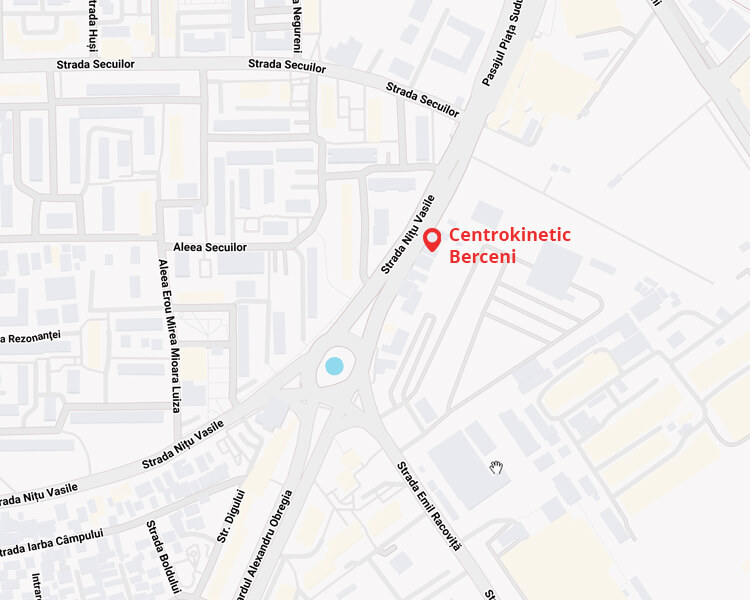
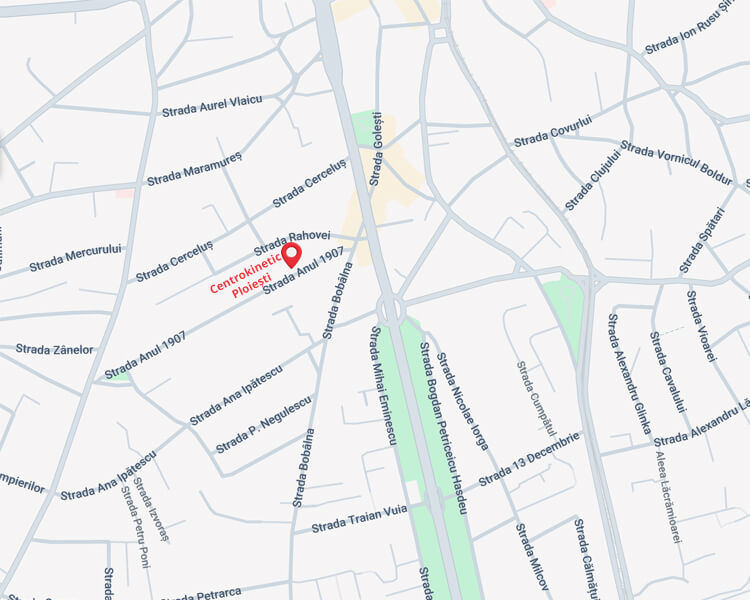
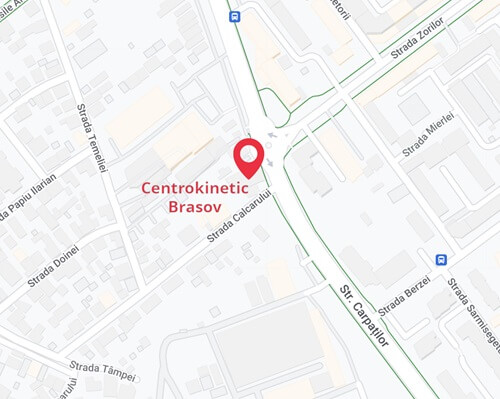
READ MORESee here how you can make an appointment and the location of our clinics.






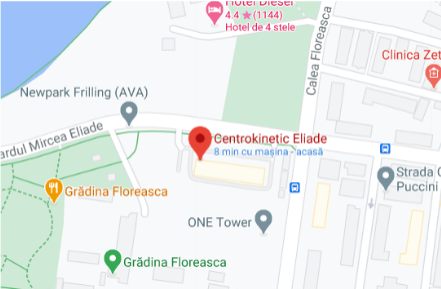
CENTROKINETIC FLOREASCA
Bucharest, 1st District,
Mircea Eliade Street, no. 18,
Eliade Tower, Entrance A, Floor 3
| Navigation | Explore 3D |
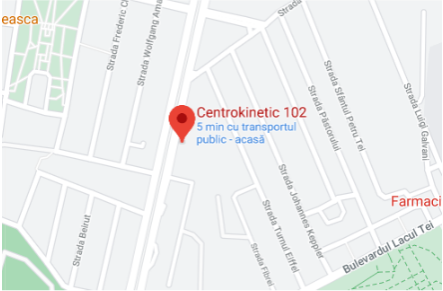
CENTROKINETIC Barbu Vacarescu
Bucharest, 2nd District,
Barbu Vacarescu Street, no. 102,
102 The Address, ground floor.
| Navigation | Explore 3D |
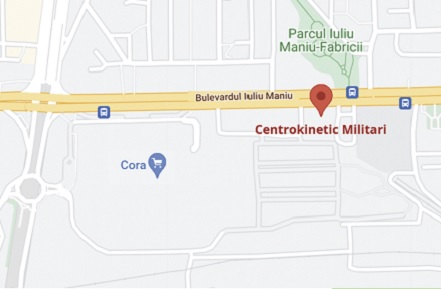
CENTROKINETIC MILITARI
Bucuresti, Sector 6,
Bld. Iuliu Maniu, nr. 15G,
Cladirea PBT, etaj 3.
| Navigation |
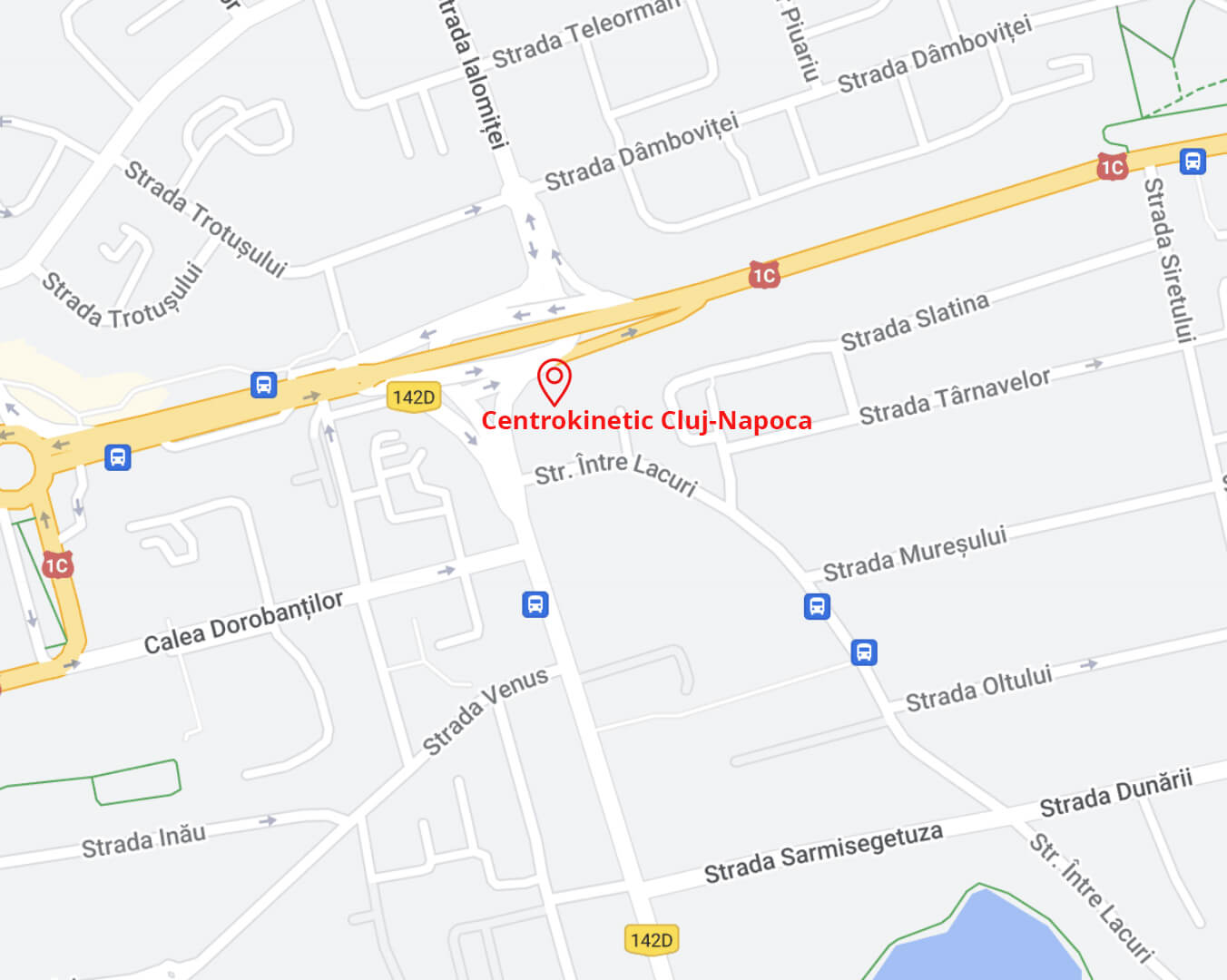
CENTROKINETIC CLUJ-NAPOCA
Cluj-Napoca,
Str. Intre Lacuri, nr.1
Intrarea este in spatele cladirii.
| Navigation |
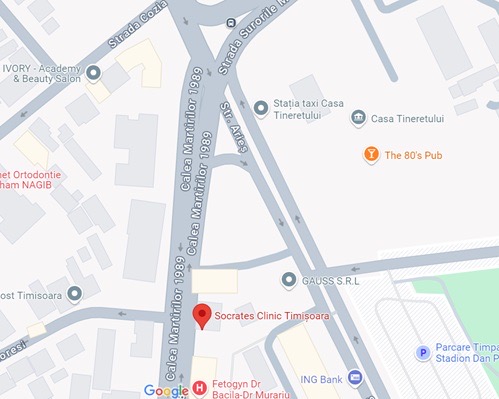
SOCRATES CLINIC TIMISOARA
Timisoara, Calea Martirilor 1989,
nr. 1.
Telefon: 0371 785 374.
| Navigation |
Phone: 0319693
E-mail: programari@centrokinetic.ro
Operating hours:
Monday – Friday: 07:00 – 21:00
Saturday: 09:00 – 14:00
Sunday: closed.
MAKE AN APPOINTMENT