
See details
READ MORE

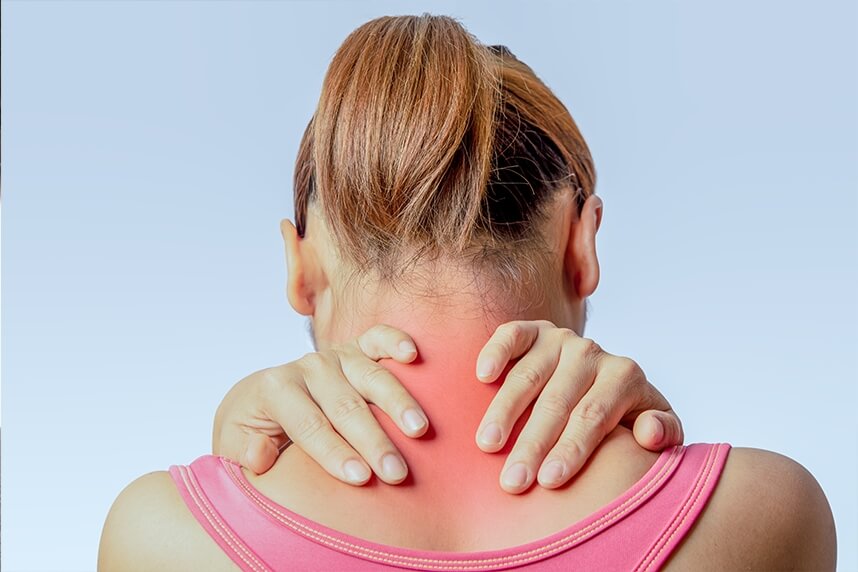
In this article, we set out to present an update on the literature data that supports the use of manual therapy for neck pain.
Nonspecific neck pain is defined as pain occurring in the posterior and lateral perimeter of the neck between the superior nuchal line and the spinous process of the first thoracic vertebra, without other signs or symptoms of structural pathology, with a higher impact on women. The factors that can determine the occurrence of this pain are: non-modifiable factors related to pathological-anatomical features, and adjustable risk factors, related to psychosocial features. These factors can contribute to the transition from a chronic pain state to an acute pain state.
The conservative treatments used are very numerous and include medical care, various forms of exercise, massage, and acupuncture. Manual therapy is an increasingly popular and valuable treatment, with numerous guidelines based on manual therapies for treating musculoskeletal disorders. Manual therapy includes passive techniques or active techniques, the main goals being to reduce pain, improve movement, motor control, and function, minimizing disability as much as possible.
Three main categories of manual therapies have been identified:
All these categories can be combined with general or specific exercises, and in addition to these 3 forms there is also mobilization with movement (Manual Therapy 4), a popular form for a number of musculoskeletal conditions, but very similar to Manual Therapy 2 in terms of results and effectiveness.
The physical exercises within manual therapy 1 can be performed both in the cervical area and in the thoracic area, combined with joint range-of-motion exercises (movements of the head, shoulders, and upper limbs with moderate resistance), with high effectiveness for exercises performed on the cervical area. Also, by introducing electro-thermo-therapy during sessions, a significant improvement in pain is observed, while at the same time increasing the range of motion.
In the case of manual therapy 2, it has proven effective to combine it with muscle energy techniques, triggering responses through compressions and tractions at the level of the trapezius, significantly reducing pain and improving function and range on lateral bending of the head.
Manual therapy 3 can easily be combined with home exercises, which add an extra benefit to the effective recovery from the condition, but care must be taken to avoid the use of medication (NSAIDs, painkillers, muscle relaxants), as these could easily worsen the pain. Also, the exercises performed within manual therapy 3 tend to have much more effective results compared to manual therapy 2, reducing pain and disability, with the combined intervention leading to good short-term clinical improvement across all measured outcomes.
Manual therapies on the cervical segment are generally applied to mobilize this area of the spine. 10 sessions are performed over 2 weeks, in which patients who receive manual therapy will experience significant improvement in the affected segment without any adverse reactions. The effects are favorable through the application of high-velocity, low-amplitude pressure, mobilization of the segment, sustained natural gliding of the vertebral processes, and active ranges of cervical movement.
In addition to manual therapies applied at the cervical level, a study was attempted by applying kinesiology tape (Kinesiotape), trying to demonstrate that this, together with manual techniques, has a beneficial effect on the cervical segment, reducing pain and promoting joint mobility and good cervical stability.
In addition to the cervical segment, manual therapy can also be applied at the upper thoracic level for patients with chronic neck pain, having beneficial effects, reducing pain and increasing joint mobility. In addition to manual therapy applied to the affected segment, massage is another therapy with beneficial effects on neck pain by releasing myofascial restrictions and unblocking venous circulation in the affected segment, without adverse effects. Favorable results can be seen in a short time, even after a few sessions.
Manual therapy can be combined with laser therapy (acting for 15 minutes on the painful area) or even with physical exercises that mobilize the periarticular muscles of the neck, isometric contraction of the sternocleidomastoid muscle, or even the trapezius and scalene muscles. Between 3 and 6 months, clinical improvements can be seen, eventually leading to complete healing and increased joint mobility.
Manual therapy can be combined with physical exercises on the cervical segment and the upper area of the thorax, using physical exercises with certain technological devices to strengthen the cervical and thoracic musculature over the course of 20 one-hour sessions. Performing physical exercises regularly leads to a reduction in pain and improvement of certain cervical conditions, or even improvement of overall health status.
For a much better and more effective result on acute or subacute neck pain, in addition to manual therapy and physical exercises, certain electrotherapy and thermotherapy procedures can be performed, which act directly on the affected area, leading to functional improvement in a very short time.
In addition to the technique used in manual therapies, patients must be aware of the potential risks associated with these therapeutic interventions. Due to the fact that the area in which the therapies will be performed is much more vulnerable in terms of anatomical structures, blood vessels, and nerves that cross the cervical region, the possible risks presented by the physical therapist performing the procedures must be known. At the same time, through the effect of these therapies in trying to reduce pain at the cervical level, an improvement can also be noted at the level of the thoracic spine through the performance of certain maneuvers on it, giving the patient satisfaction and contentment regarding the improvement of their health following the treatment.
In conclusion, manual therapies performed on the cervical segment have beneficial and pain-relieving effects in cases of acute or subacute pain. Thus, combining manual therapies with physical exercises has a much more favorable prognosis, leading much more quickly to the reduction of neck pain and the treatment of certain pathologies that can occur at this level.
Centrokinetic is the place where you will find answers and clear solutions for your mobility problems. The clinic dedicated to musculoskeletal conditions is divided into the following specialized departments:
Find out the latest news by following the Facebook and YouTube accounts of the Centrokinetic clinic
See details
READ MORESee details
READ MORESee details
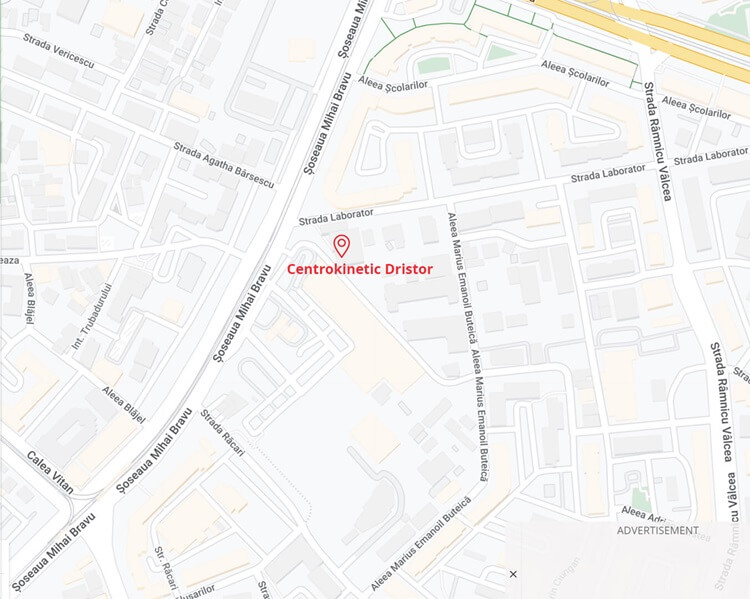
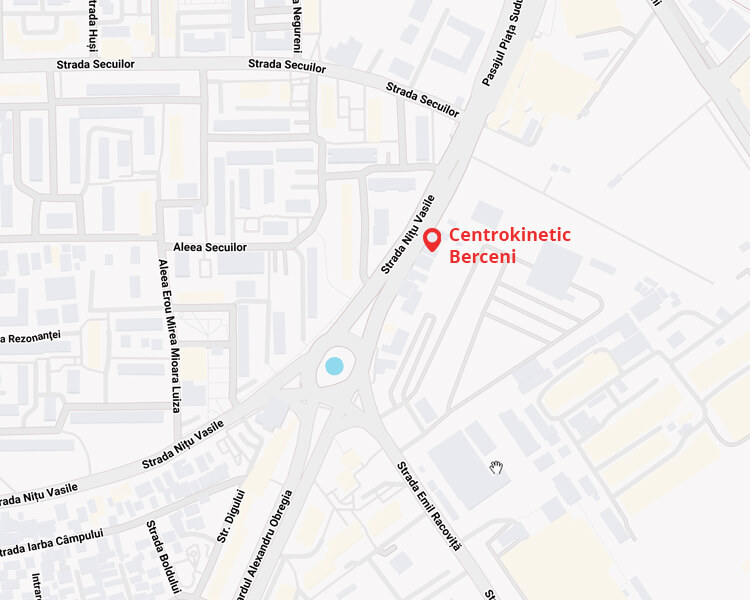
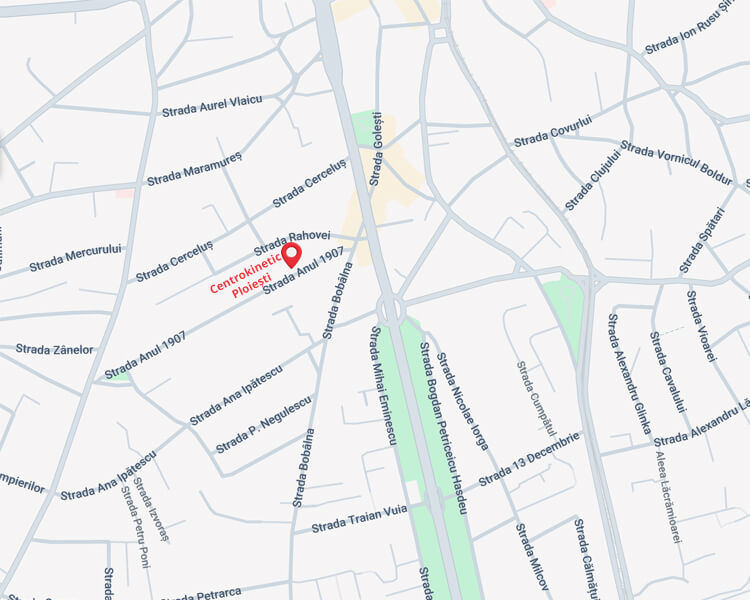
READ MORESee here how you can make an appointment and the location of our clinics.






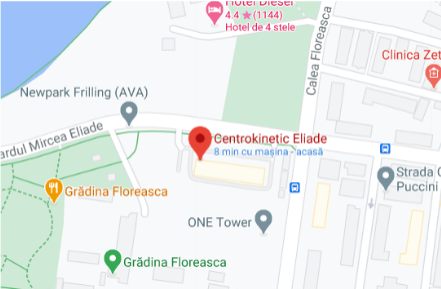
CENTROKINETIC FLOREASCA
Bucharest, 1st District,
Mircea Eliade Street, no. 18,
Eliade Tower, Entrance A, Floor 3
| Navigation | Explore 3D |
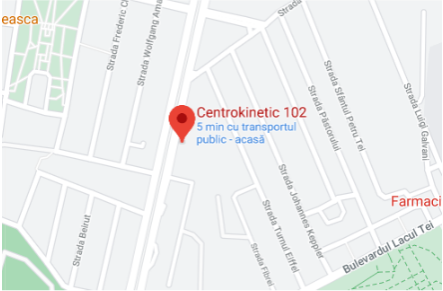
CENTROKINETIC Barbu Vacarescu
Bucharest, 2nd District,
Barbu Vacarescu Street, no. 102,
102 The Address, ground floor.
| Navigation | Explore 3D |
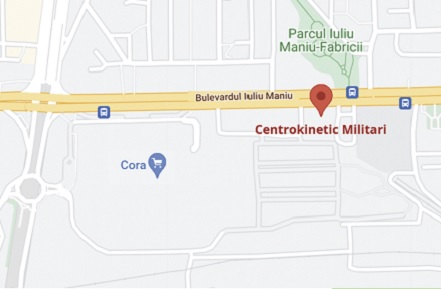
CENTROKINETIC MILITARI
Bucuresti, Sector 6,
Bld. Iuliu Maniu, nr. 15G,
Cladirea PBT, etaj 3.
| Navigation |
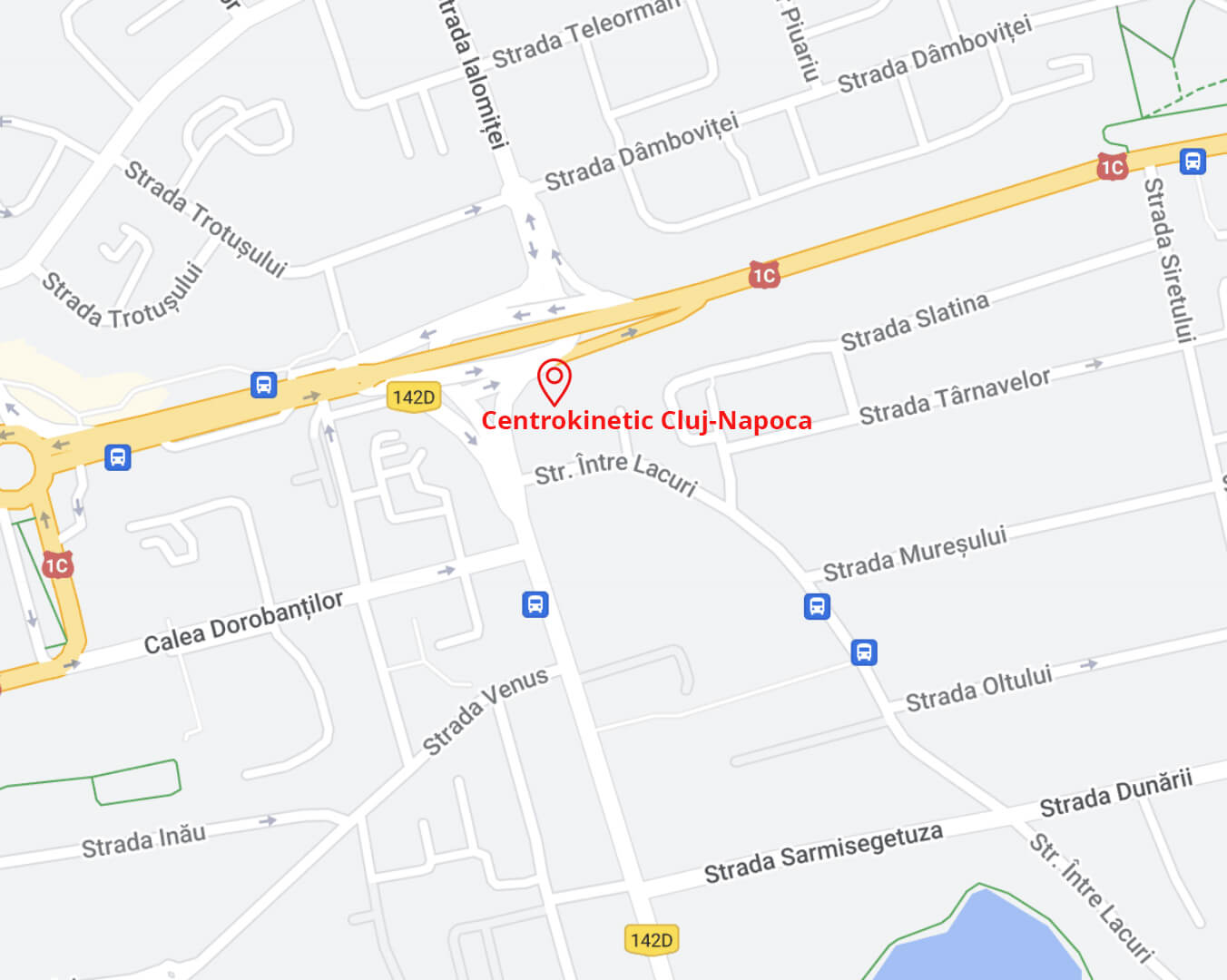
CENTROKINETIC CLUJ-NAPOCA
Cluj-Napoca,
Str. Intre Lacuri, nr.1
Intrarea este in spatele cladirii.
| Navigation |
SOCRATES CLINIC TIMISOARA
Timisoara, Calea Martirilor 1989,
nr. 1.
Telefon: 0371 785 374.
| Navigation |
Phone: 0319693
E-mail: programari@centrokinetic.ro
Operating hours:
Monday – Friday: 07:00 – 21:00
Saturday: 09:00 – 14:00
Sunday: closed.
MAKE AN APPOINTMENT