
See details
READ MORE

.jpg)
Urinary incontinence is the loss of bladder control. The two most common types of urinary incontinence affecting women are stress incontinence and urge urinary incontinence, also called overactive bladder. Incontinence affects twice as many women as men. This may be due to the fact that pregnancy, childbirth and menopause can make urinary incontinence more likely. Urinary incontinence is not a normal part of aging and can be treated.
Incontinence can occur when the bladder muscles suddenly tighten and the sphincter muscles are not strong enough to close off the urethra. This causes a sudden, strong urge to urinate that you cannot control. Pressure caused by laughing, sneezing or exercising can cause urine leakage. Urinary incontinence can also happen if there is a problem with the nerves that control the bladder muscles and the urethra.
Urinary incontinence is usually caused by problems with the muscles and nerves that help the bladder hold or release urine. Certain health events unique to women, such as pregnancy, childbirth and menopause, can cause problems with these muscles and nerves.
Other causes of urinary incontinence include:
Sometimes urinary incontinence is temporary and happens for other reasons, including:
Urinary incontinence is not a disease in itself. Urinary incontinence is a symptom of another health problem, usually weak pelvic floor muscles. In addition to urinary incontinence, some women also have other urinary symptoms:
This is the most common type of incontinence. It is also the most common type of incontinence affecting younger women. Stress incontinence occurs when there is stress or pressure on the bladder. Stress incontinence can happen when weak pelvic floor muscles put pressure on the bladder and urethra, making them work harder. With stress urinary incontinence, everyday actions that use the pelvic floor muscles, such as coughing, sneezing or laughing, can cause urine leakage. Sudden movements and physical activity can also cause urine leakage.
With urge urinary incontinence, urine leakage usually happens after a strong, sudden urge to urinate and before you can reach a bathroom. Some women with urge urinary incontinence can make it to the bathroom in time, but feel the need to urinate more than eight times a day. They also don't urinate much after reaching the bathroom. Urge urinary incontinence is sometimes called "overactive bladder." Urge urinary incontinence is more common in older women. It can occur at any time, such as during sleep, after drinking water, or when hearing running water.
Many women with urinary incontinence have both stress incontinence and urge incontinence. This is called mixed urinary incontinence.
In overflow urinary incontinence, the body produces more urine than the bladder can hold, or the bladder is full and cannot empty, thus causing urine leakage. In addition, there may be something blocking the flow, or the bladder muscle might not contract as it should. One symptom is frequent urination of a small amount. Another symptom is a constant dribble. This type of urinary incontinence is rarely seen in women. It is more common in men who have prostate problems or have had prostate surgery.
Your doctor will ask you questions about your symptoms and medical history, including:
Your doctor will perform a physical exam to look for signs of health problems that can cause incontinence. Your doctor or nurse may also perform other tests, such as:
Your doctor may ask you to keep a diary for 2 to 3 days to track when you empty your bladder or when urine leaks. The diary can help the doctor see patterns of incontinence that give clues about the possible cause, and the treatments that might work for you.
You and your doctor will work together to create a treatment plan. You can start with steps you can take at home. If these steps don't improve your symptoms, your doctor may recommend other treatments, depending on the type of urinary incontinence you have. It may take a month or more for different treatments to start working.
If an underlying condition is causing your symptoms, your doctor will first treat that condition. Your doctor may suggest the least invasive treatments first, and move on to other options only if these techniques fail.
There are special exercises for strengthening the pelvic muscles. The exercises can be done alone or with vaginal cones, biofeedback therapy, or electrical stimulation. In general, exercise is a safe and effective treatment, which should be performed to treat urge urinary incontinence and mixed incontinence. These exercises must be performed correctly to be effective; if the patient uses the abdominal muscles or contracts the buttocks, these exercises are being performed improperly.
For some people, electrical stimulation improves pelvic muscle rehabilitation therapy. Electrical stimulation is a more sophisticated form of biofeedback used for rehabilitating the pelvic floor muscles. When the pelvic muscles are stimulated by small electrical currents, the muscles and urinary sphincter contract, and bladder contraction is inhibited. Research indicates that electrical stimulation of the pelvic floor can significantly reduce urinary incontinence in women with stress incontinence, and can be effective in men and women with mixed incontinence.
One of the physiotherapy treatments for urinary incontinence involves the use of vaginal cones. These are small-sized objects, which can have different weights, and are inserted into the vagina for therapeutic purposes. The exercise consists of holding the cone in the vagina through contraction. As part of a progressive exercise program, a single cone is inserted into the vagina and held in place by squeezing the muscles for 15 minutes. As the muscles become stronger, the duration of the exercise can be increased to 30 minutes.
If you have stress incontinence, Kegel exercises to strengthen your pelvic floor muscles can help you. Some women have urinary symptoms because the pelvic floor muscles are always tight. In this situation, Kegel exercises will not help your urinary symptoms and could cause more problems. Talk to your doctor about your urinary symptoms before doing Kegel exercises.
To do pelvic floor muscle exercises, imagine that you are trying to stop the flow of urine. Squeeze (contract) the muscles you would use to stop urinating and hold for five seconds, then relax for five seconds. (If this is too difficult, start by holding for two seconds and relaxing for three seconds.) Work up to holding the contractions for 10 seconds at a time, and relaxing for 15 seconds. Do at least three sets of 10 repetitions every day.
Bladder training generally consists of self-education, using the bathroom according to a schedule, and consciously delaying bathroom trips. Although bladder training is mainly used for the symptoms of urge urinary incontinence, this program can also be used for stress incontinence and mixed incontinence. For bladder training to work, a person must resist or inhibit the sensation of urgency and wait to go to the bathroom. The individual must urinate at certain times, rather than every time they feel the need to urinate. This plan includes dietary changes, such as adjusting fluid intake and avoiding dietary stimulants.
If you have severe symptoms of stress urinary incontinence or overactive bladder, invasive treatment can offer a permanent solution to your problems. Urethral occlusive devices are different for men and women. Devices for women are artificial instruments that can be inserted into the urethra or placed over the urethral opening to prevent urine leakage.
These inserts for the urethra - the tube through which urine travels from the bladder - can help with stress incontinence:
Collagen injections appear to be a good option for women suffering from severe stress incontinence, but who do not want to have corrective surgery. Collagen injections into the lining of the urethra or the neck of the bladder act as a bulking agent, either by bringing the walls of the urethra closer together, or by sealing the base of the bladder. Collagen allows the urethra to close well enough to prevent urine leakage. The result is similar to how the body naturally functions, and in most cases, urinary control will be improved and restored. If a patient is allergic to collagen, other bulking agents are available.
Retropubic colposuspension is a surgical procedure that helps control stress incontinence. This is the leakage of urine that happens when you laugh, cough, sneeze, or lift objects, or exercise. The surgery helps close off the urethra and the neck of the bladder. The urethra is the tube that carries urine from the bladder to the outside. The neck of the bladder is the part of the bladder that connects to the urethra. During the laparoscopic procedure, the doctor makes a small cut in the belly. A tube-like device that allows the doctor to see your organs (the laparoscope) is inserted into the belly through this cut. The doctor sutures the neck of the bladder, part of the vaginal wall and the urethra, as well as the ligaments in the pelvic area, in order to bring them back to their original anatomical position.
The sling is meant to eliminate stress urinary incontinence, by providing support beneath the urethra. The minimally invasive procedure involves inserting a support mesh under the urethra through three small incisions in the groin area. Studies have shown that this support procedure is the safest and most effective, and reduces the risks of bowel, bladder injury and major bleeding, and has an excellent cure rate.
An artificial sphincter is a device made of silicone rubber that is used to treat urinary incontinence in men. An artificial sphincter has an inflatable cuff that fits around the urethra near the point where it joins the bladder, and is controlled by the patient. The cuff is inflated to prevent urine leakage. When urination is desired, the cuff is deflated, allowing urine to flow.
Medication therapy may be prescribed to relax the bladder. Bladder control can also be negatively affected by certain medications you may be taking for other conditions. Medications that help tone the urethra are sometimes used, and can help with stress incontinence. Medication therapy for stress incontinence and urge urinary incontinence may be most effective when combined with a pelvic exercise regimen. Medications commonly used to treat incontinence include:
During pregnancy, many women experience some degree of urinary incontinence, which is the involuntary loss of urine. Incontinence can be mild for some pregnant women, but quite severe for others. Age and body mass index are risk factors for urinary incontinence during pregnancy. Incontinence can continue after pregnancy and may not be present immediately after childbirth. The type of incontinence experienced during pregnancy is usually stress incontinence.
After pregnancy, incontinence problems can continue, since childbirth weakens the pelvic floor muscles, which can cause an overactive bladder. Pregnancy and childbirth can also contribute to bladder control problems, due to the following conditions:
Behavioral methods such as scheduled urination and bladder training can be helpful in treating urinary incontinence during and after pregnancy. In certain cases, women can use pessary devices, to block the urethra or to strengthen the pelvic muscles. In addition, medications can be helpful in controlling muscle spasms in the bladder or strengthening the muscles in the urethra. Some medications can help relax the overactive bladder.
When you are in menopause, it may be harder to control your bladder. This is a common problem. Changes in your body can lead to urinary incontinence. The ovaries no longer produce estrogen during this period of your life. This hormone is essential for women, since it controls the menstrual cycle. Vaginal estrogen cream can help you if you have urinary incontinence. A low dose applied inside the vagina or urethra can help ease the symptoms. Antispasmodic medications can block the signals that cause spasms in the bladder muscles.
You can book an appointment here for a consultation, an MRI, or medical rehabilitation. At Centrokinetic, the best doctors and therapists are available for any joint or musculoskeletal problem, from the initial consultation and complete investigations within the clinic, to treatment and complete medical rehabilitation for spinal, traumatic or post-surgical conditions.
See details
READ MORESee details
READ MORESee details
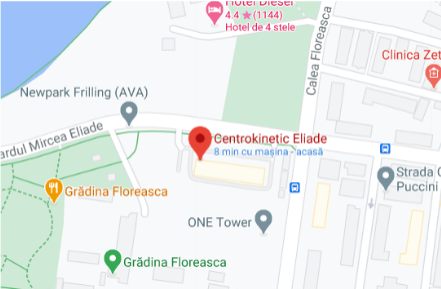
READ MORESee here how you can make an appointment and the location of our clinics.








CENTROKINETIC FLOREASCA
Bucharest, 1st District,
Mircea Eliade Street, no. 18,
Eliade Tower, Entrance A, Floor 3
| Navigation | Explore 3D |
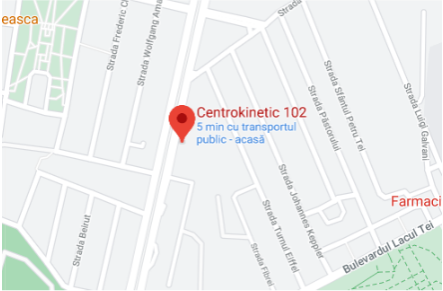
CENTROKINETIC Barbu Vacarescu
Bucharest, 2nd District,
Barbu Vacarescu Street, no. 102,
102 The Address, ground floor.
| Navigation | Explore 3D |
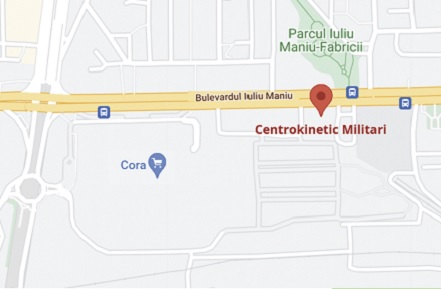
CENTROKINETIC MILITARI
Bucuresti, Sector 6,
Bld. Iuliu Maniu, nr. 15G,
Cladirea PBT, etaj 3.
| Navigation |
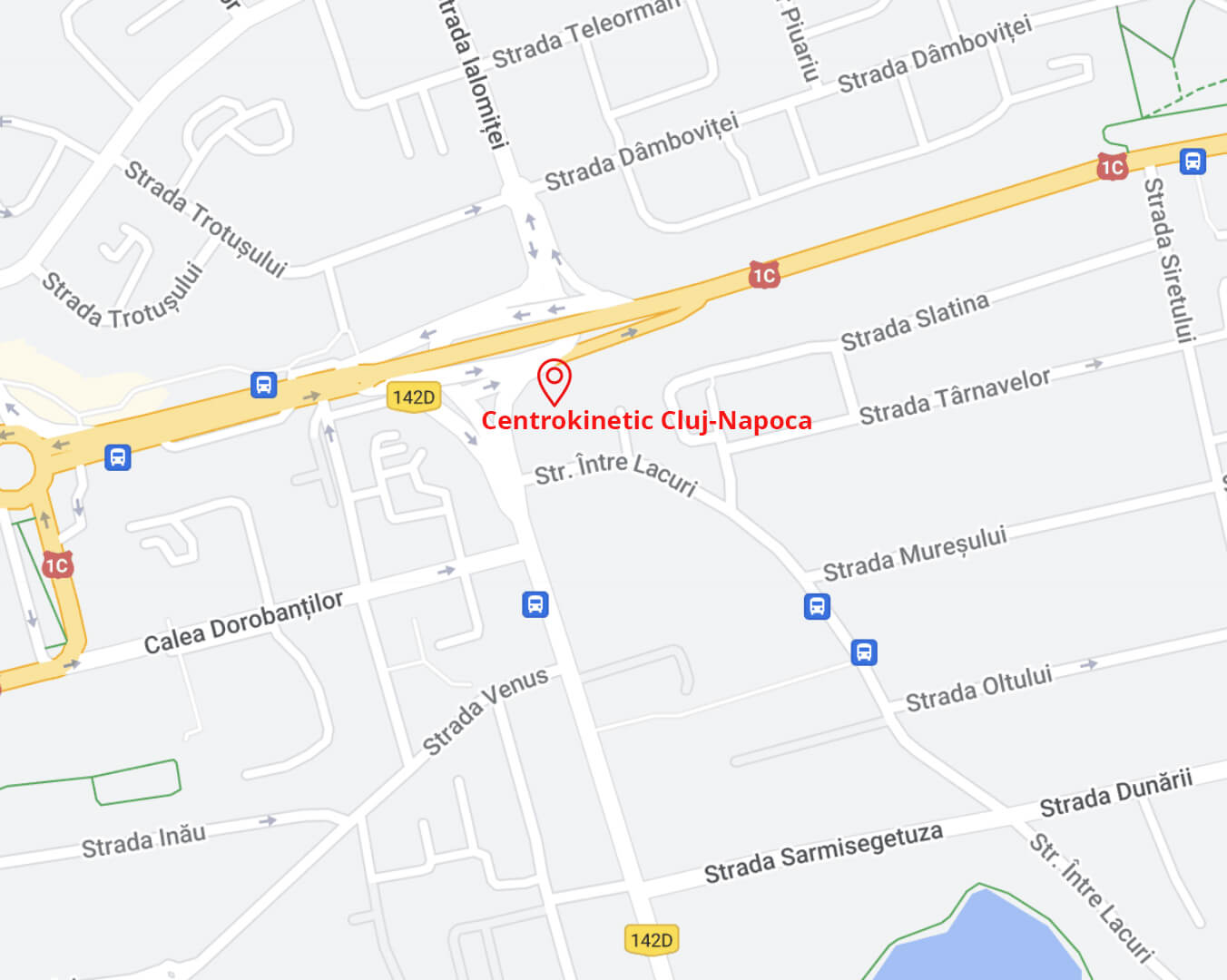
CENTROKINETIC CLUJ-NAPOCA
Cluj-Napoca,
Str. Intre Lacuri, nr.1
Intrarea este in spatele cladirii.
| Navigation |
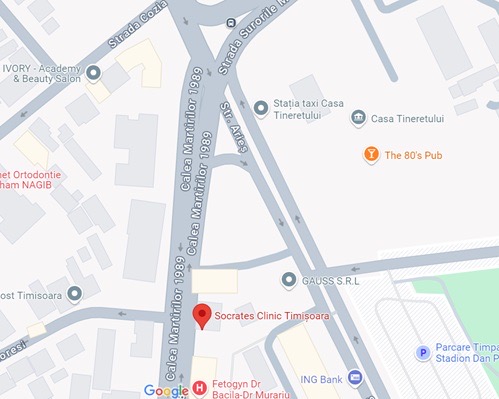
SOCRATES CLINIC TIMISOARA
Timisoara, Calea Martirilor 1989,
nr. 1.
Telefon: 0371 785 374.
| Navigation |
Phone: 0319693
E-mail: programari@centrokinetic.ro
Operating hours:
Monday – Friday: 07:00 – 21:00
Saturday: 09:00 – 14:00
Sunday: closed.
MAKE AN APPOINTMENT