
See details
READ MORE

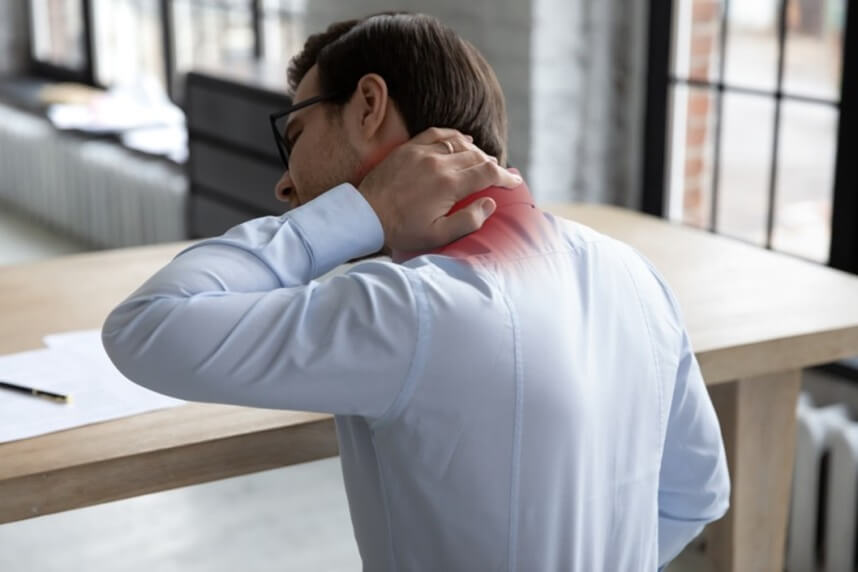
Neck pain can appear when you least expect it and can limit your mobility, concentration, or even the joy of playing sports or spending time with your family. Whether you work long hours at the office, spend extended periods behind the wheel, or practice demanding sports, cervical disc herniation can manifest through pain in the back of the neck, tingling sensations, or weakness in the arms and hands.
More and more patients are looking for modern recovery solutions and want to avoid classic surgery if they can obtain results through less invasive methods. Laser therapy offers an effective and accessible option if you choose a proper evaluation and follow the individualized plan recommended by the specialist. Find out below what cervical disc herniation means, how it manifests, the treatment options, and how laser therapy can help you recover quickly and safely!
The term hernia refers to a condition caused by the displacement of an organ from its natural cavity. A herniated disc is defined as a neurological condition and occurs when a disc of the spine shifts. Intervertebral discs are cartilages located between the vertebral bodies. These discs have three important roles:
The intervertebral disc is made up of two components: the fibrous ring and the nucleus pulposus. The hernia appears when the fibrous ring ruptures and the nucleus pulposus moves through that fissure. In most cases, the nerve is compressed by the nucleus, which causes the pain specific to herniation [1].
Cervical spondylosis is a disease characterized by degeneration of the intervertebral disc of the cervical spine, and the symptoms can be classified into three groups:
Cervical disc herniation occurs when the gelatinous material inside an intervertebral disc shifts and presses on the nerve roots or spinal cord. This situation leads to irritation, inflammation, and, in many cases, persistent pain or numbness radiating toward one or both arms.
Main causes of cervical disc herniation:
A common example: an active person who suddenly changes the position of the head while lifting weights can develop a cervical herniation within a few weeks. Such “accidents” do not occur only in athletes, but also in those who rushed at work or transported heavy packages.
Adults aged between 25 and 55, including those who do not practice sports regularly, frequently face symptoms of this kind. You can find complete information about mechanisms and other recommendations on the Centrokinetic blog.
Neck pain appears occasionally in many people, but when it becomes persistent and radiates, it should not be ignored. Cervical herniation can compress the nerves, leading to cervical radiculopathy, with symptoms that affect the arms.
Initially, the pain may be moderate, but it progresses. Ignoring the signs can worsen the situation, leading to muscle weakness or more serious neurological problems. Consult a doctor if the symptoms persist for more than a few weeks or interfere with daily activities [2].
Warning signs that require a prompt consultation:
These manifestations can vary from mild to major limitations. The precise diagnosis is made only after clinical examination, completed by imaging investigations (MRI or CT). Self-evaluation can lead to delays and complications, which is why it is recommended to schedule a consultation if you recognize yourself in the examples above. Details about modern diagnostic methods can be found at Centrokinetic, within the medical recovery, orthopedics, and neurology services.
Most cervical herniations (over 80-90%) improve without surgery, through conservative methods. The goal is to reduce inflammation, decompress the nerve, and restore functionality [2].
Based on numerous reports in the specialized literature regarding the effectiveness of low-level laser therapy for different types of musculoskeletal pain and through our previous experiences using this therapy also for pain in other areas, we considered that low-level laser therapy (LLLT) could be an appropriate treatment for pain associated with cervical disc herniation. We also believed that the spinal cord manifestations associated with cervical myelopathy, including spasticity, can be reduced with this therapy (LLLT).
However, in this study [3], only a few cases of cervical myelopathy were observed; therefore, the results related to cervical myelopathy were excluded.
Pain caused by cervical disc herniation tends to be localized in the neck and shoulder joints, but referred pain in the back region is also observed when the cervical disc herniation is extensive. The purpose of this study was to investigate the effectiveness of low-level laser therapy as a treatment method for cervical disc herniation.
Surgery (discectomy, fusion, or disc replacement) is considered if the symptoms persist for more than 6-12 weeks, progressive weakness or myelopathy appears. It is effective, but involves risks and a longer recovery [2].
The treatment plan is refined depending on your diagnosis and functional goals, for the fastest and safest possible recovery.
The medical laser directs energy in a controlled way toward the affected area, stimulating healing, reducing inflammation, and relieving pain. In the case of cervical herniation, laser therapy involves localized application, with the purpose of:
This intervention does not require incisions or hospitalization and, used correctly, does not cause significant negative effects.
Laser therapy is applied in the following scenarios:
Possible contraindications: pregnancy (for the treated area), local oncological diseases, active infections, epilepsy. Each situation is analyzed individually.
This study included 15 men and 11 women between 36 and 76 years old (average age of 55.5 years). All subjects had a confirmed diagnosis of cervical disc herniation (chronic type). The diagnosis of the disease was based on X-rays, MRI, and physical symptoms [3].
|
|
| Punct de | Intensitatea | ||
Nr. | Sex | Varsta | durerii | |||
tratament | ||||||
|
|
| Inainte | Dupa | ||
1 | M | 57 | A B C | 70 | 45 | |
2 | M | 76 | A B | 60 | 40 | |
3 | F | 67 | A B E | 55 | 40 | |
4 | M | 36 | A B D | 85 | 30 | |
5 | F | 65 | A B | 40 | 35 | |
6 | M | 63 | A B D | 50 | 30 | |
7 | F | 54 | A B C | 60 | 40 | |
8 | M | 59 | A B E | 90 | 50 | |
9 | F | 58 | A B | 60 | 30 | |
10 | M | 56 | A B C | 70 | 45 | |
11 | F | 46 | A B C | 50 | 30 | |
12 | M | 51 | A B | 75 | 30 | |
13 | M | 55 | A B D | 70 | 45 | |
14 | F | 54 | A B E | 90 | 50 | |
15 | M | 64 | A B E | 70 | 45 | |
16 | F | 55 | A B E | 70 | 35 | |
17 | M | 55 | A B E | 60 | 40 | |
18 | M | 51 | A B E | 70 | 15 | |
19 | F | 37 | A B D | 45 | 20 | |
20 | M | 76 | A B E | 60 | 40 | |
21 | F | 38 | A B C | 90 | 50 | |
22 | F | 44 | A B E | 70 | 40 | |
23 | M | 42 | A B D | 70 | 35 | |
24 | M | 59 | A B | 50 | 40 | |
25 | F | 70 | A B D | 70 | 45 | |
26 | M | 52 | A B | 50 | 45 | |
Pain was evaluated after treatment using a visual analogue scale (VAS). Also, after treatment, cervical spine flexion and extension were measured to evaluate changes in range values.
The scores at the initial level and at the final evaluation are presented above. The mean VAS scores before treatment were 65.4 13.8 and after treatment were 38.1 8.8. The mean decrease was 26.92 13.2 points. A significant improvement was observed. Regarding range of motion, no significant changes were observed in the absence of pain [3].
Patients were recommended to follow their normal lifestyle. We provide written advice sheets regarding maintaining good posture, to avoid sitting on a chair or when sitting at a table or desk, to perform daily rotation, flexion, and extension exercises of the head and neck. Patients were advised to avoid postures that induce pain and we strived to guide patients on how to avoid incorrect positions in their day-to-day activities. In discussions with the patients, it was reported, in all cases, that the lifestyle guide provided by us was understood and the advice was followed.
Each patient follows a protocol of 6–12 sessions, depending on evolution and medical recommendations.
The frequency at which cervical spondylosis is observed in affected patients is quite high. The prognosis is good for patients with neck pain and cervical disc herniation. However, it is believed that the prognosis for cases involving signs of the spinal cord (cervical myelopathy) is generally poor, and such patients were not evaluated in the present study due to the low number. On the other hand, the present study confirms the beneficial effects of low-level laser therapy.
Pain-reduction countermeasures are important because the pain experienced by patients reduces efficiency at work and/or is an obstacle in daily activities.
The main treatment protocols prescribed for patients with cervical disc herniation in orthopedic departments are relaxation treatments, together with medication and cervical traction. Due to age-related changes, disc herniation is induced more frequently in middle-aged and elderly people. The treatment is simple and easy to administer without side effects. The level of patient satisfaction is also very high. The positive effects of low-level laser therapy. The authors believe that reduction of muscle tone, improvement of blood flow, increase of the pain threshold, and regulation of the nervous system are the main factors.
Optimal recovery involves collaboration between orthopedic doctors, neurologists, physiokinetotherapists, and physiotherapists. These specialists guide you as follows:
At Centrokinetic, collaboration between departments ensures interdisciplinary evaluations, functional testing, and progress tracking with the help of internationally validated protocols.
If you go to the doctor when the symptoms have appeared, the chances of returning to your activities without resorting to invasive interventions increase. Prompt and correct evaluation helps you benefit from:
Individual evaluation and attention to every detail make the difference in preventing relapses and reducing long-term discomfort.
Routine changes can help, in the long term, maintain the health of the cervical spine. Adopt the following recommendations:
You can find practical resources and prevention guides on the Centrokinetic website.
The decision is made after a detailed evaluation of the symptoms, analysis of investigation results, and discussion with the specialist. Laser therapy does not replace the need for surgery when severe neurological problems occur (for example, marked weakness or loss of reflexes).
Collaborate with the medical team to make the right decision for your situation.
Many patients notice:
For example, a 40-year-old IT employee, with neck pain and numbness in the right arm, returned to training after 7 sessions, followed by specialized physical therapy. Each case differs, however, and progress depends on the speed of intervention and compliance with recommendations. If you have similar symptoms, schedule a medical evaluation at Centrokinetic!
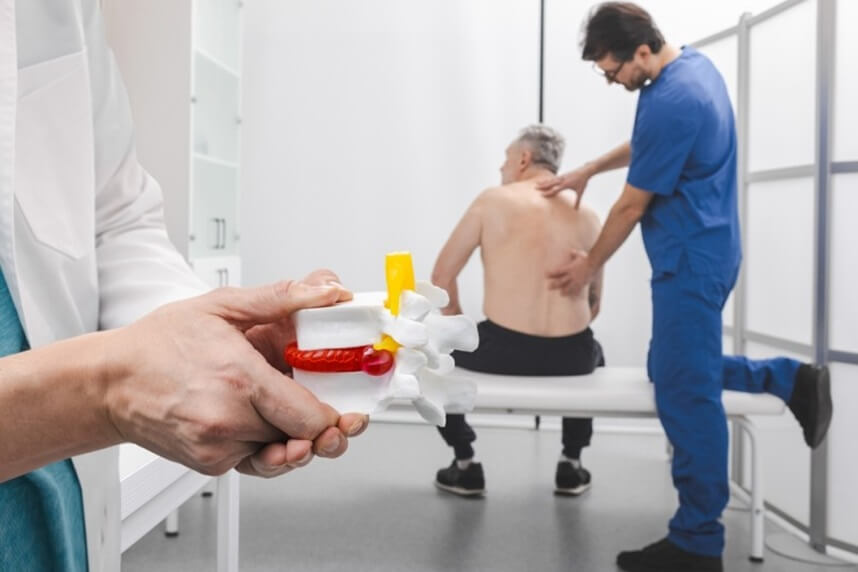
Each patient needs an individual analysis and a treatment plan adapted to their symptoms and goals. An updated evaluation, carried out by the multidisciplinary team, brings:
The personalized approach increases the chances of rapid recovery, with minimal risk of relapse or subsequent restrictions. The active involvement of the medical team represents the main advantage of a successful program.
Laser therapy has become an effective solution for many patients with cervical disc herniation who are looking for rapid recovery without surgical intervention. By reducing pain and integrating the treatment into complex physical therapy and prevention programs, you can return more quickly to the activities you want and maintain your cervical health for longer.
If you have symptoms or are looking for clear answers related to laser therapy for cervical herniation, choose to collaborate with experienced specialists who apply scientifically validated recommendations and solutions. This way, you benefit from modern investigations and professional support, adapted to your needs.
Schedule now for a specialist consultation and choose the correct evaluation, based on medical expertise! For additional information about recovery therapies, investigations, and prevention, explore other resources on the centrokinetic.ro website!
Most people notice pain relief and increased cervical mobility after a few sessions, usually within the first 2–3 weeks. The evolution varies depending on the individual response and involvement in the recommended recovery program.
A complete protocol includes between 6 and 12 sessions, each lasting 10–20 minutes. The exact number is established depending on the severity of the symptoms and the periodic evaluation within the medical team.
The procedure is well tolerated and has minimal risks if medical indications are followed and the team uses certified devices. In rare cases, mild local irritation or redness may appear, which disappears without further interventions.
See details
READ MORESee details
READ MORESee details
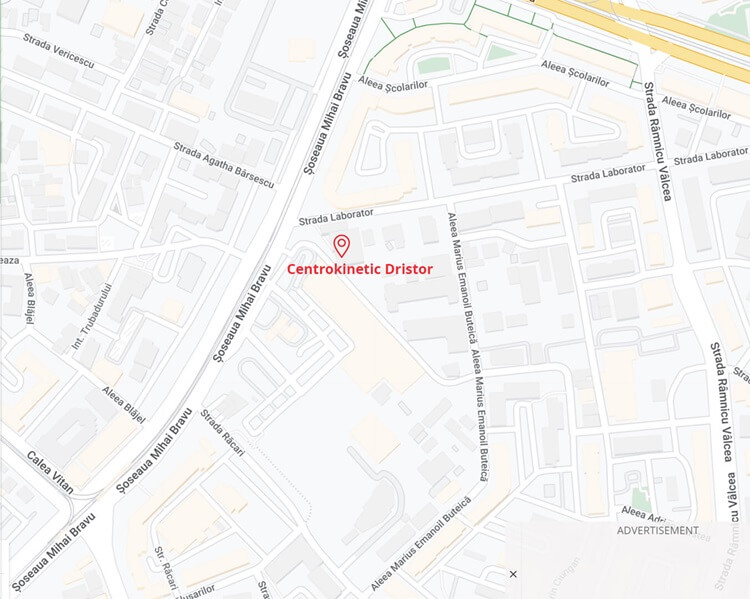
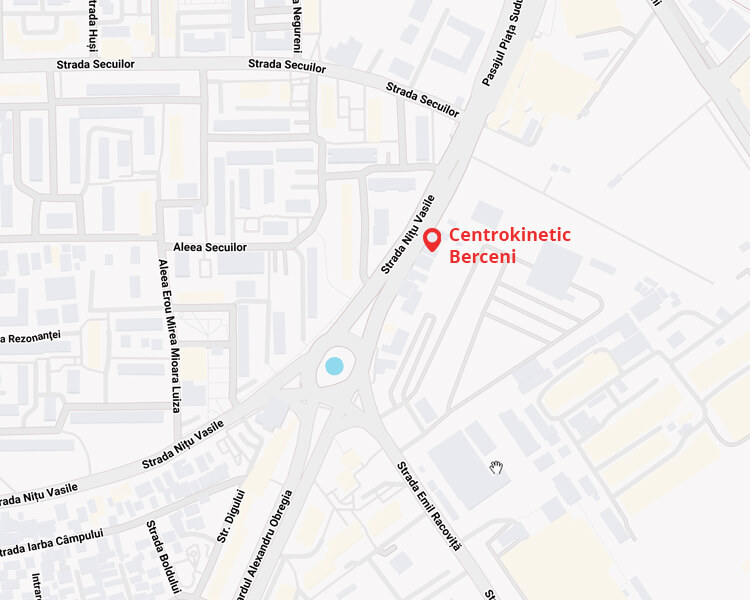
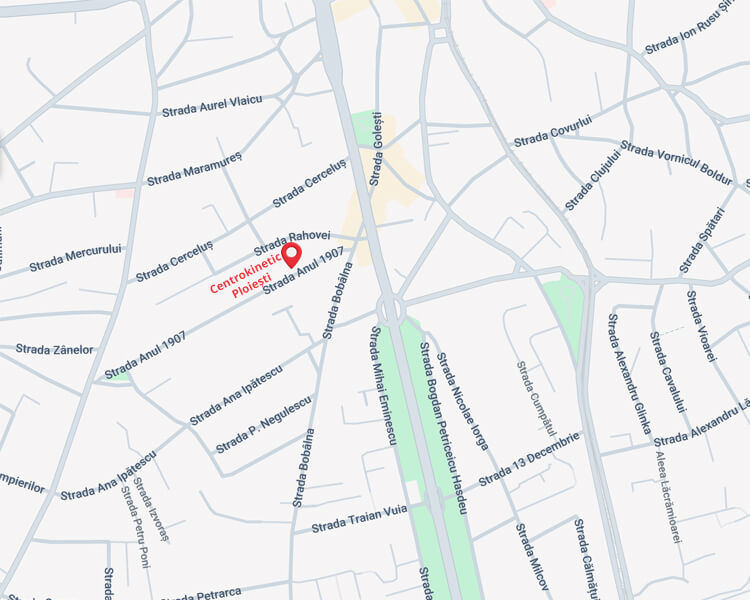
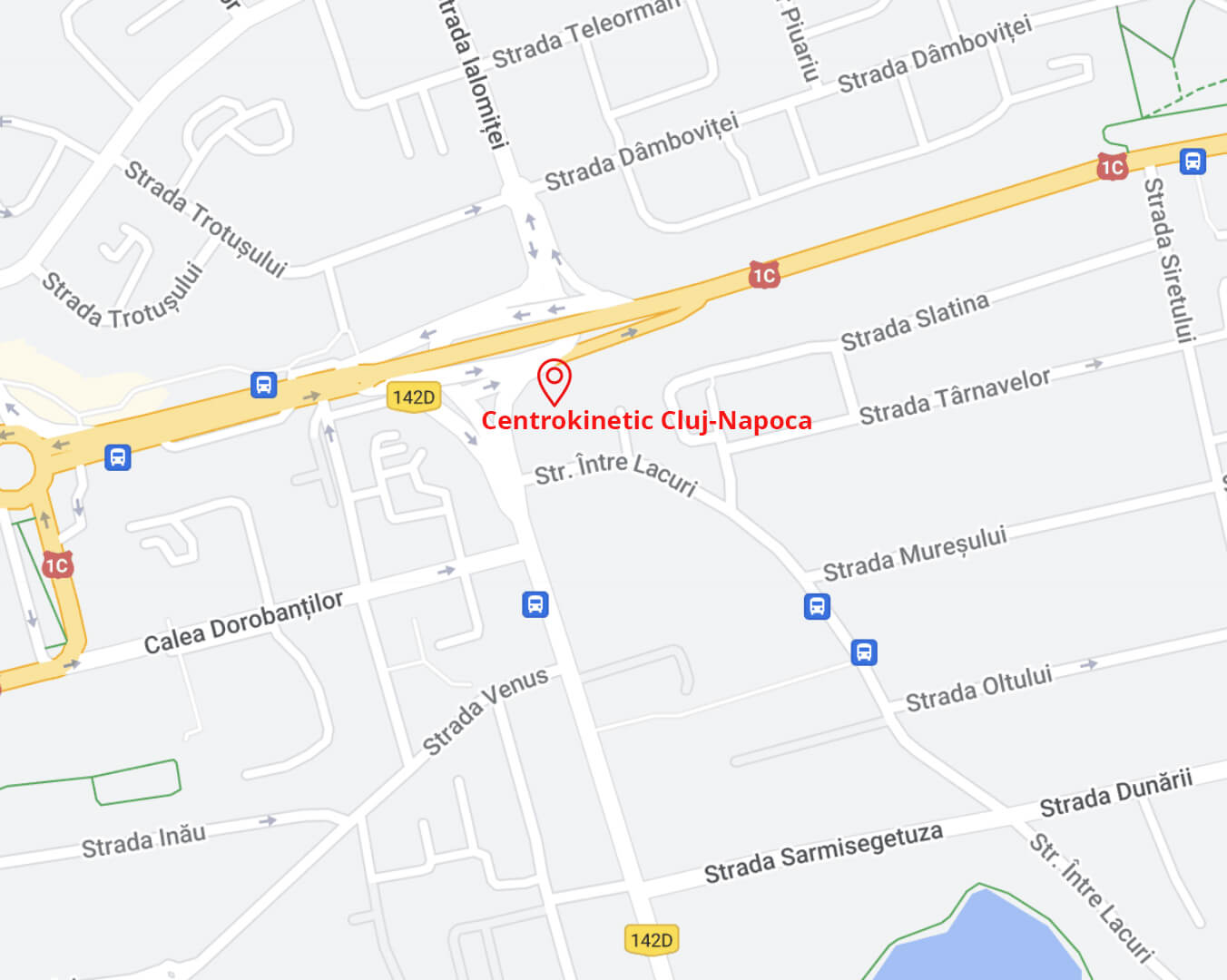
READ MORESee here how you can make an appointment and the location of our clinics.






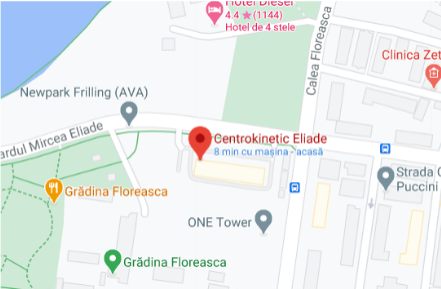
CENTROKINETIC FLOREASCA
Bucharest, 1st District,
Mircea Eliade Street, no. 18,
Eliade Tower, Entrance A, Floor 3
| Navigation | Explore 3D |
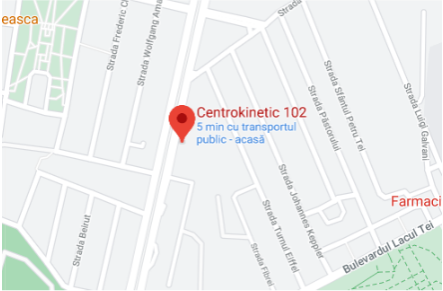
CENTROKINETIC Barbu Vacarescu
Bucharest, 2nd District,
Barbu Vacarescu Street, no. 102,
102 The Address, ground floor.
| Navigation | Explore 3D |
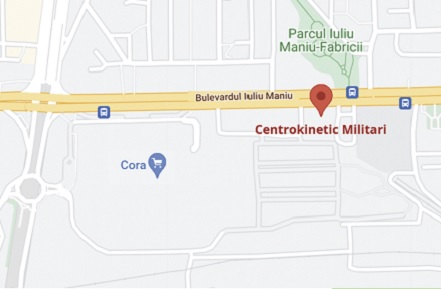
CENTROKINETIC MILITARI
Bucuresti, Sector 6,
Bld. Iuliu Maniu, nr. 15G,
Cladirea PBT, etaj 3.
| Navigation |
CENTROKINETIC CLUJ-NAPOCA
Cluj-Napoca,
Str. Intre Lacuri, nr.1
Intrarea este in spatele cladirii.
| Navigation |
SOCRATES CLINIC TIMISOARA
Timisoara, Calea Martirilor 1989,
nr. 1.
Telefon: 0371 785 374.
| Navigation |
Phone: 0319693
E-mail: programari@centrokinetic.ro
Operating hours:
Monday – Friday: 07:00 – 21:00
Saturday: 09:00 – 14:00
Sunday: closed.
MAKE AN APPOINTMENT