
See details
READ MORE

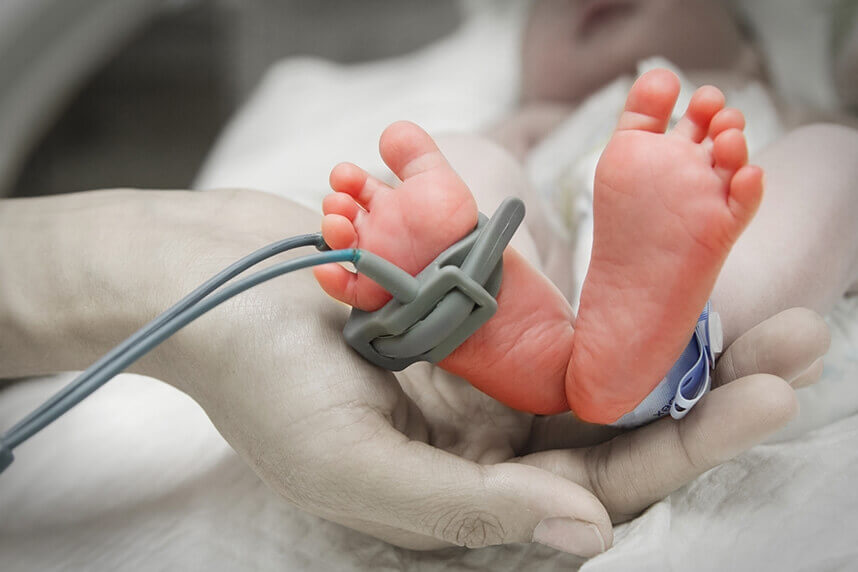
Obstetric brachial plexus palsy is a condition occurring during birth, consisting of motor and sensory impairment of the brachial plexus.
Centrokinetic is prepared for this specialization with a team of experienced doctors and the necessary equipment for diagnosis, monitoring and treatment. Find out more about pediatric neurology and book an appointment at Centrokinetic here.
The most important risk factor is dystocia, but other risk factors include malposition, induction of labor, vaginal delivery with certain instruments and fetal macrosomia.
Treatment of newborns, in the absence of a fracture, can begin immediately with passive movements of the upper extremity, in order to avoid contractures. If a fracture is present, initiation of passive movements can begin after 3 weeks, once the fracture has healed. Non-surgical management is indicated when there is antigravity resistance of the biceps at 3 months of age and a higher probability of recovery.
Kinetotherapy is of paramount importance in the recovery from obstetric brachial plexus palsy. It should be accompanied by bracing.
Surgical treatment is indicated in the case of absent biceps function at 3 months of age. Nerve grafting is the most commonly used microsurgical technique for repairing brachial plexus injuries, with good functional results in 60% to 80% of infants.
The prognosis is determined by the degree of plexus involvement. It can range from excellent to severe.
The severe prognosis in this period is indicated by a number of "warning signs":
Centrokinetic is prepared for this specialization with a team of experienced doctors and the necessary equipment for diagnosis, monitoring and treatment. Find out more about pediatric neurology and book an appointment at Centrokinetic here.
See details
READ MORESee details
READ MORESee details
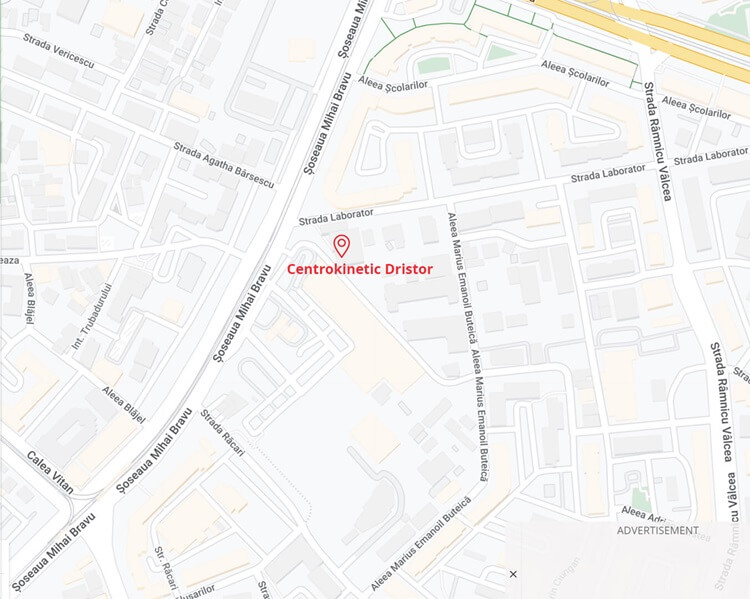
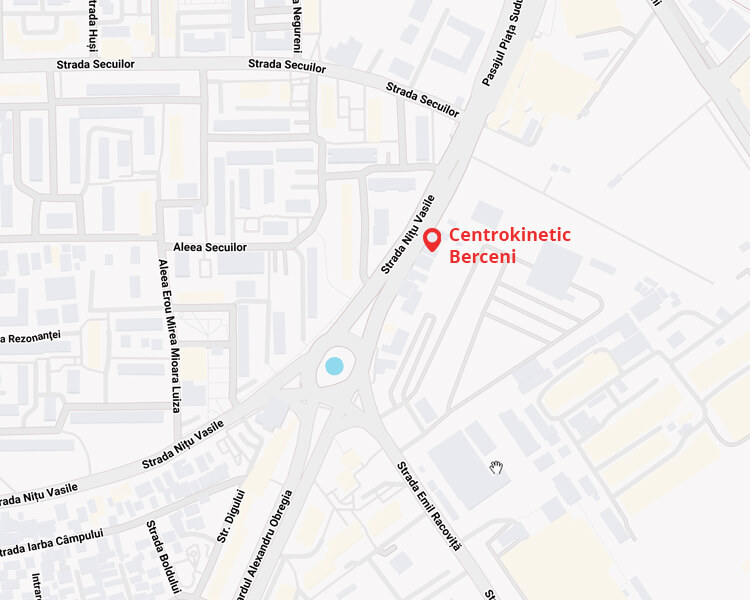
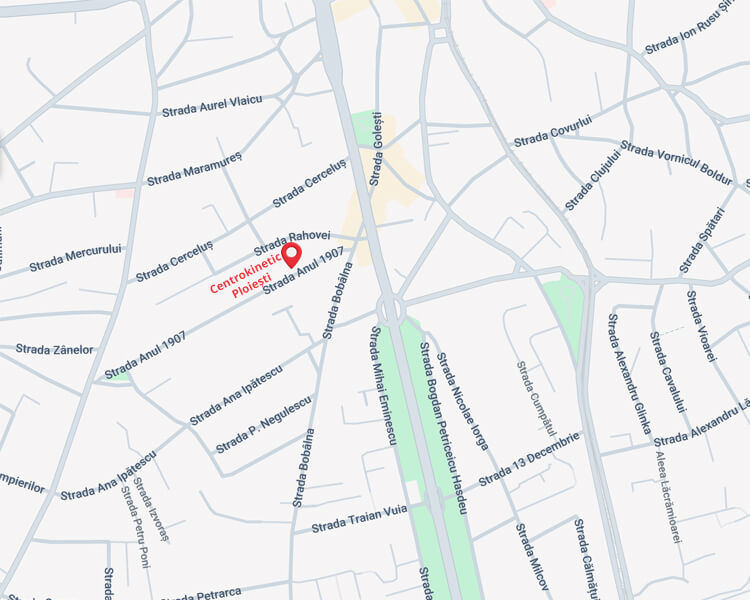
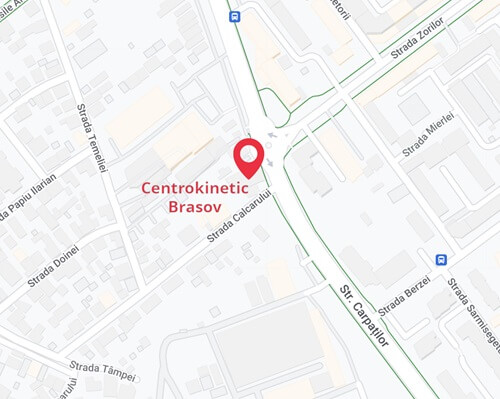
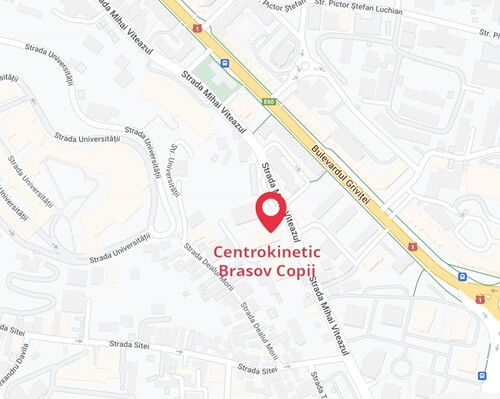
READ MORESee here how you can make an appointment and the location of our clinics.








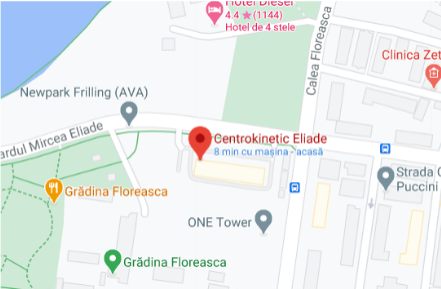
CENTROKINETIC FLOREASCA
Bucharest, 1st District,
Mircea Eliade Street, no. 18,
Eliade Tower, Entrance A, Floor 3
| Navigation | Explore 3D |
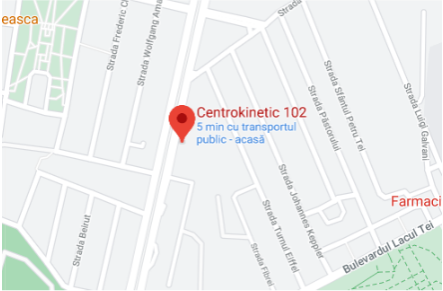
CENTROKINETIC Barbu Vacarescu
Bucharest, 2nd District,
Barbu Vacarescu Street, no. 102,
102 The Address, ground floor.
| Navigation | Explore 3D |
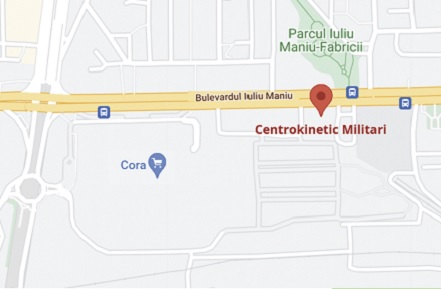
CENTROKINETIC MILITARI
Bucuresti, Sector 6,
Bld. Iuliu Maniu, nr. 15G,
Cladirea PBT, etaj 3.
| Navigation |
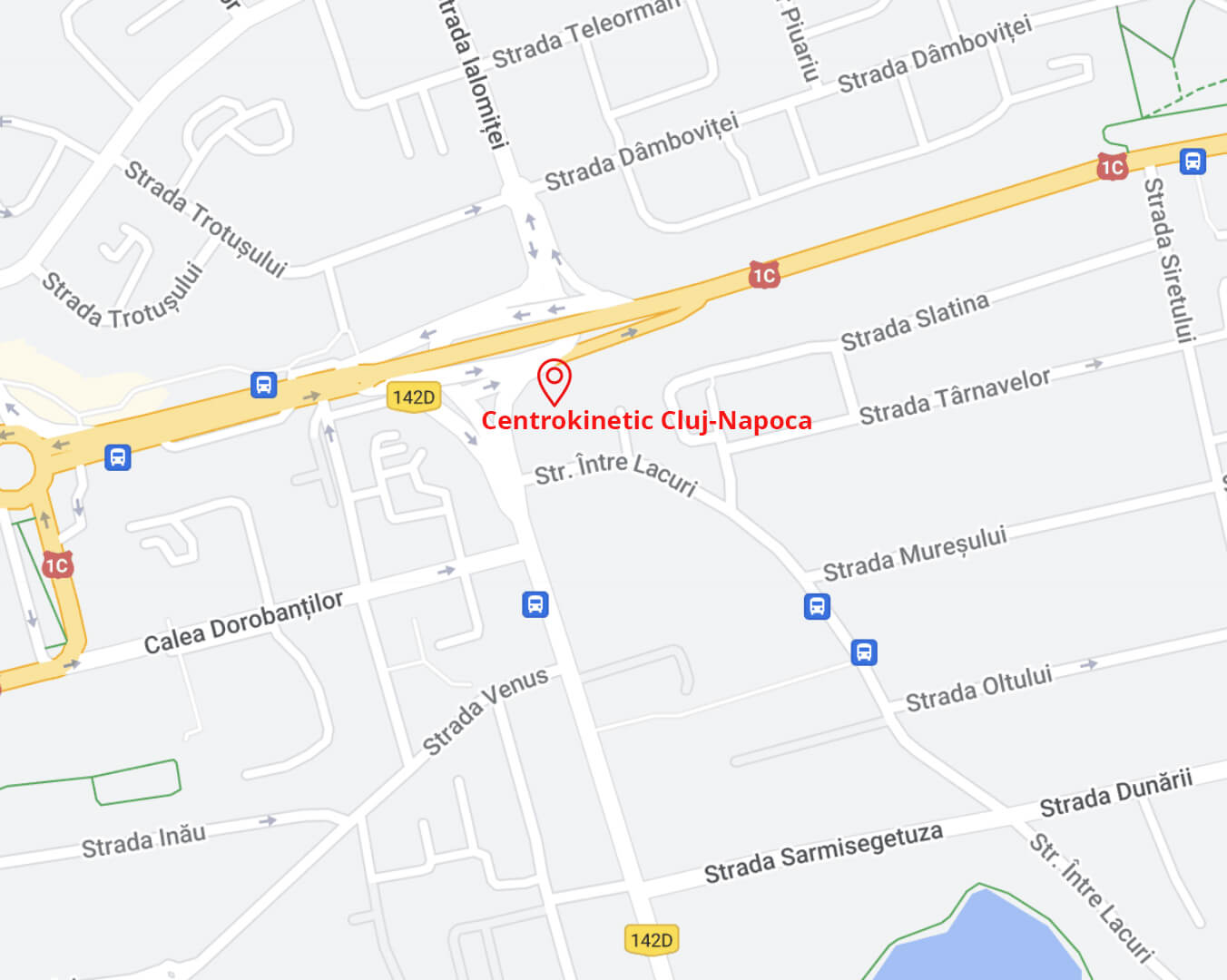
CENTROKINETIC CLUJ-NAPOCA
Cluj-Napoca,
Str. Intre Lacuri, nr.1
Intrarea este in spatele cladirii.
| Navigation |
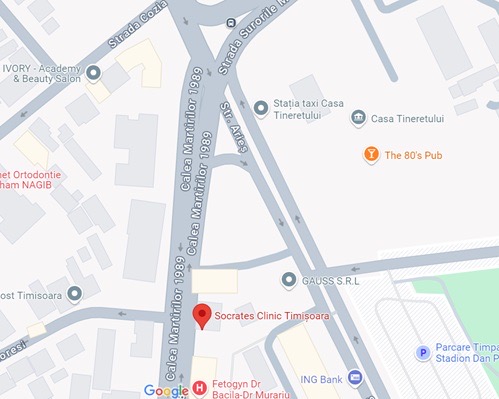
SOCRATES CLINIC TIMISOARA
Timisoara, Calea Martirilor 1989,
nr. 1.
Telefon: 0371 785 374.
| Navigation |
Phone: 0319693
E-mail: programari@centrokinetic.ro
Operating hours:
Monday – Friday: 07:00 – 21:00
Saturday: 09:00 – 14:00
Sunday: closed.
MAKE AN APPOINTMENT