
See details
READ MORE


What is prostatitis? Prostatitis is the swelling and inflammation of the prostate gland, a walnut-sized gland located directly below the bladder in men. Prostatitis is different from an enlarged prostate, and occurs when the prostate is swollen, tender and inflamed. The prostate gland produces the fluid that carries sperm. Prostatitis often causes painful or difficult urination. Other symptoms include groin, pelvic or genital pain, and sometimes flu-like symptoms.
Prostatitis affects men of all ages, but tends to be more common in men 50 or younger. The condition has a number of causes. Sometimes, the cause is not identified. If prostatitis is caused by a bacterial infection, it can usually be treated with antibiotics.
Depending on the cause, prostatitis can occur gradually or suddenly. It might improve quickly, either with or without treatment. Some types of prostatitis last for months or keep recurring (chronic prostatitis).
Some types of prostatitis are caused by a bacterial infection. These cases are often accompanied by the classic symptoms of infection, such as fever, chills and muscle aches, along with urinary problems. As a result, they are relatively easy to diagnose and treat, and usually respond well to antibiotics. Unfortunately, such simple forms of prostatitis are a minority.
Doctors are not sure exactly what causes the other types of prostatitis. Potential culprits include hard-to-detect bacteria, inflammation, depression and stress, and mechanical or neuromuscular problems in the pelvic muscles that irritate the area. Scientists have identified four types of prostatitis:
This sudden-onset infection is caused by bacteria traveling from the urethra and rectum to the prostate. It is the least common, but the most dramatic form of prostatitis, which begins suddenly with high fever, chills, joint and muscle pain, and profound fatigue. In addition, you may have pain around the base of the penis and behind the scrotum, and lower back pain. As the prostate becomes more swollen, it becomes harder to urinate, and the urine flow may become weak. If you cannot urinate at all, it is a medical emergency; this usually means that the prostate is so swollen that it completely blocks the flow of urine. Depending on the severity of the symptoms, hospitalization may be necessary. Antibiotics are the standard treatment and are extremely effective for this form of prostatitis. It is important to continue your medication for the entire prescribed duration, even if you feel better. This will help prevent the infection from coming back. Drinking plenty of fluids can help clear the bacteria from your system.
This type of prostatitis is also caused by bacteria. Unlike the acute form, chronic bacterial prostatitis is a subtle infection, which can persist for several weeks or even months. A man with chronic bacterial prostatitis usually does not have a fever, but is bothered by intermittent symptoms, such as a sudden urge to urinate, frequent urination, painful urination, or the need to get up at night to urinate. Some men have lower back pain, rectal pain, or a feeling of heaviness behind the scrotum. Treatment requires the same antibiotics used for the acute form, usually for one to three months, but even with prolonged treatment, the infection often recurs. If this happens, the recurrence can usually be controlled with another course of antibiotics.
Chronic prostatitis, also known as chronic pelvic pain syndrome, is the most common form of prostatitis. Its symptoms resemble those of chronic bacterial prostatitis. However, there is no obvious bacteria, and identifying a cause or causes is difficult.
Research suggests that chronic prostatitis may result from a cascade of interconnected events. The initiating event may be stress, an undetectable infectious agent, or physical trauma that causes inflammation or nerve damage in the genito-urinary area. Over time, this can lead to increased sensitivity of the nervous system. In other words, chronic prostatitis may be a hyperactive pain syndrome. Furthermore, some doctors and researchers are beginning to believe that the condition may affect the entire pelvic floor - all the muscles involved, the bladder and sexual function - not just the prostate gland.
Because men often suffer from multiple symptoms simultaneously - such as pain and difficulty urinating - they may need several types of medications or other therapies, depending on the symptoms. These include antibiotics, painkillers, a medication to reduce the urge to urinate, a medication to ease urine flow by relaxing the muscles at the neck of the bladder, and even some alternative therapies, such as myofascial release.
Asymptomatic inflammatory prostatitis is usually discovered during tests for another medical condition, such as infertility or other prostate conditions. White blood cells are present in the urine or prostate secretions, but there are no symptoms. Without symptoms and without a known cause, the condition is not treated.
Prostatitis can be caused by bacteria that reach the prostate gland, from the urinary tract (the most common bacterial cause) or from the rectum. It can also result from various sexually transmitted organisms, such as Neisseria gonorrhoeae, Chlamydia trachomatis or HIV. Other organisms responsible for the infection are the same ones most commonly found in urinary tract infections, such as Escherichia coli. In many cases (especially in the chronic form of prostatitis), a specific cause of prostatitis cannot be found. The causes of prostatitis differ depending on the type.
Chronic prostatitis or chronic pelvic pain syndrome. The exact cause of chronic pelvic pain syndrome is not known. Researchers believe that a microorganism, not necessarily a bacterial infection, may cause the condition. This type of prostatitis may be related to chemicals in the urine, the immune system's response to a previous urinary tract infection, or nerve damage in the pelvic area.
Acute and chronic bacterial prostatitis. A bacterial infection of the prostate causes bacterial prostatitis. The acute type can occur suddenly and lasts a short time, while the chronic type develops slowly and lasts a long time, often extending over several years. The infection can occur when bacteria travel from the urethra into the prostate.
Men of all ages can be affected by prostatitis, but it is more common in young and middle-aged men. Other risk factors for developing prostatitis are as follows:
Unlike other prostate conditions, such as enlarged prostate or prostate cancer, which usually affect older men, prostatitis can develop in men of all ages, but frequently affects men between 30 and 50 years old.
Having an infection in the bladder or in the tube that carries semen and urine (the urethra) can lead to prostatitis. Many men with urinary infections due to an enlarged prostate need surgery to remove part of the gland. Since this surgery can improve urine flow, it can help prevent infections.
Trauma to the pelvic area, which can occur from cycling, weightlifting or horseback riding, can lead to prostatitis. Men with nerve damage in the lower urinary tract caused by surgery or trauma may be more likely to develop chronic prostatitis/chronic pelvic pain syndrome. Psychological stress can also increase a man's chances of developing this condition.
Sexually transmitted diseases and HIV are two of the known causes of bacterial prostatitis. Usually, men under 35 are the ones who develop either acute bacterial prostatitis or chronic bacterial prostatitis associated with a sexually transmitted disease (STD) and HIV. Even though sexually transmitted diseases are associated with causes of bacterial prostatitis, STDs and HIV can also lead to chronic prostatitis/chronic pelvic pain syndrome, by creating inflammation in the prostate. A man's sexual habits, as well as bacteria and viruses (including HIV), could play an initial role in chronic prostatitis. In addition to HIV, other types of autoimmune conditions are known causes of chronic prostatitis.
Prostatitis can occur after transurethral manipulation procedures, such as urethral catheterization and cystoscopy, or after a prostate biopsy. After the biopsy is performed, the patient is at risk of developing prostatitis.
Each type of prostatitis presents a range of symptoms that vary depending on the cause, and can differ for each individual patient. Many symptoms are similar to those of other conditions.
Chronic prostatitis/chronic pelvic pain syndrome. The main symptoms of this type of prostatitis can include pain or discomfort lasting 3 or more months, in one or more of the following areas:
Pain during or after ejaculation is another common symptom. A man with chronic prostatitis/chronic pelvic pain syndrome may have pain spread around the pelvic area, or may have pain in one or more areas at the same time. The pain may come and go, and may appear suddenly or gradually. Other symptoms may include:
Acute bacterial prostatitis. Symptoms of acute bacterial prostatitis appear suddenly and are severe. Men should seek immediate medical care. Symptoms of acute bacterial prostatitis can include:
Chronic bacterial prostatitis. Symptoms of chronic bacterial prostatitis are similar to those of acute bacterial prostatitis, although they are not as severe. This type of prostatitis often develops slowly and can last 3 or more months. Symptoms may come and go, or may be mild all the time. Chronic bacterial prostatitis can occur after previous treatment for acute bacterial prostatitis or a urinary tract infection. Symptoms of chronic bacterial prostatitis can include:
Usually, acute prostatitis goes away after a course of antibiotics. It is important to complete the full treatment, to make sure the infection clears up. Rarely, other complications of acute prostatitis can occur.
Acute urinary retention - Since urinating can be a very painful process, urine can build up in the bladder, causing pain in the abdomen. To relieve this, a catheter is needed.
Prostate abscess - If antibiotics are not effective in treating the prostate infection, an abscess can rarely develop in the prostate gland. Your doctor may suspect this if your symptoms do not improve despite antibiotic treatment. To confirm this, additional tests will be needed, such as an ultrasound scan or a CT scan of the prostate gland. If an abscess is present, you will need surgery to remove it.
Blood infection (bacteremia) and epididymitis (inflammation of the epididymis) can be consequences of untreated or improperly treated prostatitis.
Other complications include infertility, sexual dysfunction, and inflammation of the reproductive organs near the prostate.
There are a number of tests that can be used to find out if you have prostatitis. It can take some time to get a diagnosis - the symptoms of prostatitis can be similar to other problems such as urinary infections, which can make diagnosis difficult.
Prostatitis is usually diagnosed by analyzing a urine sample, and by examination of the prostate gland by the specialist doctor. This examination involves a rectal exam to palpate the prostate gland, and to feel for abnormalities in the gland. Occasionally, the doctor may also collect and test a sample of prostatic fluid.
Sometimes a prostate massage is performed to compare prostatic fluid samples. To perform this procedure, the doctor massages the prostate gland with a finger during the rectal exam. Since there is concern that this procedure could release bacteria into the bloodstream, this test is contraindicated in cases of acute bacterial prostatitis.
Your doctor may analyze a urine sample to look for signs of infection in the urine (urinalysis). Your urologist may also order urine flow tests or urodynamic tests. These help measure the strength of the urine flow. These tests also detect any blockage caused by the prostate, urethra or pelvic muscles.
Your doctor may examine blood samples to identify signs of infection, and other prostate problems. Your blood and semen may also be tested for bacteria and white blood cells.
In some cases, the doctor needs to massage the prostate and test the secretions. Physical examination of the prostate is done through a digital rectal exam, a method that gives the doctor the opportunity to feel for anything unusual, and to check the size of the prostate.
In some cases, your doctor may request a CT scan of the urinary tract and prostate, or a prostate sonogram. A CT scan provides more detailed information than a plain X-ray. A sonogram is the visual image produced by an ultrasound.
Treatments for prostatitis depend on the underlying cause. These can include:
Chronic prostatitis/chronic pelvic pain syndrome. Treatment for chronic prostatitis aims to reduce pain, discomfort and inflammation. There is a wide range of symptoms, and there is no single treatment for every man. Although antibiotics will not help treat non-bacterial prostatitis, a urologist may prescribe them, at least initially, until they rule out a bacterial infection. A urologist may prescribe other medications:
Centrokinetic can offer you a range of treatments:
Acute bacterial prostatitis. A urologist treats acute bacterial prostatitis with antibiotics. The prescribed antibiotic may depend on the type of bacteria causing the infection. Urologists usually prescribe oral antibiotics for at least 2 weeks. The infection can come back, which is why some urologists recommend taking oral antibiotics for 6 to 8 weeks. Severe cases of acute prostatitis may require a short hospital stay, so that patients receive fluids and antibiotics through an intravenous tube. After intravenous treatment, the patient will need to take oral antibiotics for 2 to 4 weeks. Most cases of acute bacterial prostatitis are successfully treated with medication and mild dietary changes. The urologist may recommend:
Chronic bacterial prostatitis. A urologist treats chronic bacterial prostatitis with antibiotics. However, treatment requires a longer course of therapy. The urologist may prescribe a low dose of antibiotics for up to 6 months to prevent recurrent infection. The urologist may also prescribe a different antibiotic, or may use a combination of antibiotics if the infection keeps recurring. The doctor may recommend increasing fluid intake, and avoiding or reducing the intake of substances that irritate the bladder.
The urologist may recommend alpha-blockers to treat urinary retention caused by chronic bacterial prostatitis. These medications help relax the bladder muscles near the prostate and diminish symptoms, such as painful urination. Men may need surgery to treat urinary retention caused by chronic bacterial prostatitis. Surgical removal of scar tissue from the urethra often improves urine flow and reduces urinary retention.
During treatment of bacterial prostatitis, urologists may recommend increasing fluid intake and avoiding or reducing the intake of substances that irritate the bladder. In addition to medical treatment, natural remedies for prostatitis include:
Nettle root teas can be used to relieve the symptoms of prostatitis. Studies have shown that nettle extracts help treat urinary problems in the short and long term, without side effects.
Tomatoes contain a powerful antioxidant called lycopene. Lycopene can help prevent prostate cancer, as well as reduce tumor growth in men with prostate cancer. Researchers have found that men who ate more tomatoes and tomato-based products, both raw and cooked, were less likely to develop prostate cancer. However, more research is needed to confirm a benefit. Other phytochemicals in tomatoes may act synergistically with lycopene to enhance the protective effects and help maintain prostate health.
Plantain is a very important plant because it contains zinc, which helps balance the male hormone. Zinc functions as an anti-inflammatory and prevents prostate enlargement.
Wild oregano essential oil is highly valued for its antiseptic properties. It inhibits E. coli, Proteus and Pseudomonas bacteria, which makes it a very effective remedy for both urinary tract infections and prostatitis.
Parsley leaf juice helps fight diseases of the urogenital system, as well as strengthen the immune system. Parsley, as a natural plant, can have powerful benefits for urinary tract health. Its diuretic properties are excellent. Flavonoids and other natural compounds in parsley can eliminate prostate inflammation and help clear toxins from the body. Excessive use of parsley should be avoided, as it can cause kidney and liver damage.
Cabbage has a powerful anti-inflammatory effect, thus helping to reduce the size of the prostate. Cabbage also contains substances that fight against cancer cells.
Treating chronic prostatitis is considered a major challenge, and effective medication treatments are consistently lacking. This makes patients turn to natural methods. Several human studies have shown that patients with prostatitis respond positively to propolis treatment. Propolis is used to treat several prostate diseases, including prostate adenoma.
Men cannot prevent prostatitis. Researchers are currently trying to better understand the causes of prostatitis and develop prevention strategies. However, there are some measures that reduce the chances of developing prostatitis:
You can book an appointment here for a consultation, an MRI, or medical rehabilitation. At Centrokinetic, the best doctors and therapists are available for any joint or musculoskeletal problem, from the initial consultation and complete investigations within the clinic, to treatment and complete medical rehabilitation for spinal, traumatic or post-surgical conditions.
Find out the latest news about us by following the Facebook and YouTube accounts of the Centrokinetic clinic.
See details
READ MORESee details
READ MORESee details
READ MORESee here how you can make an appointment and the location of our clinics.








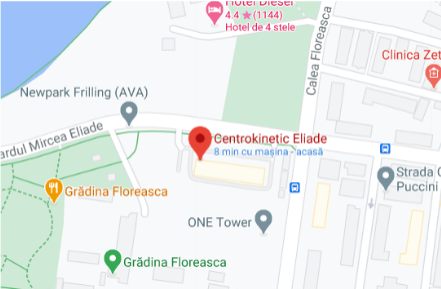
CENTROKINETIC FLOREASCA
Bucharest, 1st District,
Mircea Eliade Street, no. 18,
Eliade Tower, Entrance A, Floor 3
| Navigation | Explore 3D |
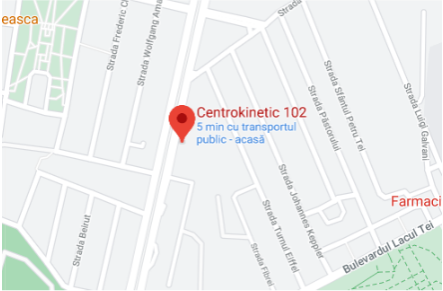
CENTROKINETIC Barbu Vacarescu
Bucharest, 2nd District,
Barbu Vacarescu Street, no. 102,
102 The Address, ground floor.
| Navigation | Explore 3D |
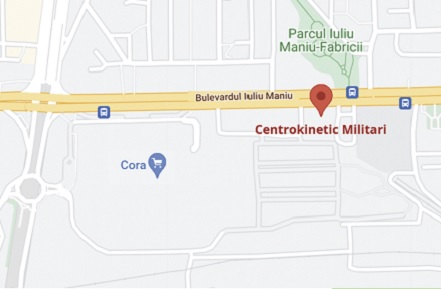
CENTROKINETIC MILITARI
Bucuresti, Sector 6,
Bld. Iuliu Maniu, nr. 15G,
Cladirea PBT, etaj 3.
| Navigation |
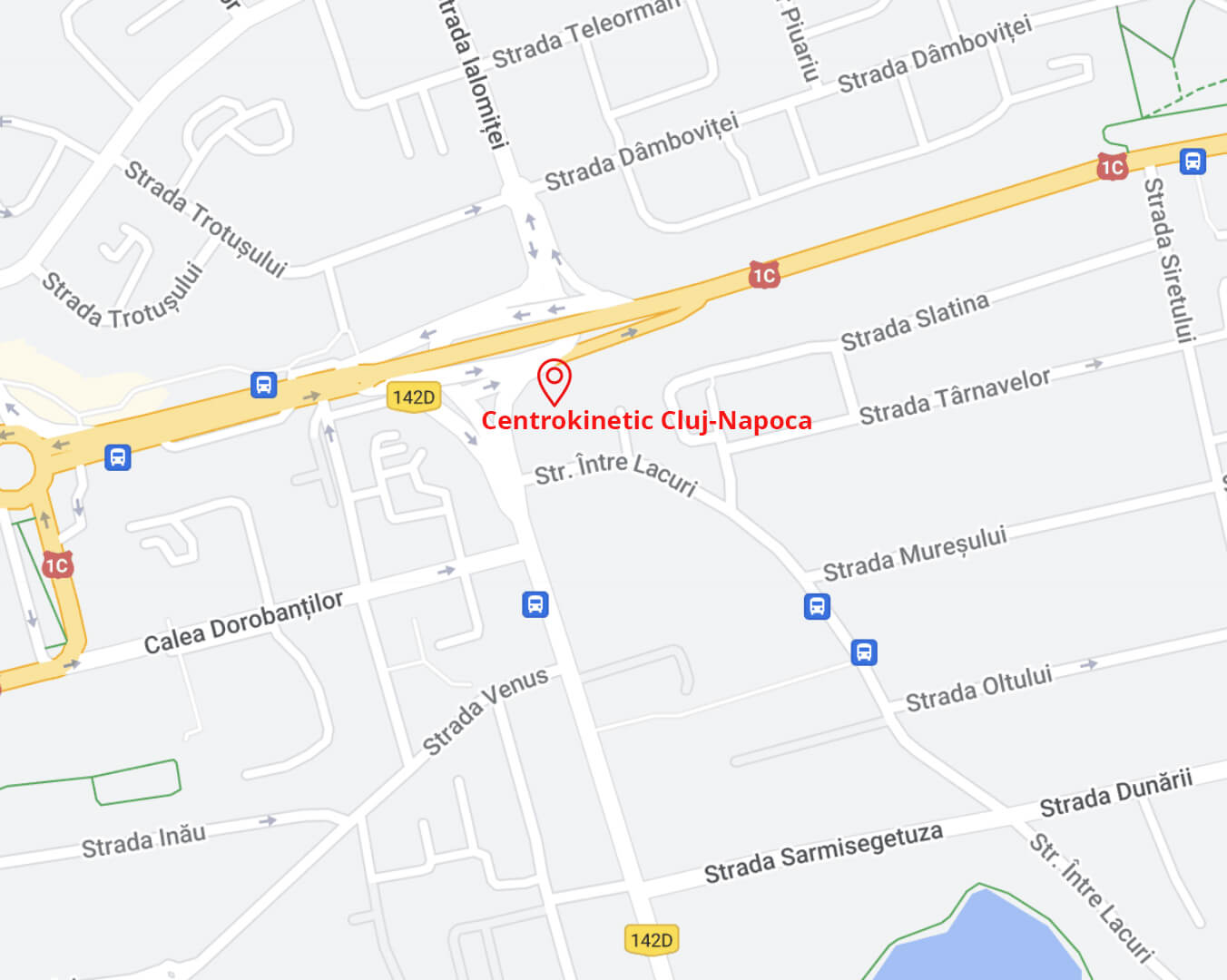
CENTROKINETIC CLUJ-NAPOCA
Cluj-Napoca,
Str. Intre Lacuri, nr.1
Intrarea este in spatele cladirii.
| Navigation |
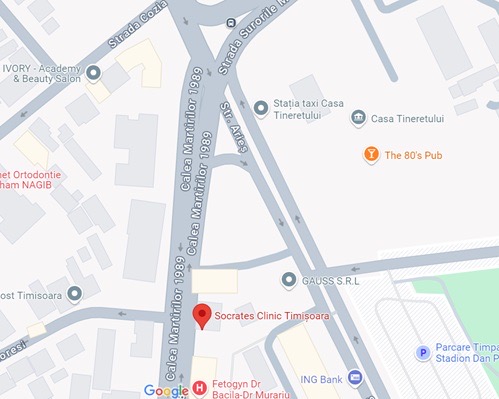
SOCRATES CLINIC TIMISOARA
Timisoara, Calea Martirilor 1989,
nr. 1.
Telefon: 0371 785 374.
| Navigation |
Phone: 0319693
E-mail: programari@centrokinetic.ro
Operating hours:
Monday – Friday: 07:00 – 21:00
Saturday: 09:00 – 14:00
Sunday: closed.
MAKE AN APPOINTMENT