Actualizat: 30-07-2026 / Publicat: 12-10-2020
.jpg)
What awaits you at Centrokinetic?
Centrokinetic welcomes patients with a full rheumatology department, a medical branch dealing with the diagnosis, treatment, and rehabilitation of patients with non-surgical conditions of the musculoskeletal system. These conditions are usually painful, acute or, most often, chronic, hindering the proper functioning of the musculoskeletal system. They are generally called rheumatism or rheumatic and musculoskeletal diseases.
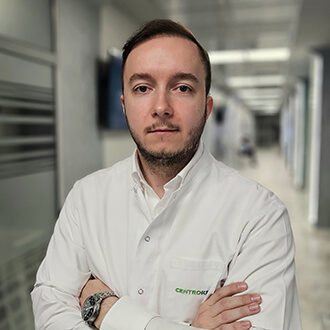
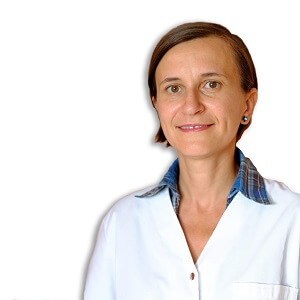
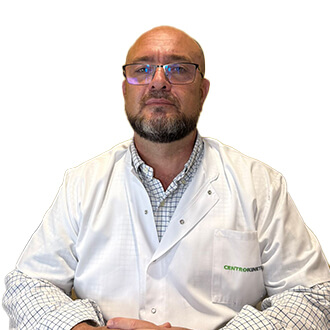
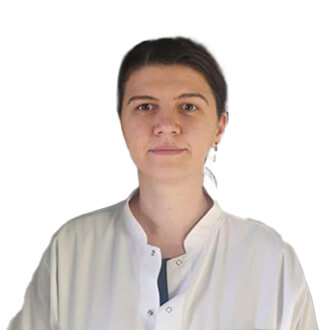
Most of the time, patient evaluation is complex and multidisciplinary, given the systemic, generalized nature of most rheumatological conditions, which is why Centrokinetic has experienced physicians:
What is systemic sclerosis?
Systemic sclerosis is an autoimmune inflammatory disease that leads to potentially widespread fibrosis and vascular abnormalities that can affect the skin, lungs, gastrointestinal tract, heart, and kidneys. The skin becomes thick and hard (sclerotic).
Depending on the distribution pattern on the skin, systemic sclerosis has been divided into two main subcategories:
- Diffuse cutaneous systemic sclerosis
- Limited cutaneous systemic sclerosis, previously referred to as CREST syndrome to highlight the key features: calcinosis (calcium deposits in soft tissues), Raynaud's syndrome, esophageal dysmotility, sclerodactyly, telangiectasia
The general term scleroderma is often used both for morphea (localized scleroderma) and for systemic sclerosis (systemic scleroderma). It is very important to distinguish between these two diseases, as they can vary greatly and require different treatment.
Clinical picture of systemic sclerosis
- Thickening of the skin on the fingers and toes (sclerodactyly)
- Specific antibodies in the blood (anti-Scl70 or anticentromere antibodies or others)
- Abnormal nail fold
- Internal fibrosis of organs and/or vascular damage (involving the lungs, heart, gastrointestinal tract, or lungs).
Who gets systemic sclerosis?
Systemic sclerosis is rare, with a rate ranging from 30-500 cases per million.
- It is 5 times more common in women compared to men
- All races and ethnicities can be affected, but rates appear to be higher in some American and Black populations and lower in the Asian region.
- The age range predisposed to systemic sclerosis is approximately between 35 and 55 years. It also occurs at a younger age but is rarer compared to adults
What causes systemic sclerosis?
Systemic sclerosis is an autoimmune disease characterized by inflammation, fibrosis, and vasculopathy.
The mechanism behind it is complex and remains fairly unknown. Genetic predisposition plus a triggering event lead to a cascade of innate and adaptive immunoinflammatory responses.
Genetic predisposition
- First-degree relatives of affected individuals may have a 10-16 times higher risk of developing systemic sclerosis.
- Studies have identified loci associated with systemic sclerosis
- Clinical subtypes map to a specific genetic subset
- Differences in gene expression occur in fibroblasts, immune cells (T and B), endothelial cells, smooth muscle, and epithelial cells
Systemic sclerosis has been associated with injuries, exposure to silica, vinyl chloride monomer, chlorinated solvents, trichloroethylene, welding fumes, aromatic solvents, ketones, bleomycin, and possibly other drugs (vitamin K, cocaine, penicillamine, appetite suppressants, and certain chemotherapeutic agents).
How is systemic sclerosis classified?
Diffuse cutaneous systemic sclerosis: 2/3 of patients with systemic sclerosis have dcSSc: skin involvement is widespread and includes the proximal limbs. DcSSc often has a rapid progression, with significant involvement of internal organs.
Limited cutaneous systemic sclerosis: 1/3 of patients with systemic sclerosis have lcSSc: sclerosis is limited to the fingers, distal limbs (not extending beyond the proximal area of the elbows or knees), and the face. LcSSc progresses more slowly than dcSSc and with less involvement of internal organs, except for the risk of pulmonary arterial hypertension, especially later in the course of the disease.
Overlap syndrome: up to 20% of patients with systemic sclerosis have an overlap syndrome with another connective tissue disease and develop arthritis, lupus, or myositis.
Systemic sclerosis sine scleroderma: this is a rare form without skin sclerosis. These patients have internal organ manifestations related to SSc, Raynaud's syndrome, and SSc-specific autoantibodies.
Serological and genetic classification
Different autoantibody profiles are associated with particular clinical features, especially with the pattern of antinuclear antibody (ANA) reactivity. Genetic associations in systemic sclerosis can also be mapped to certain ANA subtypes.
Centromere (kinetochore) ANA pattern
- Limited cutaneous systemic sclerosis
- Pulmonary arterial hypertension
- Digital ulcers
- Calcinosis
- Associated genes: HLA-DQB1, TNF-863A, NOTCH4
Pm-Scl (nucleolar) ANA pattern
U1RNP ANA pattern (speckled)
- Overlaps with features of other connective tissue diseases
- Associated genes: HLA-DQB1
TH-TO (nucleolar) ANA pattern
- Limited cutaneous systemic sclerosis
- Pulmonary arterial hypertension
- Interstitial lung disease
- Poor prognosis
Topoisomerase-1 / Scl (speckled) ANA pattern
- Diffuse cutaneous systemic sclerosis
- Interstitial lung disease
- Cardiac scleroderma
- Associated genes: HLA-DPA1, HLA-DRB3, EDNRA
Fibrillarin/U3RNP (nucleolar)
- Afro-Caribbean association
- Pulmonary arterial hypertension
- Myositis
- Cardiac scleroderma
- Gastrointestinal involvement
- Associated genes: HLA-DQB1
![i.php?p=a1(5).jpg]()
What are the clinical features of systemic sclerosis?
The clinical features of systemic sclerosis are related to the burden of inflammatory and fibrotic disease. Constitutional systems share common features such as fatigue, arthralgia, and myalgia.
Cutaneous features of systemic sclerosis
- Skin sclerosis
- The degree of skin fibrosis defines diffuse systemic sclerosis versus limited systemic sclerosis
- Sclerodactyly: thickening and tightening of the skin of the fingers (toes). It can be spindle-shaped
Hands
- Puffy fingers: early inflammatory phase of the disease
- Raynaud's syndrome
- Abnormal nail fold capillaries
- Palmar erythema affecting the thenar/hypothenar eminence
- Smaller, brittle nails with ragged cuticles
- Digital scarring
- Digital ulcers
- Ulceration can lead to dry gangrene and eventual loss of fingertips (similar to frostbite).
Face
- Matte telangiectasia on the face, chest, palms
- Perioral pursing (loss of fat)
- Microstomia (limited oral opening defined as an interlabial distance <4.5 cm)
- Beak-shaped nose
Others
- Calcinosis affecting the fingers, extensor surfaces of the limbs. The skin can break down and discharge chalky (calcium) material
- Salt-and-pepper dyspigmentation (hyperpigmentation and hypopigmentation)
- Pruritus
.jpg)
Rare cutaneous features
- Morphea
- Most often plaque, nodular, or linear
- More common in limited cutaneous systemic sclerosis
- Panniculitis
Gastrointestinal symptoms
Upper GIT
- Gastroesophageal reflux/heartburn
- Dyspepsia
- Dysphagia
- Early satiety
- Microaspiration (accelerates lung disease)
Lower GIT
- Bloating, distension
- Nausea, vomiting
- Pain
- Diarrhea alternating with constipation
- Incontinence (anorectal sphincter insufficiency)
Cardiopulmonary symptoms
- Interstitial lung disease
- Pulmonary arterial hypertension
- Cardiac scleroderma (conduction cardiomyopathy): Shortness of breath, reduced exercise tolerance, chest pain, palpitations
Kidney disease - Scleroderma renal crisis
- Proteinuria
- High blood pressure
- Renal failure
Other symptoms
- Fatigue
- Sicca symptoms (dry eyes, dry mouth) and Sjogren's syndrome
- Musculoskeletal symptoms: friction rubs of the joints and tendons, especially the knees, joint pain, weakness, and limited movement resulting in contractures
- Ocular symptoms: tight eyelids, reduced tear secretion, retinopathy
Paraneoplastic systemic sclerosis. Malignancy in association with systemic sclerosis is rare.
- Anti-RNAP-III antibodies are found in up to 15% of patients with paraneoplastic systemic sclerosis
- Patients are usually over 65 years old at presentation
- Skin involvement is atypical
- The disease tends to be resistant to treatment
- Associated malignancies include breast, hematological, and gastrointestinal cancer
How is systemic sclerosis diagnosed?
The diagnosis of systemic sclerosis is confirmed when key features are present:
- Sclerodactyly
- Abnormal nail fold capillaries on capillaroscopy/dermatoscopy
- Specific autoantibodies (especially anti-Scl70 or anticentromere antibody)
- Fibrosis of internal organs and vascular damage
- Investigations may include
- Other blood tests: anemia, elevated erythrocyte sedimentation rate (ESR) and C-reactive protein (CRP), positive rheumatoid factor, elevated gamma globulins (hypergammaglobulinemia), and abnormal coagulation tests may be present
- Skin biopsy: excessive ground substance and odd-looking endothelial cells in the dermis, and later, collagen deposits. The epidermis is usually atrophic (thinned)
- Pulmonary function tests
- High-resolution CT scan
- Echocardiogram
- Right heart catheterization
- ECG
- Cardiac MRI
- Barium swallow, manometry
- Endoscopy with gastrointestinal biopsy
The joint classification criteria of the American College of Rheumatology (ACR) and the European League Against Rheumatism (EULAR 2013) are used to diagnose SSc. A score of 9 or more confirms the diagnosis.
- Thickening of the skin of the fingers of both hands extending proximally to the metacarpophalangeal (MCP) joint: (score 9)
- Thickening of the skin of the fingers only: puffy fingers (2); sclerodactyly (4)
- Fingertip lesions: digital tip ulcers (2); fingertip scars (3)
- Telangiectasia (2)
- Abnormal nail fold capillaries (2)
- Lung disease: pulmonary arterial hypertension (2); interstitial lung disease (2)
- Raynaud's syndrome (3)
- SSc-specific autoantibodies ACA (3), anti-SCL70 (3), anti-RNA polymerase III (3) (maximum score 3)
How is systemic sclerosis monitored?
Monitoring disease progress and treatment response is vital in systemic sclerosis.
The skin is usually monitored clinically using the modified Rodnan Skin Score (mRSS), which provides an indication of the extent and severity of skin sclerosis, which also reflects the severity and risk of internal organ involvement.
- A score from 0 (normal skin) to 3 (skin that cannot be pinched) is assigned for skin thickness at 17 body sites.
- The cumulative score is calculated out of a total of 51; skin involvement is defined by a score of > 20.
- A high mRSS is an independent risk factor for a poorer overall outcome.
- Other, less widely available tools can be used to monitor skin hardness, such as serial durometer measurements or somewhat more complex measurements using a cutometer, ultrasound, or other methods.
The interlabial distance (mouth opening) can also be measured.
- Microstomia is defined as an interlabial distance of less than 4.5 cm.
Internal organs. Routine annual screening for interstitial lung disease and pulmonary arterial hypertension should include:
- Pulmonary function tests
- Transthoracic echocardiogram
- ECG
The DETECT score is a monitoring tool for pulmonary arterial hypertension that uses pulmonary function tests (FVC and DLCO), serum urate, serum NT-proBNP, and other features to provide a predictive score. In some cases, right heart catheterization may be indicated.
- High-resolution CT scanning can be used to characterize interstitial lung disease
- Blood pressure and renal function monitor kidney disease
- Other organ monitoring is carried out on an individualized basis and may include cardiac MRI, esophageal manometry, and gastrointestinal endoscopy
What is the treatment for systemic sclerosis?
Treatments help with symptoms and can modify the disease outcome, especially early in its course. They focus on suppressing inflammation and dilating abnormal/narrowed blood vessels. Some newer treatments target specific immunological pathways and signaling molecules
General advice
- It is absolutely essential for smokers to quit smoking
- Avoid vasoconstrictive medications, such as decongestants, amphetamines, ergotamine
Fatigue, weakness, and generalized musculoskeletal symptoms can be exhausting.
- Hydroxychloroquine may help with these constitutional symptoms
- Gentle, controlled exercise can also be beneficial
- Simple or more complex analgesia may be needed
Anti-fibrotic therapies
Local therapies
- Warm wax baths (hands)
- Tacrolimus ointment
- Potent corticosteroids
- Calcipotriol
Physical therapies
- Phototherapy, especially UVA1 or PUVA
Systemic therapies
- Mycophenolate mofetil
- Methotrexate
- Cyclophosphamide
- Corticosteroids (with caution)
- Rituximab (B-cell depletion therapy) - may be useful for the lungs and skin
- Nintedanib (tyrosine kinase inhibitor) now approved for SSc-associated interstitial lung disease in the US and Europe; no proven impact on skin sclerosis
- Tocilizumab (anti-interleukin (IL) 6 therapy) - shows a trend toward improvement for the lungs and skin in early inflammatory, progressive diffuse cutaneous SSc
- Abatacept (anti-cytotoxic T-lymphocyte-associated antigen (CTLA) 4 therapy) - shows a possible trend toward improvement of skin and inflammatory disease
- Autologous stem cell transplant - for severe, acute progressive disease in selected patients seen at specialized centers
- Intravenous immunoglobulin - may be useful for the skin and gastrointestinal tract
- Tofacitinib - well tolerated, prevents bleomycin-induced skin fibrosis in a mouse model; a small study showed no clinical improvement of skin sclerosis, but larger studies are needed
Vasodilation
- Endothelin-1 antagonists (bosentan)
- Phosphodiesterase-5 inhibitors (tadalafil)
- Guanylate cyclase agonists (riociguat)
- Prostacyclin agonists (epoprostenol, selexipag)
.jpg)
Treatment of skin manifestations
General measures, such as keeping warm, joint stretching exercises to reduce the risk of worsening contractures and microstomia, and specific physiotherapy can be beneficial.
Raynaud's syndrome
Avoid triggers (quit smoking, protect against cold)
- General measures; double-lined gloves, exothermic hand/foot warmers
Natural therapies (unproven)
- Vitamin C, vitamin E
- Gamolenic acid
Medical therapies
- Fluoxetine
- Losartan
- Diltiazem, nifedipine
- Sildenafil, tadalafil
- Glyceryl trinitrate patches
- Prostaglandin
Botulinum toxin
Digital ulcers
Ulcer prophylaxis
- Emollients
- Avoid smoking, cold (lined gloves), trauma
- Fundamental Raynaud's treatment
- Early intervention
Ulcer treatment
- Local dressings; protect and keep moist areas at risk of imminent ulceration as well as ulcerated areas
- Systemic vasodilators (see above)
Combination therapy is often recommended and most effective, for example a calcium channel blocker with a phosphodiesterase-5 inhibitor (e.g., sildenafil) +/- prostanoids (iloprost) +/- an endothelin receptor antagonist (e.g., bosentan)
Resveratrol is reported to be helpful in SSc vasculopathy; it is found in grapes, blueberries, raspberries, and mulberries.
Surgical intervention
- Amputation
- Botulinum toxin injections
- Digital sympathectomy
Preventing ulcer complications
- Pain control
- Infection - infection rate is 10% per year
Telangiectasia
- Cosmetic camouflage (green makeup)
- Vascular laser or intense pulsed light therapy
Calcinosis
Cutaneous calcinosis in SSc is notoriously difficult to treat and controlled studies are lacking. It is difficult to manage and there is weak evidence for the therapies listed below.
Medical therapies
- Tetracycline antibiotics (6 to 12 week courses)
- Diltiazem
- Bisphosphonates
- Sodium thiosulfate (systemic, intralesional, or local (25%) injections)
- Cinacalcet
Physical interventions
- Surgical excision
- Curettage and cauterization
- Tooth extraction
- Ablative laser
- Extracorporeal shock wave lithotripsy
Pruritus affects up to 43% of those with SSc. Ultimately, pruritus is a sign of active disease, and thus SSc itself needs to be treated. Pruritus has been linked to more severe skin and gastrointestinal involvement. However, symptom management may also be needed and may include:
- Emollients, soap substitutes
- Topical corticosteroids
- Antihistamines
- Montelukast
- Photochemotherapy (PUVA)
- Low-dose naltrexone
- Neuroactive antipruritics, such as gabapentin or doxepin
- Systemic glucocorticoids (with caution)
Loss of facial fat: autologous fat transfer
Treatment of internal organ manifestations
Interstitial lung disease
- Antifibrotic, immunosuppressive therapies (see above)
- Pulmonary arterial hypertension
- Vasodilator therapies (see above)
Kidney disease
- Monitor blood pressure regularly
- Avoid corticosteroids (especially if RNAPIII +ve)
- Angiotensin-converting enzyme inhibitors
Gastrointestinal tract
Upper GIT: gastroesophageal reflux, dyspepsia, dysphagia, aspiration
- Proton pump inhibitors, such as omeprazole
- Alginates (such as Gaviscon); these are as effective as prokinetics for symptoms of gastroesophageal reflux disease resistant to proton pump inhibitors in SSc
- Treatment of Helicobacter pylori infection
- Prokinetics: domperidone, erythromycin, metoclopramide
- N-acetylcysteine
Lower GIT: malabsorption, bacterial overgrowth, diarrhea, constipation, bloating, pain, anorectal dysfunction
- Nutritional supplements, advice from a dietitian
- Creon
- Probiotics
- Cyclic antibiotics (e.g., ciprofloxacin for 10 days)
- Laxatives
What is the outcome for patients with systemic sclerosis?
There is no cure for systemic sclerosis. Survival is determined by the disease subgroup and internal organ manifestations. Lung disease and pulmonary arterial hypertension account for almost 2/3 of systemic sclerosis-related deaths.
Proactive, routine annual screening allows for early intervention with disease-modifying medications. In recent years this has led to improved prognosis and long-term outcomes.
Centrokinetic is the place where you will find answers and clear solutions for your mobility problems. The clinic dedicated to osteoarticular conditions is divided into the following specialized departments:
- Orthopedics, a department made up of a highly experienced team of orthopedic surgeons, led by Dr. Andrei Ioan Bogdan, senior physician in orthopedics-traumatology, who performs surgery at Medlife Orthopedics Hospital, specialized in sports traumatology and in ankle and foot surgery.
- Pediatric orthopedics, where children's sports injuries (ligament and meniscus injuries), spinal deformities (scoliosis, kyphosis, hyperlordosis), and foot deformities (hallux valgus, hallux rigidus, clubfoot, flat valgus foot, cavus foot) are treated.
- Neurology, which has a state-of-the-art department where consultations, electroencephalograms (EEG), and electromyograms (EMG) are performed.
- Medical rehabilitation for adults and children, a department specialized in the rehabilitation of performance athletes, spinal conditions, and the rehabilitation of children with neurological and traumatic conditions. Our experience is extremely extensive, having treated over 5000 performance athletes.
- Medical imaging, the clinic being equipped with ultrasound and MRI, high-performance devices dedicated to musculoskeletal conditions, and complemented by an experienced team of radiologists: Dr. Sorin Ghiea and Dr. Cosmin Pantu, specialized in musculoskeletal imaging.
Find out the latest news by following the Facebook and YouTube accounts of the Centrokinetic clinic.




.jpg)