
See details
READ MORE

.jpg)
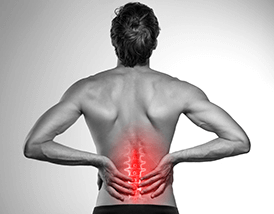
Chronic back pain is the second most common condition suffered by adults, surpassed only by the common cold. It is recognized not only as a health problem, but also as a social problem, since it is the most common cause of absenteeism among office workers. In modern industrial society, the number of patients with chronic back pain has gradually increased due to sedentary lifestyles.
Back pain can be prevented by regularly adopting proper posture while sitting and avoiding staying in a single position for a long period of time. Chronic back pain has many causes, which are treated with various methods, such as bed rest, lumbar support devices, traction, thermotherapy, electrical stimulation, massage in most cases, and epidural injections. Surgery also has its place in treating back pain.
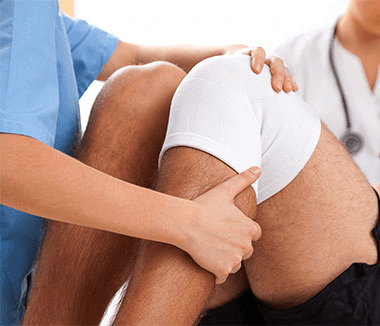
In Shockwave therapy, shock waves are applied to injuries to help with revascularization and to stimulate or reactivate the healing process of connective and bone tissue, thereby relieving pain and improving function. SWT can be used to relieve pain, as well as to improve muscle endurance through appropriate motor stimulation of muscles and tendons with shock waves. Although SWT is currently used to treat diseases of the musculoskeletal system, few studies have examined the effect of SWT on chronic back pain. Therefore, the present study investigated the effects of SWT on patients with chronic back pain.
The present study was conducted with 28 patients (9 men, 19 women, average age 16-75 years) who visited the "K" neurosurgical hospital located in Daegu, Korea. They were classified by the neurosurgeon as having chronic back pain, since the back pain had persisted for 12 weeks or more. The study subjects were divided into an SWT group (n = 13) and a conservative physiotherapy group (CPG) (n = 15).
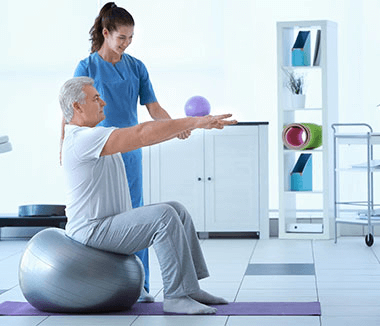
The main complaint of patients with chronic back pain was pain in the gluteal area and the lumbosacral region. Therefore, the regions treated were mainly the quadratus lumborum muscle, the gluteus maximus muscle, the gluteus medius muscle, the gluteus minimus muscle and the piriformis muscle. The CPG group received thermotherapy using hot packs, ultrasound and electrotherapy, using TENS. Both SWT and CPG received treatment twice a week for six weeks, and both groups took part in an exercise program made up of Williams and McKenzie exercises.
This exercise program was carried out in 30-minute sessions, twice a week, for six weeks.
Comparison of pain level between groups
Group | Before | After | ||
ND
| VAS
| GSWT** | 7.2 | 2.5 |
CPG** | 7.6 | 5.5 | ||
The present study was conducted to examine the effects of SWT therapy applied to patients with chronic back pain. Other studies conducted on samples of 20 patients each have shown that:
The comparison on the VAS scale within the SWT group and the CPG group showed improvements after the intervention. But the group undergoing SWT treatment showed a significantly greater improvement. It is believed that SWT works by breaking down calcifications, inducing increases in blood flow and revascularization, stimulating and reactivating the healing process of tendons, surrounding tissues and bones. We believe that the present study showed decreases in VAS as a result of these same processes.
Centrokinetic is the place where you will find answers and clear solutions for your mobility problems. The clinic dedicated to bone and joint conditions is divided into the following specialized departments:
Find out the latest news by following the Facebook and YouTube accounts of the Centrokinetic clinic.
See details
READ MORESee details
READ MORESee details
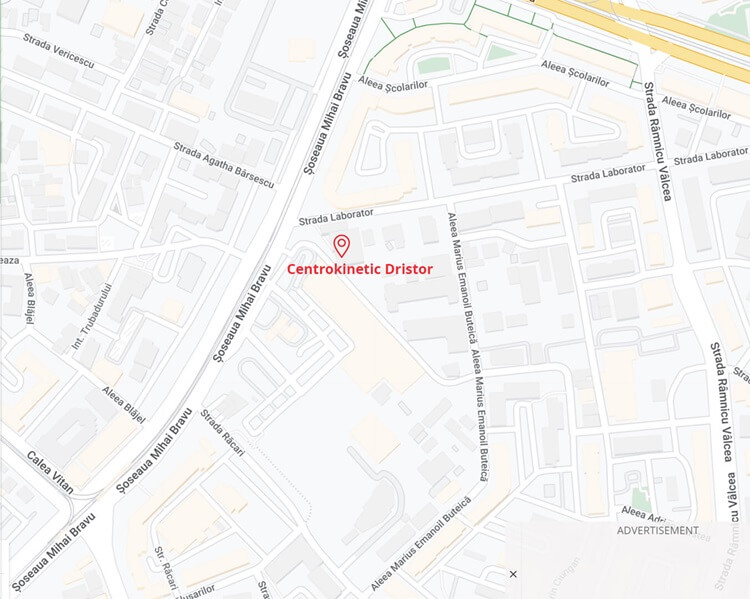
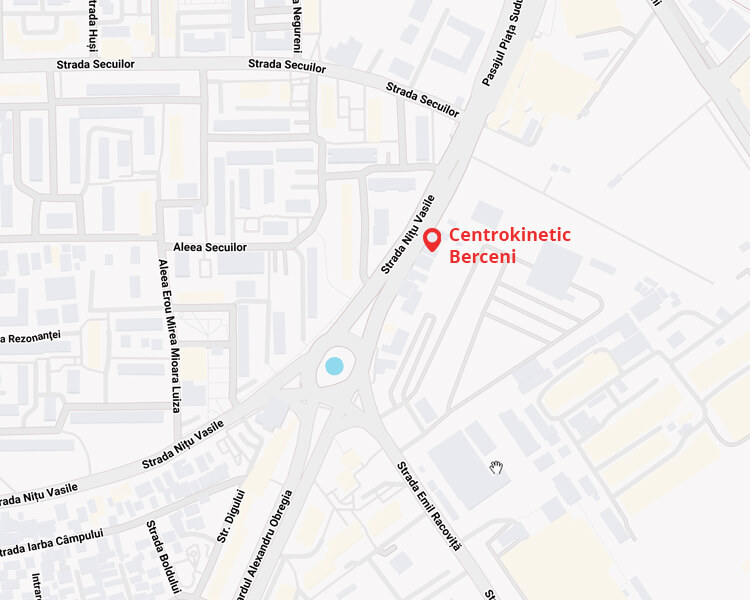
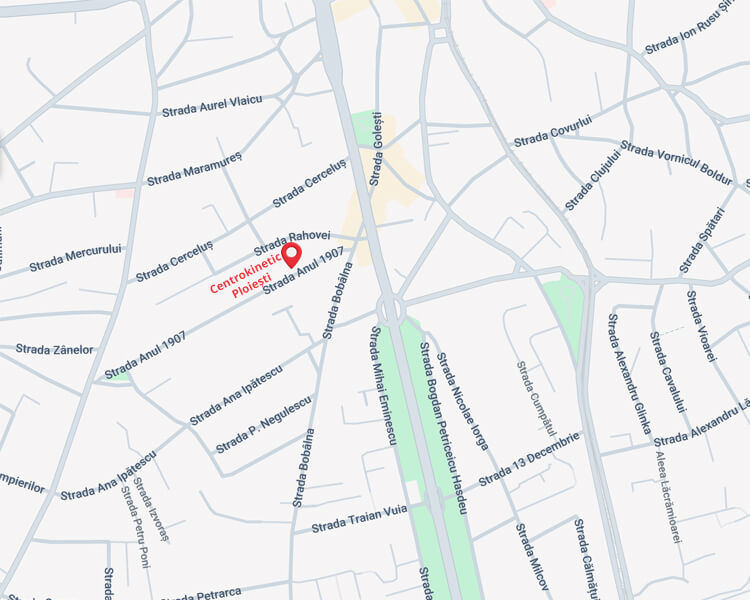
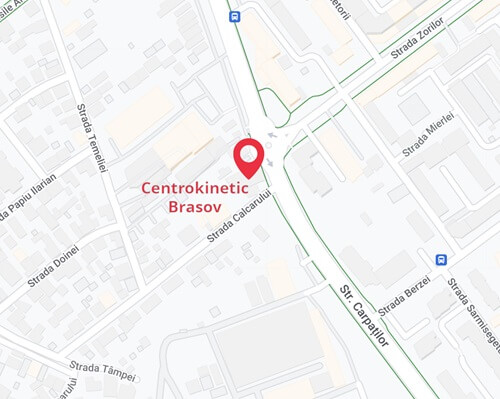
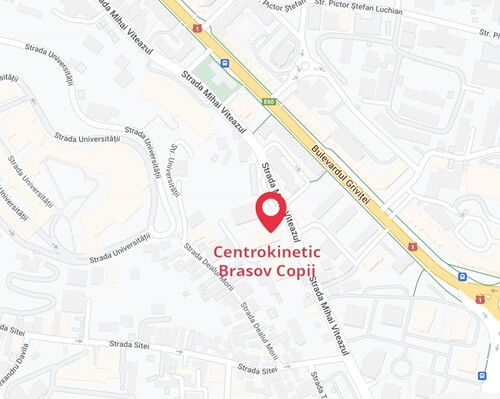
READ MORESee here how you can make an appointment and the location of our clinics.







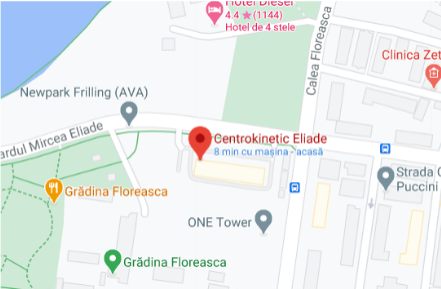
CENTROKINETIC FLOREASCA
Bucharest, 1st District,
Mircea Eliade Street, no. 18,
Eliade Tower, Entrance A, Floor 3
| Navigation | Explore 3D |
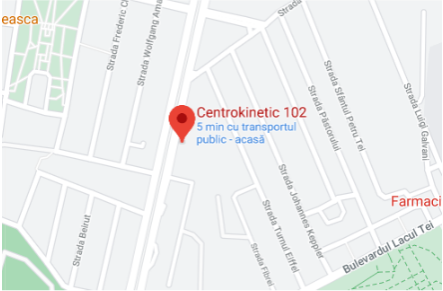
CENTROKINETIC Barbu Vacarescu
Bucharest, 2nd District,
Barbu Vacarescu Street, no. 102,
102 The Address, ground floor.
| Navigation | Explore 3D |
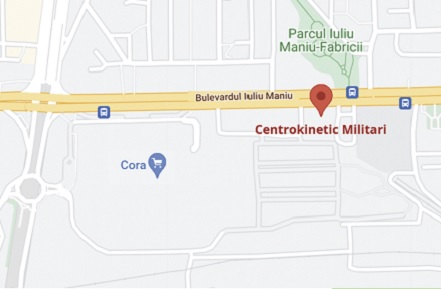
CENTROKINETIC MILITARI
Bucuresti, Sector 6,
Bld. Iuliu Maniu, nr. 15G,
Cladirea PBT, etaj 3.
| Navigation |
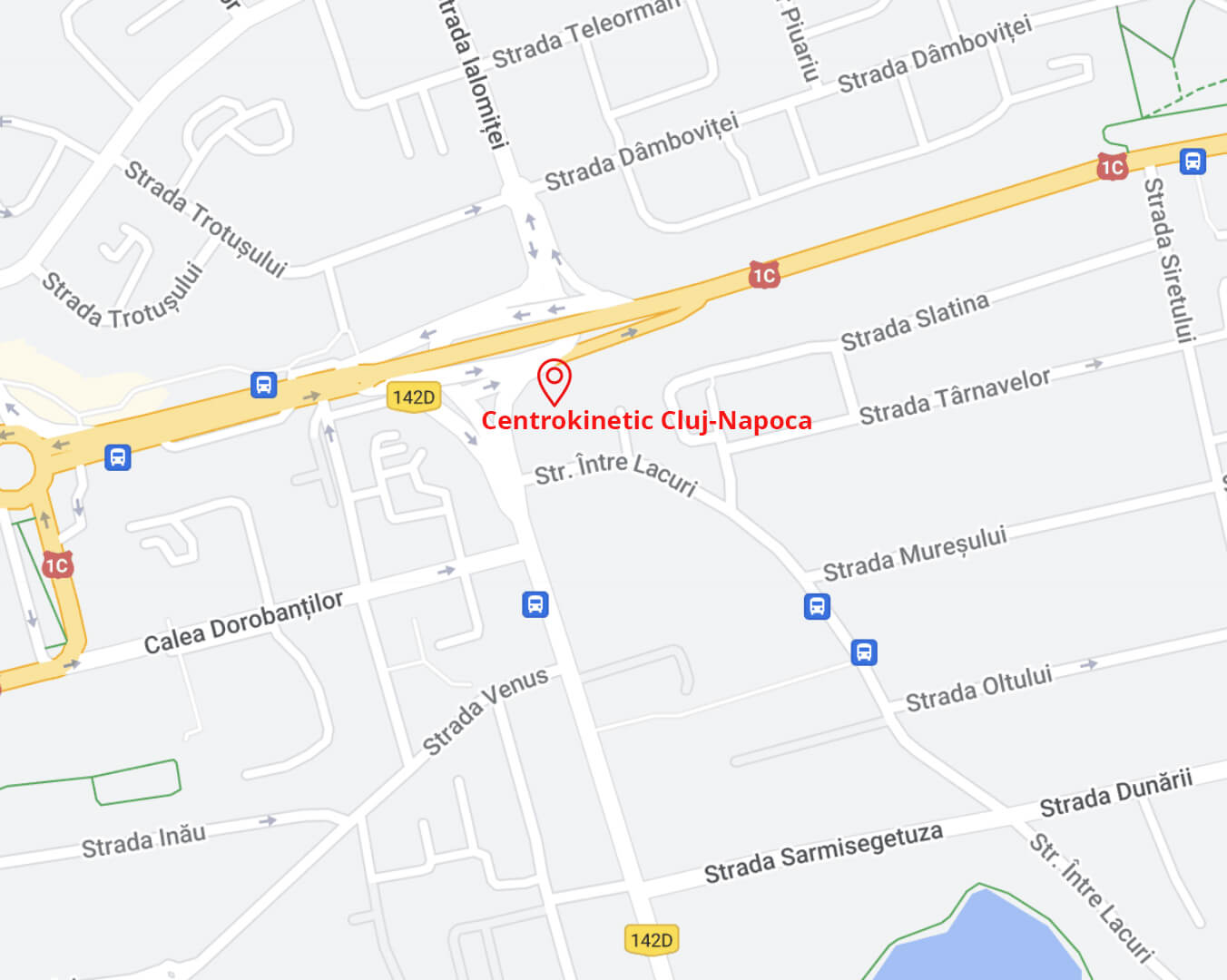
CENTROKINETIC CLUJ-NAPOCA
Cluj-Napoca,
Str. Intre Lacuri, nr.1
Intrarea este in spatele cladirii.
| Navigation |
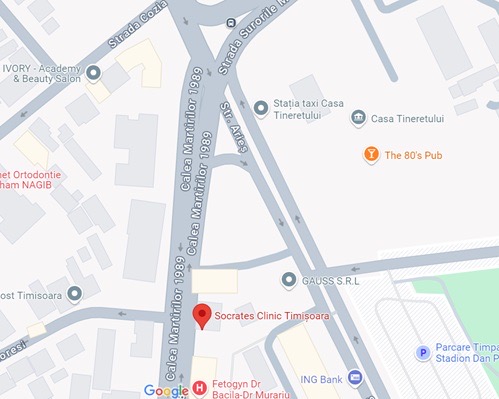
SOCRATES CLINIC TIMISOARA
Timisoara, Calea Martirilor 1989,
nr. 1.
Telefon: 0371 785 374.
| Navigation |
Phone: 0319693
E-mail: programari@centrokinetic.ro
Operating hours:
Monday – Friday: 07:00 – 21:00
Saturday: 09:00 – 14:00
Sunday: closed.
MAKE AN APPOINTMENT