
See details
READ MORE


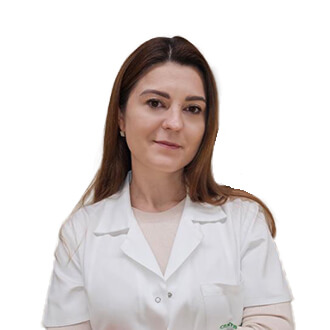
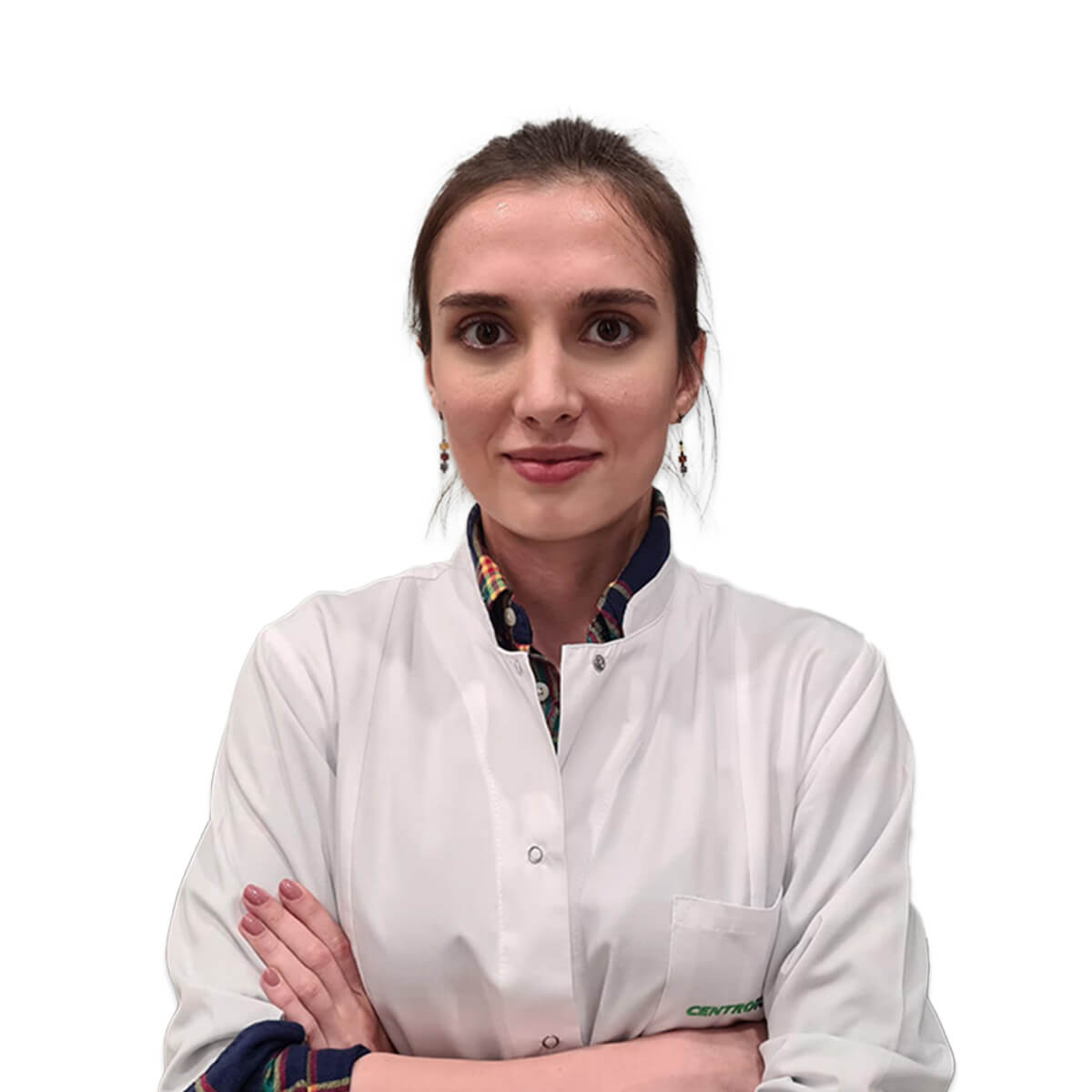
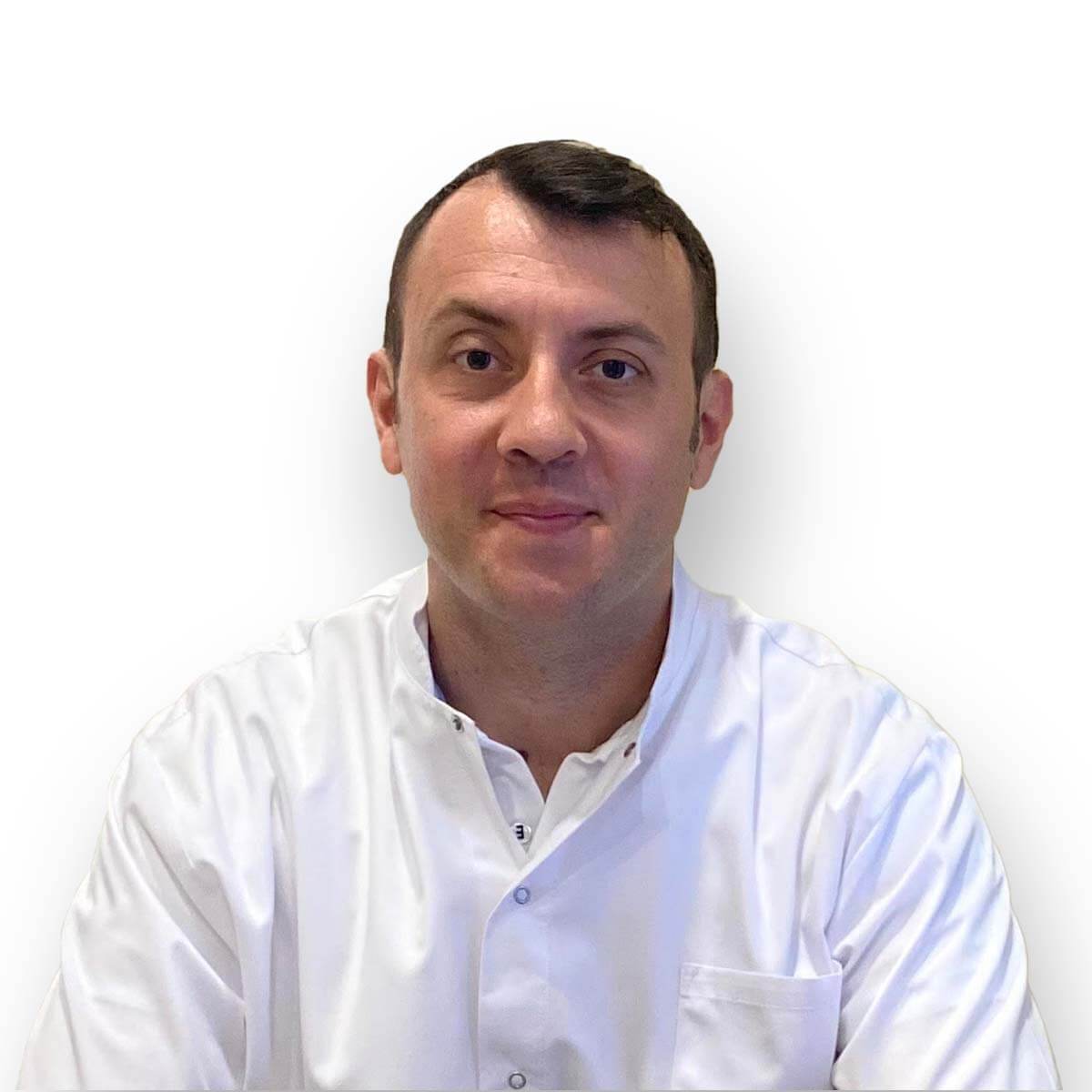
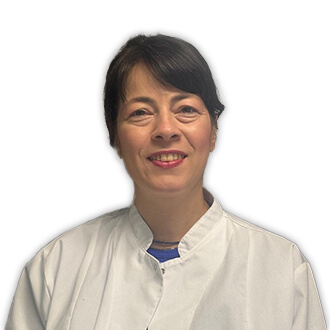
This article was written by Dr. Aursulesei Ruxandra, pediatric neurologist specialist with extensive experience in diagnosing and treating neurological conditions. Pediatric neurology plays an important role in the periodic neurological evaluation of premature infants, as well as of all newborns at risk of developing neurological sequelae, with the goal of early detection and treatment of any impairment of the nervous system.
Syncope represents a sudden loss of consciousness and postural tone, associated with a reduction in the energy supply at the brain level, usually caused by a decrease in either cerebral blood flow, oxygen saturation, or a combination of both causes.
Syncope is, in most cases, of 2 types:
Vasovagal syncope will be presented below.
Centrokinetic is prepared for this specialization with a team of experienced doctors and the necessary equipment for diagnosis, monitoring and treatment. Find out more about pediatric neurology and book an appointment at Centrokinetic here.
Although it is frequently confused with epilepsy, syncope is not epilepsy, nor does it foreshadow the onset of future epilepsy.
Criteria | Syncope | Epileptic seizure |
Position | Usually standing (vasodepressor) | Any position |
Precipitating factors | Crowded places, hunger, unpleasant circumstances | Rare |
Frequency | Less common | Can be frequent |
Time of onset | Daytime | Day or night |
Color | Pallor | Normal or cyanotic |
Aura | Dizziness, lightheadedness, blurred vision | A specific aura is possible |
Onset | Gradual (vasodepressor syncope), occasionally sudden | Sudden or with a short aura |
Autonomic phenomena | Frequent (vasodepressor syncope) | Uncommon |
Duration | Short | Short or prolonged |
Trauma | Rare | May occur |
Tongue biting | Rare, but may occur | Frequent, lateral part of the tongue (generalized tonic-clonic seizure) |
Sphincter incontinence | Rare, but may occur | Frequent |
Motor activity | Hypotonia, in convulsive syncope occasionally a short tonic contraction/a few clonic jerks | Variable, depending on the type of seizure |
Automatisms | No | Can occur in focal seizures; |
Recovery | Rapid | Often slow |
Postictal manifestations | Rare, but may occur | Occurs in generalized tonic-clonic seizures |
EEG appearance | Normal | Epileptiform changes |
Head-up tilt table test ("head-up tilt table test") | Positive | Negative |
Prolactin secretion | Rarely increased | Frequently increased in generalized tonic-clonic seizures; |
("Pediatric Neurology", Assoc. Prof. Dr. Dana Craiu)
Yes.
Syncopal episodes can persist for life.
The problems that appear after a syncopal event are those related to the trauma sustained at the moment of losing postural tone, and not to the syncope itself.
Most often, dizziness, a feeling of "lightheadedness", nausea or blurred vision precede syncope. Some people say they "see black in front of their eyes".
Prolonged standing, sudden changes in position, and dehydration should be avoided, and it is recommended to keep regular mealtimes. It is recommended that standing up be done gradually, not suddenly.
If the warning signs appear, the child should sit down, in order to avoid losing consciousness.
Centrokinetic is prepared for this specialization with a team of experienced doctors and the necessary equipment for diagnosis, monitoring and treatment. Find out more about pediatric neurology and book an appointment at Centrokinetic here.
See details
READ MORESee details
READ MORESee details
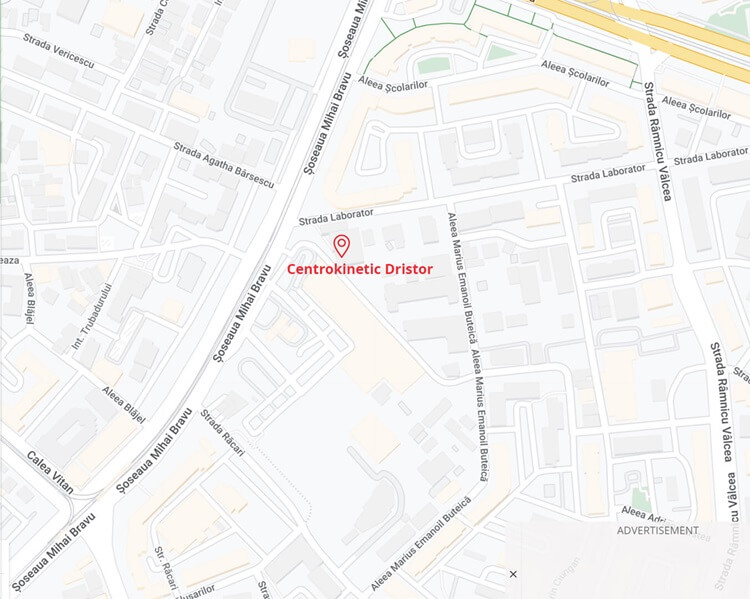
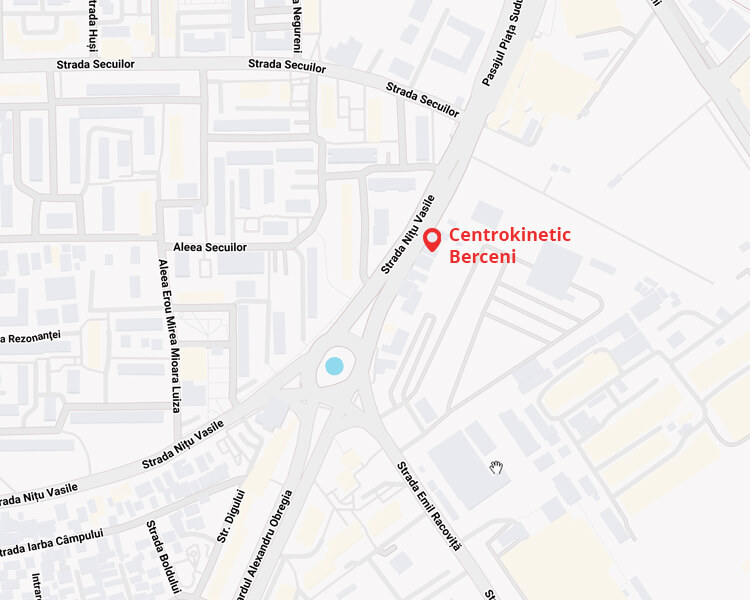
READ MORESee here how you can make an appointment and the location of our clinics.








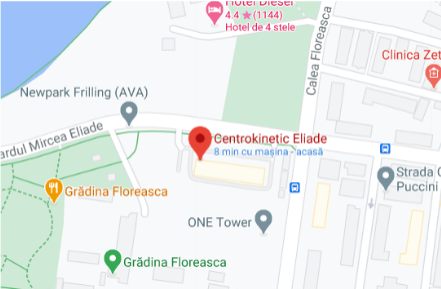
CENTROKINETIC FLOREASCA
Bucharest, 1st District,
Mircea Eliade Street, no. 18,
Eliade Tower, Entrance A, Floor 3
| Navigation | Explore 3D |
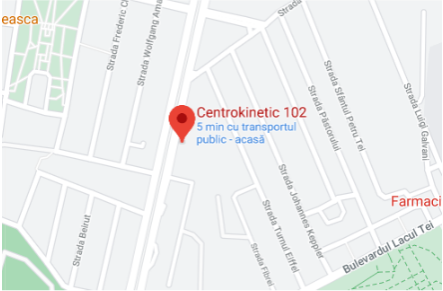
CENTROKINETIC Barbu Vacarescu
Bucharest, 2nd District,
Barbu Vacarescu Street, no. 102,
102 The Address, ground floor.
| Navigation | Explore 3D |
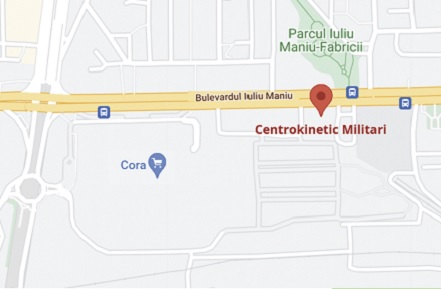
CENTROKINETIC MILITARI
Bucuresti, Sector 6,
Bld. Iuliu Maniu, nr. 15G,
Cladirea PBT, etaj 3.
| Navigation |
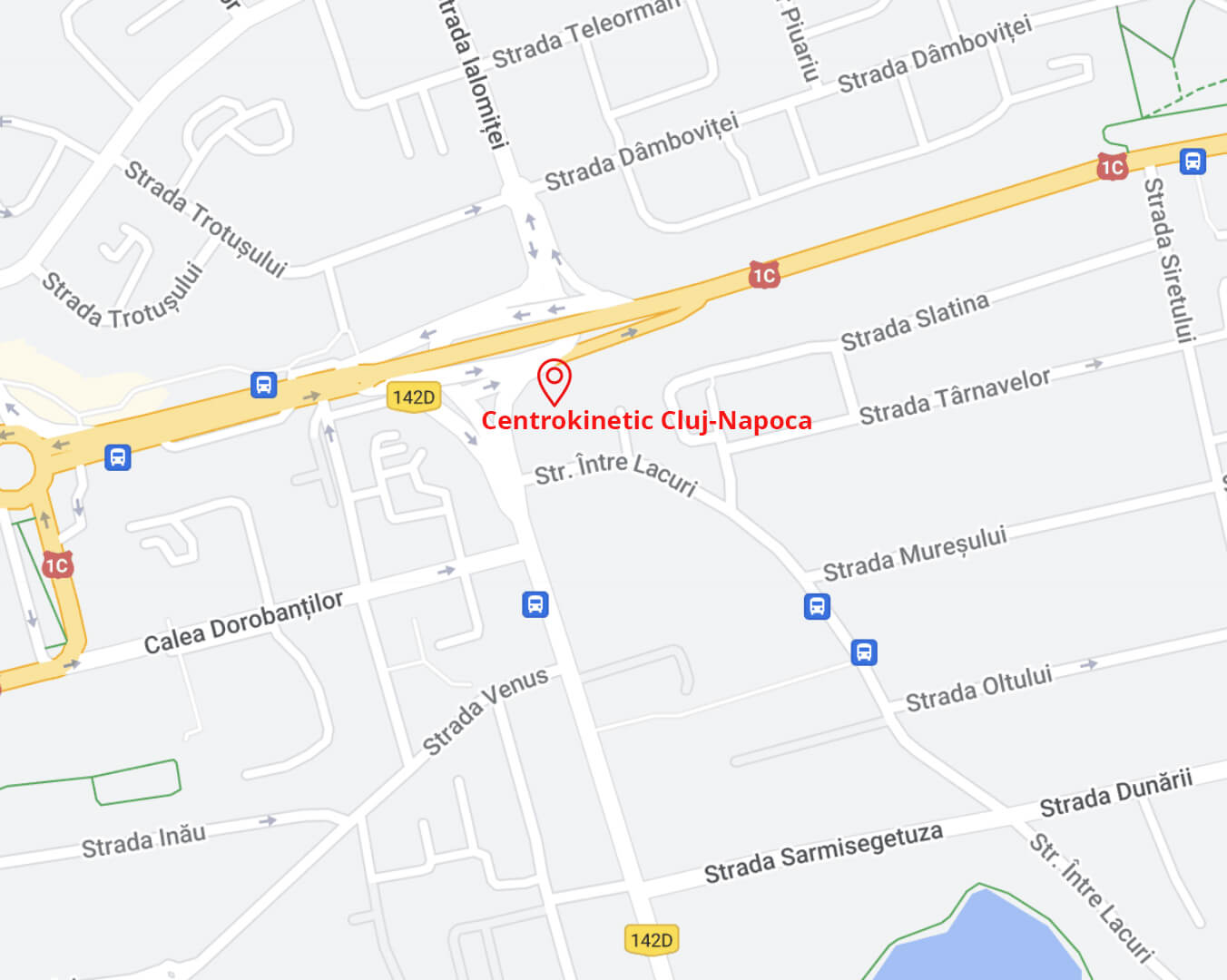
CENTROKINETIC CLUJ-NAPOCA
Cluj-Napoca,
Str. Intre Lacuri, nr.1
Intrarea este in spatele cladirii.
| Navigation |
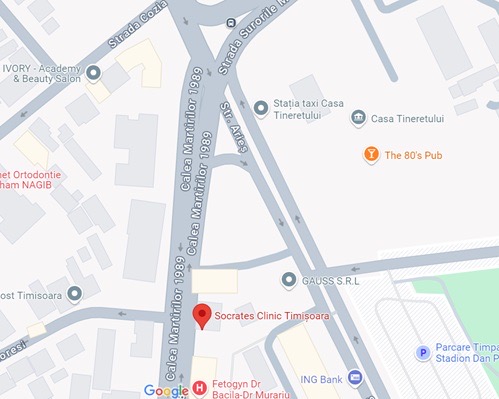
SOCRATES CLINIC TIMISOARA
Timisoara, Calea Martirilor 1989,
nr. 1.
Telefon: 0371 785 374.
| Navigation |
Phone: 0319693
E-mail: programari@centrokinetic.ro
Operating hours:
Monday – Friday: 07:00 – 21:00
Saturday: 09:00 – 14:00
Sunday: closed.
MAKE AN APPOINTMENT