
See details
READ MORE


For parents, nocturnal enuresis causes frustration and concern. For the child, it creates shame and fear of being scolded or compared to others. If you are a parent, you want clear and effective solutions. If you are an active adult or a patient concerned about health, you are interested in the medical mechanisms behind the condition. In both situations, a proper evaluation makes the difference.
Current data show that enuresis is common in early school-age children and, in most cases, has physiological rather than behavioral causes. The child does not do this intentionally. Early intervention reduces emotional impact and increases the chances of stable bladder control. Here is what you need to know.
Nocturnal enuresis refers to involuntary urination during sleep in a child older than 5 years, occurring at least twice a week for a minimum of three months.
Specialists classify the condition as follows:
If you notice symptoms during the day as well, the evaluation should be more extensive. In these cases, the physician focuses on possible urological or neurological causes.
Approximately 15% of 5-year-old children experience nocturnal enuresis. The percentage decreases each year, and only 1% of adults continue to have episodes. Boys are affected more often than girls. However, every child has their own pace of bladder control maturation.
Although many cases resolve spontaneously, do not wait for years if episodes are frequent or if the child is emotionally affected. A proper evaluation provides direction and reduces uncertainty.
Enuresis results from the interaction of multiple factors. There is rarely a single cause.
Some children secrete lower amounts of vasopressin, the hormone that reduces urine production during sleep. The kidneys continue to produce large volumes of urine, and the bladder cannot cope. This mechanism explains why a child may wet the bed with a large amount of urine even after going to the bathroom before bedtime.
The bladder may have a small functional capacity or may contract involuntarily. Chronic constipation worsens the situation. A full colon compresses the bladder and reduces the available space for urine storage.
If you notice infrequent, hard stools or pain during bowel movements, discuss this with a physician. Treating constipation often improves enuresis as well.
Some children sleep very deeply. The brain does not respond to the signal sent by a full bladder. The child does not wake up, and urination occurs involuntarily. This is one of the most common mechanisms in primary enuresis.
The physician must rule out conditions such as:
In selected cases, the physician may recommend additional investigations, including electromyography, to evaluate nerve function. Secondary enuresis always requires identification of a triggering cause: infection, major stress, environmental change, or systemic disease.
Yes. Studies show that the risk increases if one or both parents had enuresis during childhood. If both parents were affected, the probability is higher for the child. Genetic predisposition does not mean inevitable progression. Early intervention and a personalized approach increase the chances of rapid control.

Diagnosis begins with a detailed discussion. The physician asks about:
The clinical examination includes basic abdominal and neurological assessment. If a neurological cause is suspected, you may consult pediatric neurology specialists who assess nervous system maturation and bladder-sphincter coordination.
Investigations may include:
The benefit of a proper evaluation is clear: you avoid unnecessary treatments and choose the right solution for the actual cause.
Consult a physician if the following occur:
Do not delay evaluation in these situations.
Treatment is adapted to the child’s age, type of enuresis, and identified cause. The medical team establishes a personalized plan.
Recommendations include:
Use a dry-night calendar and set realistic goals. Involving the child increases adherence to treatment.
Certain substances reduce nighttime urine production. The physician may prescribe treatment and recommend evening fluid restriction to prevent possible complications.
The effect appears quickly, but relapse is possible after discontinuation. Therefore, the physician periodically reassesses the need for continuation. Do not administer medication without medical recommendation.
In certain cases, pelvic floor training helps improve bladder control. The physiotherapist teaches the child how to properly contract and relax the pelvic floor muscles. You can consult the guide on Kegel exercises to better understand the basic principles. This approach is especially useful when daytime symptoms are also present.
Avoid:
Emotional support matters. The child needs confidence, not pressure.
Data show that approximately 15% of children outgrow this problem each year without intervention. Most cases have a favorable evolution.
Secondary enuresis often resolves after treating the underlying cause. Therefore, correct identification of the triggering factor is a priority. Early intervention reduces the risk of anxiety and social isolation. Children often avoid camps or sleepovers due to fear of another episode. Support them actively.
Schedule a consultation if:
No. Enuresis is a physiological issue related to bladder control maturation and arousal mechanisms. Punishment does not address the cause and negatively affects self-esteem.
It depends on the cause and the chosen method. Medication works quickly but requires monitoring. In most cases, improvement is gradual.
Yes. Protective products improve comfort and reduce family stress. Explain to the child that this is a temporary measure. Continue following the treatment plan established by the physician.
At Centrokinetic, the medical team provides comprehensive evaluation and a personalized approach based on international guidelines and current scientific evidence. Schedule your specialist consultation now.
Disclaimer: This material is for informational purposes only and does not replace medical consultation. Nocturnal enuresis may have different causes, and treatment depends on the child’s age, associated symptoms, and medical history. Do not administer medication or apply severe fluid restrictions without specialist recommendation.
[1] “Bedwetting (Nocturnal Enuresis) Causes & Treatment.” Cleveland Clinic, 30 Aug. 2023.
[2] Arda, Ersan, et al. “Primary Nocturnal Enuresis: A Review.” Nephro-Urology Monthly, vol. 8, no. 4, 31 May 2016, pmc.ncbi.nlm.nih.gov/articles/PMC5039962/.
See details
READ MORESee details
READ MORESee details
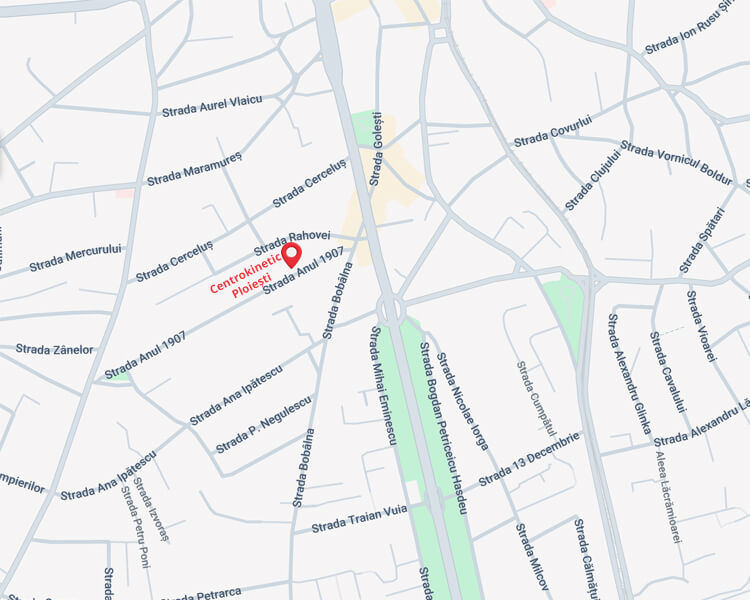
READ MORESee here how you can make an appointment and the location of our clinics.








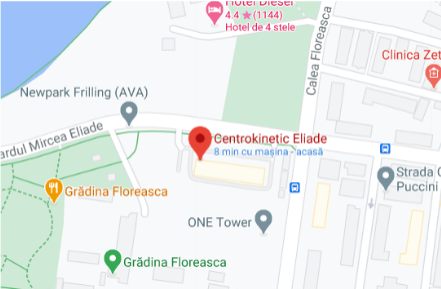
CENTROKINETIC FLOREASCA
Bucharest, 1st District,
Mircea Eliade Street, no. 18,
Eliade Tower, Entrance A, Floor 3
| Navigation | Explore 3D |
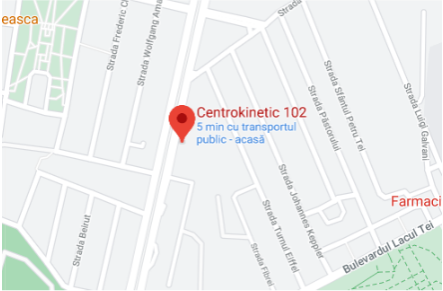
CENTROKINETIC Barbu Vacarescu
Bucharest, 2nd District,
Barbu Vacarescu Street, no. 102,
102 The Address, ground floor.
| Navigation | Explore 3D |
CENTROKINETIC MILITARI
Bucuresti, Sector 6,
Bld. Iuliu Maniu, nr. 15G,
Cladirea PBT, etaj 3.
| Navigation |
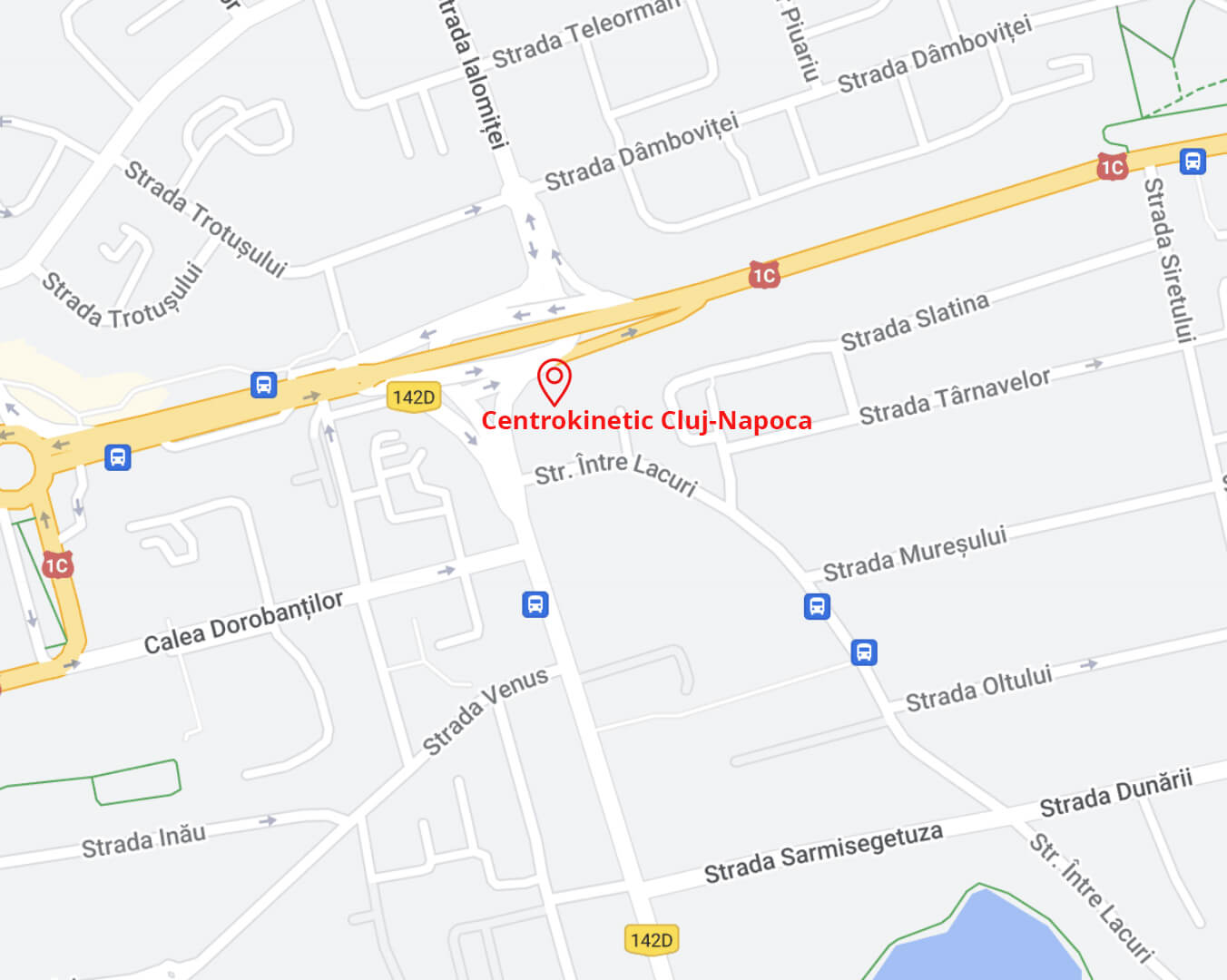
CENTROKINETIC CLUJ-NAPOCA
Cluj-Napoca,
Str. Intre Lacuri, nr.1
Intrarea este in spatele cladirii.
| Navigation |
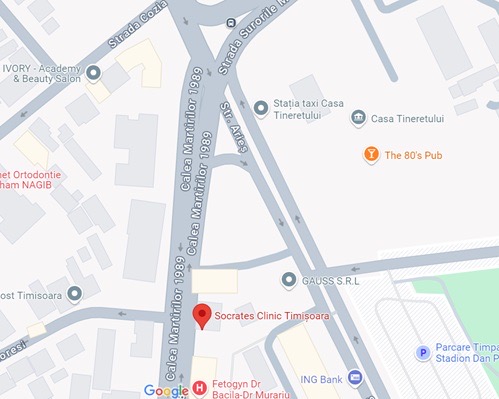
SOCRATES CLINIC TIMISOARA
Timisoara, Calea Martirilor 1989,
nr. 1.
Telefon: 0371 785 374.
| Navigation |
Phone: 0319693
E-mail: programari@centrokinetic.ro
Operating hours:
Monday – Friday: 07:00 – 21:00
Saturday: 09:00 – 14:00
Sunday: closed.
MAKE AN APPOINTMENT