FAQ: 15 frequently asked questions about therapeutic massage at Centrokinetic (pain, contraindications, prices)


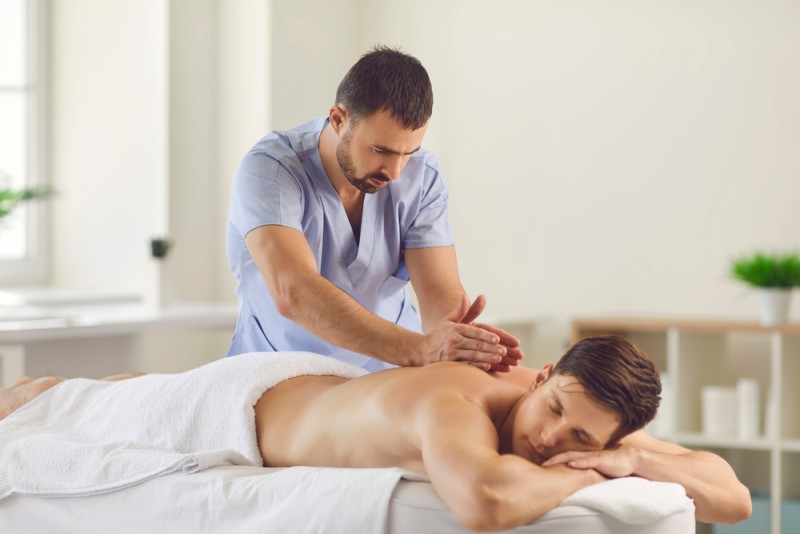 FAQ: 15 frequently asked questions about therapeutic massage at Centrokinetic (pain, contraindications, prices)
Back pain felt after long days at the office, contractures that appear after intense workouts, or discomfort during the post-operative recovery period can limit your daily activities. Many patients wonder whether therapeutic massage can help them, how long the treatment lasts, and what results they can realistically obtain.
Therapeutic massage is part of modern medical recovery plans and is aimed at active adults, athletes, people with orthopedic conditions, and patients in recovery. Below you will find detailed answers to the most frequent 15 questions, so that you can make an informed decision. Here is what you need to know!
1. What is therapeutic massage and how does it differ from relaxation massage?
Therapeutic massage involves the application of manual techniques to the muscles, tendons, and ligaments with a clear medical objective: reducing pain and improving mobility. It is used as part of a personalized recovery plan, established after an assessment.
Relaxation massage mainly aims to diminish stress. In contrast, therapeutic massage targets a precise problem, such as low back pain or paravertebral contracture after a herniated disc.
According to studies, integrating massage into a complex recovery program increases the effectiveness of the treatment for musculoskeletal pain. That is why, at Centrokinetic, we frequently combine therapeutic massage with physiotherapy or physical therapy.
2. For what types of pain is it recommended?
Therapeutic massage helps in most cases of muscular and joint pain of a mechanical cause. Specialists in medical recovery frequently recommend it for:
- lumbar, dorsal, or cervical pain;
- muscle contractures after intense effort;
- recovery after sprains and strains;
- tension headaches associated with the cervical muscles;
- joint stiffness in athletes.
For example, an amateur runner who complains of pain on the back of the thigh after increasing the training volume can benefit from massage combined with specific exercises.
Massage can reduce muscle tension and improve local circulation, factors that contribute to the relief of pain.
3. Is therapeutic massage painful?
The discomfort depends on the treated area and the degree of contracture. In the presence of muscle nodules, you may feel a more intense pressure, in which case the therapist will adjust the force applied. Communicate what you feel. A bearable sensation of tension is acceptable. Sharp pain is not.
After the session, you may feel slight muscle soreness for 24–48 hours. These reactions are common and pass spontaneously when the procedure is performed correctly.
4. How long does a session take?
The duration varies depending on the treated area. For a segmental area, such as the lumbar region, 30–40 minutes may be enough. For larger areas, the time can reach one hour.
In the acute phases, the specialist may recommend 2–3 sessions per week, then a reduction in frequency as the symptoms improve. The doctor establishes the suitable scheme after an assessment.
5. How many sessions are needed to obtain results?
Some patients feel relief even after the first session. However, for stable results, generally 5–10 sessions are needed.
In the case of chronic pain, such as persistent low back pain lasting more than 3 months, the program may include 10–15 sessions combined with therapeutic exercises. Studies show that manual therapies applied consistently reduce the recurrence rate in chronic low back pain. Consistency matters. Sporadic sessions do not offer the same effect as a well-structured plan.
6. What types of massage are available?
At Centrokinetic we use several techniques, depending on the diagnosis:
- therapeutic massage for the back;
- deep tissue massage for deep contractures;
- sports massage;
- segmental or full massage for the limbs;
- lymphatic drainage.
The choice of technique is made only after a medical assessment.
7. What are the contraindications?
Massage is not indicated in every situation. There are absolute contraindications:
- fever or acute infections;
- thromboses or thrombophlebitis;
- recent fractures;
- open wounds or burns;
- severe osteoporosis.
The relative contraindications include a high-risk pregnancy, severe cardiovascular conditions, or anticoagulant treatment. In these cases, the doctor decides whether and how the procedure can be performed. A correct anamnesis prevents complications. That is why the initial assessment is recommended.
8. Can I have massage if I have a herniated disc?
Yes, but only on the recommendation of the doctor. The specialist must not apply direct pressure on the area with the hernia, but rather work on the contracted muscles around it.
For example, in lumbosciatica, the paravertebral contracture aggravates the pain. The controlled relaxation of these muscles can reduce the pressure on the nerve root. Massage works best integrated with specific exercises and physical therapy.
9. Is massage useful for athletes? 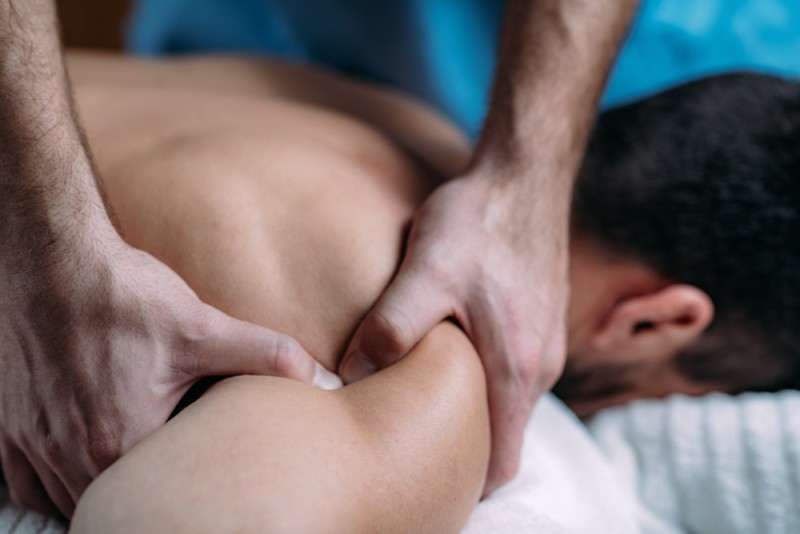
Athletes, whether amateur or professional, use massage for the prevention of injuries and for quick recovery after effort. The benefits include:
- reducing muscle stiffness;
- improving the range of motion;
- shortening the recovery time;
- identifying the tense areas.
Maintaining regular physical activity and preventing injuries can be done through appropriate measures. Massage is part of these measures, alongside warming up and correct training.
10. How do you prepare for the session?
Hydrate well on the previous day. Avoid heavy meals 2 hours before. Wear loose clothes. Inform the therapist about:
- your current medication;
- previous surgeries;
- chronic conditions.
Say exactly where it hurts and since when.
11. What reactions can appear after the massage?
The most frequent reactions are:
- slight muscle soreness;
- a sensation of fatigue;
- local tenderness.
These disappear within 1–2 days. If the pain increases or unusual symptoms appear, contact the doctor. Severe reactions are rare when the procedure is performed by qualified personnel.
12. How much does a session cost?
The prices depend on the type and duration of the massage. Consult the updated list here. The doctor can guide you toward the suitable option.
13. Are there subscriptions or packages?
Yes. The packages of 10 sessions reduce the cost per session and ensure continuity.
The advantages include:
- monitoring progress;
- adjusting the techniques along the way;
- integration with other procedures.
To better understand how massage contributes to recovery, you can also read this material about the benefits of massage.
14. Can it be reimbursed through private insurance?
Certain private insurers may partially cover the costs, depending on the policy. Check directly with your insurer which services are included and what the reimbursement procedure is.
15. How do you make an appointment?
You can make the appointment online or by phone, choosing the location and the desired time slot. We recommend an initial consultation for establishing the correct diagnosis. Early intervention prevents the worsening of the symptoms and shortens the duration of the recovery.
The Centrokinetic medical team includes doctors specialized in recovery, physiotherapists, and therapists with experience in orthopedic conditions and sports traumatology. The approach is personalized for each patient.
Frequently asked questions
Does therapeutic massage replace drug treatment?
No. Massage complements the treatment prescribed by the doctor. Any change in medication is made only on their recommendation.
Can I have massage if I am in post-operative recovery?
Yes, in many cases it helps with reducing stiffness and improving circulation. The doctor establishes the right moment for starting the sessions.
Is massage safe for adolescents or active children?
Massage can be indicated in certain situations, such as contractures after sport. The medical assessment remains mandatory in order to adapt the technique to the age and the diagnosis.
Disclaimer: The article is for informational purposes and does not replace specialist medical consultation. For a personalized plan and a correct assessment, consult a doctor!
Sources of information:
- "Therapeutic Massage: What It Is and 4 Benefits." Cleveland Clinic, 21 Apr. 2025. Accessed on 28 Apr. 2026.
- Vickers, Andrew, et al. "Massage Therapies." Western Journal of Medicine, vol. 175, no. 3, Sept. 2001, p. 202. Accessed on 28 Apr. 2026.
MAKE AN APPOINTMENT
FOR AN EXAMINATION
See here how you can make an appointment and the location of our clinics.
MAKE AN APPOINTMENT
BUCHAREST TEAM





















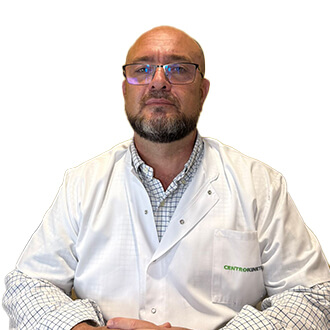






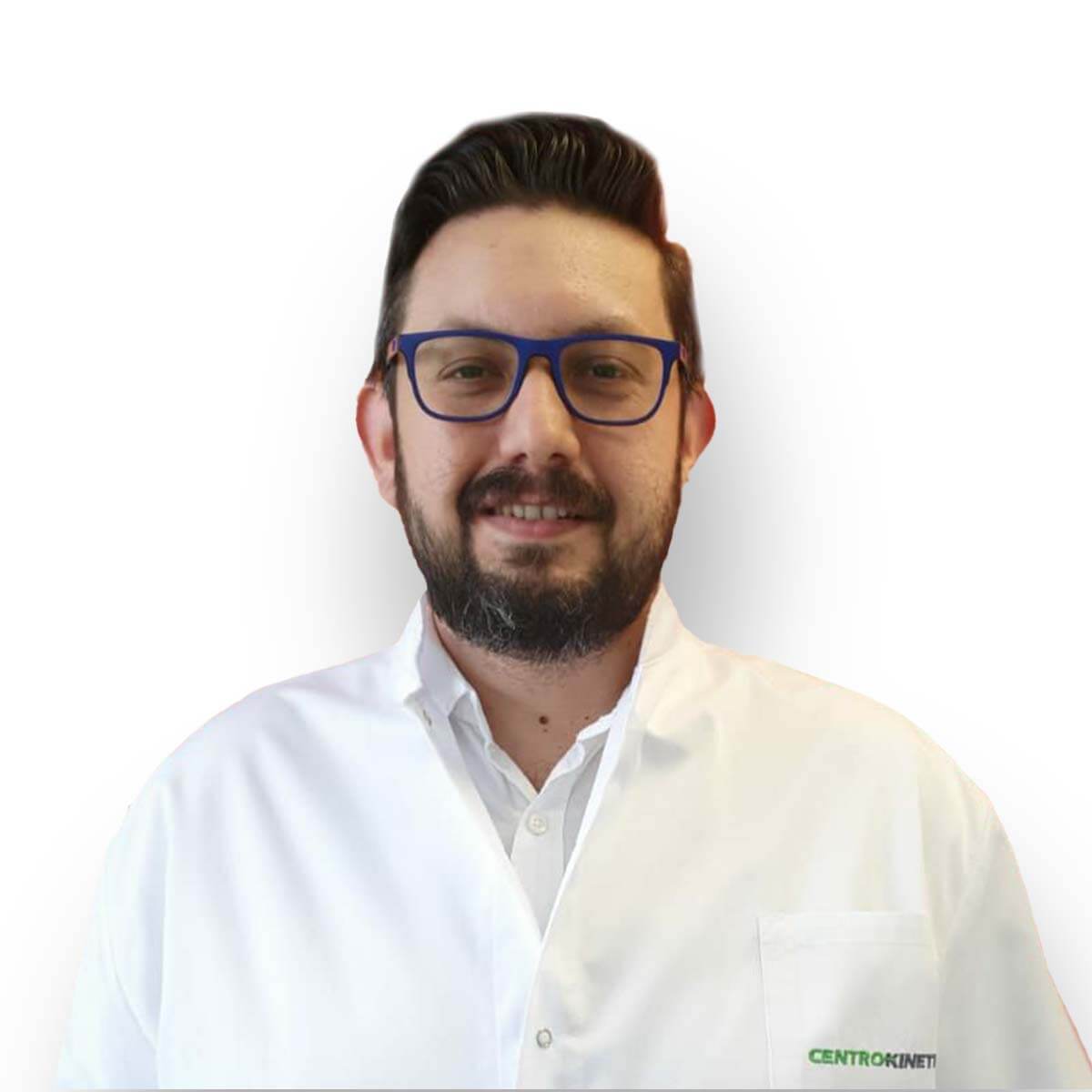







CLUJ NAPOCA TEAM



















BRASOV TEAM











Asiguratori privati




Parteneriate


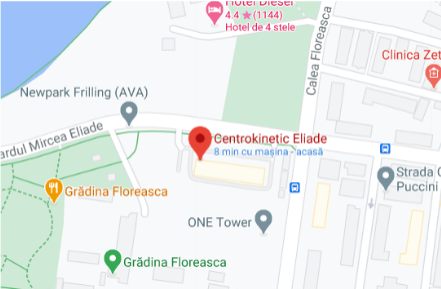
CENTROKINETIC FLOREASCA
Bucharest, 1st District,
Mircea Eliade Street, no. 18,
Eliade Tower, Entrance A, Floor 3
| Navigation | Explore 3D |
CENTROKINETIC Barbu Vacarescu
Bucharest, 2nd District,
Barbu Vacarescu Street, no. 102,
102 The Address, ground floor.
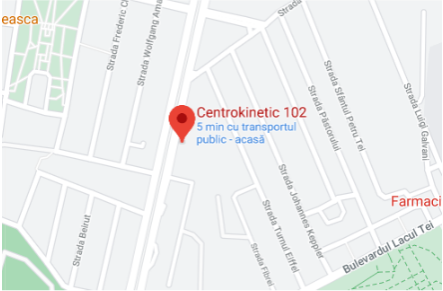
| Navigation | Explore 3D |
CENTROKINETIC MILITARI
Bucuresti, Sector 6,
Bld. Iuliu Maniu, nr. 15G,
Cladirea PBT, etaj 3.
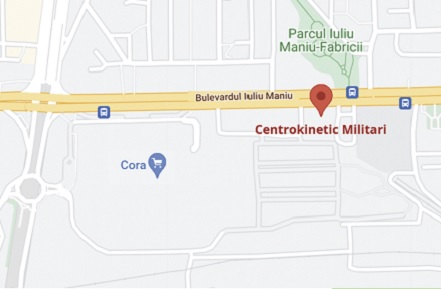
| Navigation |
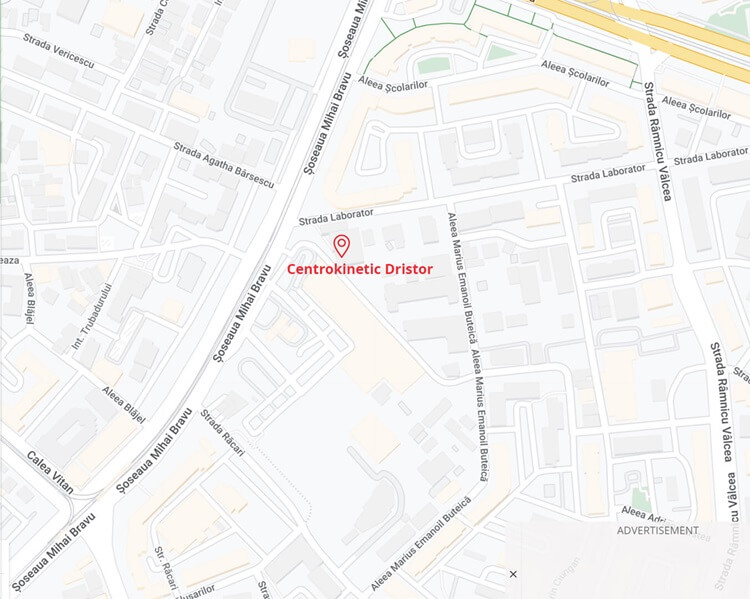
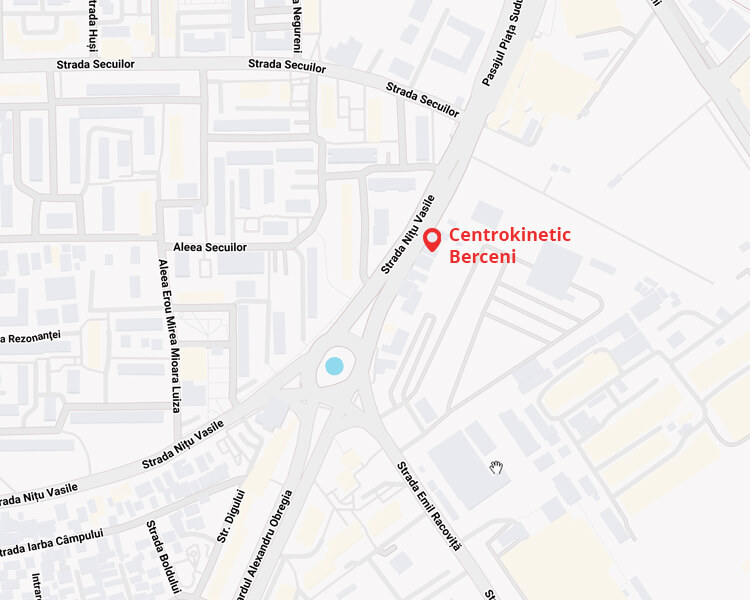
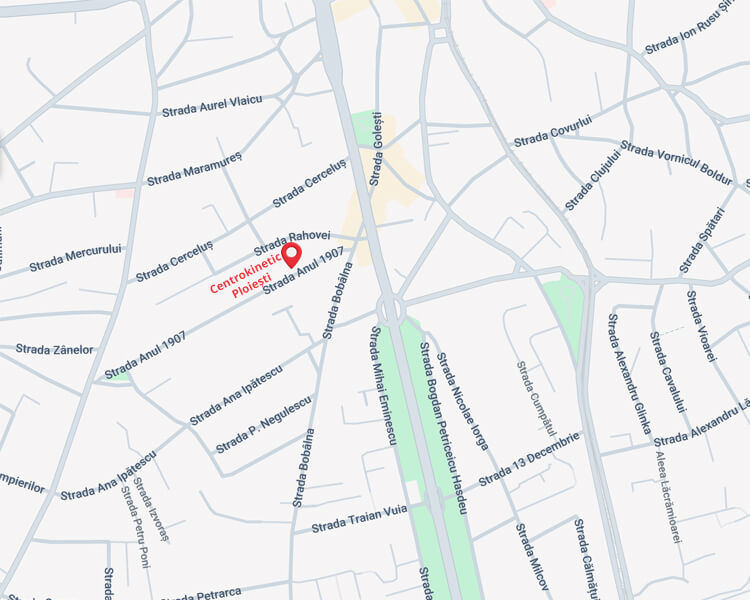
CENTROKINETIC CLUJ-NAPOCA
Cluj-Napoca,
Str. Intre Lacuri, nr.1
Intrarea este in spatele cladirii.
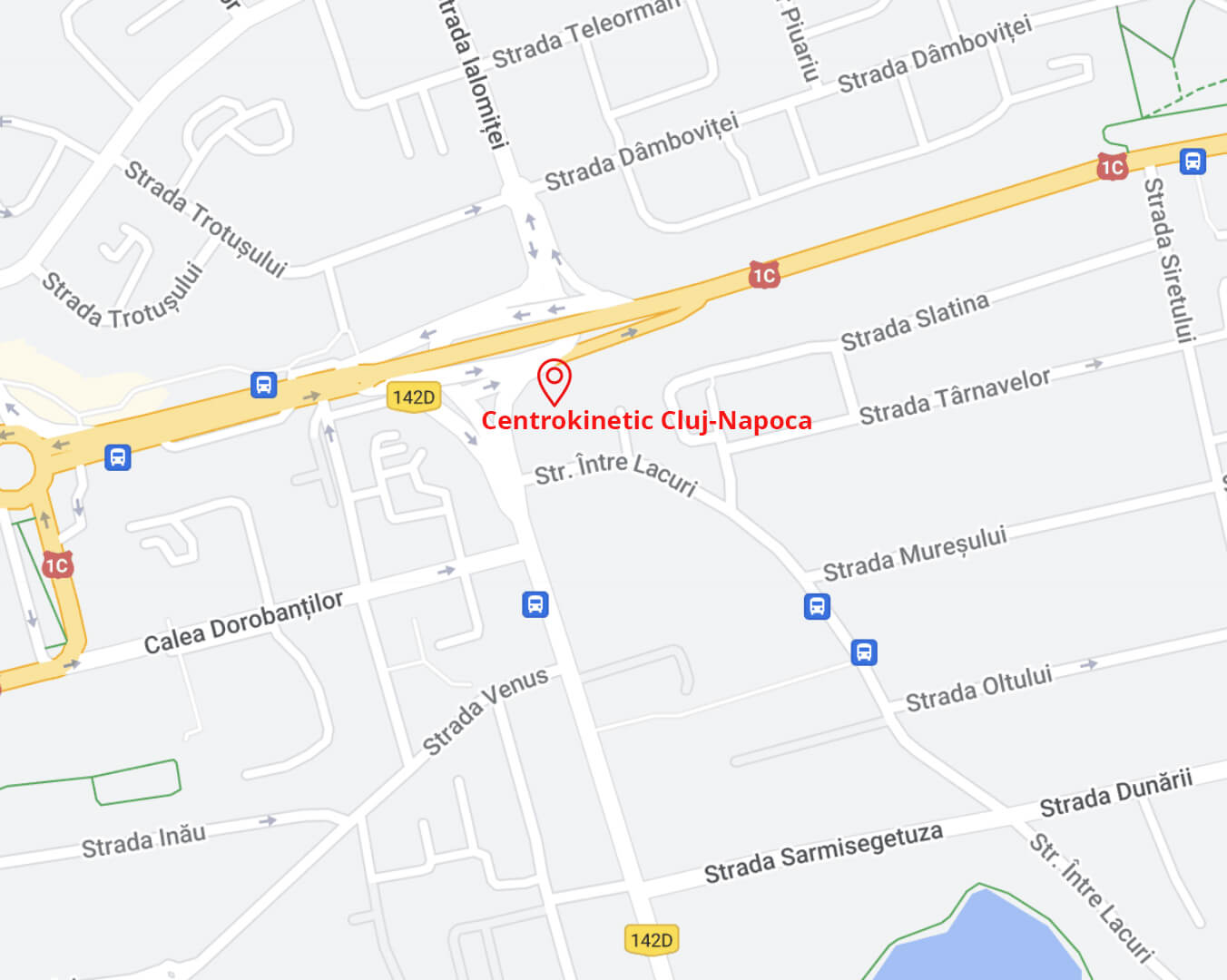
| Navigation |
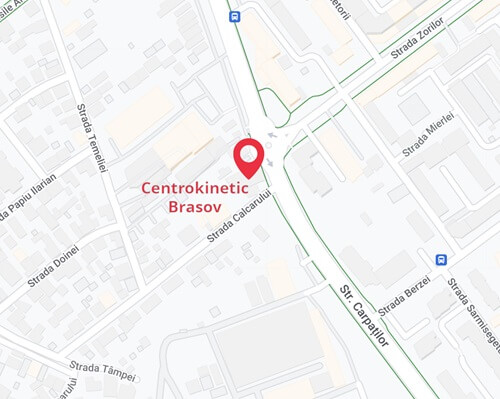
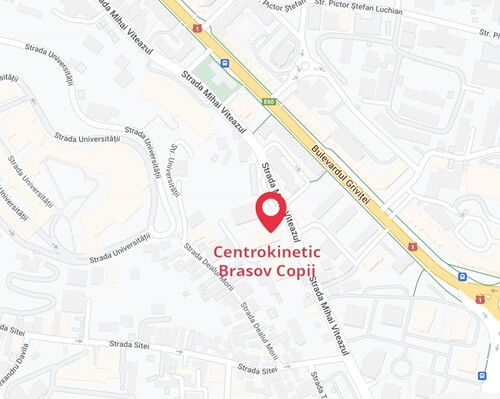
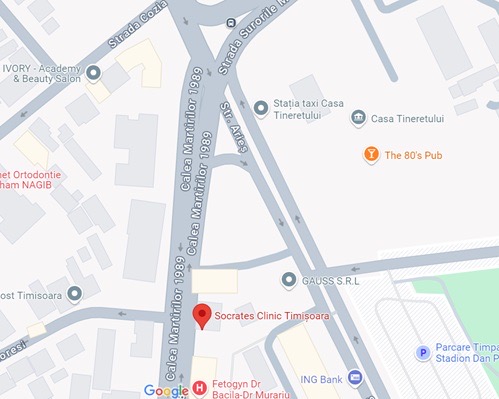
SOCRATES CLINIC TIMISOARA
Timisoara, Calea Martirilor 1989,
nr. 1.
Telefon: 0371 785 374.
| Navigation |
CONTACT
Phone: 0319693
E-mail: programari@centrokinetic.ro
Operating hours:
Monday – Friday: 07:00 – 21:00
Saturday: 09:00 – 14:00
Sunday: closed.
MAKE AN APPOINTMENT