Fibromyalgia



- Introduction
- Symptoms
- Causes
- Complications
- Diagnosis
- Treatment of fibromyalgia
- Preparing for the consultation
Introduction
Fibromyalgia is a condition characterized by widespread musculoskeletal pain, accompanied by fatigue, sleepiness, mood disturbances, and memory problems. Researchers have concluded that fibromyalgia amplifies painful sensations by affecting the way the brain and spinal cord process painful and non-painful signals.
Symptoms usually appear following an event, for example, trauma, surgery, infections, or intense psychological stress. In other cases, symptoms appear over time, without being triggered by a particular event. Women are more prone to developing fibromyalgia than men. Many people who have fibromyalgia experience headaches, temporomandibular joint disorders, irritable bowel syndrome, anxiety, and depression.
Even though there is no cure for fibromyalgia, a wide range of treatments can help control the symptoms. Exercise, relaxation methods, and stress reduction can also improve symptoms.

Main symptoms
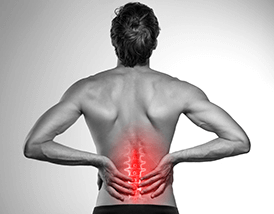
- Widespread musculoskeletal pain - the pain associated with fibromyalgia is often described as a constant pain that lasts at least 3 months. To be considered widespread pain, it must occur in the lower and upper parts of the body at the same time.
- Fatigue - Those affected by fibromyalgia often wake up tired, even though they sleep for long periods. Sleep is usually interrupted by pain, with patients experiencing restless legs syndrome and sleep apnea.
- Cognitive difficulties - fibro fog affects the ability to think and concentrate.
Fibromyalgia and other conditions often coexist, such as:
- Irritable bowel syndrome;
- Chronic fatigue syndrome;
- Migraines and other types of headache;
- Interstitial cystitis or painful bladder syndrome (PBS);
- Temporomandibular joint disorders;
- Anxiety;
- Depression;
- Postural orthostatic tachycardia syndrome.
Causes
There are a few factors that can lead to the onset of fibromyalgia:
- Genetic - since fibromyalgia tends to run from generation to generation, certain genetic mutations may occur that can make the patient more susceptible to this condition.
- Infections - Certain infections can trigger or worsen fibromyalgia
- Emotional or physical trauma - fibromyalgia can be triggered by a physical event, for example, a car accident, or by prolonged psychological stress.
Risk factors:
- Sex - fibromyalgia has a higher incidence among women;
- Family history - You are very likely to develop fibromyalgia if a parent or other relative already has this condition;
- Other conditions - Osteoarthritis, rheumatoid arthritis, or lupus can trigger fibromyalgia.
Complications
The pain, fatigue, and poor sleep quality associated with fibromyalgia can interfere with a person's ability to function, at home or at work. The frustration of coping with an often misunderstood condition can trigger panic attacks.
Diagnosis
In the past, to diagnose this condition, doctors would identify 18 different points on the patient's body, and then press them firmly to check whether pain was triggered. Currently, the new guidelines of the American College of Rheumatology do not require such an examination. The main factor by which fibromyalgia can be diagnosed is pain spread throughout the body, over a period of at least 3 months.
To meet the diagnosis of fibromyalgia, the patient must have pain in 4 of the following 5 areas:
- Left, upper - shoulder, arm, forearm, hand, jaw;
- Right, upper - shoulder, arm, forearm, hand, jaw;
- Left, lower - hip, buttock, thigh, calf, foot;
- Right, lower - hip, buttock, thigh, calf, foot;
- Neck, back, chest, abdomen.
Tests
To rule out other conditions that present similar symptoms, the doctor needs the following blood tests:
- Erythrocyte sedimentation rate;
- Anti-CCP antibodies (cyclic citrullinated peptide);
- Thyroid function test;
- Rheumatoid factor;
- Antinuclear antibodies (ANA);
- Markers for celiac disease;
- Vitamin D.
Treatment
In general, the treatment of fibromyalgia includes medication and personal care strategies, with an emphasis on relieving symptoms and improving the patient's overall condition.
Medications can reduce pain and improve sleep quality. These include:
- Over-the-counter pain relievers, such as acetaminophen, ibuprofen, and naproxen sodium. Opioid medications are not recommended because they can have severe adverse effects and can cause dependence, worsening symptoms over time.
- Antidepressants – duloxetine and milnacipran can relieve fatigue and pain. The doctor may prescribe amitriptyline as a muscle relaxant to improve sleep.
- Antiepileptics – these medications are useful in relieving certain types of pain. Gabapentin often helps relieve symptoms.
Therapies
- Kinesiotherapy - the kinesiotherapist can teach you a variety of exercises that improve strength, flexibility, and endurance. Hydrokinesiotherapy can help in certain situations;
- Occupational therapy - The occupational therapist can help you adjust the space in which you carry out your activity or the way you perform certain tasks, so that the stress on your body is as low as possible;
- Psychological counseling - the psychologist can help you strengthen confidence in your own abilities and can teach you strategies to cope with stressful situations.
Lifestyle and home remedies
Personal care is very important in managing fibromyalgia.
- Stress management - create a plan to avoid overexertion and emotional stress. Set aside time daily for relaxation. This can also mean learning to say "no" to certain requests, without feeling guilty. At the same time, it is important not to completely change your daily routine. People who avoid work or give up on work that day tend to become unproductive. Try stress management techniques, such as breathing exercises or meditation.
- Sleep hygiene - since chronic fatigue is one of the main symptoms of fibromyalgia, good sleep quality is essential. In addition to allocating enough time to sleep, it is good to try to fall asleep and wake up at the same time, thus also giving up daytime sleep.
- Exercise - at first, it may increase pain, but done regularly, it improves symptoms. Running, swimming, cycling, or water aerobics can be included in the exercise program. A kinesiotherapist can help you develop an exercise program to follow at home. Stretching and breathing exercises are very good.
- Be consistent - keep your activity at a steady level. If you work more on days when you feel better, you may then experience longer periods of pain. This does not mean doing less or limiting activity on days when symptoms flare up. Moderation is important.
- Adopt a healthy diet - quit tobacco and limit caffeine intake.
Alternative medicine
Complementary therapies for managing stress and pain are not new. Some, such as meditation and yoga, have been practiced for thousands of years, but have recently become very popular among those who suffer from chronic diseases, such as fibromyalgia.
Many of these treatments relieve pain and reduce stress, some being accepted in conventional medicine.
- Acupuncture - is a traditional Chinese therapy based on restoring the balance of life by inserting fine needles into the skin, at different depths. According to Western theories about acupuncture, the needles inserted into the skin produce changes in blood flow and in neurotransmitters in the brain and spinal cord.
- Massage - is one of the oldest care methods still practiced. It involves different manipulation techniques that move the muscles and soft tissues. Massage improves pulse, relaxes the muscles, improves the range of motion of joints, and can accelerate the production of endorphins.
- Yoga and Tai Chi - these techniques combine meditation, slow movements, and breathing and relaxation exercises. Both have been shown to be helpful in relieving fibromyalgia symptoms.
Preparing for the consultation
Because many symptoms of fibromyalgia are similar to other conditions, you may see many doctors before reaching a final diagnosis. That is why it is important that, before your appointment with your family doctor, you create a list that includes:
- A detailed description of the symptoms you are experiencing;
- Information about conditions you have had in the past;
- Information about family history;
- All the medications and dietary supplements you are currently taking;
- The questions you want to ask your family doctor.
In addition to the physical examination, it is very likely that your family doctor will ask whether you have trouble sleeping or whether you experience depression or anxiety.
IF YOU DON'T ALREADY KNOW ABOUT US
Centrokinetic is the place where you will find clear answers and effective solutions for musculoskeletal conditions. Our clinic, dedicated to musculoskeletal disorders, is organized into the following specialized departments:
- Orthopedics, a department composed of a highly experienced team of orthopedic surgeons specializing in sports traumatology.
- Pediatric Orthopedics, where sports injuries in children (ligament and meniscus injuries), spinal deformities (scoliosis, kyphosis, hyperlordosis), and foot deformities (hallux valgus, hallux rigidus, equinovarus foot, flatfoot, cavus foot) are treated.
- Neurology, featuring a state-of-the-art department where consultations, electroencephalograms (EEG), and electromyography (EMG) examinations are performed.
- Medical Rehabilitation for adults and children, a department specialized in the rehabilitation of professional athletes, spinal disorders, and children with neurological and traumatic conditions. Our extensive experience includes treating more than 5,000 professional athletes.
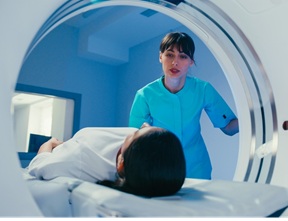
- Medical Imaging, with the clinic equipped with ultrasound and MRI systems dedicated to musculoskeletal conditions, complemented by an experienced radiologist, Dr. Cosmin Pantu, specialized in musculoskeletal imaging.
- Rheumatology, a comprehensive department dedicated to the diagnosis, treatment, and rehabilitation of patients with non-surgical musculoskeletal disorders.
- Vascular Surgery, a highly specialized department focused on the diagnosis and treatment of vascular diseases affecting arteries, veins, and lymphatic vessels.
- Psychology and Speech Therapy. Neurological and musculoskeletal conditions can have a psychological impact on patients, which is why we believe complete recovery requires addressing both the physical condition and its psychological consequences.
- Neurofeedback. This innovative method helps improve concentration, reduce anxiety, and achieve emotional balance through a simple and interactive process.
Stay up to date by following Centrokinetic on Facebook, Instagram, and YouTube.

MAKE AN APPOINTMENT
CONTACT US
MAKE AN APPOINTMENT
FOR AN EXAMINATION
See here how you can make an appointment and the location of our clinics.
MAKE AN APPOINTMENT


BUCHAREST TEAM































































CLUJ NAPOCA TEAM

































BRASOV TEAM























Asiguratori privati





Parteneriate



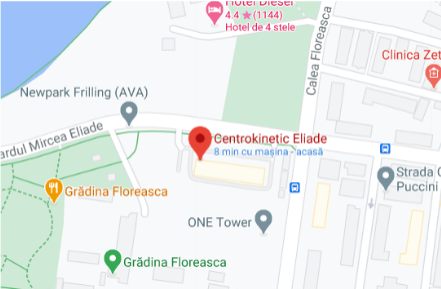
CENTROKINETIC FLOREASCA
Bucharest, 1st District,
Mircea Eliade Street, no. 18,
Eliade Tower, Entrance A, Floor 3
| Navigation | Explore 3D |
CENTROKINETIC Barbu Vacarescu
Bucharest, 2nd District,
Barbu Vacarescu Street, no. 102,
102 The Address, ground floor.
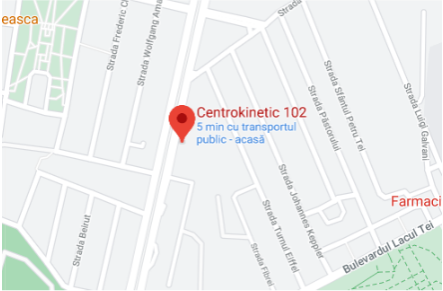
| Navigation | Explore 3D |
CENTROKINETIC MILITARI
Bucuresti, Sector 6,
Bld. Iuliu Maniu, nr. 15G,
Cladirea PBT, etaj 3.
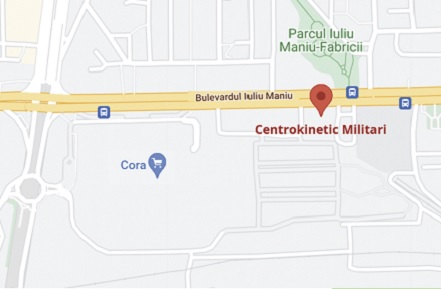
| Navigation |
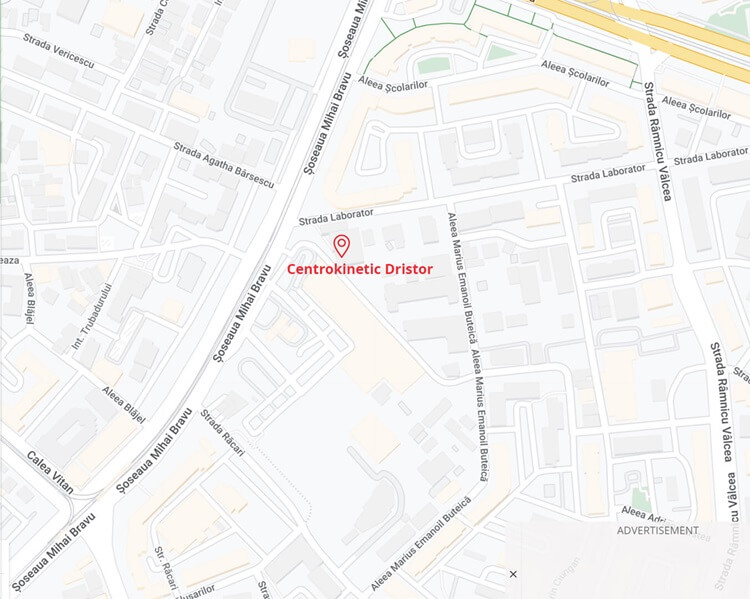
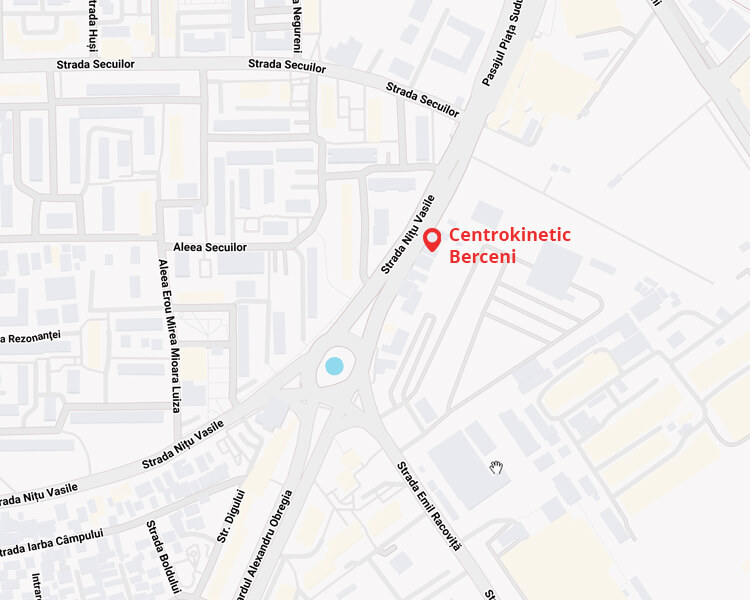
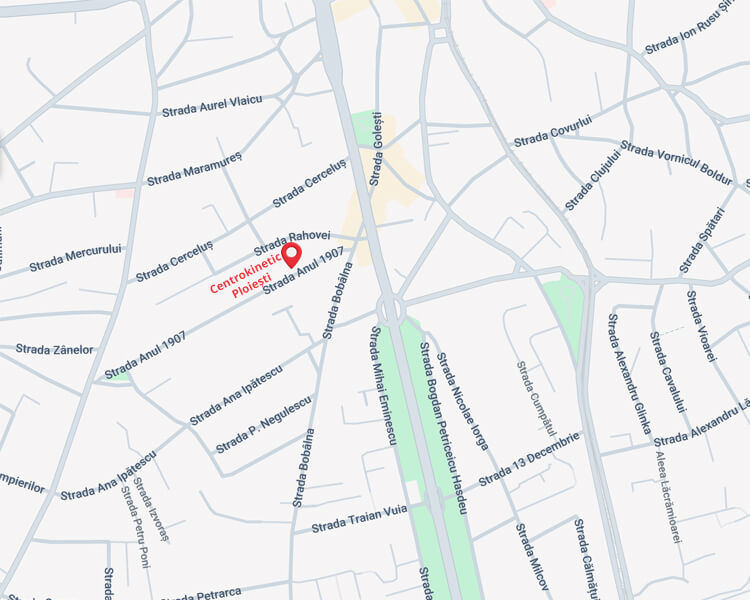
CENTROKINETIC CLUJ-NAPOCA
Cluj-Napoca,
Str. Intre Lacuri, nr.1
Intrarea este in spatele cladirii.

| Navigation |
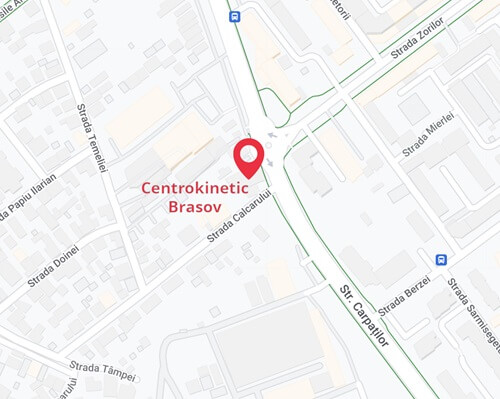

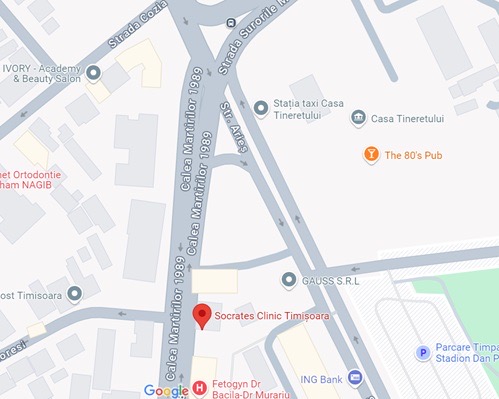
SOCRATES CLINIC TIMISOARA
Timisoara, Calea Martirilor 1989,
nr. 1.
Telefon: 0371 785 374.
| Navigation |
CONTACT
Phone: 0319693
E-mail: programari@centrokinetic.ro
Operating hours:
Monday – Friday: 07:00 – 21:00
Saturday: 09:00 – 14:00
Sunday: closed.
MAKE AN APPOINTMENT