Fibromyalgia: symptoms, causes and how physiotherapy can help manage chronic pain



Fibromyalgia is a syndrome of chronic widespread pain in the body, accompanied by persistent fatigue, unrefreshing sleep and difficulty concentrating. It occurs because the nervous system processes pain signals more intensely, even though tests and imaging investigations usually come back normal. There is no curative treatment, but adapted movement, through physiotherapy, is the intervention with the strongest evidence for controlling symptoms.
What you need to know now about fibromyalgia:
- pain appears in several regions of the body and usually persists for at least 3 months;
- fibromyalgia is not an inflammatory disease and does not damage the joints, muscles or bones;
- adapted exercise is the only therapy that receives a strong recommendation in European guidelines;
- the exercise programme starts from light effort and increases gradually, without overexertion.
What is fibromyalgia?
Fibromyalgia is a syndrome characterised by widespread musculoskeletal pain and increased sensitivity. It is not an inflammatory condition and, in most cases, does not damage the muscles, joints, bones or cartilage.
One of the mechanisms involved is called central sensitisation. The brain and the spinal cord process the signals received from the body more intensely, and the pain threshold drops. Light pressure, cold or ordinary physical activity can cause disproportionate discomfort.
Symptoms vary from one day to another. More stable periods alternate with flare-ups in which pain, fatigue and sleep problems become worse.
What are the symptoms of fibromyalgia?
The main symptoms are chronic widespread pain, persistent fatigue, unrefreshing sleep and cognitive difficulties.
Chronic widespread pain
The pain usually persists for at least 3 months and can be felt as burning, pressure, stabbing, stiffness or deep muscle pain. Frequently affected areas include:
- the neck and shoulders;
- the back and the lower back;
- the hips, thighs and knees;
- the arms and the chest region.
Persistent fatigue
Fatigue does not disappear completely after rest. Walking, shopping, office work or climbing stairs may require more effort than before, and the ability to concentrate may decline.
Unrefreshing sleep
You may have trouble falling asleep, wake up often or feel that sleep does not restore you. Pain affects sleep, and insufficient rest increases sensitivity to pain. Read more about the causes and treatment options for insomnia.
Cognitive difficulties
The so-called “fibro fog” affects attention, short-term memory and the organisation of tasks. You may lose the thread of a conversation or need more time to complete a professional task.
Other manifestations may include morning stiffness, headaches, tingling, sensitivity to noise, light or temperature, digestive disorders, anxiety or depressive symptoms. They can also appear in other conditions, so a medical evaluation is necessary.
What are the causes of fibromyalgia?
Fibromyalgia has no single cause: several biological, genetic and environmental factors usually contribute to its onset. It is not imaginary pain, nor an exclusive consequence of stress.
Associated factors include:
- family predisposition;
- prolonged physical or emotional stress;
- physical or psychological trauma;
- certain infections;
- untreated sleep disorders;
- other chronic pain conditions.
Who is at higher risk of fibromyalgia?
Fibromyalgia occurs more often in women, but it also affects men. The risk increases in the presence of a family history, a rheumatological disease, anxiety or depression. A sedentary lifestyle does not directly cause the syndrome, but it can reduce physical endurance and accentuate limitations.
How does the doctor establish the diagnosis of fibromyalgia?

The diagnosis is established through the medical discussion and the clinical examination, and investigations rule out other causes. The doctor analyses the duration, distribution and intensity of the pain, then evaluates sleep, fatigue, cognitive functions and the impact of the symptoms on everyday life.
| Element assessed | Purpose of the assessment |
|---|---|
| Pain present for more than 3 months | Establishes the chronic nature |
| Regions affected | Distinguishes diffuse pain from localised pain |
| Sleep, fatigue and concentration | Completes the clinical picture |
| Blood tests | Rule out inflammatory, metabolic or thyroid causes |
| Imaging or electromyography | Clarifies joint or neurological suspicions |
Rheumatoid arthritis, hypothyroidism, vitamin D or B12 deficiency, neuropathies and some spinal conditions can cause similar symptoms. An evaluation within the rheumatology service helps the doctor tell these problems apart.
When should you see a doctor?
Schedule an evaluation if diffuse pain lasts more than 3 months, sleep does not rest you or ordinary activities have become difficult to carry out. Early intervention clarifies the diagnosis and reduces the risk of losing physical strength and endurance.
Seek prompt medical attention if the following appear:
- fever, night sweats or unexplained weight loss;
- swollen, red or warm joints;
- progressive weakness or gait disturbances;
- loss of bladder or bowel control;
- chest pain or difficulty breathing;
- thoughts of self-harm.
How is fibromyalgia treated?
Treatment combines education about pain, adapted movement, improved sleep and, if needed, medication. The plan is adapted to age, physical fitness and associated conditions.
Education and realistic goals
Understanding the mechanism of pain can reduce the fear of movement. Set measurable goals together with the specialists, for example 10 minutes of walking, a gradual return to training or doing household chores with planned breaks.
Drug treatment
The doctor may prescribe medication that acts on pain, sleep, anxiety or depression. These can cause drowsiness, dizziness, digestive disorders or other side effects. Do not take painkillers or supplements for a long time without a recommendation.
Non-drug interventions
The specialist may recommend:
- progressive physical activity;
- education for pain management;
- optimisation of the sleep schedule;
- psychotherapy and techniques for stress control;
- physical therapy procedures, adapted to your tolerance.
How does physiotherapy help in fibromyalgia?
Physiotherapy does not cure fibromyalgia, but it reduces stiffness and improves endurance, strength and movement control. European guidelines consider physical exercise the only therapy with a strong recommendation in fibromyalgia.
Common goals are:
- increasing tolerance to effort;
- maintaining joint mobility;
- improving strength and balance;
- correcting postural control;
- reducing fear of movement;
- supporting daily independence.
What does the physiotherapy assessment include?
The physiotherapist analyses the location of the pain, triggering factors, mobility, strength, posture, gait and balance. A correct assessment establishes a safe starting point and prevents the choice of overly demanding exercises.
A personalised approach also matters for athletes, post-surgery patients or people with associated orthopaedic conditions. The expertise of the medical team allows the recommendations of the rheumatologist or the rehabilitation doctor to be correlated with the physiotherapist's observations.
Which exercises can be useful?
A physiotherapy programme may include:
- walking, stationary cycling or exercises in water;
- strength exercises with resistance bands or light weights;
- controlled movements for the neck, shoulders, spine and hips;
- breathing, balance and coordination exercises;
- yoga, Pilates or tai chi, adapted to your physical capacity.
Some heart, neurological or orthopaedic conditions may impose restrictions. Ask for your doctor's approval before a new programme, especially after surgery or after a long period of inactivity.
How do you start exercising without worsening symptoms?
Start from an effort you can repeat, for example a few minutes of walking or light mobilisations, and increase the volume gradually. Do not increase the intensity just because you had a day with fewer symptoms.
The principle of pacing activity means that you:
- alternate effort with planned breaks;
- split large tasks into stages;
- increase only one variable at a time;
- note your body's reaction after the session.
Mild and temporary discomfort may appear at the beginning. Intense pain, prolonged exhaustion or a worsening that lasts a few days show that the programme needs adjusting. During a flare-up, temporarily reduce the duration and intensity, then gradually return to the previous level.
Combining exercises with the procedures recommended by the doctor is part of the physiokinetotherapy plan, which involves adapting each intervention to your tolerance.
Which habits support the management of chronic pain?
Regular sleep, a balanced diet and a symptom diary help you control pain better. Keep consistent sleep hours and limit caffeine, alcohol and screen use in the evening. Schedule an evaluation if you snore heavily or have breathing pauses during sleep.
Eat regular meals and adopt a varied diet. No diet cures fibromyalgia, and unjustified restrictions can cause deficiencies. Note your pain, sleep, stress and movement, then show the notes to your doctor or physiotherapist, so that the team can adjust the plan.
At Centrokinetic, rheumatologists, rehabilitation doctors and physiotherapists work together on a safe plan, adapted to your needs. Book a specialist consultation now!
Frequently asked questions about fibromyalgia
Can fibromyalgia be cured?
There is no single curative treatment. An individualised plan can keep symptoms under control and support mobility in the long term.
Does fibromyalgia affect the joints?
It can cause pain in the joints, but it does not usually produce structural damage. Swollen, red or warm joints require a rheumatology consultation.
Can I exercise if I have fibromyalgia?
Yes, if your doctor does not identify any restrictions. Start gradually and avoid training to exhaustion or sudden increases in volume.
Can I exercise during a flare-up?
Yes, you can do short sessions and light movements, in the absence of contraindications. If symptoms worsen or persist, discuss it with your doctor and your physiotherapist.
Which specialists treat fibromyalgia?
The evaluation may involve the family doctor, the rheumatologist, the rehabilitation doctor, the neurologist, the physiotherapist and the psychologist.
Disclaimer: The information presented is for informational purposes only and does not replace a specialist medical consultation.
Sources:
- Macfarlane, Gary J., et al. "EULAR Revised Recommendations for the Management of Fibromyalgia." Annals of the Rheumatic Diseases, vol. 76, 2017, pp. 318-328, doi:10.1136/annrheumdis-2016-209724. Accessed 14 Nov. 2026.
- "Fibromyalgia: Diagnosis, Treatment, and Steps to Take." National Institute of Arthritis and Musculoskeletal and Skin Diseases, www.niams.nih.gov/health-topics/fibromyalgia/basics/diagnosis-treatment-and-steps-to-take. Accessed 14 Nov. 2026.
BUCHAREST TEAM


































































CLUJ NAPOCA TEAM


































BRASOV TEAM















MAKE AN APPOINTMENT
FOR AN EXAMINATION
See here how you can make an appointment and the location of our clinics.
MAKE AN APPOINTMENT
Asiguratori privati





Parteneriate



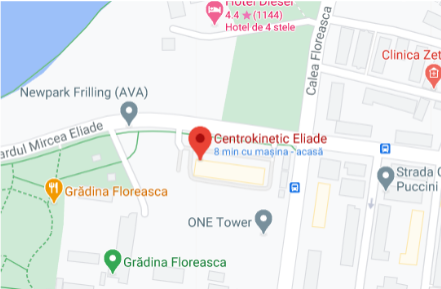
CENTROKINETIC FLOREASCA
Bucharest, 1st District,
Mircea Eliade Street, no. 18,
Eliade Tower, Entrance A, Floor 3
| Navigation | Explore 3D |
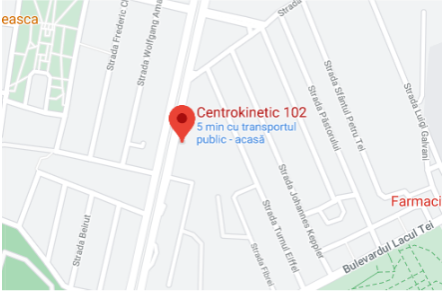
CENTROKINETIC Barbu Vacarescu
Bucharest, 2nd District,
Barbu Vacarescu Street, no. 102,
102 The Address, ground floor.
| Navigation | Explore 3D |
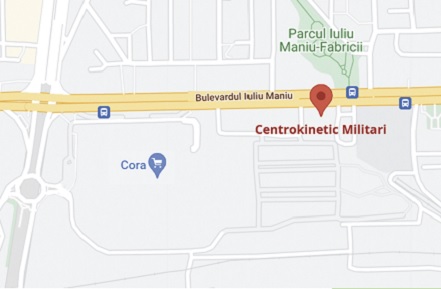
CENTROKINETIC MILITARI
Bucuresti, Sector 6,
Bld. Iuliu Maniu, nr. 15G,
Cladirea PBT, etaj 3.
| Navigation |
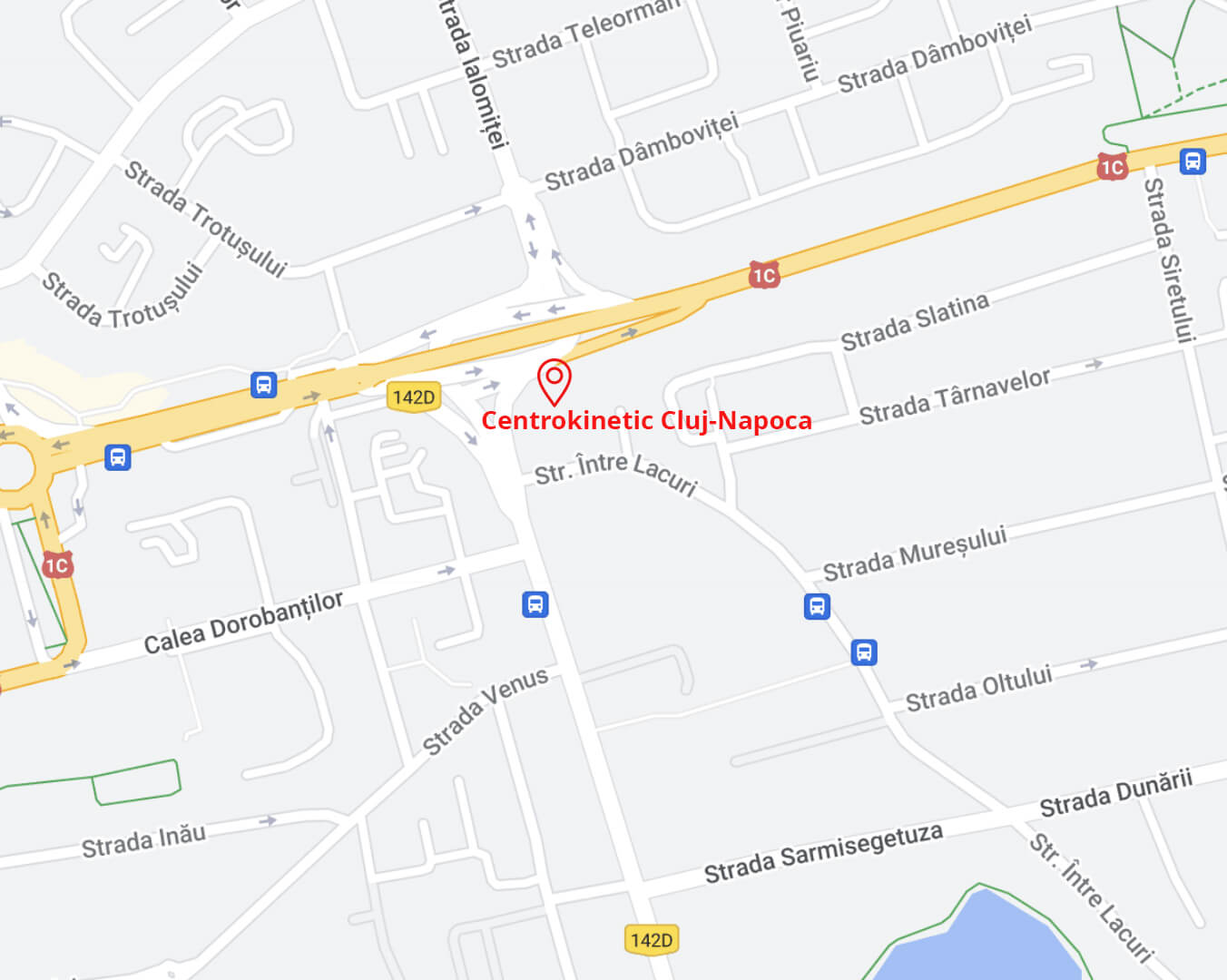
CENTROKINETIC CLUJ-NAPOCA
Cluj-Napoca,
Str. Intre Lacuri, nr.1
Intrarea este in spatele cladirii.
| Navigation |
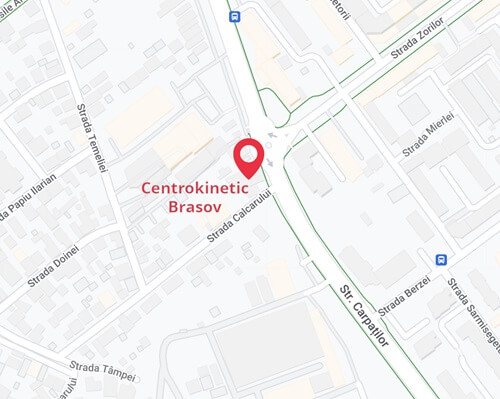
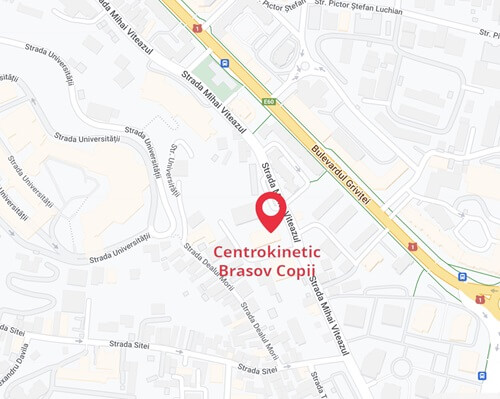
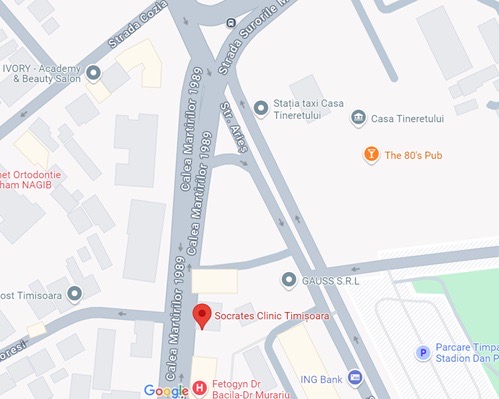
SOCRATES CLINIC TIMISOARA
Timisoara, Calea Martirilor 1989,
nr. 1.
Telefon: 0371 785 374.
| Navigation |
CONTACT
Phone: 0319693
E-mail: programari@centrokinetic.ro
Operating hours:
Monday – Friday: 07:00 – 21:00
Saturday: 09:00 – 14:00
Sunday: closed.
MAKE AN APPOINTMENT