First aid for contusions: when should you see a doctor?


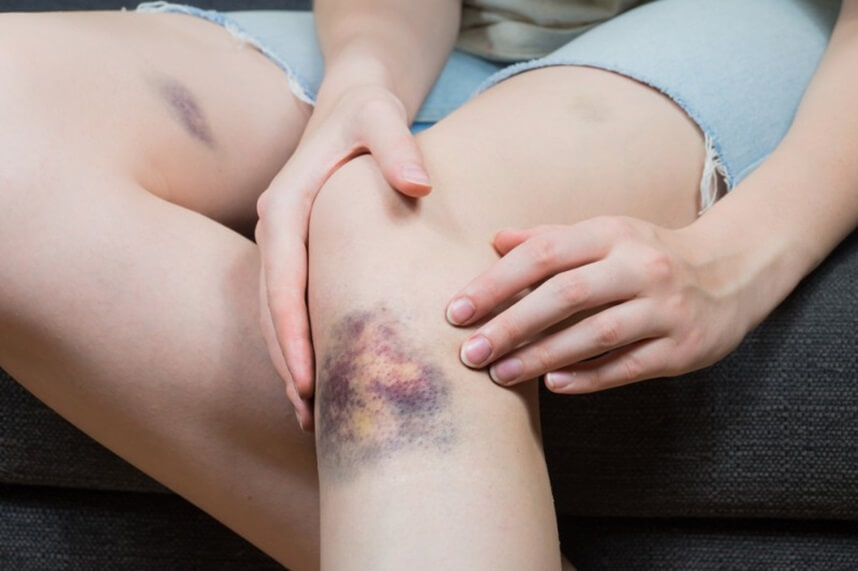
A blow to the leg while playing sports, a fall on the stairs or a workplace injury are situations that can cause a contusion. These injuries are common and, most of the time, do not cause serious problems; however, in some cases, they may hide deeper damage that requires medical attention [1]. If you are wondering when home treatment is enough and when a medical consultation becomes mandatory, here are more details!
What is a contusion and how do you recognize it?
A contusion is an injury to the soft tissues (muscles, skin, small blood vessels) caused by a direct impact, without an open wound. Basically, the force of the blow breaks small capillaries and leads to an accumulation of blood under the skin – what we call a bruise or hematoma.
Depending on the intensity of the impact, contusions can be mild, moderate or severe. Mild ones cause only local discomfort and a purple discoloration of the skin, while severe contusions may cause intense pain, extensive swelling or limited movement. Typical symptoms of a contusion include:
- local pain that appears immediately after impact;
- swelling (edema) in the affected area;
- change in skin color – initially red, then blue-purple and yellow as healing progresses;
- tenderness to touch;
- mild or moderate limitation of movement [1][2].
If the injury occurs at the level of the head and is accompanied by dizziness, nausea, loss of balance or confusion, it may be a concussion, in which case emergency medical help must be sought [3]!
Causes and risk factors of contusions
Contusions can occur in numerous contexts, from sports activities to domestic or occupational accidents. Common causes include:
- direct blows during contact sports (football, basketball, martial arts);
- falls on hard surfaces (ice, stairs, pavement);
- workplace or household accidents;
- trauma caused by heavy objects falling on the body;
- repeated minor impacts that gradually affect the tissues.
Certain individuals have an increased risk of developing severe contusions, including:
- elderly people, whose blood vessels are more fragile and tissues thinner;
- people taking anticoagulant medication (which prolong bleeding);
- athletes, due to intense effort and frequent physical contact;
- people with hematological disorders or vitamin C deficiency [1][2].
How do you identify a contusion that requires medical consultation?
Although most contusions heal within a few days without special intervention, there are situations in which a visit to the doctor is absolutely necessary. Seek medical consultation if the following signs appear:
- intense pain that does not improve with rest or usual medication;
- significant or extensive swelling over a large area;
- inability to move the affected limb;
- vomiting, dizziness, drowsiness or loss of consciousness after a blow to the head;
- chest pain, difficulty breathing or a feeling of pressure in the chest;
- behavioral changes in children after a blow;
- persistence of the bruise for more than 10–14 days without improvement.
These symptoms may indicate a more serious injury, such as a hidden fracture, internal bleeding, severe muscle damage or a concussion [1][2][3]!
What should you do immediately after a contusion occurs?
Correct first aid measures applied immediately after the accident are essential to reduce inflammation and pain. Follow the steps below:
- stop the activity and protect the affected area - do not continue movement or effort, as you may worsen the injury;
- apply ice locally - use an ice pack wrapped in a thin towel and apply it for 15–20 minutes every 2–3 hours during the first 24 hours. Avoid direct contact of ice with the skin to prevent irritation or frostbite;
- keep the limb elevated - if possible, raise the injured area above heart level to reduce swelling and improve venous circulation;
- apply light compression - an elastic bandage can help limit edema, but it must be loose enough not to impair circulation;
- take a mild pain reliever - if the pain is bothersome, you may take a mild analgesic. Avoid anti-inflammatory drugs immediately after the injury, as they may worsen possible internal bleeding;
- monitor the evolution - if the pain increases, swelling worsens or new symptoms appear (nausea, fever, numbness), seek medical evaluation [1][4].
How does medical evaluation proceed in severe contusions?
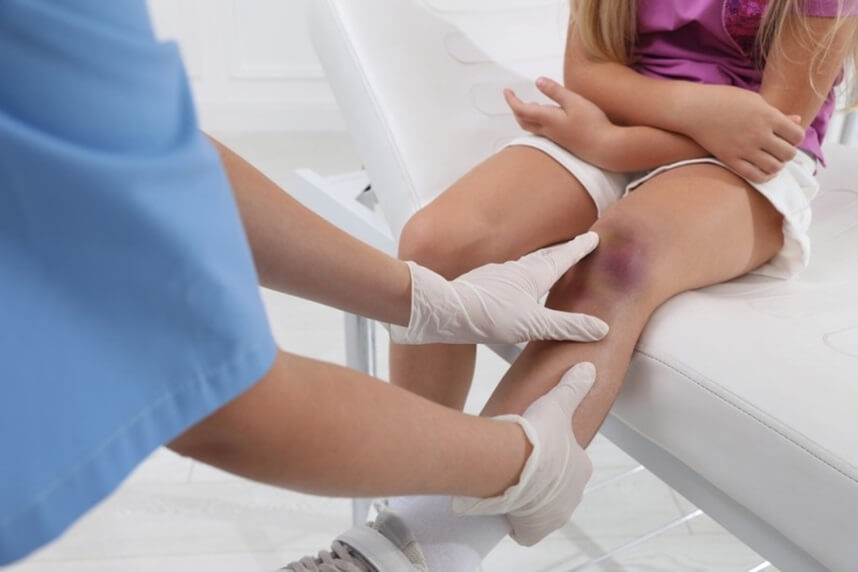
The doctor examines the affected area, evaluates range of motion and local sensitivity. Depending on the symptoms, they may recommend additional investigations such as:
- X-ray, to rule out a fracture;
- soft tissue ultrasound, to assess possible deep hematomas;
- MRI, if a muscle, tendon or ligament injury is suspected.
In more serious cases, the doctor may recommend immobilization of the area, medication or even drainage of a large hematoma. If it is a head contusion, neurological evaluation is mandatory to rule out brain injury [1][3]!
Recovery after contusions
In most cases, healing of a mild contusion takes between 5 and 10 days, but moderate or severe forms may require up to 3 weeks of rest. The healing process depends on the severity of the injury, age and overall health. During recovery, it is important to:
- avoid intense physical effort and movements that cause pain;
- continue applying cold compresses in the first days, then warm ones after 48–72 hours to stimulate circulation and bruise resorption;
- gently massage the affected area to improve lymphatic drainage;
- gradually return to usual activities under specialist supervision.
In situations where the contusion has led to persistent muscle contractures or limited mobility, physiotherapy and physical therapy play an essential role. Through controlled exercises and modern procedures, recovery can be accelerated, muscle elasticity improved and recurrence of pain prevented [1][3].
Prevention of contusions
Although not all blows can be avoided, there are several effective measures to reduce the risk of contusions:
- always perform proper warm-up before sports activities;
- wear appropriate protective equipment for the sport practiced (knee pads, elbow pads, helmet);
- avoid slippery surfaces and inadequate footwear;
- ensure that the training or work area is well lit and free of obstacles;
- adopt a balanced diet rich in protein and vitamin C, which contributes to the health of tissues and blood vessels;
- maintain an optimal body weight and preserve muscle tone through regular exercise.
When should you see a doctor without delay?
A medical visit is mandatory if:
- the pain is severe or intensifies in the first hours;
- you notice deformity of the injured area;
- the bruise is extensive and accompanied by fever or chills;
- you hit your head and develop vision, speech or balance disturbances;
- the contusion occurs while on anticoagulant treatment;
- the injury shows no signs of improvement after 3–4 days.
Prompt medical intervention prevents complications, allows fractures to be ruled out and ensures complete recovery without sequelae [1][3].
Contusions are common injuries, but they should not be ignored, especially when the pain is severe or the impact was strong. Properly applied first aid and timely medical evaluation can make the difference between a quick recovery and the development of complications [1].
At Centrokinetic, the team of orthopedic doctors, physiotherapists and physical therapists provides precise evaluations and personalized treatment programs for patients dealing with soft tissue trauma, including contusions. If you have suffered a strong blow or symptoms do not improve, request a specialist evaluation as soon as possible!
Disclaimer: This article is for informational purposes only and does not replace medical consultation. If you have suffered a strong blow, experience severe pain, dizziness or significant swelling, seek immediate medical evaluation and appropriate treatment!
Sources:
[1] Watson, Kathryn. “What Is a Contusion?”, Healthline Media, 12 Apr. 2018, www.healthline.com/health/what-is-a-contusion. Accessed on Oct. 22, 2025.
[2] “Contusions and Bruises” Nationwide Children’s Hospital, 2025, www.nationwidechildrens.org/conditions/contusions-bruises. Accessed on Oct. 22, 2025.
[3] “Concussion - Symptoms and Causes.” Mayo Clinic, 2025, www.mayoclinic.org/diseases-conditions/concussion/symptoms-causes/syc-20355594. Accessed on Oct. 22, 2025.
[4] “Bruise: First Aid.” Mayo Clinic, 2025, www.mayoclinic.org/first-aid/first-aid-bruise/basics/art-20056663. Accessed on Oct. 22, 2025.
BUCHAREST TEAM

































































CLUJ NAPOCA TEAM


































BRASOV TEAM


















MAKE AN APPOINTMENT
FOR AN EXAMINATION
See here how you can make an appointment and the location of our clinics.
MAKE AN APPOINTMENT
Asiguratori privati





Parteneriate


CENTROKINETIC FLOREASCA
Bucharest, 1st District,
Mircea Eliade Street, no. 18,
Eliade Tower, Entrance A, Floor 3
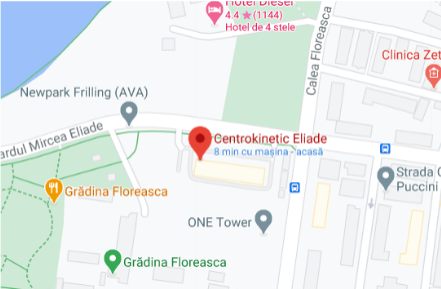
| Navigation | Explore 3D |
CENTROKINETIC Barbu Vacarescu
Bucharest, 2nd District,
Barbu Vacarescu Street, no. 102,
102 The Address, ground floor.
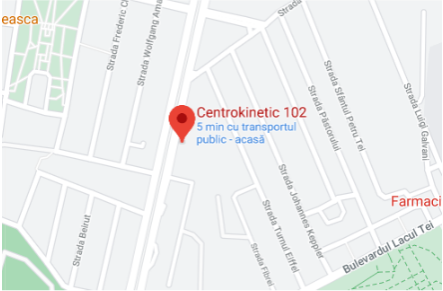
| Navigation | Explore 3D |
CENTROKINETIC MILITARI
Bucuresti, Sector 6,
Bld. Iuliu Maniu, nr. 15G,
Cladirea PBT, etaj 3.
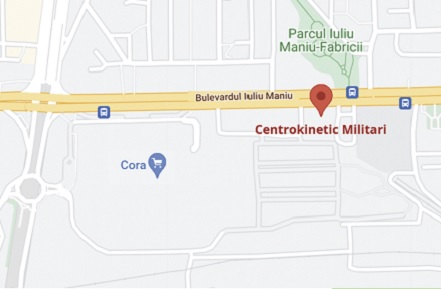
| Navigation |
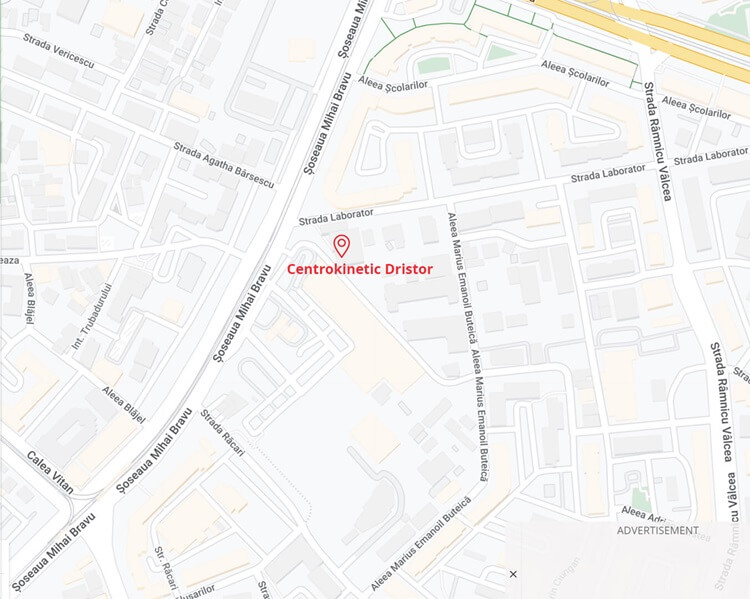
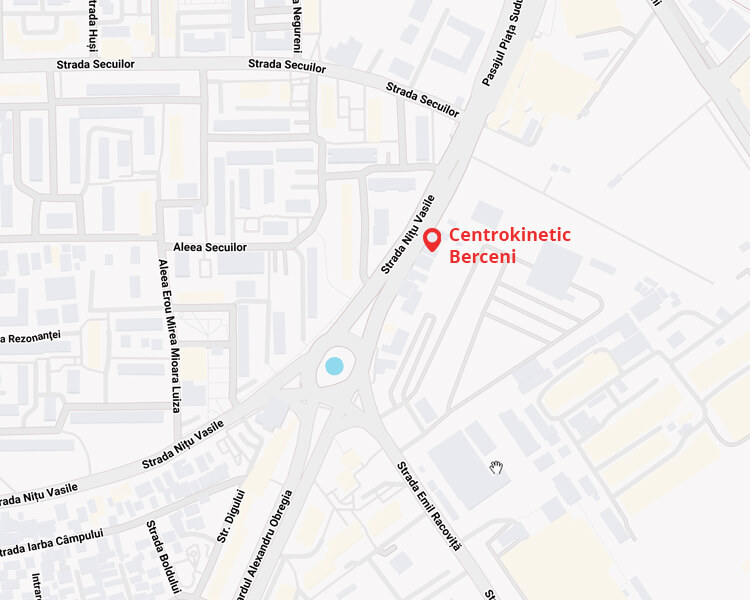
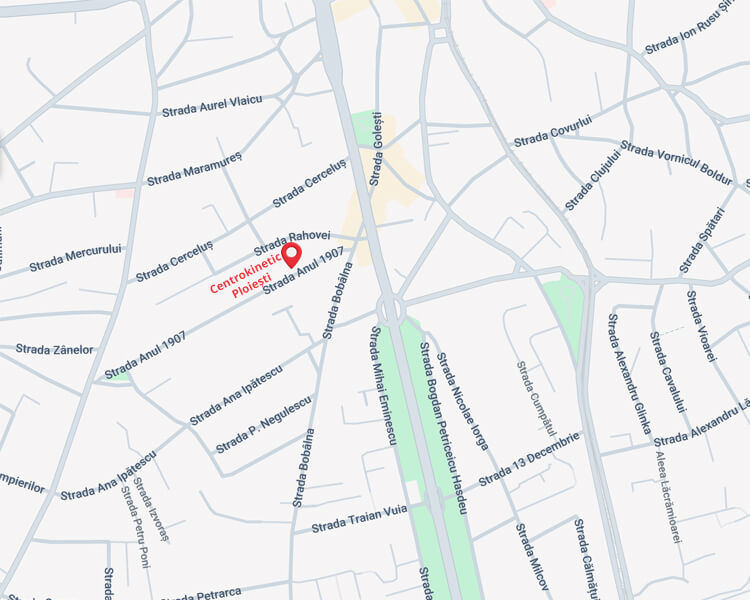
CENTROKINETIC CLUJ-NAPOCA
Cluj-Napoca,
Str. Intre Lacuri, nr.1
Intrarea este in spatele cladirii.
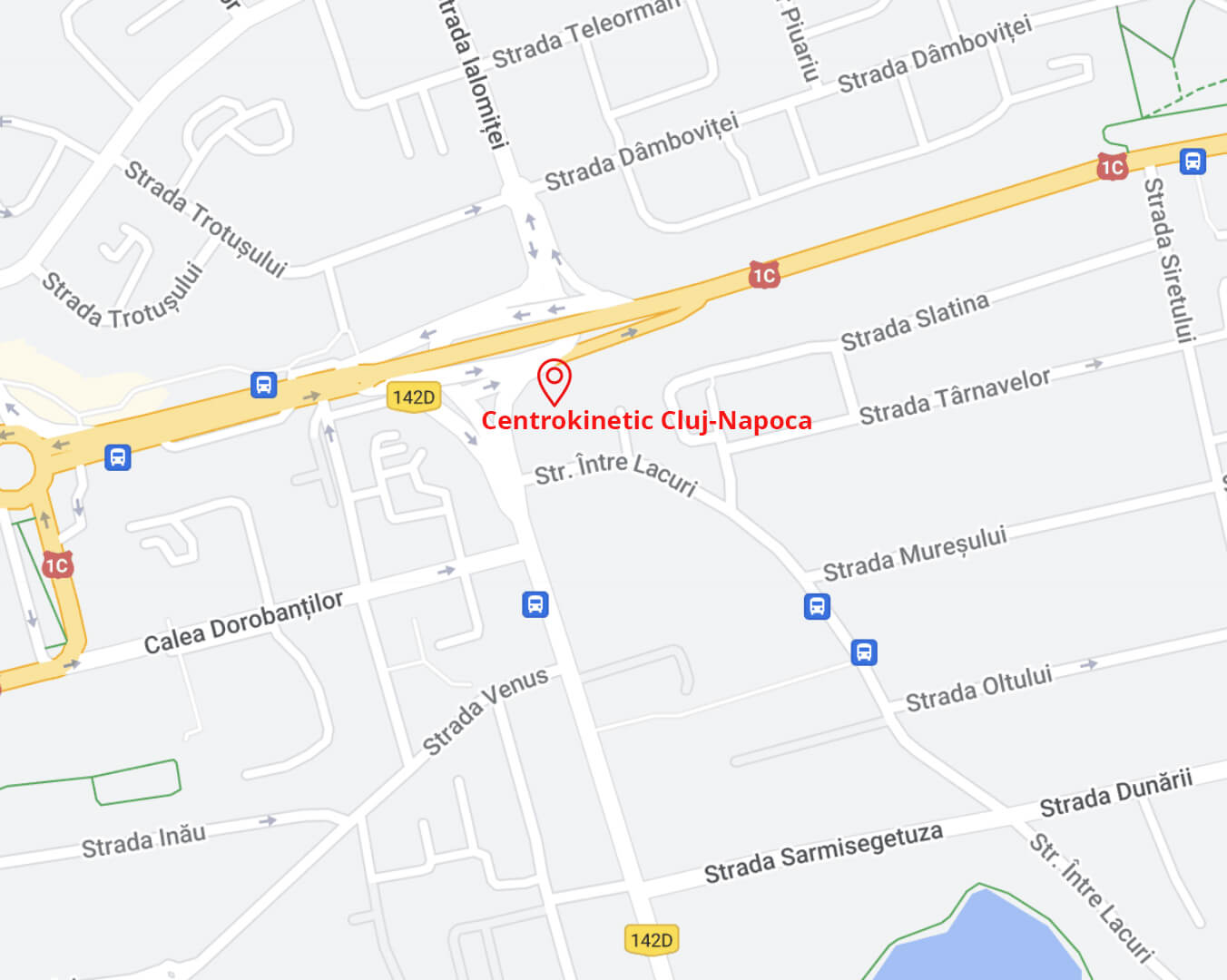
| Navigation |
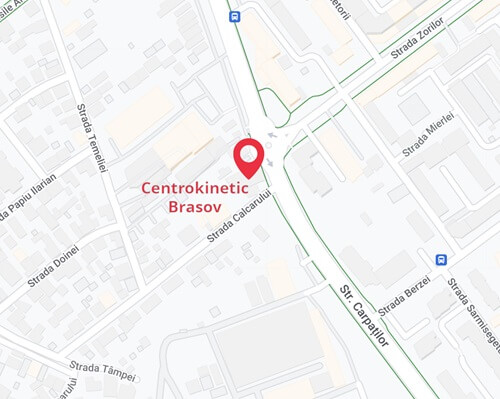

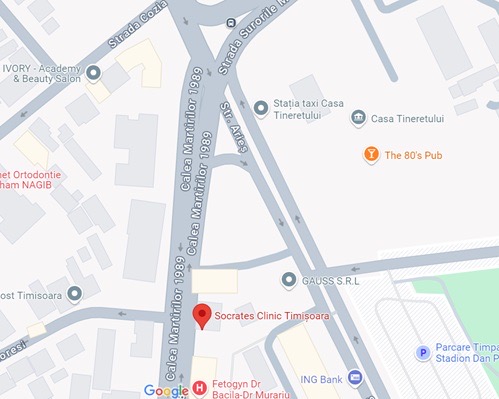
SOCRATES CLINIC TIMISOARA
Timisoara, Calea Martirilor 1989,
nr. 1.
Telefon: 0371 785 374.
| Navigation |
CONTACT
Phone: 0319693
E-mail: programari@centrokinetic.ro
Operating hours:
Monday – Friday: 07:00 – 21:00
Saturday: 09:00 – 14:00
Sunday: closed.
MAKE AN APPOINTMENT