
See details
READ MORE

.jpg)
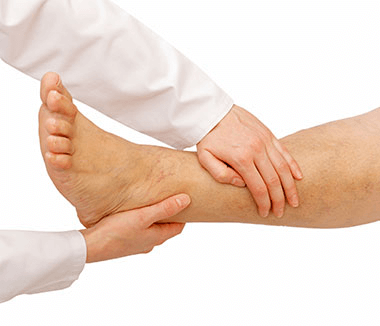
Flat foot is also known as the lowering or collapsing of the plantar arches. It is a frequent deformity that affects up to 30% of the population, causing symptoms in 1 out of 10 cases. This deformity can affect both feet or only one foot. The clinical sign of this deformity is the collapsed or fallen plantar arch.
Flat foot can be caused by a variety of factors such as injuries, obesity, or arthritis. Aging, heredity, or pregnancy can also contribute to the occurrence of this condition. It is even more likely that this condition will occur if there is a neurological or muscular disease, such as cerebral palsy, muscular dystrophy, or spina bifida. This deformity must be properly cared for, as it can lead to pain, stress, and imbalances in the body. Proper treatment of the deformity can help with the alignment of the whole body and can be a solution in correcting other body problems caused by flat foot.
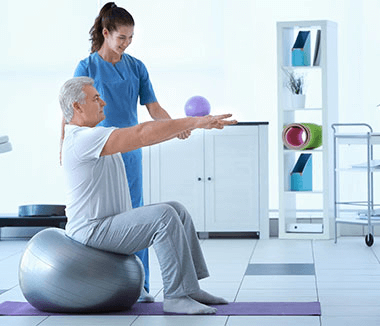
Here are some exercises you can do to correct the collapsed plantar arch and to reduce pain. The goal is to work on these exercises three times a week. Ideally you can fit them into your daily routine and perform them throughout the day. As you work through these exercises, focus your attention on lifting and strengthening the plantar arch.
To reduce the stress of flat foot and support the plantar arch, it is possible to use an orthopedic device. Orthopedic devices help improve the function and alignment of the feet during weight-bearing. These orthopedic devices can help absorb impact and reduce stress. They can be purchased ready-made or you can have them custom made. Orthopedic footwear can also help support the plantar arch. Kinesiotherapy can be used to correct flat foot if it is the result of overuse injuries. Usually, surgery is not necessary for flat foot unless it is caused by a bone deformity or a tendon tear or avulsion. If the patient has chronic pain in the foot, surgery may be recommended when other treatments have not provided the expected results.
It may take several weeks of consistently performing the exercises to notice improvements. The exercises must be performed even after progress has appeared. Deeper awareness of your body can help determine adjustments to movement and posture during daily activities in order to correct body imbalances. The patient must make a conscious effort to pay attention to how they stand, move, and position their body. Consult the specialist doctor if pain appears while standing or walking. Patients with this deformity may also benefit from orthotics or kinesiotherapy depending on the severity of the deformity.
Centrokinetic is the place where you will find answers and clear solutions for your movement problems. The clinic dedicated to osteoarticular conditions is divided into the following specialized departments:
Find out the latest news by following Centrokinetic clinic's Facebook and YouTube accounts.
See details
READ MORESee details
READ MORESee details
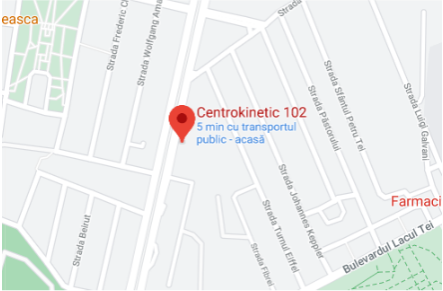
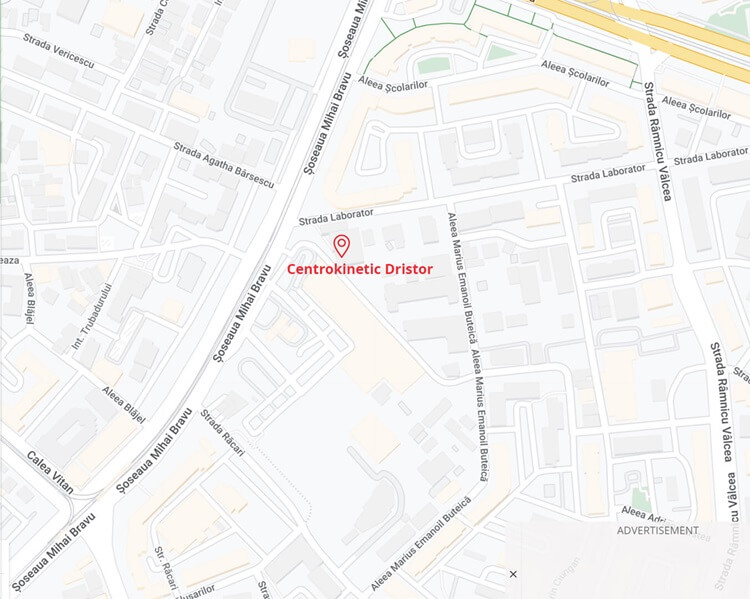
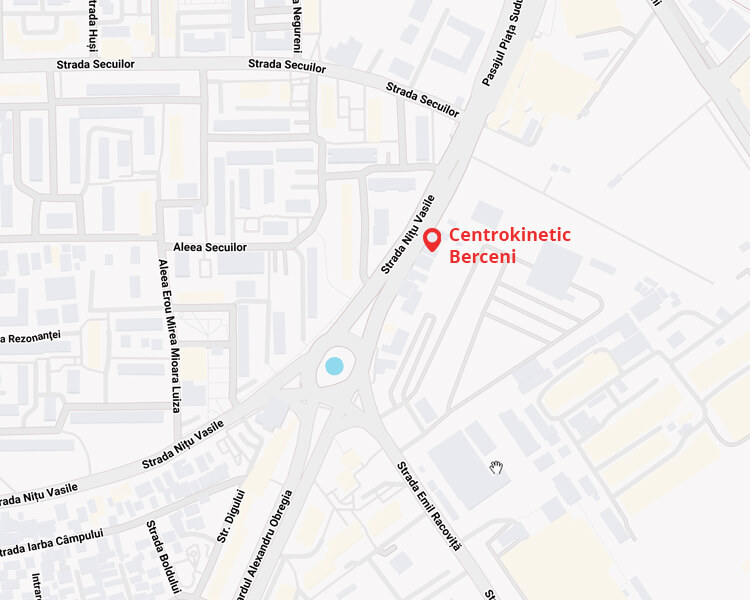
READ MORESee here how you can make an appointment and the location of our clinics.







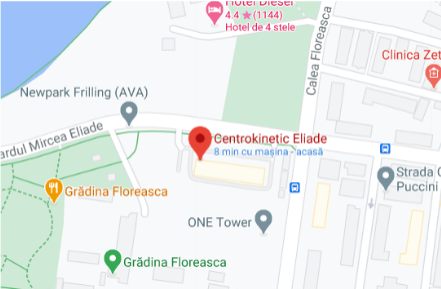
CENTROKINETIC FLOREASCA
Bucharest, 1st District,
Mircea Eliade Street, no. 18,
Eliade Tower, Entrance A, Floor 3
| Navigation | Explore 3D |
CENTROKINETIC Barbu Vacarescu
Bucharest, 2nd District,
Barbu Vacarescu Street, no. 102,
102 The Address, ground floor.
| Navigation | Explore 3D |
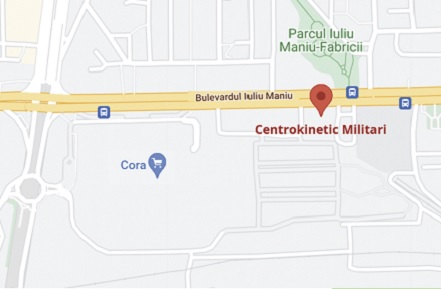
CENTROKINETIC MILITARI
Bucuresti, Sector 6,
Bld. Iuliu Maniu, nr. 15G,
Cladirea PBT, etaj 3.
| Navigation |
CENTROKINETIC CLUJ-NAPOCA
Cluj-Napoca,
Str. Intre Lacuri, nr.1
Intrarea este in spatele cladirii.
| Navigation |
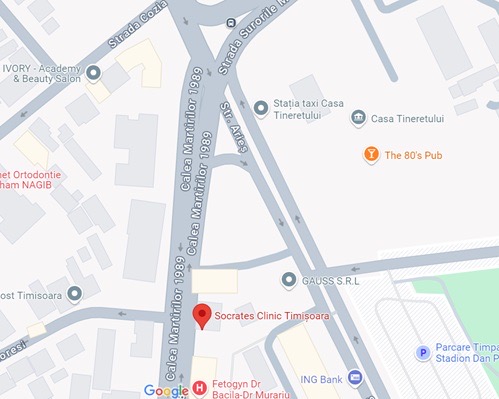
SOCRATES CLINIC TIMISOARA
Timisoara, Calea Martirilor 1989,
nr. 1.
Telefon: 0371 785 374.
| Navigation |
Phone: 0319693
E-mail: programari@centrokinetic.ro
Operating hours:
Monday – Friday: 07:00 – 21:00
Saturday: 09:00 – 14:00
Sunday: closed.
MAKE AN APPOINTMENT