Actualizat: 01-03-2021 / Publicat: 26-10-2017
The most common football injuries and how to prevent them
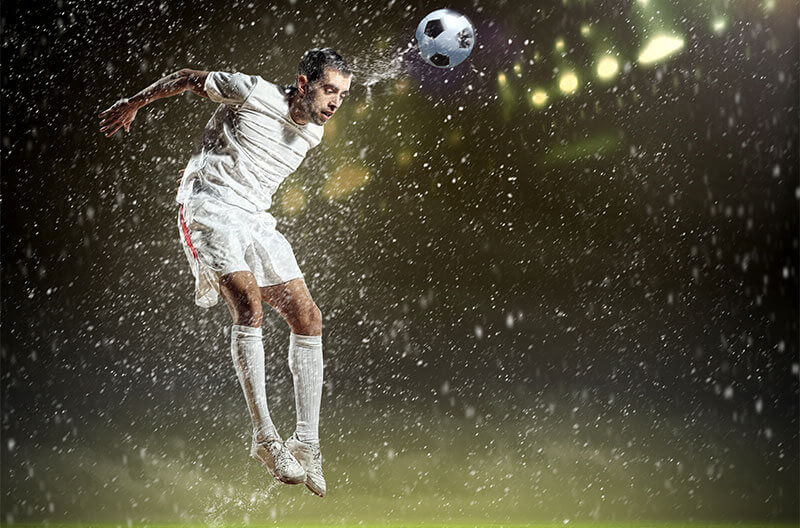
Football is among the most popular sports in the world. It is practiced both at professional and amateur level, and is a form of aerobic sport that combines balance, agility, coordination, physical fitness and teamwork.
Injury prevention is a particularly important element, especially at professional level, so that practitioners of this sport need to be well aware of the risks of injuries. Preventing, identifying early and treating them as quickly as possible does nothing but keep the athlete on the field for as long a period as possible.
In recent years, international federations for football, handball, volleyball or athletics have been placing more and more emphasis on the prevention and early detection of sports-related injuries.
Common injuries in football
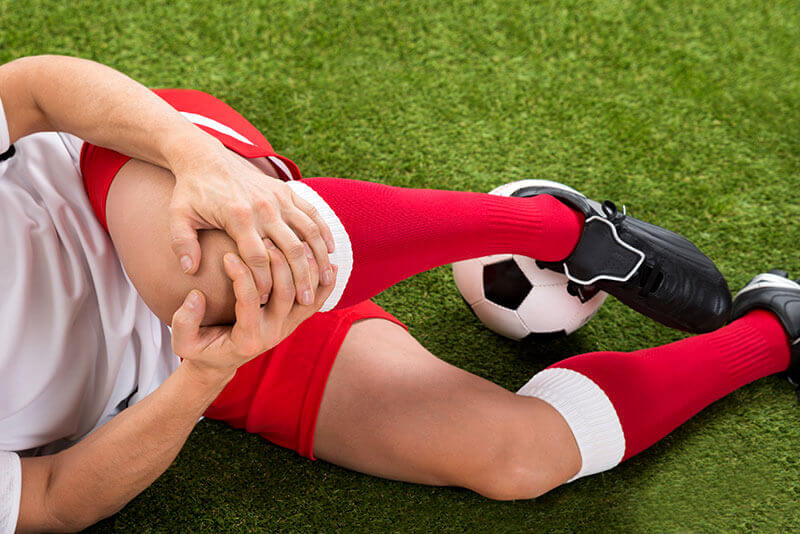
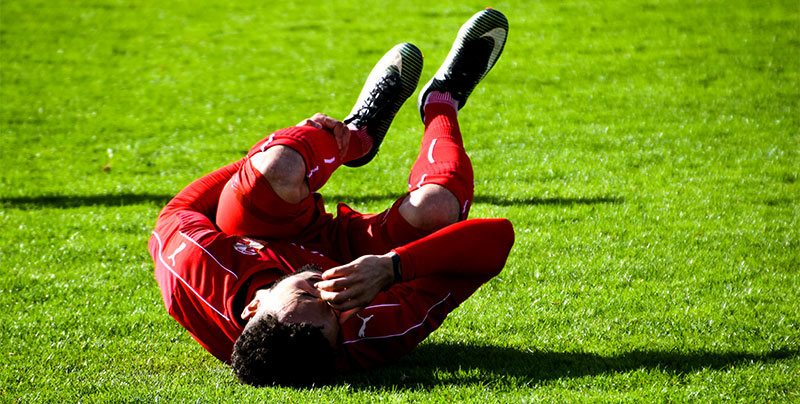
The most common injuries are those affecting the lower limbs. These can be traumatic, bruises, sprains, or can occur as a result of overusing a muscle, tendon or bone.
![]()
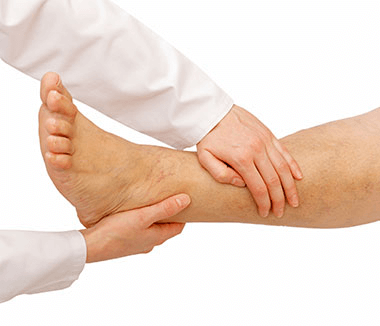
Lower limb injuries
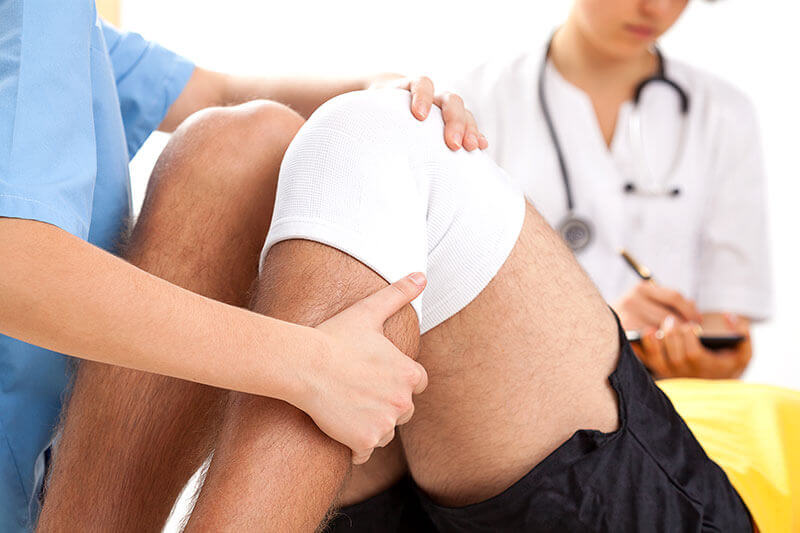
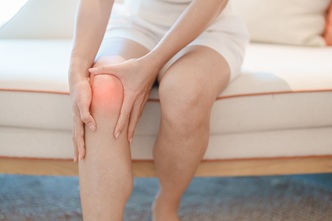
Sprains and muscle strains are the most common lower limb injuries, and their severity varies. Cartilage, meniscus and anterior cruciate ligament injuries are the most common knee injuries and largely require surgical treatment. Other injuries include: fractures and direct trauma.
![]()
Lower limb overuse injuries
Among the most common are groin strains (groin pain), patellar tendinitis (knee pain) and Achilles tendinitis (pain behind the ankle).
Stress fractures occur when the bone becomes weaker due to overuse. It is quite difficult to distinguish a stress fracture from a soft tissue condition.
![]()
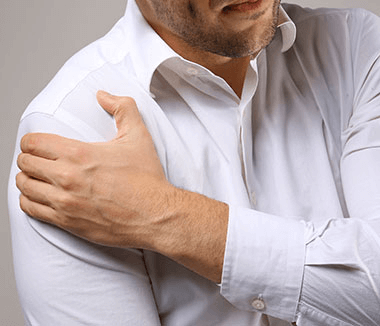
Upper limb injuries
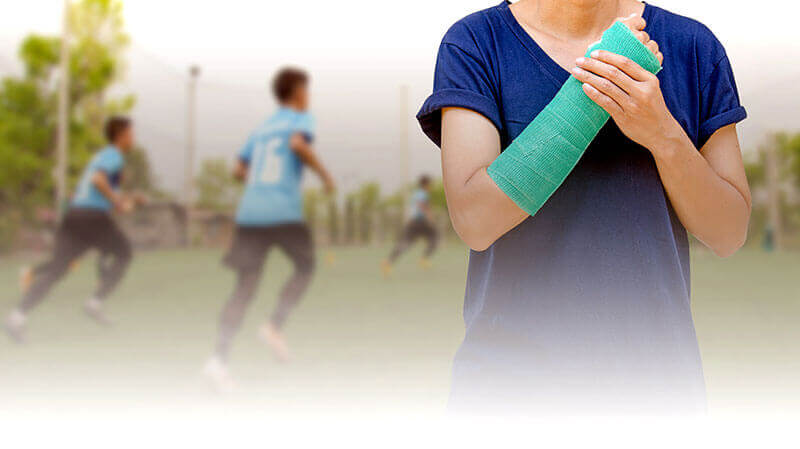
Upper limb injuries usually occur from falls onto the hand, forearm, elbow, shoulder, or through direct contact with another athlete. This type of injury includes: wrist and elbow sprains, bruises, fractures at any level of the arm, joint dislocations, etc.
![]()
Injuries to the head, neck and face
Injuries to the head, neck and face include wounds, abrasions, fractures, bruises.
![]()
How are football players' injuries treated?
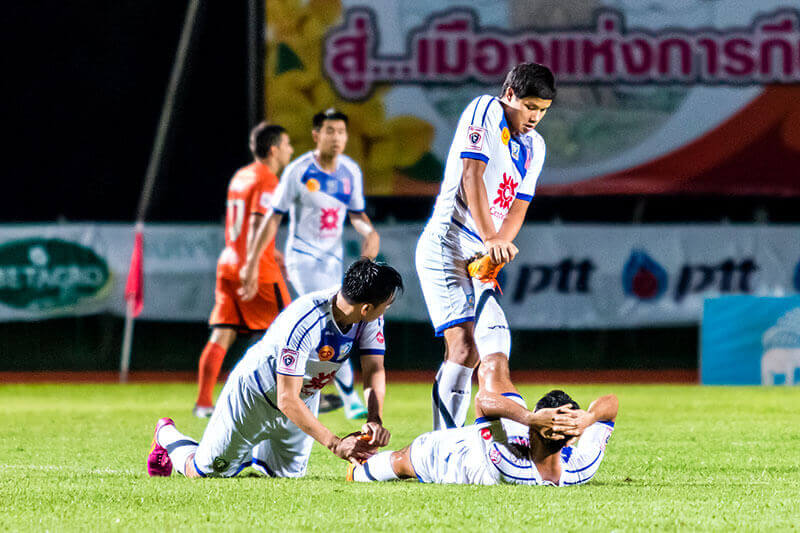
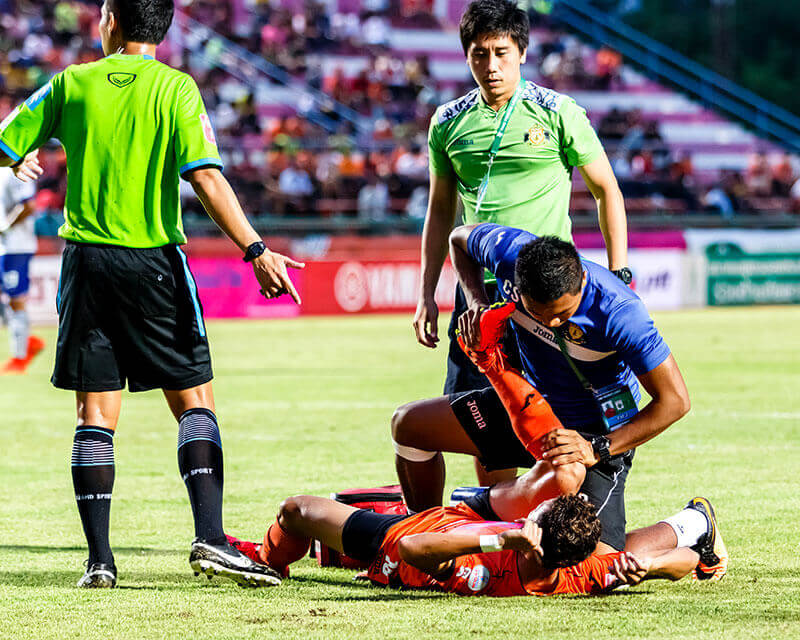
After an injury, sports activity stops immediately, until the injury is evaluated and treated appropriately. Most injuries are minor and can be treated with a short period of rest, ice or an elevated position. If an orthopedist, physical trainer or sports physician is present and can evaluate an injury, the decision can often be made for the athlete to continue the match. They can only resume their sports activity once they have been evaluated by the team's medical staff (in the case of professional and semi-professional football players).
Overuse injuries can be treated with a short period of rest and physiotherapy. For amateur athletes, it is recommended to contact an orthopedic doctor for a diagnosis and treatment for any minor injury that does not improve or does not go away within a few days.
How can football injuries be prevented?
- Examination before the start of the sports season (thorough medical check-up)
- Appropriate cleats
- Pay attention to the condition of the playing field. An unsuitable playing field can increase the injury rate
- Using appropriately sized balls, made of synthetic material (leather balls can absorb water and become much heavier, being dangerous especially in the case of headers)
- Hydration (the sensation of thirst usually represents a relatively late point for proper hydration)
- Increased attention to the environment (heat, humidity)
- Physical preparation (muscle tone) - the injury rate is much higher in athletes with modest physical fitness
- Returning after a period of inactivity should be done gradually (muscle tone, mobility, agility)
- Avoiding overuse injuries (more doesn't necessarily mean better). The intensity and duration of training should be decreased if discomfort and pain occur. This reduces the risk of injuries and overuse ("the burn-out syndrome")
![]()
All this data and advice is taken from the American Orthopaedic Society for Sports Medicine (AOSSM), which developed in 2007 a department dedicated to sports trauma and overuse prevention, "STOP" (Sports Trauma and Overuse Prevention).
An amateur athlete, who plays football with friends or colleagues once a week, in the evening after work, or goes mountain biking on the weekend, or is preparing to run a popular 10 km race at an amateur competition, is exposed not only to the injuries of a professional sport, but also to those resulting from physical condition, extra pounds, age, diet, etc.
Medical support (the orthopedic consultation, orthopedic or surgical treatment recommendations), medical rehabilitation, with everything it entails, are adapted and developed mainly for treating, preventing and reintegrating professional athletes. Thus, the treatment and recovery standard at our clinic is in line with the needs of professional athletes, but amateur athletes also benefit from the same treatment. Put yourself in the hands of the professionals!
IF YOU DON'T ALREADY KNOW US
Centrokinetic is the leading medical clinic dedicated to bone and joint conditions, organized into several dedicated departments:
- Orthopedics: made up of a highly experienced team of orthopedic surgeons, led by Dr. Andrei Ioan Bogdan, senior orthopedics-traumatology physician with surgical activity at the Floreasca Clinical Emergency Hospital and at the Medlife Orthopedic Hospital, specialized in sports traumatology and in ankle and foot surgery.
- Pediatric orthopedics, where we treat children's sports injuries (ligament and meniscus injuries), spinal deformities (scoliosis, kyphosis, hyperlordosis), and foot conditions (hallux valgus, hallux rigidus, clubfoot, flat valgus foot, cavus foot).
- Neurology, providing consultations and EMG within the department. The medical team is completed by Dr. Mardare, highly specialized at the University of Oxford in spinal surgery.
- Medical rehabilitation, for children and adults, the department being led by one of the most experienced physicians in the field, senior lecturer Dr. Tache Georgiana. The department specializes in the recovery of performance athletes, in spinal conditions, and in the recovery of children with neurological and traumatic conditions.
- Medical imaging, the clinic being equipped with ultrasound and MRI, dedicated to musculoskeletal conditions. We are proud of our medical team of radiologists, made up of Dr. Ghiea Sorin, Dr. Pantu Cosmin, Dr. Florescu Nicoleta, specialized in musculoskeletal imaging.
Find out the latest news about us by following the Facebook and YouTube accounts of the Centrokinetic clinic.