The difference between a fracture and a crack in a bone


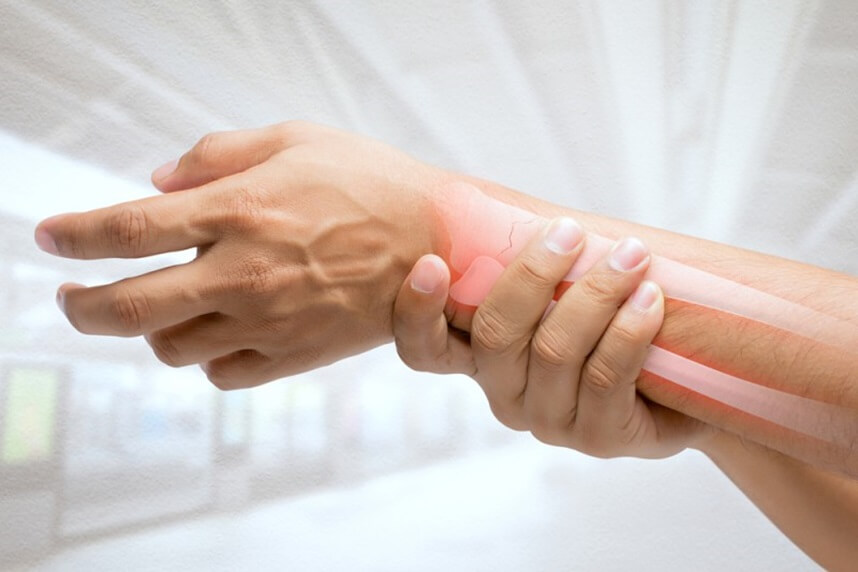
Pain that occurs in a limb after a blow can raise a common question: is it a fracture or a bone crack? Knowing the differences between these two types of injuries helps you better understand the situation and make the right decisions for a fast and safe recovery. Here is how a fracture differs from a crack and when it is necessary to see a doctor!
What is a bone fracture?
A fracture occurs when the bone breaks completely or almost completely as a result of a strong force or an accident. This type of injury interrupts the normal continuity of the bone. Most people feel intense pain immediately, notice swelling, experience loss of mobility and, sometimes, observe a clear deformity.
For example, a femur fracture usually leads to an inability to bear weight on the leg, severe pain and thigh deformity. In some cases, the bone pierces the skin – which increases the risk of infection [1].
Common types of fractures
- simple fracture: the bone splits into two fragments;
- comminuted fracture: the bone breaks into multiple fragments;
- open fracture: the bone penetrates the skin and creates a wound that increases the risk of infection;
- closed fracture: the bone breaks, but the skin remains intact [1].
Such fractures frequently occur as a result of road accidents, falls from height or strong direct impacts. In some cases, certain conditions that weaken bone structure, such as osteoporosis, significantly increase the risk of fractures.
What is a bone crack?
A crack represents a superficial fracture line in the bone that does not involve complete breakage or displacement of fragments. Many people confuse it with a muscle strain because symptoms are milder: pain occurs mainly during movement or when pressing on the affected area, swelling is minimal and, in most cases, you can still use the affected limb.
Cracks often occur in athletes or active individuals and are caused by repeated microtrauma. Children may also develop a specific injury called a greenstick fracture. In this situation, the bone bends but does not break completely [2].
Fracture vs. crack: differentiation criteria
| Criteria | Fracture | Crack |
|---|---|---|
| Extent of injury | complete or almost complete break of the bone | partial or superficial crack |
| Fragment displacement | often present | absent |
| Symptoms | severe pain, swelling, deformity, significant limitation of movement | moderate pain, minimal swelling, localized discomfort |
| Mobility | severely limited or impossible | partially preserved |
| Complications | possible (bleeding, infections) | rare, but possible if not treated in time |
| Healing time | usually 4–12 weeks, sometimes requires surgery | 3–6 weeks, conservative treatment |
| Treatment | immobilization; sometimes surgery, followed by medical rehabilitation | simple immobilization, rest, monitoring |
[1][2][3]
How is the diagnosis established?
If you have suffered trauma, follow these steps:
- assess the severity of the pain and check whether you can use the limb;
- observe whether there are obvious deformities or significant swelling;
- seek medical help if symptoms persist, worsen or if you cannot move the affected area.
The doctor will determine whether it is a fracture or a crack. X-ray remains the basic investigation for establishing the diagnosis. If the specialist suspects complications, they may recommend imaging tests such as MRI or CT [1][3].
Proper management of fractures and cracks: treatment and recovery
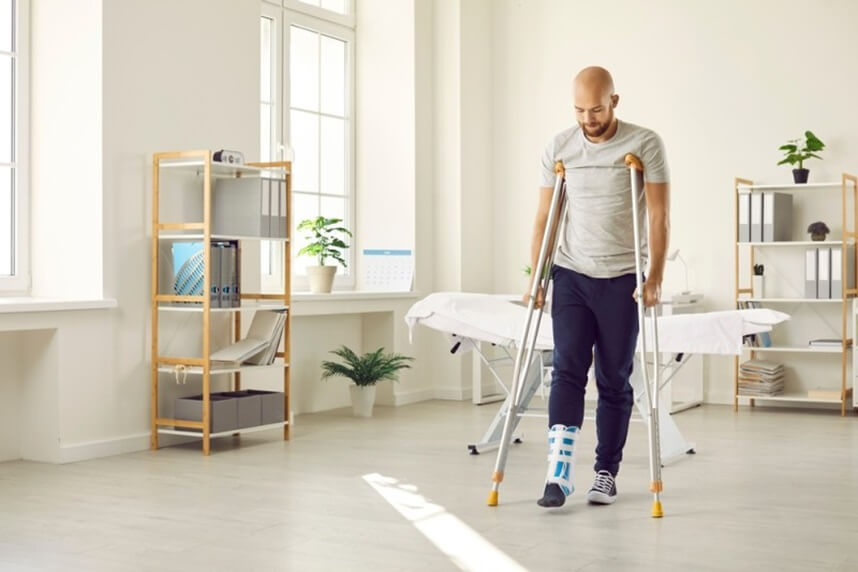
The treatment plan differs depending on the type and severity of the injury. Here are the main recommendations for each situation.
Crack
- keep the affected limb at rest and limit demanding activities;
- upon the doctor’s recommendation, apply light immobilization with a brace or elastic bandage;
- attend regular follow-up visits to monitor healing.
Fracture
- as recommended by the specialist, quickly immobilize the area with a cast or brace;
- the doctor may recommend surgery if fragments have shifted or the bone is severely affected;
- after surgery, follow a medical rehabilitation program to regain mobility and strength [1][3].
The duration of recovery depends on age, general health and lifestyle. Follow your doctor’s advice, avoid self-medication and do not rush your return to physical effort.
Frequently asked questions
What are the main differences between a fracture and a crack?
A fracture represents a complete break of the bone, usually with displacement and pronounced symptoms, while a crack is a partial break without displacement and with milder manifestations.
How do you identify fracture symptoms compared to crack symptoms?
A fracture causes intense pain, difficulty moving, significant swelling and sometimes deformity. In the case of a crack, pain is tolerable, limb function may be partially preserved and swelling is minimal.
What investigations do doctors use for diagnosis?
X-ray provides basic information for both injuries. In some cases, the doctor recommends MRI or CT, especially for cracks that are difficult to detect.
Are surgeries necessary for all fractures?
Surgical intervention is required only in cases with displaced fragments or when the bone cannot heal properly with immobilization alone [1].
How long does the healing period last?
In general, cracks heal within 3–6 weeks, while fractures require between 4 and 12 weeks, depending on severity and location [1][3].
What measures can you take to prevent such injuries?
Adopt a regular exercise program, adjust your diet to support bone health and avoid risks (slipping, dangerous activities without protective equipment) [4].
What should the diet look like in the case of a bone injury?
The doctor may recommend a diet rich in calcium, vitamin D and protein from healthy sources such as dairy products, fish, eggs and green vegetables [4].
What risks arise if you do not treat a crack in time?
If left untreated, a crack can cause chronic pain or improper healing.
Practical advice and recommendations
If you experience any worrying symptoms after trauma, see a doctor for evaluation. Specialists quickly establish the diagnosis and guide you toward the appropriate treatment plan. Avoid treating suspected injuries at home, as self-diagnosis can worsen the problem.
Integrate physical activity adapted to your level into your routine, try to reduce risk factors, adopt a diet that ensures optimal nutrient intake and follow your doctor’s recovery instructions [1][4].
Disclaimer: This article is strictly for informational purposes and does not replace consultation with a specialist doctor. If you suspect a fracture or a crack, urgently seek professional evaluation and personalized treatment.
Sources:
[1] “Bone Fractures: Types, Symptoms & Treatment.” Cleveland Clinic, 31 Mar. 2017, my.clevelandclinic.org/health/diseases/15241-bone-fractures. Accessed on Oct. 22, 2025.
[2] Gorbachova, Tetyana, et al. “Nomenclature of Subchondral Nonneoplastic Bone Lesions.” American Journal of Roentgenology, vol. 213, no. 5, Nov. 2019, pp. 963–982, www.verywellhealth.com/do-i-have-a-broken-bone-4143129, https://doi.org/10.2214/ajr.19.21571. Accessed on Oct. 22, 2025.
[3] “Fractures (Broken Bones): First Aid.” Mayo Clinic, 2025, www.mayoclinic.org/first-aid/first-aid-fractures/basics/art-20056641. Accessed on Oct. 22, 2025.
[4] "Bone Stress Injuries and Stress Fractures Information for Patients." OxSport - Department of Sport and Exercise Medicine, https://www.ouh.nhs.uk/media/eeslp2ax/41517pfractures.pdf Accessed on Oct. 22, 2025.
BUCHAREST TEAM


































































CLUJ NAPOCA TEAM


































BRASOV TEAM


















MAKE AN APPOINTMENT
FOR AN EXAMINATION
See here how you can make an appointment and the location of our clinics.
MAKE AN APPOINTMENT
Asiguratori privati





Parteneriate


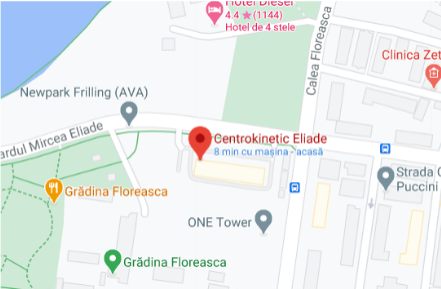
CENTROKINETIC FLOREASCA
Bucharest, 1st District,
Mircea Eliade Street, no. 18,
Eliade Tower, Entrance A, Floor 3
| Navigation | Explore 3D |
CENTROKINETIC Barbu Vacarescu
Bucharest, 2nd District,
Barbu Vacarescu Street, no. 102,
102 The Address, ground floor.
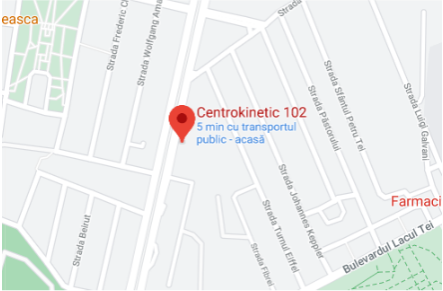
| Navigation | Explore 3D |
CENTROKINETIC MILITARI
Bucuresti, Sector 6,
Bld. Iuliu Maniu, nr. 15G,
Cladirea PBT, etaj 3.
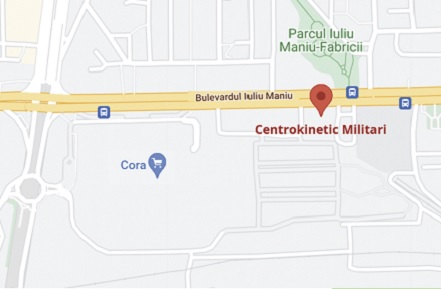
| Navigation |
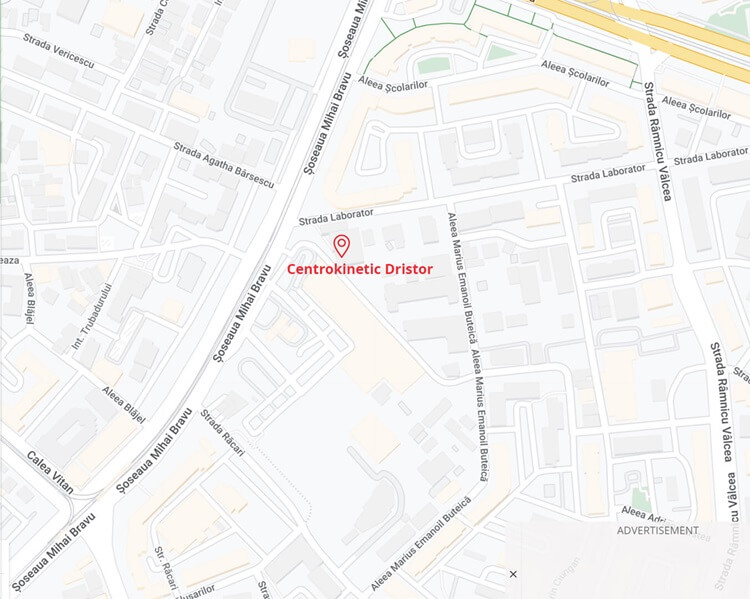
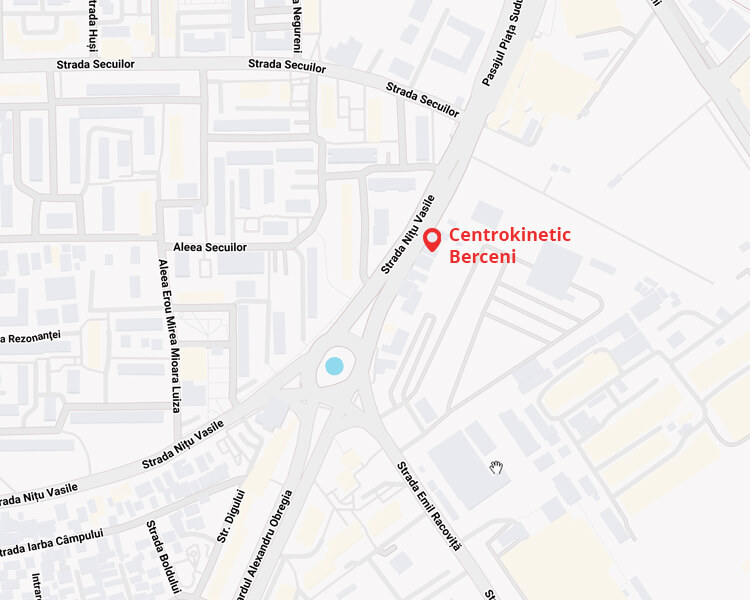
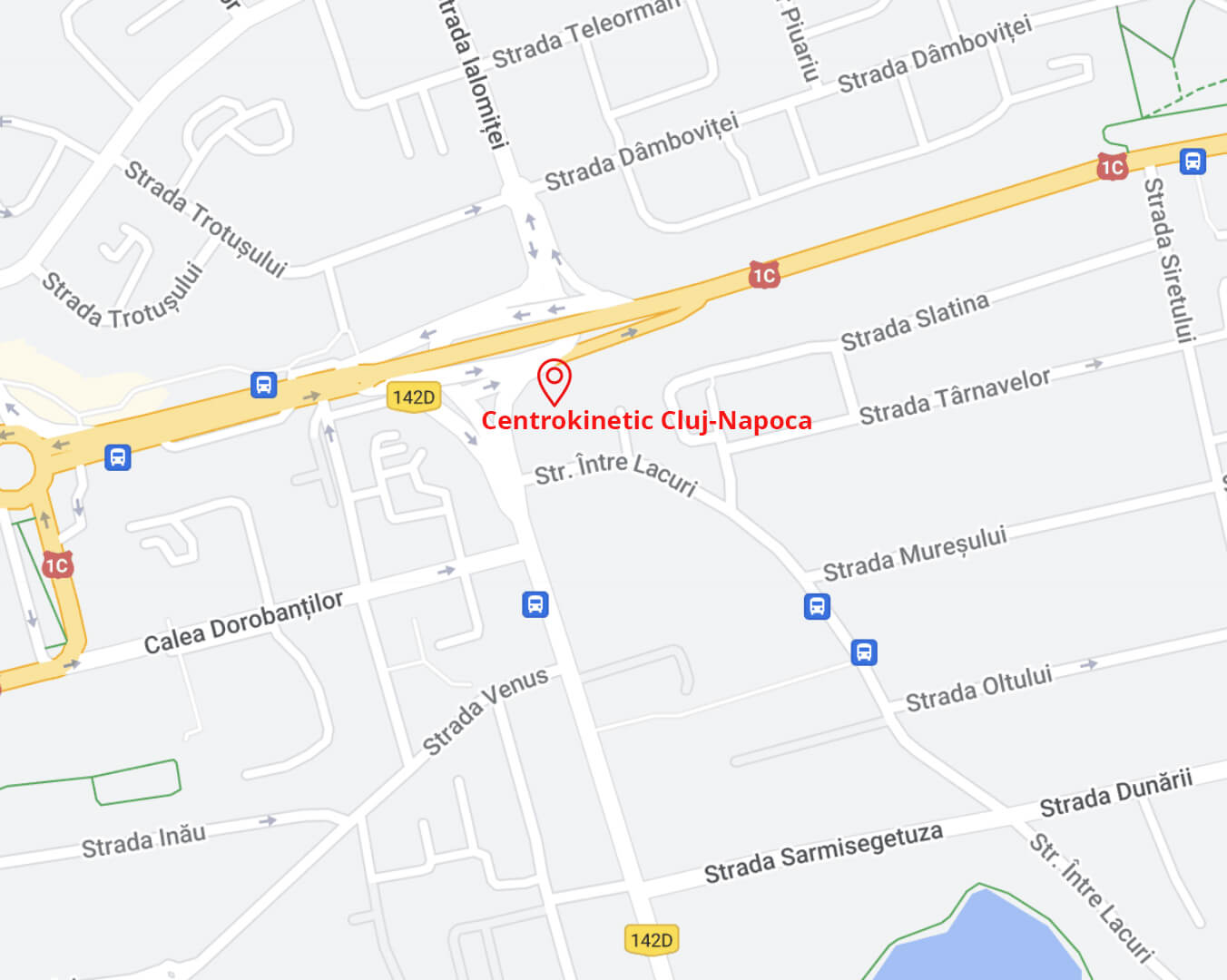
CENTROKINETIC CLUJ-NAPOCA
Cluj-Napoca,
Str. Intre Lacuri, nr.1
Intrarea este in spatele cladirii.
| Navigation |
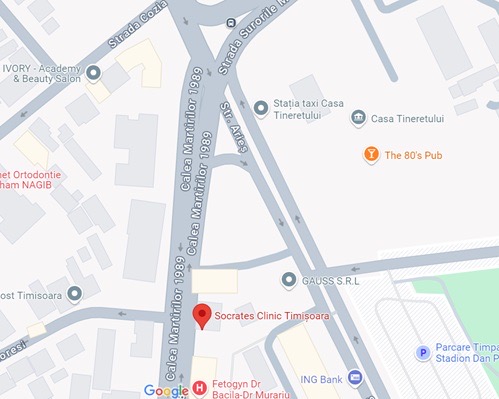
SOCRATES CLINIC TIMISOARA
Timisoara, Calea Martirilor 1989,
nr. 1.
Telefon: 0371 785 374.
| Navigation |
CONTACT
Phone: 0319693
E-mail: programari@centrokinetic.ro
Operating hours:
Monday – Friday: 07:00 – 21:00
Saturday: 09:00 – 14:00
Sunday: closed.
MAKE AN APPOINTMENT