GENERAL CHRONIC OBEESSION



- Chronic fatigue - general information
- How chronic fatigue is treated
- How the risk of chronic fatigue can be reduced
This article was written by Dr. Georgiana Tache, senior rehabilitation physician with over 30 years of experience, vice-president of the Romanian Society of Medical Rehabilitation.
Chronic fatigue - general information
Chronic fatigue syndrome will make you feel so tired that you cannot carry out normal daily activities. While chronic fatigue syndrome has no known cause and is difficult to diagnose, its major symptoms can be treated. The fatigue is not due to intense exertion, is not relieved by rest, and is not due to a prior medical condition.What is chronic fatigue
Chronic fatigue syndrome is a chronic illness characterized by extreme fatigue, lasting more than six months. This fatigue cannot be explained by an underlying medical condition. In fact, one of the main challenges of the disease is that it is impossible to diagnose with laboratory tests. However, some professionals believe it is closely linked to adrenal fatigue or inflammation throughout the body.Symptoms of chronic fatigue
While the term "chronic fatigue" is quite descriptive of this disease, it doesn't tell the whole story. Chronic fatigue often begins suddenly, with flu-like symptoms. But unlike the flu, it can last a lifetime.In addition to the profound fatigue a person faces, other serious symptoms often accompany chronic fatigue, such as:
- joint pain that moves from one place to another
- muscle pain
- poor concentration
- memory loss
- enlarged lymph nodes
- headaches
- chills
- night sweats
- digestive disorders such as irritable bowel syndrome
Simply put, the emotional and mental side effects of chronic fatigue cannot be overlooked, and treatment must include the mind, body and spirit.
Physical and mental exhaustion
People suffering from chronic fatigue feel too exhausted to get out of bed, go to work or spend time with family. The combination of physical exhaustion with severe abdominal pain, painful joints and brain fog that make it impossible to read a book or hold a thought, leads to mental exhaustion. Besides deep exhaustion, body aches and cognitive problems are common symptoms.Sleep disorders
For people with chronic fatigue syndrome, sleep problems are common. Sleep disturbances and disrupted, unrefreshing sleep are among the most common complaints from people suffering from chronic fatigue. Chronic fatigue syndrome is a debilitating medical condition. It is also a historically mysterious and controversial illness.Disrupted sleep is a hallmark of chronic fatigue syndrome. Chronic fatigue is associated with a number of sleep problems, including:
- Excessive daytime sleepiness
- Unrefreshing sleep (feeling tired after waking up even after sufficient or extended periods of rest)
- Difficulty falling asleep and staying asleep
- Sleep disorders, such as obstructive sleep apnea, insomnia and narcolepsy
Persistent neck, head, muscle and joint pain
Everyone feels tired from time to time. The difference with chronic fatigue is that the fatigue is overwhelming and lasts at least 6 months. It can be worsened by physical or mental exertion, and a night's sleep provides no relief. Fatigue is often accompanied by other troubling symptoms, such as chronic pain.Many people with chronic fatigue develop recurring pain, including headaches, sore throat, muscle pain and joint pain. Joints can be painful without showing signs of redness or swelling. The cause of these symptoms is not well understood, but the pain can often be managed with medication or physical therapy.
Headaches and migraines are common in people with fibromyalgia (FMS) and chronic fatigue syndrome. In fact, headaches of a new type, pattern or severity are one of the diagnostic criteria for chronic fatigue. Sometimes headaches are treated as a symptom of these conditions, while sometimes they are considered comorbid conditions.
Memory problems and lack of concentration
Patients with chronic fatigue syndrome often report that they forget things, are confused, struggle with concentration, and cannot speak clearly or cannot remember certain words. These memory problems, or "brain fog," can be caused by numerous factors, including the fact that people with chronic fatigue are constantly exhausted.Also, patients with chronic fatigue syndrome often sleep poorly and are stressed, which can worsen their memory problems. Some medications for chronic fatigue syndrome can also cause memory problems.
States of irritation
Irritability is a feeling of agitation. When you are irritated, you become frustrated or upset easily. You might experience states of irritation as a response to stressful situations. This can also be a symptom of a mental or physical health condition.If you suffer from chronic fatigue, you are most likely to experience irritability along with stress. Stress is the perfect setting and ideal environment for an irritable state. In addition to stress, many people become agitated when they are tired.
Causes of chronic fatigue
Very little is still known about chronic fatigue and, unfortunately, the cause is still unknown. While researchers continue to search for the main cause of chronic fatigue, there are preliminary findings that contributing factors include hormonal imbalances, poor immune system response, viral infections, low blood pressure and nutritional deficiency.In addition, research shows that chronic fatigue syndrome may be linked to oxidative stress, celiac disease and food sensitivities or food allergies.
Most researchers believe it is a combination of factors that can vary from individual to individual. Viruses that can cause cardiovascular conditions include HHV-6, HTLV, Epstein-Barr, measles, coxsackie B, parvovirus and cytomegalovirus.
Psychological, emotional factors
Chronic fatigue syndrome is characterized by severe fatigue and associated with functional impairment. Somatic symptoms are often present. Although there is much debate about the etiology of chronic fatigue syndrome, misinterpretations in the cognitive processing of emotions have been suggested as a causal factor for vulnerable individuals. Cognitive behavioral therapy rehabilitation treatments and graded exercise therapy have proven effective in improving fatigue and disability in chronic fatigue. To date, these are the only evidence-based treatments, but the effect sizes are modest. Some patients may benefit from more emotion-focused treatments once their function has improved.Feelings such as worry, frustration, pain and depression are common in chronic fatigue. Emotions also tend to be intense and hard to control.
Imbalances of the immune, endocrine, hormonal systems
The primary organs of the endocrine system are the two adrenal glands, one located above each kidney. Among the hormones produced by the outer portion of the adrenal glands is cortisol, essential for controlling adequate glucose levels by stimulating hepatic synthesis of this blood sugar. Cortisol also ensures that glucose is immediately available for proper brain function by limiting the absorption of glucose by the body's tissues. Another benefit of this hormone is that it breaks down fats to be used as energy.Cortisol's ability to manage blood sugar levels is important in mobilizing energy to cope with physical or emotional stress. While the adrenal glands have a normal cycle of cortisol production, this cycle is disrupted when a certain stressor occurs and cortisol production is increased to provide the necessary response.
The adrenal glands' hormone secretions are controlled through a delicate balance with other hormones produced by the hypothalamus and the pituitary glands located at the base of the brain.
Researchers find that there is a reduction in the production of hormones from these control glands, as well as a reduction in cortisol production in patients with chronic fatigue. There is also an inadequate response of these hormones.
Immunological abnormalities are frequently observed in those with chronic fatigue. The immune system problems often observed in chronic fatigue correlate with neuroendocrine imbalance, since adrenal hormones including cortisol regulate various aspects of immune activity.
Underfunctioning of the adrenal glands, called hypoadrenalism, could encourage a state of chronic immune activation. The interaction between the neuroendocrine system and the immune system is disrupted in chronic fatigue.
Viral or bacterial infections
Because some people develop chronic fatigue syndrome after suffering a viral infection, researchers wonder whether certain viruses could trigger this disorder. Suspected viruses include the Epstein-Barr virus, human herpesvirus 6, Ross River virus and rubella. A conclusive link has not yet been found.Infections caused by bacteria, including Coxiella burnetii and Mycoplasma pneumoniae, have also been studied in connection with chronic fatigue.
The Centers for Disease Control and Prevention (CDC) have suggested that chronic fatigue could be the final stage of several different conditions, rather than a single condition. In fact, about 1 in 10 people with the Epstein-Barr virus, Ross River virus and Coxiella burnetii develop a condition that meets the criteria for a chronic fatigue diagnosis.
Sleep deprivation
Chronic fatigue syndrome causes intense exhaustion that sleep or rest cannot ease. Those who suffer from chronic fatigue find that symptoms worsen with mental or physical activity and that they function at lower activity levels than normal.Sleep deprivation has a direct effect on the amount of fatigue you feel. Whether you suffer from chronic fatigue disorders or sleep disorders, lack of rest can worsen your symptoms. Sleep apnea, insomnia and depression can affect how you feel during the day. Left untreated, these sleep problems can have a dramatic effect on your health.

Complications of chronic fatigue
Possible complications of chronic fatigue syndrome include:- Major depression and other psychiatric conditions: Studies have shown that people with chronic fatigue also tend to suffer from psychiatric disorders, such as depression, anxiety, sleep disorders, etc. Chronic fatigue also predisposes to an increased risk of suicide.
- Obstructive sleep apnea: chronic fatigue is associated with many sleep problems, including obstructive sleep apnea.
- Social isolation due to avoiding social contact and social interactions as a result of fatigue, reduced stamina and the associated depressed state.
- Lifestyle restrictions due to the inability to perform physical or mental exercise, which significantly influence the person's lifestyle choices.
- More pronounced absences from work, especially due to sleep difficulties and reduced endurance, leading to employment-related problems and career issues.
Depression
The illness can prevent the affected person from enjoying daily life, exercising or socializing. It can lead them to spend long periods of time away from work. Many of the symptoms and consequences of chronic fatigue increase the likelihood that the person suffering from this condition will develop mental health problems, such as depression and anxiety. These mental health problems can, in turn, worsen the symptoms of the original illness.Prolonged stress can alter the body's biochemistry, creating biochemical depression. Self-management strategies can also be helpful for this type of depression, but treatment normally also includes medication.
Orthostatic hypotension
Orthostatic hypotension - also called postural hypotension - is a form of low blood pressure that occurs when you get up from sitting or when you stand up after lying down. Orthostatic hypotension can make you feel dizzy or give you a fainting sensation.Orthostatic hypotension can be mild and can last less than a few minutes. However, long-lasting orthostatic hypotension can signal more serious problems.
Occasional (acute) orthostatic hypotension is usually caused by something obvious, such as dehydration or prolonged rest, and is easily treated. Chronic orthostatic hypotension is usually a sign of another health problem, so treatment varies.
Orthostatic hypotension occurs when something disrupts the body's natural process of counteracting low blood pressure. Many different conditions can cause orthostatic hypotension, including:
Dehydration. Fever, vomiting, lack of fluids, severe diarrhea and intense exercise with excessive sweating can lead to dehydration, which reduces blood volume. Mild dehydration can cause symptoms of orthostatic hypotension, such as weakness, dizziness and fatigue.
Heart problems. Some heart conditions that can lead to a drop in blood pressure include extremely low heart rate (bradycardia), heart valve problems, heart attack and heart failure. These conditions prevent the body from responding quickly enough to pump more blood when standing up.
Endocrine problems. Thyroid disorders, adrenal insufficiency (Addison's disease) and low blood sugar (hypoglycemia) can cause orthostatic hypotension, as can diabetes - which can damage the nerves that help transmit blood pressure regulation signals.
Nervous system disorders. Some nervous system disorders, such as Parkinson's disease, multiple system atrophy, Lewy body dementia, pure autonomic failure and amyloidosis, can disrupt the body's normal blood pressure regulation system.
After meals. Some people experience low blood pressure after eating meals (postprandial hypotension). This condition is more common in older adults.
Generalized anxiety
Anxiety is exhausting. Anxiety can essentially cause both low and high fatigue and leave you drained. Some people simply feel tired throughout the day. Others feel tired only after an anxiety attack. Still others feel extremely tired, often needing extra hours of sleep - or feel like they can't concentrate on life because of their fatigue.There are also several reasons for feeling tired because of anxiety. The most common reasons include:
Exhaustion. The main reason has to do with the exhaustion you feel after adrenaline decreases. Anxiety is like being on high alert. Your body prepares you for fight and thus fills with energy to get you ready to attack. Of course, nothing actually happens, and when adrenaline drains from your body, you go through a crash that can cause fatigue and severe tiredness.
Muscle tension. There is a relaxation exercise known as progressive muscle relaxation. The goal is to tense each muscle as hard as possible, individually, until you have tensed every muscle in your body. The tension is so draining that the muscles lose their energy and relax. Anxiety causes deep muscle tension throughout the day and, often, this causes a feeling similar to exhaustion, which tires the body.
Mental fatigue. Fatigue can be entirely mental, simply because your brain - like a muscle - can also run out of power. Anxiety can trigger a series of fast, stressful thoughts. When this happens, your brain is incredibly active.
Defense. Being tired is sometimes a defense mechanism that the body uses to prevent you from suffering severe stress. Fatigue allows you to rest in a way that isn't stressful, so a person's body becomes tired in order to make sure that anxiety doesn't become too overwhelming.
Sleep problems. Many people with severe stress and anxiety also develop very serious sleep problems. They may even wake up in the middle of the night without realizing it. All of this contributes to an overall lack of sleep, which causes natural fatigue.
Depression. Ultimately, anxiety can cause temporary or total depression, especially after an anxiety attack. This depression creates a total loss of energy, and that loss of energy will prevent you from staying active throughout the day.
Negative impact on social, professional and personal life
With chronic fatigue, people often find that they lose their friends because they are exhausted all the time and cannot go to school, work, or take part in their activities. People with chronic fatigue symptoms are often frustrated. Patients often have trouble predicting how they will feel from one day to the next. This often leads to canceling or adjusting plans, sometimes at the last moment. Fluctuations in symptoms can have multiple causes. In addition, fluctuations can be due to weather changes, poor sleep, overactivity or stress.Patients with chronic fatigue syndrome also worry about losing their independence and livelihood if they can no longer work. They often have feelings of guilt and isolation.
In fact, the frustration and pain felt due to chronic fatigue syndrome can lead to depression. The rate of depression among patients with chronic fatigue syndrome is higher than for other debilitating chronic illnesses. But it would be wrong to assume that everyone with chronic fatigue is depressed.
When physical improvement is not enough, approaches to increasing emotional health include:
Professional counseling. Consider counseling sessions with a psychologist, psychiatrist or other mental health professional.
Antidepressants. In some cases, mood-altering medications may be prescribed. Prescription medications can be effective in some patients. However, antidepressants from different classes can exacerbate other symptoms of chronic fatigue and can sometimes cause side effects.
Alternative therapies. Some patients with chronic fatigue syndrome find that alternative therapies, such as deep breathing, muscle relaxation techniques and massage, help reduce anxiety and improve physical and emotional state. Movement therapies, such as stretching, yoga and tai chi, have also helped some patients. However, keep this in mind: the Centers for Disease Control and Prevention warns that some alternative therapies heavily promoted on the Internet may not be safe - or their benefits may be unproven. Tell your doctor about any alternative therapy you are considering and make sure it does not interfere with your prescribed treatment.
Cognitive behavioral therapy. This type of psychotherapy is a way to help patients set realistic goals and develop effective coping mechanisms. This type of therapy has been shown to improve emotions, fatigue and activity levels in patients with chronic fatigue symptoms.
Support groups. Some patients benefit from participating in support groups, sharing similar experiences and tips for coping with the illness. Make sure your support group doesn't turn into a confrontational session, which can become depressing.
Diagnostic methods for chronic fatigue
There is no single test to diagnose chronic fatigue syndrome. The illness is a diagnosis of exclusion, which means that all other conditions and diseases that cause the symptoms are ruled out. Chronic fatigue can be diagnosed based on the following:Certain signs and symptoms must be present. (People without cognitive dysfunction do not have chronic fatigue).
Some nonspecific laboratory tests, such as blood tests and immune system tests, suggest the diagnosis.
Medical history
To be diagnosed with chronic fatigue, your doctor will rule out other potential causes and will review your medical history with you. They will make sure you have at least four of the symptoms listed above in the article. They will also ask about the duration and severity of your unexplained fatigue.Most specialists carefully check the symptoms patients experience. Chronic fatigue is a syndrome, which means multiple symptoms are present. Many of these symptoms reflect a disorder of the autonomic nervous system; others indicate a persistent viral infection. What is important to the doctor is not necessarily that you have all the symptoms, or even a certain percentage, but that they cover a spectrum. The symptoms that most doctors consider particularly important are persistent loss of energy that is not relieved by rest, worsening of symptoms after light exertion (post-exertional malaise), pain, sleep disturbances and cognitive problems.
Ruling out other potential causes of your fatigue is an essential part of the diagnostic process. Some conditions whose symptoms resemble those of chronic fatigue include:
• mononucleosis
• Lyme disease
• multiple sclerosis
• lupus (SLE)
• hypothyroidism
• fibromyalgia
• major depressive disorder
ESR and TSH tests
The ESR test measures the rate at which red blood cells settle in the test tube over the course of one hour. This blood test does not diagnose a specific condition. Instead, it helps the doctor determine whether you have inflammation.The doctor will look at the ESR results together with other information or test results, to arrive at a diagnosis. The tests ordered will depend on your symptoms.
The TSH test helps detect thyroid conditions. In hypothyroidism, the thyroid gland - located in the neck - is unable to produce enough thyroid hormones, which help regulate many of the body's metabolic functions. When not enough of these hormones are released, the body becomes slower and cannot function at its usual speed.
Complete blood count
The complete blood count is a blood test that the doctor normally recommends, to assess general health status. The test determines whether there are decreases or increases in the values of blood components. The complete blood count can detect infections, anemia and even cancer.Blood sugar level
High blood sugar slows circulation, so cells cannot get the oxygen and nutrients they need. Low sugar levels cause fatigue, because when blood sugar is low, there is not enough fuel for the cells to function well. In addition, rising blood sugar can cause fatigue through inflammation. Blood vessels become inflamed by sugar. When this happens, according to research, immune cells called monocytes come to the brain, causing fatigue.Urinalysis
The urine test is a good analytical tool for chronic fatigue because of the variety of information it provides. From a urine sample, the laboratory measures several different biochemical substances which, when present at abnormal levels, are associated with various causes of fatigue. These causes include: acid-base balance disorders, suboptimal carbohydrate metabolism, exposure to toxins, neurotransmitter imbalances and deficiencies of B vitamins, minerals, lipoic acid, carnitine, amino acids and coenzyme Q10. Most organic acids are compounds produced by normal metabolism. However, some are produced by bacteria, yeasts and parasites found in the small intestine.Several chemicals produced by toxic bacteria, yeasts and parasites are measured through organic acid analysis. When these chemicals are found at high concentrations in urine, it means there is an overgrowth of these organisms in the intestines, their metabolic products are absorbed into the bloodstream, stressing the liver, activating the immune system, circulating through the body, poisoning it, and then being eliminated through urine. Some of these microbial organic acids are structurally similar to the organic acids used by the body in producing cellular energy. It is believed that the close similarity of these microbial compounds results in a "jamming" of the body's cellular energy machinery, resulting in fatigue. In fact, patients with chronic fatigue syndrome have a uniquely high level of organic acid in their urine. This organic acid is of bacterial origin.
Additional medical tests
Laboratory tests are used to rule out other diseases that cause fatigue. Also, some laboratory abnormalities are observed in fatigue and support the diagnosis.Your doctor may perform the following tests:
Tests to rule out other causes of fatigue: thyroid, adrenal and liver function tests are useful to rule out disorders that can cause fatigue. In people with chronic fatigue, the results of these tests should be normal.
Blood tests: The most common finding in laboratory tests in people with chronic fatigue syndrome is an erythrocyte sedimentation rate at the very low end of normal, indicating an absence of inflammation. If the level is high or even in the high-normal range, another diagnosis is possible. If other abnormalities appear on blood tests, your doctor can rule out chronic fatigue and begin testing for another condition.
Antibody tests: your doctor may order antibody tests to determine whether you have had a prior infection, such as Lyme disease, Chlamydia pneumoniae pneumonia or the Epstein-Barr virus.
Your doctor may perform the following imaging studies:
A CT scan or MRI of the brain is useful to rule out other disorders of the central nervous system. CT scan and MRI results are normal in people with chronic fatigue.
Single-photon emission computed tomography and positron emission tomography show decreased blood flow in areas of the brain (the frontoparietal/temporal region). This decreased blood flow explains the cognitive difficulties (short-term memory problems) in chronic fatigue syndrome.
How chronic fatigue is treated
There is no cure for chronic fatigue syndrome. Treatment focuses on relieving symptoms.Conventional treatment protocols treat symptoms rather than their underlying causes. People with chronic fatigue syndrome are often given antidepressants and sleeping pills. In many cases, the side effects of these medications are actually worse than the original symptoms.
Medication treatment for chronic fatigue
Usually, no single medication can treat all symptoms. Also, symptoms can change over time, which is why your medications may also change.Many people who have chronic fatigue syndrome are also depressed. Treating depression can relieve symptoms and ease problems associated with chronic fatigue syndrome. Low doses of antidepressants can help improve sleep and relieve pain.
If lifestyle changes don't give you restful sleep, your doctor may suggest a sleep aid. Pain-reducing medications can also help you cope with the general and joint pain caused by chronic fatigue.
Nonsteroidal medications, for pain relief. Some are available without a prescription, including naproxen (Aleve) and ibuprofen (Advil, Bayer Select, Motrin, Nuprin). Prescription medications include tramadol hydrochloride (Ultram), celecoxib (Celebrex) and other medications containing naproxen (Anaprox, Naprosyn).
Low-dose tricyclic antidepressants: These medications can improve sleep and ease mild generalized pain. Examples include doxepin (Adapin, Sinequan), amitriptyline (Elavil, Etrafon, Limbitrol, Triavil), desipramine (Norpramin) and nortriptyline (Pamelor).
Other antidepressants: Newer antidepressants have been used to treat depression in people with chronic fatigue syndrome. These antidepressants include fluoxetine (Prozac), sertraline (Zoloft), paroxetine (Paxil), venlafaxine (Effexor), trazodone (Desyrel) and bupropion (Wellbutrin).
Anxiolytic agents: These medications are used to treat anxiety in people with chronic fatigue. Examples include alprazolam (Xanax) and lorazepam (Ativan).
Stimulants: stimulants can be used to treat lethargy or drowsiness during the day. Studies using modafinil (Provigil) have been completed, but the results have not been published and, currently, this medication is only indicated for narcolepsy (short attacks of deep sleep) and excessive daytime sleepiness in patients identified in appropriate sleep studies.
Antimicrobials: no specific infection has been identified as a cause of chronic fatigue syndrome, and antibiotic, antiviral and antifungal medications should not be prescribed for the treatment of chronic fatigue in general. However, in people with high levels of C. pneumoniae, especially elevated IgM titers, antibiotic treatment with doxycycline (Doryx, Doxy) may be effective.
Antiallergy therapy: Some people with chronic fatigue have allergies that flare up periodically. Non-drowsy antihistamines can be helpful and include desloratadine (Clarinex), fexofenadine (Allegra) and cetirizine (Zyrtec). However, allergy therapy does not treat chronic fatigue itself.
Analgesics
Substances that eliminate aversive sensations of pain are called analgesics. Several nonsteroidal anti-inflammatory medications (such as diclofenac) and opioid analgesics are available by prescription.Opioids, of course, can be addictive. It is generally believed that when used appropriately as analgesics, at minimal effective doses and in the form of slowly absorbed tablets, opioid dependence is unlikely to become a problem.
Antidepressants
Tricyclic antidepressants are another group of powerful analgesics, increasingly used in the treatment of chronic pain, neurogenic pain, migraine, chronic fatigue, pain occurring in cancer, AIDS and arthritis. Indeed, the antidepressant action of tricyclics depends mainly on their analgesic properties. It appears that it is the pain-eliminating effect that explains why some chronically fatigued patients seem to benefit from some relief following antidepressant treatment.Experimental therapies
Some studies indicate that high doses of omega-3 fatty acids (such as fish oil capsules) may be helpful. Several antiviral therapies are being tested. Stimulants are sometimes prescribed, but their value has not been carefully tested.Two highly sought-after therapies, cognitive behavioral therapy and graded exercise therapy, are also experimental, as neither has been shown to reverse the illness, and there have been no well-designed studies comparing them with placebo therapies.
Ginseng - Ginseng is a plant that has been used in Asia for centuries to boost energy and combat fatigue. A survey of 155 people from researchers at the University of Iowa, with persistent fatigue, found that ginseng was considered one of the most helpful treatments, with 56% of those who used ginseng rating it as effective.
Another study found that panax ginseng significantly improved cellular immune function through peripheral mononuclear cells (blood cells that are a critical component of the immune system for fighting infection) in people with chronic fatigue syndrome.
A double-blind, placebo-controlled study involving 96 people with persistent fatigue found, however, that Siberian ginseng was no better than placebo at reducing fatigue.
Nicotinamide adenine dinucleotide (NADH) - NADH is a natural molecule formed from vitamin B3 (niacin), which plays an essential role in cellular energy production.
A double-blind, placebo-controlled study evaluated the effectiveness of NADH in 26 people diagnosed with chronic fatigue syndrome. Participants received either 1 mg of NADH or a placebo for 4 weeks. At the end of the study, 8 out of 26 (31%) responded favorably to NADH, compared with 2 out of 26 (8%) who responded to the placebo. No severe adverse effects were reported.
Although promising, larger studies are needed to demonstrate the effectiveness of this supplement.
L-carnitine - Carnitine, found in almost all cells of the body, is responsible for transporting long-chain fatty acids into the mitochondria, the energy-producing centers of cells. This allows these fatty acids to be converted into energy.
Some studies have found that carnitine levels in the body are low in people with chronic fatigue syndrome and have been linked to muscle fatigue and pain, and to exercise tolerance. However, other studies have found no association between carnitine deficiency and the symptoms of chronic fatigue syndrome.
Supplemental L-carnitine is generally well tolerated, however, high doses of L-carnitine can cause digestive disturbances and diarrhea. Occasionally, increased appetite, body odor and skin rash can occur.
A rare side effect that has been reported with the use of L-carnitine is seizures in people with or without pre-existing seizure disorders.
Coenzyme Q10 - Coenzyme Q10 (Co Q10) is a compound naturally found in the mitochondria, the energy center of our cells. Co Q10 is involved in the production of ATP, the main energy source of the body's cells. Co Q10 is also an antioxidant.
Natural treatment against chronic fatigue
Although the use of alternative medicine is quite popular among people with chronic fatigue syndrome, keep in mind that, so far, there is no scientific support for the claim that any form of alternative medicine can treat chronic fatigue syndrome.Valerian - Take 600 to 900 milligrams of valerian extract, standardized to 0.4% valerenic acids, one hour before bedtime. Valerian will help you get a good night's sleep, which also helps fight fatigue. To treat chronic fatigue syndrome, take the plant at night for at least two months.
Licorice extract - Some people with chronic fatigue tend to have abnormally low blood pressure. If you are one of them, and your symptoms mostly include fatigue - not pain - this supplement may help with energy levels. The plant contains an anti-inflammatory compound that increases sodium concentrations in the blood, which usually leads to increased blood pressure. Take 500 milligrams, 2-3 times a day.
Ginkgo - This plant can improve concentration and alertness by increasing blood flow to the brain. Because it is an antioxidant, it can help protect muscles from oxidative damage that contributes to muscle pain in chronic fatigue. Take 80 to 120 milligrams twice a day of a product standardized to 24% flavonoids and 6%-7% terpene lactones.
Healthy diet
While more research is needed, there are many things you can do to help boost your energy and make sure you're eating a healthy, balanced diet.Eliminating inflammatory foods - Since inflammation appears to play a role in chronic fatigue, it is recommended to try an anti-inflammatory diet or add anti-inflammatory foods such as fish and olive oil. Try to limit inflammatory foods such as sugar, fried foods and processed meat.
Hydration - while drinking more water is not a cure for chronic fatigue, it is still important. Dehydration is known for its ability to worsen fatigue. Being well hydrated is important for improving or maintaining health.
Keeping a food and symptom journal - A food journal is an excellent way to discover foods that improve or worsen symptoms. It is also helpful to keep a daily record of how you felt to share with your doctor. Track how you feel and what you ate each day. Since 35-90% of people with chronic fatigue symptoms suffer from symptoms associated with irritable bowel syndrome, it is important to pay special attention to any upset or stressed stomach issues.
Limiting caffeine intake - Caffeine seems like a very good way to boost your energy, but it comes with consequences. Caffeine can give you a false sense of energy. A little caffeine can be helpful for some people. Be careful not to consume too much and make sure your intake doesn't affect your sleep.
Dietary supplements
Green supplements - Products such as Green Emerald and Synergy contain green powders, usually in the form of grasses (such as wheatgrass or barley grass) and green vegetables such as spinach. Many of these supplements contain the antioxidant equivalent of six or more servings of fruits and vegetables. Although researchers have not studied their use in people with chronic fatigue, we find that they help support the immune system and protect against antioxidant damage that often contributes to muscle pain in people with chronic fatigue. Take one to three tablets a day or 5 milligrams of powdered product mixed into juice for at least 3 months.Increase your potassium and magnesium intake - Research shows that both potassium and magnesium can contribute to relieving symptoms associated with chronic fatigue syndrome.
Alternative or complementary methods for fighting chronic fatigue
Acupuncture, tai chi, yoga and massage can help relieve the pain associated with chronic fatigue. Always discuss with your doctor before starting alternative or complementary treatments.Acupressure / Reiki
Acupressure balances the flow of energy in the meridians. Acupressure tonifies or balances the flow of energy (Chi). It is similar to tuning the instruments of an orchestra, each instrument must be in harmony with the others.
Reiki balances the "chakras" (balancing the endocrine organs) and detoxifies the mind and eliminates stress. Reiki is a treatment in which patients learn to trust, because they feel different after being treated. They learn how to draw strength from their own inner power. This is where the mysterious part of the pineal gland, the hypothalamus, the pituitary gland and all the endocrine organs lies.
Detoxification
Detoxifying the body. Diet, breathing exercises, physical exercise, mind and body concentration, mind and body rest, sleep. Make sure all the body's functions are working properly, namely: sweating, breathing, urination, defecation. Cleansing the mind and body is of paramount importance for health.This is the physical cleansing of the body. The food we eat should be properly digested, so that its goodness enters the bloodstream and feeds the cells that join together to become a whole body. If the food is not of the highest quality and purity, then the body cannot use it to its fullest potential.
Cognitive-behavioral therapies
This type of psychotherapy is a way to encourage patients to set realistic goals and develop effective coping mechanisms. This type of therapy has been shown to improve emotions, fatigue and activity levels in patients with chronic fatigue symptoms.Cognitive behavioral therapy can significantly reduce fatigue in chronic fatigue syndrome, but little is known about the process of change that occurs during cognitive therapy.
Cognitive behavioral therapy is an individualized and proactive approach on the part of the patient, involving self-reflection and monitoring, in the hope of discovering what kind of behavior or thoughts cause the symptoms of chronic fatigue. Cognitive behavioral therapy also involves learning acceptance strategies and initiating a daily rest and activity program to address fatigue levels and optimize function. Greater emphasis should be placed on behavioral changes in the early stages of treatment, which can lead to greater cognitive change later on and better treatment outcomes.
Group or individual physical exercise
Exercise recommendations for patients with chronic fatigue are not the same as those for the general population. They are actually completely different. In fact, asking a person with chronic fatigue to walk for 30 minutes or spend 45 minutes lifting weights can cause even the most functional of patients to crash. Instead, the type of exercise known to have an effect on chronic fatigue is graded exercise therapy, which usually starts with very small doses of movement and gradually progresses. This approach requires patients to establish an exercise "threshold" that they can reliably achieve without crashing, after which increases in the duration and then intensity of the exercise are made. Low-intensity walking is usually prescribed. Graded exercises are recommended 3 times a week on non-consecutive days, and patients must rest for 15 minutes before and after exercise.Psychological or psychiatric support
The disorder can seriously affect normal life. In the early stages of the illness, it seems that no one knows what the problem is or how it can be solved. This can upset the patient, who may feel that no one believes they are sick or that no one understands them. Relationships can become difficult at home and at work.
Patients with chronic fatigue can best be helped by a pragmatic and individualized approach aimed at adjusting lifestyle and optimizing self-care, which in the long term can help restore physical and mental adaptability. Psychiatric support should focus on the complex interrelationships between pain and fatigue, stress and depression, and personality, as well as on the processes of therapeutic change and the advantages of personalized treatment.
Kinetotherapy and physiotherapy
Physical therapy begins by assessing the patient's health status to see if there are signs of deconditioning. If so, it is recommended to start with a strengthening program and then progress to activities that test the cardiovascular system. The physiotherapy program for chronic fatigue focuses on progressing from minimal activity to 30 minutes of continuous exercise, always focusing on flexible, light and gradual exercises, continuously monitored. It is recommended to monitor vital signs and assess fatigue levels using a 5-point scale during exercises and activities. Education about the syndrome, the importance of physical exercise and how the patient can pace themselves in daily activities to avoid fatigue and relapse is a key component in managing chronic fatigue.
Relaxation therapies
Isometric yoga is another possible treatment method for those with chronic fatigue. Isometric yoga can significantly improve fatigue, increase vigor, reduce pain and improve quality of life.
Progressive muscle relaxation
This technique involves tensing and relaxing muscles, one muscle group at a time, starting from the feet and gradually moving up the body. Some people skip the stretching step and simply focus on relaxing each muscle group. While this is effective, tensing each muscle group will first help you become familiar with how tension feels in each area, compared to how these muscles feel when relaxed.
Yoga and Tai Chi
These techniques are more complicated and must be learned from a qualified instructor, although once learned, they can be practiced at home. Yoga involves a series of positions and deep breathing. The positions are designed to increase strength, flexibility, endurance and balance. Tai chi involves a series of body movements that can help improve concentration, relaxation and the conscious direction of energy flow through the body.
Using techniques such as breathing exercises can produce a relaxing effect on the body, which helps reduce stress and put the body in a better state of balance and homeostasis.
Rest
Rest is the most important factor that allows people suffering from chronic fatigue syndrome to feel better.
Daytime rest - means a total break from physical exercise, visitors, phones, reading, noise, TV, etc.
When you rest, lie flat, as this reduces the heart's workload. It is important to rest well when you go to bed, regularly during the day, even on days when you feel good. If you overdo it on one day, you will pay for it later. So, just because you feel good one day, don't test your limits, because you will feel very bad in the following days.
Do things in short periods of time. You will be more efficient if you do activities for 10 to 40 minutes (whatever your time window is), then rest for the same amount of time.
Vary your activity. This applies to both the brain and the body - listening to the radio or music uses a different part of the brain than watching TV. Washing dishes (while sitting on a high stool) uses different muscles than walking.
How the risk of chronic fatigue can be reduced
Chronic fatigue syndrome cannot be prevented, but it can be managed and symptoms can be treated.The best option is to eat a balanced diet, exercise regularly and meditate, or do a fun activity to keep stress levels low.
Reduce stress. Stress can drain anyone's energy. And stress caused by everyday problems, such as financial matters, family conflicts and work problems, is known to worsen chronic fatigue symptoms and cause a relapse of fatigue. Eliminate stress by talking to a trusted friend or loved one, seeing a therapist, taking part in a support group or practicing a relaxation technique, such as meditation, yoga or tai chi.
Be organized by setting a fixed number of daily chores and activities that you can accomplish without risking a relapse of chronic fatigue. Schedule rest periods between these activities to serve as an energy booster. Creating and following a daily routine can also reduce your stress level, giving you a certain amount of planned predictability.
Healthy lifestyle
Diet, detoxification, proper nutrition, stress reduction and physical exercise are fundamental elements of a healthy lifestyle. It takes six weeks for any change in your life to become a habit, when it is no longer an effort and becomes a natural part of your life. The first thing you need to do is eliminate bad habits! Smoking, daily alcohol consumption, drug abuse must be put on the priority list and are serious enough to require professional help. These "bad habits" are especially harmful to your health, as they are directly linked to cancer, cirrhosis, hypertension, heart disease, diabetes and stroke!Other bad habits that can be easily eliminated are soft drinks, excessive coffee consumption, daily consumption of sugar and refined carbohydrates, and anything containing preservatives! These bad habits harm the body just as much as those above, only they do it slowly and quietly. They tire you out and make you gain weight, disrupt the hormonal system, weaken the immune system, increasing the risk of cancer and silent chronic infections, as well as the development of immune sensitivities and allergies. Complete elimination may not be possible, so start by making small changes.
Varied and healthy diet
Finding a diet you can consistently maintain, one that improves your energy, is essential.Swap refined carbohydrates for complex ones. Unlike complex carbohydrates, refined grains go through a milling process that strips away several layers of the grain, removing nutrients such as fiber in the process. In addition, foods like white bread and white pasta move through the digestive system faster than complex grains. This causes blood sugar levels to rise and then crash quickly. While this might make someone without chronic fatigue feel a bit more sluggish than usual, people with chronic fatigue tend to have poorer blood sugar regulation, so nutrient-poor carbohydrates will likely leave them exhausted.
To keep your blood sugar at an optimal level and your energy levels high, eat complex carbohydrates such as whole wheat bread, barley, oats, millet, quinoa and wild rice.
Help your body with healthy fats. Like many chronic diseases, fatigue is linked to increased levels of inflammation. While fats are known to worsen inflammation, healthy fats can help remove it. Healthy fats digest slowly, so they promote stable blood sugar and energy levels. Sources of healthy unsaturated fats include nuts and nut butters, olive oil, avocado and wild salmon.
Eat more foods rich in B vitamins. Foods that are rich in vitamin B12 (such as poultry, eggs and fish) and folate (such as leafy greens, broccoli and citrus fruits) play an important role in helping mitochondria - the part of your cells responsible for producing energy - function properly.
Hydration. Even mild dehydration can make you feel tired. Without adequate hydration, toxins cannot be properly released through the sweat gland.
Balanced physical activity
Physical activity is important, even if you have chronic fatigue syndrome. In fact, the right exercises can help you maintain muscle strength and tone despite severe fatigue.
Movement can start with isometric-type exercises. Then, the key to balancing chronic fatigue and exercise is to progress very, very slowly:
Start at whatever level is right for you. If all you can do is lie in bed, on your back, and do arm and leg movements to build strength, then start with such movement.
Build gradually. Once you can sit in a chair for a short time, lift light weights with each hand and do some slow movements.
Set realistic goals. Once you regain your strength, start aerobic exercises for short periods of time - a few minutes on a treadmill or a short walk. For many patients with chronic fatigue, having the strength to do daily tasks is a very big step.
Be disciplined. Whatever you can do, do it regularly. Then, you can add an extra 30 seconds to the activity every few days. When walking, for example.
Alternate exercises. Do an aerobic activity one day and some stretching or toning exercises the next day.
Don't overdo it. There will be days when you feel wonderful and will be tempted to double your planned exercise time. This is not advisable: a substantial increase in physical activity will trigger a worsening of chronic fatigue symptoms.
Rest. The Centers for Disease Control and Prevention recommend a ratio of 1:3 between activity time and rest time. In other words, two minutes of movement on the treadmill requires six minutes of rest.
Activity is important, but if you've been living with chronic fatigue for some time, you probably already know the habits that will lead to severe fatigue and worsening symptoms. Although it is helpful to have a routine, if there are days when you feel terrible or you know your body isn't responding well, it's good to take a break.
Orderly rest schedule
You should establish a normal sleep schedule. Too much sleep usually does not improve chronic fatigue symptoms, and daytime sleep can prevent you from sleeping at night.You should gradually change your rest schedule, and your doctor should review how it is working. If sleep does not improve after making changes, you may have a sleep problem that needs to be addressed.
You will probably need to rest during the day, and your doctor should advise you on the best way to do this. For example, they will suggest limiting each rest period to 30 minutes and may teach you relaxation techniques, such as breathing exercises.
Balanced thinking
It can be difficult to stay positive, because, every day, you have to face the symptoms and other hardships related to the illness, such as loss of relationships or financial stress. Brain fog is the inability to think clearly, retain information, form thoughts, where the mind feels like a complete and total confusion.By removing stress, the body and mind will be able to rest more easily and heal faster.
Eliminating negative thoughts, the idea that you will never escape the illness, will help you ease your symptoms. If you live within your limits, this can become a reality. Balanced and positive thinking helps in treating the illness.
Accepting setbacks
People with chronic fatigue often live in denial. Patients cannot accept that they are limited and constantly try to fight against obstacles. If they have a window of energy, they take full advantage of it and throw themselves into activities they are not capable of doing.Doctors' advice is to estimate the level of energy they have, and use only half of it. This is hard to accept, but it seems to work. Although many consider the illness to be a weakness, accepting the setback and the syndrome itself helps them set some limits, and work as much as possible in order to have the chance to function in the long run.
Self-awareness and self-appreciation exercises
A good way to help fight fatigue is self-appreciation. Self-esteem is essential to a person's well-being. It allows them to set limits and meet their needs, which also includes seeking medical treatment.Patients can feel easily frustrated, which often leads to unpleasant outbursts of anger that can be directed at those around them. With self-awareness exercises, patients can take responsibility for the problems the illness causes for others. In this way, patients can recognize when they are wrong, and can understand that it is not their fault for the reaction they had.
IF YOU DON'T ALREADY KNOW US
Centrokinetic is the leading medical clinic dedicated to bone and joint conditions, organized into several dedicated departments:
- Orthopedics: made up of a highly experienced team of orthopedic surgeons, led by Dr. Andrei Ioan Bogdan, senior orthopedics-traumatology physician with surgical activity at the Floreasca Clinical Emergency Hospital and at the Medlife Orthopedic Hospital, specialized in sports traumatology and in ankle and foot surgery.
- Pediatric orthopedics, where we treat children's sports injuries (ligament and meniscus injuries), spinal deformities (scoliosis, kyphosis, hyperlordosis), and foot conditions (hallux valgus, hallux rigidus, clubfoot, flat valgus foot, cavus foot).
- Neurology, providing consultations and EMG within the department. The medical team is completed by Dr. Mardare, highly specialized at the University of Oxford in spinal surgery.
- Medical rehabilitation, for children and adults, the department being led by one of the most experienced physicians in the field, senior lecturer Dr. Tache Georgiana. The department specializes in the recovery of performance athletes, in spinal conditions, and in the recovery of children with neurological and traumatic conditions.
- Medical imaging, the clinic being equipped with ultrasound and MRI, dedicated to musculoskeletal conditions. We are proud of our medical team of radiologists, made up of Dr. Ghiea Sorin, Dr. Pantu Cosmin, Dr. Florescu Nicoleta, specialized in musculoskeletal imaging.
Find out the latest news about us by following the Facebook and YouTube accounts of the Centrokinetic clinic.

MAKE AN APPOINTMENT
CONTACT US
MAKE AN APPOINTMENT
FOR AN EXAMINATION
See here how you can make an appointment and the location of our clinics.
MAKE AN APPOINTMENT



BUCHAREST TEAM


































































CLUJ NAPOCA TEAM


































BRASOV TEAM





























Asiguratori privati





Parteneriate



CENTROKINETIC FLOREASCA
Bucharest, 1st District,
Mircea Eliade Street, no. 18,
Eliade Tower, Entrance A, Floor 3
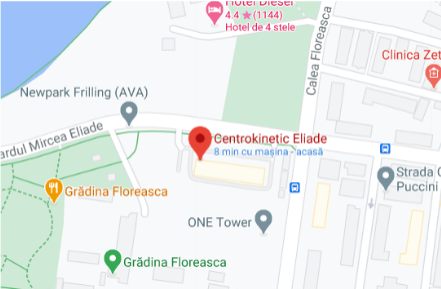
| Navigation | Explore 3D |
CENTROKINETIC Barbu Vacarescu
Bucharest, 2nd District,
Barbu Vacarescu Street, no. 102,
102 The Address, ground floor.
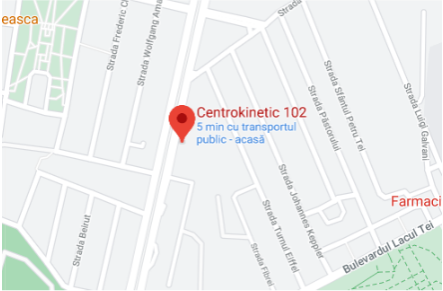
| Navigation | Explore 3D |
CENTROKINETIC MILITARI
Bucuresti, Sector 6,
Bld. Iuliu Maniu, nr. 15G,
Cladirea PBT, etaj 3.

| Navigation |



CENTROKINETIC CLUJ-NAPOCA
Cluj-Napoca,
Str. Intre Lacuri, nr.1
Intrarea este in spatele cladirii.

| Navigation |


SOCRATES CLINIC TIMISOARA
Timisoara, Calea Martirilor 1989,
nr. 1.
Telefon: 0371 785 374.

| Navigation |
CONTACT
Phone: 0319693
E-mail: programari@centrokinetic.ro
Operating hours:
Monday – Friday: 07:00 – 21:00
Saturday: 09:00 – 14:00
Sunday: closed.
MAKE AN APPOINTMENT